1. Introduction to Barcode Technology in Warehouse Management |
Barcode technology has revolutionized warehouse management by offering a systematic and reliable means of tracking products, inventory, and processes in real-time. The shift from manual inventory control to barcode scanning has dramatically reduced errors and enhanced operational efficiency. This chapter will explain how barcode systems work and lay the groundwork for their application in warehouses. |
1.1 How Barcodes Work |
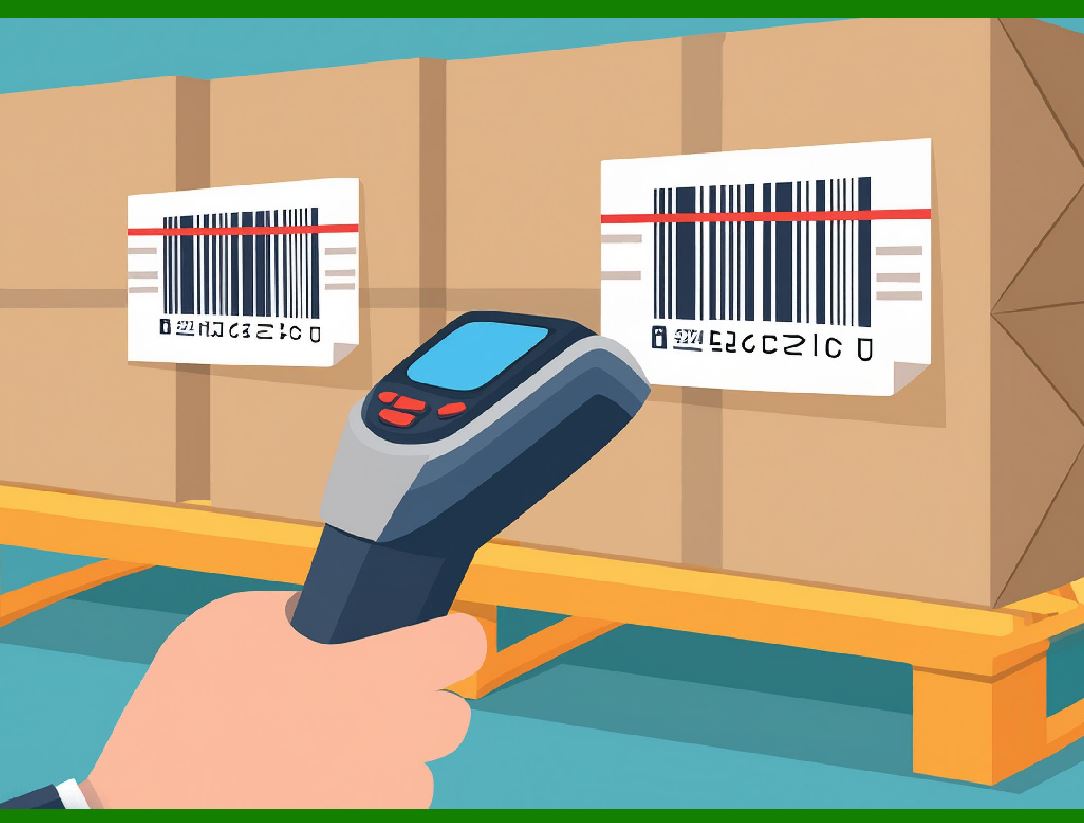
Barcodes are a type of optical data representation that can be read using a scanner or camera-based system. Each barcode encodes specific information about the item it is attached to, such as product ID, batch number, manufacturer, and more. The information is stored in a machine-readable format that can be easily scanned and decoded by barcode readers. |
1.2 Types of Barcodes Used in Warehouses |
There are various types of barcodes used in warehouse environments. The two most common are 1D (linear) barcodes and 2D (matrix) barcodes: |
1D Barcodes: These are the traditional barcodes consisting of parallel lines of varying thicknesses. They encode data in one dimension and are typically used for simpler applications. |
2D Barcodes: These barcodes encode data in two dimensions, allowing for more complex information to be stored. Examples include QR codes and Data Matrix codes. They are often used in applications where more detailed tracking is required. |
|
2. The Role of Barcode Technology in Inventory Management |
One of the most significant uses of barcode technology in warehouses is in the management of inventory. Barcode scanners allow warehouse workers to quickly check stock levels, locate items, and update inventory records in real-time. |
2.1 Real-Time Inventory Tracking |
Barcode systems enable accurate real-time tracking of inventory as it moves through the warehouse. By scanning items at each point of handling—whether when they arrive, when they are shelved, or when they are picked for shipment—inventory data is updated instantly. This ensures that stock levels are always current, reducing the risk of overstocking or stockouts. |
2.2 Automatic Updates to Inventory Systems |
With barcode technology, every scan is linked to an inventory management system. When an item is scanned, the system automatically updates the item’s status—whether it's marked as received, shelved, picked, or shipped. This eliminates the need for manual data entry and reduces the risk of human error. |
2.3 Enhanced Visibility and Accuracy |
Barcodes offer enhanced visibility into warehouse operations. Scanning barcodes provides an immediate update on the location and status of items, which can be displayed on warehouse management system (WMS) dashboards. This leads to better decision-making and more effective resource allocation. |
|
3. Reducing Human Error in Warehouse Operations |
Human error is a significant challenge in warehouse operations, and barcode technology helps mitigate this by automating key processes. |
3.1 Eliminating Manual Data Entry Errors |
Before barcode technology, warehouse workers had to manually input data into inventory systems. This was time-consuming and prone to mistakes. With barcode scanning, this process is automated, greatly reducing the risk of errors such as incorrect data entry or misidentification of products. |
3.2 Improved Accuracy in Picking and Shipping |
One of the most error-prone areas in warehouses is the picking process. When workers manually select items, they can easily make mistakes, such as picking the wrong quantity or the wrong product. Barcode scanning allows for double-checking of orders at each step of the picking process, ensuring that the right items are shipped to the right customers. |
3.3 Fewer Mistakes During Stock Replenishment |
Stock replenishment is another area where barcode technology plays a crucial role in error reduction. Warehouse workers can scan barcodes to confirm that the correct products are restocked in the correct locations. This prevents the errors that often occur when employees manually label or track stock. |
|
4. Improving Efficiency with Barcode Systems |
Barcode technology plays a vital role in improving efficiency in warehouse management, which directly translates into cost savings and faster turnaround times. |
4.1 Faster Data Entry and Processing |
Barcode scanners are significantly faster than manual data entry. Instead of typing product codes or descriptions into a computer, warehouse workers can scan the barcode on an item in seconds. This drastically speeds up data processing, reducing the time it takes to manage and move inventory. |
4.2 Streamlined Inventory Audits |
Barcode technology simplifies the process of conducting inventory audits. Workers can quickly scan the barcodes of products to verify stock levels, and discrepancies are instantly flagged in the system. This speeds up the auditing process, making it more frequent and accurate. |
4.3 Faster Order Fulfillment |
With barcode technology, orders can be processed more quickly. Warehouse workers can use handheld barcode scanners to locate items more easily, and barcodes ensure that the correct items are picked in the right quantities. This leads to faster order fulfillment and reduces the risk of delays in shipping. |
4.4 Optimizing Warehouse Layout |
Barcode systems provide valuable data about product movement and inventory patterns. By analyzing this data, warehouse managers can optimize the layout of their warehouses, placing fast-moving items in easily accessible locations. This reduces the time spent searching for products and increases the overall efficiency of the warehouse. |

|
5. Cost Savings and ROI with Barcode Technology |
The cost savings and return on investment (ROI) from implementing barcode technology in warehouses are significant. |
5.1 Reduced Labor Costs |
By automating processes such as inventory tracking, picking, and shipping, barcode technology reduces the need for labor-intensive manual tasks. This leads to labor cost savings, as fewer workers are required to perform repetitive tasks. |
5.2 Lower Error Rates and Reduced Returns |
Barcode technology helps minimize errors in inventory and order processing, leading to fewer returns and customer complaints. This not only saves on the cost of handling returns but also improves customer satisfaction and loyalty. |
5.3 Better Resource Allocation |
Barcode data helps warehouse managers allocate resources more efficiently. With accurate, real-time data on stock levels and product movement, managers can make better decisions about staffing, inventory purchasing, and space utilization. |
|
6. The Integration of Barcode Technology with Warehouse Management Systems (WMS) |
Barcode technology’s impact on warehouse management is further enhanced when integrated with a Warehouse Management System (WMS). |
6.1 WMS and Barcode Integration |
Warehouse Management Systems (WMS) help automate many aspects of warehouse operations, from inventory control to order fulfillment. When integrated with barcode technology, a WMS becomes even more powerful, enabling seamless, real-time data flow between the warehouse floor and the back office. This integration enhances communication, accuracy, and decision-making across the entire supply chain. |
6.2 Real-Time Monitoring and Alerts |
WMS systems connected to barcode scanners can provide real-time monitoring of warehouse activities, including stock levels, order status, and worker productivity. Alerts can be set up to notify managers of issues such as low stock, misplaced items, or delayed orders, allowing for quick corrective actions. |
6.3 Data Analytics and Reporting |
The integration of barcode technology with WMS also facilitates advanced data analytics and reporting. Warehouse managers can generate reports on inventory performance, order accuracy, and picking efficiency. This data can be used to identify areas for improvement, optimize workflows, and support strategic decision-making. |
|
7. Enhancing Warehouse Security with Barcodes |
Barcode technology also plays a role in improving security within warehouses. |
7.1 Tracking Product Movement |
By scanning barcodes at various touchpoints (e.g., receiving, shelving, picking), warehouses can track the movement of products at all times. This provides a clear audit trail, which helps deter theft and misplacement of goods. Any irregularities can be quickly identified and addressed. |
7.2 Reducing Losses and Theft |
Barcode technology helps reduce shrinkage due to theft by ensuring that products are properly tracked throughout the warehouse. If items are removed or misplaced, the system flags the discrepancy, allowing for swift resolution and minimizing the chances of loss. |
|
8. Barcodes and Warehouse Safety |
Warehouse safety is a critical concern, and barcode technology plays an essential role in improving both operational and worker safety. By automating many tasks and improving inventory accuracy, barcodes help create a safer environment for workers and reduce the risk of accidents. |
8.1 Reducing Human Interaction with Dangerous Equipment |
In traditional warehouses, workers may need to manually retrieve items from high shelves or operate heavy machinery. Barcode technology helps automate many of these processes by allowing workers to simply scan items, thereby reducing the need for dangerous physical interaction. For example, in automated storage and retrieval systems (AS/RS), products can be retrieved using barcode-driven robots, which removes the risk to human workers. |
8.2 Preventing Mistakes that Could Lead to Accidents |
Warehouse environments are often fast-paced, and mistakes can lead to serious accidents. Barcode systems reduce human error by ensuring that workers pick the correct items, load them in the right order, and handle materials in the safest way possible. By scanning barcodes, workers are prompted with specific instructions or warnings that guide them through safe handling practices. |
8.3 Improved Equipment Maintenance Tracking |
Barcodes are also used to track the maintenance and condition of warehouse equipment. By tagging equipment such as forklifts, pallet jacks, and conveyor belts with barcode labels, managers can easily track maintenance schedules and service history. Regular maintenance is crucial to preventing accidents due to equipment malfunctions, and barcode technology streamlines this process. |
8.4 Emergency Response and Worker Location Tracking |
In large warehouses, it can sometimes be difficult to quickly locate workers during emergencies. Barcode technology, when integrated with workforce management systems, can help pinpoint worker locations. For instance, workers can wear RFID-enabled badges that link to their movements, allowing for real-time tracking during an emergency evacuation. |
|
9. Barcode Technology and Sustainability in Warehouse Operations |
As companies increasingly focus on sustainability, barcode technology can contribute to more environmentally friendly warehouse operations by improving efficiency and reducing waste. |
9.1 Reducing Paper Waste |
Prior to the adoption of barcode technology, warehouse workers would rely heavily on paper-based systems for tracking inventory, orders, and shipping labels. This often resulted in a significant amount of paper waste. By transitioning to barcode-based systems, the need for printed labels, pick lists, and invoices is greatly reduced, contributing to a decrease in paper consumption. |
9.2 Minimizing Overstocking and Product Waste |
Barcode technology helps improve inventory accuracy, which directly reduces overstocking and spoilage of goods. By scanning products at every touchpoint—during receiving, picking, and shipping—warehouse managers have a real-time overview of product levels. This ensures that warehouses only carry what they need and reduces excess stock that may go unsold or expire, especially in industries like food and pharmaceuticals. |
9.3 Energy Efficiency in Warehouse Operations |
Barcodes help optimize warehouse workflows, reducing the need for energy-intensive operations. For example, automated guided vehicles (AGVs) that move products throughout the warehouse can be controlled using barcode data, reducing unnecessary movements and energy consumption. Additionally, automated picking systems can reduce the time spent on manual labor, which lowers energy use across the entire warehouse. |
9.4 Sustainable Packaging Solutions |
Barcodes are also used in the development of sustainable packaging systems. Through barcode scanning, warehouses can track the lifecycle of packaging materials, ensuring that recyclable materials are reused and minimizing waste. Furthermore, barcode labels can also be used to track the environmental impact of packaging and help in the implementation of eco-friendly initiatives. |

|
10. Barcode Technology in Multi-Channel Warehouse Operations |
In today’s e-commerce-driven world, warehouses often handle products that will be shipped through multiple channels. Barcode technology helps streamline these multi-channel operations, improving the flexibility and responsiveness of warehouses. |
10.1 Handling Orders from Multiple Sales Channels |
Many warehouses today deal with a mix of orders from brick-and-mortar stores, online customers, and wholesale buyers. Barcode technology enables the quick and accurate sorting of orders coming from different channels, ensuring that the right items are packaged and shipped to the right locations. |
10.2 Omni-Channel Fulfillment |
With the rise of omni-channel retailing, which involves fulfilling orders from both physical stores and online platforms, barcode technology helps manage inventory across multiple locations. Whether products are picked from a warehouse, a retail store, or even a distribution center, barcode systems track each item’s movement in real-time, ensuring that the right product reaches the right customer. |
10.3 Real-Time Order Updates and Visibility |
By using barcode scanning to update inventory and order statuses, warehouses provide customers with real-time information about their orders. Barcode data can be linked to customer-facing platforms, offering insights into stock availability, shipment status, and expected delivery times. This enhances customer satisfaction and builds trust in the fulfillment process. |

|
11. Barcode Technology and Labor Productivity in Warehouses |
One of the most important benefits of barcode technology is its ability to increase labor productivity. By automating manual processes and reducing the need for manual data entry, barcode systems allow workers to complete tasks more quickly and with fewer errors. |
11.1 Faster Order Picking |
Order picking is one of the most labor-intensive tasks in warehouses. Barcode technology accelerates this process by allowing workers to quickly scan items, confirm quantities, and update the system in real-time. The use of barcode-driven picking systems, such as voice-directed picking or pick-to-light systems, further enhances speed and accuracy. |
11.2 Optimized Labor Allocation |
With accurate, real-time data provided by barcode systems, warehouse managers can optimize labor allocation. By tracking productivity levels, managers can identify areas where workers are excelling and areas that need improvement. This helps in assigning the right workers to the right tasks at the right time, improving overall productivity. |
11.3 Reducing Idle Time and Downtime |
Barcode technology helps eliminate unnecessary downtime by providing workers with immediate, accurate information about what tasks need to be completed. With barcode scanning, workers don’t waste time searching for items or waiting for instructions—they can quickly find and scan products, ensuring that operations continue moving smoothly. |

|
12. Advanced Technologies Complementing Barcode Systems |
As barcode technology continues to evolve, it is increasingly being integrated with other advanced technologies to further enhance warehouse management. |
12.1 Integration with RFID Systems |
Radio Frequency Identification (RFID) is often used alongside barcode technology to improve tracking and efficiency. While barcodes require direct line-of-sight to be scanned, RFID tags can be read remotely. This allows for bulk scanning of items, improving the speed and accuracy of inventory tracking, particularly in large or complex warehouse environments. |
12.2 Automation and Robotics |
Robotic systems in warehouses, such as Automated Guided Vehicles (AGVs) and robotic arms, are often integrated with barcode technology. Barcodes are used to provide precise directions for robotic systems, guiding them to the correct location for picking, sorting, or shelving products. This combination of automation and barcode scanning helps improve speed, reduce labor costs, and increase accuracy. |
12.3 Artificial Intelligence and Machine Learning |
The data collected through barcode systems is invaluable for AI and machine learning applications in warehouses. By analyzing this data, AI algorithms can predict demand patterns, optimize inventory levels, and even automate decision-making processes. This integration helps warehouses become more proactive in managing stock and meeting customer demands. |
12.4 Blockchain for Enhanced Data Integrity |
Barcode data, when combined with blockchain technology, can offer even greater transparency and security in warehouse operations. By recording barcode transactions on an immutable blockchain, warehouses can create a tamper-proof audit trail of all product movements. This ensures the accuracy and integrity of data and can be particularly useful in industries that require high levels of compliance, such as pharmaceuticals or food safety. |
|
13. Challenges and Considerations in Implementing Barcode Systems |
Despite the numerous advantages of barcode technology, its implementation in warehouse management does come with some challenges. |
13.1 Initial Costs of Implementation |
While barcode technology offers long-term cost savings, the initial investment in barcode scanners, labels, and software can be substantial. Businesses must weigh the upfront costs against the anticipated efficiency gains to ensure that the return on investment (ROI) justifies the expenditure. |
13.2 Training and Change Management |
Adopting barcode technology may require significant changes to workflow and employee processes. This can lead to resistance among workers who are accustomed to manual processes. To mitigate this, businesses must invest in training programs that ensure employees are comfortable with the new systems. |
13.3 System Integration Challenges |
Integrating barcode technology with existing warehouse management systems (WMS) and enterprise resource planning (ERP) systems can be complex. It may require customization of software and hardware to ensure seamless communication between systems. Ensuring compatibility with other systems is crucial for maximizing the benefits of barcode technology. |

|
14. Future Trends in Barcode Technology for Warehouse Management |
The future of barcode technology in warehouse management is promising, with ongoing innovations set to further enhance its capabilities. |
14.1 Smart Labels and Internet of Things (IoT) |
The future of barcode technology is likely to see more integration with the Internet of Things (IoT). Smart labels that combine barcodes with RFID, GPS, or other sensors can provide real-time data about the condition and location of products throughout the supply chain. |
14.2 Augmented Reality (AR) and Barcode Technology |
Augmented reality (AR) is being explored as a way to enhance warehouse operations. Using AR glasses or devices, workers could see real-time barcode data overlaid onto their field of view, providing instant access to inventory information and navigation instructions. |
14.3 AI-Driven Barcode Systems |
AI could enable barcode systems to become more predictive and intelligent. For example, AI might predict when items are likely to be out of stock or flag unusual product movements, allowing for more proactive inventory management. |
This marks a comprehensive discussion on the significant role of barcode technology in modern warehouse management. |

|
15. The Impact of Barcode Technology on Customer Satisfaction |
Barcode technology plays a crucial role in improving the overall customer experience by enhancing accuracy, efficiency, and communication in warehouse management. Timely and accurate order fulfillment is key to customer satisfaction, and barcode systems enable warehouses to achieve high levels of performance. |
15.1 Faster Shipping and Reduced Delivery Times |
One of the main ways barcode technology improves customer satisfaction is by speeding up the order fulfillment process. With barcodes, orders are processed more quickly, reducing the time it takes for items to be picked, packed, and shipped. The accurate tracking and real-time updates provided by barcode systems ensure that orders are sent out on time, leading to faster delivery times and happier customers. |
15.2 Reduced Risk of Shipping Errors |
Shipping errors—such as sending the wrong product, incorrect quantities, or damaged goods—are a significant source of dissatisfaction for customers. Barcode scanning ensures that every product is correctly identified and verified before it is shipped, greatly reducing the chances of errors. This improves the accuracy of shipments, and customers are more likely to receive exactly what they ordered. |
15.3 Real-Time Tracking and Customer Visibility |
Barcode technology allows for real-time tracking of orders, which can be integrated into customer-facing systems. With barcode scanning at various points in the warehouse, customers can receive up-to-date information about their order’s status. Whether it's a notification when an item ships or an update on delivery status, barcode systems help keep customers informed, increasing their confidence in the company and enhancing their overall experience. |
15.4 Handling Returns and Exchanges Efficiently |
Barcode technology also streamlines the returns and exchanges process. When customers return items, barcodes allow warehouse workers to quickly scan and process the return, updating the system to reflect the inventory change. This results in quicker processing of returns, making the experience smoother for the customer. Furthermore, barcode systems can ensure that the returned items are appropriately inspected, restocked, or discarded based on their condition. |
|
16. Barcode Technology and Global Warehouse Operations |
With the increasing trend of globalization, many warehouses today operate on a global scale, managing inventory across multiple locations and countries. Barcode technology helps manage the complexities of global supply chains and enhances the efficiency of international warehouse operations. |
16.1 Simplified Cross-Border Inventory Management |
Managing inventory across different countries and regions can be challenging due to variations in local regulations, languages, and supply chain standards. Barcode technology simplifies this by providing a universal standard for tracking products. Whether products are in a warehouse in North America, Europe, or Asia, barcode systems ensure that data can be accessed and updated seamlessly across borders, ensuring smooth global operations. |
16.2 Tracking International Shipments |
Barcodes are an essential tool for tracking international shipments. By scanning barcodes at each stage of the shipment process—whether at customs, during transport, or at the destination warehouse—companies can track goods in real-time, regardless of their location. This ensures transparency throughout the international shipping process and enables timely delivery. |
16.3 Regulatory Compliance Across Borders |
Warehouses involved in international trade often need to comply with different regulatory requirements in various countries. Barcode technology supports this by providing accurate and detailed data about products, such as country of origin, certifications, expiration dates, and batch numbers. This ensures that goods can be processed efficiently at international borders, avoiding delays due to regulatory issues. |
16.4 Multilingual and Multi-Currency Support |
Barcode systems can be designed to support multilingual labels and multiple currencies, which is essential for warehouses handling international shipments. Barcode readers and warehouse management software can interpret data in various languages and currencies, ensuring that workers across different regions can read and process information correctly. |
|
17. Barcode Technology and Supply Chain Integration |
Barcode systems do not just impact warehouse management—they are a key enabler of integration across the broader supply chain, linking suppliers, manufacturers, and retailers to warehouses in a seamless manner. |
17.1 Supply Chain Transparency |
Barcode technology plays a vital role in improving supply chain transparency. By scanning barcodes at every stage of production and shipment, companies can track products from the manufacturer to the warehouse and then to the final customer. This provides greater visibility into the supply chain, allowing for proactive management of any delays, shortages, or disruptions. |
17.2 Collaborative Supply Chain Management |
Barcode systems enable better collaboration between warehouse operators and other entities in the supply chain. Suppliers, manufacturers, and retailers can access real-time data on inventory levels, product movement, and order status. This allows all parties to stay aligned and make data-driven decisions that benefit the entire supply chain. |
17.3 Streamlined Communication Between Suppliers and Warehouses |
With barcode technology, warehouse operators can receive automatic updates from suppliers regarding new stock or order status, eliminating the need for manual communication. Barcode scanning can trigger automatic reordering based on stock levels, ensuring that warehouses are always prepared to meet demand without overstocking. |
17.4 Reducing Lead Times |
Barcode scanning speeds up processes such as receiving shipments, processing orders, and restocking shelves. This results in a reduction in lead times, which is critical in managing the flow of goods through the supply chain. By speeding up these processes, barcode technology helps warehouses handle more orders with fewer delays, enhancing overall supply chain performance. |

|
18. Barcode Technology and Data-Driven Decision Making |
Data-driven decision-making is becoming increasingly important in warehouse management, and barcode technology is a powerful enabler of this shift. By providing detailed and accurate data on inventory, operations, and order fulfillment, barcode systems allow managers to make informed decisions that improve performance. |
18.1 Real-Time Data for Immediate Decision-Making |
Barcode systems provide real-time data on the status of inventory, orders, and shipments. This data can be used by managers to make quick decisions based on the most current information available. Whether it’s adjusting staffing levels, reallocating resources, or changing warehouse layout, real-time data improves the decision-making process and allows managers to react quickly to changes in demand. |
18.2 Predictive Analytics and Forecasting |
Barcode systems, when integrated with analytics tools, can provide valuable insights into inventory trends and order patterns. For example, by analyzing historical data from barcode scans, warehouse managers can predict when stock levels will reach a critical low, anticipate demand surges, and optimize inventory levels accordingly. This predictive capability helps avoid stockouts, reduce excess inventory, and improve overall efficiency. |
18.3 Continuous Process Improvement |
Barcode systems generate a wealth of data on every aspect of warehouse operations. This data can be used to track key performance indicators (KPIs) such as picking speed, order accuracy, and employee productivity. By continuously monitoring these metrics, managers can identify areas for improvement and make data-driven decisions to optimize workflows, reduce bottlenecks, and enhance overall warehouse performance. |
18.4 Benchmarking and Performance Comparison |
Warehouse managers can also use barcode-generated data to benchmark their performance against industry standards or other warehouses in the company’s network. By comparing key metrics, managers can identify best practices and areas where improvements are needed. This fosters a culture of continuous improvement and ensures that warehouses are operating at peak efficiency. |
|
19. Security and Fraud Prevention with Barcode Technology |
Barcode technology not only improves efficiency and accuracy but also enhances security and helps prevent fraud in warehouse operations. |
19.1 Tracking Product Authentication |
Barcode systems are used to verify the authenticity of products, particularly in industries such as pharmaceuticals, electronics, and luxury goods. By scanning a barcode, workers can verify that the product is legitimate and not a counterfeit. This ensures that only genuine products are processed through the warehouse and shipped to customers. |
19.2 Preventing Theft and Misplacement |
Barcode systems create a digital record of every product that passes through the warehouse. This record can be used to track products’ movements and identify any discrepancies, such as theft or misplacement. If an item is scanned in an unexpected location or at an unexpected time, warehouse management systems can alert supervisors to investigate, minimizing the potential for theft or errors. |
19.3 Enhanced Inventory Control |
Barcode systems are crucial for maintaining tight inventory control, reducing the risk of stockouts and shrinkage. With barcode technology, it is easy to track the quantity, location, and condition of every item in the warehouse, improving accuracy and reducing the chances of fraudulent activity. This level of transparency strengthens the integrity of the inventory management process. |
19.4 Access Control with Barcode Scanners |
Barcode scanners can also be used for access control in warehouses, ensuring that only authorized personnel can access sensitive areas or high-value inventory. Employees may be required to scan a badge or employee ID barcode to enter restricted areas, preventing unauthorized access and enhancing overall warehouse security. |

|
20. Conclusion: The Future of Barcode Technology in Warehouse Management |
Barcode technology is a vital tool in modern warehouse management, and its role continues to grow as warehouses become more complex and connected. By improving efficiency, reducing errors, enhancing security, and facilitating data-driven decision-making, barcode systems have become indispensable in ensuring smooth, fast, and reliable operations. As technology evolves, barcode systems will continue to integrate with emerging technologies such as AI, robotics, and the Internet of Things (IoT), further enhancing the capabilities of warehouse operations. |
In the future, we can expect to see even more innovation in barcode systems, making them faster, more efficient, and more accurate. The ongoing development of smart barcodes, increased integration with AI-powered systems, and the continued expansion of automated warehouses are all part of the evolving landscape of warehouse management. |
In summary, barcode technology has transformed warehouse operations by enhancing accuracy, efficiency, and security, contributing to faster order fulfillment, lower operational costs, and increased customer satisfaction. As the technology continues to evolve, its impact on warehouse management will only grow, shaping the future of logistics and supply chain management worldwide. |

|
21. Barcode Technology in Automated Warehouses |
As automation continues to revolutionize warehouse operations, barcode technology is playing a crucial role in enabling automated systems. In fully or semi-automated warehouses, barcodes provide the critical data needed to coordinate various automated systems. |
21.1 Integration with Automated Guided Vehicles (AGVs) |
Automated Guided Vehicles (AGVs) are increasingly used in warehouses for transporting goods without human intervention. These vehicles rely on barcode systems to navigate the warehouse. Barcodes are placed on the floor or on inventory shelves, and AGVs use these barcodes to follow predetermined paths, pick up and drop off goods, and perform other tasks like sorting and replenishment. |
Benefits: Barcodes enable AGVs to accurately locate products, ensuring that the right items are moved efficiently throughout the warehouse. |
Example: In a high-volume e-commerce warehouse, an AGV system might pick up a specific SKU, transport it to a picking area, and return for another item. Barcodes guide this process, reducing errors and increasing throughput. |
21.2 Robotic Picking Systems and Barcode Synergy |
Robotic systems in warehouses—such as robotic arms for picking—use barcodes to identify and handle inventory. These robots are equipped with vision systems that scan barcodes on items to determine their characteristics (e.g., size, shape, color). The barcode serves as a reference point for robots to verify that the correct product is being selected. |
Benefits: Barcode technology ensures the robotic arms handle items precisely and that inventory is picked in the correct order. |
Example: A robotic picking arm in a pharmaceutical warehouse can use barcode data to identify medications and ensure that the right batch is selected, reducing the chances of human error. |
21.3 Barcode-Driven Warehouse Control Systems |
In highly automated warehouses, barcode systems are integrated with Warehouse Control Systems (WCS), which manage the interaction between automated equipment like conveyors, sorters, and robots. When a product is scanned, the barcode data informs the WCS, which then directs the necessary automation equipment to pick, sort, and ship the item. |
Benefits: This level of automation dramatically increases the speed of operations while minimizing human labor. |
Example: A barcode on a product directs a sorting system to send the item to the correct lane for packaging and shipping, ensuring minimal handling and reducing delays. |

|
22. Barcode Technology in Cold Storage Warehouses |
Cold storage warehouses present unique challenges because of the extreme temperature conditions, which can affect both products and technology. However, barcode systems are essential for maintaining accuracy and efficiency in these environments. |
22.1 Barcodes in Freezing and Chilled Environments |
In cold storage environments, traditional barcode labels may become unreadable due to the extreme cold. To address this, warehouses often use specialized labels made from durable materials that can withstand freezing temperatures. These materials are typically designed to resist the effects of moisture and condensation, ensuring the barcode remains scannable. |
Challenges: Cold temperatures can make adhesive labels brittle, and condensation can make it difficult for scanners to read the barcode properly. |
Solutions: RFID barcodes and thermal labels are increasingly used in cold storage because they can operate in extreme conditions and are more reliable for long-term tracking of products stored in freezers or refrigerated areas. |
22.2 Efficient Inventory Management in Cold Storage |
Barcodes in cold storage warehouses allow for efficient tracking of perishable goods. The barcode system can track the product’s expiration date, batch number, and storage conditions (e.g., temperature range) in real-time. This ensures that inventory is rotated properly (FIFO: First In, First Out) to avoid spoilage or waste. |
Example: In a frozen food warehouse, barcodes are used to track items from receipt to shipment. As workers scan barcodes at different points in the warehouse, the system can ensure the oldest stock is shipped first, minimizing waste. |
22.3 Temperature Monitoring and Barcode Data Integration |
Barcode systems can be integrated with temperature sensors to continuously monitor the conditions of perishable goods. As items are scanned, the barcode system can record real-time temperature data, and if the product deviates from the required temperature range, alerts are automatically sent to warehouse managers. |
Example: Pharmaceutical cold storage often requires strict temperature control for sensitive medications. Barcode technology linked to temperature sensors ensures that medications are stored within the correct temperature parameters and that any deviations are immediately addressed. |

|
23. Barcode Systems in Multi-Tiered Warehouses |
Many warehouses now utilize multiple levels or tiers for storage, especially in large-scale operations with limited floor space. Barcode technology can help optimize inventory management across multiple levels. |
23.1 Challenges of Managing Multi-Tier Storage |
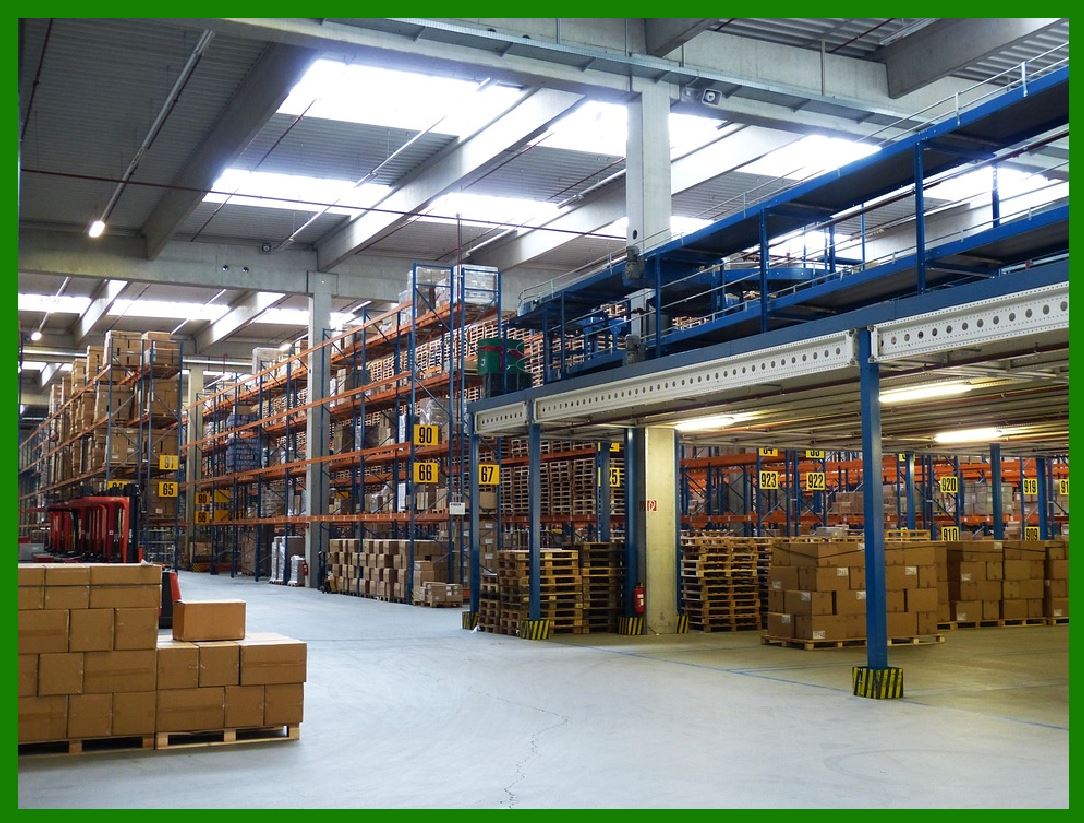
Multi-tiered warehouses typically store products in high-rise shelving units, which can be difficult to access manually. Barcode technology aids in managing these systems by providing accurate location data for each item. Workers can scan barcodes to determine not only the exact item but also the specific shelf, rack, and bin in which it is stored. |
Challenge: Locating items in multi-tiered systems without barcodes can be time-consuming and error-prone. |
Solution: Barcodes, in combination with warehouse management systems (WMS), allow for precise real-time tracking of inventory. The WMS provides the location of an item at any given time, allowing workers to go directly to the correct location. |
23.2 High-Density Storage Systems with Barcode Labels |
High-density storage systems, such as narrow aisle racking or vertical lift modules (VLMs), require precise inventory control. Barcode technology ensures that every item, even in these highly compact environments, is tracked efficiently. |
Example: In an automotive parts warehouse with multi-tiered racking, barcodes are placed on both the shelves and the products. Workers use handheld barcode scanners to quickly identify parts and retrieve them from hard-to-reach locations, significantly improving picking efficiency. |
23.3 Automated Storage and Retrieval Systems (AS/RS) |
In AS/RS environments, where robotic systems automatically retrieve and store items, barcode labels are essential for ensuring accurate item identification. Barcode scanners are used to confirm the correct items are retrieved from each shelf and placed in the appropriate location. |
Example: In a multi-level AS/RS for e-commerce, barcode scanners work in conjunction with automated robots to pick products from different tiers and deliver them for packing. The barcode data ensures that the robots are retrieving the right products from the right location. |

|
24. Barcode Technology in Hazardous Material Warehouses |
In warehouses that handle hazardous materials (Hazmat), safety, compliance, and traceability are crucial. Barcode technology plays an essential role in tracking hazardous goods and ensuring that they are stored, handled, and transported according to regulations. |
24.1 Hazmat Labeling and Barcode Systems |
Hazardous materials must be labeled according to strict regulatory standards. Barcodes can be integrated with these labels, enabling easy scanning to confirm product type, handling requirements, and regulatory compliance. By scanning the barcode, warehouse workers can instantly access detailed safety data sheets (SDS), handling guidelines, and storage requirements. |
Challenge: Hazardous materials may require special storage conditions, and failing to track them accurately could lead to compliance violations or safety hazards. |
Solution: Barcode systems integrated with hazardous material management systems can automate regulatory compliance by ensuring that materials are stored and handled according to the correct guidelines. |
24.2 Tracking Material Movements in Hazardous Warehouses |
Barcodes are used to track hazardous materials through each stage of warehouse handling. By scanning barcodes when materials are received, moved, or shipped, workers can ensure that the correct procedures are followed. In case of a spill or emergency, the barcode data can provide detailed tracking of the material’s movement within the warehouse, aiding in cleanup efforts and compliance reporting. |
Example: In a chemical warehouse, each drum or container of hazardous material is labeled with a barcode. When workers move these materials, barcode scanners automatically log their locations and movements, ensuring the materials are always in the correct zone and handled according to safety standards. |
24.3 Inventory Control for Expiring Hazardous Materials |
Many hazardous materials have expiration dates or shelf-lives that must be strictly monitored. Barcode systems allow for real-time tracking of expiration dates and other critical information about hazardous materials, helping warehouses ensure that expired or unsafe materials are disposed of properly before they can cause harm. |
Example: A warehouse storing pharmaceutical chemicals uses barcode technology to track expiration dates and ensure that no material beyond its shelf life is sent out. Barcode scans can automatically trigger alerts when a product is nearing expiration, prompting further action. |
|
25. The Role of Barcode Technology in Lean Warehouse Management |
Lean warehouse management focuses on maximizing efficiency while minimizing waste. Barcode technology plays a crucial role in implementing lean principles by eliminating unnecessary steps, reducing inventory errors, and improving overall productivity. |
25.1 Eliminating Non-Value-Added Activities |
Barcode technology eliminates several non-value-added activities in the warehouse, such as manual inventory counting and product search time. By automating inventory updates, barcode systems allow warehouse employees to focus on value-added activities, such as quality control and customer service. |
Example: Instead of manually counting stock, workers use barcode scanners to automatically update inventory records in real-time, freeing up time for tasks that directly impact product quality and customer satisfaction. |
25.2 Reducing Inventory Holding Costs |
Lean principles emphasize the importance of reducing inventory and optimizing stock levels. Barcode technology provides real-time visibility into inventory levels, allowing warehouses to better manage stock turnover and reduce holding costs. Accurate data on stock levels helps prevent overstocking or understocking, ensuring that inventory is optimized. |
Example: In a distribution center, barcode technology ensures that items are reordered only when necessary, preventing excess stock and minimizing storage costs. |
25.3 Visualizing Workflows with Barcode Systems |
Barcode systems can also be integrated with warehouse management systems to visualize workflows. These systems can provide managers with dashboards and metrics that highlight areas of inefficiency, helping them identify bottlenecks, workflow disruptions, and unnecessary steps in the process. |
Example: A warehouse might use a barcode system to visualize and optimize order picking routes. By analyzing scan data, managers can identify the shortest and most efficient picking paths, reducing wasted time and energy. |
These niche aspects of barcode technology show just how deeply embedded it is in modern warehouse operations, with applications ranging from automation to hazardous material handling. Barcode systems offer a level of efficiency, accuracy, and flexibility that is indispensable in today’s fast-paced supply chain environment. |
|
26. Barcode Technology in Healthcare |
Barcode technology has been a game-changer in the healthcare sector, improving patient safety, inventory management, and overall efficiency in hospitals and clinics. |
26.1 Medication Management and Patient Safety |
Barcode technology is widely used for medication management in healthcare settings to ensure that patients receive the correct medications and dosages. By placing barcode labels on prescription bottles, syringes, and IV bags, healthcare workers can scan these barcodes to verify the medicine against the patient’s electronic health record (EHR). |
Example: When administering medication to a patient, nurses scan the patient’s wristband and the barcode on the medication. The system cross-references the information to ensure that the drug and dosage are correct, reducing the risk of medication errors. |
26.2 Asset Tracking and Equipment Management |
Hospitals and healthcare facilities often deal with high-value medical equipment like MRI machines, infusion pumps, and ventilators. Barcode technology helps track the location and maintenance schedules of this equipment to ensure it is properly maintained, sterilized, and available when needed. |
Example: A hospital uses barcode labels on equipment and integrates this with their asset management software. When a piece of equipment is moved from one department to another, it is scanned, updating its location in the system. This ensures that medical professionals always know where critical equipment is. |
26.3 Inventory Management for Pharmaceuticals and Supplies |
Barcode technology is also critical for managing inventory in healthcare settings. By scanning barcodes on pharmaceutical products, medical supplies, and consumables, healthcare facilities can maintain accurate stock levels and automatically reorder items when they run low. |
Example: A pharmacy in a hospital uses barcode scanning to manage their inventory of medications. When a drug is dispensed to a patient, it is automatically deducted from the inventory system, and if stock levels fall below a set threshold, an automatic reorder is triggered. |
26.4 Blood and Organ Tracking |
In blood banks and organ transplant facilities, barcode technology ensures that blood donations and organ transplants are correctly labeled and tracked throughout the entire process. By scanning barcodes on blood bags and organ donation records, facilities can ensure that the right patient receives the right blood type or organ, and that proper documentation is maintained. |
Example: A blood bank uses barcodes to track blood donations. When blood is donated, the barcode is scanned and linked to the donor’s information, including blood type and donation history. When the blood is later transfused to a patient, the barcode ensures proper identification and matching. |
|
27. Barcode Technology in Retail |
Retailers are increasingly relying on barcode systems not only for inventory management but also for enhancing customer experience, improving efficiency, and streamlining operations. |
27.1 Point of Sale (POS) Systems |
Barcodes are used in retail environments to scan products at checkout. This system reduces the need for manual entry of product codes, making transactions faster and more accurate. Barcode scanning at the POS also enables retailers to track sales data and monitor inventory levels in real-time. |
Example: A clothing store uses barcodes on each item of clothing. When a customer makes a purchase, the barcode is scanned at the POS, instantly updating the store's inventory and generating a sales report. This information is sent directly to the store's inventory management system to update stock levels. |
27.2 Shelf Labeling and Product Identification |
Retailers use barcodes on shelves to simplify the identification of products. In grocery stores or warehouses, barcodes can be placed on the shelves to provide staff with real-time information about product availability, pricing, and stock levels. |
Example: In a supermarket, barcodes are placed on shelves next to products. Employees can scan the shelf barcodes with handheld devices to instantly view stock quantities and reorder items as needed. This ensures that shelves are stocked appropriately and reduces the risk of running out of popular items. |
27.3 Mobile and Self-Checkout Systems |
The rise of mobile self-checkout systems in retail stores leverages barcode scanning technology to enhance the customer shopping experience. Customers can scan products with their smartphones, add them to their virtual cart, and make payments directly from their devices. |
Example: A grocery store has implemented a mobile self-checkout system where customers can scan product barcodes using a mobile app. Once they’ve scanned all their items, they can pay directly through the app and leave without waiting in line. |
27.4 Supply Chain and Logistics Optimization |
Retailers, especially those operating globally, use barcodes to manage their supply chains and logistics. Barcodes on products and shipments provide real-time tracking of goods as they move from manufacturer to distribution center to retail location. |
Example: A retailer uses barcode scanning to monitor inventory levels at multiple distribution centers. When stock runs low in one region, the barcode system triggers a re-order request from another warehouse, ensuring that there is no disruption to supply. |
|
28. Barcode Technology in Libraries |
Libraries use barcode systems extensively for cataloging, circulation, and asset management, allowing for fast check-ins and check-outs of materials. |
28.1 Book Check-In and Check-Out |
In libraries, each book or item is assigned a unique barcode. When patrons check out a book, the barcode is scanned to update the system, and the book’s status is changed to “checked out.” When returned, the book’s barcode is scanned again to mark it as “returned.” |
Example: A public library uses barcode scanners at the checkout station to scan books and update the library’s database in real-time. This reduces the time required for book checkout and ensures that accurate records are kept. |
28.2 Inventory and Shelf Scanning |
Libraries often conduct regular inventories to ensure all items are in their correct locations. Barcodes make this process faster by allowing staff to scan shelves to track the items without having to manually count each book. |
Example: A university library employs barcode scanning to verify that books are placed correctly on shelves. If a book is misplaced, it can be quickly identified and returned to the right location, saving time and reducing errors. |
28.3 Book and Asset Tracking |
Barcodes are also used in library management systems to track special assets like DVDs, audiobooks, and rare collections. The barcode system helps ensure that these valuable items are not lost and that their movement can be tracked across different locations. |
Example: A library uses barcode labels on DVDs and Blu-Rays, which are tracked using a database. When an item is checked out, the system logs the patron’s details and the item’s expected return date, improving asset security. |
|
29. Barcode Technology in Manufacturing |
In the manufacturing sector, barcode systems are essential for tracking parts, products, and components throughout the production process, ensuring consistency, quality control, and efficient assembly. |
29.1 Component Tracking and Traceability |
Barcodes are used on individual components in manufacturing to track their progress throughout the production process. Each part is labeled with a barcode that includes information about the component’s origin, specifications, and quality checks. |
Example: In an automotive manufacturing plant, each car part is given a barcode that contains details about the part’s materials, production batch, and any quality certifications. As the car progresses through the assembly line, the barcode is scanned to confirm that the correct parts are being used at each step. |
29.2 Work-in-Progress (WIP) Tracking |
Manufacturers use barcode technology to monitor products in various stages of production. Barcode scanning allows for real-time updates to WIP inventory, helping manufacturers track the progress of products from assembly to final inspection. |
Example: In a smartphone assembly factory, each unit is scanned as it moves from one station to the next, allowing managers to see where each unit is in the production process. If there’s a bottleneck at one stage, it can be identified immediately. |
29.3 Quality Control and Compliance |
Barcode systems help ensure that products meet quality control standards. Barcodes are scanned during inspections to ensure that parts are up to spec before they move on to the next stage of production or are shipped to customers. |
Example: A medical device manufacturer uses barcode systems to scan products at various checkpoints during assembly. The system records any discrepancies in quality and ensures compliance with strict industry regulations. |
|
30. Barcode Technology in Food and Beverage Industry |
The food and beverage industry is another sector where barcode technology provides substantial benefits in terms of tracking, safety, and efficiency. |
30.1 Food Safety and Traceability |
Food manufacturers and distributors use barcodes to ensure traceability throughout the supply chain. This includes tracking the origin of ingredients, monitoring shelf life, and managing recalls in case of contamination. |
Example: A company that produces packaged food uses barcodes to trace the source of ingredients, ensuring that they can be recalled quickly if a batch is found to be contaminated. If a contaminated batch is identified, the barcode system helps pinpoint which stores or customers received the affected products. |
30.2 Expiration Date Management |
Barcodes are commonly used to track expiration dates on perishable items, ensuring that products are sold before they expire and minimizing food waste. |
Example: A supermarket chain uses barcodes to track the expiration dates of dairy products. When stock gets close to its expiration date, it is automatically flagged for removal from the shelves or marked for promotional discounts. |
30.3 Inventory Management and Stock Replenishment |
Barcode systems are used to monitor stock levels in food and beverage warehouses. When an item’s barcode is scanned, it updates the system with real-time stock data. This helps warehouses efficiently manage inventory, prevent stockouts, and improve order fulfillment. |
Example: A beverage distributor uses barcode scanning to track inventory levels for various products. As orders are shipped out, the barcode system updates stock levels automatically, triggering reorders when stock reaches low levels. |
|
31. Barcode Technology in Asset and Facility Management |
Large organizations, including universities, hospitals, and corporate offices, use barcode systems for managing facilities and assets. |
31.1 Facility Equipment Tracking |
Barcodes help track the location, usage, and maintenance history of facility assets, such as HVAC units, printers, or furniture. This helps improve asset lifecycle management, reduce costs, and ensure that equipment is properly maintained. |
Example: A university uses barcode technology to track the location and maintenance schedules of all its HVAC units across campus. When service is required, technicians scan the barcode to quickly access the unit’s maintenance history. |
31.2 Building Security and Access Control |
Barcodes can be used for facility security by assigning unique barcodes to doors, entry points, and access cards. Security personnel can scan barcodes to track employee access to various areas within the building. |
Example: A corporate office uses barcode-based access control systems, where employees scan a badge with a barcode to enter secured areas. This ensures only authorized personnel can access restricted zones. |
These additional use cases highlight how barcode technology is being utilized in a wide variety of industries, from healthcare to manufacturing, and even in facility management. The flexibility of barcode systems allows them to be applied in diverse operational environments to improve accuracy, efficiency, and safety. |
|
Summary of its most important contributions |
1. Improved Inventory Accuracy and Tracking |
Barcode systems enable real-time tracking of inventory, reducing errors associated with manual stocktaking. Each product is assigned a unique barcode, which can be scanned to update inventory levels automatically. This ensures that warehouse managers always have an accurate view of stock levels, preventing stockouts, overstocking, and misplacements. |
Key Benefits: |
Real-time visibility of inventory. |
Accurate stock counts and reduced errors. |
Simplified replenishment and stock rotation (FIFO, LIFO). |
2. Faster Order Fulfillment |
Barcode technology speeds up the picking and packing processes. Workers can quickly locate, verify, and pick products based on barcode scans, reducing manual errors and saving time. Barcode systems can also be integrated with automated systems (e.g., AGVs, robotic picking) to further enhance efficiency. |
Key Benefits: |
Increased order picking speed. |
Fewer errors in order fulfillment. |
Improved overall warehouse throughput. |
3. Integration with Warehouse Management Systems (WMS) |
Barcodes seamlessly integrate with Warehouse Management Systems (WMS), enabling automated processes. For example, when items are scanned, the WMS is updated instantly, helping manage workflows, optimize storage, and track real-time movement of goods. |
Key Benefits: |
Streamlined operations and data flow. |
Better coordination between different warehouse functions (receiving, picking, shipping). |
Optimized use of warehouse space and resources. |
4. Enhanced Workflow Efficiency |
Barcodes reduce the need for manual data entry, which can be time-consuming and error-prone. Scanning barcodes helps automate and streamline tasks such as receiving shipments, sorting inventory, and managing order returns. |
Key Benefits: |
Improved accuracy in order picking and receiving. |
Reduced labor costs through automation. |
Fewer manual errors, which improves workflow efficiency. |
5. Cost Savings and Return on Investment (ROI) |
The implementation of barcode technology reduces operational costs in the long run. By improving inventory accuracy, reducing stock loss, and increasing productivity, barcode systems offer a substantial return on investment. Though initial setup costs may be high, the long-term savings and improved operations outweigh these expenses. |
Key Benefits: |
Reduced labor and operational costs. |
Improved financial performance through optimized inventory management. |
Lower error-related costs such as returns and mispicks. |
6. Improved Safety and Compliance |
Barcodes contribute to warehouse safety by ensuring that workers handle products correctly, reducing the likelihood of accidents. They also ensure compliance with industry standards, such as regulatory requirements for pharmaceuticals or hazardous materials, by tracking products throughout the supply chain. |
Key Benefits: |
Increased safety through accurate handling and monitoring. |
Better compliance with industry regulations. |
Enhanced traceability for sensitive products (e.g., pharmaceuticals, food). |
7. Real-Time Data for Better Decision-Making |
Barcode systems provide continuous real-time data, which can be used to monitor warehouse performance, identify bottlenecks, and make data-driven decisions. This helps managers optimize operations, allocate labor more effectively, and prevent potential disruptions. |
Key Benefits: |
Improved decision-making through actionable insights. |
Enhanced performance monitoring with real-time data. |
Proactive management of bottlenecks and inefficiencies. |
8. Flexibility and Scalability |
Barcode technology is highly adaptable to different warehouse environments, from small distribution centers to large-scale automated facilities. It can easily be scaled as a business grows, whether that means handling more products, expanding into new locations, or integrating with other systems. |
Key Benefits: |
Scalable solution that grows with the business. |
Flexible integration with other technologies like RFID and IoT. |
Enhanced capacity to handle high volumes and complex operations. |
9. Support for Multi-Channel Fulfillment |
In the era of omni-channel retail, barcode technology enables efficient order fulfillment across multiple sales channels, such as e-commerce, physical stores, and wholesale distribution. Barcode systems help track the movement of goods, ensuring that products are efficiently processed and shipped to customers via their preferred channels. |
Key Benefits: |
Simplified fulfillment across different sales channels. |
Enhanced order visibility for both warehouses and customers. |
Efficient management of returns and exchanges. |
10. Advanced Integration with Automation and AI |
As warehouses evolve towards automation, barcode technology is integrated with systems such as Automated Guided Vehicles (AGVs), robotics, and artificial intelligence (AI). This enables fully automated inventory management, robotic picking, and predictive maintenance, further optimizing warehouse operations. |
Key Benefits: |
Enhanced automation, reducing manual labor and increasing productivity. |
Better predictive analytics for forecasting demand and optimizing workflows. |
Integration with AI and machine learning for smarter inventory management. |
|
Conclusion: |
Barcode technology is foundational to the success of modern warehouse management systems. It improves accuracy, efficiency, and speed, while also contributing to cost savings and better decision-making. By providing real-time visibility, improving order fulfillment, and supporting automation, barcode technology ensures warehouses operate smoothly and can scale with the growing demands of global supply chains. As technology continues to advance, barcode systems will likely become even more integrated with next-gen technologies like AI, IoT, and robotics, enhancing their role in future warehouse operations. |
 cs@easiersoft.com