Part 15 |
Future Development Trends of Cloud Database + Barcode + POS Integration in Chain Store Ecosystems |
1. Introduction to the Future of Integrated Retail Systems |
1.1 |
The integration of cloud databases, barcode technology, and POS systems is not a static technological solution, but an evolving ecosystem that continues to transform as computing, networking, artificial intelligence, and retail business models advance. Chain store operations are increasingly dependent on digital infrastructure that adapts dynamically to customer behavior, supply chain conditions, and market fluctuations. |
1.2 |
In the past, retail systems were primarily focused on transaction recording and basic inventory control. Today, they have evolved into real-time intelligent platforms capable of predictive analytics, automated decision-making, and cross-channel coordination. In the future, this evolution will accelerate further, driven by AI, edge computing, IoT, and advanced cloud-native architectures. |

|
1.3 |
The convergence of barcode scanning, POS systems, and cloud databases will continue to serve as the foundational structure of retail operations, but the intelligence layer built on top of them will expand significantly in complexity and capability. |
1.4 |
This part explores the most important future development trends shaping the next generation of chain store systems. |
1.5 |
These trends are not isolated innovations but interconnected transformations that will redefine how retail enterprises operate globally. |

|
2. AI-Driven Autonomous Retail Systems |
2.1 |
Artificial intelligence will become the central decision-making layer in future retail systems, significantly reducing human intervention in operational processes. |
2.2 |
AI models will analyze real-time POS transaction data, barcode-based inventory flows, and cloud-based customer behavior profiles to automatically optimize pricing, promotions, and inventory distribution. |
2.3 |
Autonomous systems will be capable of adjusting product pricing dynamically based on demand, competition, inventory levels, and seasonal patterns. |
2.4 |
Machine learning algorithms will continuously improve forecasting accuracy for product demand at both store-level and enterprise-level operations. |
2.5 |
AI-powered recommendation engines will influence not only online shopping experiences but also in-store POS interactions and self-checkout systems. |
2.6 |
Eventually, retail systems may evolve into semi-autonomous ecosystems where humans supervise strategic decisions while AI handles operational execution. |
2.7 |
Barcode scanning and POS systems will serve as real-time data input channels feeding AI-driven decision engines. |
2.8 |
This transformation will significantly increase operational efficiency and responsiveness across chain store networks. |

|
3. Edge Computing and Distributed Intelligence |
3.1 |
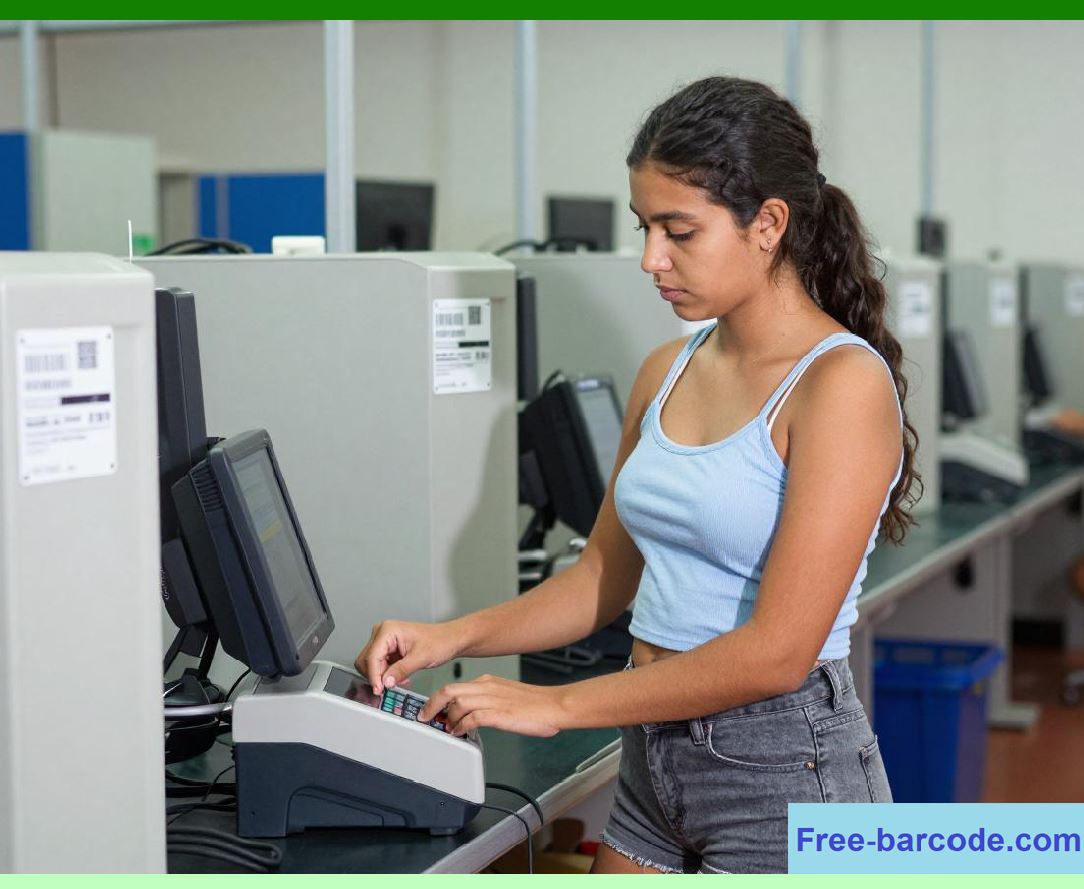
Edge computing will play a crucial role in reducing latency and improving real-time processing capabilities in retail environments. |
3.2 |
Instead of sending all barcode scan and POS transaction data directly to centralized cloud systems, part of the processing will occur locally at store-level edge nodes. |
3.3 |
Edge devices will handle tasks such as pricing lookup, inventory validation, and membership verification without requiring constant cloud communication. |
3.4 |
This will significantly improve checkout speed and system responsiveness, especially in high-traffic retail environments. |
3.5 |
Edge intelligence will also enable offline operation capabilities, allowing stores to continue functioning during network outages. |
3.6 |
Distributed computing models will balance workloads between edge nodes and cloud systems based on latency, cost, and processing requirements. |
3.7 |
POS systems will become hybrid computing platforms combining local processing power with cloud-based intelligence. |
3.8 |
This architectural shift will enhance system resilience and scalability. |
|
4. IoT Integration in Retail Environments |
4.1 |
The Internet of Things (IoT) will further extend the capabilities of integrated retail systems by connecting physical store environments to digital infrastructure. |
4.2 |
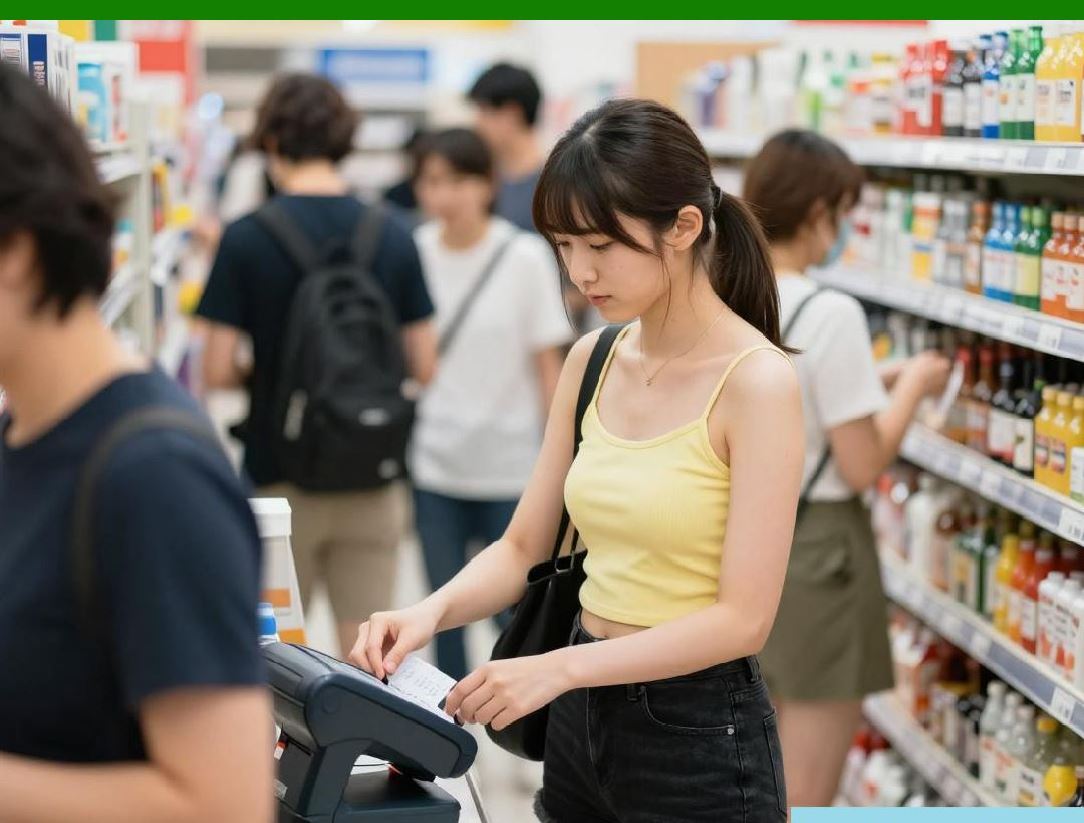
Smart shelves equipped with sensors will automatically detect product availability and trigger inventory updates in real time. |
4.3 |
RFID tags and smart barcode systems will enhance product tracking accuracy across supply chains and store locations. |
4.4 |
Environmental sensors will monitor temperature, humidity, and lighting conditions for sensitive product categories. |
4.5 |
Customer behavior tracking systems may analyze movement patterns within stores to optimize product placement and store layout. |
4.6 |
IoT devices will continuously generate operational data that feeds into cloud databases and AI systems. |
4.7 |
POS systems will integrate IoT data to provide contextual recommendations and dynamic pricing adjustments. |
4.8 |
This interconnected environment will create a fully data-driven retail ecosystem. |
|
5. Blockchain for Transparency and Trust |
5.1 |
Blockchain technology is expected to play a growing role in improving transparency, traceability, and trust within retail systems. |
5.2 |
Supply chain transactions recorded on blockchain networks will provide immutable records of product origin, movement, and ownership. |
5.3 |
Barcode systems may be linked to blockchain identifiers to ensure authenticity and prevent counterfeit products. |
5.4 |
Smart contracts could automate supplier payments based on delivery confirmation and inventory verification. |
5.5 |
Loyalty programs may also be implemented on blockchain platforms to enable cross-brand reward interoperability. |
5.6 |
Decentralized data models may reduce reliance on single centralized systems for certain operational functions. |
5.7 |
Blockchain integration will enhance auditability and regulatory compliance in retail operations. |
5.8 |
Although still emerging, blockchain may become a foundational trust layer in future retail ecosystems. |

|
6. Advanced Personalization and Hyper-Customization |
6.1 |
Future retail systems will move beyond basic personalization toward hyper-customization at the individual customer level. |
6.2 |
AI systems will analyze behavioral, contextual, and environmental data to generate real-time personalized offers. |
6.3 |
POS systems will dynamically adjust promotions based on customer identity, purchase history, and real-time behavior. |
6.4 |
Barcode-linked product interactions will contribute to detailed customer preference modeling. |
6.5 |
Mobile applications will provide highly tailored shopping experiences, including predictive product suggestions before customers even enter stores. |
6.6 |
Cloud databases will unify data from multiple channels to create comprehensive customer identity graphs. |
6.7 |
Retailers will be able to anticipate customer needs with high precision using predictive analytics. |
6.8 |
This level of personalization will significantly increase conversion rates and customer loyalty. |

|
7. Autonomous Checkout and Frictionless Retail |
7.1 |
One of the most visible future trends in retail is the elimination of traditional checkout processes. |
7.2 |
Computer vision, sensor fusion, and AI-based tracking systems will enable frictionless shopping experiences. |
7.3 |
Customers may simply take products and leave stores, with barcode or visual recognition systems automatically registering purchases. |
7.4 |
POS systems will evolve into invisible background transaction engines rather than physical checkout stations. |
7.5 |
Cloud databases will process transactions in real time and automatically charge customer accounts. |
7.6 |
Membership systems will be tightly integrated into identity recognition systems for seamless authentication. |
7.7 |
This model significantly reduces waiting time and improves customer experience. |
7.8 |
It represents a fundamental shift from transactional retail to experiential retail. |
|
8. 5G and Next-Generation Network Infrastructure |
8.1 |
The rollout of advanced network technologies such as 5G will significantly enhance retail system performance. |
8.2 |
Low-latency communication will enable faster synchronization between POS systems and cloud databases. |
8.3 |
High bandwidth capacity will support real-time video analytics, IoT data streams, and large-scale transaction processing. |
8.4 |
Mobile POS systems will become more powerful due to improved network connectivity. |
8.5 |
Real-time cloud synchronization will become more reliable and stable across distributed store networks. |
8.6 |
Remote store management and monitoring will become more efficient due to improved connectivity. |
8.7 |
Edge-cloud hybrid systems will benefit significantly from high-speed network infrastructure. |
8.8 |
This will accelerate the adoption of real-time intelligent retail systems. |

|
9. Digital Twin Retail Systems |
9.1 |
Digital twin technology will allow retailers to create virtual replicas of entire store networks. |
9.2 |
These digital models will simulate inventory flows, customer behavior, and operational performance in real time. |
9.3 |
Barcode and POS data will continuously update digital twin systems with accurate operational information. |
9.4 |
Retailers will be able to test pricing strategies, store layouts, and promotional campaigns in virtual environments before implementation. |
9.5 |
AI models will use digital twins to predict outcomes of operational decisions. |
9.6 |
Supply chain disruptions can be simulated and mitigated in advance. |
9.7 |
Store performance optimization will become more scientific and data-driven. |
9.8 |
Digital twins will become essential tools for enterprise-level retail management. |
|
10. Robotics and Automation in Retail Operations |
10.1 |
Robotics will increasingly be integrated into retail operations to automate physical tasks. |
10.2 |
Warehouse robots will handle product sorting, packaging, and inventory management. |
10.3 |
Automated guided vehicles will transport goods between storage and retail locations. |
10.4 |
In-store robots may assist with customer service, product location, and shelf management. |
10.5 |
Barcode scanning robots will perform continuous inventory audits without human intervention. |
10.6 |
POS systems will coordinate with robotic systems for automated fulfillment workflows. |
10.7 |
Cloud databases will manage robotic task scheduling and operational coordination. |
10.8 |
This integration will significantly reduce labor costs and improve operational precision. |

|
11. Unified Cross-Industry Ecosystems |
11.1 |
Future retail systems may expand beyond individual companies into cross-industry ecosystems. |
11.2 |
Cloud-based membership systems may allow customers to use loyalty points across multiple retailers, transportation systems, and service providers. |
11.3 |
Barcode-based product identifiers may become standardized across industries and regions. |
11.4 |
POS systems may integrate with financial services, logistics platforms, and digital identity systems. |
11.5 |
This ecosystem approach will increase interoperability and customer convenience. |
11.6 |
Retail data may be shared securely across partners to enhance supply chain efficiency. |
11.7 |
Cross-industry integration will create new business models and revenue opportunities. |
11.8 |
This represents a shift from isolated retail systems to interconnected digital economies. |

|
12. Sustainability and Green Retail Technologies |
12.1 |
Sustainability will become a major driver of future retail system development. |
12.2 |
Cloud-based inventory optimization will reduce waste and overproduction. |
12.3 |
Barcode tracking will improve lifecycle management of products and packaging materials. |
12.4 |
AI systems will optimize supply chains to reduce transportation emissions. |
12.5 |
Digital receipts and paperless POS systems will reduce paper consumption. |
12.6 |
Energy-efficient cloud infrastructure will lower environmental impact. |
12.7 |
Retail analytics will support sustainable product sourcing decisions. |
12.8 |
Sustainability will become a core design principle in future retail architectures. |

|
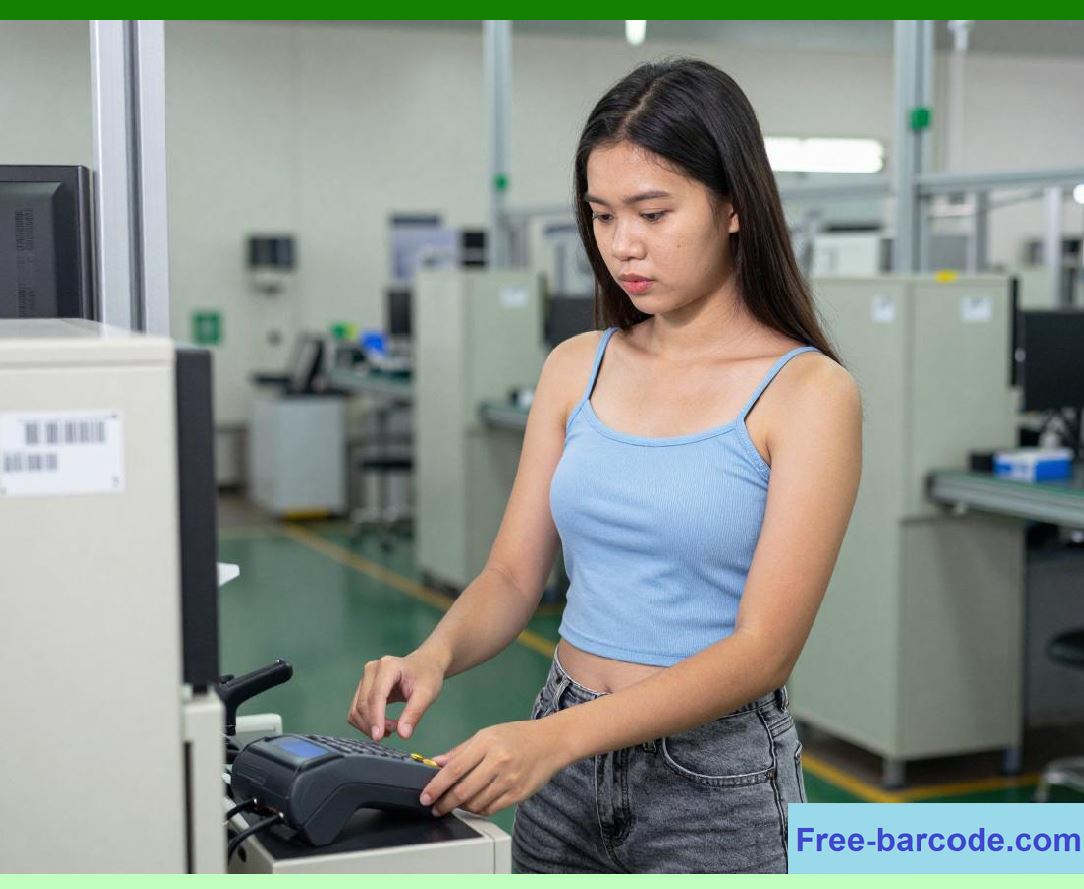
13. Long-Term Evolution of POS Systems |
13.1 |
POS systems will evolve from transaction terminals into intelligent retail interaction platforms. |
13.2 |
Future POS systems will act as AI-driven assistants capable of recommending products and managing customer interactions. |
13.3 |
Voice recognition and natural language interfaces may replace traditional touch-based systems. |
13.4 |
POS systems will integrate deeply with cloud intelligence layers for real-time decision support. |
13.5 |
Barcode scanning may be supplemented or replaced by computer vision recognition. |
13.6 |
POS systems will become fully integrated with mobile devices, wearables, and IoT systems. |
13.7 |
The distinction between online and offline retail systems will gradually disappear. |
13.8 |
POS systems will become invisible infrastructure embedded within the retail ecosystem. |
|
14. Future Risks and Emerging Challenges |
14.1 |
Despite technological progress, future systems will face new risks and challenges. |
14.2 |
AI system bias and decision transparency may become critical concerns. |
14.3 |
Cybersecurity threats will become more sophisticated and targeted. |
14.4 |
Data privacy regulations will continue to evolve and become stricter. |
14.5 |
System complexity may increase faster than organizational capability to manage it. |
14.6 |
Dependence on cloud and AI systems may introduce new operational vulnerabilities. |
14.7 |
Ethical considerations in data usage and customer profiling will become increasingly important. |
14.8 |
Managing these risks will be essential for sustainable system development. |
|
15. Technical Content Summary of Part 15 |
15.1 |
This part explored future development trends of integrated cloud database, barcode, and POS systems in chain store ecosystems. |
15.2 |
It analyzed the rise of AI-driven autonomous retail systems and their role in pricing, inventory, and customer behavior optimization. |
15.3 |
Edge computing and distributed intelligence were discussed as key technologies for reducing latency and improving real-time processing. |
15.4 |
IoT integration, blockchain adoption, and digital twin systems were examined as major drivers of future retail transformation. |

|
15.5 |
Advanced personalization, autonomous checkout systems, 5G infrastructure, and robotics were analyzed as emerging operational paradigms. |
15.6 |
The article also discussed cross-industry ecosystem integration, sustainability trends, and the evolution of POS systems into intelligent interaction platforms. |
15.7 |
Future risks including cybersecurity threats, AI bias, privacy concerns, and system complexity were also highlighted. |
15.8 |
Overall, this part demonstrated that future retail ecosystems will evolve into highly intelligent, interconnected, and autonomous systems built upon the foundational integration of cloud databases, barcode technology, and POS platforms. |
 cs@easiersoft.com