Part 16 |
Security Architecture, Data Protection, and Risk Control in Cloud Database + Barcode + POS Retail Systems |
1. Introduction to Security in Integrated Retail Ecosystems |
1.1 |
As chain store systems become increasingly digitalized and interconnected through cloud databases, barcode technology, and POS systems, security becomes a foundational requirement rather than an optional enhancement. Every transaction, customer record, inventory update, and payment process flows through a distributed digital infrastructure that must remain secure, reliable, and tamper-resistant. |
1.2 |
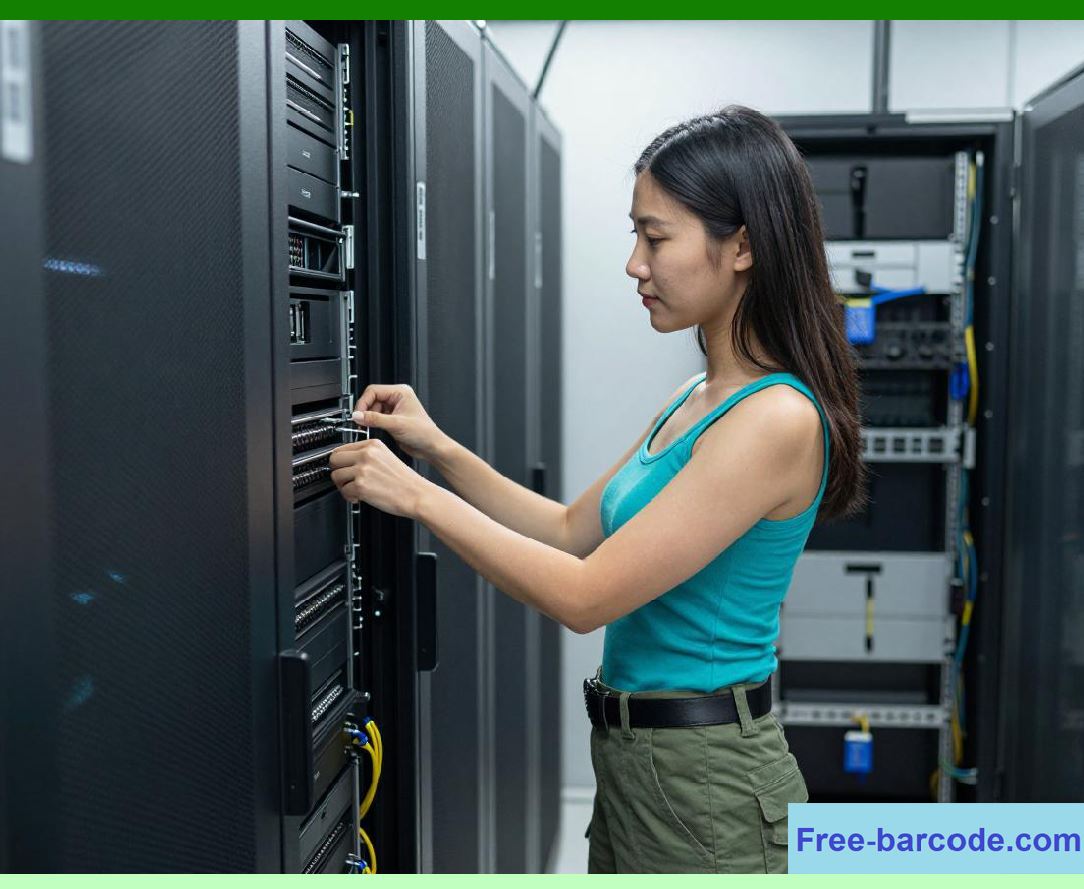
Unlike traditional standalone retail systems, modern integrated architectures expose multiple attack surfaces including POS terminals, mobile applications, cloud APIs, barcode inputs, and network communication channels. Each of these components can become a potential vulnerability point if not properly secured. |
|
1.3 |
Security in retail systems is not limited to preventing external cyberattacks. It also includes internal misuse, data leakage, system misconfiguration, hardware tampering, and operational fraud. |
1.4 |
Because retail systems directly handle financial transactions and sensitive customer information, even minor security weaknesses can result in significant financial losses and reputational damage. |
1.5 |
This part provides a comprehensive technical breakdown of security architecture, data protection mechanisms, and risk control strategies in integrated retail systems. |

|
2. Multi-Layer Security Architecture Overview |
2.1 |
Modern retail systems implement a multi-layer security architecture designed to protect data and operations at every stage of the system pipeline. |
2.2 |
The edge security layer protects barcode scanners, POS terminals, and self-checkout systems from unauthorized access and tampering. |
2.3 |
The network security layer ensures secure communication between store devices and cloud infrastructure using encryption and secure protocols. |
2.4 |
The application security layer protects POS software, inventory systems, and membership applications from unauthorized access and malicious input. |
2.5 |
The data security layer safeguards cloud databases through encryption, access control, and integrity validation mechanisms. |
2.6 |
The identity and access management layer controls user authentication, role permissions, and system authorization policies. |
2.7 |
The monitoring and detection layer continuously analyzes system activity for anomalies and potential threats. |
2.8 |
These layers work together to create a comprehensive defense-in-depth security model. |

|
3. Edge Device Security (POS and Barcode Systems) |
3.1 |
POS terminals and barcode scanners represent the first line of interaction between physical retail environments and digital systems. |
3.2 |
These devices must be protected against unauthorized physical access, tampering, and malware injection. |
3.3 |
Secure boot mechanisms ensure that only verified software can run on POS hardware. |
3.4 |
Device-level encryption protects stored transaction data and cached information. |
3.5 |
Role-based access controls restrict employee usage based on job responsibilities. |
3.6 |
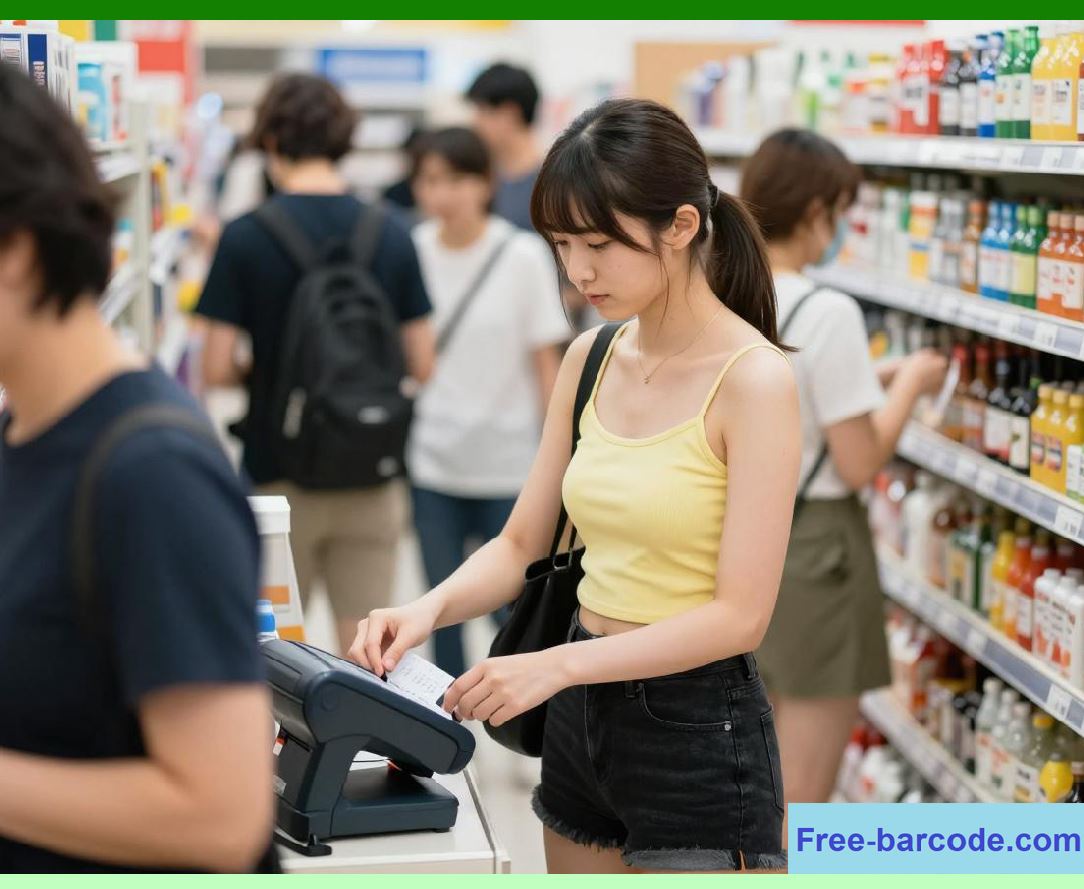
Self-checkout systems require additional security measures to prevent manipulation of barcode inputs or fraudulent scanning. |
3.7 |
Firmware updates must be securely signed and validated before installation. |
3.8 |
Edge security is essential because compromised devices can directly affect transaction integrity. |
|
4. Network Security and Communication Protection |
4.1 |
Retail systems rely heavily on continuous communication between store devices and cloud databases, making network security critical. |
4.2 |
All data transmitted between POS systems and cloud infrastructure must be encrypted using secure protocols such as TLS. |
4.3 |
Virtual private networks (VPNs) are often used to isolate retail traffic from public internet exposure. |
4.4 |
API gateways enforce authentication, rate limiting, and request validation for all system interactions. |
4.5 |
Firewall systems filter unauthorized network traffic and block suspicious requests. |
4.6 |
Intrusion detection systems monitor network activity for abnormal patterns or potential attacks. |
4.7 |
Distributed denial-of-service (DDoS) protection mechanisms safeguard cloud services from traffic overload attacks. |
4.8 |
Secure network architecture ensures reliable and safe communication across distributed retail environments. |

|
5. Cloud Database Security and Data Encryption |
5.1 |
Cloud databases store the most sensitive information in retail systems, including customer identities, payment data, transaction histories, and loyalty records. |
5.2 |
Data encryption is applied both at rest and in transit to prevent unauthorized access. |
5.3 |
Encryption keys are managed through secure key management systems with strict access controls. |
5.4 |
Database access is restricted using role-based permissions and least-privilege principles. |
5.5 |
Multi-factor authentication is often required for administrative access to cloud systems. |
5.6 |
Database activity monitoring tools track all queries, modifications, and access attempts. |
5.7 |
Data segmentation ensures that different system components access only the information they require. |
5.8 |
These measures collectively protect the integrity and confidentiality of retail data. |
|
6. Identity and Access Management (IAM) |
6.1 |
Identity and access management systems control how users and devices interact with retail systems. |
6.2 |
Each employee, device, and application is assigned a unique digital identity. |
6.3 |
Authentication mechanisms verify identity using passwords, tokens, biometrics, or multi-factor authentication. |
6.4 |
Role-based access control ensures that users only access functions relevant to their job roles. |
6.5 |
Privileged access management restricts administrative system control to authorized personnel only. |
6.6 |
Session management systems monitor active connections and terminate suspicious sessions automatically. |
6.7 |
Access logs provide detailed records of all user interactions with the system. |
6.8 |
IAM systems are essential for preventing unauthorized access and internal misuse. |

|
7. Barcode System Security and Anti-Fraud Measures |
7.1 |
Although barcode systems are simple in design, they can be exploited if proper security measures are not implemented. |
7.2 |
Counterfeit or duplicated barcodes may be used to manipulate inventory systems or commit fraud. |
7.3 |
Secure barcode generation systems ensure that each product code is unique and verifiable. |
7.4 |
Dynamic QR codes used in membership systems may include encryption or time-based validity features. |
7.5 |
POS systems validate barcode data against centralized cloud databases to prevent unauthorized entries. |
7.6 |
Inventory tracking systems detect anomalies such as unexpected stock movements or duplicate scans. |
7.7 |
Barcode audit systems periodically verify physical inventory against digital records. |
7.8 |
These measures ensure trust and accuracy in barcode-based retail operations. |

|
8. POS Transaction Security and Payment Protection |
8.1 |
POS systems handle financial transactions, making them critical security points within retail environments. |
8.2 |
Payment data is encrypted during transmission to prevent interception or tampering. |
8.3 |
POS terminals must comply with financial security standards to protect cardholder data. |
8.4 |
Tokenization replaces sensitive payment information with secure digital tokens. |
8.5 |
Fraud detection systems analyze transaction patterns to identify suspicious activity. |
8.6 |
Real-time authorization systems validate payments with external financial networks. |
8.7 |
Receipt generation systems ensure transaction records are accurate and tamper-proof. |
8.8 |
POS security is essential for maintaining customer trust and regulatory compliance. |

|
9. Data Integrity and Audit Control Systems |
9.1 |
Data integrity ensures that information stored and processed within retail systems remains accurate and unaltered. |
9.2 |
Hashing algorithms are used to verify that data has not been tampered with during transmission or storage. |
9.3 |
Audit logs record every system action, including POS transactions, inventory updates, and administrative changes. |
9.4 |
Immutable log systems prevent retroactive modification of historical records. |
9.5 |
Version control mechanisms track changes in pricing, inventory, and customer data. |
9.6 |
Automated reconciliation systems compare physical inventory with digital records. |
9.7 |
Audit trails support compliance with financial and regulatory requirements. |
9.8 |
These systems ensure transparency and accountability across retail operations. |

|
10. Threat Detection and Security Monitoring |
10.1 |
Modern retail systems use continuous monitoring tools to detect security threats in real time. |
10.2 |
Machine learning models analyze system behavior to identify anomalies and potential attacks. |
10.3 |
Security information and event management (SIEM) systems aggregate logs from multiple sources. |
10.4 |
Alert systems notify administrators of suspicious activities such as unauthorized access attempts or unusual transaction patterns. |
10.5 |
Behavioral analysis helps distinguish between legitimate operations and fraudulent activity. |
10.6 |
Automated response systems can isolate compromised components to prevent system-wide damage. |
10.7 |
Continuous monitoring ensures rapid detection and mitigation of security incidents. |
10.8 |
This proactive approach significantly enhances system resilience. |

|
11. Fraud Prevention in Retail Environments |
11.1 |
Fraud prevention is a major concern in integrated retail systems due to high transaction volumes. |
11.2 |
POS systems detect suspicious refund patterns, discount abuse, or abnormal transaction behavior. |
11.3 |
Barcode systems prevent product substitution or unauthorized inventory manipulation. |
11.4 |
Membership systems monitor loyalty point abuse and account sharing activities. |
11.5 |
Machine learning models identify behavioral anomalies that may indicate fraudulent activity. |
11.6 |
Multi-layer verification processes are used for high-risk transactions. |
11.7 |
Audit systems ensure traceability of all financial and inventory changes. |
11.8 |
These mechanisms significantly reduce financial and operational fraud risks. |

|
12. Disaster Recovery and Business Continuity Security |
12.1 |
Retail systems must remain operational even during security incidents or system failures. |
12.2 |
Cloud-based backup systems ensure data recovery in case of database corruption or cyberattacks. |
12.3 |
Redundant infrastructure allows systems to switch to backup servers automatically. |
12.4 |
Offline POS modes enable continued store operations during network outages. |
12.5 |
Data replication across geographic regions ensures resilience against regional failures. |
12.6 |
Recovery plans define procedures for restoring normal operations after incidents. |
12.7 |
Regular testing of disaster recovery systems ensures readiness for real-world scenarios. |
12.8 |
Business continuity planning is essential for maintaining retail operations under adverse conditions. |

|
13. Compliance and Regulatory Security Requirements |
13.1 |
Retail systems must comply with multiple legal and regulatory frameworks depending on jurisdiction. |
13.2 |
Financial regulations govern the secure handling of payment transactions and card data. |
13.3 |
Data protection laws regulate how customer information is collected, stored, and processed. |
13.4 |
Audit requirements mandate detailed recordkeeping of all system activities. |
13.5 |
Cross-border data transfer regulations affect multinational retail chains. |
13.6 |
Privacy policies must be transparent and enforceable across all retail channels. |
13.7 |
Failure to comply with regulations may result in financial penalties and legal consequences. |
13.8 |
Compliance management is therefore an integral part of system security architecture. |
|
14. Emerging Security Technologies and Future Protection Models |
14.1 |
Future retail security systems will increasingly rely on artificial intelligence for real-time threat detection. |
14.2 |
Zero-trust security architectures will assume that no device or user is inherently trusted. |
14.3 |
Blockchain technology may be used to create immutable transaction and supply chain records. |
14.4 |
Biometric authentication systems may replace traditional password-based security models. |
14.5 |
Edge security intelligence will allow local devices to detect and respond to threats independently. |
14.6 |
Automated security orchestration systems will coordinate responses across distributed infrastructure. |
14.7 |
Quantum-resistant encryption may become necessary as computing capabilities evolve. |
14.8 |
These innovations will redefine security in cloud-based retail ecosystems. |

|
15. Technical Content Summary of Part 16 |
15.1 |
This part provided a comprehensive analysis of security architecture, data protection mechanisms, and risk control strategies in integrated cloud database, barcode, and POS retail systems. |
15.2 |
It examined multi-layer security architectures including edge device protection, network security, application security, data encryption, and identity management systems. |
15.3 |
Barcode system security, POS transaction protection, and payment security mechanisms were discussed in detail. |
15.4 |
Data integrity systems, audit controls, fraud prevention mechanisms, and threat detection systems were analyzed as core security components. |

|
15.5 |
Disaster recovery, business continuity planning, and regulatory compliance requirements were also explored. |
15.6 |
Emerging technologies such as AI-driven security, zero-trust architecture, blockchain security models, and biometric authentication were introduced as future directions. |
15.7 |
The part emphasized that integrated retail systems require continuous security monitoring and layered protection due to their distributed, real-time, and financially sensitive nature. |
15.8 |
Overall, this section demonstrated that robust security architecture is essential for ensuring the reliability, trustworthiness, and sustainability of cloud database, barcode, and POS integrated chain store ecosystems. |
 cs@easiersoft.com