1. Introduction to Fixed Asset Management |
Fixed asset management refers to the systematic process of tracking and managing assets that a company owns for long-term use. These assets typically include machinery, computers, vehicles, furniture, and real estate. Effective asset management ensures that assets are properly utilized, maintained, and accounted for in terms of depreciation, repairs, and overall lifecycle management. |
1.1 Why Asset Management is Important |
Proper asset management helps businesses minimize loss, avoid theft, optimize the use of assets, and ensure compliance with accounting and regulatory requirements. With the advancement of technology, manual methods of asset tracking, such as using paper records or spreadsheets, have been increasingly replaced by more efficient digital solutions. |
|
2. QR Codes: A Brief Overview |
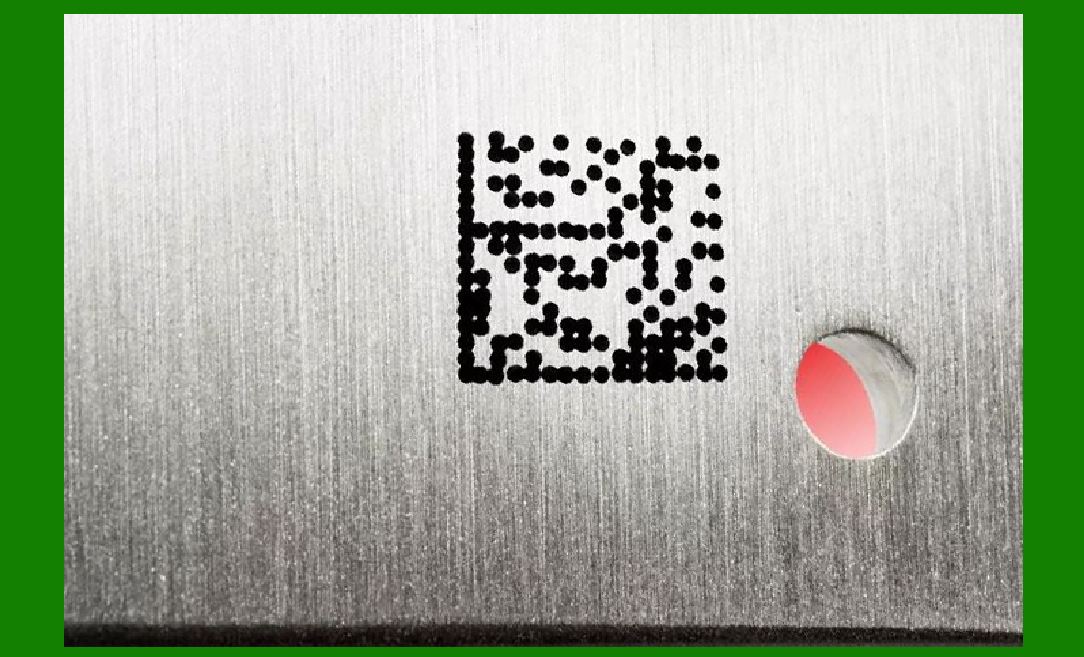
QR (Quick Response) codes are a type of 2D barcode that can store data in a compact format. QR codes are widely used because they are easy to generate, read by smartphones and scanners, and can store a relatively large amount of data compared to traditional 1D barcodes. |
2.1 Structure of a QR Code |
A QR code consists of black squares arranged in a square grid on a white background. The data is encoded in these squares, and a QR code can store information such as URLs, text, contact details, and more. A typical QR code is designed to be scanned by a device (like a smartphone or QR scanner) which decodes the information. |
2.2 Advantages of QR Codes for Asset Management |
QR codes are particularly well-suited for asset management because: |
Compactness: QR codes can store a large amount of information in a small, easily readable format. |
Ease of scanning: They are easily scanned using smartphone cameras or dedicated scanners. |
Cost-effective: Generating and printing QR codes is inexpensive. |
Offline accessibility: QR codes can store data locally, allowing access without an internet connection. |
Durability: QR codes can be printed on a variety of materials, making them durable for various environments. |

|
3. Data Storage in QR Codes |
QR codes can store different types of information, such as numbers, text, or even binary data. The storage capacity of a QR code depends on its version and error correction level. A standard QR code can store: |
Numeric data: Up to 7,089 characters. |
Alphanumeric data: Up to 4,296 characters. |
Binary (8-bit) data: Up to 2,953 bytes. |
Kanji characters: Up to 1,817 characters. |
For fixed asset management, the challenge lies in storing hundreds of words of asset information in a single QR code. |
3.1 Encoding Asset Information |
To manage assets effectively, it¡¯s crucial to store key information in the QR code, such as: |
Asset ID: A unique identifier for the asset. |
Asset Name: The name or description of the asset. |
Purchase Date: Date when the asset was acquired. |
Serial Number: The unique serial number or registration number of the asset. |
Location: The physical location of the asset (building, room, warehouse). |
Condition: The current state or condition of the asset (new, good, needs repair, etc.). |
Maintenance Records: Historical data regarding maintenance, repairs, and upgrades. |
Depreciation Information: The asset¡¯s depreciation schedule for accounting purposes. |
Ownership/Lease Details: Information about the ownership, lease agreement, or financing. |
These data points can be encoded in text form directly within the QR code, but for more complex datasets, a better approach might involve encoding a URL that points to an offline database or a local file. |

|
4. Offline Access to Asset Information |
Offline query capability is one of the major benefits of QR code-based asset management. While QR codes can link to online databases, this may not always be feasible in environments where internet access is limited or unavailable. The solution lies in encoding the asset information directly within the QR code, allowing users to access the details without needing an online connection. |
4.1 Storing Asset Data Directly in QR Code |
For offline functionality, a QR code can store all the relevant asset data within its encoded format. Given the limitations in the amount of data a QR code can store, optimizing the data structure is key. Some approaches include: |
Text Compression: Use compression algorithms to minimize the size of the text data (e.g., asset descriptions, maintenance history) that can be stored in the QR code. |
Data Segmentation: Split large sets of asset information across multiple QR codes. Each code could contain a part of the asset¡¯s history, with each code representing a separate aspect (maintenance logs, purchase details, etc.). |
Local Databases: For assets with extensive data, you could use the QR code to link to a local file (e.g., a JSON file) or a lightweight database that contains more extensive information about the asset. |
4.2 Challenges in Storing Extensive Information |
While QR codes can hold a considerable amount of data, storing large volumes of detailed information (like hundreds of words) in a single QR code can be challenging. The more data you encode, the denser the QR code becomes, which can lead to problems with scan reliability. Therefore: |
Balancing Data and Readability: It¡¯s important to balance the amount of information encoded with the need for a readable and scannable code. |
Error Correction: QR codes use error correction to maintain readability even if part of the code is damaged. However, increasing the amount of data stored can reduce the effectiveness of error correction. |

|
5. Practical Implementation of QR Code Asset Management |
Now that the technical aspects of QR codes and data storage have been discussed, let¡¯s explore how to implement a QR code-based fixed asset management system. |
5.1 Steps for Implementing a QR Code Asset Management System |
Asset Identification and Tagging: |
Assign each asset a unique identifier. |
Generate a QR code for each asset using a QR code generator. |
Include key data fields such as asset ID, name, location, and maintenance history. |
Asset Registration: |
Create a database or file system to track the assets and their corresponding QR codes. |
Link each asset¡¯s QR code to detailed information, either embedded in the code or accessible via a local database. |
Printing and Attaching QR Codes: |
Print the generated QR codes on durable labels. |
Attach the labels to assets in locations that are easy to scan. |
Mobile App Integration: |
Develop or use an existing mobile app that can scan QR codes and retrieve asset information. |
The app should allow users to perform actions like updating maintenance records, checking asset status, or querying historical data. |
Offline Functionality: |
Ensure that the app can read and display information from the QR codes without requiring an internet connection. |
For assets with large datasets, store the necessary information on the mobile device, allowing users to query assets even when offline. |
Ongoing Maintenance and Updates: |
As assets are maintained, repaired, or moved, update the relevant information in the asset management system. |
Use the QR codes to keep track of changes to the asset¡¯s status and history. |

|
6. Use Cases and Benefits of QR Code-Based Asset Management |
The practical applications of QR code-based asset management are wide-ranging. Below are some key use cases and the benefits of using QR codes for offline asset management: |
6.1 Warehouse and Logistics |
In warehouses, each piece of equipment or inventory item can be tagged with a QR code. Warehouse employees can scan the code to quickly view the item¡¯s information, ensuring accurate inventory management and preventing errors during shipping or receiving. |
6.2 Healthcare and Medical Equipment |
Hospitals and medical institutions can use QR codes to track medical devices and equipment, ensuring that maintenance schedules are followed and that devices are available and in working order when needed. |
6.3 Manufacturing and Industrial Equipment |
Manufacturers can use QR codes to track machinery and tools, recording maintenance and usage histories. This can help prevent equipment failures and improve overall production efficiency. |
6.4 Construction and Real Estate |
Construction companies and real estate developers can use QR codes to track equipment, vehicles, and other assets across multiple job sites, ensuring that assets are properly maintained and deployed. |
6.5 IT and Office Equipment |
In offices, QR codes can be placed on computers, printers, and other devices to track their status, warranty information, and history of repairs or upgrades. |

|
7. Challenges and Considerations |
While QR code-based fixed asset management offers numerous benefits, it is not without challenges: |
7.1 Data Security |
Storing asset information in QR codes means that sensitive data could be accessible by anyone who scans the code. Therefore, it¡¯s important to protect the information stored in QR codes, possibly by encrypting sensitive fields. |
7.2 Scalability |
For businesses managing large fleets of assets, it might be difficult to maintain a comprehensive database of QR codes. Integration with an enterprise asset management (EAM) system could be necessary to streamline the process. |
7.3 Error Handling and Reliability |
The integrity of QR codes must be maintained, especially in environments where assets may be exposed to wear and tear. Implementing robust error correction and regularly inspecting QR codes for damage is essential. |

|
8. Conclusion |
QR code-based asset management offers a powerful, cost-effective, and efficient solution for businesses seeking to track and manage their assets, even in offline environments. By carefully designing QR codes to store the relevant data and integrating them into a broader asset management strategy, organizations can streamline their operations, reduce errors, and enhance the overall lifecycle management of their fixed assets. |

|
Actual case: QR Code is used for fixed asset management in hospitals and factories |
Using QR codes for fixed asset management in hospitals and factories is increasingly popular, as it provides a cost-effective, efficient, and scalable way to track and manage assets in environments that require high levels of accountability. Below are actual case studies of how QR codes have been implemented in hospitals and factories for asset management. |
1. Case Study 1: QR Code Fixed Asset Management in Hospitals |
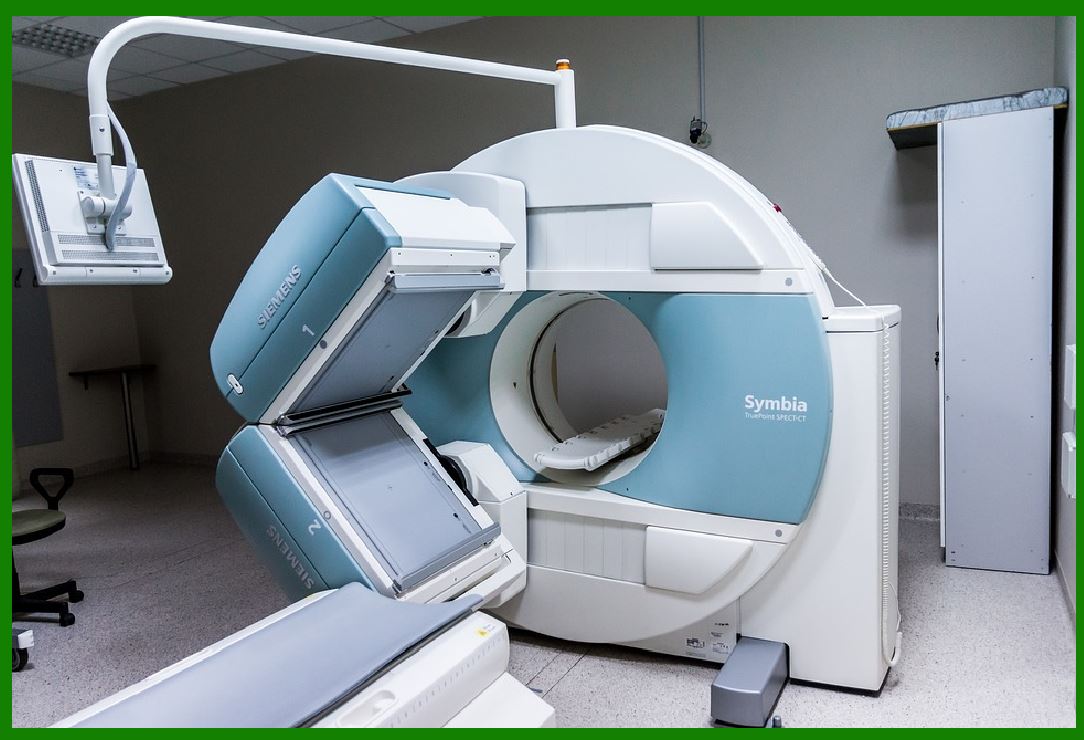
Hospitals are complex environments with a wide range of equipment and assets that need to be tracked for proper functioning, compliance, and safety. The use of QR codes for fixed asset management in hospitals offers multiple advantages, including real-time tracking, efficient inventory management, and the ability to perform maintenance without an internet connection. |
1.1 Overview of the Problem |
Hospitals must manage an extensive inventory of assets such as medical equipment (e.g., MRI machines, ventilators, infusion pumps), office furniture, and IT infrastructure. Historically, hospitals used spreadsheets or paper logs to track these assets, leading to inefficiencies and errors in inventory, maintenance schedules, and compliance reporting. |
1.2 QR Code Implementation |
To improve asset tracking and management, a leading hospital network implemented a QR code-based asset management system. Each asset was assigned a unique QR code label, which was attached to the asset itself. The QR code contains key details such as the asset ID, purchase date, serial number, maintenance history, and the next scheduled maintenance date. |
Steps involved: |
Tagging: Every medical device, piece of office equipment, and furniture was tagged with a durable QR code label. The QR code was printed on a high-quality label and affixed to the asset. |
Database Integration: A central database was set up to store all asset-related information, including maintenance logs, condition status, and usage data. |
Mobile App Integration: Hospital staff used a mobile app capable of scanning QR codes to retrieve asset information. The app is designed to work offline, so staff can still scan QR codes and retrieve data even in areas with limited connectivity. |
Maintenance Tracking: When equipment needs maintenance, technicians scan the QR code to log maintenance requests and updates. The app automatically updates the central database with this information, allowing administrators to track the equipment's maintenance history and predict future maintenance needs. |
1.3 Benefits in a Hospital Setting |
Real-Time Tracking: Hospital staff can instantly access asset data, including usage and maintenance history, improving decision-making and operational efficiency. |
Enhanced Compliance: The QR code system helps ensure that all required maintenance, calibration, and safety checks are performed on time, helping the hospital comply with regulations and accreditation standards. |
Offline Capabilities: In environments with spotty or no internet access, staff can still scan the QR code and access data locally. Once the device is back online, the app syncs the changes with the central database. |
Inventory Accuracy: The hospital reduced errors in inventory management by using QR codes to prevent misplaced or missing equipment. This led to fewer instances of lost or unaccounted-for devices. |
1.4 Challenges Faced |
Durability of QR Codes: Medical equipment in hospitals can be exposed to heavy wear and tear. In some cases, QR codes were damaged or became unreadable due to constant handling and cleaning. To mitigate this, the hospital switched to more durable, scratch-resistant QR code labels. |
Staff Training: Hospital staff needed to be trained on how to use the new system effectively. This included learning how to scan the QR codes and properly log maintenance tasks. |
|
2. Case Study 2: QR Code Fixed Asset Management in Factories |
Factories and manufacturing plants deal with a large variety of equipment and machinery, from production lines to tools and safety equipment. Effective asset management in these environments is critical to maintaining operational efficiency, safety, and regulatory compliance. QR codes provide a simple solution for tracking assets and ensuring they are properly maintained. |
2.1 Overview of the Problem |
A manufacturing plant faced difficulties in managing its vast inventory of machinery, tools, and equipment. The factory was using traditional paper-based logs to track equipment, leading to inefficiencies, inaccurate data, and missed maintenance. Additionally, managing the maintenance and lifecycle of assets was labor-intensive, causing downtime due to equipment failures. |
2.2 QR Code Implementation |
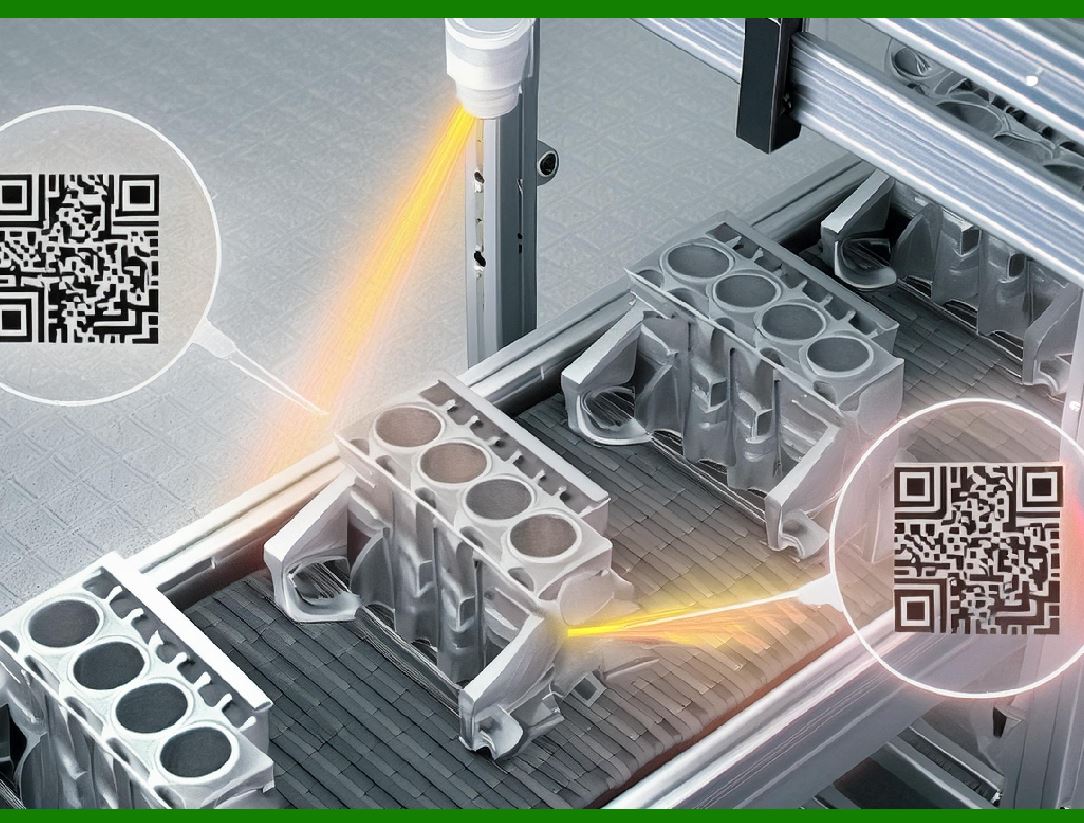
To streamline operations, the factory implemented a QR code-based fixed asset management system. The factory created QR codes for all assets, including machinery, tools, and safety equipment. These QR codes were printed on durable tags and affixed to each asset. |
Steps involved: |
QR Code Generation: Each asset in the factory was assigned a unique QR code. The code contained vital details, such as the asset¡¯s ID, serial number, purchase date, maintenance history, and the responsible department. |
Mobile Scanning: Employees used handheld devices to scan QR codes and access real-time data about each asset. The mobile devices were equipped with an offline-capable asset management app, allowing workers to retrieve information even in areas without network access. |
Maintenance and Inspection Logging: Workers and maintenance staff would scan QR codes on machinery and tools before performing inspections or maintenance. Any issues discovered during inspections were logged in the app, and maintenance tasks were scheduled and tracked automatically. |
Analytics and Reporting: Data collected through QR code scans was fed into a central system that provided real-time analytics on asset utilization, maintenance schedules, and performance. This enabled factory managers to predict when equipment would need repairs, preventing unexpected breakdowns. |
2.3 Benefits in a Factory Setting |
Operational Efficiency: The QR code system improved operational efficiency by reducing manual data entry and minimizing errors in asset tracking. The system enabled real-time tracking of asset conditions, helping to avoid delays caused by missed maintenance. |
Reduced Downtime: By keeping up-to-date maintenance records and scheduling preventative maintenance tasks, the factory saw a significant reduction in downtime due to equipment failures. |
Compliance and Safety: QR codes helped ensure that safety equipment and machinery were regularly inspected and maintained, improving compliance with health and safety regulations. |
Asset Lifecycle Management: The QR code system provided insights into the lifecycle of assets, helping managers decide when to repair, replace, or retire machinery. This data-driven approach to asset management helped optimize capital expenditure and prevent over-investment in aging equipment. |
2.4 Challenges Faced |
Environmentally Harsh Conditions: In some areas of the factory, assets are exposed to extreme conditions such as heat, dust, and chemicals. QR codes on equipment exposed to these conditions were sometimes damaged or became unreadable. To address this, the factory adopted rugged QR code labels that are resistant to high temperatures and chemicals. |
Integration with Existing Systems: The QR code system was initially not fully integrated with the factory¡¯s existing enterprise resource planning (ERP) system. This required custom software development to ensure seamless data flow between the QR code system and the ERP system. |

|
3. Key Takeaways from the Case Studies |
3.1 Benefits of Using QR Codes for Asset Management |
Cost-Effective: QR codes are inexpensive to produce and can be printed on a wide variety of materials, making them a cost-effective solution for asset management. |
Easy to Implement: QR codes can be quickly generated and deployed across an organization¡¯s assets without requiring significant changes to existing processes. |
Real-Time Data Access: QR codes provide immediate access to asset information, which can be crucial for making real-time decisions, especially in environments with high safety and maintenance requirements. |
Offline Capabilities: The ability to scan QR codes and access asset data offline is particularly valuable in hospitals and factories where internet connectivity may be limited or unreliable. |
3.2 Challenges |
Durability Issues: QR codes can be damaged or worn out, especially in environments with harsh conditions. To mitigate this, businesses should use high-durability labels and ensure regular maintenance of the QR code labels. |
Initial Setup Costs: While the cost of QR codes is low, the initial setup of a database, mobile app, and integration with other systems can require significant investment, especially in large organizations. |
Staff Training: Employees need to be trained on how to use QR code scanners and how to update asset information. A robust training program is essential for the successful adoption of the system. |
|
4. Conclusion |
The use of QR codes for fixed asset management in hospitals and factories is a highly effective method for tracking and managing assets. By providing real-time data access, reducing manual record-keeping, and improving maintenance workflows, QR codes can significantly enhance operational efficiency and compliance in both healthcare and industrial settings. However, to overcome challenges like label durability and system integration, businesses must ensure they use high-quality materials, invest in the right technology, and train their staff effectively. |
|
QR Code combined with RFID for fixed asset management |
The combination of QR codes and RFID (Radio Frequency Identification) for fixed asset management is a powerful, hybrid solution that takes advantage of the strengths of both technologies to improve efficiency, accuracy, and convenience in tracking assets. This approach leverages the capabilities of QR codes for detailed information storage and RFID for automatic, non-line-of-sight asset identification and tracking. |
1. Introduction to QR Code and RFID Technologies |
1.1 QR Code Overview |
QR (Quick Response) codes are two-dimensional barcodes capable of storing up to several hundred words of data, such as URLs, text, and other asset-related information. They are easy to print, highly customizable, and are read using smartphone cameras or dedicated QR scanners. |
1.2 RFID Overview |
RFID is a wireless communication technology used for automatically identifying and tracking assets through the use of RFID tags and RFID readers. An RFID tag consists of a microchip and an antenna, and it can store data like asset IDs, serial numbers, or other relevant information. RFID tags come in two types: |
Passive RFID tags: These do not have an internal power source and rely on the reader's signal to power them. |
Active RFID tags: These have their own power source and can transmit data over longer distances. |
RFID offers the ability to identify and track assets without requiring direct line of sight, unlike QR codes, which require a visual scan to be read. |

|
2. How QR Code and RFID Work Together for Asset Management |
Combining QR codes with RFID for asset management takes advantage of the unique features of both technologies. While QR codes provide detailed information storage and easy scanning, RFID offers real-time, automatic tracking without requiring direct line of sight. |
2.1 Complementary Roles |
QR Codes: Primarily used to store detailed asset information, such as the asset¡¯s ID, name, location, serial number, condition, purchase date, and maintenance history. QR codes can be scanned manually with a smartphone or scanner to retrieve and update this information. |
RFID Tags: Used to track assets in real-time across large areas. When an RFID tag is attached to an asset, it can be automatically identified and located as it passes through RFID readers placed around the facility. RFID provides continuous monitoring of asset movement, enabling automated inventory updates and location tracking. |
2.2 Combined Asset Tracking Process |
Initial Asset Tagging: Each asset is equipped with both a QR code label and an RFID tag. The QR code contains detailed information about the asset, while the RFID tag provides the asset¡¯s unique identifier for automated tracking. |
Asset Scanning and Data Retrieval: When a user needs to access detailed information about an asset, they scan the QR code using a smartphone or dedicated scanner. The QR code provides instant access to the asset¡¯s history, condition, and maintenance records. |
Automated Tracking with RFID: As the asset moves throughout the facility, RFID readers automatically detect the asset¡¯s RFID tag, logging its location and movement in real-time. This data is sent to a centralized asset management system for tracking and reporting purposes. |

|
3. Benefits of Combining QR Code and RFID for Fixed Asset Management |
The integration of QR codes and RFID technology offers a number of advantages for businesses looking to streamline their asset management systems. Below are some of the primary benefits: |
3.1 Increased Efficiency and Automation |
By combining RFID's real-time tracking capabilities with the detailed information available through QR codes, businesses can achieve a highly efficient and automated asset management system. |
Real-Time Location Tracking: RFID readers automatically track the movement of assets within a given area, eliminating the need for manual inventory checks. This ensures that assets are accurately recorded and updated without the need for human intervention. |
Reduced Manual Scanning: While QR codes require manual scanning for detailed information, RFID ensures that assets are continuously tracked as they move through the facility. This reduces the time spent scanning individual items and allows for quicker inventory updates. |
3.2 Improved Accuracy and Reduced Human Error |
QR Code Information: Since QR codes can store a significant amount of data, asset managers can ensure that all relevant details about an asset are immediately available. The manual scanning of QR codes provides an additional layer of accuracy, ensuring that users retrieve the correct information about each asset. |
RFID Automation: RFID provides automatic, non-line-of-sight identification, reducing the chances of human error in locating and tracking assets. RFID ensures that all assets are accounted for in real-time, without the need for human intervention or physical proximity to the asset. |
3.3 Enhanced Data Security and Integrity |
QR Code Security: QR codes can be encrypted to prevent unauthorized access to sensitive asset information. The data within the QR code can be password-protected or encrypted, ensuring that only authorized personnel can view or edit the asset's data. |
RFID Tracking Security: RFID tags can be secured through various authentication protocols, ensuring that only approved readers can access the asset's RFID data. Additionally, RFID tags can be embedded with tamper-evident features, ensuring the integrity of the asset's tracking information. |
3.4 Cost-Effectiveness |
While RFID systems may have higher initial costs due to the need for RFID readers and tags, combining RFID with QR codes offers a cost-effective solution: |
QR Code Printing: QR codes are inexpensive to print and can be easily added to existing assets without significant additional investment. |
RFID Scalability: RFID can be scaled to handle a large number of assets, while the QR codes can provide detailed information at a fraction of the cost of more advanced RFID systems. |
3.5 Offline Capabilities with QR Codes |
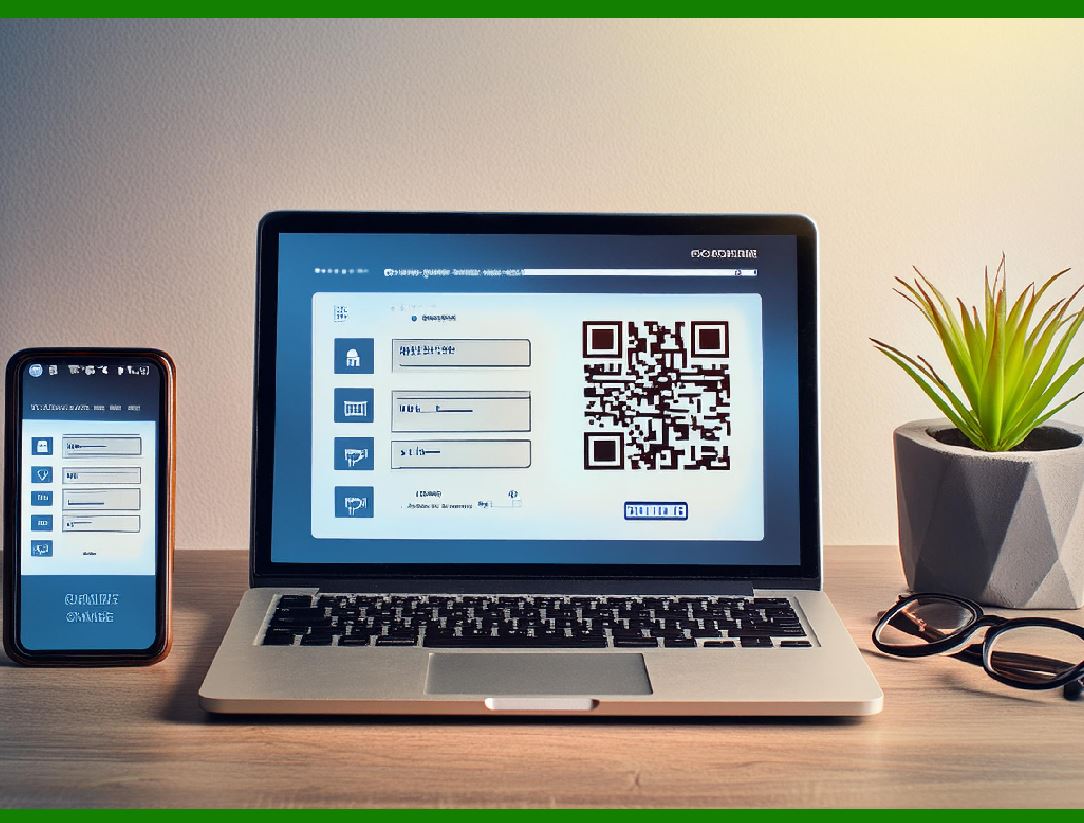
While RFID requires infrastructure to support its tracking, QR codes have a unique advantage when it comes to offline functionality. Users can scan QR codes with a smartphone app to access asset information without requiring an internet connection. This is particularly useful in environments where internet access may be limited or unavailable. |
|
4. Applications of QR Code and RFID Integration in Asset Management |
The integration of QR codes and RFID for fixed asset management is beneficial in a variety of industries, including healthcare, manufacturing, and logistics. |
4.1 Healthcare |
Hospitals and medical facilities require robust asset management systems to track medical devices, instruments, and equipment. Combining QR codes and RFID offers several advantages: |
Medical Equipment Tracking: RFID tags can be placed on medical devices to track their location and usage, while QR codes can be scanned to retrieve detailed information about each device, including maintenance schedules, usage history, and calibration records. |
Preventive Maintenance: The real-time tracking of medical equipment through RFID ensures that assets are properly maintained. QR codes allow maintenance teams to scan equipment, log maintenance activities, and track the equipment¡¯s lifecycle. |
4.2 Manufacturing and Factories |
Factories and industrial plants deal with large numbers of assets and equipment. Combining RFID and QR codes helps improve efficiency and reduce downtime: |
Real-Time Inventory Management: RFID tags automatically track the movement and usage of machines, tools, and inventory across the factory floor. QR codes allow workers to access detailed asset information, such as maintenance history and operational status. |
Equipment Lifecycle Management: RFID helps monitor asset location and usage patterns, while QR codes provide detailed data for managing equipment life cycles, including repairs, upgrades, and replacements. |
4.3 Logistics and Warehousing |
RFID and QR codes can be used in logistics to track the movement of goods and assets in warehouses, distribution centers, and across transportation networks: |
Asset Tracking: RFID enables real-time tracking of goods and assets, while QR codes provide additional details, such as batch numbers, expiration dates, and handling instructions, which are crucial for inventory management. |
Supply Chain Visibility: Combining both technologies allows for more detailed and accurate tracking of goods as they move through various stages of the supply chain, improving overall supply chain visibility and reducing errors. |

|
5. Challenges and Considerations in Combining QR Codes and RFID |
While combining QR codes and RFID offers numerous benefits, there are several challenges that organizations must consider when implementing this hybrid solution. |
5.1 Integration with Existing Systems |
Organizations may already have legacy systems in place for asset management. Integrating QR codes and RFID tags with existing software, ERP systems, or databases can be complex and may require custom development or middleware solutions. |
5.2 Tag Durability |
Both QR codes and RFID tags need to be durable enough to withstand harsh environments, such as extreme temperatures, chemical exposure, or physical wear. Choosing high-quality, rugged tags and ensuring they are properly affixed to assets is crucial for long-term success. |
5.3 Cost of RFID Infrastructure |
While QR codes are inexpensive to implement, RFID systems require infrastructure investment, such as RFID readers, antennas, and software. This initial cost can be a barrier for smaller organizations but is often justified by the long-term benefits of real-time tracking and automation. |
5.4 Data Privacy and Security |
As both QR codes and RFID store data about assets, it¡¯s important to ensure that sensitive asset information is encrypted and access-controlled. Unauthorized access to asset data could compromise security and privacy, so robust security measures should be implemented. |

|
6. Conclusion |
The combination of QR codes and RFID for fixed asset management offers a powerful solution that leverages the strengths of both technologies. QR codes provide rich, detailed information that can be manually scanned and stored locally, while RFID offers automatic, real-time asset tracking without requiring line of sight. Together, these technologies enhance operational efficiency, reduce errors, and provide comprehensive visibility into the lifecycle and status of assets across various industries, including healthcare, manufacturing, and logistics. |
Despite the initial cost of setting up an RFID system, the combined benefits of QR codes and RFID¡ªsuch as real-time tracking, offline capabilities, and enhanced data security¡ªmake it a compelling choice for organizations seeking to improve asset management. |
 cs@easiersoft.com