Using Barcodes for Hotel Management |
Barcodes are widely used across various industries due to their simplicity and efficiency in tracking and managing items. The hotel management sector, which deals with numerous guest services, inventories, and operations, can significantly benefit from integrating barcode technology into its operations. Barcodes provide a fast, reliable, and cost-effective solution for tracking assets, streamlining services, and improving overall operational efficiency in hotels. This detailed description explores how barcodes can be utilized for hotel management across multiple aspects of hotel operations, including guest check-in, room management, housekeeping, inventory control, and maintenance. |

|
1. Introduction to Barcodes in Hotel Management |
A barcode is a visual, machine-readable representation of data. Typically, barcodes consist of a series of parallel lines or squares, encoded with data in a variety of formats such as 1D (linear) or 2D (matrix). Each barcode corresponds to a unique identifier that can be scanned using barcode scanners or smartphones equipped with scanning capabilities. In the context of hotel management, barcodes can be applied to a variety of tasks, making it easier for hotel staff to efficiently manage different services and operations. |
Barcodes play a significant role in automating routine processes, enhancing accuracy, improving guest satisfaction, and ensuring real-time updates. When applied to hotel management systems, barcodes can link to the hotel's central management software, allowing for quick updates to inventory, reservations, and other hotel operations. |

|
2. Guest Check-In and Check-Out |
The check-in and check-out process is one of the most important interactions between a hotel and its guests. Barcodes can simplify this process by automating the creation and retrieval of guest profiles. Here's how barcodes can enhance this critical operation: |
2.1. Check-In Process |
Upon booking, a barcode can be generated that links to the guest's reservation details. This barcode can be sent to the guest via email or displayed on their mobile phone. |
Upon arrival, the guest can simply scan the barcode at the check-in kiosk or present it to the receptionist. This allows the staff to quickly pull up the guest's reservation, validate their identity, and proceed with the check-in without needing to manually input data. |
Additionally, barcodes can be printed on the guest's room key card. This ensures that the guest's information is linked to the room they are assigned, and the barcode can be used to access the room or make purchases within the hotel. |
2.2. Check-Out Process |
When guests check out, barcodes can be used to speed up the process. For example, the guest's room key card, equipped with a barcode, can be scanned to retrieve the checkout details. |
If the hotel uses a self-check-out kiosk, guests can scan their barcodes to process payments, check out, and confirm charges, ensuring a quicker and more seamless departure. |

|
3. Room Management and Guest Services |
Hotel rooms are central to the guest experience, and efficient room management is crucial for maintaining guest satisfaction and operational efficiency. Barcodes can help automate room assignments, maintenance, and room service operations. |
3.1. Room Assignment and Tracking |
Barcodes can be used to streamline the room assignment process. For instance, when guests arrive, their room keys are embedded with a barcode that corresponds to a specific room. |
Upon entering the room, barcodes on doors, bed linens, towels, and amenities can link to inventory systems that track the use of items. |
By scanning these barcodes, hotel staff can verify if the room is properly equipped and make real-time adjustments to inventory or services. |
3.2. Room Service |
Barcodes can be used to track room service orders. For instance, each menu item can be assigned a unique barcode. Guests can scan the barcode on their room service menu or use their smartphone to order food and beverages. |
Hotel staff can scan the barcode when delivering the order to the guest's room, confirming the transaction and updating the system to reflect the consumption of the ordered items. |
3.3. Housekeeping Management |
Housekeeping staff can benefit greatly from barcode technology. Each room's cleaning status can be tracked using barcodes. For example, each room may have a unique barcode that corresponds to the room's cleaning status (e.g., 'clean,' 'dirty,' 'in progress'). |
Housekeepers can scan the barcode of each room to check the status and confirm when a room has been cleaned. This helps reduce the risk of double-booking or guests entering unclean rooms. |
Additionally, housekeeping staff can use barcodes to ensure that the correct number of towels, toiletries, and other amenities are available in each room. A barcode system can automatically update inventory when these items are used or replaced. |

|
4. Inventory Control and Management |
Efficient inventory management is crucial for any hotel operation, whether it's for guest amenities, food and beverages, or supplies for maintenance and housekeeping. Barcodes play an essential role in inventory management by tracking goods in and out of the hotel's storage, as well as ensuring accurate stock levels. |
4.1. Inventory Tracking |
Hotels can use barcodes to track various supplies, including linens, towels, toiletries, cleaning supplies, and more. Each item in inventory is assigned a unique barcode that can be scanned when stock is received, used, or replenished. |
This system provides real-time updates of stock levels and ensures that staff can quickly identify when an item is running low or needs to be replaced. |
4.2. Automated Replenishment |
Using barcodes, hotels can set up an automated inventory replenishment system. For example, when the quantity of an item falls below a certain threshold, the barcode system can trigger an order request to the vendor to replenish stock. |
Automated inventory management helps reduce human error, ensures inventory is always available, and prevents overstocking or wastage. |
4.3. Food and Beverage Management |
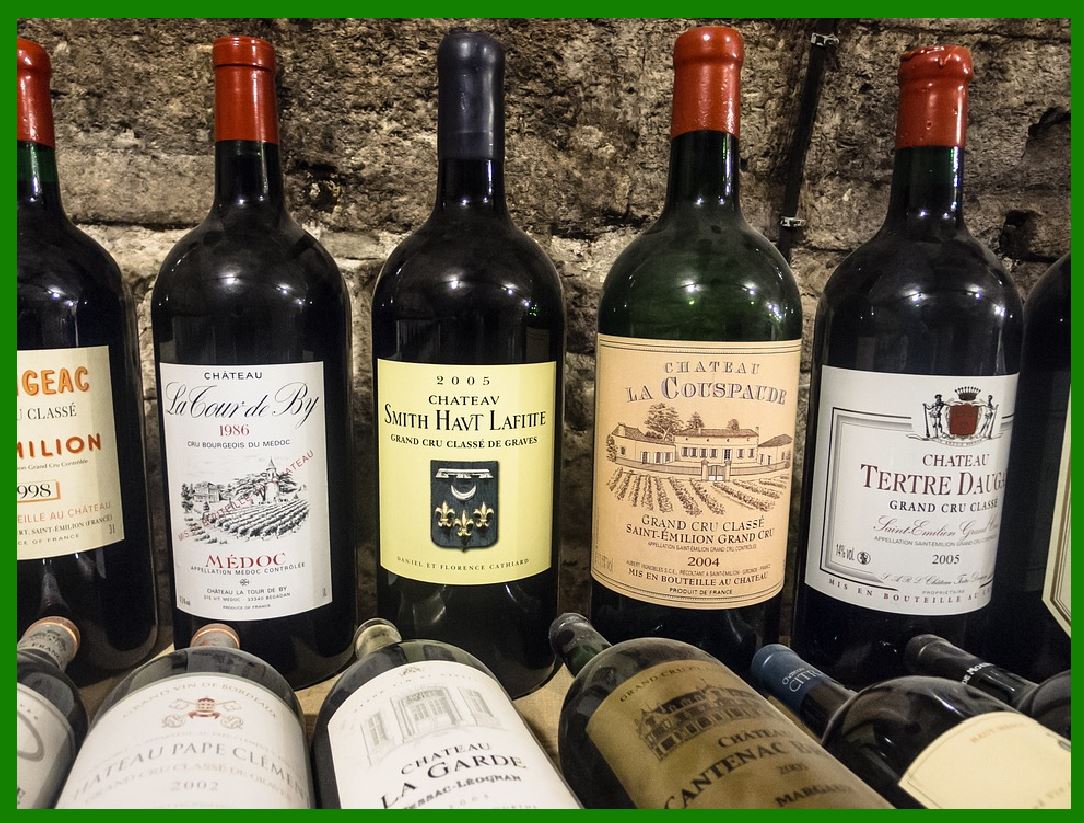
Barcodes can be used to track food and beverage inventory. For example, each ingredient in the kitchen can be tagged with a barcode, which is scanned when it is used in preparation. |
Similarly, barcodes can be assigned to menu items, and each sale or consumption can be scanned, updating the hotel's accounting system in real time. This ensures accurate billing, inventory control, and financial reporting. |

|
5. Maintenance Management |
Hotels require regular maintenance to ensure the property is in optimal condition. Barcodes can significantly improve maintenance operations, helping staff track repairs, scheduled maintenance, and asset conditions. |
5.1. Asset Management |
Hotels have numerous assets such as HVAC systems, elevators, lighting, and furniture. By attaching barcodes to these assets, maintenance staff can easily track their condition, schedule regular maintenance, and update the asset's status after each service. |
When an issue arises, staff can scan the barcode of the asset in question to access a maintenance history report, helping technicians identify problems quickly and efficiently. |
5.2. Preventative Maintenance |
With barcode technology, hotels can implement a more proactive approach to maintenance. Barcodes can be scanned to trigger routine maintenance tasks, such as checking equipment or replacing worn-out parts before they fail. |
This proactive approach helps avoid costly repairs and ensures the property's systems are functioning optimally at all times. |
5.3. Maintenance Requests |
Guests or staff can submit maintenance requests by scanning a barcode associated with a room or specific piece of equipment. For instance, a room may have a barcode on the phone, allowing guests to report issues by simply scanning it and entering their problem. |
Once the request is submitted, it is automatically forwarded to the maintenance team, who can then scan the barcode on the affected asset to ensure a prompt resolution. |
|
6. Guest Experience and Personalization |
The use of barcodes can enhance the guest experience by providing faster and more efficient services. Additionally, barcodes can help gather data that can be used to personalize guest interactions and improve overall satisfaction. |
6.1. Personalized Services |
Barcodes can be used to track guest preferences and history. For example, when a guest checks in, the barcode on their reservation can provide staff with information about their previous stays, preferences, and any special requests. |
This information can be used to personalize the guest experience, such as offering them their preferred room type, amenities, or a special welcome gift based on past visits. |
6.2. Loyalty Programs |
Barcodes can also be used to enhance loyalty programs. Guests can scan a barcode on their loyalty card or mobile app to accumulate points for each stay, meal, or service used within the hotel. |
The barcode system ensures seamless point tracking and provides guests with a tangible way to engage with the hotel's loyalty program, ultimately improving guest retention. |
6.3. Marketing and Promotions |
Hotels can use barcodes for targeted marketing and promotions. For instance, during the guest's stay, a barcode may be offered for discounted services like spa treatments, meals, or excursions. |
These barcodes can be integrated with the hotel's customer relationship management (CRM) system to personalize offers based on guest behavior, increasing sales and overall customer satisfaction. |

|
7. Security and Fraud Prevention |
Security is a top priority for any hotel. Barcodes provide a secure and efficient way to manage access to hotel rooms and secure areas, while also helping to prevent fraud. |
7.1. Key Card Access |
Hotel key cards equipped with barcodes are commonly used for guest room access. By scanning the barcode on the key card at the door, the hotel system can verify the guest's booking and provide access to the correct room. |
Additionally, barcodes on key cards can be programmed with expiration dates, ensuring that access is granted only for the duration of the guest's stay. |
7.2. Fraud Prevention |
Barcodes can help prevent fraud by ensuring that only authorized guests have access to specific areas of the hotel. For example, barcodes can be used to restrict access to premium areas, such as executive floors, lounges, or VIP services. |
Barcodes also ensure that transactions made by guests are properly recorded, reducing the risk of billing errors or fraudulent charges. |

|
8. Conclusion |
Barcodes play a pivotal role in the modern hotel industry by improving efficiency, reducing human error, and enhancing guest experiences. From streamlining check-in and check-out procedures to managing room assignments, inventory, maintenance, and guest services, barcodes provide a flexible and scalable solution for hotels of all sizes. As the industry continues to embrace technology, the use of barcodes will become even more integral to hotel management, ensuring a seamless, efficient, and customer-focused operation. By leveraging barcode systems, hotels can provide faster, more accurate services while maintaining control over their assets, operations, and guest data. |
|
Practical Examples of Using Barcodes for Hotel Management |
Incorporating barcodes into hotel operations not only streamlines processes but also improves accuracy, efficiency, and the overall guest experience. Here are some practical examples of how barcodes are being used in various aspects of hotel management: |
1. Guest Check-In and Check-Out |
Example 1: Mobile Check-In with Barcode Scanning |
Scenario: A guest makes a reservation through a hotel's booking system and receives a confirmation email that includes a barcode for check-in. Upon arrival, the guest walks up to a self-service check-in kiosk where they scan the barcode from their phone or email. |
Result: The system immediately retrieves the guest's reservation details, verifies the booking, and prints the room key card, which also includes a barcode. The guest can then use the key card to access the room without further staff interaction. This reduces check-in time, minimizes queues at the front desk, and provides a smoother guest experience. |
Example 2: Express Check-Out with Barcode |
Scenario: A guest chooses to check out via a self-service kiosk before leaving the hotel. The guest simply scans the barcode on their room key card or printed invoice. |
Result: The system displays the final bill, allowing the guest to review charges and make payment. Once paid, the system updates the hotel's management software, and the guest is officially checked out. This process is much faster than traditional manual check-out, reducing wait times for both guests and staff. |

|
2. Room Management and Guest Services |
Example 3: Room Service Ordering via Barcode |
Scenario: The hotel provides a menu with barcode labels on each item in the guest room. Guests can use their smartphones to scan the barcode next to the item they wish to order from the room service menu. |
Result: The order is automatically transmitted to the kitchen or room service staff, eliminating the need for a phone call or manual order entry. Guests receive confirmation, and the kitchen prepares the requested items. This not only improves the accuracy of orders but also enhances guest convenience by providing an easy, modern way to place orders. |
Example 4: Tracking Amenities with Barcodes |
Scenario: Each room in the hotel is equipped with barcodes attached to essential items like towels, linens, and toiletries. Housekeeping staff uses a barcode scanner to verify that all items are in the room before a guest's arrival or after checkout. |
Result: If items are missing or damaged, the barcode system updates inventory levels in real time. The hotel can ensure that items are replenished or repaired, improving operational efficiency and ensuring rooms are properly stocked before the next guest's stay. |
|
3. Inventory Control and Management |
Example 5: Stock Management for Hotel Supplies |
Scenario: The hotel's housekeeping department maintains a storage area stocked with linens, cleaning supplies, and toiletries. Each item is labeled with a barcode, which is scanned as it is received or used. |
Result: Whenever an item is used, such as when fresh towels are delivered to a guest room, the barcode is scanned to automatically adjust inventory levels. When stock is running low, the system triggers an alert to reorder, preventing shortages or overstocking. |
Example 6: Food and Beverage Inventory |
Scenario: In the hotel's restaurant or bar, every bottle of wine, spirit, and other drink items is tagged with a barcode. As drinks are ordered and served, bar staff scans the barcode on the bottle, which logs the item as consumed. |
Result: The inventory system is automatically updated in real time, making it easy to monitor stock levels. The system can also track sales trends and predict when orders for certain items need to be placed, improving stock management and reducing waste. |

|
4. Maintenance Management |
Example 7: Maintenance of Hotel Equipment |
Scenario: Each piece of hotel equipment-such as elevators, air conditioning units, or electrical systems-is assigned a unique barcode. When maintenance is required, staff scans the barcode on the equipment, which provides them with a detailed history of repairs and scheduled maintenance. |
Result: This improves the speed and accuracy of repairs since technicians can immediately access relevant information by scanning the barcode. The system also ensures that regular preventative maintenance is completed on time, preventing breakdowns and costly repairs. |
Example 8: Maintenance Requests via Barcode |
Scenario: A guest notices that a light bulb is out in their room and scans a barcode attached to a QR code on the room's phone or a nearby notice. The barcode automatically links to a maintenance request form. |
Result: The request is automatically sent to the maintenance team, who can then address the issue quickly, improving guest satisfaction. Barcodes on items like room furniture, fixtures, or appliances can also be used to initiate repair or maintenance tasks. |
|
5. Guest Experience and Personalization |
Example 9: Loyalty Program and Rewards |
Scenario: A hotel offers a loyalty program where guests earn points for each stay. Upon checking in, the guest receives a loyalty card embedded with a barcode. The barcode is linked to the guest's profile and automatically tracks their points for stays, meals, or purchases made within the hotel. |
Result: Whenever the guest uses the card for purchases (e.g., at the restaurant, spa, or gift shop), the barcode is scanned, and points are automatically added to their account. The system can also send targeted offers or personalized discounts to encourage guests to return, improving customer retention. |
Example 10: Personalized Guest Preferences |
Scenario: A frequent guest arrives at a hotel and checks in with a barcode that links to their profile. The hotel's management software pulls up previous stays, preferred room types, and any special requests (such as extra pillows, room temperature preferences, or dietary needs). |
Result: The staff can personalize the guest experience, offering them their preferred room, amenities, or services. The barcode system ensures that all personalized information is accurately and quickly accessed, providing a tailored experience that increases guest satisfaction. |

|
6. Security and Fraud Prevention |
Example 11: Access Control for Restricted Areas |
Scenario: Some areas of the hotel, such as VIP lounges or employee-only zones, are restricted to certain guests or staff. Barcodes are assigned to guest key cards, allowing them access only to the areas for which they are authorized. |
Result: When a guest approaches a restricted area, they scan their barcode at the access point. The system verifies their credentials and grants or denies access based on the information associated with the barcode. This reduces the likelihood of unauthorized access, improving security. |
Example 12: Preventing Billing Fraud |
Scenario: Barcodes are assigned to each guest's room service orders, minibar usage, or in-room purchases. Each time an item is consumed or used, the staff scans the corresponding barcode. |
Result: This prevents billing discrepancies or fraud, ensuring that the correct charges are made to the guest's account. It also allows hotel management to easily monitor purchases and review guest spending habits. |
|
7. Asset Management and Tracking |
Example 13: Tracking Hotel Assets (Furniture, Fixtures, Equipment) |
Scenario: Each piece of hotel property, such as furniture, televisions, or kitchen equipment, is tagged with a barcode. When an asset is moved or replaced, the barcode is scanned by hotel staff, ensuring that every item is tracked. |
Result: This ensures that assets are accounted for, reducing the risk of theft or loss. If an item is moved to a different location (e.g., a sofa from a guest room to the lobby), scanning the barcode updates its location in the hotel's asset management system, ensuring everything is properly tracked and maintained. |

|
8. Inventory for Temporary or Promotional Items |
Example 14: Tracking Promotional Items |
Scenario: The hotel offers promotional packages for guests, such as complimentary gift bags, room upgrades, or special event tickets. These promotional items are tagged with barcodes to track inventory levels. |
Result: As items are given to guests, the barcode is scanned to update the system in real time. This ensures that the hotel never runs out of promotional stock and can effectively manage the distribution of special offers. It also makes it easy to analyze the effectiveness of marketing campaigns based on how often promotional items are redeemed. |

|
These practical examples demonstrate the diverse applications of barcodes in hotel management, ranging from improving operational efficiency and guest experience to enhancing security and inventory management. By integrating barcode technology into their daily operations, hotels can streamline processes, reduce costs, and provide a more personalized and seamless experience for guests. |
 cs@easiersoft.com