Part 10 |
Avery Dennison Corporation RFID Innovation, Intelligent Label Systems, Pressure-Sensitive Materials Engineering, and the Evolution of Modern Barcode Identification Technologies |
1. Introduction to Avery Dennison Corporation |
1.1 |
Avery Dennison Corporation is one of the most influential and historically important companies in the global pressure-sensitive barcode label industry. The company became internationally recognized for pioneering self-adhesive label technologies, developing advanced pressure-sensitive materials, driving RFID innovation, and shaping the evolution of modern industrial identification systems. |
1.2 |
Among all companies involved in barcode label manufacturing and pressure-sensitive materials engineering, Avery Dennison occupies a uniquely important historical position because many modern labeling technologies and industrial standards evolved directly from innovations introduced by the company and its predecessor organizations. |

|
1.3 |
The company operates globally across numerous sectors including barcode label materials, RFID technologies, intelligent packaging, industrial adhesives, apparel identification systems, logistics automation, retail labeling, and digital supply chain solutions. |
1.4 |
Avery Dennison became especially influential in transforming self-adhesive labels from simple packaging products into sophisticated information carriers integrated with automated manufacturing systems, cloud-based inventory management platforms, machine vision infrastructure, and intelligent retail technologies. |
1.5 |
The company technologies support billions of barcode labels, RFID tags, industrial asset identifiers, shipping labels, retail labels, pharmaceutical tracking systems, and smart packaging solutions used daily around the world. |
1.6 |
Today, Avery Dennison is widely recognized not only as a manufacturer of pressure-sensitive materials but also as one of the world leading innovators in intelligent identification technologies and digital supply chain infrastructure. |

|
2. Founding History and Early Development |
2.1 |
The origins of Avery Dennison trace back to 1935 when R. Stanton Avery founded the Kum Kleen Products Company in Los Angeles, California. |
2.2 |
R. Stanton Avery is widely regarded as one of the most important inventors in the history of pressure-sensitive labeling technology. His innovations fundamentally transformed the labeling industry and helped establish the modern self-adhesive label market. |
2.3 |
One of Avery most significant inventions involved the development of the first commercially successful self-adhesive label system combined with a practical label dispensing machine. |

|
2.4 |
Before pressure-sensitive labels became common, many labels required water activation or glue application during packaging operations. These processes were slow, labor-intensive, messy, and inefficient. |
2.5 |
Avery recognized that pre-applied pressure-sensitive adhesives combined with release liners could dramatically simplify industrial labeling operations. |
2.6 |
He developed innovative die-cut self-adhesive labels mounted on silicone-coated backing materials that could be dispensed rapidly and efficiently. |

|
2.7 |
This invention revolutionized packaging, logistics, retail operations, and industrial identification systems worldwide. |
2.8 |
The company eventually became Avery Adhesives and later evolved into Avery Dennison following mergers and corporate expansion. |
2.9 |
During the twentieth century, Avery Dennison expanded aggressively into industrial materials, pressure-sensitive technologies, office products, packaging systems, barcode labels, RFID technologies, and intelligent supply chain solutions. |

|
3. The Invention and Evolution of Pressure-Sensitive Label Technologies |
3.1 |
Avery Dennison played a foundational role in the development of modern pressure-sensitive labeling systems. Many technologies now considered standard within the barcode label industry were pioneered or popularized by the company. |
3.2 |
Pressure-sensitive labels consist of several critical components: |
1. Printable facestock |
2. Pressure-sensitive adhesive |
3. Silicone release coating |
4. Release liner substrate |

|
3.3 |
Avery Dennison invested heavily in optimizing the interactions between these layers to improve dispensing reliability, print quality, adhesion performance, and industrial durability. |
3.4 |
The company developed highly automated manufacturing processes capable of producing extremely consistent multilayer label constructions at massive industrial scale. |
3.5 |
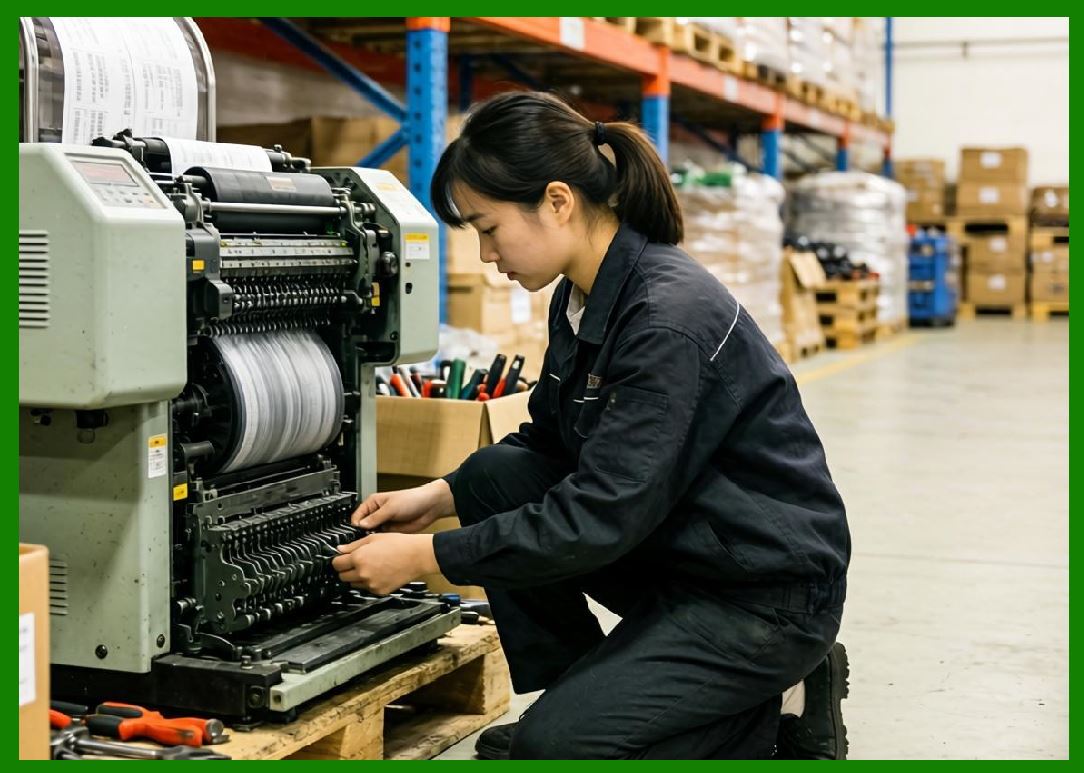
One of the most important breakthroughs involved precision die-cutting technologies. Accurate die-cutting allows labels to separate cleanly from liners while maintaining dimensional stability during automated dispensing. |
3.6 |
Avery Dennison also refined silicone release systems designed to provide highly controlled release forces for high-speed industrial labeling operations. |
3.7 |
These innovations helped establish pressure-sensitive labels as the dominant global technology for barcode labeling, logistics tracking, retail identification, and industrial packaging. |
|
4. Barcode Label Materials and Scanner Optimization |
4.1 |
As barcode systems expanded rapidly during the late twentieth century, Avery Dennison became one of the largest suppliers of barcode-compatible label materials worldwide. |
4.2 |
Barcode labels require highly engineered surfaces capable of producing sharp image contrast, accurate edge definition, and consistent optical properties. |
4.3 |
The company developed label materials optimized for: |
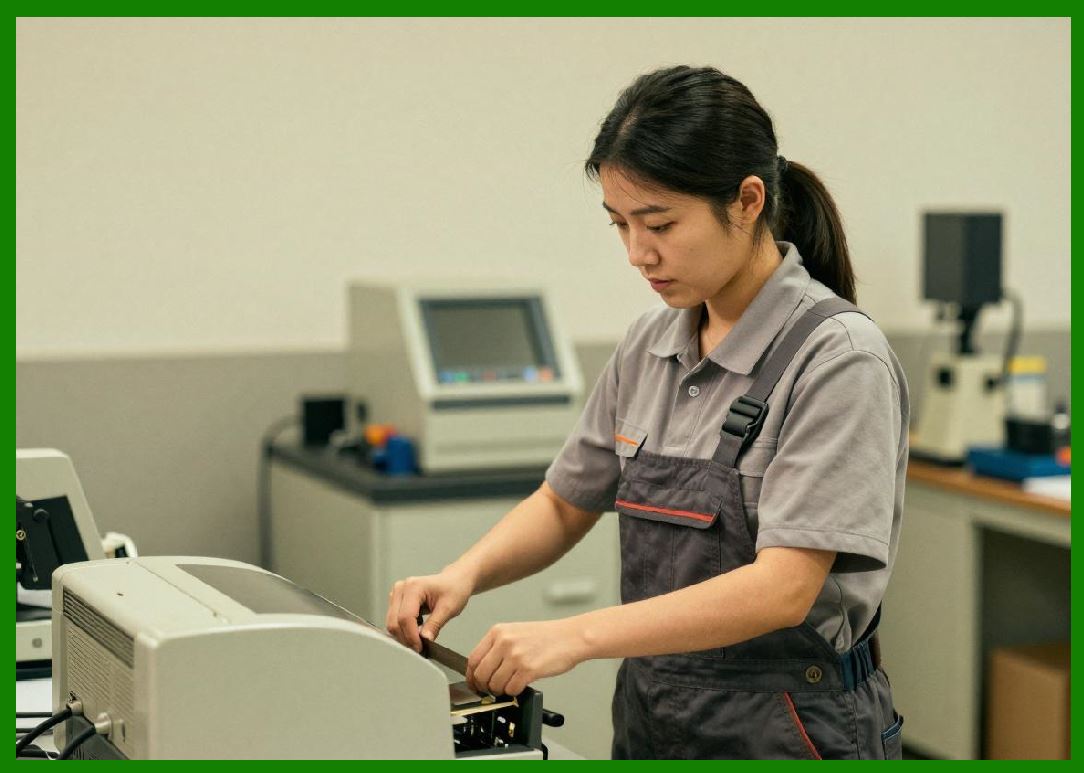
1. Thermal transfer printing |
2. Direct thermal printing |
3. Laser printing |
4. Inkjet printing |
5. Flexographic printing |
6. Digital variable-data printing |
|
4.4 |
Direct thermal technologies became especially important for shipping labels, retail labels, warehouse systems, and transportation tracking applications. |
4.5 |
Avery Dennison engineered thermal coatings capable of producing high-resolution machine-readable barcodes while improving resistance to fading, smudging, and environmental degradation. |
4.6 |
Thermal transfer systems represented another major innovation area because industrial barcode applications often require exceptional durability. |
4.7 |
The company optimized facestock coatings and surface topographies for compatibility with wax, wax-resin, and resin thermal ribbons. |
4.8 |
Scanner optimization became increasingly important as automated warehouse systems adopted high-speed machine vision technologies and omnidirectional scanning infrastructure. |

|
5. Adhesive Science and Bonding Technologies |
5.1 |
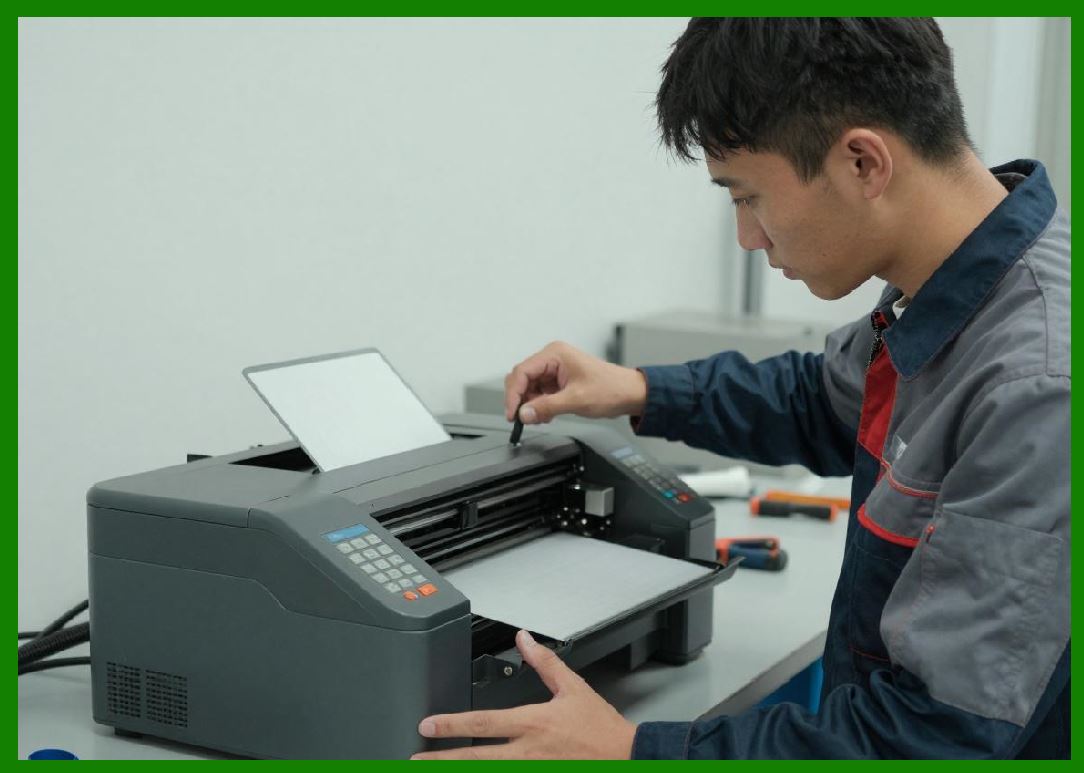
Adhesive engineering became one of Avery Dennison core scientific disciplines. The company invested extensively in polymer chemistry, rheology, viscoelastic behavior, and surface interaction analysis. |
5.2 |
Pressure-sensitive adhesives must balance multiple complex performance characteristics including: |
1. Initial tack |
2. Long-term adhesion |
3. Shear resistance |
4. Peel strength |
5. Temperature stability |
6. Chemical resistance |
7. Aging performance |
8. Removability |
|
5.3 |
Avery Dennison developed highly specialized adhesive systems for diverse industrial applications including food packaging, pharmaceuticals, electronics manufacturing, logistics, automotive systems, and retail labeling. |
5.4 |
The company engineered freezer-grade adhesives capable of bonding under cold-chain logistics conditions. |
5.5 |
Wash-off adhesives became increasingly important for recyclable packaging systems because they allow labels to separate during recycling operations. |
5.6 |
Low-migration adhesives were developed for food-contact and pharmaceutical applications requiring strict regulatory compliance. |
5.7 |
Avery Dennison also optimized adhesive systems for difficult surfaces such as corrugated cardboard, flexible plastics, textured packaging films, and low-surface-energy substrates. |
|
6. RFID Technologies and Intelligent Labels |
6.1 |
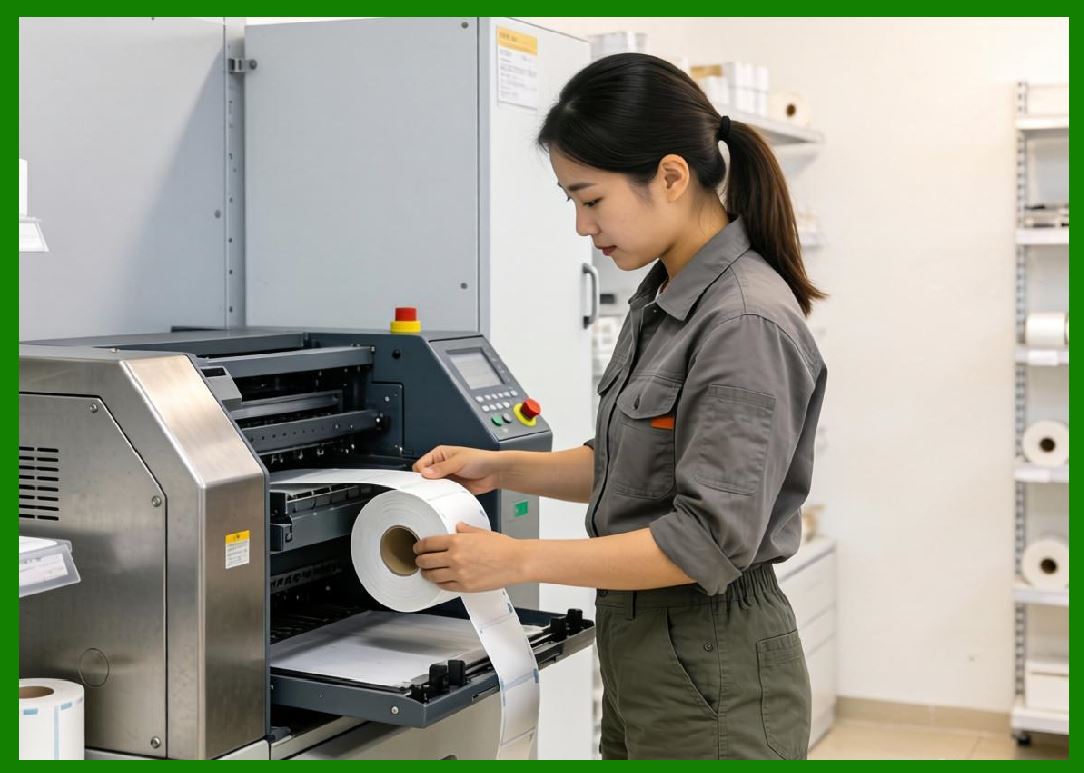
One of Avery Dennison most transformative contributions to the identification industry involved RFID technologies and intelligent labeling systems. |
6.2 |
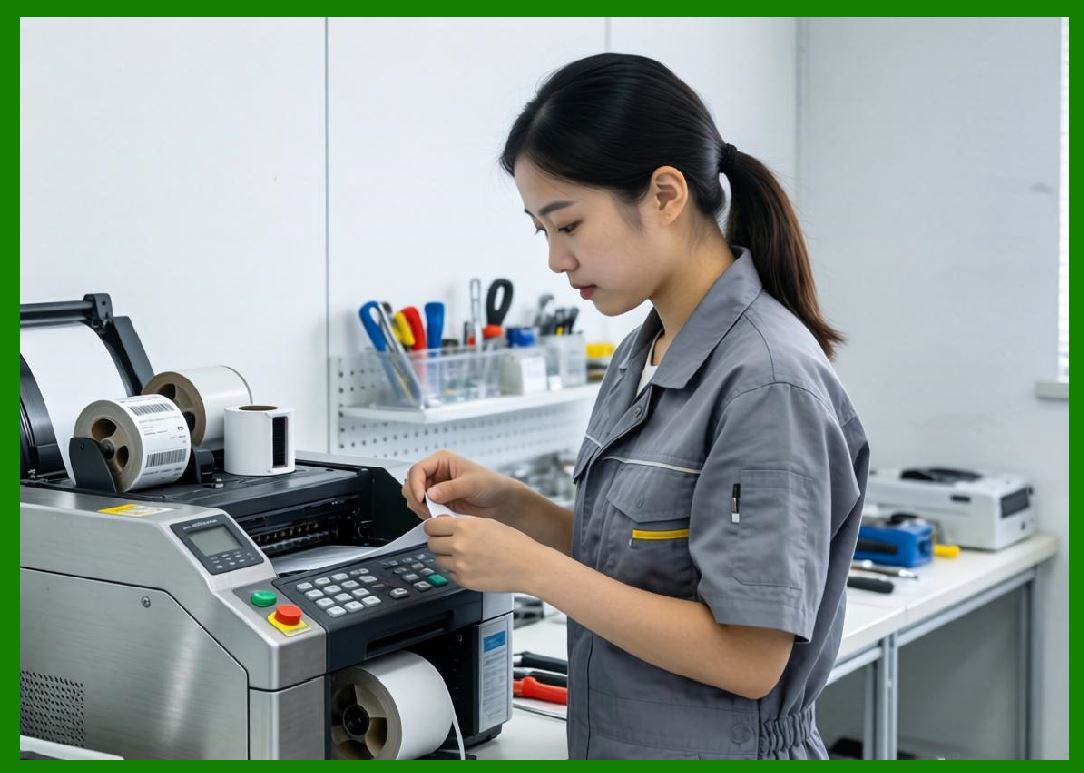
RFID, or radio-frequency identification, allows wireless communication between tags and electronic readers. Unlike barcodes, RFID systems do not require direct optical scanning. |
6.3 |
Avery Dennison became one of the world leading developers of RFID-enabled pressure-sensitive labels and intelligent supply chain systems. |
|
6.4 |
The company engineered RFID inlays consisting of: |
1. Integrated circuits |
2. Antenna systems |
3. Encapsulation materials |
4. Pressure-sensitive adhesive layers |
5. Printable facestock materials |
6.5 |
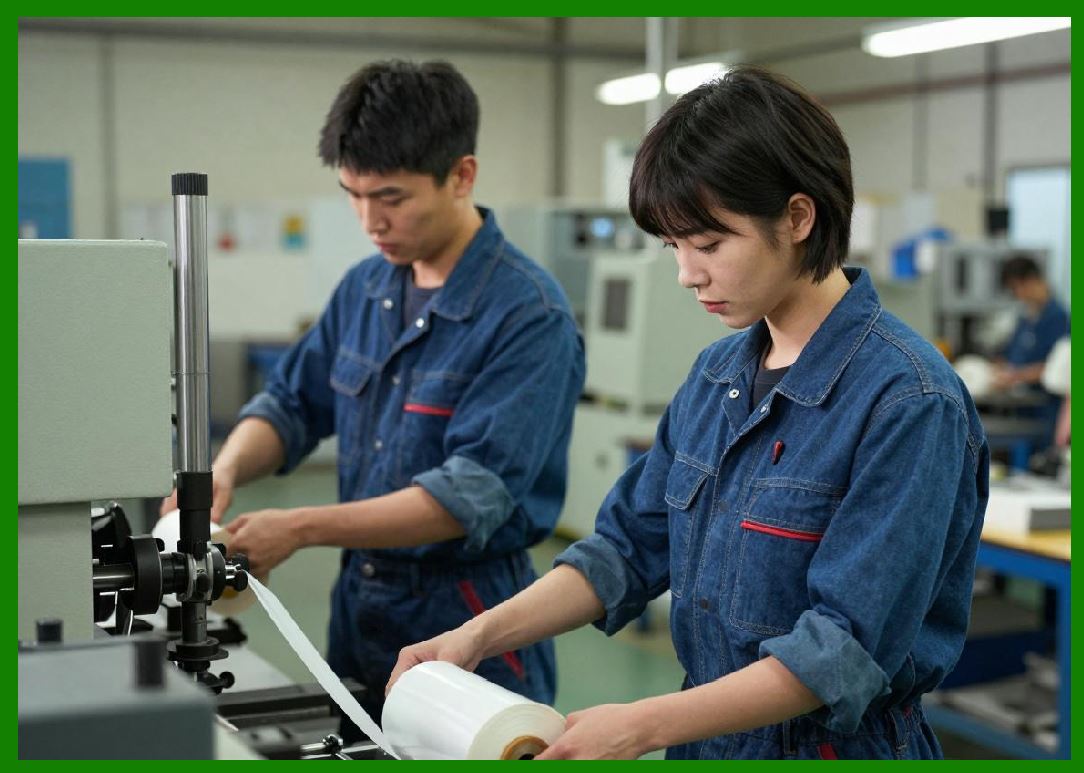
RFID technologies became especially important in retail inventory management, warehouse automation, transportation logistics, healthcare tracking, apparel management, and industrial asset control. |
|
6.6 |
The company developed hybrid labels integrating both traditional barcodes and RFID functionality within single constructions. |
6.7 |
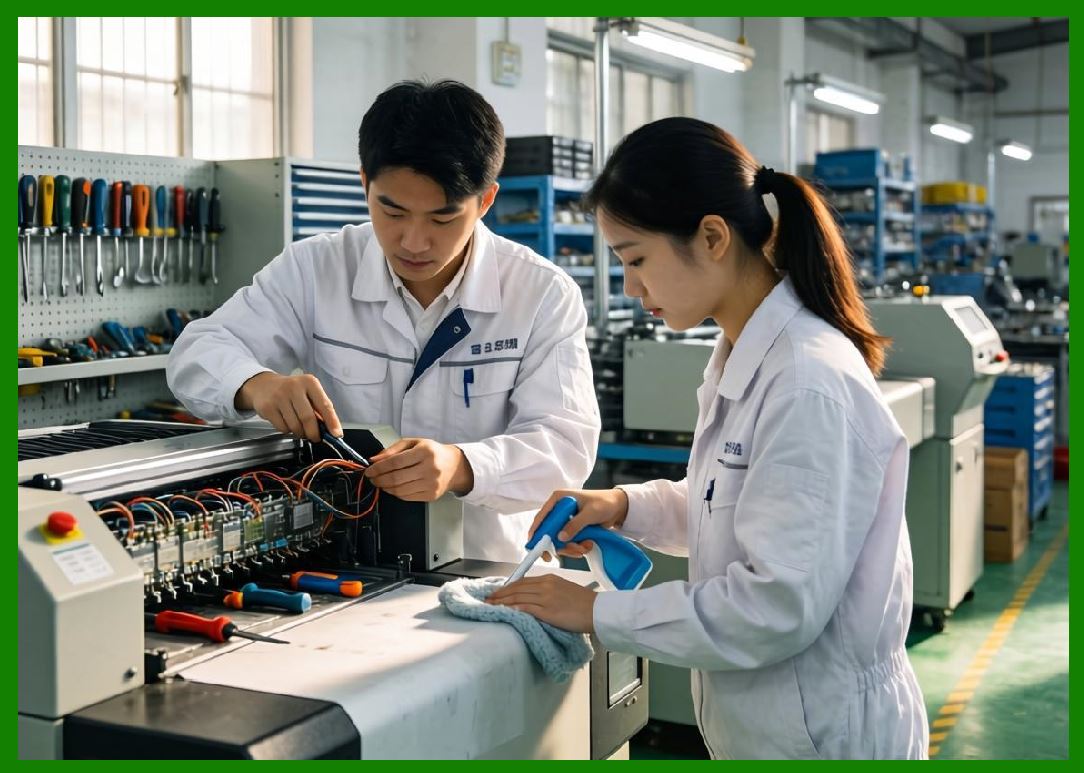
Avery Dennison also invested heavily in RFID encoding infrastructure, cloud-connected tracking systems, and intelligent retail technologies. |
6.8 |
Its RFID innovations significantly accelerated the global adoption of smart supply chain technologies. |
|
7. Apparel and Retail Identification Systems |
7.1 |
Avery Dennison became especially influential within apparel labeling and retail identification industries. |
7.2 |
Modern retail operations depend heavily on barcode and RFID technologies for inventory visibility, anti-theft systems, product authentication, warehouse automation, and omnichannel logistics. |
7.3 |
The company developed specialized apparel tags, hangtags, RFID garment labels, and retail identification systems. |
7.4 |
Retail environments require labels capable of maintaining readability throughout transportation, storage, handling, and consumer interaction. |
7.5 |
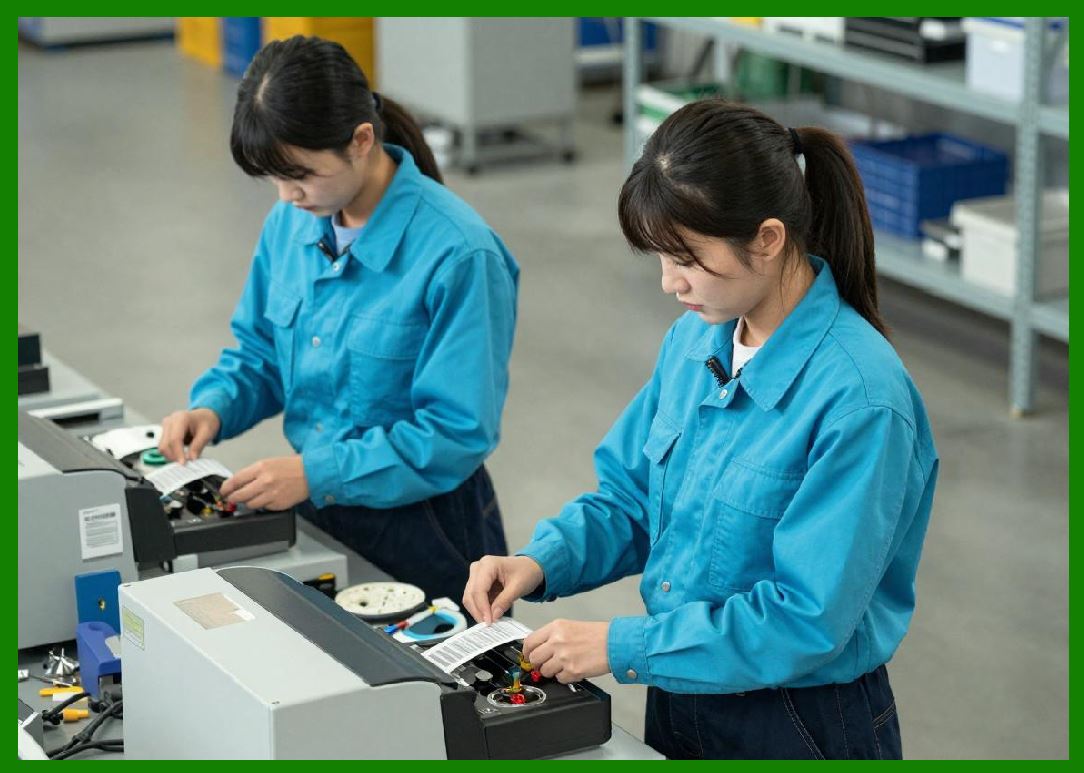
Avery Dennison also supported major global apparel brands with integrated supply chain identification systems and intelligent inventory management platforms. |
7.6 |
RFID adoption in fashion retail accelerated significantly because retailers increasingly required real-time inventory visibility and automated stock management. |
7.7 |
The company became a major technology partner for many multinational retail and apparel organizations. |
|
8. Industrial and Durable Barcode Label Systems |
8.1 |
Industrial barcode applications often require significantly greater durability than ordinary retail packaging labels. |
8.2 |
Avery Dennison developed durable label constructions using materials such as: |
1. Polyester films |
2. Polypropylene films |
3. Polyimide films |
4. Vinyl materials |
5. Specialty engineered synthetic films |
8.3 |
These materials were optimized for resistance to chemicals, oils, solvents, abrasion, ultraviolet exposure, moisture, and extreme temperatures. |
8.4 |
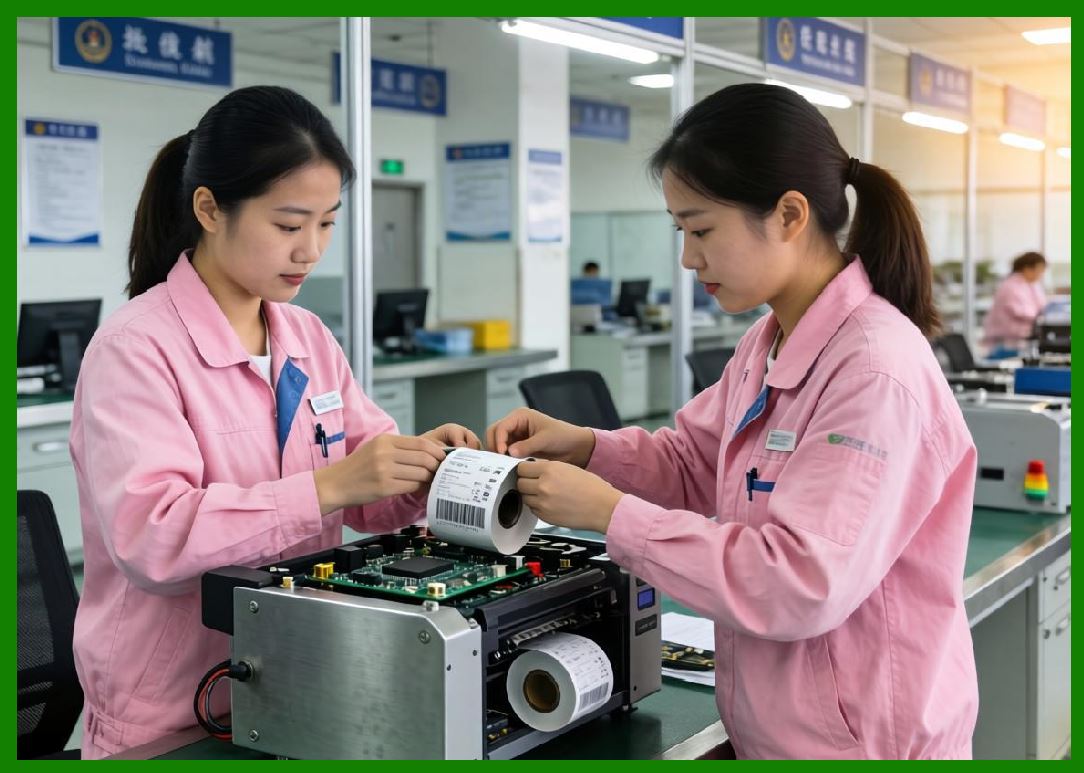
Industrial manufacturing systems require highly reliable barcode readability because identification failures can disrupt production operations and inventory tracking. |
8.5 |
The company engineered durable asset-tracking labels, automotive identification systems, electronics labels, warning labels, and industrial compliance markings. |
8.6 |
Polyimide barcode labels became especially important in electronics manufacturing because they can survive solder reflow temperatures and aggressive cleaning chemicals. |
8.7 |
Long-term durability testing became a major part of product qualification procedures for industrial customers. |
|
9. Sustainability and Circular Economy Leadership |
9.1 |
Environmental sustainability became one of Avery Dennison most important strategic priorities during the twenty-first century. |
9.2 |
The company invested heavily in sustainable materials engineering, recyclable packaging systems, liner recycling programs, renewable raw materials, and carbon reduction initiatives. |
9.3 |
One major challenge within the pressure-sensitive label industry involves waste generated by silicone-coated release liners. |
9.4 |
Avery Dennison therefore developed recycling programs aimed at recovering and reprocessing used release liner materials. |
9.5 |
The company also researched thinner facestocks and lightweight liners designed to reduce material consumption and transportation emissions. |
9.6 |
Wash-off adhesives and recyclable label constructions became increasingly important as packaging regulations evolved globally. |
9.7 |
The company explored bio-based materials, renewable polymers, and environmentally optimized coating systems. |
9.8 |
Lifecycle analysis methodologies were also implemented to evaluate environmental performance across product lifecycles. |
|
10. Digital Printing and Variable Data Technologies |
10.1 |
Digital printing technologies transformed the barcode label industry by enabling rapid customization, variable information printing, and short production runs. |
10.2 |
Avery Dennison developed label materials compatible with: |
1. Inkjet systems |
2. Laser printing systems |
3. Electrophotographic printers |
4. Thermal printers |
5. UV-curable digital printing systems |
10.3 |
Variable-data printing became especially important in logistics and pharmaceutical applications where each label may contain unique serial numbers or tracking codes. |
10.4 |
The company optimized coatings and surface chemistries to improve ink adhesion, drying performance, image sharpness, and scanner readability. |
10.5 |
Digital printing compatibility also supported growth in personalized packaging, on-demand manufacturing, and flexible supply chain operations. |
10.6 |
Integration of digital printing with RFID encoding technologies created additional opportunities for intelligent packaging systems. |
10.7 |
Avery Dennison became one of the major enablers of digital transformation within the global label industry. |

|
11. Research, Innovation, and Global Manufacturing Infrastructure |
11.1 |
Research and development became central components of Avery Dennison corporate identity. The company invested extensively in materials science, polymer chemistry, RFID engineering, industrial automation, and digital identification technologies. |
11.2 |
Advanced laboratories conducted testing involving adhesion performance, environmental durability, thermal aging, scanner readability, coating consistency, and RFID functionality. |
11.3 |
Avery Dennison also invested heavily in high-speed coating systems, automated converting infrastructure, precision die-cutting technologies, and machine vision inspection systems. |
11.4 |
Global manufacturing operations allowed the company to support multinational logistics systems and industrial supply chains with consistent product quality. |
11.5 |
The company accumulated extensive intellectual property related to pressure-sensitive materials, intelligent labels, RFID technologies, and industrial identification systems. |
11.6 |
Collaboration with retailers, logistics companies, healthcare organizations, industrial manufacturers, and technology firms accelerated innovation and product development. |
11.7 |
Avery Dennison global scale and technological breadth helped establish it as one of the most influential companies in the modern barcode and pressure-sensitive materials industries. |
|
12. Future Prospects of Avery Dennison Corporation |
12.1 |
The future development of Avery Dennison will likely continue emphasizing intelligent identification systems, sustainability engineering, digital supply chain technologies, and smart packaging infrastructure. |
12.2 |
RFID adoption is expected to accelerate significantly in retail, healthcare, logistics, and industrial automation sectors. |
12.3 |
Cloud-connected inventory systems and Industry 4.0 manufacturing platforms may further increase demand for intelligent barcode and RFID labels. |
12.4 |
Environmental regulations are expected to encourage continued development of recyclable label systems, renewable materials, and reduced-waste packaging technologies. |
12.5 |
Artificial intelligence and machine vision systems may increase performance requirements for barcode readability and data accuracy. |
12.6 |
Digital product passports and advanced traceability regulations may create additional opportunities for intelligent labeling technologies. |
12.7 |
Hybrid identification systems combining optical barcodes, RFID, NFC, and sensor technologies may become increasingly common. |
12.8 |
Because of its pioneering role in pressure-sensitive labels, RFID innovation, and intelligent supply chain systems, Avery Dennison is expected to remain one of the world most influential companies in the barcode label industry. |
|
Detailed Technical Content Summary of Part 10 |
This part provided a detailed analysis of Avery Dennison Corporation and its foundational role within the global pressure-sensitive barcode label industry. The article introduced Avery Dennison as one of the world most historically important labeling technology companies and highlighted its pioneering contributions to self-adhesive labels, RFID systems, intelligent packaging, and digital supply chain technologies. |
The discussion explored the company origins beginning in 1935 with founder R. Stanton Avery and examined his revolutionary invention of commercially practical self-adhesive labels and label dispensing systems. Significant attention was given to the evolution of pressure-sensitive labeling technologies, including multilayer label construction engineering, precision die-cutting, and silicone release systems. |
The article extensively analyzed Avery Dennison barcode label materials, scanner optimization strategies, thermal printing technologies, and adhesive science innovations. Major sections discussed freezer-grade adhesives, wash-off adhesives, low-migration systems, and difficult-surface bonding technologies. |
A large portion focused on RFID technologies and intelligent labels, including RFID inlays, hybrid barcode-RFID systems, smart retail infrastructure, and cloud-connected inventory systems. Additional sections examined apparel identification systems, industrial durable labels, sustainability initiatives, digital printing compatibility, and global manufacturing infrastructure. |
Finally, the article reviewed Avery Dennison future prospects involving Industry 4.0 systems, artificial intelligence integration, digital product passports, smart packaging, sustainable materials engineering, and next-generation intelligent identification technologies. |
End of Part 10. |
 cs@easiersoft.com