Part 11 |
3M Company Pressure-Sensitive Adhesive Science, Industrial Identification Systems, High-Performance Films, and the Foundations of Modern Barcode Label Materials |
1. Introduction to 3M and Its Influence on Barcode Label Technology |
1.1 |
3M Company is one of the most influential industrial technology corporations in the world and a foundational force in the development of pressure-sensitive adhesive systems, industrial labeling materials, and high-performance functional films. Although 3M operates across a vast range of industries, its contributions to adhesive science and self-adhesive materials had a profound impact on the global barcode label paper and pressure-sensitive labeling industry. |
1.2 |
The company innovations in adhesive chemistry, coating technologies, polymer science, and industrial materials engineering directly enabled many modern barcode label systems used in logistics, healthcare, manufacturing, transportation, and retail environments. |

|
1.3 |
Unlike companies focused exclusively on labelstock production, 3M operates as a diversified materials science corporation. Its research spans adhesives, abrasives, optical films, medical materials, electronics, safety systems, and industrial solutions. |
1.4 |
This broad scientific foundation allowed 3M to pioneer fundamental technologies that later became essential components of pressure-sensitive barcode labels, including acrylic adhesives, silicone release systems, polyester films, and high-durability coatings. |
1.5 |
Today, 3M technologies are embedded in countless industrial identification systems worldwide, making it one of the most important upstream innovators supporting the global barcode label ecosystem. |

|
2. Founding History and Early Industrial Development |
2.1 |
3M was founded in 1902 in Two Harbors, Minnesota, originally as the Minnesota Mining and Manufacturing Company. The company initially attempted to mine corundum for abrasive materials, but early operations faced significant challenges due to poor mineral quality. |
2.2 |
Following initial difficulties, the company shifted its focus toward abrasive products, sandpaper manufacturing, and industrial coatings. This transition marked the beginning of 3M long-term evolution into a diversified materials science company. |
2.3 |
Early financial struggles forced the company to develop a culture of innovation, experimentation, and materials engineering excellence. This culture later became central to its success in adhesives and pressure-sensitive technologies. |
2.4 |
During the early twentieth century, industrialization and manufacturing expansion created demand for improved industrial materials, coatings, tapes, and bonding systems. |

|
2.5 |
3M gradually expanded its research into adhesives, coatings, and specialty films, laying the foundation for future pressure-sensitive label technologies. |
2.6 |
By mid-century, the company had become a major innovator in adhesive tape systems and industrial bonding materials. |
2.7 |
These innovations would later become essential to barcode label construction technologies used worldwide. |

|
3. Invention and Development of Pressure-Sensitive Adhesives |
3.1 |
One of 3M most important contributions to modern industry was the development and commercialization of pressure-sensitive adhesive (PSA) technologies. These adhesives form the structural foundation of modern barcode labels. |
3.2 |
Pressure-sensitive adhesives are engineered polymers that form bonds under light pressure without requiring heat or solvent activation. This property makes them ideal for automated labeling systems. |
3.3 |
3M invested heavily in acrylic adhesive chemistry, rubber-based adhesives, and silicone-based systems, creating a wide range of performance characteristics for different applications. |

|
3.4 |
The company PSA systems are designed to balance multiple factors including: |
1. Initial tack (instant bonding strength) |
2. Shear resistance (long-term stability) |
3. Peel adhesion (removal strength) |
4. Temperature resistance |
5. Chemical resistance |
6. Aging performance |
7. Surface compatibility |
3.5 |
These adhesive technologies became essential in the development of self-adhesive barcode labels used in logistics, retail packaging, healthcare tracking, and industrial identification systems. |
3.6 |
3M also developed adhesives capable of bonding to difficult surfaces such as plastics, metals, painted surfaces, and low-energy materials commonly found in industrial environments. |
3.7 |
The company adhesive science became a foundational pillar of the modern pressure-sensitive label industry. |
|
4. Development of ScotchTape and Its Influence on Label Technology |
4.1 |
One of 3M most famous innovations is Scotchtape, introduced in the 1930s. This product marked a turning point in pressure-sensitive adhesive applications. |
4.2 |
Scotch tape demonstrated the commercial viability of pressure-sensitive adhesive systems for everyday and industrial use. |
4.3 |
The success of adhesive tape technologies directly influenced the development of self-adhesive label systems used in barcode applications. |
|
4.4 |
The underlying principles of tape manufacturing - adhesive coating, release liners, film substrates, and controlled adhesion - became essential components of modern labelstock engineering. |
4.5 |
3M continued refining adhesive tape technologies, expanding into industrial tapes, masking tapes, electrical insulation tapes, and specialty bonding systems. |
4.6 |
These developments strengthened the company leadership in pressure-sensitive materials science. |
4.7 |
Many barcode label technologies today still rely on principles originally developed through 3M adhesive tape research. |

|
5. Release Liners and Silicone Coating Innovations |
5.1 |
Release liner technology is essential for pressure-sensitive barcode labels, and 3M played a major role in advancing silicone coating systems and liner engineering. |
5.2 |
A release liner is a coated substrate that prevents adhesive bonding until the label is applied. It ensures controlled dispensing and clean separation. |
5.3 |
3M developed silicone release coatings that provide extremely precise control of release force, enabling high-speed automated labeling operations. |

|
5.4 |
The company engineered liners using paper, polyester films, and specialty composite materials depending on application requirements. |
5.5 |
Consistency in release force is critical in industrial labeling systems because variations can disrupt automated dispensing equipment. |
5.6 |
3M also contributed to liner optimization techniques that improved efficiency in high-volume production environments. |
5.7 |
Release liner technologies developed by 3M became widely adopted across the global pressure-sensitive label industry. |

|
6. Industrial Films and Barcode Label Substrates |
6.1 |
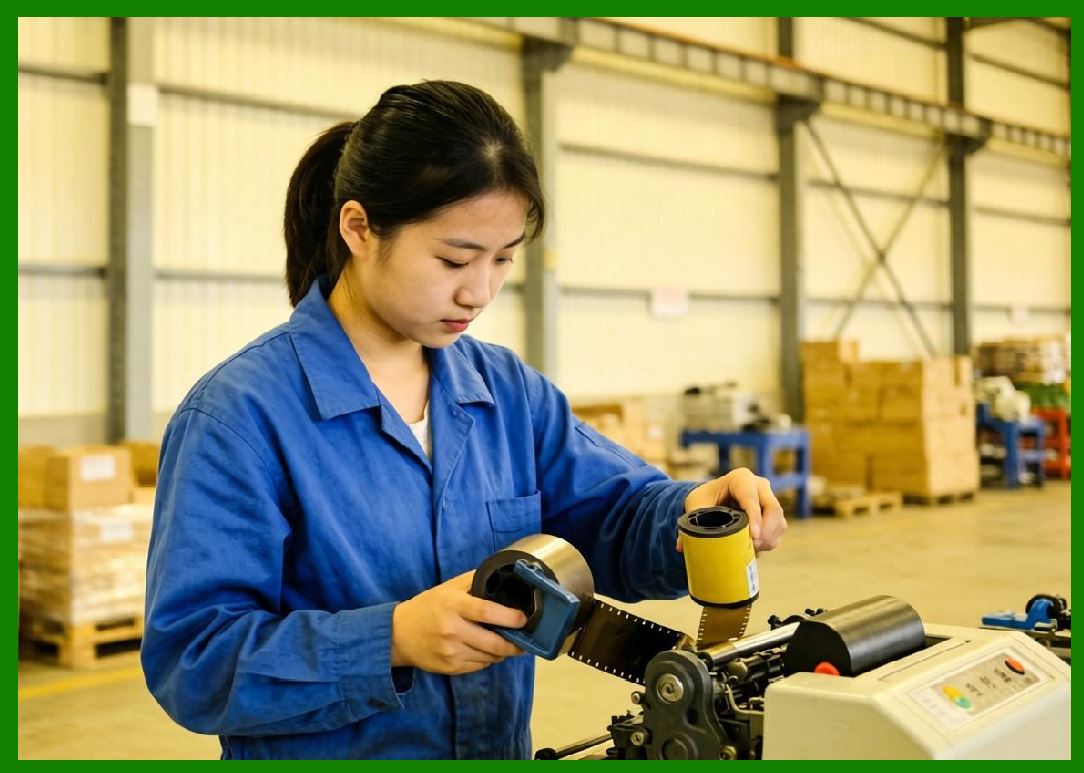
3M developed a wide range of high-performance polymer films that became important substrates in durable barcode label systems. |
6.2 |
Film-based labels offer significant advantages over paper-based materials in harsh environments, including resistance to moisture, chemicals, abrasion, and temperature extremes. |
6.3 |
Common materials developed or advanced by 3M include: |
1. Polyester films |
2. Polypropylene films |
3. Polyimide films |
4. Vinyl materials |
5. Fluoropolymer films |
|
6.4 |
Polyester films are widely used in industrial barcode labels due to their dimensional stability and durability. |
6.5 |
Polyimide films are especially important in electronics manufacturing because they can withstand high-temperature soldering processes. |
6.6 |
Vinyl and specialty polymer materials are used in outdoor labeling and industrial asset tracking applications. |
6.7 |
3M also developed surface coatings to improve printability, barcode contrast, and chemical resistance on these film substrates. |
|
7. Optical Materials and Imaging Science |
7.1 |
Beyond adhesives and films, 3M also became a leader in optical materials science, which indirectly supports barcode readability and imaging systems. |
7.2 |
Barcode scanners rely on precise optical contrast between printed bars and background surfaces. 3M coating and surface technologies helped improve print clarity and reflectivity control. |
7.3 |
The company developed reflective films, microreplicated optical surfaces, and precision coatings used in imaging and display systems. |
7.4 |
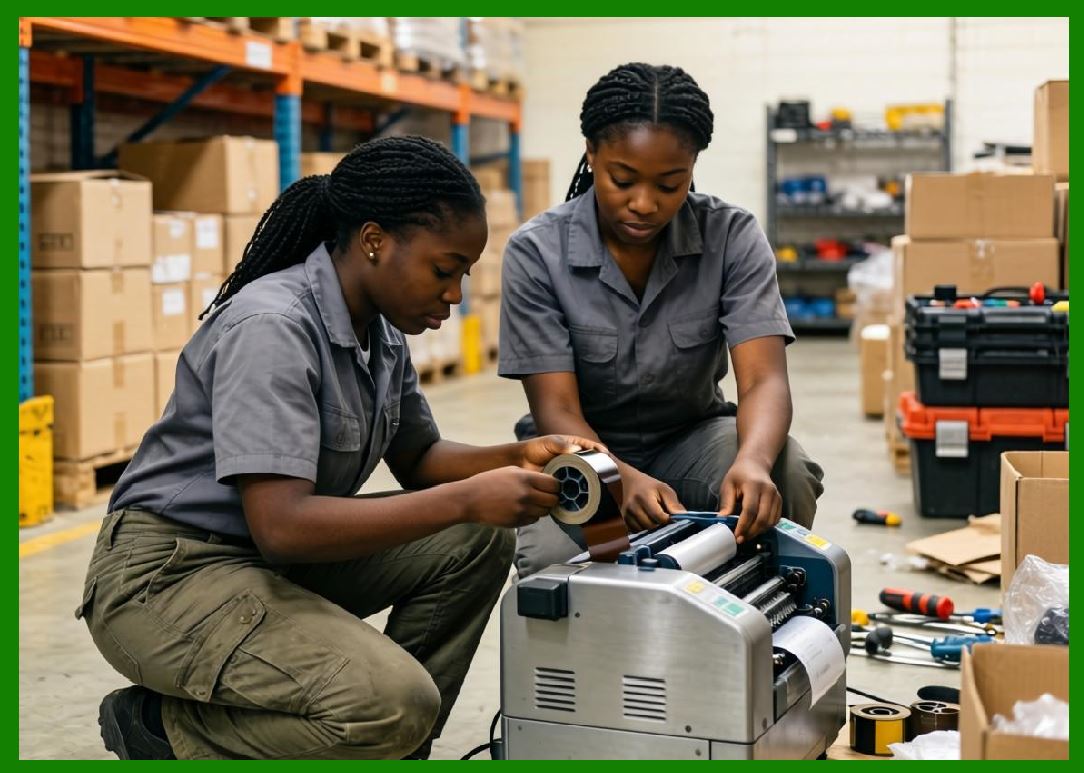
These technologies contributed to improved scanning reliability in industrial barcode systems. |
|
7.5 |
Surface uniformity and optical consistency are critical factors in high-speed automated barcode reading environments. |
7.6 |
3M expertise in light management materials also supported development of advanced machine vision systems used in logistics and manufacturing. |
7.7 |
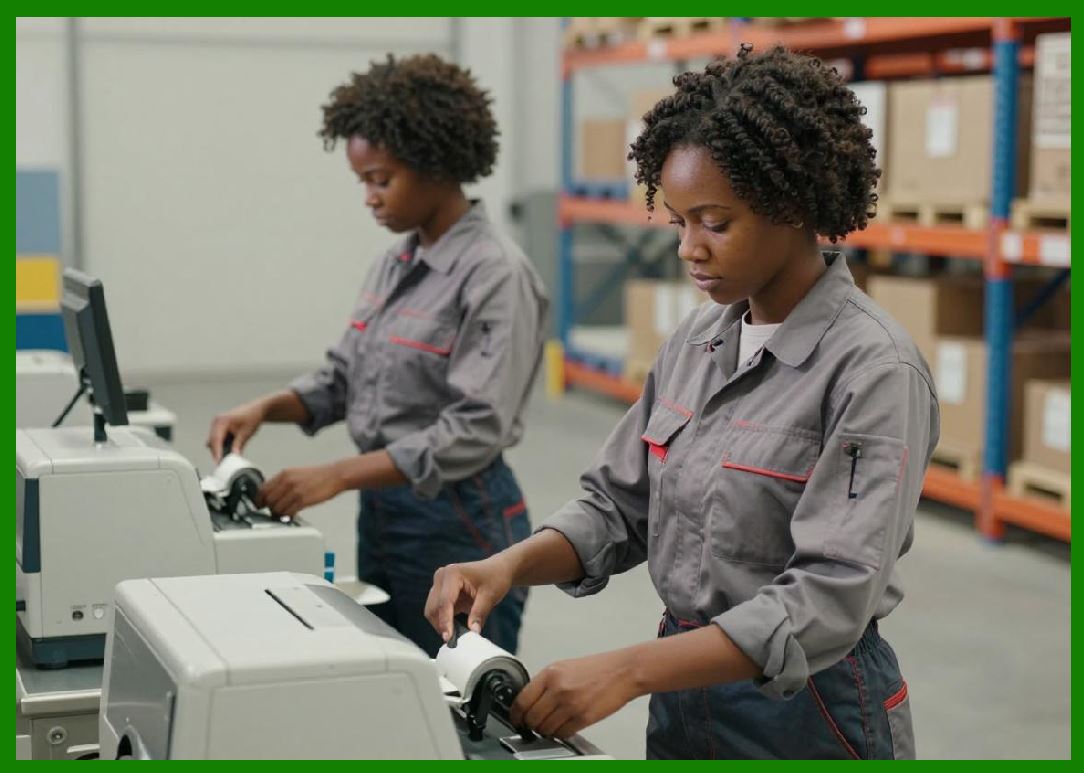
These innovations helped bridge materials science and optical engineering within industrial identification systems. |
|
8. Healthcare and Medical Identification Systems |
8.1 |
3M became a major supplier of medical adhesives, surgical tapes, wound care products, and healthcare identification materials. |
8.2 |
Healthcare barcode systems require extremely high reliability because they are used in patient identification, medication tracking, laboratory management, and surgical procedures. |
8.3 |
3M developed medical-grade adhesive systems designed for skin compatibility, sterilization resistance, and long-term durability. |
8.4 |
Barcode labels used in healthcare environments must resist alcohol, moisture, refrigeration, and chemical exposure. |

|
8.5 |
The company materials are widely used in hospital wristbands, specimen tracking labels, pharmaceutical packaging, and medical device identification systems. |
8.6 |
Safety and regulatory compliance are critical in healthcare applications, and 3M materials science expertise helped meet these stringent requirements. |
8.7 |
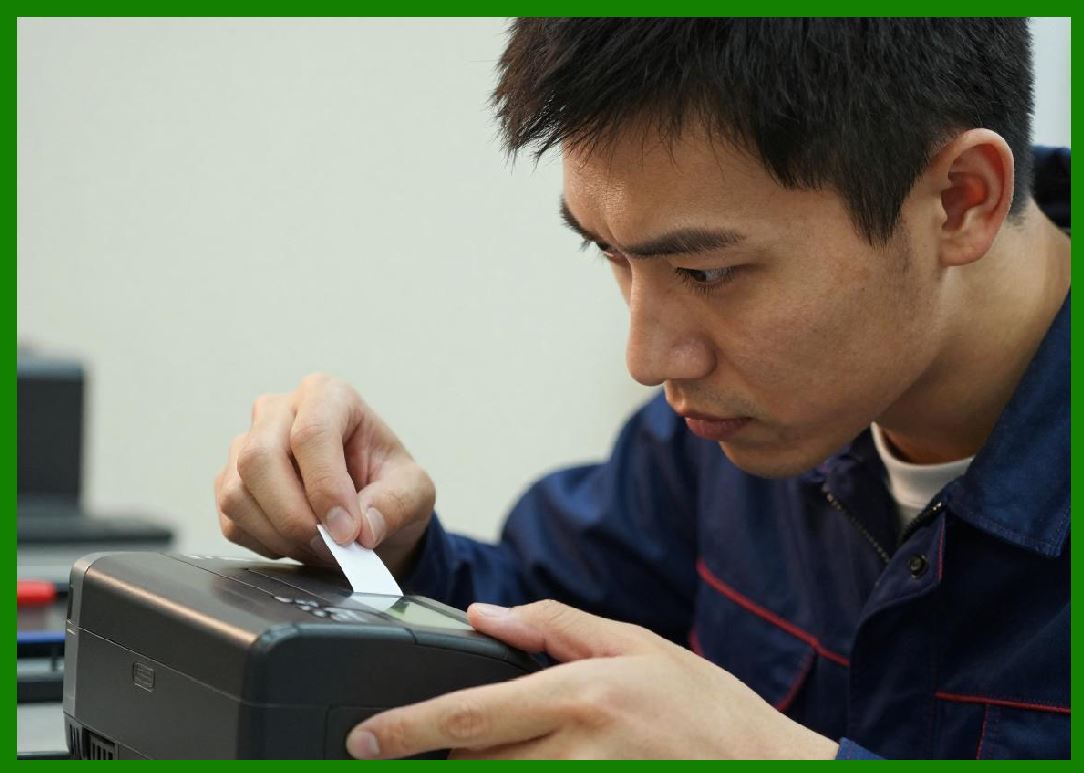
These technologies significantly contributed to improving patient safety and healthcare logistics efficiency. |
|
9. Industrial Applications and Manufacturing Systems |
9.1 |
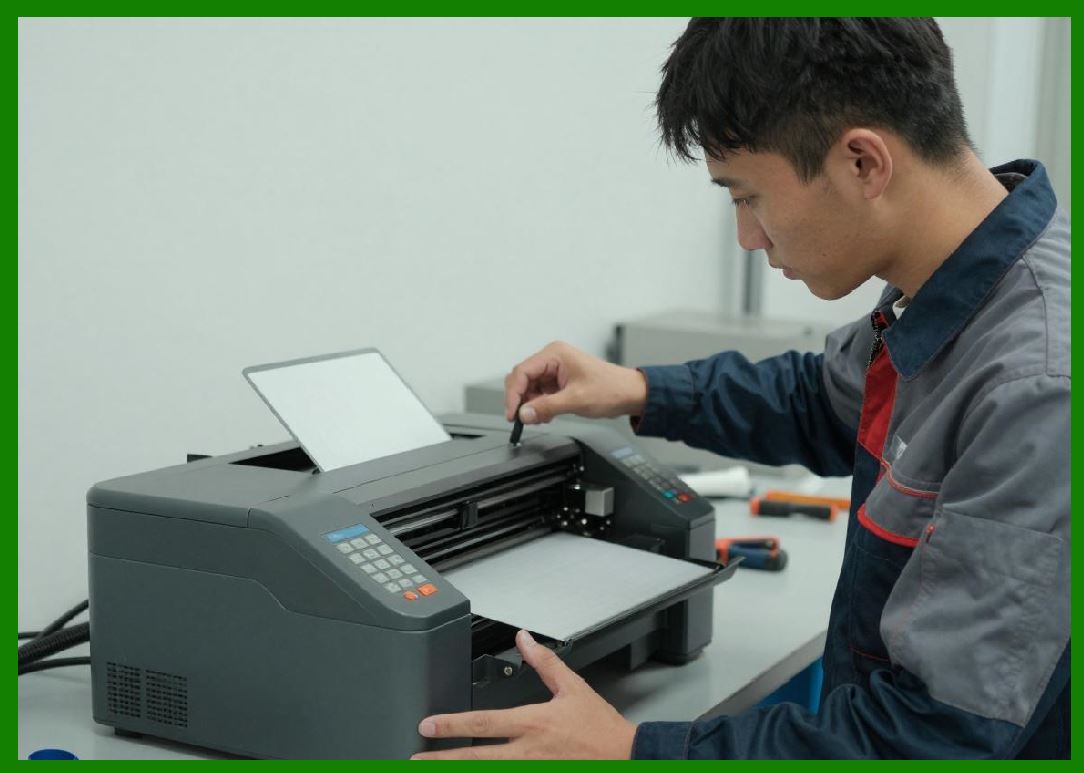
3M technologies are widely used in industrial barcode labeling systems across manufacturing, logistics, transportation, aerospace, and automotive industries. |
9.2 |
Industrial environments require labels that can withstand oils, chemicals, heat, vibration, abrasion, and long-term environmental exposure. |
9.3 |
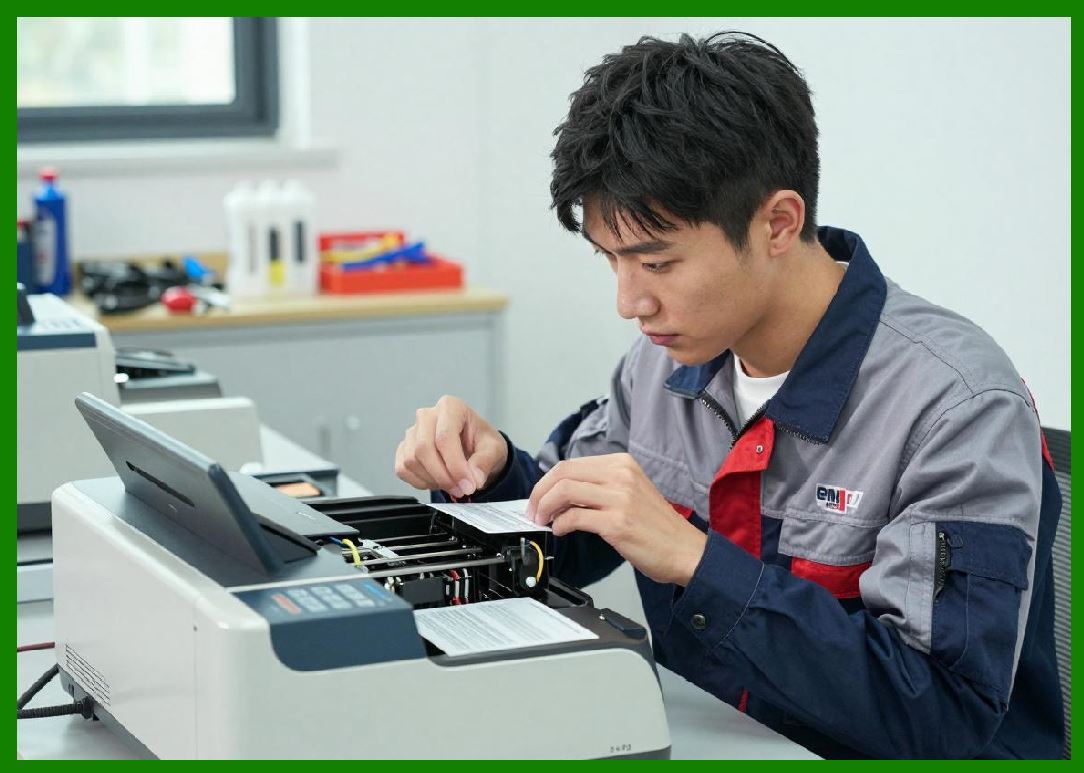
3M developed durable adhesive systems and film substrates designed specifically for industrial asset tracking and equipment identification. |
|
9.4 |
Automotive manufacturing uses barcode labels for component tracking, assembly line management, and quality control systems. |
9.5 |
Aerospace applications require extremely high-performance materials capable of enduring extreme environmental conditions. |
9.6 |
Industrial automation systems rely on accurate barcode identification for production efficiency and error reduction. |
9.7 |
3M materials science capabilities make it a foundational supplier for these high-demand applications. |
|
10. Sustainability and Environmental Engineering |
10.1 |
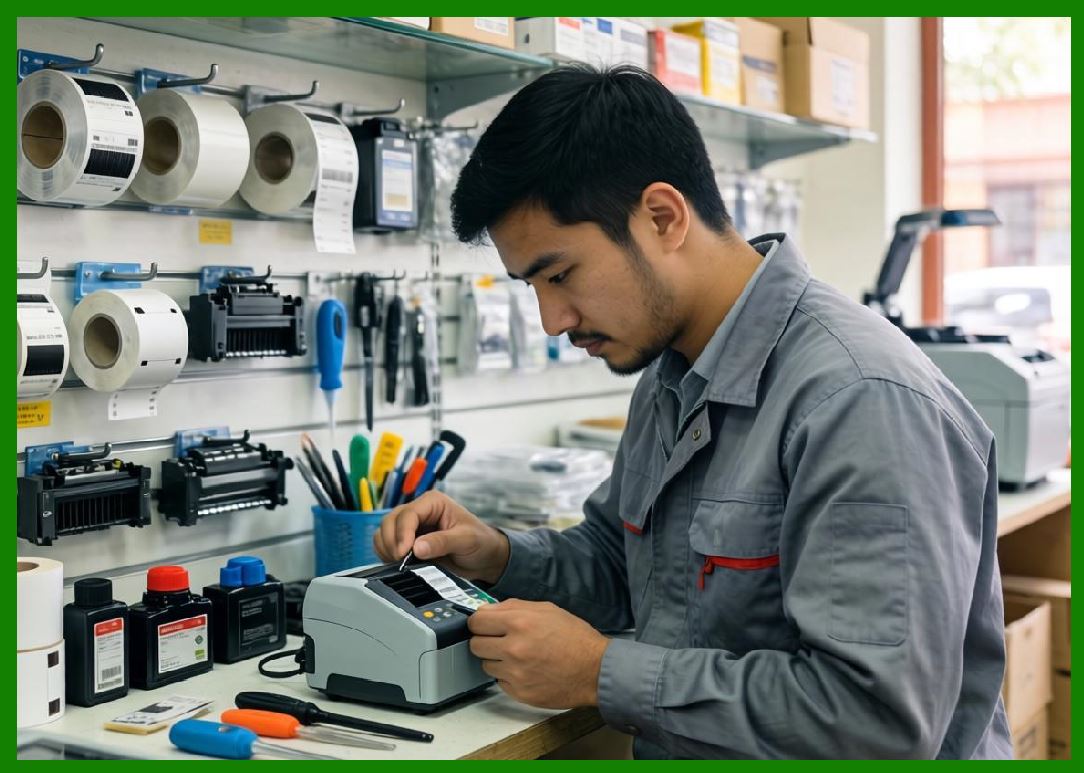
3M has increasingly focused on sustainability initiatives involving material reduction, energy efficiency, waste reduction, and environmentally responsible manufacturing. |
10.2 |
The company works to reduce volatile organic compounds in adhesive systems and improve environmental compatibility of industrial materials. |
10.3 |
Sustainable adhesive development includes water-based systems, solvent reduction technologies, and recyclable material engineering. |
10.4 |
3M also invests in lifecycle analysis to evaluate environmental impact across product usage cycles. |
10.5 |
Industrial labeling systems present sustainability challenges due to multilayer constructions, adhesives, and silicone-coated liners. |
10.6 |
The company explores lightweight materials and improved recyclability in industrial label systems. |
10.7 |
Sustainability remains a central focus of 3M long-term innovation strategy. |
|
11. Research and Innovation Infrastructure |
11.1 |
3M is widely recognized for its strong research culture and large-scale investment in materials science innovation. |
11.2 |
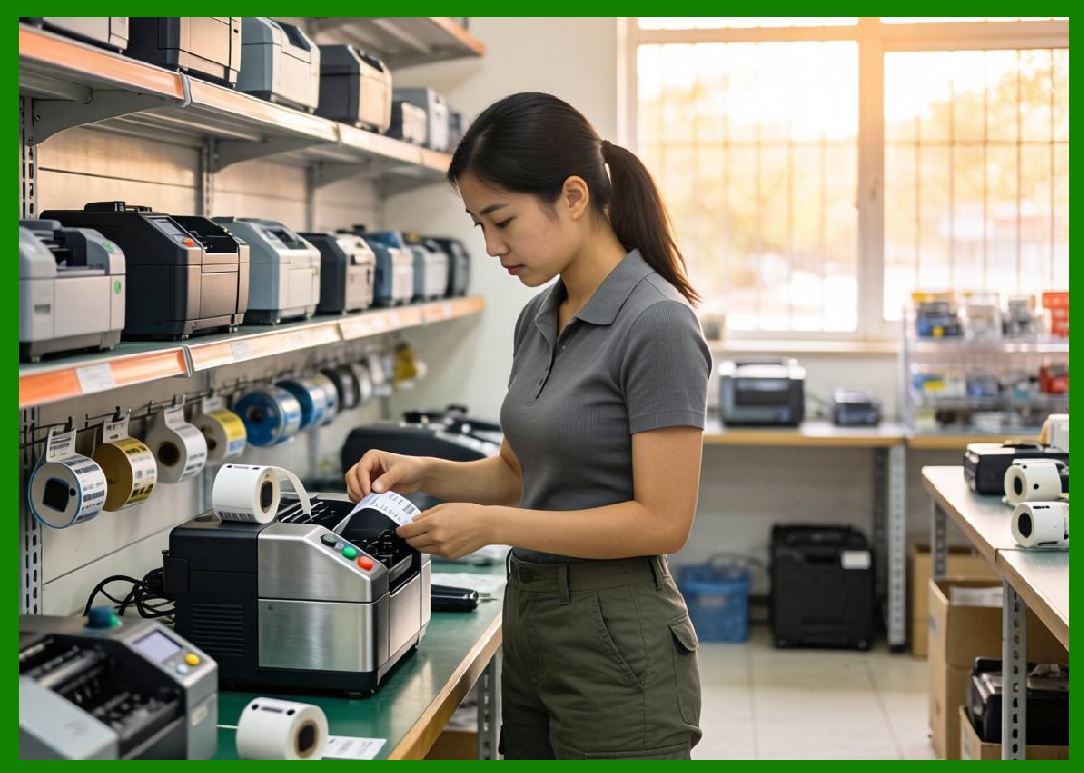
The company operates advanced laboratories focusing on polymer science, surface engineering, adhesive chemistry, and industrial materials development. |
11.3 |
Its innovation model encourages cross-disciplinary research and rapid commercialization of new materials technologies. |
11.4 |
3M holds thousands of patents related to adhesives, coatings, films, and industrial systems. |
11.5 |
Collaboration with industrial partners helps refine barcode label technologies for real-world applications. |
11.6 |
Advanced testing systems evaluate durability, adhesion, thermal stability, optical performance, and chemical resistance. |
11.7 |
This innovation infrastructure supports continuous advancement in pressure-sensitive labeling technologies. |
|
12. Future Prospects of 3M in Barcode and Label Technologies |
12.1 |
The future of 3M in barcode label-related technologies will likely involve advanced materials, smart adhesives, and integrated digital identification systems. |
12.2 |
Hybrid systems combining RFID, sensors, and printed barcodes may become increasingly important in logistics and healthcare applications. |
12.3 |
Sustainability pressures will continue driving development of recyclable materials and low-impact adhesive systems. |
12.4 |
Advanced coatings and nanomaterials may further improve durability, optical performance, and environmental resistance. |
12.5 |
Industry 4.0 manufacturing systems will increase demand for highly reliable identification technologies integrated with automation platforms. |
12.6 |
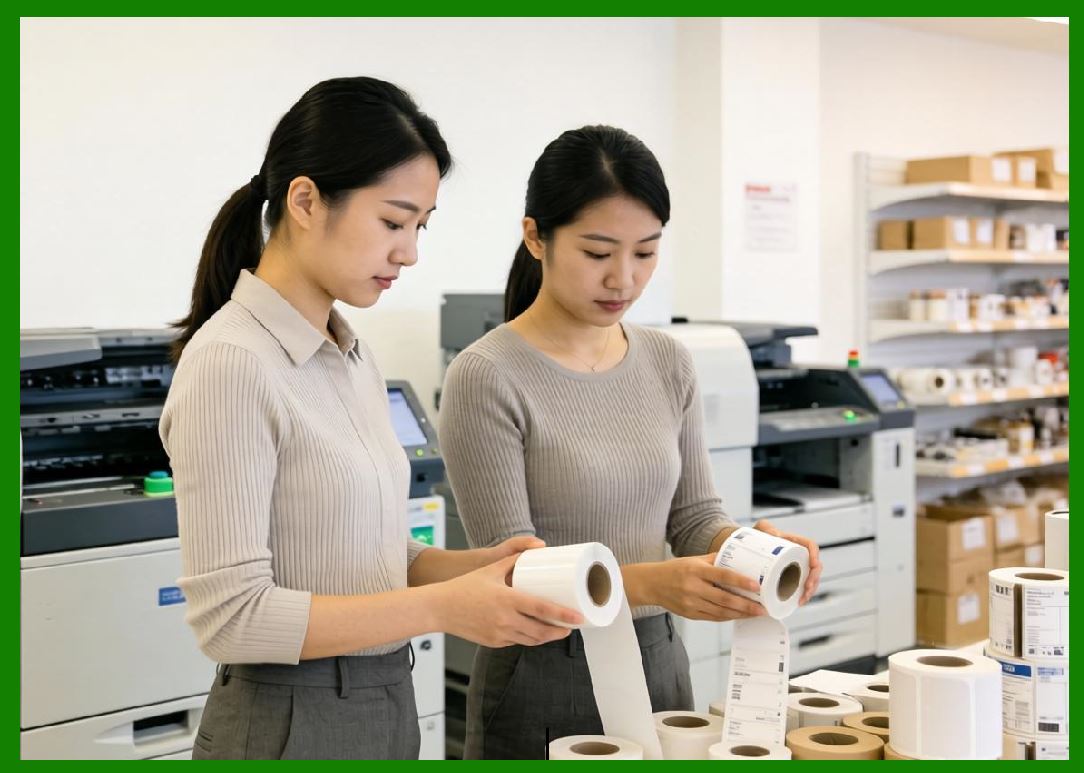
Smart packaging and digital traceability systems will expand opportunities for multifunctional labeling technologies. |
12.7 |
3M strong materials science foundation ensures continued relevance in next-generation industrial identification systems. |
|
Detailed Technical Content Summary of Part 11 |
This part provided a comprehensive analysis of 3M Company and its foundational role in the development of pressure-sensitive adhesive systems and modern barcode label technologies. The article introduced 3M as a pioneering materials science corporation whose innovations in adhesives, films, coatings, and industrial materials laid the groundwork for the global self-adhesive label industry. |
The discussion examined the company historical origins from its founding in 1902 and its evolution from abrasive manufacturing into a global leader in adhesives and advanced materials. Significant attention was given to the invention and commercialization of pressure-sensitive adhesives, Scotch tape, and their influence on modern label systems. |
The article explored 3M contributions to release liner technologies, silicone coatings, industrial films, optical materials, healthcare identification systems, and industrial barcode applications. Major sections focused on adhesive chemistry, polymer science, surface engineering, and durability optimization. |
Additional analysis covered industrial applications across manufacturing, logistics, aerospace, automotive, and healthcare sectors, as well as sustainability initiatives involving recyclable materials and environmentally responsible manufacturing. |
Finally, the article reviewed future prospects involving smart materials, RFID integration, nanotechnology coatings, Industry 4.0 systems, and intelligent packaging technologies. |
|
End of Part 11. |
 cs@easiersoft.com