Part 13 |
LINTEC Corporation High-Precision Labelstock Engineering, Semiconductor-Grade Materials, Pressure-Sensitive Adhesives, and Advanced Barcode Label Paper Systems |
1. Introduction to LINTEC Corporation and Its Industrial Position |
1.1 |
LINTEC Corporation is one of Japan most technologically advanced manufacturers of specialty paper, pressure-sensitive adhesive materials, release films, and industrial labelstock systems. In the global barcode label industry, LINTEC is widely recognized as a high-precision materials supplier that focuses on demanding applications requiring extreme reliability, dimensional stability, and advanced coating technologies. |
1.2 |
Unlike mass-market label manufacturers, LINTEC emphasizes high-performance engineered materials for industrial, electronics, semiconductor, automotive, and healthcare applications. Its technologies are particularly important in environments where barcode labels must survive extreme temperatures, chemical exposure, cleanroom conditions, and long-term operational stress. |

|
1.3 |
The company plays a critical upstream role in the pressure-sensitive barcode label ecosystem by supplying facestock materials, adhesive systems, functional films, and specialty coated papers used by downstream label converters and printing system manufacturers. |
1.4 |
LINTEC is also known for its strong presence in semiconductor-related materials, which require ultra-clean manufacturing environments and extremely precise surface engineering - capabilities that directly translate into high-performance barcode labeling materials. |
1.5 |
Today, LINTEC is considered one of the most technically sophisticated materials science companies contributing to the global evolution of barcode label paper systems and industrial identification technologies. |

|
2. Founding History and Corporate Development |
2.1 |
LINTEC Corporation was founded in 1934 in Japan, during a period when Japanese industry was rapidly expanding into advanced manufacturing, chemical engineering, and precision materials development. |
2.2 |
From its earliest stages, the company focused on adhesive products, specialty papers, and industrial coating technologies rather than general consumer goods. |
2.3 |
Japan industrial modernization created strong demand for high-performance materials capable of supporting electronics manufacturing, automotive production, and industrial logistics systems. |

|
2.4 |
LINTEC gradually expanded its technological capabilities into pressure-sensitive adhesives, release liners, functional films, and semiconductor-related materials. |
2.5 |
Over time, the company developed a strong reputation for precision coating technologies and high-quality control standards. |
2.6 |
Its expansion into global markets allowed it to support advanced manufacturing industries across Asia, Europe, and North America. |
2.7 |
LINTEC evolution reflects the broader transformation of Japan materials science industry into a global leader in high-performance industrial substrates. |

|
3. Pressure-Sensitive Adhesive Technologies |
3.1 |
Pressure-sensitive adhesives (PSAs) are one of LINTEC core technological strengths and form the foundation of its contribution to barcode label paper systems. |
3.2 |
The company develops advanced adhesive formulations designed for precise performance control, including bonding strength, temperature resistance, chemical stability, and long-term durability. |
3.3 |
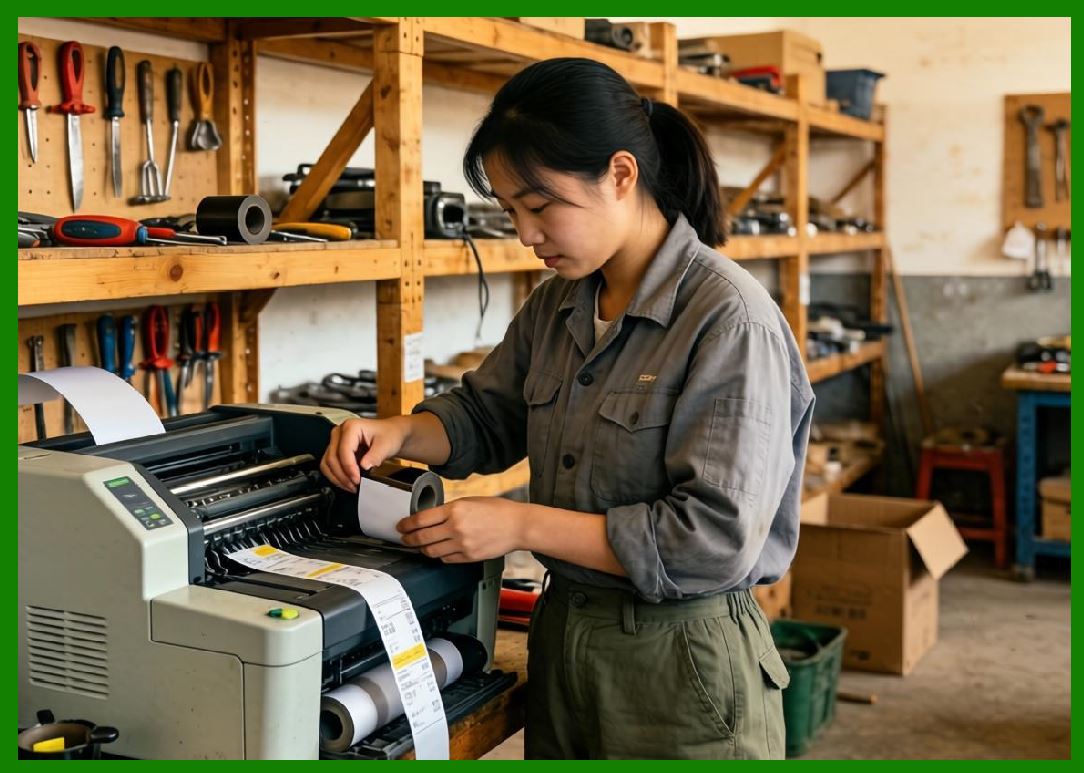
LINTEC PSA technologies include: |
1. Acrylic adhesives |
2. Rubber-based adhesives |
3. Silicone-based adhesives |
4. UV-curable adhesives |
5. Heat-resistant adhesives |
6. Removable and repositionable adhesives |
7. Industrial high-durability adhesives |
|
3.4 |
Acrylic adhesives are widely used in barcode label systems due to their excellent aging resistance, transparency, and environmental stability. |
3.5 |
Rubber-based adhesives provide high initial tack, making them suitable for rough or low-energy surfaces commonly found in industrial packaging. |
3.6 |
Silicone-based systems are used in extreme environments where resistance to heat, chemicals, or special substrates is required. |
3.7 |
LINTEC adhesive science emphasizes long-term stability, which is essential for barcode labels used in asset tracking, logistics, and industrial manufacturing systems. |

|
4. Release Liner Technologies and Silicone Coating Systems |
4.1 |
Release liners are essential components in pressure-sensitive barcode label systems, and LINTEC is one of the world leading producers of high-performance release liner materials. |
4.2 |
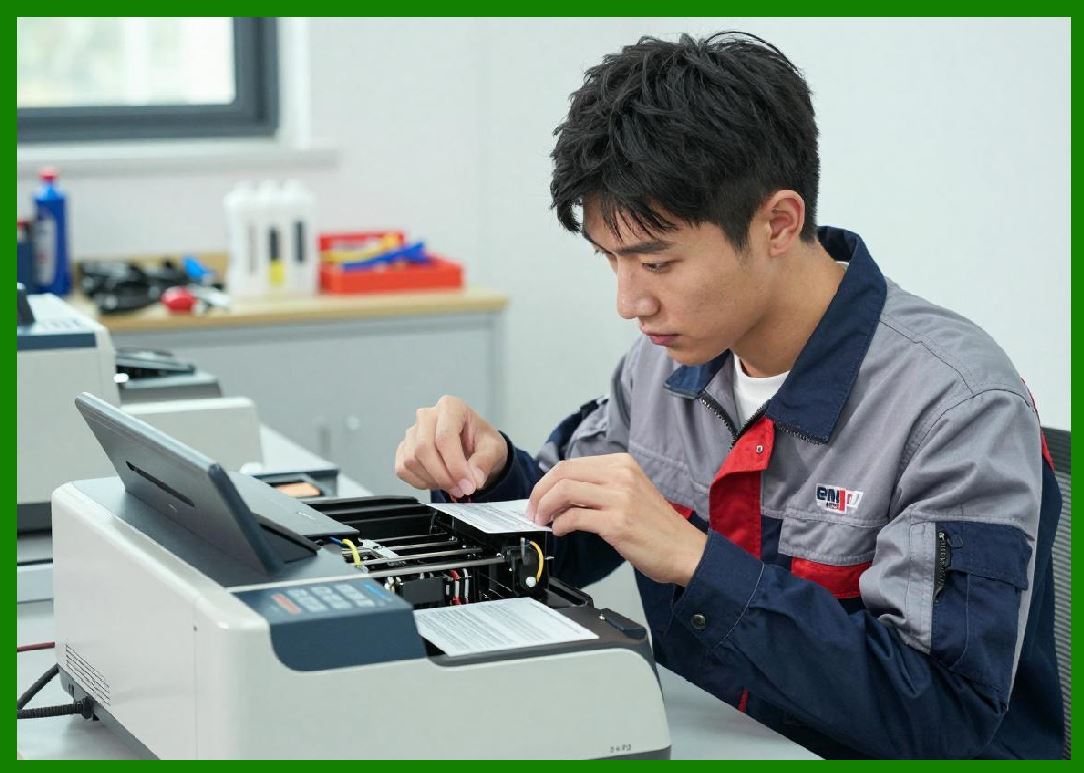
A release liner prevents premature adhesion and ensures smooth dispensing during automated labeling operations. |
4.3 |
LINTEC produces liners using: |
1. Glassine paper |
2. Kraft paper |
3. Coated specialty papers |
4. Polyester films |
5. High-performance composite materials |
|
4.4 |
Silicone coating technology is a critical aspect of release liner performance. LINTEC has developed highly controlled silicone coating systems that ensure consistent release force across high-speed production lines. |
4.5 |
Uniform release characteristics are essential for automated printing and labeling systems used in logistics and manufacturing environments. |
4.6 |
The company also focuses on reducing liner thickness and improving material efficiency to support sustainability goals. |
4.7 |
Advanced coating uniformity and surface engineering enable LINTEC liners to perform reliably under industrial-scale dispensing conditions. |

|
5. Semiconductor Industry Materials and Cleanroom Technologies |
5.1 |
One of LINTEC most technologically advanced business areas is its semiconductor materials division, which has a strong influence on high-precision barcode label systems. |
5.2 |
Semiconductor manufacturing requires ultra-clean materials that do not generate contamination, particles, or chemical residues. |
5.3 |
LINTEC develops specialty films, dicing tapes, protective coatings, and adhesive systems used in wafer processing and semiconductor packaging. |
5.4 |
These technologies require extremely precise surface control and contamination-free production environments. |
5.5 |
The same technical capabilities are applied to high-end barcode label materials used in electronics manufacturing and precision industrial applications. |
5.6 |
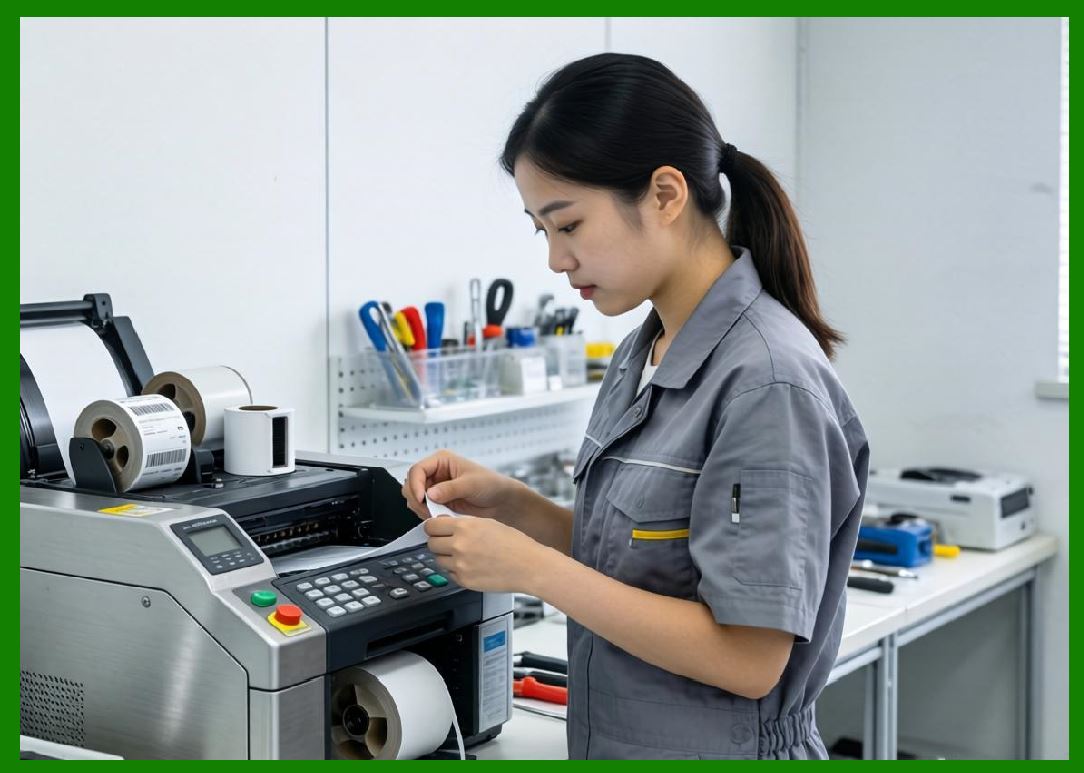
Cleanroom-compatible materials are essential for labeling electronic components, printed circuit boards, and high-value industrial equipment. |
5.7 |
LINTEC semiconductor expertise strengthens its position in advanced barcode labeling technologies requiring high purity and stability. |
|
6. Barcode Label Materials and Industrial Applications |
6.1 |
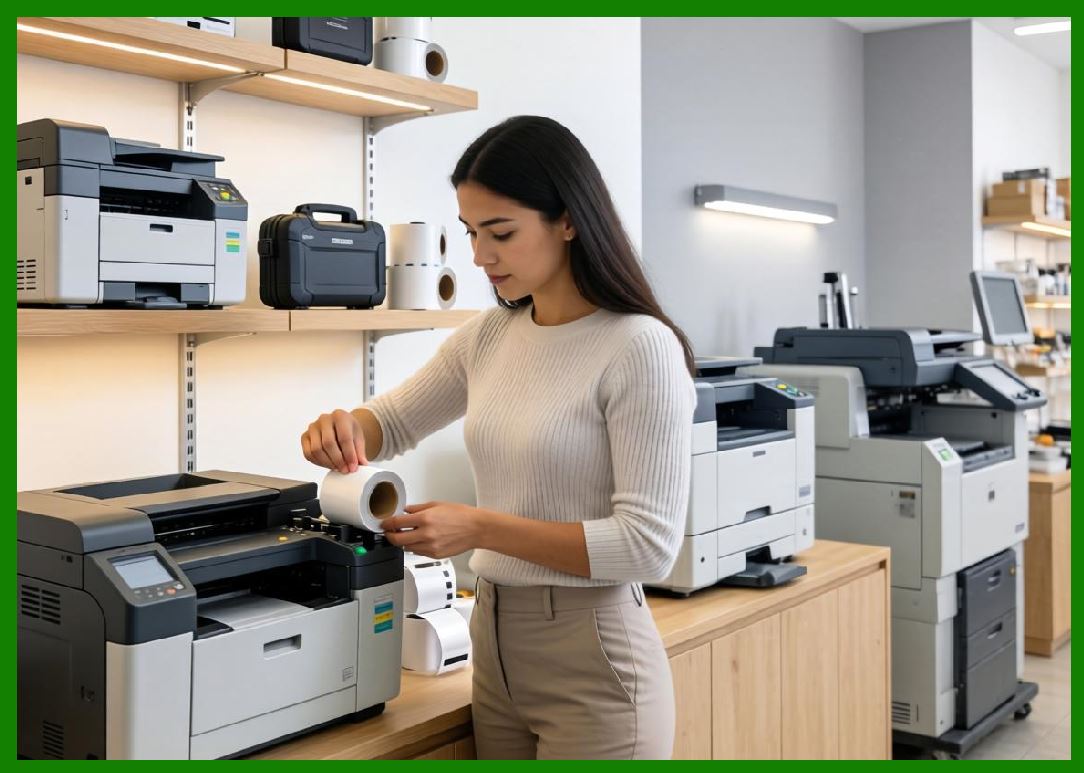
LINTEC produces a wide range of barcode label materials used in industrial, logistics, electronics, automotive, and healthcare applications. |
6.2 |
These materials include paper-based labelstocks, synthetic films, heat-resistant labels, and specialty coated substrates. |
6.3 |
Barcode labels must maintain readability under conditions such as: |
1. Moisture exposure |
2. Temperature fluctuations |
3. Chemical contact |
4. Mechanical abrasion |
5. Long-term storage conditions |
6.4 |
LINTEC materials are engineered to ensure high contrast print quality and reliable scanner performance. |
6.5 |
Thermal transfer and direct thermal printing compatibility are essential design considerations in LINTEC barcode label materials. |
6.6 |
Industrial traceability systems depend on consistent label performance to ensure accurate tracking and inventory control. |
6.7 |
LINTEC high-precision materials are particularly valued in electronics manufacturing and automotive production systems. |
|
7. Electronics and Automotive Industry Applications |
7.1 |
LINTEC plays an important role in supporting electronics manufacturing through high-performance adhesive and film technologies used in labeling and component tracking. |
7.2 |
Electronics manufacturing environments require materials that withstand heat, static electricity, and chemical cleaning processes. |
7.3 |
Barcode labels used in these environments must maintain readability throughout production, assembly, and lifecycle operations. |
7.4 |
In automotive manufacturing, LINTEC materials are used for component identification, assembly tracking, wiring harness labeling, and quality control systems. |
7.5 |
Automotive environments expose labels to oils, fuels, heat, vibration, and long-term mechanical stress. |
7.6 |
LINTEC develops durable adhesive systems and films designed specifically for these demanding conditions. |
7.7 |
These applications demonstrate the company strength in high-performance industrial materials engineering. |

|
8. Healthcare and Pharmaceutical Labeling Applications |
8.1 |
Healthcare and pharmaceutical industries require extremely reliable barcode labeling systems for patient safety, medication tracking, and regulatory compliance. |
8.2 |
LINTEC develops materials that meet strict medical and pharmaceutical standards, including resistance to sterilization, alcohol exposure, and refrigeration. |
8.3 |
Medical barcode labels are used in hospital systems, laboratory tracking, specimen identification, and pharmaceutical packaging. |
8.4 |
Adhesives must be safe, stable, and compatible with sensitive medical environments. |
8.5 |
Barcode readability is critical in healthcare systems where identification errors can have serious consequences. |
8.6 |
LINTEC cleanroom-compatible materials and precision coatings make them suitable for high-reliability medical applications. |
8.7 |
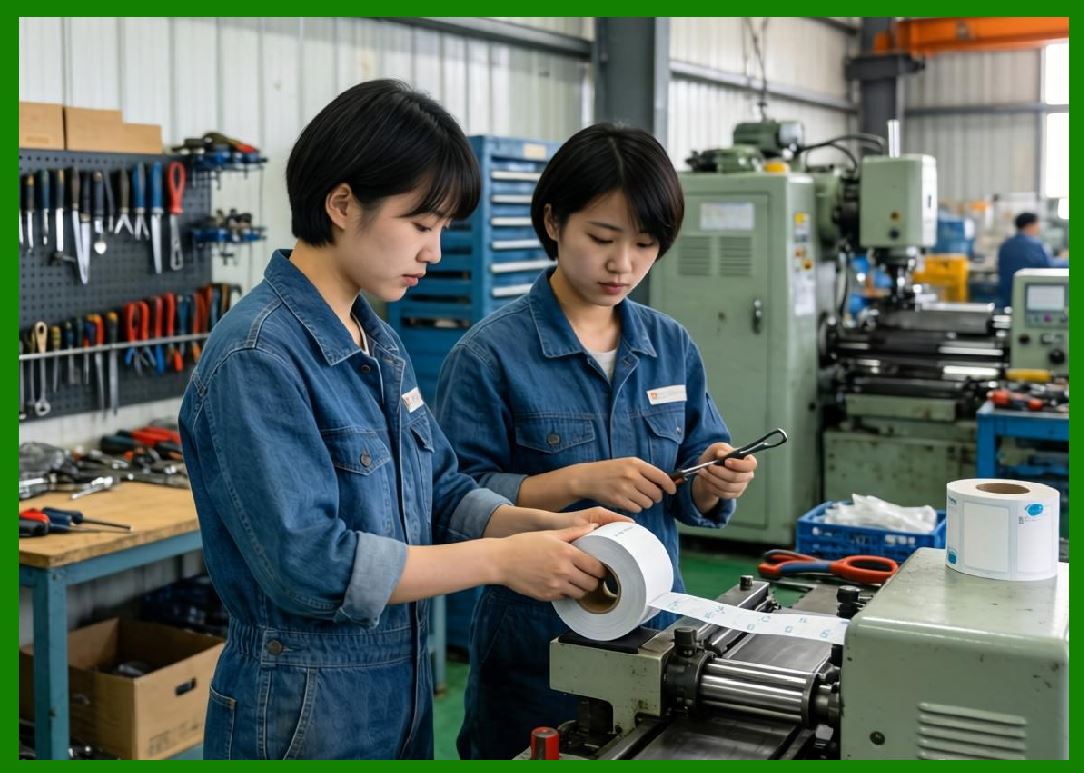
These technologies support the growing digitization of healthcare logistics and patient management systems. |
|
9. Printing Technologies and Surface Engineering |
9.1 |
LINTEC barcode label materials are designed for compatibility with multiple printing technologies, including thermal transfer, direct thermal, inkjet, and laser printing systems. |
9.2 |
Surface engineering plays a critical role in ensuring ink adhesion, print clarity, and barcode scanner readability. |
9.3 |
The company develops specialized coating systems that control surface energy, smoothness, and absorption characteristics. |
9.4 |
Thermal transfer printing requires optimized ribbon compatibility to ensure durable and high-resolution barcode output. |
9.5 |
Direct thermal systems require heat-sensitive coatings that produce stable and long-lasting printed images. |
9.6 |
Surface uniformity is essential for high-speed automated scanning systems used in logistics and manufacturing environments. |
9.7 |
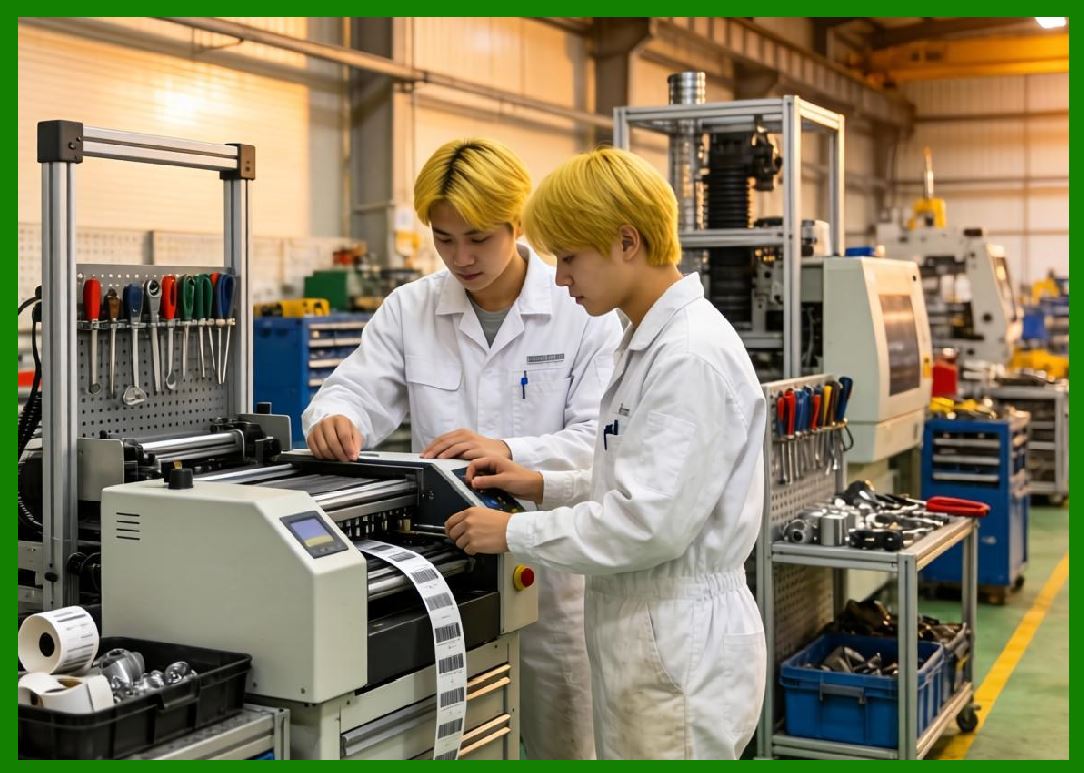
LINTEC expertise in coating precision ensures consistent performance across industrial applications. |
|
10. Sustainability and Environmental Strategies |
10.1 |
Sustainability is increasingly important in industrial label manufacturing, and LINTEC has developed strategies focused on reducing environmental impact. |
10.2 |
The company works on reducing material usage through thinner substrates and optimized adhesive formulations. |
10.3 |
Recyclability and waste reduction are key considerations in release liner and labelstock development. |
10.4 |
LINTEC also invests in energy-efficient manufacturing processes and environmentally responsible coating technologies. |
10.5 |
Water-based and low-emission adhesive systems are being explored as part of long-term sustainability initiatives. |
10.6 |
Lifecycle environmental analysis is used to evaluate product sustainability across production and usage phases. |
10.7 |
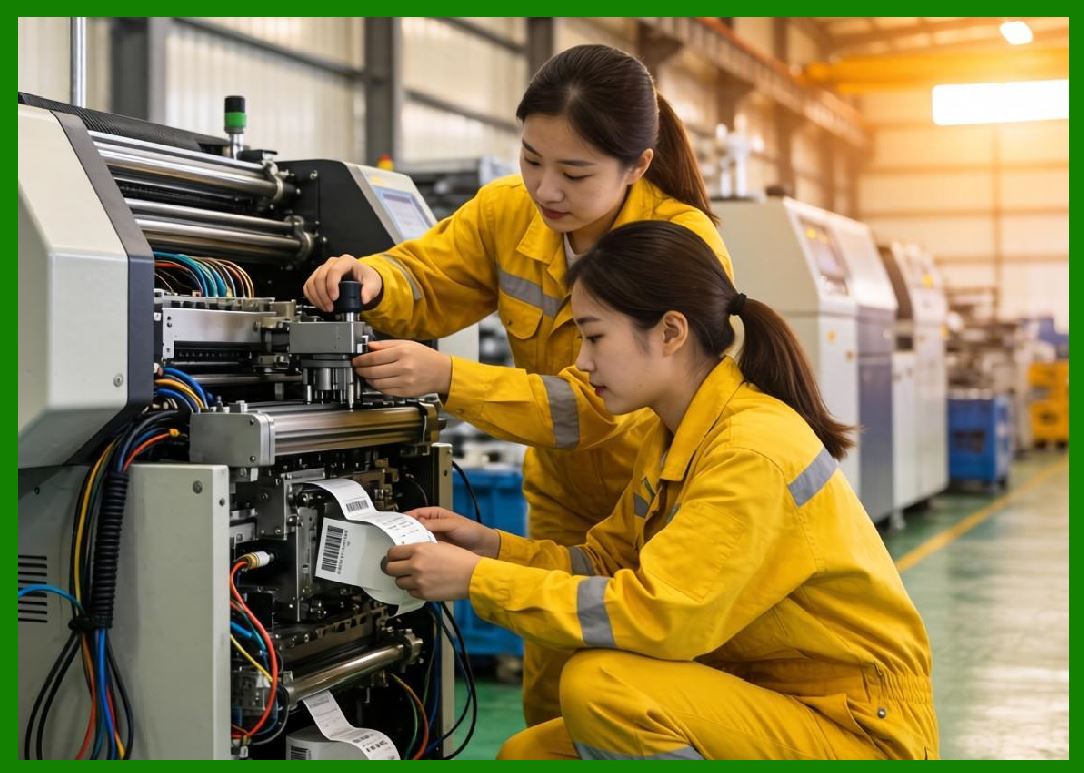
These efforts align with global trends toward sustainable packaging and industrial materials systems. |
|
11. Research, Development, and Technological Innovation |
11.1 |
LINTEC invests heavily in research and development focused on adhesive chemistry, coating technologies, semiconductor materials, and functional films. |
11.2 |
Advanced testing systems evaluate durability, adhesion performance, environmental resistance, and print quality. |
11.3 |
The company collaborates with electronics manufacturers, automotive companies, logistics providers, and healthcare organizations. |
11.4 |
Innovation is driven by the need for higher precision, better durability, and improved environmental performance. |
11.5 |
LINTEC holds significant intellectual property in adhesives, coatings, and functional material technologies. |
11.6 |
Continuous research ensures that the company remains competitive in advanced industrial materials markets. |
11.7 |
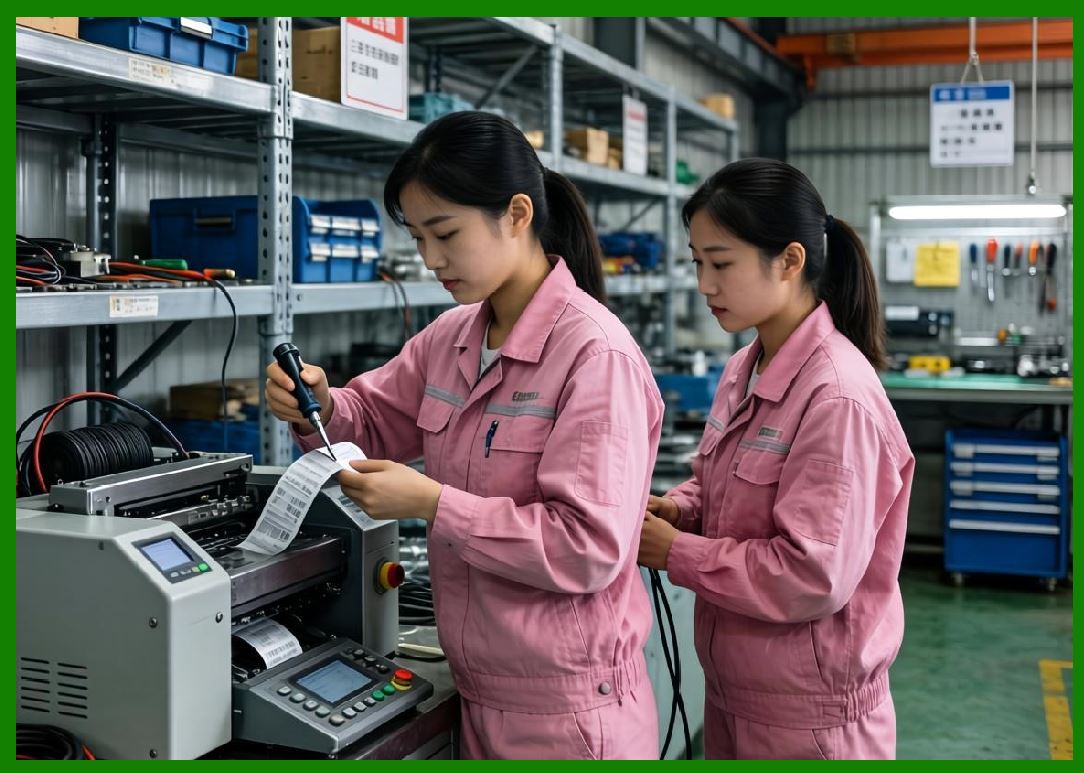
Technological innovation remains a core pillar of LINTEC corporate strategy. |
|
12. Future Prospects of LINTEC Corporation |
12.1 |
The future of LINTEC will likely involve increased demand for high-performance materials in electronics, healthcare, logistics, and industrial automation sectors. |
12.2 |
Semiconductor industry growth will continue driving demand for ultra-clean adhesive and film technologies. |
12.3 |
Barcode and RFID hybrid systems may increase requirements for advanced label materials with multifunctional capabilities. |
12.4 |
Industry 4.0 automation will require highly reliable identification systems integrated with digital manufacturing platforms. |
12.5 |
Environmental regulations will encourage development of recyclable and low-impact adhesive systems. |
12.6 |
Smart packaging and digital traceability systems will expand the role of advanced label materials. |
12.7 |
LINTEC expertise in precision materials positions it strongly for future industrial identification technologies. |
|
Detailed Technical Content Summary of Part 13 |
This part provided a comprehensive analysis of LINTEC Corporation and its role in the global pressure-sensitive barcode label industry. The article introduced LINTEC as a highly specialized Japanese materials science company focused on adhesive technologies, release liners, semiconductor materials, and high-performance labelstock systems. |
The discussion examined the company historical development since its founding in 1934 and its evolution into a global leader in precision coating technologies and industrial adhesive systems. Major attention was given to pressure-sensitive adhesive technologies including acrylic, rubber, silicone, and UV-curable systems. |
The article explored release liner technologies, silicone coating precision systems, and industrial dispensing performance. Significant emphasis was placed on LINTEC semiconductor materials division and its influence on cleanroom-compatible labeling systems. |
Additional sections covered barcode label applications in electronics, automotive, healthcare, and pharmaceutical industries, as well as printing technologies and surface engineering optimization. |
The article also analyzed sustainability initiatives, research and development strategies, and future prospects involving Industry 4.0 automation, smart packaging systems, semiconductor growth, and advanced industrial identification technologies. |

|
End of Part 13. |
 cs@easiersoft.com