Part 15 |
Mitsubishi Paper Mills Limited Precision Paper Engineering, Thermal Recording Materials, Industrial Label Substrates, and High-Performance Barcode Paper Systems |
1. Introduction to Mitsubishi Paper Mills and Its Role in Barcode Label Materials |
1.1 |
Mitsubishi Paper Mills Limited is one of Japan most established specialty paper manufacturers, with a long history in high-performance paper engineering, coating technologies, and functional paper materials. In the barcode label ecosystem, the company is known for producing thermal recording paper, coated label papers, and industrial-grade substrates used in pressure-sensitive barcode label systems. |
1.2 |
Unlike general paper producers, Mitsubishi Paper Mills focuses on precision-engineered paper products designed for demanding industrial applications such as logistics labeling, retail systems, medical recording, and automated identification systems. |

|
1.3 |
The company plays an important upstream role in barcode labeling by supplying facestock materials that are later converted into self-adhesive labels used in supply chain tracking, inventory management, and industrial automation. |
1.4 |
Its expertise in coating chemistry, thermal imaging materials, and paper surface engineering allows it to produce highly reliable barcode-compatible paper systems. |
1.5 |
Today, Mitsubishi Paper Mills is recognized as a key contributor to Japan advanced materials industry and a specialized supplier within the global pressure-sensitive barcode label supply chain. |

|
2. Historical Background and Industrial Evolution |
2.1 |
Mitsubishi Paper Mills was established in 1898 as part of Japan early industrial modernization period, when demand for high-quality paper products was rapidly increasing. |
2.2 |
The company developed within the broader Mitsubishi industrial group ecosystem, which included manufacturing, engineering, logistics, and heavy industry enterprises. |
2.3 |
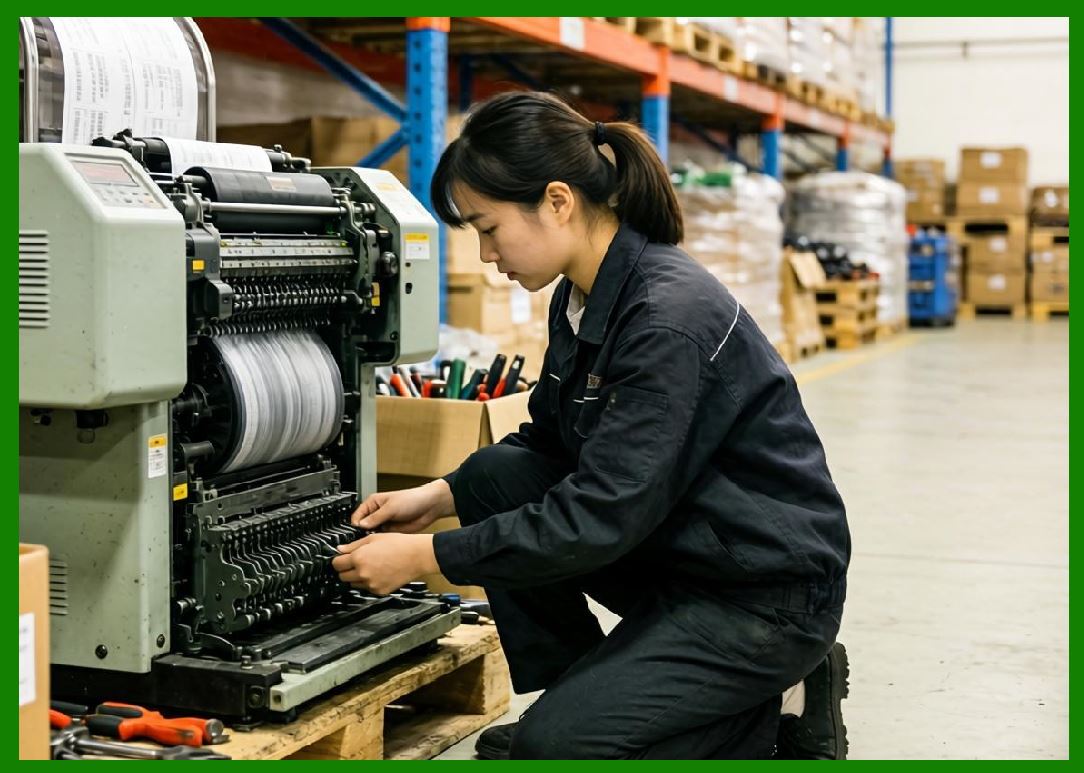
Early operations focused on traditional paper production, but the company quickly shifted toward specialty paper technologies as industrial requirements became more complex. |
|
2.4 |
During Japan post-war reconstruction, demand for packaging materials, industrial documentation systems, and recording technologies expanded significantly. |
2.5 |
Mitsubishi Paper Mills responded by investing in coating technologies, chemical processing, and functional paper engineering. |
2.6 |
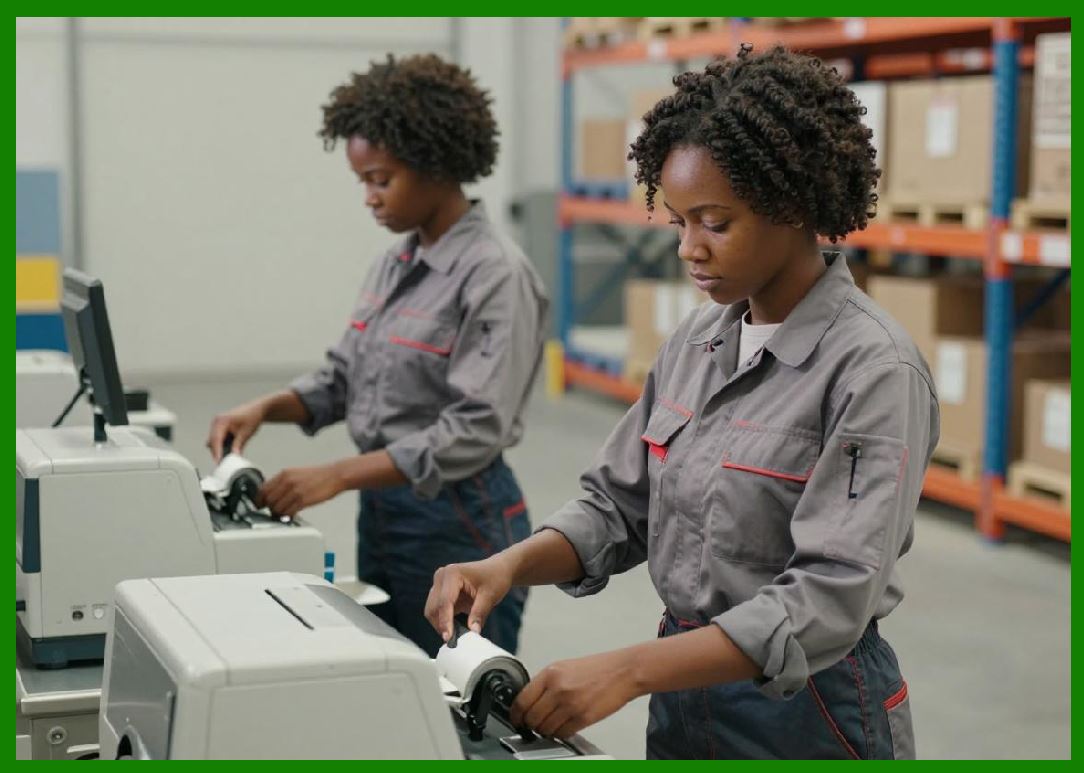
Over time, the company developed expertise in thermal recording paper, carbonless paper, coated printing papers, and industrial label substrates. |
2.7 |
This evolution positioned it as an important supplier in the emerging barcode and automated identification industries. |
|
3. Thermal Recording Paper Technologies |
3.1 |
One of Mitsubishi Paper Millsmost important contributions to the barcode label industry is its development of thermal recording paper technologies. |
3.2 |
Thermal paper is widely used in barcode applications such as shipping labels, receipts, logistics tracking labels, and retail point-of-sale systems. |
3.3 |
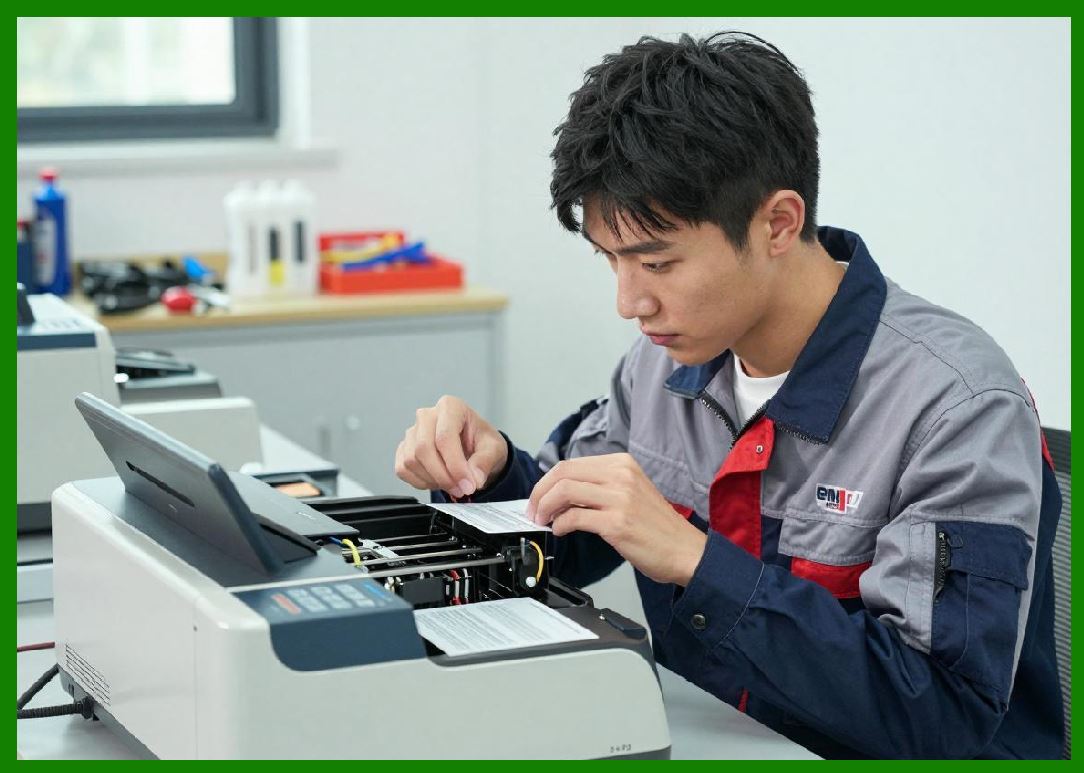
Thermal recording paper uses a heat-sensitive coating that reacts to thermal printheads, producing high-contrast images without the need for ink or ribbons. |
|
3.4 |
The company develops multiple layers within thermal paper structures, including: |
1. Base paper substrate |
2. Thermal sensitive coating layer |
3. Protective top coating |
4. Functional barrier layers |
3.5 |
Protective coatings are critical for improving image stability and preventing fading caused by heat, light exposure, and chemical contact. |
3.6 |
Barcode readability depends heavily on the consistency and uniformity of thermal coating distribution across the paper surface. |
3.7 |
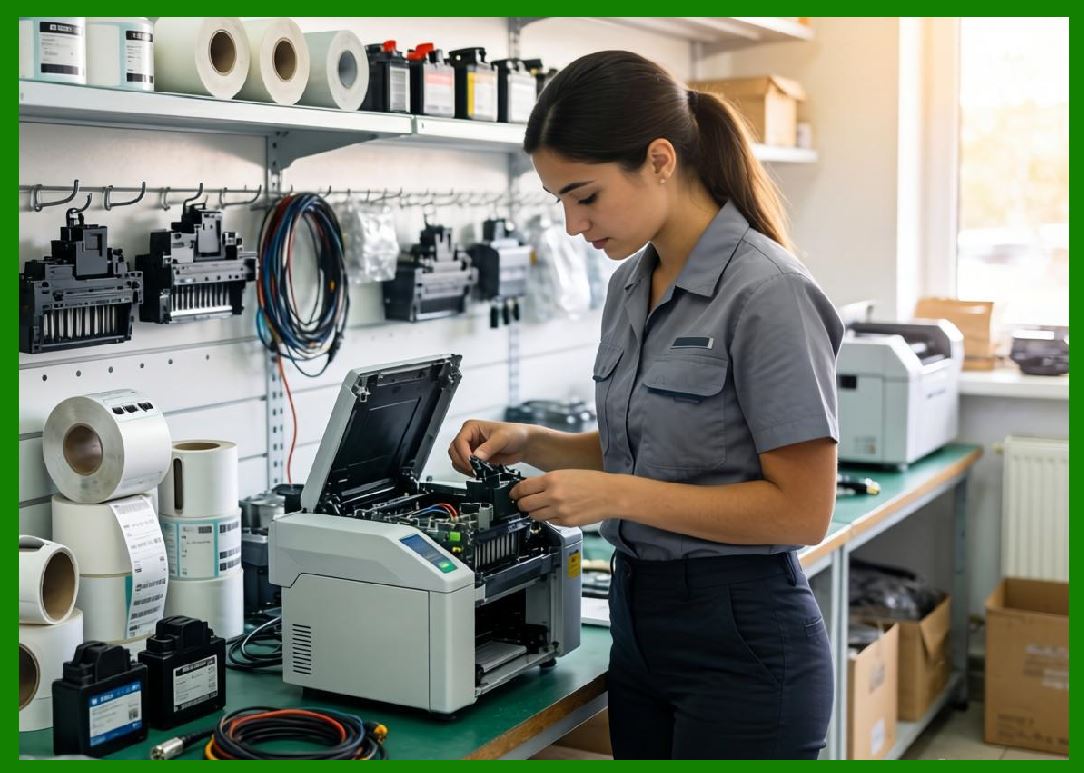
Mitsubishi Paper Mills continues to refine thermal paper technologies to improve durability and scanning reliability. |
|
4. Coated Paper and Facestock Engineering |
4.1 |
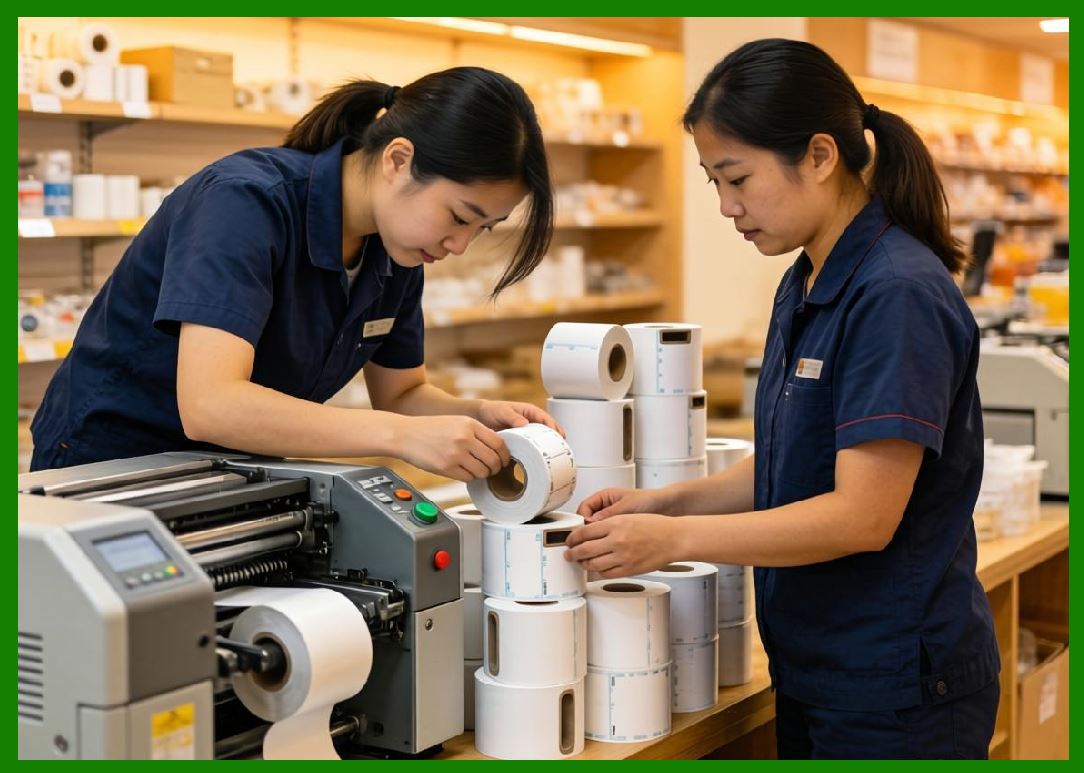
Coated paper technologies are essential for producing high-quality barcode label facestocks with consistent print performance and optical clarity. |
4.2 |
Mitsubishi Paper Mills develops advanced coating systems designed to control ink absorption, surface smoothness, and reflectivity. |
4.3 |
Coated papers used in barcode labels must provide: |
1. High print resolution |
2. Stable dimensional performance |
3. Controlled ink spread |
4. Strong contrast for scanning systems |
|
4.4 |
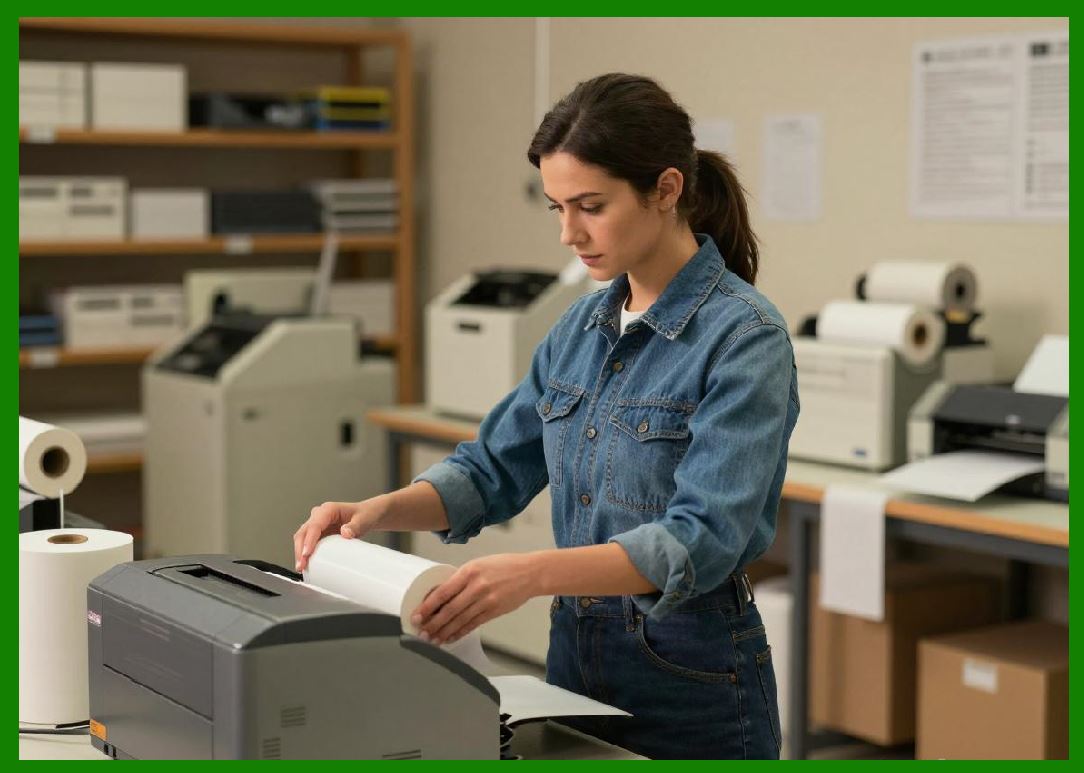
The company produces semi-gloss and glossy coated papers optimized for high-speed printing systems. |
4.5 |
Surface engineering ensures compatibility with thermal transfer, inkjet, and flexographic printing systems. |
4.6 |
Coated facestocks are widely used in retail labeling, logistics tracking, and industrial identification applications. |
4.7 |
These materials provide a balance between cost efficiency and high-performance barcode readability. |
|
5. Pressure-Sensitive Label Integration |
5.1 |
Although Mitsubishi Paper Mills primarily produces paper materials rather than finished labels, its products are widely used as facestocks in pressure-sensitive barcode labels. |
5.2 |
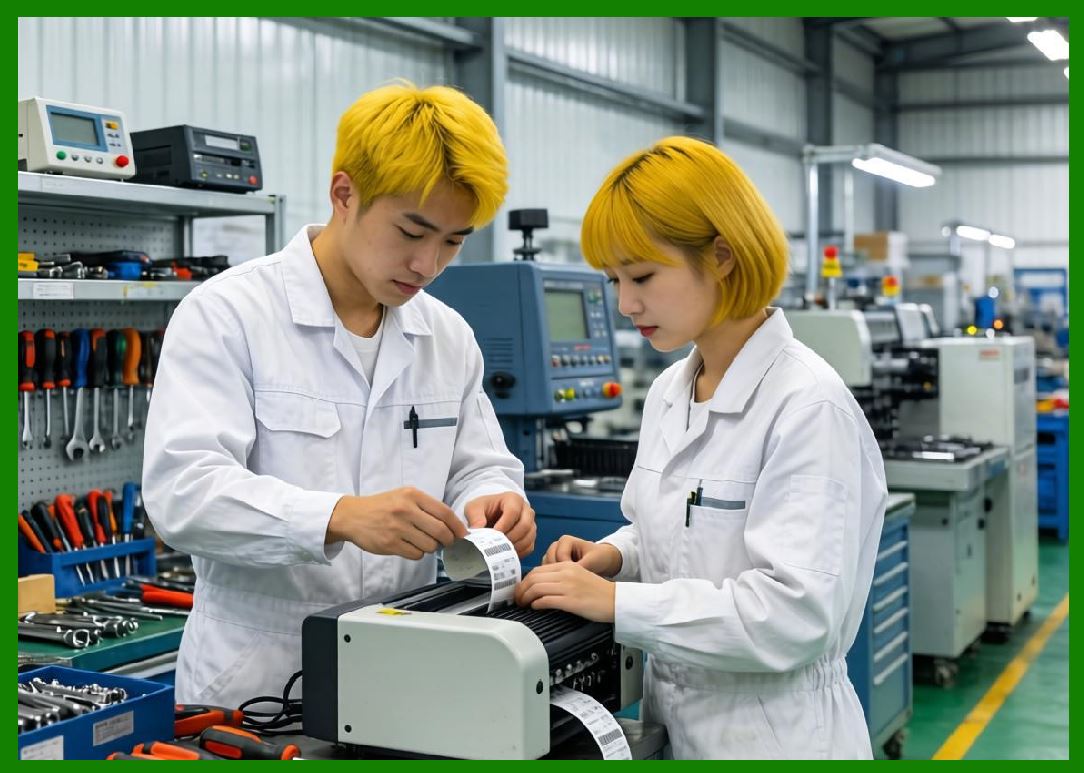
In a typical pressure-sensitive label structure, Mitsubishi Paper Mills provides the printable paper layer that is combined with adhesives and release liners by label converters. |
5.3 |
These multilayer constructions are used in logistics systems, retail packaging, healthcare labeling, and industrial tracking applications. |
5.4 |
The compatibility of paper facestocks with different adhesive systems is critical for label performance. |
5.5 |
Mitsubishi Paper Mills ensures that its substrates maintain stability during die-cutting, printing, and automated dispensing processes. |
5.6 |
High dimensional accuracy is essential for barcode scanning reliability in high-speed industrial systems. |
5.7 |
This integration role makes the company an important upstream supplier in the global labeling industry. |
|
6. Logistics and Barcode Label Applications |
6.1 |
Mitsubishi Paper Mills materials are widely used in logistics and transportation barcode labeling systems. |
6.2 |
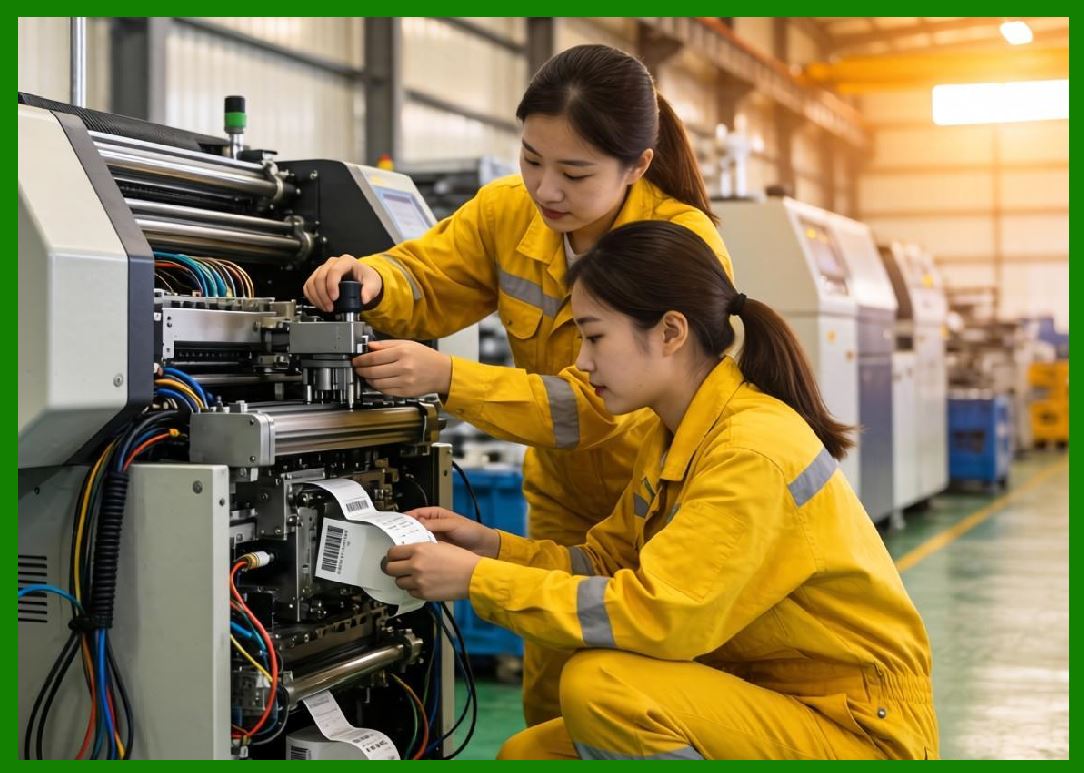
Logistics labels require fast printing, high readability, and cost efficiency to support large-scale distribution operations. |
6.3 |
Applications include: |
1. Shipping labels |
2. Warehouse tracking labels |
3. Parcel identification labels |
4. Pallet labeling systems |
5. Transportation documentation labels |
6.4 |
Barcode systems in logistics must remain readable under conditions such as moisture exposure, abrasion, and temperature variation. |
6.5 |
Thermal paper technologies are widely used in shipping labels due to their speed and cost advantages. |
6.6 |
The growth of global e-commerce has significantly increased demand for logistics barcode label materials. |
6.7 |
Mitsubishi Paper Mills plays an important role in supporting high-volume supply chain operations. |
|
7. Retail and Point-of-Sale Applications |
7.1 |
Retail systems rely heavily on barcode labels for pricing, inventory management, and product identification. |
7.2 |
Mitsubishi Paper Mills produces thermal and coated papers widely used in retail barcode printing systems. |
7.3 |
Point-of-sale receipts are one of the largest application areas for thermal paper technologies. |
7.4 |
Retail barcode labels must maintain readability for scanning systems used at checkout counters and inventory control systems. |
7.5 |
High-speed printing and cost efficiency are critical requirements in retail environments. |
7.6 |
The company materials support dynamic pricing systems and frequent label updates. |
7.7 |
Retail digital transformation continues to drive demand for high-performance barcode paper materials. |
|
8. Healthcare and Medical Recording Systems |
8.1 |
Healthcare systems require reliable recording and labeling materials for patient identification, laboratory tracking, and pharmaceutical management. |
8.2 |
Mitsubishi Paper Mills develops thermal recording papers used in medical printing systems and diagnostic equipment. |
8.3 |
Barcode labels in healthcare environments must withstand sterilization processes, chemical exposure, and long-term storage conditions. |
8.4 |
Applications include: |
1. Patient wristbands |
2. Laboratory specimen labels |
3. Pharmacy tracking labels |
4. Diagnostic equipment records |
8.5 |
Accuracy and durability are essential because medical identification errors can have serious consequences. |
8.6 |
Thermal recording systems are widely used in hospital environments due to their speed and reliability. |
8.7 |
The company materials contribute to healthcare digitization and safety systems. |

|
9. Industrial Printing and Surface Performance |
9.1 |
Mitsubishi Paper Mills develops paper materials optimized for high-speed industrial printing systems. |
9.2 |
Surface performance plays a critical role in ensuring ink adhesion, barcode clarity, and scanner readability. |
9.3 |
Thermal and coated papers must maintain consistent performance across varying environmental conditions. |
9.4 |
Industrial printing systems require materials that minimize printhead wear and maximize image stability. |
9.5 |
Coating uniformity is essential for preventing barcode distortion during printing. |
9.6 |
The company conducts extensive quality control testing to ensure material consistency. |
9.7 |
These technologies support industrial automation and high-volume labeling systems. |

|
10. Sustainability and Environmental Initiatives |
10.1 |
Sustainability is an increasingly important factor in paper manufacturing and barcode label production. |
10.2 |
Mitsubishi Paper Mills focuses on responsible forestry sourcing, energy-efficient production, and recyclable paper systems. |
10.3 |
Thermal paper development includes efforts to reduce chemical usage and improve environmental safety. |
10.4 |
Recycling compatibility is a key consideration in paper-based barcode label materials. |
10.5 |
The company also works to reduce emissions and improve resource efficiency in production processes. |
10.6 |
Sustainable paper engineering supports global demand for eco-friendly packaging and labeling solutions. |
10.7 |
Environmental responsibility is integrated into long-term product development strategies. |

|
11. Research, Development, and Technological Innovation |
11.1 |
Mitsubishi Paper Mills invests heavily in research and development focused on coating chemistry, thermal imaging technology, and paper engineering. |
11.2 |
Laboratory testing evaluates print quality, thermal sensitivity, durability, and environmental resistance. |
11.3 |
The company collaborates with printer manufacturers, logistics companies, and industrial users. |
11.4 |
Innovation focuses on improving thermal stability, reducing fading, and enhancing barcode readability. |
11.5 |
Advanced coating systems are continuously refined to meet evolving industry requirements. |
11.6 |
The company holds significant expertise in functional paper technologies and industrial coatings. |
11.7 |
Continuous innovation ensures competitiveness in global specialty paper markets. |

|
12. Future Prospects of Mitsubishi Paper Mills |
12.1 |
The future of Mitsubishi Paper Mills is closely tied to the evolution of logistics systems, digital printing, and sustainable packaging technologies. |
12.2 |
Demand for thermal paper and barcode labeling materials is expected to remain strong in logistics and retail industries. |
12.3 |
Environmental regulations may drive innovation in safer thermal coatings and recyclable paper systems. |
12.4 |
Digital transformation in supply chains will continue increasing demand for fast and reliable barcode printing materials. |
12.5 |
Smart logistics systems may integrate paper-based labels with RFID and digital tracking technologies. |
12.6 |
Sustainability will remain a major driver of product development and innovation. |
12.7 |
Mitsubishi Paper Mills is expected to maintain its role as a key supplier of high-quality functional paper materials. |

|
Detailed Technical Content Summary of Part 15 |
This part provided a comprehensive analysis of Mitsubishi Paper Mills Limited and its contribution to the global pressure-sensitive barcode label industry. The article introduced the company as a long-established Japanese specialty paper manufacturer specializing in thermal recording paper, coated facestocks, and industrial barcode label substrates. |
The discussion examined the company historical development from 1898 and its evolution into a supplier of functional paper technologies for logistics, retail, healthcare, and industrial applications. Major emphasis was placed on thermal recording paper technologies, coated paper engineering, and surface performance optimization. |
The article explored applications in logistics systems, retail point-of-sale environments, healthcare recording systems, and industrial printing operations. Significant attention was given to sustainability initiatives, recycling considerations, and environmental responsibility in paper manufacturing. |
Additional sections covered research and development activities, industrial innovation strategies, and future prospects involving digital transformation, smart logistics systems, and sustainable packaging trends. |

|
End of Part 15. |
 cs@easiersoft.com