Part 17 |
CCL Industries Inc. Pressure-Sensitive Label Dominance, High-Performance Labelstock Converting, RFID Systems, and Global Barcode Label Manufacturing Networks |
1. Introduction to CCL Industries and Its Global Position |
1.1 |
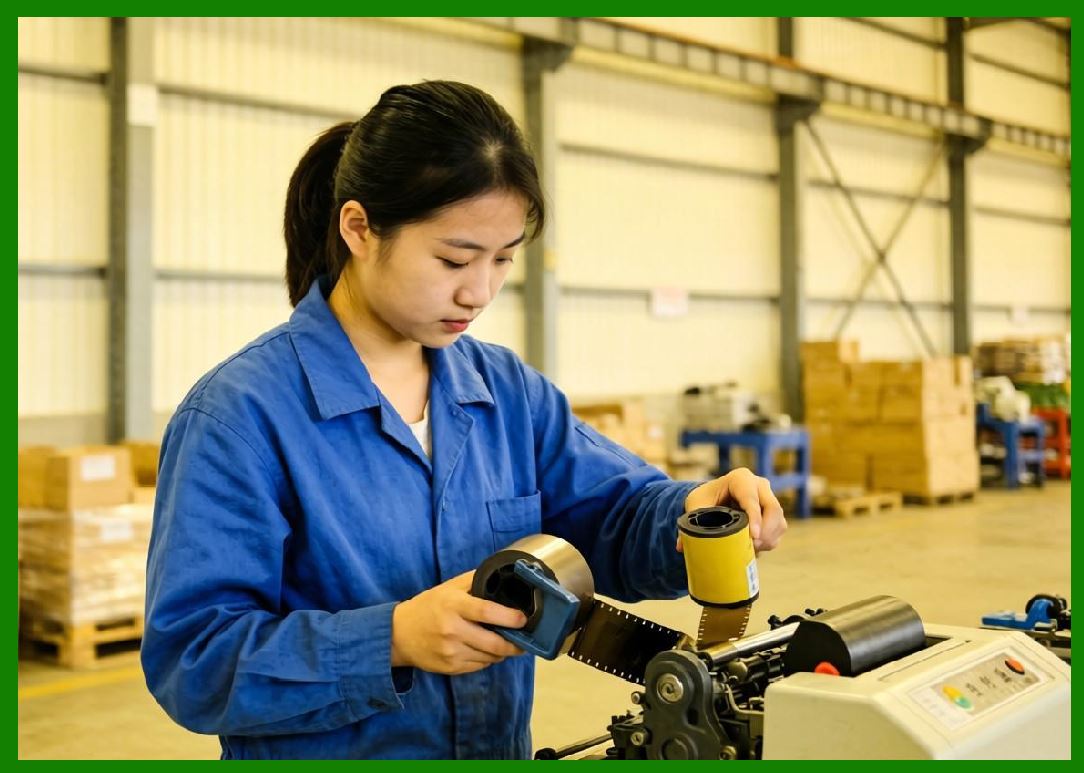
CCL Industries Inc. is one of the largest and most influential global companies in the pressure-sensitive label and specialty packaging industry. It operates at the intersection of materials science, label converting, RFID technology, and security printing systems, making it one of the most comprehensive participants in the barcode label ecosystem. |
1.2 |
The company produces and converts pressure-sensitive label materials into finished barcode labels used across consumer goods, logistics, healthcare, automotive, and industrial manufacturing sectors. Its operations span multiple continents, with large-scale production facilities serving global supply chains. |

|
1.3 |
CCL Industries is particularly important in the barcode label ecosystem because it integrates upstream materials, converting technologies, digital printing systems, and RFID-enabled identification solutions into a unified industrial platform. |
1.4 |
Unlike companies focused solely on labelstock production or printing hardware, CCL operates as a vertically integrated global label manufacturer capable of delivering end-to-end identification solutions. |
1.5 |
Today, CCL Industries is widely recognized as one of the dominant forces shaping global pressure-sensitive label and barcode identification systems. |
|
2. Corporate History and Expansion Strategy |
2.1 |
CCL Industries was founded in 1951 in Canada and initially focused on specialty packaging and labeling solutions for industrial customers. |
2.2 |
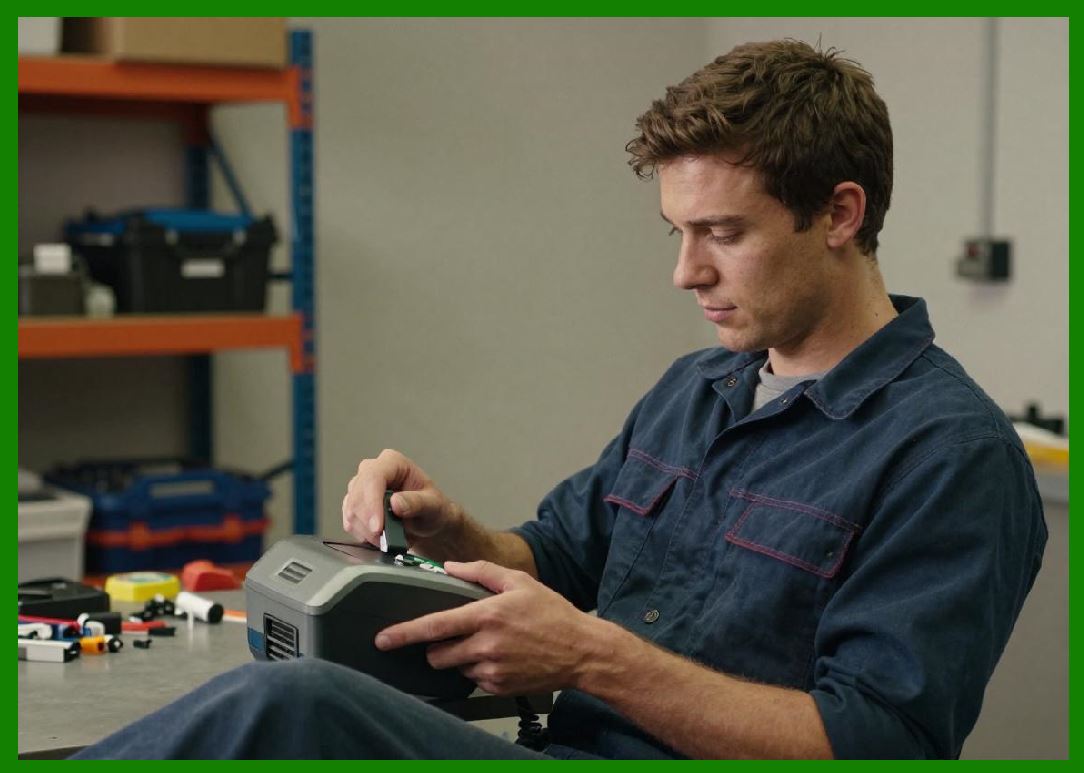
Over time, the company pursued an aggressive acquisition strategy, consolidating multiple regional label manufacturers and converting operations into a unified global platform. |
2.3 |
This expansion strategy allowed CCL to rapidly scale production capacity while diversifying into multiple label markets, including pressure-sensitive labels, sleeve labels, and security materials. |
|
2.4 |
The company growth was strongly influenced by increasing global demand for barcode-based tracking systems in logistics, retail, and healthcare industries. |
2.5 |
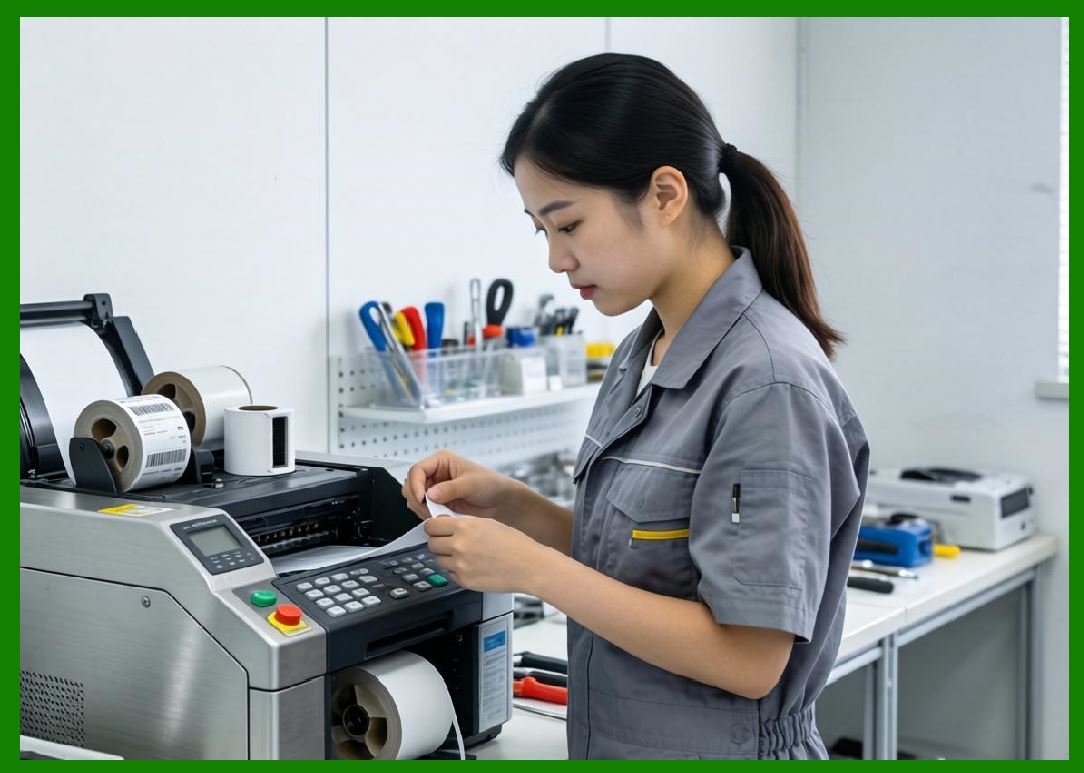
By integrating acquired companies, CCL developed strong expertise in flexographic printing, digital printing, adhesive technologies, and RFID systems. |
2.6 |
Its global expansion includes operations across North America, Europe, Asia, and Latin America. |
2.7 |
CCL evolution reflects the broader consolidation trend in the global labeling industry. |
|
3. Pressure-Sensitive Label Manufacturing Systems |
3.1 |
CCL Industries is a major global producer of pressure-sensitive barcode labels, which form the backbone of modern identification systems in industrial and commercial applications. |
3.2 |
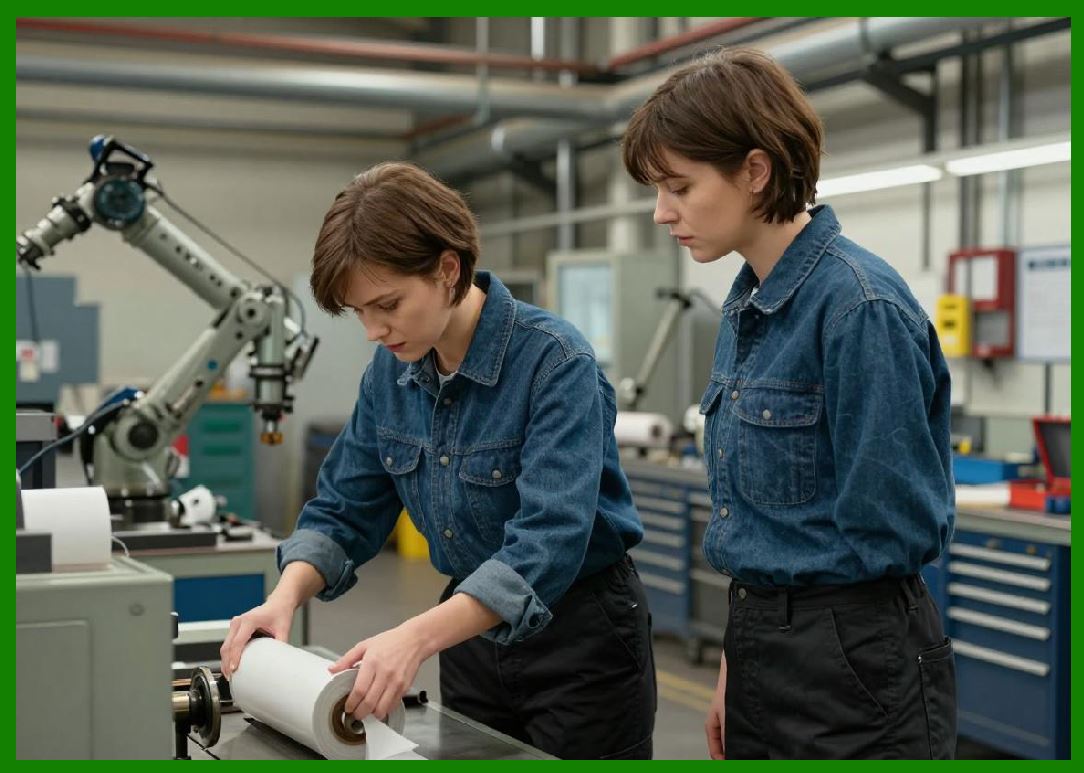
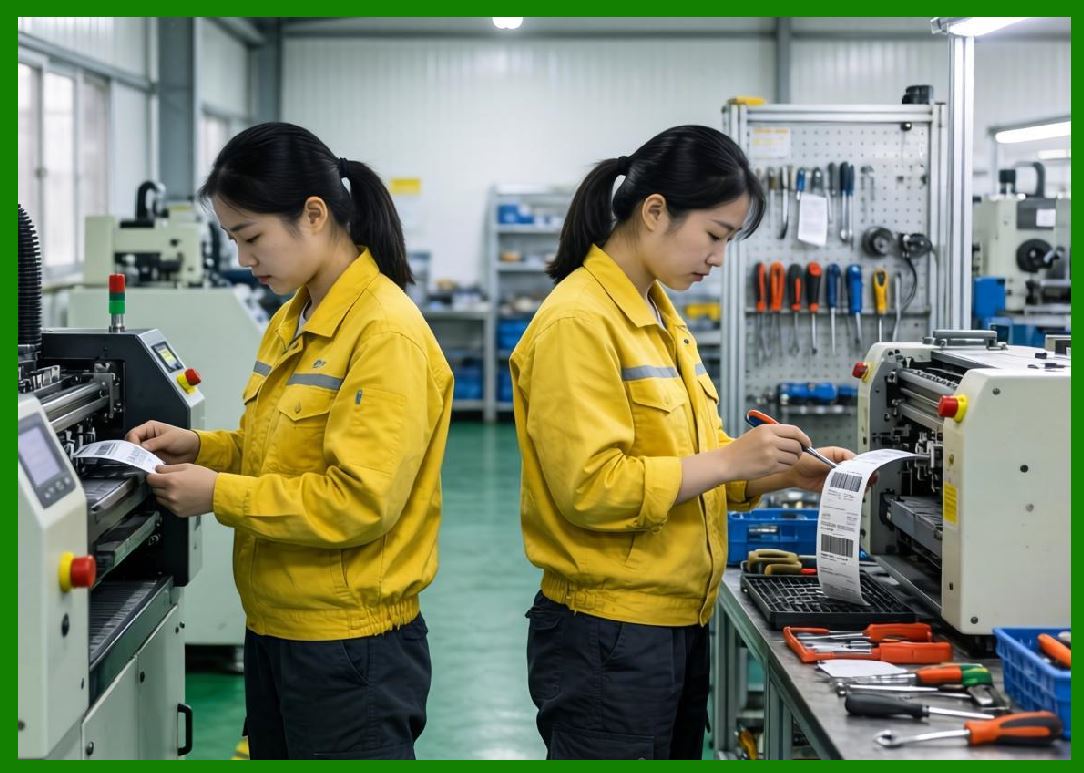
The company transforms raw labelstock materials such as paper facestocks, synthetic films, adhesives, and release liners into finished labels through advanced converting processes. |
3.3 |
Key manufacturing processes include: |
1. Flexographic printing |
2. Digital variable data printing |
3. Offset printing |
4. Die-cutting and shaping |
5. Lamination |
6. Coating and surface treatment |
7. Slitting and finishing |
|
3.4 |
Flexographic printing is widely used for high-volume barcode label production, ensuring consistent print quality across millions of units. |
3.5 |
Digital printing systems enable variable data labels, including serialized barcodes, QR codes, and product-specific tracking identifiers. |
3.6 |
Die-cutting precision is critical to ensure smooth dispensing in automated labeling systems used in logistics and retail environments. |
3.7 |
CCL manufacturing systems are designed for high-speed, high-volume global production requirements. |
|
4. RFID and Smart Label Technologies |
4.1 |
CCL Industries is a major global provider of RFID-enabled labels, which combine traditional barcode printing with embedded radio frequency identification technology. |
4.2 |
RFID systems allow wireless data transmission, enabling automated tracking without direct line-of-sight scanning. |
4.3 |
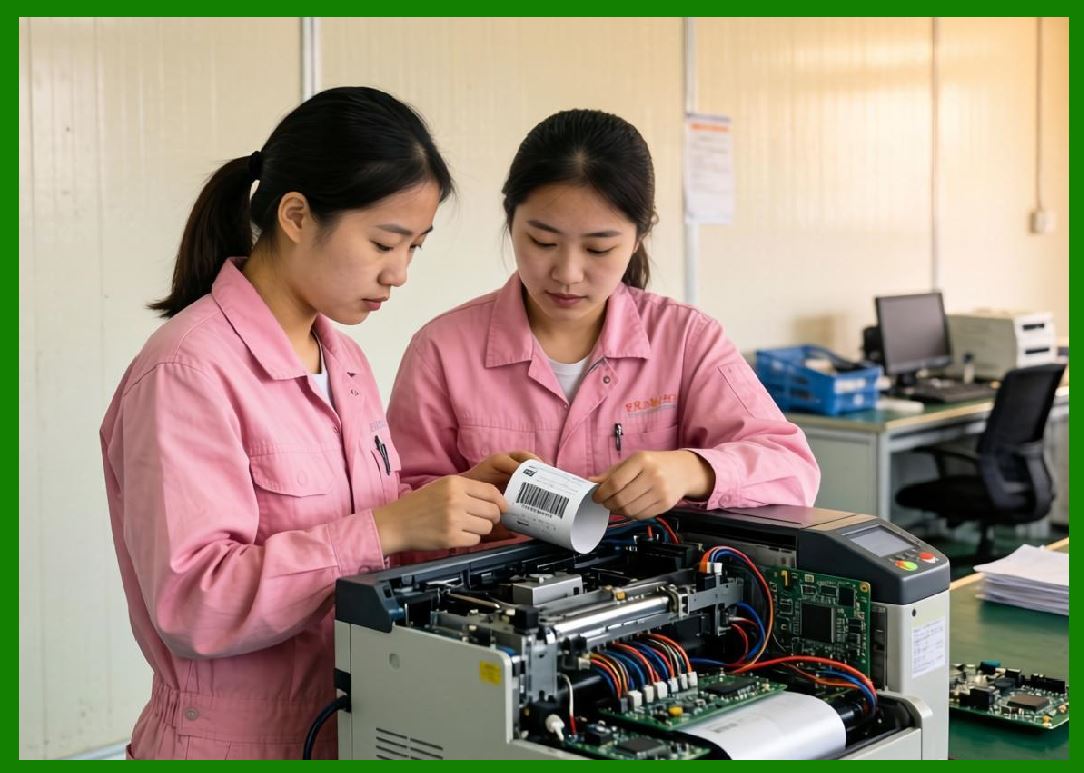
CCL integrates RFID chips into pressure-sensitive labels during the converting process, ensuring compatibility with global supply chain systems. |
|
4.4 |
Applications of RFID-enabled labels include: |
1. Warehouse automation |
2. Retail inventory management |
3. Pharmaceutical traceability |
4. Logistics tracking systems |
5. Asset management |
6. Transportation logistics |
4.5 |
Hybrid labels combining RFID and barcode technologies provide redundancy and enhanced data reliability. |
4.6 |
RFID encoding systems require precise calibration to ensure data integrity and operational accuracy. |
4.7 |
CCL RFID capabilities position it as a key player in smart labeling and digital supply chain systems. |

|
5. Healthcare and Pharmaceutical Labeling Systems |
5.1 |
Healthcare is one of the most critical application areas for CCL Industriesbarcode labeling systems due to strict regulatory and safety requirements. |
5.2 |
The company produces labels used in hospitals, laboratories, pharmaceutical packaging, and medical device tracking systems. |
5.3 |
Healthcare barcode applications include: |
1. Patient identification wristbands |
2. Specimen tracking labels |
3. Prescription labeling |
4. Surgical instrument identification |
5. Pharmaceutical serialization |
5.4 |
Labels must withstand sterilization, refrigeration, chemical exposure, and long-term storage conditions. |
5.5 |
Barcode accuracy is essential for patient safety and regulatory compliance. |
5.6 |
CCL healthcare labeling systems are designed for high reliability in mission-critical environments. |
5.7 |
The company plays an important role in global healthcare digitization and traceability systems. |

|
6. Consumer Packaging and Retail Labeling Systems |
6.1 |
CCL Industries is one of the largest suppliers of consumer product labels worldwide, serving food, beverage, personal care, and household goods industries. |
6.2 |
Pressure-sensitive labels are widely used for product branding, pricing, and barcode identification. |
6.3 |
Retail labeling applications include: |
1. Product identification labels |
2. Promotional labels |
3. Pricing labels |
4. Shelf labels |
5. Brand packaging labels |
6.4 |
High-quality printing is essential for visual branding and barcode scanning reliability. |
6.5 |
CCL produces labels using multiple technologies including flexographic, digital, and hybrid printing systems. |
6.6 |
Consumer packaging trends increasingly demand high-quality, visually appealing, and sustainable label materials. |
6.7 |
Barcode integration ensures seamless inventory tracking and retail automation. |

|
7. Industrial and Automotive Applications |
7.1 |
CCL Industries supplies barcode labels for industrial and automotive manufacturing environments where durability and reliability are essential. |
7.2 |
Industrial labels are used for: |
1. Component tracking |
2. Work-in-progress monitoring |
3. Equipment identification |
4. Safety compliance labeling |
5. Asset management systems |
7.3 |
Automotive manufacturing environments expose labels to heat, oil, vibration, and mechanical stress. |
7.4 |
CCL develops high-performance adhesive and film systems to ensure label durability under harsh conditions. |
7.5 |
Industrial barcode systems support automation and quality control in manufacturing processes. |
7.6 |
Traceability systems are increasingly important in global automotive supply chains. |
7.7 |
CCL industrial labeling solutions support large-scale manufacturing operations worldwide. |

|
8. Material Science and Labelstock Integration |
8.1 |
CCL Industries depends heavily on upstream pressure-sensitive labelstock materials supplied by companies such as Avery Dennison, UPM Raflatac, Mondi, LINTEC, and 3M. |
8.2 |
These materials include facestock papers, synthetic films, adhesives, and release liners. |
8.3 |
CCL converts these materials into finished labels through printing and finishing operations. |
8.4 |
Material compatibility is essential for ensuring barcode readability and adhesive performance. |
8.5 |
CCL converting systems are designed to optimize performance across multiple material types. |
8.6 |
High-speed production requires precise control of material handling and printing alignment. |
8.7 |
This integration highlights the interconnected nature of the global barcode label supply chain. |

|
9. Digital Printing and Variable Data Systems |
9.1 |
Digital transformation has significantly impacted the label industry, and CCL Industries has adopted advanced digital printing systems. |
9.2 |
Digital printing enables variable data labeling, including unique serial numbers, QR codes, and customized product identifiers. |
9.3 |
This capability is essential for modern supply chains requiring traceability and real-time tracking. |
9.4 |
Digital systems reduce waste by enabling on-demand production rather than large inventory batches. |
9.5 |
Software integration allows real-time data exchange between enterprise systems and printing operations. |
9.6 |
Automation improves production efficiency and reduces operational errors. |
9.7 |
Digital printing is a key driver of innovation in modern label manufacturing. |
|
10. Sustainability and Environmental Strategy |
10.1 |
Sustainability is a major strategic focus for CCL Industries due to increasing global environmental regulations. |
10.2 |
The company works to reduce material waste, improve recyclability, and optimize production efficiency. |
10.3 |
Sustainable label materials include thinner facestocks, recyclable films, and eco-friendly adhesives. |
10.4 |
Energy-efficient manufacturing processes are being implemented across global facilities. |
10.5 |
Reduction of plastic content in packaging is a key industry trend influencing label design. |
10.6 |
Lifecycle analysis is used to evaluate environmental impact across production systems. |
10.7 |
CCL sustainability initiatives align with global circular economy trends. |

|
11. Research, Development, and Innovation |
11.1 |
CCL Industries invests heavily in research and development to improve printing technology, adhesive performance, and RFID integration. |
11.2 |
Innovation focuses on improving durability, print quality, and system integration. |
11.3 |
Advanced testing evaluates environmental resistance, adhesion strength, and barcode readability. |
11.4 |
Collaboration with material suppliers and technology partners is essential for innovation. |
11.5 |
CCL holds significant intellectual property in labeling systems, printing technologies, and RFID integration. |
11.6 |
Continuous innovation supports global competitiveness in the labeling industry. |
11.7 |
R&D efforts are essential for adapting to evolving supply chain requirements. |

|
12. Future Prospects of CCL Industries |
12.1 |
The future of CCL Industries is closely tied to global supply chain digitization and smart labeling technologies. |
12.2 |
RFID expansion and hybrid labeling systems will continue to grow in importance. |
12.3 |
Artificial intelligence may improve production efficiency, defect detection, and supply chain optimization. |
12.4 |
Sustainability regulations will drive innovation in recyclable and low-impact materials. |
12.5 |
Cloud-based labeling systems will enable distributed global printing networks. |
12.6 |
Smart packaging and digital traceability will expand label functionality beyond identification. |
12.7 |
CCL Industries is expected to remain a dominant global force in pressure-sensitive barcode label manufacturing. |

|
Detailed Technical Content Summary of Part 17 |
This part provided a comprehensive analysis of CCL Industries Inc. and its role in the global pressure-sensitive barcode label ecosystem. The article described CCL as a vertically integrated global label manufacturer specializing in converting raw labelstock materials into finished barcode labels used across healthcare, retail, logistics, and industrial sectors. |
The discussion examined the company historical growth through acquisitions and its evolution into a global leader in label converting and RFID-enabled labeling systems. Major emphasis was placed on pressure-sensitive label manufacturing processes including flexographic printing, digital printing, and die-cutting operations. |
The article explored RFID and smart labeling systems, healthcare applications, consumer packaging, industrial manufacturing uses, and material integration with upstream suppliers. Additional sections covered digital transformation, sustainability strategies, research and development efforts, and future prospects involving AI, cloud-based systems, and smart packaging technologies. |

|
End of Part 17. |
 cs@easiersoft.com