Part 18 |
UPM Raflatac Labelstock Engineering, Sustainable Pressure-Sensitive Materials, Release Liners, and High-Performance Barcode Label Substrates |
1. Introduction to UPM Raflatac and Its Role in the Global Label Industry |
1.1 |
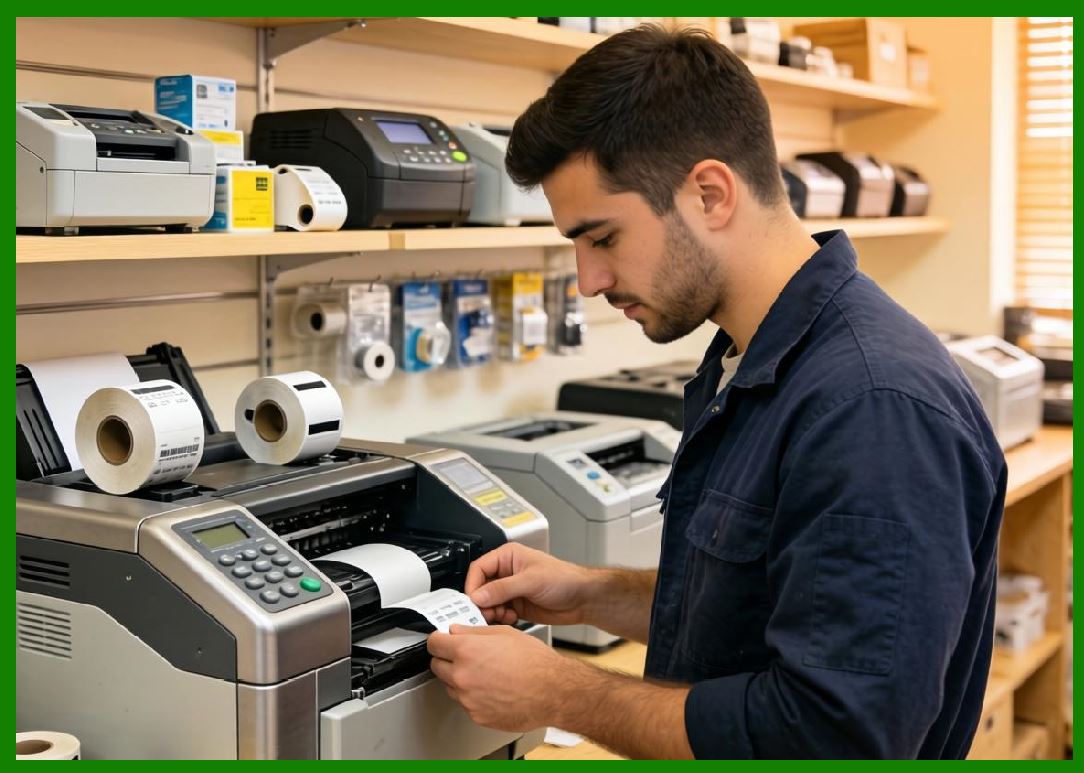
UPM Raflatac is one of the world leading manufacturers of pressure-sensitive label materials, specializing in label facestocks, adhesive systems, and release liner technologies used in barcode labeling systems across logistics, retail, healthcare, and industrial applications. |
1.2 |
Unlike label converters that print and finish labels, UPM Raflatac operates upstream in the supply chain, producing the raw engineered materials that form the structural foundation of modern barcode labels. |

|
1.3 |
The company is widely recognized for its strong focus on sustainability, fiber-based materials, and environmentally responsible production systems, making it one of the most important contributors to the global transition toward sustainable labeling technologies. |
1.4 |
UPM Raflatac materials are used by major label converters worldwide, including companies such as CCL Industries, Avery Dennison converters, and numerous regional labeling manufacturers. |
1.5 |
Today, UPM Raflatac is considered a global leader in labelstock innovation and a key supplier in the pressure-sensitive barcode label ecosystem. |

|
2. Corporate Background and Industrial Development |
2.1 |
UPM Raflatac is part of the larger UPM-Kymmene Corporation, a Finnish forestry and materials company with deep roots in pulp, paper, and engineered fiber-based products. |
2.2 |
The company was formed through the expansion of UPM specialty labeling materials business, which evolved into a dedicated division focused on pressure-sensitive labelstocks. |
2.3 |
Finland strong forestry industry and advanced paper engineering capabilities provided a foundation for UPM Raflatac development in high-performance label materials. |

|
2.4 |
Over time, the company expanded globally, establishing production facilities and distribution networks across Europe, North America, and Asia. |
2.5 |
Its growth was driven by increasing demand for barcode labeling systems in global supply chains, retail packaging, and industrial automation. |
2.6 |
UPM Raflatac became known for combining industrial scale production with advanced materials science innovation. |
2.7 |
Today, it is one of the most influential suppliers of labelstock materials in the world. |
|
3. Pressure-Sensitive Label Facestock Technologies |
3.1 |
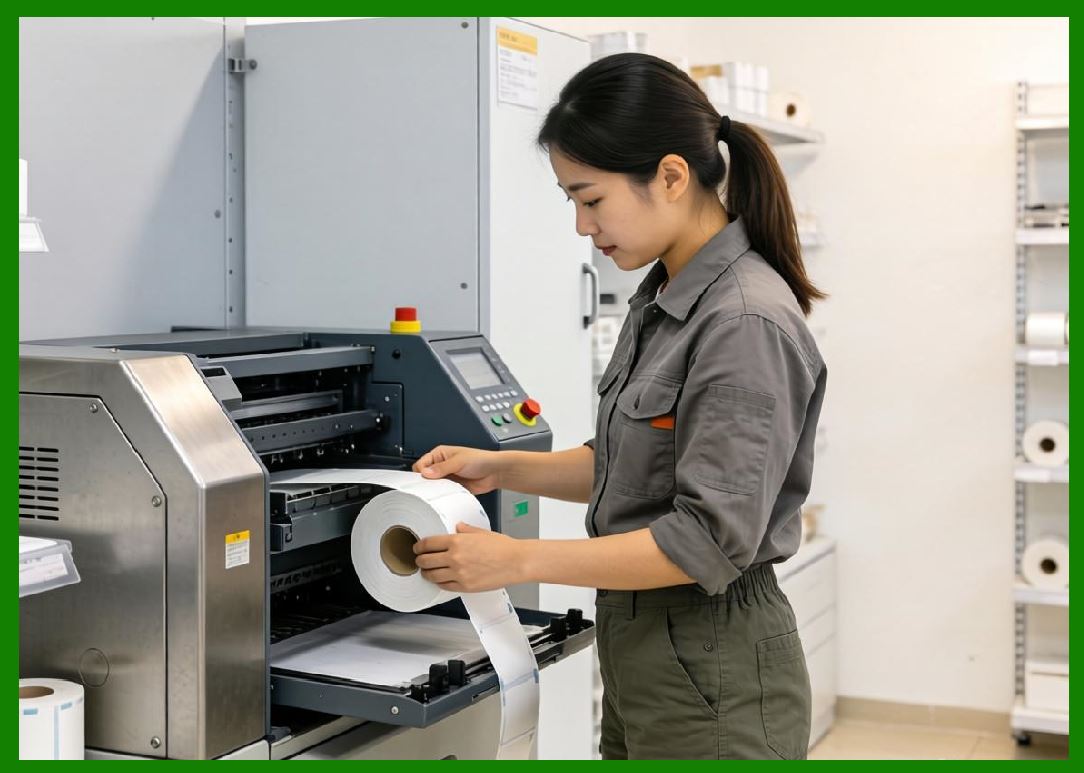
Facestock materials are the printable surface layer of pressure-sensitive labels, and UPM Raflatac produces a wide range of paper-based and film-based facestocks used in barcode labeling systems. |
3.2 |
These facestocks must meet strict requirements for printability, durability, and barcode readability. |
3.3 |
UPM Raflatac produces multiple categories of facestock materials, including: |
1. Uncoated paper facestocks |
2. Coated paper facestocks |
3. Thermal direct papers |
4. Synthetic film facestocks |
5. Specialty engineered substrates |
3.4 |
Paper facestocks are widely used in retail and logistics applications due to their cost efficiency and high print quality. |
3.5 |
Film facestocks provide enhanced durability for industrial, chemical, and outdoor applications. |
3.6 |
Surface engineering ensures consistent ink absorption, sharp barcode definition, and scanner readability. |
3.7 |
These materials form the visible printed layer of barcode labels used worldwide. |
|
4. Adhesive Systems and Performance Engineering |
4.1 |
Pressure-sensitive labels rely heavily on adhesive systems, and UPM Raflatac develops a wide range of adhesives tailored for different application environments. |
4.2 |
Adhesive performance is defined by key properties such as tack, peel strength, shear resistance, and environmental stability. |
4.3 |
UPM Raflatac produces several adhesive categories, including: |
1. Permanent adhesives |
2. Removable adhesives |
3. Deep-freeze adhesives |
4. High-tack industrial adhesives |
5. Wash-off adhesives for recycling systems |
4.4 |
Permanent adhesives are used in logistics, industrial tracking, and asset identification systems. |
4.5 |
Removable adhesives are commonly used in retail pricing and promotional labeling applications. |
4.6 |
Deep-freeze adhesives are essential for cold-chain logistics, particularly in food and pharmaceutical industries. |
4.7 |
Wash-off adhesives support recycling processes by enabling label removal during material recovery. |

|
5. Release Liner Technologies and Silicone Coating Systems |
5.1 |
Release liners are critical components in pressure-sensitive labeling systems, and UPM Raflatac is one of the largest global producers of liner materials. |
5.2 |
A release liner protects the adhesive layer before application and ensures smooth dispensing in automated labeling systems. |
5.3 |
UPM Raflatac produces liners made from: |
1. Glassine paper |
2. Kraft paper |
3. Clay-coated paper |
4. Polyester film liners |
5. Recycled fiber-based liners |
5.4 |
Silicone coating is used to control release force and ensure consistent separation between label and liner. |
5.5 |
Uniform release performance is essential for high-speed labeling machines used in industrial environments. |
5.6 |
The company invests heavily in reducing liner material thickness and improving sustainability. |
5.7 |
Release liner innovation plays a key role in reducing waste in global labeling systems. |

|
6. Logistics and Supply Chain Applications |
6.1 |
UPM Raflatac materials are widely used in logistics and supply chain barcode labeling systems across global industries. |
6.2 |
These labels are used for tracking shipments, managing warehouses, and enabling automated distribution systems. |
6.3 |
Applications include: |
1. Parcel shipping labels |
2. Warehouse rack labels |
3. Pallet tracking labels |
4. Distribution center identification labels |
6.4 |
Barcode labels must remain readable under varying environmental conditions such as humidity, abrasion, and temperature fluctuations. |
6.5 |
UPM Raflatac materials are engineered to maintain consistent print quality in high-speed logistics operations. |
6.6 |
E-commerce growth has significantly increased demand for reliable labeling materials. |
6.7 |
The company plays a critical role in global supply chain traceability systems. |

|
7. Retail and Consumer Goods Label Applications |
7.1 |
Retail labeling systems depend heavily on pressure-sensitive materials for pricing, inventory control, and product identification. |
7.2 |
UPM Raflatac supplies materials used in: |
1. Price labels |
2. Shelf labels |
3. Product identification labels |
4. Promotional barcode labels |
5. Branding labels |
7.3 |
Retail environments require high print quality and fast production capabilities. |
7.4 |
Barcode readability is essential for inventory management and checkout automation systems. |
7.5 |
UPM Raflatac supports both high-volume and customized retail labeling systems. |
7.6 |
Digital transformation in retail continues to increase labeling complexity and variability. |
7.7 |
Sustainable materials are increasingly important in consumer packaging systems. |

|
8. Healthcare and Pharmaceutical Applications |
8.1 |
Healthcare and pharmaceutical industries require highly reliable labeling materials for safety, traceability, and regulatory compliance. |
8.2 |
UPM Raflatac produces materials used in: |
1. Patient identification systems |
2. Specimen tracking labels |
3. Pharmaceutical packaging labels |
4. Laboratory identification systems |
8.3 |
Labels must withstand sterilization, refrigeration, and chemical exposure conditions. |
8.4 |
Adhesives must be safe and stable in medical environments. |
8.5 |
Barcode accuracy is essential for patient safety and regulatory compliance. |
8.6 |
Cold-chain logistics in pharmaceuticals requires specialized deep-freeze adhesives. |
8.7 |
UPM Raflatac plays a key role in healthcare traceability systems worldwide. |

|
9. Industrial and Automotive Applications |
9.1 |
Industrial environments require durable label materials capable of withstanding harsh conditions such as heat, chemicals, abrasion, and vibration. |
9.2 |
UPM Raflatac materials are used in automotive manufacturing, electronics assembly, and heavy industrial operations. |
9.3 |
Applications include: |
1. Component identification |
2. Work-in-progress tracking |
3. Equipment labeling |
4. Compliance and safety labels |
9.4 |
Synthetic film facestocks are commonly used in industrial applications due to their durability. |
9.5 |
High-performance adhesives ensure long-term label retention under extreme conditions. |
9.6 |
Industrial barcode systems support automation and production efficiency. |
9.7 |
UPM Raflatac materials contribute to global manufacturing traceability systems. |

|
10. Sustainability and Circular Economy Leadership |
10.1 |
Sustainability is a core strategic priority for UPM Raflatac and strongly influences its product development. |
10.2 |
The company emphasizes renewable fiber sourcing and responsible forestry management. |
10.3 |
Key sustainability initiatives include: |
1. Reduction of fossil-based materials |
2. Development of recyclable label structures |
3. Use of renewable raw materials |
4. Carbon footprint reduction in production |
10.4 |
Wash-off adhesives support recycling by enabling label separation from packaging materials. |
10.5 |
Lightweighting strategies reduce material consumption in label production. |
10.6 |
UPM Raflatac aligns closely with global circular economy goals. |
10.7 |
Sustainable labeling systems are becoming a major industry requirement. |

|
11. Research, Development, and Innovation Strategy |
11.1 |
UPM Raflatac invests heavily in research and development focused on adhesives, coatings, and sustainable materials. |
11.2 |
Laboratory testing evaluates adhesion performance, print quality, durability, and environmental resistance. |
11.3 |
The company collaborates with converters, logistics companies, and packaging manufacturers. |
11.4 |
Innovation focuses on improving recyclability, performance, and cost efficiency. |
11.5 |
Advanced material science is used to develop next-generation labelstocks. |
11.6 |
Digital labeling requirements are driving innovation in variable data compatibility. |
11.7 |
R&D ensures long-term competitiveness in global labeling markets. |

|
12. Future Prospects of UPM Raflatac |
12.1 |
The future of UPM Raflatac is closely tied to sustainability, digital supply chains, and global logistics expansion. |
12.2 |
Demand for pressure-sensitive label materials is expected to grow with e-commerce and automation. |
12.3 |
Recyclable and bio-based materials will become increasingly important. |
12.4 |
Smart labeling systems integrating RFID and barcode technologies will expand. |
12.5 |
Regulatory pressure will accelerate adoption of sustainable adhesives and liners. |
12.6 |
Digital printing systems will require more advanced surface engineering. |
12.7 |
UPM Raflatac is well-positioned to remain a global leader in sustainable labelstock innovation. |

|
Detailed Technical Content Summary of Part 18 |
This part provided a comprehensive analysis of UPM Raflatac and its role in the global pressure-sensitive barcode label ecosystem. The article described the company as a leading Finnish labelstock manufacturer specializing in facestock materials, adhesive systems, and release liner technologies. |
The discussion examined its corporate development within the UPM forestry and materials group and its evolution into a global supplier of engineered label materials. Major emphasis was placed on facestock technologies, adhesive engineering, and release liner production systems. |
The article explored applications in logistics, retail, healthcare, and industrial manufacturing, highlighting the importance of barcode readability, durability, and environmental performance. Additional sections covered sustainability leadership, circular economy initiatives, research and development strategies, and future prospects involving smart labeling systems and sustainable materials innovation. |
|
End of Part 18. |
 cs@easiersoft.com