Part 26 |
CCL Label (a division of CCL Industries) High-Volume Label Converting, Specialty Pressure-Sensitive Systems, Digital Label Production, and Global Barcode Label Operations |
1. Introduction to CCL Label and Its Position in the Global Ecosystem |
1.1 |
CCL Label is the largest operating division of CCL Industries and one of the most influential pressure-sensitive label converting organizations in the world. It specializes in transforming raw labelstock materials into finished barcode labels, RFID tags, and specialty identification solutions used across global industries. |
1.2 |
Unlike upstream material suppliers such as adhesive or facestock manufacturers, CCL Label operates in the midstream converting layer, where industrial label materials are printed, processed, and transformed into functional identification systems. |

|
1.3 |
The company serves a wide range of industries including consumer goods, healthcare, automotive, logistics, and electronics manufacturing. |
1.4 |
CCL Label is particularly known for its high-volume production capabilities, global manufacturing footprint, and integration of digital printing technologies. |
1.5 |
Today, it is one of the largest and most advanced label converting networks in the world. |

|
2. Corporate Structure and Global Expansion Strategy |
2.1 |
CCL Label operates as a decentralized global network of specialized converting facilities across North America, Europe, Asia, and Latin America. |
2.2 |
Each facility is often optimized for specific labeling applications such as healthcare, pressure-sensitive industrial labels, or high-volume consumer goods packaging. |
2.3 |
This distributed model allows CCL Label to respond quickly to regional demand while maintaining global consistency in quality standards. |
2.4 |
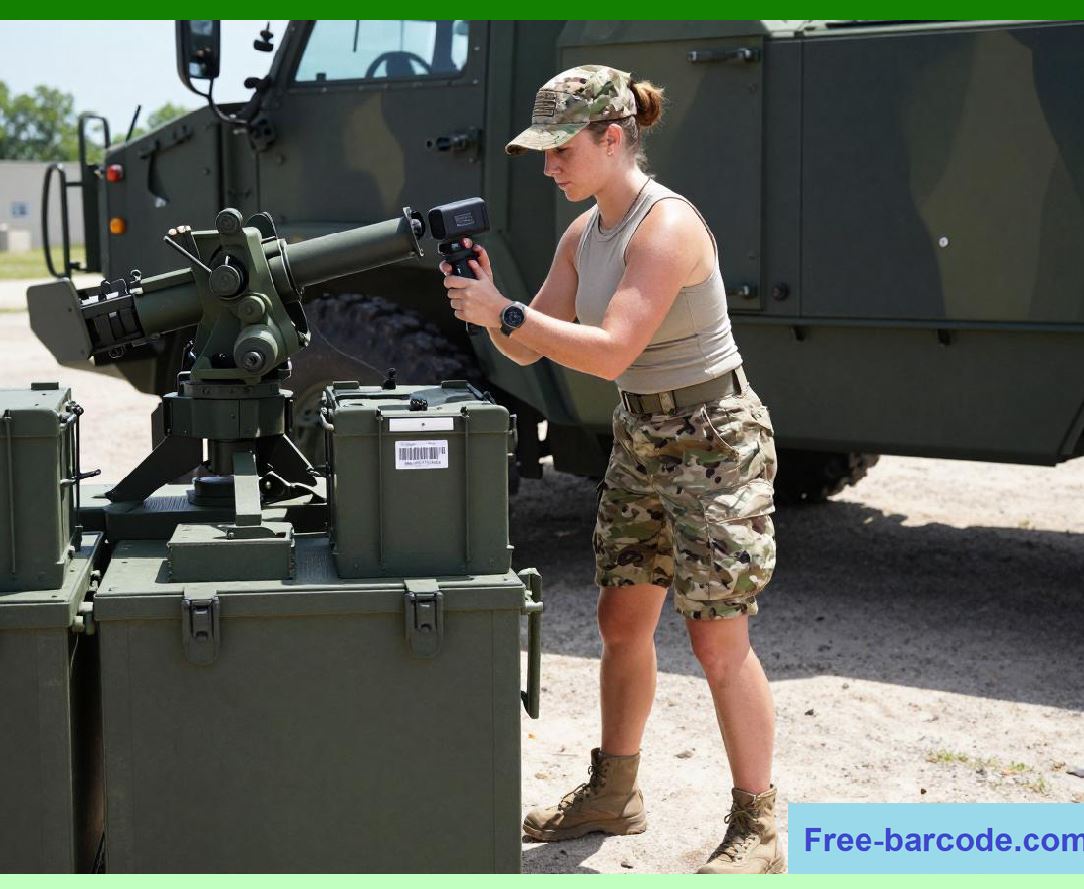
The company has expanded through strategic acquisitions of regional label converters, integrating them into its global production ecosystem. |
|
2.5 |
Its structure enables both mass production and highly customized labeling solutions. |
2.6 |
Global integration allows efficient supply chain coordination and logistics optimization. |
2.7 |
CCL Label is a central pillar of CCL Industriesglobal dominance in labeling systems. |

|
3. Pressure-Sensitive Label Converting Technologies |
3.1 |
CCL Label specializes in converting pressure-sensitive materials into finished barcode labels through advanced industrial processes. |
3.2 |
Key converting processes include: |
1. Flexographic printing |
2. Digital inkjet printing |
3. Offset printing |
4. Rotogravure printing |
5. Die-cutting and finishing |
6. Laminating and coating |
3.3 |
Flexographic printing is widely used for high-speed, high-volume label production. |
3.4 |
Digital printing enables variable data labels, including serialized barcodes and QR codes. |
3.5 |
Die-cutting systems ensure precise label shape and application compatibility. |
3.6 |
Lamination improves durability and environmental resistance. |
3.7 |
These processes ensure barcode readability and label performance across applications. |

|
4. High-Volume Consumer Goods Labeling Systems |
4.1 |
CCL Label is a major global supplier of labels for consumer packaged goods (CPG) industries. |
4.2 |
Applications include: |
1. Beverage bottle labels |
2. Food packaging labels |
3. Personal care product labels |
4. Household product identification labels |
4.3 |
High-volume production requires extremely efficient printing and finishing systems. |
4.4 |
Labels must combine branding aesthetics with machine-readable barcode functionality. |
4.5 |
Color consistency and print durability are critical for global brands. |
4.6 |
CCL Label supports multinational consumer goods companies with standardized labeling systems. |
4.7 |
Packaging trends are driving increased complexity in label design. |

|
5. Healthcare and Pharmaceutical Labeling Operations |
5.1 |
CCL Label is one of the largest global providers of pharmaceutical and healthcare labeling solutions. |
5.2 |
Applications include: |
1. Pharmaceutical serialization labels |
2. Clinical trial labeling systems |
3. Patient safety identification labels |
4. Medical device tracking labels |
5.3 |
Regulatory compliance is a critical requirement in pharmaceutical labeling systems. |
5.4 |
Serialization systems require unique barcode identifiers for each product unit. |
5.5 |
Labels must withstand cold storage, sterilization, and chemical exposure. |
5.6 |
Data integrity is essential for patient safety and regulatory traceability. |
5.7 |
Healthcare labeling is one of CCL Label most advanced application areas. |

|
6. Automotive and Industrial Labeling Systems |
6.1 |
CCL Label supplies durable barcode labels for automotive and industrial manufacturing environments. |
6.2 |
Applications include: |
1. Engine component tracking |
2. Vehicle identification labels |
3. Industrial asset tagging |
4. Safety compliance labeling |
6.3 |
Industrial environments require resistance to heat, oil, and mechanical stress. |
6.4 |
Barcode systems support manufacturing traceability and quality control. |
6.5 |
Labels must remain readable throughout product lifecycle. |
6.6 |
Automotive supply chains rely heavily on standardized labeling systems. |
6.7 |
CCL Label supports global industrial manufacturing networks. |

|
7. Logistics and E-Commerce Label Systems |
7.1 |
CCL Label plays a major role in global logistics and e-commerce labeling systems. |
7.2 |
Applications include: |
1. Shipping labels |
2. Warehouse identification labels |
3. Parcel tracking labels |
4. Distribution center labeling systems |
7.3 |
High-speed logistics operations require durable and scannable labels. |
7.4 |
Barcode systems enable real-time tracking across global supply chains. |
7.5 |
E-commerce growth has significantly increased demand for high-volume label production. |
7.6 |
Digital printing supports flexible and dynamic labeling requirements. |
7.7 |
CCL Label is a key enabler of global logistics automation. |

|
8. Digital Printing and Variable Data Labeling |
8.1 |
CCL Label has heavily invested in digital printing technologies for variable data and customized labeling. |
8.2 |
Digital systems enable: |
1. Serialized barcode generation |
2. QR code integration |
3. Personalized packaging labels |
4. On-demand production workflows |
8.3 |
Digital printing reduces waste and improves production flexibility. |
8.4 |
It allows rapid response to changing product requirements. |
8.5 |
Integration with databases enables real-time label customization. |
8.6 |
Digital workflows support Industry 4.0 manufacturing systems. |
8.7 |
Variable data labeling is essential for modern traceability systems. |

|
9. RFID Integration and Smart Labeling Systems |
9.1 |
CCL Label integrates RFID technology into pressure-sensitive labels for advanced tracking applications. |
9.2 |
RFID-enabled labels allow: |
1. Wireless tracking |
2. Inventory automation |
3. Non-line-of-sight scanning |
4. Real-time logistics monitoring |
9.3 |
Hybrid barcode + RFID systems improve redundancy and accuracy. |
9.4 |
RFID labels are widely used in retail and logistics environments. |
9.5 |
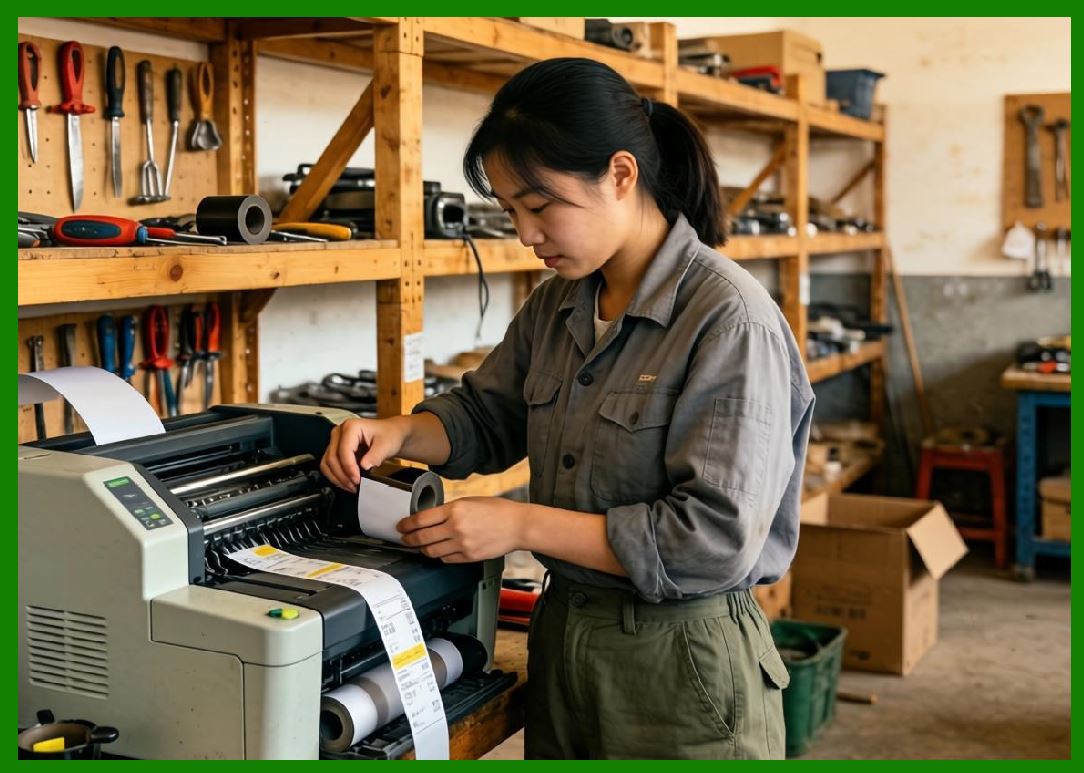
Encoding processes require precise synchronization with production systems. |
9.6 |
Smart labeling is a growing segment of the industry. |
9.7 |
CCL Label is a global leader in RFID-enabled labeling systems. |
|
10. Sustainability and Environmental Strategy |
10.1 |
CCL Label incorporates sustainability into its global manufacturing strategy. |
10.2 |
Key initiatives include: |
1. Reduction of material waste |
2. Energy-efficient production systems |
3. Recyclable label materials |
4. Lightweight packaging solutions |
10.3 |
Digital printing reduces overproduction and inventory waste. |
10.4 |
Sustainable materials are increasingly demanded by global brands. |
10.5 |
Environmental compliance influences label design decisions. |
10.6 |
CCL Label supports circular economy initiatives. |
10.7 |
Sustainability is a core part of its global strategy. |
|
11. Research, Development, and Innovation Strategy |
11.1 |
CCL Label invests heavily in research and development across printing, materials, and digital systems. |
11.2 |
Innovation focuses on: |
1. High-speed printing technologies |
2. Advanced adhesive compatibility |
3. RFID integration systems |
4. Sustainable label materials |
11.3 |
Collaboration with global brands drives application-specific innovation. |
11.4 |
R&D supports compliance with global regulatory standards. |
11.5 |
Digital transformation is a major focus area. |
11.6 |
Automation improves production efficiency and consistency. |
11.7 |
Innovation ensures global competitiveness in labeling markets. |
|
12. Future Prospects of CCL Label |
12.1 |
The future of CCL Label is closely tied to digital supply chains and intelligent packaging systems. |
12.2 |
Growth areas include: |
1. Smart packaging with RFID and sensors |
2. AI-driven production optimization |
3. Cloud-based label management systems |
4. Fully automated labeling factories |
12.3 |
Demand for serialized and traceable labeling will continue to grow. |
12.4 |
E-commerce expansion will drive global label production volumes. |
12.5 |
Sustainability regulations will reshape material selection. |
12.6 |
Digital ecosystems will integrate labeling with enterprise analytics. |
12.7 |
CCL Label is expected to remain a dominant global force in label converting. |

|
Detailed Technical Content Summary of Part 26 |
This part provided a comprehensive analysis of CCL Label, the largest converting division of CCL Industries, and its role in the global pressure-sensitive barcode label ecosystem. |
The article described CCL Label as a global leader in high-volume label converting, digital printing, RFID integration, and specialty labeling systems across healthcare, consumer goods, logistics, and industrial sectors. |
The discussion examined its decentralized global structure, advanced converting technologies, and strong integration with upstream material suppliers. Major emphasis was placed on flexographic and digital printing, variable data systems, and RFID-enabled labeling solutions. |
The article explored applications in pharmaceuticals, automotive manufacturing, logistics, retail, and e-commerce. Additional sections covered sustainability strategies, research and development initiatives, and future prospects involving smart packaging, AI-driven manufacturing, and fully automated labeling ecosystems. |
|
End of Part 26. |
 cs@easiersoft.com