Part 27 |
CCL Design Durable Identification Systems, Industrial Graphics, Automotive Labeling, and High-Performance Pressure-Sensitive Applications |
1. Introduction to CCL Design and Its Role in the Label Ecosystem |
1.1 |
CCL Design is a specialized division of CCL Industries focused on engineered identification systems, durable industrial graphics, and high-performance pressure-sensitive labeling solutions. Within the broader barcode label ecosystem, CCL Design occupies a highly technical niche that extends beyond traditional labeling into functional, structural, and environmental identification systems. |
1.2 |
Unlike consumer packaging labels or logistics shipping labels, CCL Design products are often used in environments where labels must function as part of a product physical identity system for many years, often under extreme environmental stress. |

|
1.3 |
The division supports industries such as automotive manufacturing, electronics, aerospace, medical devices, and industrial equipment manufacturing. |
1.4 |
Its core strength lies in combining materials science, adhesive engineering, and precision printing into durable identification solutions that remain readable and intact throughout a product lifecycle. |
1.5 |
Today, CCL Design is recognized as one of the world leading providers of engineered industrial labeling and graphic systems. |

|
2. Industrial Identification and Durable Label Engineering |
2.1 |
CCL Design specializes in labels that are engineered for long-term durability rather than short-term packaging applications. |
2.2 |
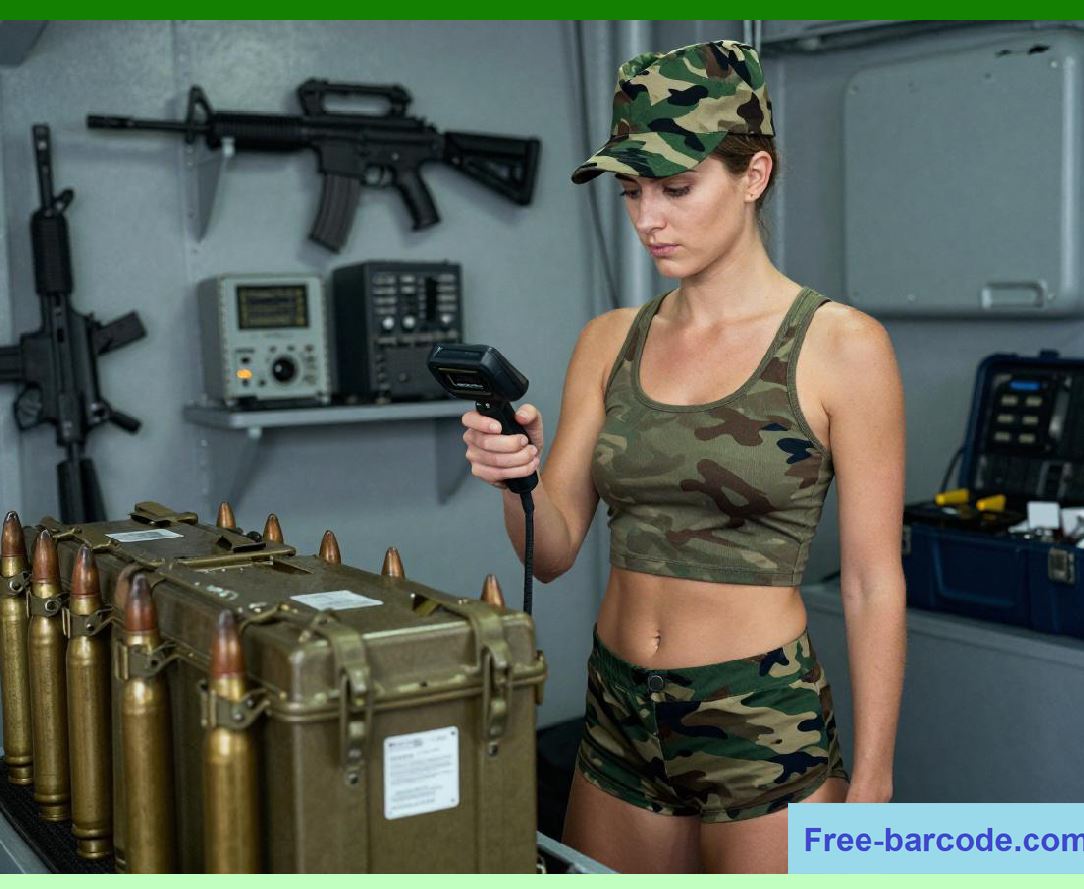
These labels are designed to withstand: |
1. Extreme temperatures |
2. Chemical exposure |
3. Mechanical abrasion |
4. UV radiation |
5. Moisture and humidity |
|
2.3 |
Industrial identification systems must maintain barcode readability and visual clarity even after years of exposure. |
2.4 |
The engineering process involves selecting specialized facestocks, adhesives, and protective laminates. |
2.5 |
These materials are combined into multi-layer structures that enhance durability and performance. |
2.6 |
High-performance adhesives ensure permanent bonding to challenging substrates such as metals, plastics, and coated surfaces. |
2.7 |
CCL Design systems are widely used in mission-critical industrial environments. |

|
3. Automotive Industry Labeling Systems |
3.1 |
One of the most important application areas for CCL Design is the automotive industry, where durable barcode and identification systems are essential. |
3.2 |
Applications include: |
1. Vehicle identification labels |
2. Engine compartment labels |
3. Wiring harness identification |
4. Safety compliance stickers |
5. Component traceability labels |
3.3 |
Automotive environments expose labels to heat, oil, vibration, and chemical fluids. |
3.4 |
Labels must remain readable throughout the entire lifecycle of a vehicle. |
3.5 |
Barcode systems are used for tracking components from manufacturing through assembly and maintenance. |
3.6 |
Automotive manufacturers rely heavily on standardized identification systems for global production consistency. |
3.7 |
CCL Design plays a critical role in enabling automotive traceability systems. |

|
4. Electronics and High-Precision Manufacturing Applications |
4.1 |
CCL Design provides labeling solutions for electronics manufacturing, where precision and durability are essential. |
4.2 |
Applications include: |
1. Semiconductor equipment labeling |
2. Printed circuit board identification |
3. Component traceability systems |
4. Cleanroom-compatible labeling |
4.3 |
Electronics manufacturing environments require extremely clean and stable label materials. |
4.4 |
Labels must resist static discharge, heat, and chemical cleaning agents. |
4.5 |
Barcode systems are used to track production stages and quality control processes. |
4.6 |
High-resolution printing ensures micro-scale barcode readability. |
4.7 |
CCL Design supports advanced electronics supply chain systems. |

|
5. Aerospace and High-Reliability Industrial Systems |
5.1 |
Aerospace applications require the highest levels of durability and traceability in labeling systems. |
5.2 |
CCL Design materials are used in: |
1. Aircraft component identification |
2. Maintenance tracking labels |
3. Safety compliance markings |
4. Interior and structural labeling systems |
5.3 |
Labels must withstand extreme altitude conditions, temperature fluctuations, and vibration stress. |
5.4 |
Traceability is essential for safety certification and maintenance operations. |
5.5 |
Barcode systems are used to manage aerospace component lifecycle data. |
5.6 |
Regulatory compliance is extremely strict in aerospace applications. |
5.7 |
CCL Design supports long-term aerospace identification systems. |

|
6. Medical Device and Healthcare Equipment Labeling |
6.1 |
CCL Design also plays a role in medical device labeling and healthcare equipment identification. |
6.2 |
Applications include: |
1. Surgical instrument labeling |
2. Medical device identification |
3. Sterilization-resistant barcode labels |
4. Long-term implant tracking labels |
6.3 |
Labels must withstand sterilization processes such as autoclaving and chemical cleaning. |
6.4 |
Medical compliance regulations require permanent and reliable identification. |
6.5 |
Barcode systems ensure traceability in healthcare device management. |
6.6 |
Materials must be biocompatible and chemically stable. |
6.7 |
Healthcare labeling is a high-regulation application area. |

|
7. Industrial Graphics and Safety Marking Systems |
7.1 |
CCL Design produces industrial graphics systems used for safety, instruction, and equipment identification. |
7.2 |
Applications include: |
1. Safety warning labels |
2. Instructional overlays |
3. Equipment control panels |
4. Industrial signage systems |
7.3 |
These graphics must remain visible and durable in harsh environments. |
7.4 |
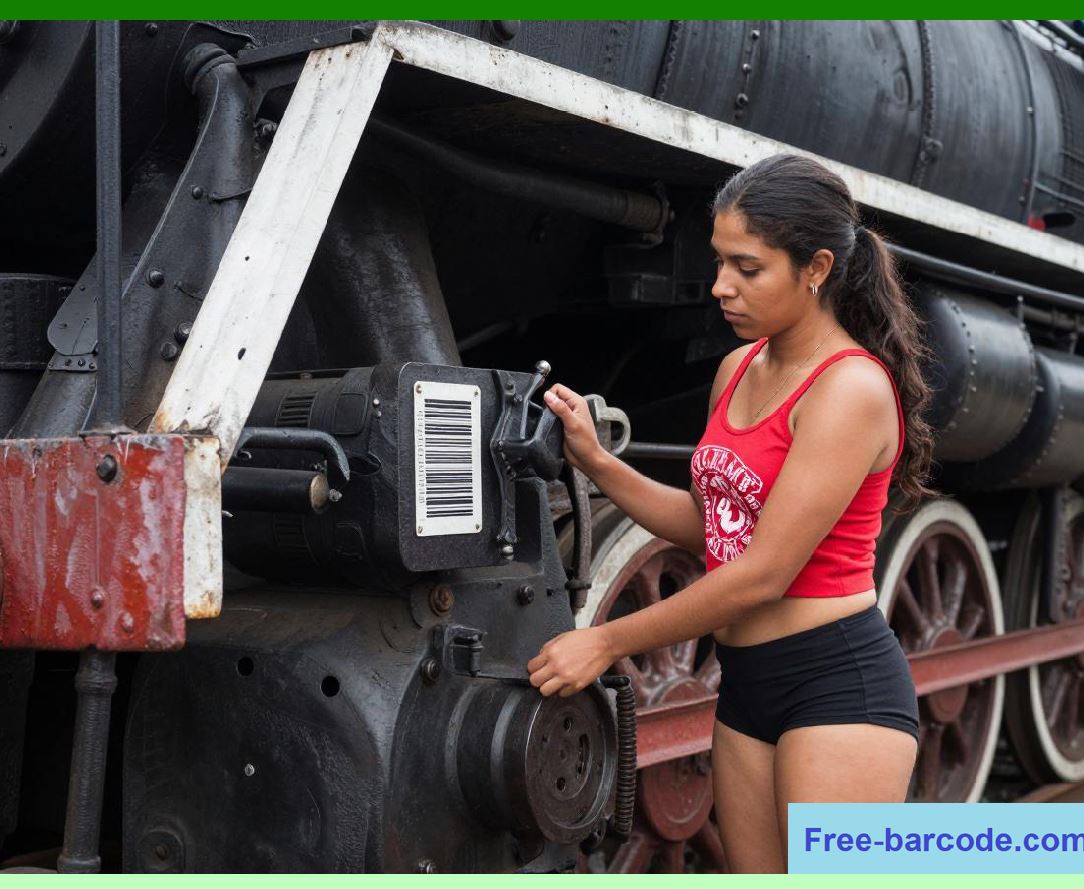
Barcode integration allows digital tracking of equipment and safety compliance. |
7.5 |
Industrial graphics often use multi-layer laminated structures. |
7.6 |
UV-resistant coatings improve long-term visibility. |
7.7 |
Safety marking systems are essential for workplace compliance. |
|
8. Materials Science and Adhesive Engineering |
8.1 |
CCL Design relies heavily on advanced materials science to develop high-performance labeling systems. |
8.2 |
Key material technologies include: |
1. High-tack industrial adhesives |
2. Chemical-resistant polymer films |
3. Multi-layer laminate structures |
4. Heat-resistant facestocks |
8.3 |
Adhesives must maintain bonding strength under extreme environmental conditions. |
8.4 |
Film materials are engineered for dimensional stability and print durability. |
8.5 |
Laminates provide additional protection against abrasion and UV exposure. |
8.6 |
Material selection is tailored to each industrial application. |
8.7 |
Engineering precision is critical for performance reliability. |

|
9. Digital Printing and Variable Data Systems |
9.1 |
CCL Design integrates digital printing systems for variable data and customized industrial labeling. |
9.2 |
Digital systems enable: |
1. Serialized barcode printing |
2. QR code integration |
3. Custom identification labels |
4. Real-time production labeling |
9.3 |
Variable data systems are essential for traceability in industrial manufacturing. |
9.4 |
Digital printing reduces waste and improves production flexibility. |
9.5 |
Integration with databases enables dynamic label generation. |
9.6 |
Automation improves efficiency and reduces human error. |
9.7 |
Digital workflows support Industry 4.0 manufacturing environments. |

|
10. Sustainability and Environmental Strategy |
10.1 |
CCL Design incorporates sustainability principles into industrial labeling solutions. |
10.2 |
Key initiatives include: |
1. Reduced material thickness for efficiency |
2. Environmentally responsible adhesive systems |
3. Durable labels to reduce replacement waste |
4. Recycling-compatible materials |
10.3 |
Long-lasting labels reduce environmental impact by minimizing replacements. |
10.4 |
Industrial efficiency reduces overall material consumption. |
10.5 |
Sustainable design is increasingly required in global manufacturing. |
10.6 |
Environmental compliance influences material selection. |
10.7 |
CCL Design aligns durability with sustainability goals. |

|
11. Research, Development, and Innovation Strategy |
11.1 |
CCL Design invests in research and development focused on industrial durability and materials innovation. |
11.2 |
R&D focuses on: |
1. Extreme environment resistance |
2. Adhesive chemistry optimization |
3. Multi-layer material engineering |
4. High-resolution printing durability |
11.3 |
Innovation is driven by automotive, aerospace, and electronics requirements. |
11.4 |
Testing includes heat, chemical, and mechanical stress simulations. |
11.5 |
Advanced coatings improve long-term performance. |
11.6 |
R&D ensures compliance with global industrial standards. |
11.7 |
Innovation supports high-reliability identification systems. |

|
12. Future Prospects of CCL Design |
12.1 |
The future of CCL Design is closely linked to industrial digitalization and advanced manufacturing systems. |
12.2 |
Growth areas include: |
1. Smart industrial labels with embedded electronics |
2. AI-driven traceability systems |
3. Fully digital product identity systems |
4. Hybrid RFID-barcode industrial systems |
12.3 |
Industrial automation will increase demand for durable identification systems. |
12.4 |
Smart factories will require integrated labeling solutions. |
12.5 |
Sustainability regulations will drive material innovation. |
12.6 |
Digital twins and traceability systems will expand globally. |
12.7 |
CCL Design is expected to remain a leader in industrial-grade labeling technologies. |

|
Detailed Technical Content Summary of Part 27 |
This part provided a comprehensive analysis of CCL Design and its role in the barcode label ecosystem as a provider of engineered industrial identification, durable graphics, and high-performance pressure-sensitive labeling systems. |
The article described CCL Design as a specialized division focused on long-life identification systems used in automotive, aerospace, electronics, healthcare, and industrial manufacturing environments. |
The discussion examined durable label engineering, materials science, adhesive technologies, and multi-layer label construction systems. Major emphasis was placed on extreme environment performance, regulatory compliance, and lifecycle traceability. |
The article explored applications in automotive manufacturing, aerospace systems, electronics production, healthcare devices, and industrial safety systems. Additional sections covered digital printing technologies, sustainability strategies, R&D innovation, and future prospects involving smart industrial labels, AI-driven manufacturing, and fully digital identification ecosystems. |
|
End of Part 27. |
 cs@easiersoft.com