Part 4 |
3M Adhesive Science, Industrial Label Innovations, Durable Barcode Technologies, and Global Materials Engineering Leadership |
1. Introduction to 3M and Its Role in the Pressure-Sensitive Barcode Label Industry |
1.1 |
Among the world most technologically influential industrial materials companies, 3M occupies a unique position in the development of pressure-sensitive adhesives, durable industrial labeling systems, specialty barcode materials, and advanced coating technologies. Although many people associate 3M primarily with office products or consumer goods, the company has long been one of the most important innovators in adhesive chemistry and engineered materials science. Its research and inventions profoundly shaped the global pressure-sensitive label industry. |
1.2 |
Unlike companies that focused mainly on paper converting or commercial printing, 3M developed its expertise through broad multidisciplinary scientific research. The company built advanced capabilities in chemistry, polymer science, abrasives, films, industrial coatings, electronics materials, optical systems, and manufacturing engineering. These capabilities later enabled 3M to create some of the world most durable and technically sophisticated barcode label systems. |

|
1.3 |
3M influence on the barcode label industry is especially important in demanding industrial environments where ordinary paper labels are insufficient. The company developed materials capable of surviving extreme heat, chemicals, ultraviolet exposure, abrasion, solvents, moisture, industrial oils, and outdoor weather conditions. These technologies became essential in aerospace, automotive, electronics, healthcare, transportation, military, and heavy industrial applications. |
1.4 |
One of 3M greatest contributions was advancing pressure-sensitive adhesive science into a highly engineered technological discipline. The company invested heavily in polymer chemistry research, enabling the development of specialized adhesive systems optimized for difficult surfaces and harsh environments. |
1.5 |
Over many decades, 3M evolved into one of the world largest diversified technology corporations. Its industrial labeling and barcode identification technologies became integrated into global manufacturing systems, supply chains, electronic product identification, medical equipment tracking, and industrial asset management operations. |

|
2. Founding and Early History of 3M |
2.1 |
3M was founded in 1902 as the Minnesota Mining and Manufacturing Company in the United States. The company originally focused on mining operations intended to supply abrasive minerals for industrial grinding products. However, the founders soon encountered difficulties because the mineral deposits they acquired were not commercially suitable for their intended purpose. |
2.2 |
Although the early mining business struggled, the company survived by shifting toward manufacturing abrasive products and industrial materials. This adaptability became one of the defining characteristics of 3M corporate culture. |
2.3 |
During the early twentieth century, 3M invested heavily in research and development. Unlike many manufacturing companies of the period, 3M emphasized scientific experimentation and technological innovation as core business strategies. |

|
2.4 |
The company gradually expanded into adhesives, tapes, coatings, films, specialty papers, and industrial materials. These activities laid the foundation for its later influence on pressure-sensitive label technologies. |
2.5 |
One of the most important early innovations was masking tape, introduced during the 1920s. This product demonstrated the commercial potential of pressure-sensitive adhesive systems. It also helped establish 3M reputation as an adhesive technology leader. |
2.6 |
The invention of transparent adhesive tape, later widely known through the Scotch brand, further strengthened the company expertise in coatings, films, adhesives, and converting technologies. These technical capabilities later became highly relevant to industrial labeling systems. |
2.7 |
By the mid-twentieth century, 3M had evolved into a diversified industrial technology company with growing expertise in engineered materials, specialty coatings, and industrial adhesives. These capabilities positioned the company to become an important participant in advanced barcode label technologies decades later. |

|
3. Development of Pressure-Sensitive Adhesive Technologies |
3.1 |
Pressure-sensitive adhesives represent one of 3M most important scientific and industrial contributions. The company conducted extensive research into polymer chemistry, viscoelastic behavior, surface wetting, tack formation, and long-term adhesive durability. |
3.2 |
Unlike ordinary glues that require curing or solvent evaporation, pressure-sensitive adhesives bond through carefully balanced viscoelastic properties. The adhesive must flow sufficiently to wet the surface while maintaining enough internal cohesion to resist failure after application. |
3.3 |
3M researchers developed advanced acrylic adhesive systems that provided excellent aging resistance, ultraviolet stability, chemical resistance, and temperature tolerance. These technologies became critical for durable barcode labels used in industrial environments. |
|
3.4 |
The company also engineered rubber-based adhesive systems optimized for aggressive initial tack and strong bonding to difficult substrates. These adhesives became useful in corrugated packaging, logistics labels, and warehouse identification systems. |
3.5 |
Silicone-based adhesive technologies represented another major innovation area. Silicone adhesives provide exceptional high-temperature performance and compatibility with low-surface-energy materials. These systems became important in aerospace, electronics, and specialized industrial applications. |
3.6 |
3M adhesive research involved highly sophisticated analytical methods including rheology testing, thermal analysis, peel testing, shear testing, environmental aging studies, spectroscopy, and microscopic surface analysis. |
3.7 |
Many of the company adhesive innovations directly influenced the broader pressure-sensitive label industry. Numerous later manufacturers adopted scientific approaches originally pioneered or refined by companies such as 3M. |
|
4. Entry into Industrial Labeling and Barcode Identification |
4.1 |
As industrial automation expanded during the second half of the twentieth century, the need for reliable identification systems increased dramatically. Manufacturing plants, warehouses, transportation networks, and electronic assembly operations required labels capable of surviving increasingly harsh environments. |
4.2 |
3M recognized that ordinary paper labels were often inadequate for industrial identification applications. Barcode systems used in manufacturing, aerospace, automotive production, and electronics assembly required highly durable materials capable of maintaining long-term readability. |
4.3 |
The company therefore expanded into engineered labeling systems using advanced films, durable coatings, and specialized adhesives. These labels were designed to withstand chemicals, abrasion, outdoor exposure, heat cycling, and industrial cleaning processes. |

|
4.4 |
One of the company major strengths was its expertise in polymer film technology. Polyester, polyimide, polypropylene, fluoropolymer, and vinyl films became important facestock materials for industrial barcode labels. |
4.5 |
3M developed barcode label constructions specifically optimized for thermal transfer printing. Resin ribbon compatibility became especially important because industrial barcode systems often require extremely durable printed images. |
4.6 |
The company also engineered labels designed for automated application systems. High-speed industrial production lines required consistent dispensing characteristics and reliable adhesion performance. |
4.7 |
By combining expertise in adhesives, coatings, films, and industrial manufacturing, 3M established itself as a leading supplier of high-performance barcode identification materials. |
|
5. Durable Barcode Label Technologies |
5.1 |
One of 3M most significant contributions to the barcode label industry was the development of ultra-durable identification materials capable of surviving severe industrial environments. |
5.2 |
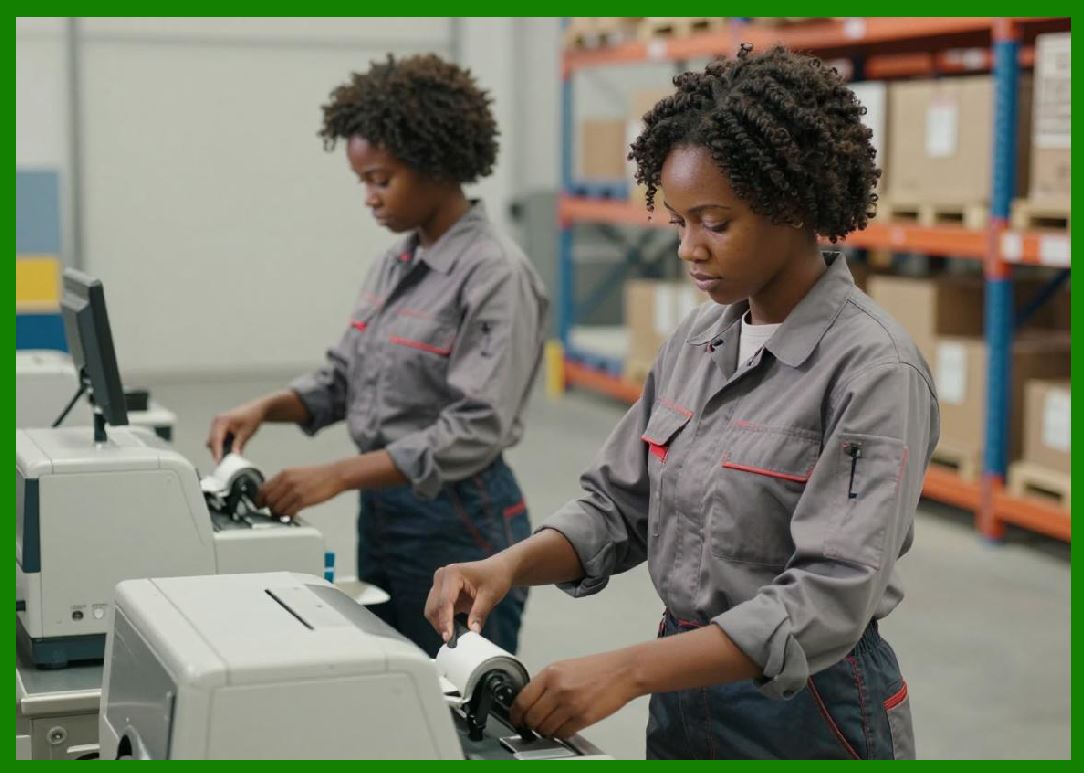
Standard paper barcode labels work well in retail and logistics applications, but many industrial environments require far greater durability. Automotive manufacturing plants, chemical processing facilities, outdoor equipment operations, and aerospace systems expose labels to extreme stress. |
5.3 |
3M developed polyester barcode labels offering excellent dimensional stability, tear resistance, moisture resistance, and chemical durability. Polyester became one of the company most important industrial label materials. |
|
5.4 |
Polyimide label systems represented another major innovation area. Polyimide materials can survive extremely high temperatures and are widely used in printed circuit board manufacturing, electronics assembly, and semiconductor processing environments. |
5.5 |
The company also developed tamper-evident and security label technologies. These constructions help detect unauthorized removal or product tampering and are widely used in electronics, pharmaceuticals, and warranty protection systems. |
5.6 |
Reflective barcode labels became important for transportation and warehouse applications requiring enhanced scanner visibility. 3M expertise in reflective materials enabled the development of specialized machine-readable identification systems. |
5.7 |
Outdoor-durable barcode systems represented another important category. These labels required resistance to ultraviolet radiation, moisture, salt spray, thermal cycling, and long-term weather exposure. |
|
6. Thermal Transfer and Print System Compatibility |
6.1 |
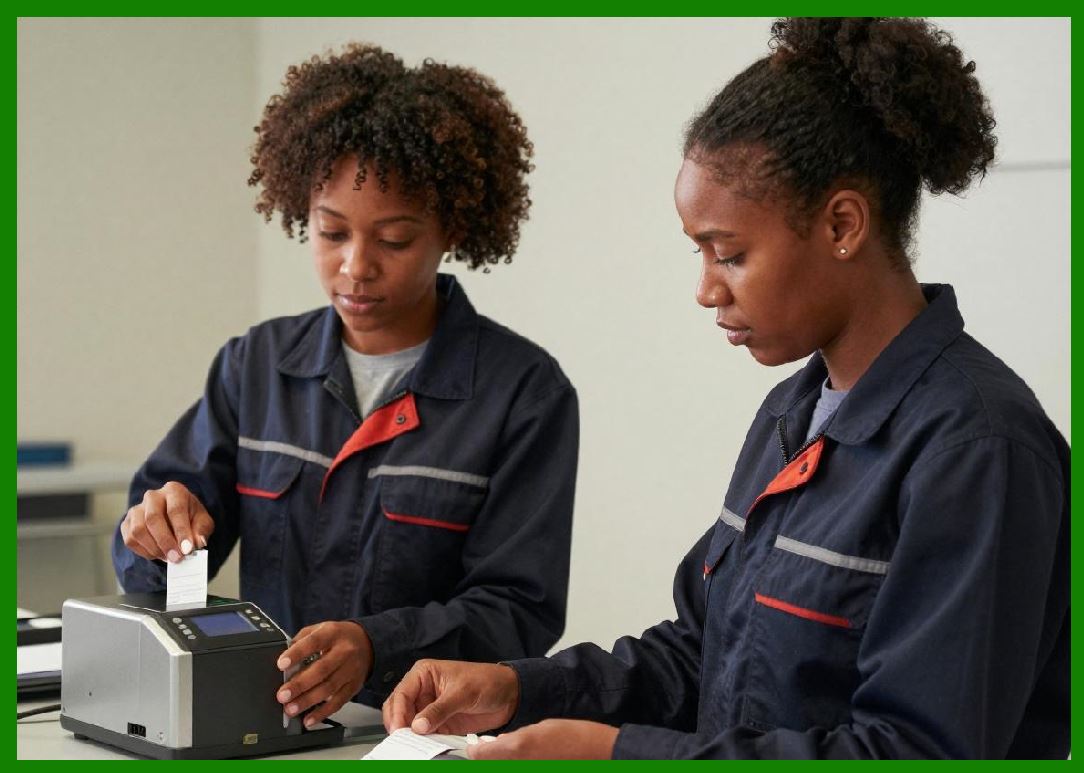
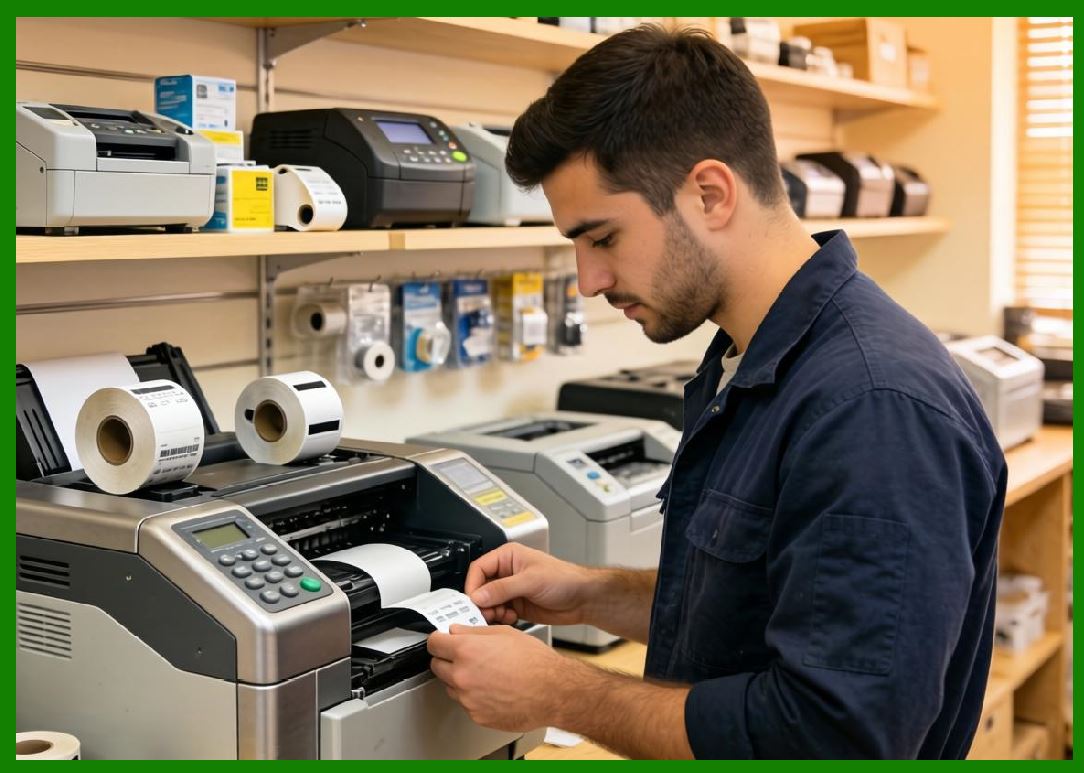
Thermal transfer printing became especially important in industrial barcode applications because it provides superior durability compared to direct thermal printing. |
6.2 |
3M engineered label surfaces specifically optimized for thermal transfer ribbon technologies including wax, wax-resin, and resin formulations. |
6.3 |
Resin ribbon systems are particularly important for harsh environments because they produce highly durable printed images resistant to chemicals, abrasion, and heat exposure. 3M developed specialized topcoats designed to maximize resin print adhesion. |
|
6.4 |
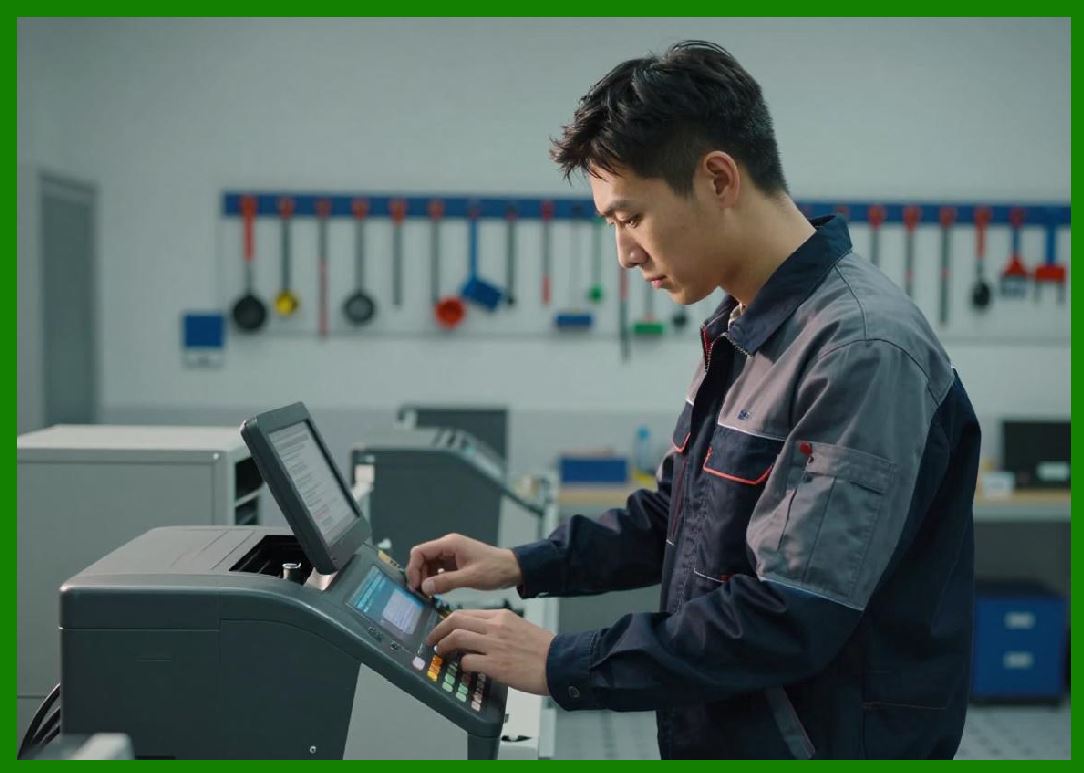
The company also worked extensively on printhead compatibility. Thermal transfer printers operate using heated printheads that contact the label surface directly. Label materials therefore require controlled surface properties to minimize printhead wear while maintaining print quality. |
6.5 |
Scanner readability represented another major technical focus. Barcode performance depends heavily on print contrast, edge sharpness, surface reflectivity, and coating uniformity. 3M optimized label surfaces for reliable machine scanning. |
6.6 |
Industrial barcode systems often require long-term readability over many years. The company therefore conducted accelerated aging studies evaluating image durability under environmental stress conditions. |
6.7 |
Compatibility with automated print-and-apply systems became increasingly important as manufacturing and logistics operations adopted higher levels of automation. |
|
7. Industrial and Electronics Applications |
7.1 |
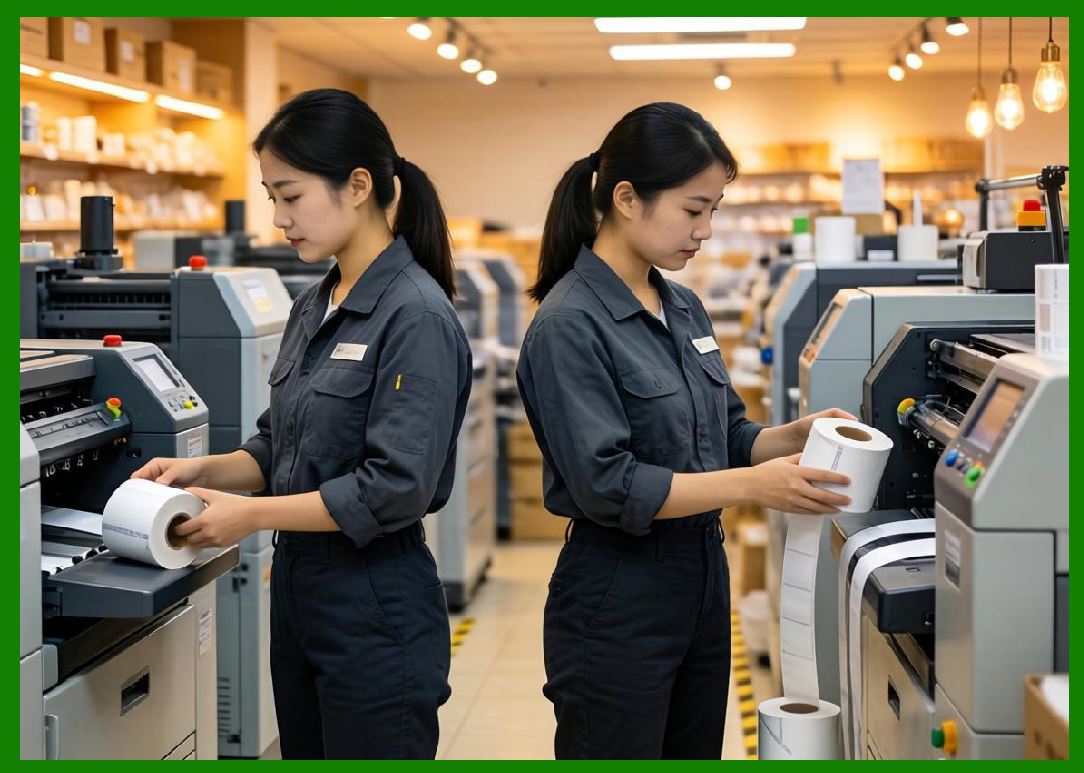
3M became particularly influential in electronics manufacturing environments. Electronic components and printed circuit boards require extremely precise identification systems capable of surviving soldering temperatures, solvents, and industrial cleaning chemicals. |
7.2 |
Polyimide barcode labels became widely used in printed circuit board tracking because they can tolerate the high temperatures associated with solder reflow processes. |
7.3 |
Semiconductor manufacturing environments also require highly specialized identification materials. Labels must resist aggressive chemicals while maintaining dimensional stability and machine readability. |
|
7.4 |
Automotive manufacturing became another major application sector. Vehicle components, engine parts, wiring harnesses, and industrial assemblies require durable tracking labels capable of surviving oils, fuels, heat, and vibration. |
7.5 |
Aerospace applications impose even more demanding performance requirements. Aircraft components may experience extreme temperatures, pressure changes, ultraviolet exposure, and long operational lifetimes. |
7.6 |
3M additionally developed identification systems for medical devices, laboratory equipment, industrial machinery, and transportation infrastructure. |
7.7 |
The company industrial expertise allowed it to develop customized label systems tailored for highly specialized operational environments. |
|
8. Advanced Coating and Film Technologies |
8.1 |
One of 3M greatest strengths is its extensive expertise in coating science and film engineering. The company developed numerous advanced coating systems used in industrial labeling technologies. |
8.2 |
Protective topcoats improve barcode print durability by increasing resistance to scratching, solvents, abrasion, and environmental exposure. |
8.3 |
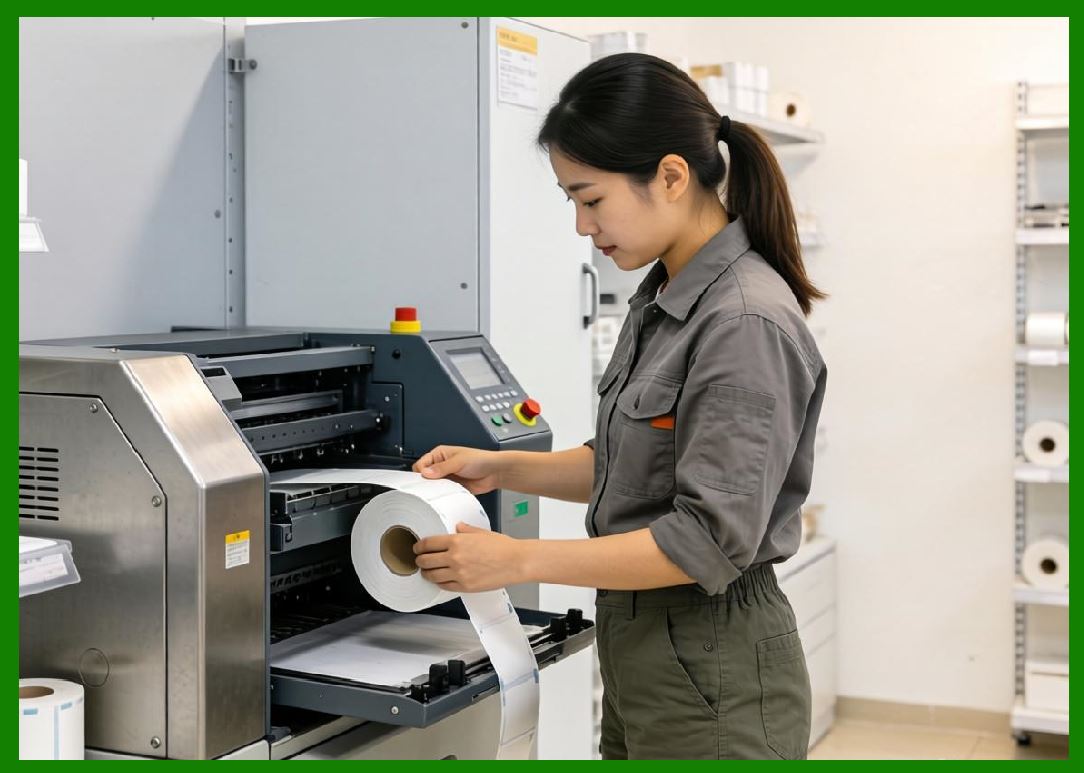
The company engineered multilayer film structures combining different functional properties including printability, chemical resistance, dimensional stability, flexibility, and optical performance. |
|
8.4 |
Surface energy engineering became another important technical area. Different printing technologies and adhesives interact differently with label surfaces. 3M optimized surface treatments to improve ink adhesion and printing consistency. |
8.5 |
The company also developed antistatic coatings for electronics applications where electrostatic discharge could damage sensitive components. |
8.6 |
Flame-retardant label materials became important in transportation, aerospace, and electronics sectors where fire safety regulations apply. |
8.7 |
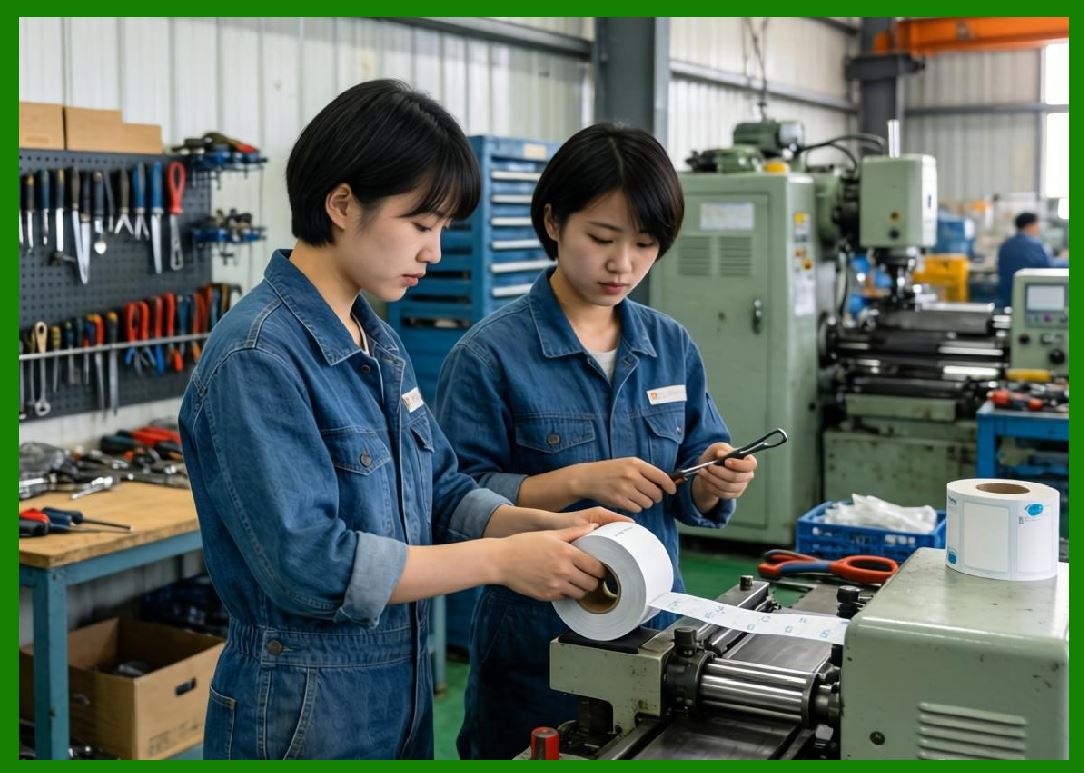
Many of these coating and film technologies later influenced broader industrial labeling standards throughout the pressure-sensitive materials industry. |
|
9. Research and Development Culture |
9.1 |
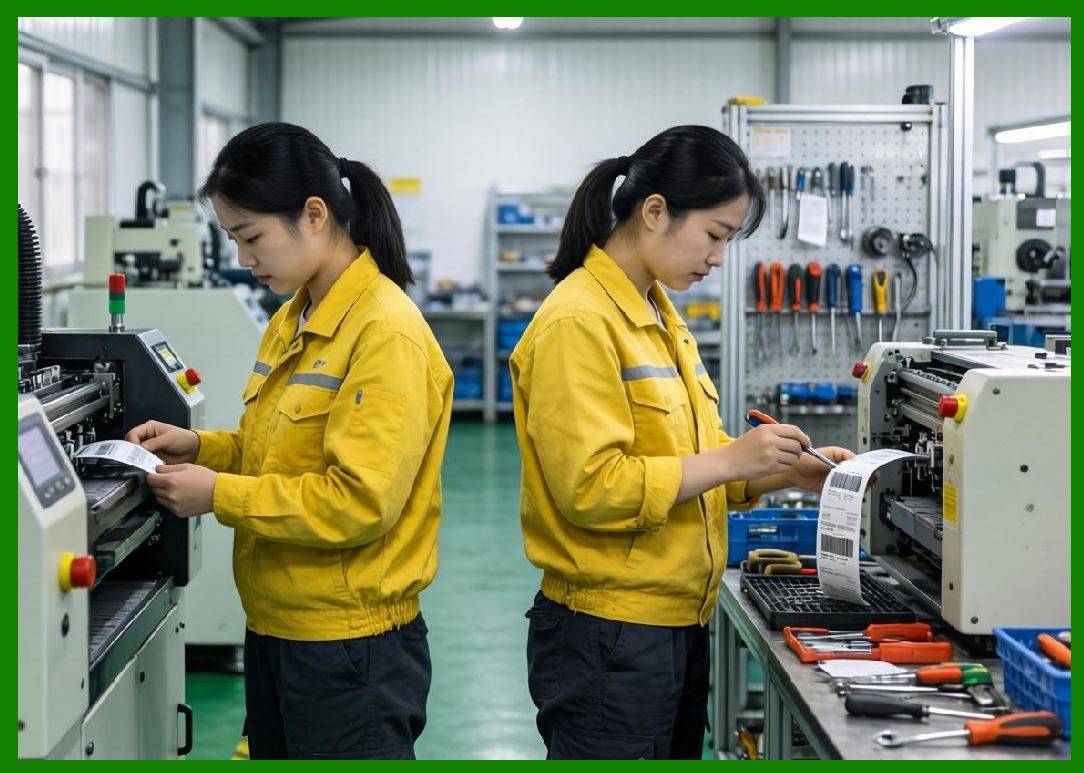
Research and development have always been central to 3M corporate identity. The company became famous for encouraging scientific experimentation and interdisciplinary innovation. |
9.2 |
3M invested heavily in laboratories focused on chemistry, materials science, coatings, adhesives, polymers, optics, and industrial engineering. |
9.3 |
One distinctive feature of 3M culture is its historical support for exploratory research. Scientists were often encouraged to pursue unconventional ideas that might eventually lead to commercial innovations. |
|
9.4 |
This research-driven approach contributed significantly to the company success in pressure-sensitive materials and barcode label technologies. |
9.5 |
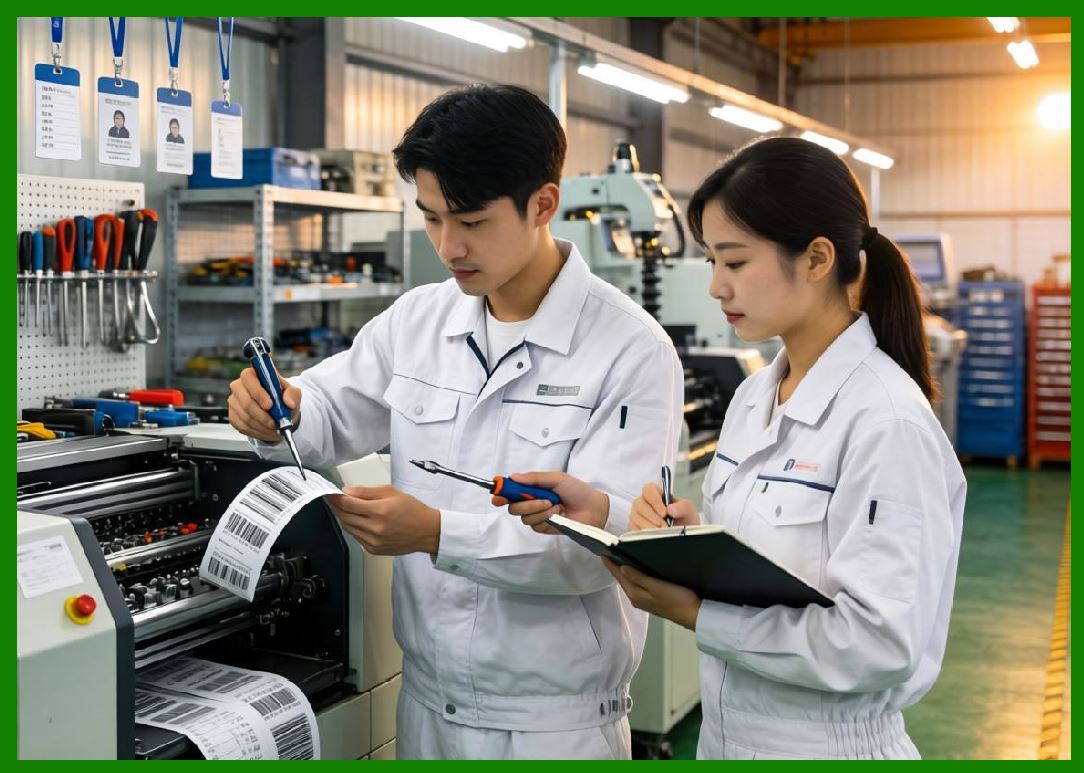
3M scientists developed numerous analytical techniques for evaluating adhesive performance, environmental durability, print quality, and material stability. |
9.6 |
The company also accumulated extensive intellectual property related to adhesives, films, coatings, and industrial labeling systems. Patent protection became an important competitive advantage. |
9.7 |
Many of the scientific principles developed through 3M research influenced not only labeling technologies but also broader fields of industrial materials engineering. |
|
10. Sustainability and Environmental Programs |
10.1 |
Like many major materials companies, 3M increasingly focused on sustainability and environmental responsibility during the late twentieth and early twenty-first centuries. |
10.2 |
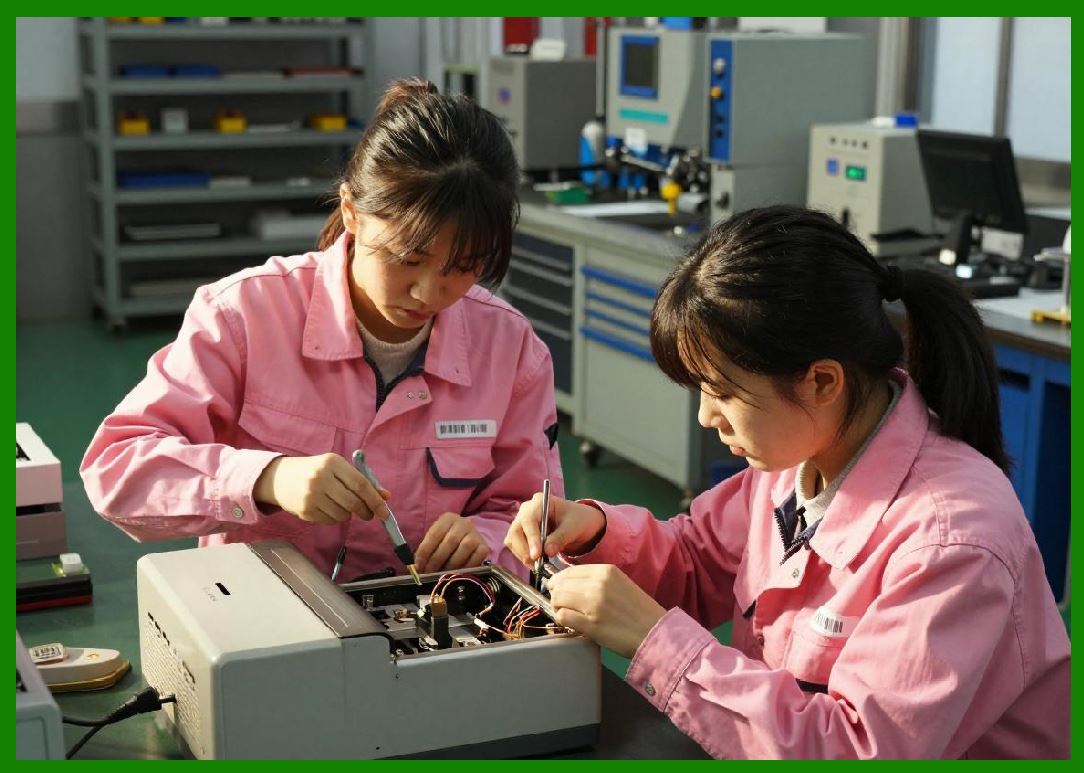
The company invested in reducing solvent emissions, improving energy efficiency, lowering waste generation, and developing more environmentally compatible materials. |
10.3 |
Pressure-sensitive labeling systems historically generated significant liner waste. 3M therefore explored recycling programs and material reduction strategies. |
|
10.4 |
The company also researched environmentally safer adhesive chemistries and coating technologies aimed at reducing hazardous substances. |
10.5 |
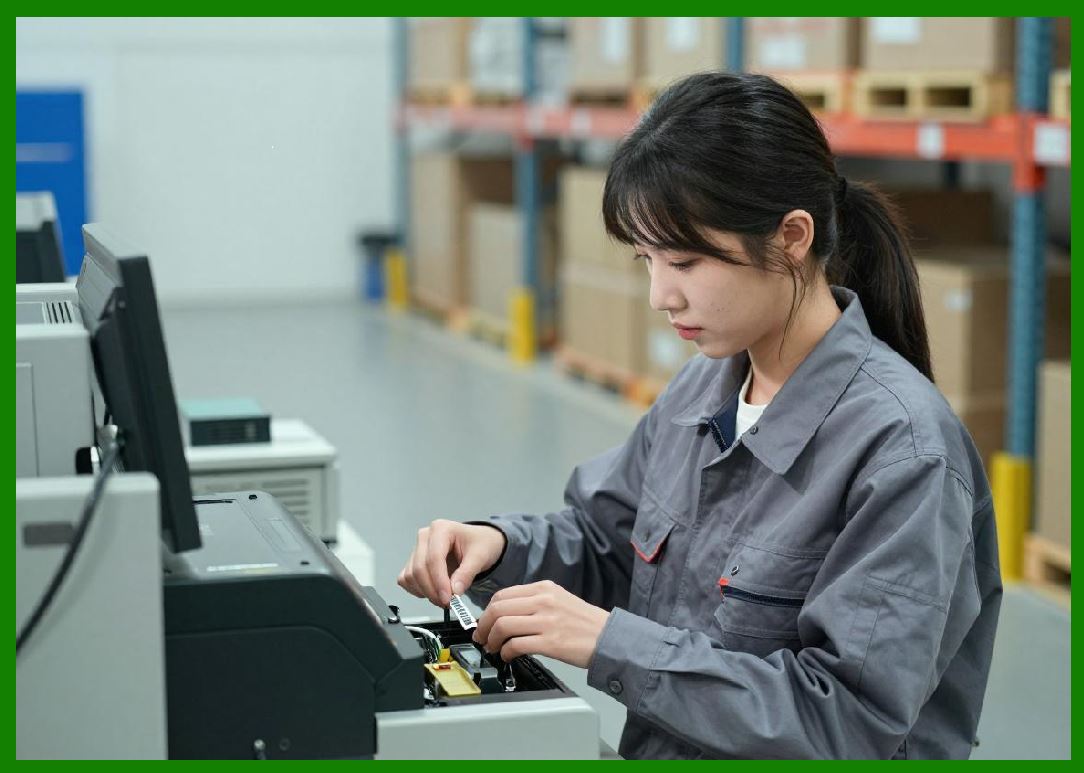
Sustainable packaging trends created demand for recyclable label constructions and reduced-material systems. 3M participated in many industry-wide environmental initiatives. |
10.6 |
The company additionally pursued renewable energy integration and manufacturing efficiency improvements within its industrial operations. |
10.7 |
Environmental regulations affecting chemicals, coatings, and packaging materials also influenced product development strategies. |
|
11. Global Industrial Influence |
11.1 |
3M influence on the pressure-sensitive barcode label industry extends far beyond its direct product sales. The company helped establish many of the scientific and engineering principles underlying modern adhesive and industrial label technologies. |
11.2 |
Its innovations in adhesive chemistry influenced countless later developments throughout the pressure-sensitive materials industry. |
11.3 |
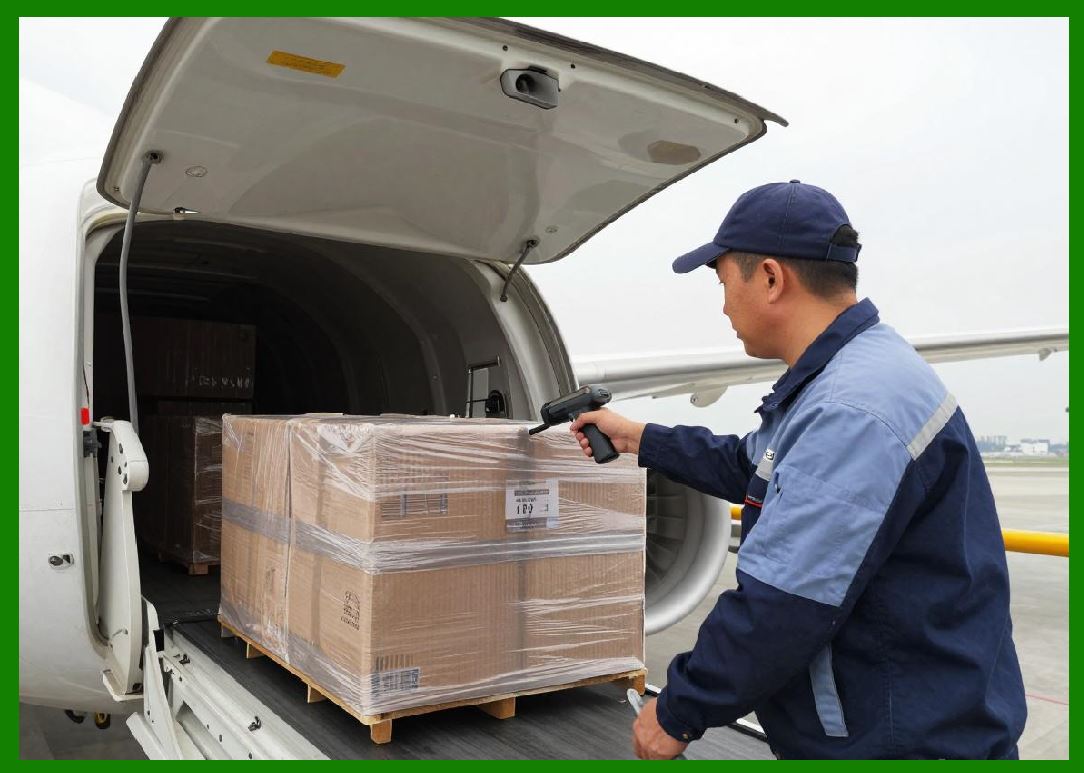
The company durable labeling systems helped enable automated manufacturing, industrial traceability, and machine-readable identification in demanding operational environments. |

|
11.4 |
3M also contributed to the advancement of thermal transfer printing systems, durable barcode materials, and industrial asset tracking technologies. |
11.5 |
Many manufacturers of electronics, vehicles, industrial equipment, and aerospace systems adopted 3M identification technologies as critical components of their operational infrastructure. |
11.6 |
The company global manufacturing and research infrastructure enabled it to support multinational industrial customers across numerous technical sectors. |
11.7 |
Even as newer technologies such as RFID and smart sensors emerged, durable barcode systems remained essential in industrial operations because of their simplicity, low cost, and universal compatibility. |
|
12. Future Prospects of 3M in the Barcode Label Sector |
12.1 |
The future of 3M barcode and industrial labeling business will likely involve continued integration of advanced materials science, intelligent identification technologies, and sustainability engineering. |
12.2 |
RFID and smart labeling systems are expected to expand significantly in logistics, healthcare, industrial manufacturing, and retail applications. |
12.3 |
Durable barcode labels will remain important in harsh industrial environments where long-term reliability is critical. |

|
12.4 |
Advanced film technologies, nanocoatings, and multifunctional materials may further improve label performance under extreme conditions. |
12.5 |
Automation and Industry 4.0 trends will likely increase demand for machine-readable industrial identification systems. |
12.6 |
Sustainability pressures may encourage the development of recyclable industrial label constructions, reduced-material systems, and environmentally optimized adhesives. |
12.7 |
Digital printing compatibility will also continue influencing material design as manufacturers adopt increasingly flexible production systems. |
12.8 |
Because of its long-standing expertise in adhesives, coatings, polymers, and industrial materials science, 3M is expected to remain an important technological influence within the global pressure-sensitive barcode label industry. |
|
Detailed Technical Content Summary of Part 4 |
This part provided a comprehensive examination of 3M and its major contributions to pressure-sensitive adhesives, durable barcode labels, industrial identification systems, and advanced materials engineering. The article began by explaining 3M unique role as a multidisciplinary technology company whose expertise extended beyond ordinary labeling into broad industrial materials science. |
The discussion reviewed the company founding history as Minnesota Mining and Manufacturing Company and traced its evolution into a major innovator in adhesives, tapes, films, coatings, and engineered materials. Particular attention was given to the development of pressure-sensitive adhesive technologies, including acrylic, rubber-based, and silicone adhesive systems. |
The article analyzed 3M entry into industrial barcode labeling and its development of durable identification materials designed for harsh operational environments. Major technologies discussed included polyester barcode labels, polyimide labels, tamper-evident systems, reflective labels, and outdoor-durable constructions. |
Thermal transfer printing compatibility, resin ribbon optimization, scanner readability engineering, and long-term print durability were examined in detail. The discussion also covered 3M important role in electronics manufacturing, semiconductor processing, automotive production, aerospace identification, and industrial asset tracking. |
Additional sections explored advanced coating technologies, multilayer film engineering, antistatic systems, flame-retardant materials, and protective topcoats. The company research and development culture, sustainability initiatives, and global industrial influence were also analyzed extensively. |
Finally, the article reviewed future prospects involving smart labeling, RFID integration, Industry 4.0 automation, advanced coatings, digital printing compatibility, and sustainable industrial materials engineering. |
End of Part 4. |
 cs@easiersoft.com