Part 5 |
Herma German Precision Engineering, Self-Adhesive Materials Innovation, Industrial Barcode Label Technologies, and European Manufacturing Excellence |
1. Introduction to Herma and Its Importance in the Global Label Industry |
1.1 |
Herma is one of the most historically respected and technologically sophisticated manufacturers in the global pressure-sensitive barcode label paper industry. Based in Germany, the company became internationally recognized for its precision engineering, self-adhesive technologies, industrial labeling systems, and highly reliable pressure-sensitive materials. Over more than a century of industrial development, Herma evolved from a small regional business into a globally influential manufacturer serving industries such as logistics, pharmaceuticals, food packaging, retail, manufacturing, and healthcare. |
1.2 |
The company occupies a particularly important position within the European label materials sector. Germany has long been known for advanced industrial engineering, automation technologies, precision manufacturing, and chemical science. Herma benefited significantly from this industrial environment and became one of Europe leading developers of pressure-sensitive adhesive materials and labeling machinery. |

|
1.3 |
Unlike some competitors that focus primarily on raw material manufacturing or paper production, Herma developed expertise across the entire labeling ecosystem. The company became active in self-adhesive materials, label production systems, labeling machines, industrial automation, and barcode application technologies. This integrated approach allowed Herma to optimize interactions between materials, printing systems, and automated application equipment. |
1.4 |
Herma importance increased significantly during the expansion of barcode-based logistics systems in Europe and global manufacturing industries. As warehouse automation, pharmaceutical traceability, and retail identification systems expanded, industries demanded highly reliable barcode labels capable of consistent scanning performance and long-term durability. |
1.5 |
The company became especially respected for high-quality adhesive technologies, precision coating systems, pharmaceutical labeling solutions, and environmentally responsible manufacturing practices. Today, Herma remains one of the most influential European companies in the global pressure-sensitive barcode label industry. |

|
2. Founding and Early Historical Development |
2.1 |
Herma was founded in Germany in 1906 by Heinrich Hermann and Paul Mantel. The company name Herma itself was derived from portions of the foundersnames. Initially, the company focused on producing paper products and labeling materials during a period of rapid industrial expansion in Europe. |
2.2 |
The early twentieth century was an important era for industrial labeling development. Manufacturing industries, transportation systems, and commercial packaging operations increasingly required standardized identification methods. Although barcode systems had not yet been invented, the need for reliable product labeling was already growing rapidly. |
2.3 |
In its early years, Herma concentrated on paper processing and adhesive-related products. Over time, the company gradually expanded its technical capabilities in coating technologies, adhesive systems, converting machinery, and precision manufacturing. |

|
2.4 |
Germany industrial environment strongly influenced Herma technical culture. German manufacturing traditions emphasized quality control, engineering precision, process consistency, and industrial reliability. These values later became defining characteristics of Herma barcode label technologies. |
2.5 |
Like many European industrial companies, Herma experienced major disruptions during the two World Wars. Economic instability, supply chain interruptions, and industrial restructuring created significant challenges. However, the company survived these difficult periods and continued expanding its technical capabilities after World War II. |
2.6 |
During the postwar industrial recovery period, Europe experienced rapid growth in consumer goods, pharmaceuticals, logistics systems, and industrial manufacturing. This expansion significantly increased demand for self-adhesive labels and industrial identification materials. |
2.7 |
Herma responded by investing in advanced coating technologies, pressure-sensitive adhesives, and industrial labeling equipment. These investments positioned the company for major growth during the second half of the twentieth century. |

|
3. Development of Self-Adhesive Label Technologies |
3.1 |
One of Herma most important historical contributions was its early specialization in self-adhesive labeling systems. The company recognized that pressure-sensitive labels offered major operational advantages compared to traditional water-activated labels. |
3.2 |
Self-adhesive labels simplified industrial application processes because they eliminated the need for moistening systems and reduced handling complexity. This made them highly suitable for automated packaging and production lines. |
3.3 |
Herma invested extensively in developing reliable multilayer label constructions consisting of facestock materials, pressure-sensitive adhesives, silicone release coatings, and backing liners. |

|
3.4 |
The company engineered highly controlled adhesive formulations designed to balance tack, peel strength, shear resistance, aging stability, and dispensing performance. These characteristics became especially important in automated barcode labeling systems. |
3.5 |
Precision coating technologies represented another important innovation area. Uniform adhesive thickness and silicone coating consistency are critical for reliable label dispensing and application. |
3.6 |
Herma also developed expertise in die-cutting technologies, roll converting systems, and automated label dispensing mechanisms. This systems-oriented approach helped improve industrial labeling efficiency. |
3.7 |
By the late twentieth century, Herma had become one of Europe most respected producers of self-adhesive materials and industrial labeling systems. |

|
4. Expansion into Barcode Label Materials |
4.1 |
The global expansion of barcode technology during the 1970s and 1980s created major growth opportunities for companies specializing in pressure-sensitive labeling systems. Herma quickly recognized the increasing importance of barcode-compatible label materials. |
4.2 |
Barcode labels impose much stricter technical requirements than ordinary decorative or informational labels. Scanner readability depends heavily on surface quality, print consistency, dimensional stability, and optical contrast. |
4.3 |
Herma therefore developed specialized barcode label materials optimized for various printing technologies including thermal transfer printing, direct thermal printing, flexographic printing, offset printing, and digital printing systems. |

|
4.4 |
Direct thermal barcode labels became especially important for logistics, warehousing, transportation, and retail pricing systems. Herma engineered thermal-sensitive papers capable of producing sharp, machine-readable barcode images. |
4.5 |
The company also developed thermal transfer label constructions optimized for industrial environments requiring high print durability and long-term barcode readability. |
4.6 |
Protective topcoat technologies became another important innovation area. Topcoats improve resistance to abrasion, chemicals, moisture, oils, and environmental exposure while maintaining scanner performance. |
4.7 |
Herma continuously refined its barcode label surfaces to ensure compatibility with evolving scanner technologies including laser scanners, CCD scanners, and imaging-based barcode readers. |

|
5. Adhesive Science and Technical Innovations |
5.1 |
Adhesive technology became one of Herma core technical strengths. Pressure-sensitive adhesives are highly sophisticated materials requiring careful balance between adhesion, cohesion, flexibility, environmental stability, and process compatibility. |
5.2 |
Herma developed a broad range of adhesive systems tailored for different industrial applications including permanent adhesives, removable adhesives, freezer adhesives, high-temperature adhesives, and specialty industrial bonding systems. |
5.3 |
One of the major challenges in barcode labeling is achieving reliable adhesion across diverse packaging surfaces. Labels may be applied to cardboard, plastics, metals, glass, painted surfaces, polyethylene films, or rough industrial substrates. |

|
5.4 |
The company conducted extensive research into surface energy interactions, adhesive wetting behavior, peel mechanics, and environmental durability. |
5.5 |
Herma also engineered adhesives for pharmaceutical labeling applications where strict regulatory compliance and long-term stability are essential. |
5.6 |
Cold-temperature labeling systems became another important innovation area. Food packaging and refrigerated logistics environments require adhesives capable of maintaining flexibility and tack under freezing conditions. |
5.7 |
Environmental sustainability increasingly influenced adhesive development strategies. Herma explored solvent-free systems, water-based coatings, and recycling-compatible adhesive technologies. |

|
6. Pharmaceutical and Healthcare Labeling Leadership |
6.1 |
One of Herma most important industrial sectors is pharmaceutical and healthcare labeling. The company became internationally recognized for highly reliable label systems used in medicine packaging, laboratory identification, medical devices, and healthcare logistics. |
6.2 |
Pharmaceutical barcode labels impose extremely demanding technical requirements. Labels must maintain readability, adhesion, and chemical stability throughout manufacturing, transportation, storage, and medical use. |
6.3 |
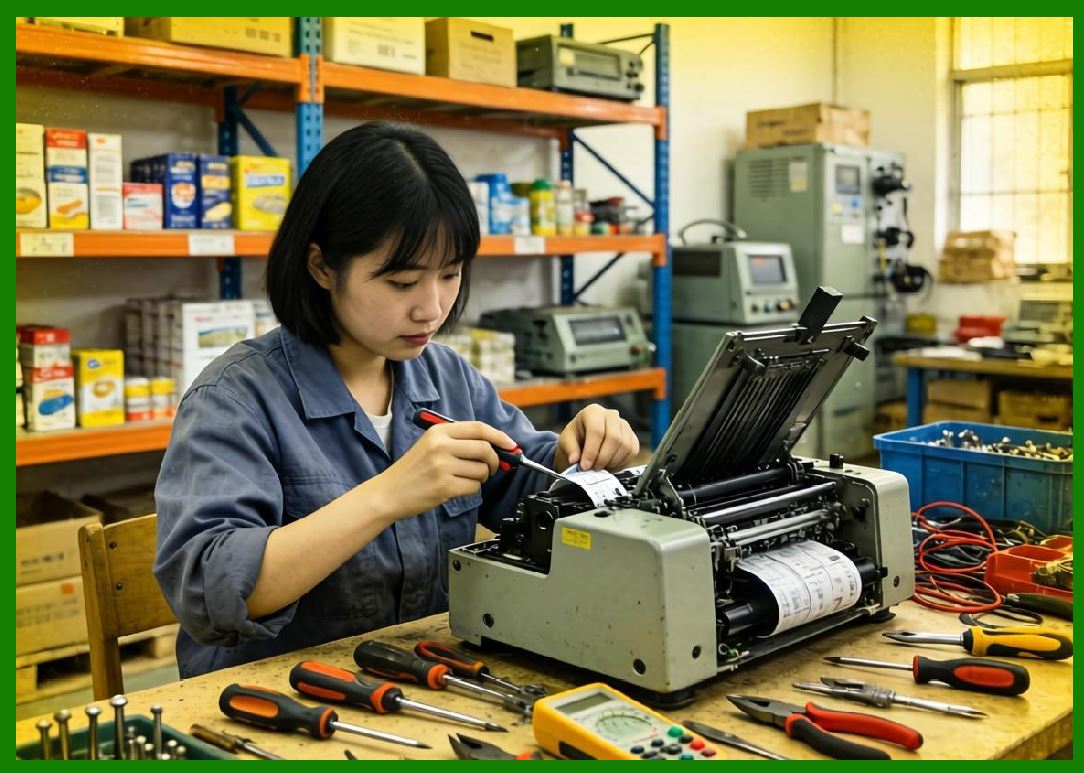
Herma developed specialized materials resistant to sterilization processes, refrigeration, moisture, alcohol exposure, and chemical disinfectants. |
|
6.4 |
Patient safety concerns significantly increased the importance of barcode labeling in healthcare. Hospitals and pharmacies rely heavily on barcode systems for medication verification, specimen tracking, patient identification, and inventory management. |
6.5 |
The company also engineered tamper-evident pharmaceutical labeling systems designed to improve product security and counterfeit protection. |
6.6 |
Laboratory environments represent another technically demanding application area. Specimen labels may encounter freezing temperatures, centrifugation processes, solvents, and long-term storage conditions. |
6.7 |
Herma expertise in pharmaceutical labeling strengthened its reputation for precision engineering and highly reliable industrial identification systems. |
|
7. Labeling Machinery and Industrial Automation |
7.1 |
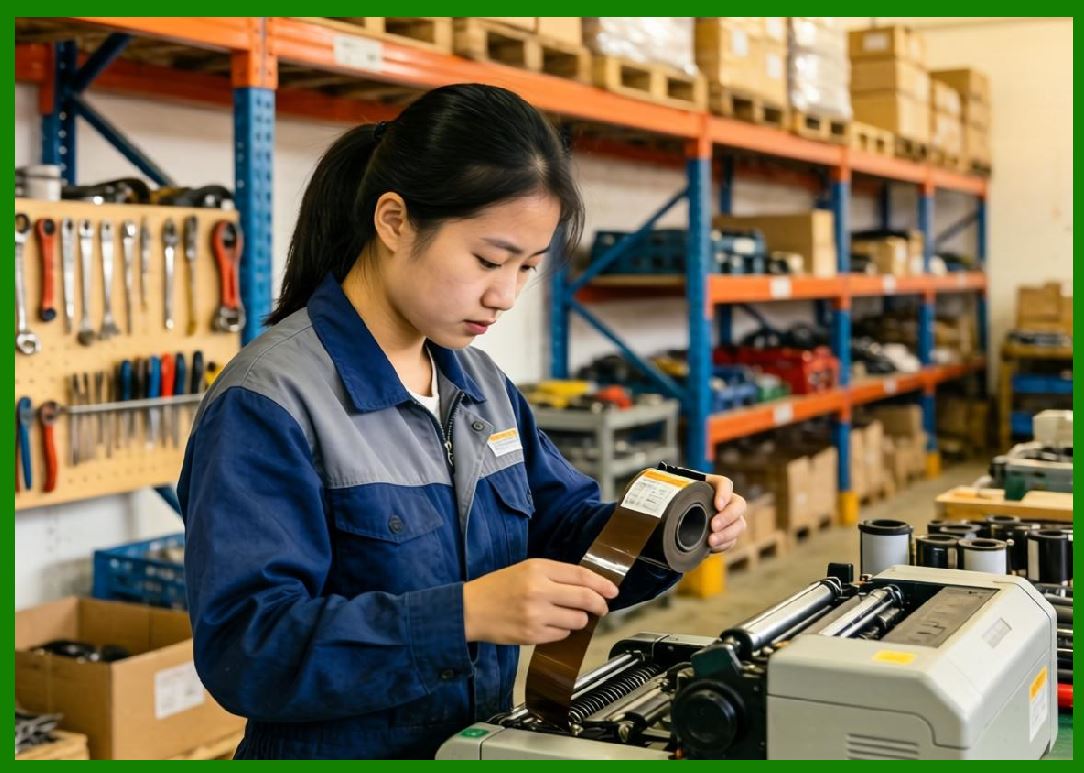
Unlike some label material manufacturers that focus exclusively on consumables, Herma also became a major developer of industrial labeling machinery and automated application systems. |
7.2 |
This integration between materials and machinery provided important technical advantages. Labels, adhesives, release liners, and dispensing equipment must operate together reliably under high-speed industrial conditions. |
7.3 |
Herma developed labeling machines for pharmaceutical packaging, food packaging, logistics operations, industrial manufacturing, and consumer goods production. |

|
7.4 |
Automated label application systems require extremely consistent material properties. Variations in liner release force, adhesive thickness, or label dimensions can cause application failures and production downtime. |
7.5 |
The company therefore optimized its label materials specifically for compatibility with automated dispensing systems and print-and-apply technologies. |
7.6 |
Machine vision and sensor technologies increasingly became integrated into industrial labeling equipment. Automated inspection systems help verify barcode readability, label placement accuracy, and application consistency. |
7.7 |
Herma expertise in industrial automation strengthened its position within the broader barcode and identification technology sector. |

|
8. Sustainability and Environmental Responsibility |
8.1 |
Sustainability became an increasingly important strategic priority for Herma during the late twentieth and early twenty-first centuries. European environmental regulations and customer expectations strongly influenced product development strategies. |
8.2 |
The company invested heavily in environmentally optimized label materials, recyclable constructions, reduced-waste manufacturing processes, and energy-efficient production systems. |
8.3 |
Release liner recycling became one important initiative. Silicone-coated liners historically represented a major waste stream in pressure-sensitive labeling operations. |

|
8.4 |
Herma also explored thinner liner technologies aimed at reducing material consumption and transportation emissions. |
8.5 |
The company increasingly adopted sustainable paper sourcing practices and environmentally certified forestry materials. |
8.6 |
Water-based adhesive systems and solvent-free coating technologies became important environmental development areas. |
8.7 |
Herma additionally worked on recycling-compatible label constructions designed to improve packaging recyclability and support circular economy initiatives. |

|
9. Advanced Manufacturing and Precision Engineering |
9.1 |
German manufacturing culture strongly influenced Herma industrial operations. Precision engineering, process control, quality assurance, and manufacturing consistency became defining characteristics of the company production systems. |
9.2 |
Modern pressure-sensitive label manufacturing requires extremely precise coating technologies. Adhesive layers and silicone coatings must maintain highly controlled thickness and uniformity. |
9.3 |
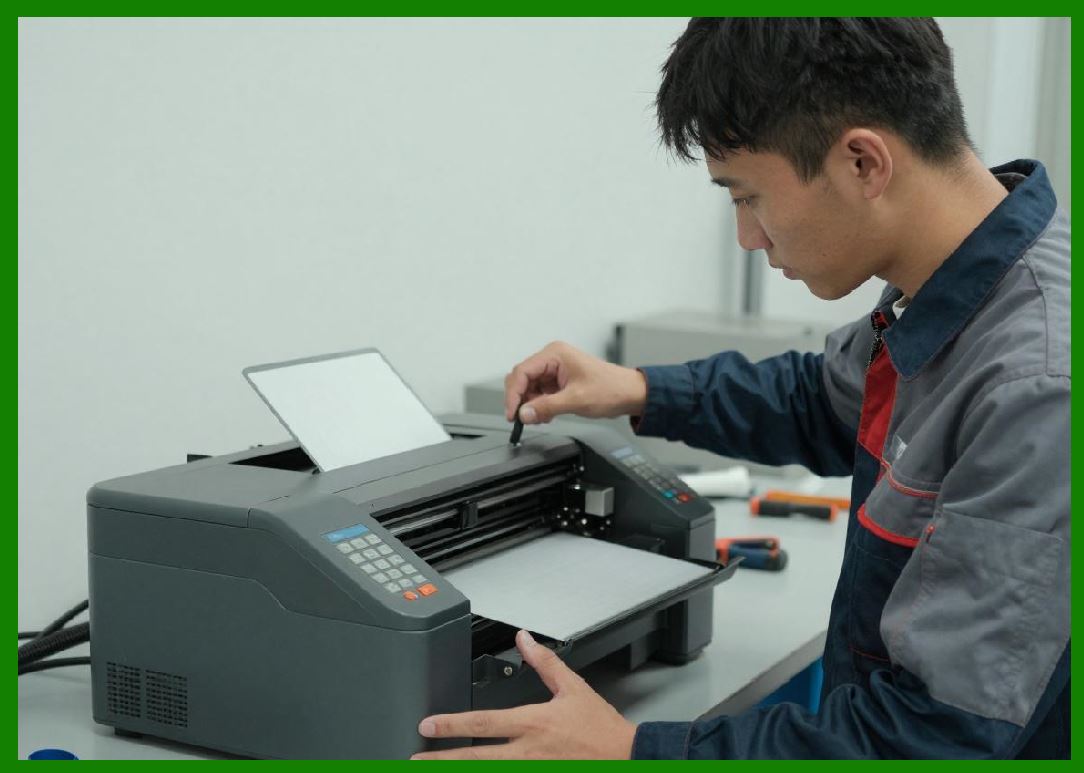
Herma invested in advanced coating equipment, automated inspection systems, and process monitoring technologies capable of maintaining tight production tolerances. |
|
9.4 |
Machine vision systems became increasingly important for detecting defects, surface irregularities, coating inconsistencies, and dimensional variations. |
9.5 |
The company also developed sophisticated converting systems involving slitting, die-cutting, laminating, and rewinding operations. |
9.6 |
Manufacturing consistency is especially critical in barcode applications because small surface defects or dimensional inaccuracies can negatively affect scanner performance. |
9.7 |
Herma emphasis on precision engineering helped establish the company as one of Europe premium-quality label material manufacturers. |

|
10. Industrial Applications of Herma Barcode Label Technologies |
10.1 |
Herma barcode label materials are used across numerous industries including pharmaceuticals, healthcare, logistics, retail, manufacturing, chemicals, food packaging, and consumer products. |
10.2 |
Logistics operations represent one of the company major application sectors. Warehouse labels, shipping labels, pallet identification systems, and inventory tracking labels require reliable thermal printing and scanner compatibility. |
10.3 |
Retail applications include shelf labeling, pricing labels, promotional labels, and inventory management systems. |

|
10.4 |
Industrial manufacturing environments require durable labels resistant to abrasion, oils, chemicals, and mechanical stress. |
10.5 |
Chemical labeling applications impose additional technical requirements involving solvent resistance, hazard identification durability, and outdoor stability. |
10.6 |
Food packaging systems require compliance with strict regulatory standards as well as resistance to refrigeration, freezing, and moisture exposure. |
10.7 |
The company healthcare and pharmaceutical applications remain especially important due to growing regulatory requirements for traceability and patient safety. |

|
11. Technological Research and Innovation |
11.1 |
Research and development play a central role in Herma long-term industrial strategy. The company continuously invests in adhesive chemistry, coating science, barcode performance optimization, and industrial automation technologies. |
11.2 |
Laboratories conduct extensive testing involving peel strength analysis, environmental aging studies, thermal resistance evaluation, moisture exposure testing, and scanner readability verification. |
11.3 |
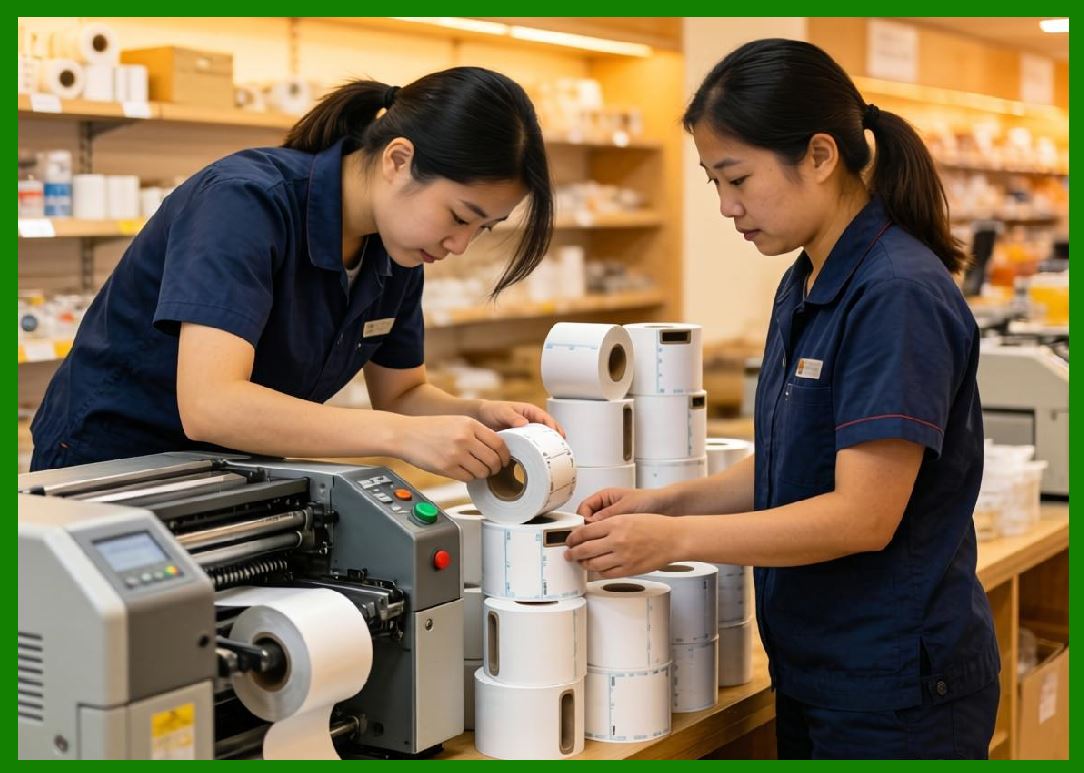
The company also researches compatibility with evolving printing technologies including digital printing systems, hybrid printing platforms, and advanced thermal printers. |
|
11.4 |
Future labeling systems increasingly require integration with RFID technologies, intelligent packaging systems, and supply chain automation infrastructure. |
11.5 |
Herma explored multifunctional labels capable of supporting both traditional barcode identification and electronic tracking technologies. |
11.6 |
The company additionally investigated advanced coatings, lightweight materials, and environmentally optimized label constructions. |
11.7 |
Innovation remains critical because barcode labeling environments continue becoming more demanding as global logistics systems grow increasingly automated and data-driven. |

|
12. Future Prospects of Herma |
12.1 |
The future of Herma will likely involve continued emphasis on precision engineering, sustainable materials development, pharmaceutical labeling technologies, and intelligent identification systems. |
12.2 |
RFID adoption may create new opportunities for hybrid barcode and electronic identification labels. |
12.3 |
Digital printing technologies are expected to continue expanding, increasing demand for highly versatile printable materials compatible with variable information printing systems. |

|
12.4 |
Sustainability regulations in Europe and internationally will likely accelerate demand for recyclable label constructions, renewable materials, and reduced-waste manufacturing systems. |
12.5 |
Automation trends in logistics, healthcare, and industrial manufacturing will require even higher levels of barcode scanning reliability and label durability. |
12.6 |
Smart packaging systems integrating sensors, authentication technologies, and cloud-based tracking may also become increasingly important. |
12.7 |
The pharmaceutical and healthcare sectors are expected to remain major growth areas due to increasing global regulatory requirements for traceability and anti-counterfeiting measures. |
12.8 |
Because of its strong engineering culture, advanced manufacturing capabilities, and long-standing expertise in self-adhesive technologies, Herma is expected to remain one of the world leading pressure-sensitive barcode label material manufacturers. |
|
Detailed Technical Content Summary of Part 5 |
This part provided a detailed examination of Herma, one of Germany most important manufacturers of self-adhesive materials, barcode label technologies, and industrial labeling systems. The discussion began with an overview of Herma historical importance within the European pressure-sensitive labeling industry and its strong foundation in German precision engineering traditions. |
The article explored the company founding history in 1906 by Heinrich Hermann and Paul Mantel, tracing its evolution from paper products into advanced self-adhesive technologies and industrial labeling systems. Significant attention was given to the development of pressure-sensitive label constructions, adhesive systems, precision coating technologies, and die-cutting processes. |
The section analyzed Herma expansion into barcode label materials during the global growth of barcode systems in retail, logistics, healthcare, and manufacturing industries. The discussion included direct thermal labels, thermal transfer systems, topcoat technologies, and scanner-compatible surfaces. |
A major portion of the article focused on adhesive science and technical innovations, including permanent adhesives, removable systems, pharmaceutical adhesives, cold-temperature labeling technologies, and environmentally optimized formulations. The company leadership in pharmaceutical and healthcare labeling was examined extensively, including sterilization-resistant labels, laboratory identification systems, and patient safety applications. |
The article also explored Herma development of industrial labeling machinery and automated application systems, highlighting the integration between materials engineering and automation technologies. Sustainability initiatives, advanced manufacturing systems, machine vision inspection technologies, and precision engineering practices were also discussed in detail. |
Finally, the article reviewed Herma industrial applications, ongoing research activities, and future prospects involving RFID integration, smart packaging, digital printing, pharmaceutical traceability, and sustainable materials engineering. |
End of Part 5. |
 cs@easiersoft.com