Part 9 |
UPM Raflatac Sustainable Self-Adhesive Materials, RFID-Integrated Barcode Label Systems, Forest-Based Bioeconomy Innovation, and Global Pressure-Sensitive Label Technologies |
1. Introduction to UPM Raflatac and Its Global Importance |
1.1 |
UPM Raflatac is one of the world most influential manufacturers of self-adhesive label materials and pressure-sensitive barcode labeling technologies. As part of the larger UPM-Kymmene Corporation, UPM Raflatac became internationally recognized for combining advanced label engineering with sustainable forestry resources, bio-based materials innovation, industrial coating technologies, and smart identification systems. |
1.2 |
The company occupies a particularly important position within the global logistics, retail, pharmaceutical, food packaging, industrial manufacturing, and transportation industries. Its self-adhesive materials support billions of barcode labels used in product identification, inventory management, warehouse automation, retail tracking, and supply chain visibility systems worldwide. |

|
1.3 |
Unlike companies focused primarily on traditional paper manufacturing, UPM Raflatac developed a highly specialized business centered around self-adhesive labelstock technologies. The company became known for its expertise in facestock engineering, adhesive chemistry, release liner manufacturing, RFID integration, and environmentally optimized label constructions. |
1.4 |
UPM Raflatac also became one of the strongest advocates for sustainability within the pressure-sensitive labeling industry. The company invested heavily in renewable materials, recycling systems, low-carbon manufacturing, liner recycling programs, and circular economy initiatives. |

|
1.5 |
One of the company major strengths lies in its ability to integrate paper science, adhesive engineering, polymer technology, release liner manufacturing, and smart identification systems into complete labeling solutions. |
1.6 |
Today, UPM Raflatac is recognized as one of the world leading producers of pressure-sensitive label materials for barcode labels, RFID labels, logistics systems, industrial identification technologies, and sustainable packaging applications. |

|
2. Historical Development and Corporate Background |
2.1 |
UPM Raflatac originated from Finland highly developed forestry and paper industries. Finland has long been internationally respected for its expertise in forestry management, paper manufacturing, wood processing, and sustainable natural resource utilization. |
2.2 |
The company roots can be traced to Raflatac, a business originally associated with label materials and self-adhesive technologies. Over time, the organization evolved and became integrated into UPM-Kymmene Corporation, one of Europe largest forest industry companies. |
2.3 |
The broader UPM organization developed through mergers and industrial expansion involving multiple Finnish forestry and paper companies. This consolidation created a powerful industrial group with expertise spanning pulp production, paper engineering, specialty materials, biofuels, packaging systems, and industrial coatings. |

|
2.4 |
As global logistics systems expanded during the late twentieth century, demand increased rapidly for high-quality pressure-sensitive label materials capable of supporting barcode printing and automated identification technologies. |
2.5 |
UPM Raflatac recognized that self-adhesive labelstock would become strategically important for retail, transportation, warehousing, healthcare, and industrial manufacturing systems. |
2.6 |
The company therefore invested heavily in advanced coating systems, pressure-sensitive adhesives, release liner technologies, thermal label materials, and industrial converting infrastructure. |
2.7 |
Global expansion allowed UPM Raflatac to establish manufacturing, distribution, and technical support operations across Europe, Asia, North America, Latin America, and other international markets. |

|
3. Self-Adhesive Labelstock Technologies |
3.1 |
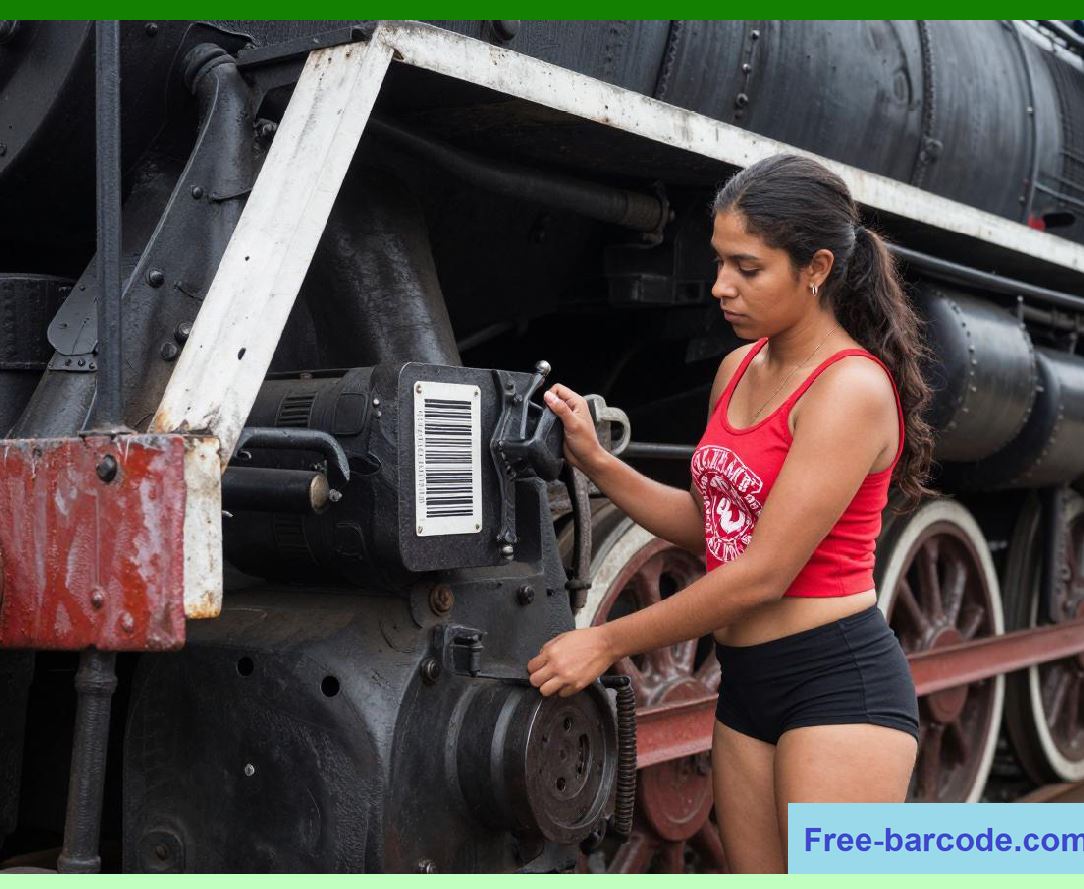
Self-adhesive labelstock became the foundation of UPM Raflatac business model and technological expertise. Labelstock refers to the multilayer construction used to manufacture pressure-sensitive labels. |
3.2 |
A typical labelstock construction consists of: |
1. Facestock material |
2. Pressure-sensitive adhesive |
3. Silicone release coating |
4. Release liner substrate |
3.3 |
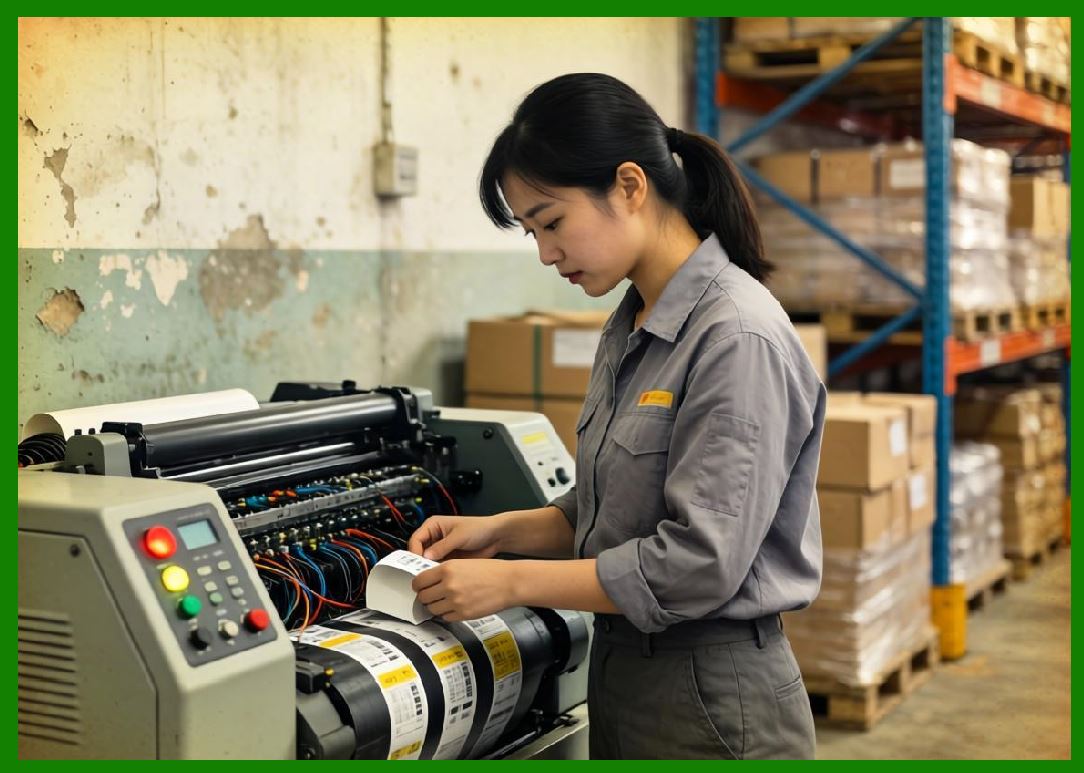
UPM Raflatac developed highly engineered labelstock systems optimized for barcode printing, automated dispensing, industrial durability, and environmental performance. |
|
3.4 |
Facestock engineering became one of the company major technical strengths. Different applications require different surface properties, print receptivity, flexibility, moisture resistance, and dimensional stability. |
3.5 |
The company manufactured paper-based barcode label materials, film-based label constructions, thermal papers, durable industrial labels, and specialty identification systems. |
3.6 |
Release liner technologies also became critically important because high-speed automated labeling systems require extremely consistent dispensing behavior. |
3.7 |
UPM Raflatac expertise in multilayer engineering allowed the company to optimize interactions between adhesives, coatings, liners, and printing systems. |

|
4. Barcode Label Materials and Printing Technologies |
4.1 |
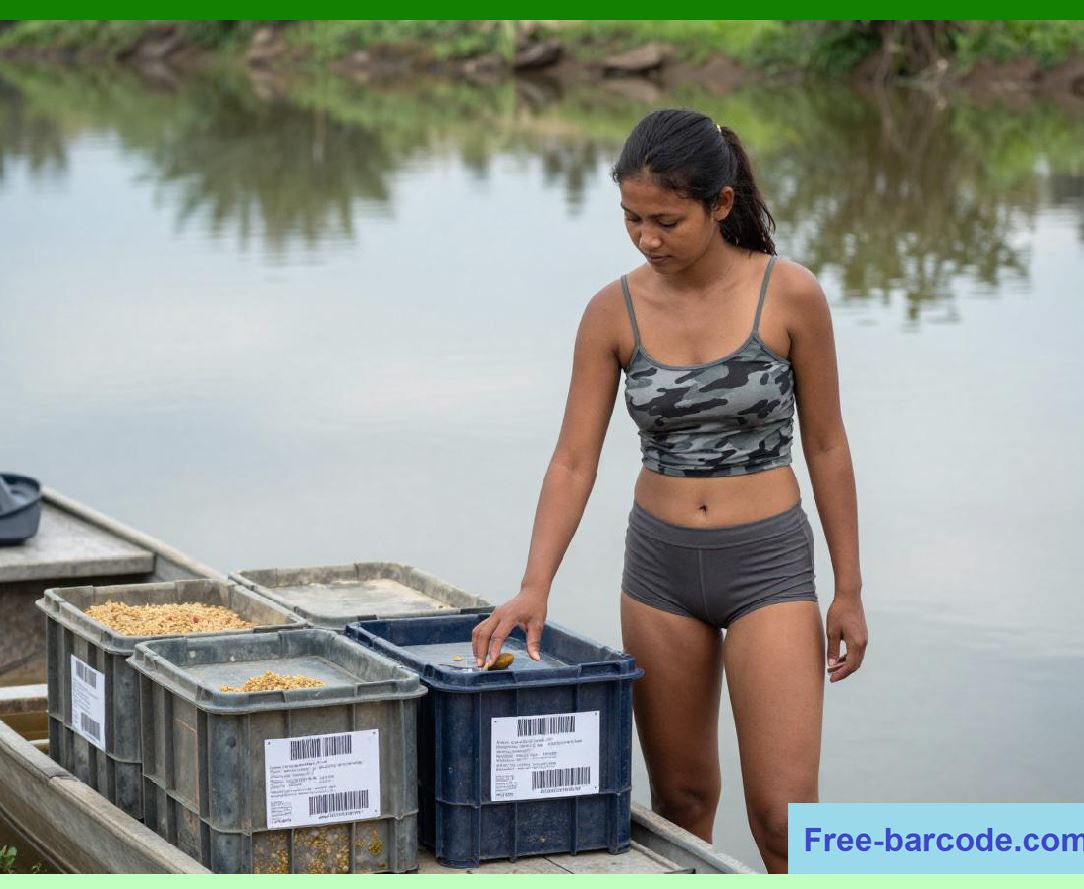
Barcode labeling systems require highly controlled surface characteristics to ensure scanner readability, print sharpness, and long-term durability. UPM Raflatac developed numerous materials optimized specifically for barcode applications. |
4.2 |
Direct thermal label technologies became one of the company major product categories. These materials are widely used in shipping labels, warehouse identification systems, retail pricing, transportation labels, and logistics tracking applications. |
4.3 |
The company engineered thermal-sensitive coatings capable of producing high-contrast machine-readable barcode images under thermal printhead exposure. |

|
4.4 |
Environmental resistance became an important technical challenge because thermal images can degrade when exposed to heat, moisture, ultraviolet light, oils, and chemicals. |
4.5 |
UPM Raflatac therefore developed protective topcoats and advanced thermal formulations designed to improve image stability and durability. |
4.6 |
Thermal transfer barcode labels represented another major innovation area. Thermal transfer systems provide higher durability and are widely used in industrial manufacturing and long-term asset identification applications. |
4.7 |
The company optimized facestock surfaces for compatibility with wax, wax-resin, and resin thermal transfer ribbons. |
4.8 |
Scanner performance optimization also became increasingly important as logistics systems adopted high-speed automated barcode reading technologies. |
|
5. Adhesive Technologies and Surface Bonding Science |
5.1 |
Pressure-sensitive adhesives represent one of the most technically sophisticated aspects of label manufacturing. UPM Raflatac invested heavily in adhesive research involving polymer chemistry, rheology, surface interactions, and environmental durability. |
5.2 |
The company developed extensive adhesive product categories including: |
1. Permanent adhesives |
2. Removable adhesives |
3. Repositionable adhesives |
4. Freezer-grade adhesives |
5. High-tack adhesives |
6. Wash-off adhesives |
7. Food-safe adhesives |
8. Industrial-grade bonding systems |
5.3 |
Different packaging materials present different adhesion challenges. Labels may be applied to cardboard, plastics, metals, glass, flexible films, or rough industrial surfaces. |
|
5.4 |
UPM Raflatac optimized adhesive formulations for cold-chain logistics systems where labels must maintain performance under refrigeration and freezing temperatures. |
5.5 |
The company also developed adhesives compatible with high-speed automated application systems and variable industrial conditions. |
5.6 |
Environmental sustainability increasingly influenced adhesive development. Wash-off adhesives became important in recyclable packaging systems because they allow labels to separate cleanly during recycling processes. |
5.7 |
The company additionally researched renewable raw materials and low-emission adhesive chemistries aimed at reducing environmental impact. |

|
6. Release Liners and Silicone Coating Technologies |
6.1 |
Release liners are essential structural components in pressure-sensitive barcode labels. UPM Raflatac became one of the world leading developers of release liner systems and silicone coating technologies. |
6.2 |
Release liners must provide controlled separation between the adhesive layer and the liner surface. Reliable dispensing behavior is critical in automated printing and labeling operations. |
6.3 |
The company manufactured release liners using: |
1. Glassine papers |
2. Kraft papers |
3. Clay-coated papers |
4. Polyester film liners |
5. Specialty engineered substrates |

|
6.4 |
Silicone release coatings require highly precise application because release force consistency directly affects label dispensing performance. |
6.5 |
UPM Raflatac optimized release systems for different adhesive chemistries, industrial application speeds, and environmental conditions. |
6.6 |
Liner thickness reduction became an important sustainability and logistics initiative because thinner liners improve roll efficiency and reduce transportation costs. |
6.7 |
The company also became a global leader in liner recycling programs designed to reduce waste generated by pressure-sensitive labeling systems. |

|
7. RFID Integration and Smart Label Technologies |
7.1 |
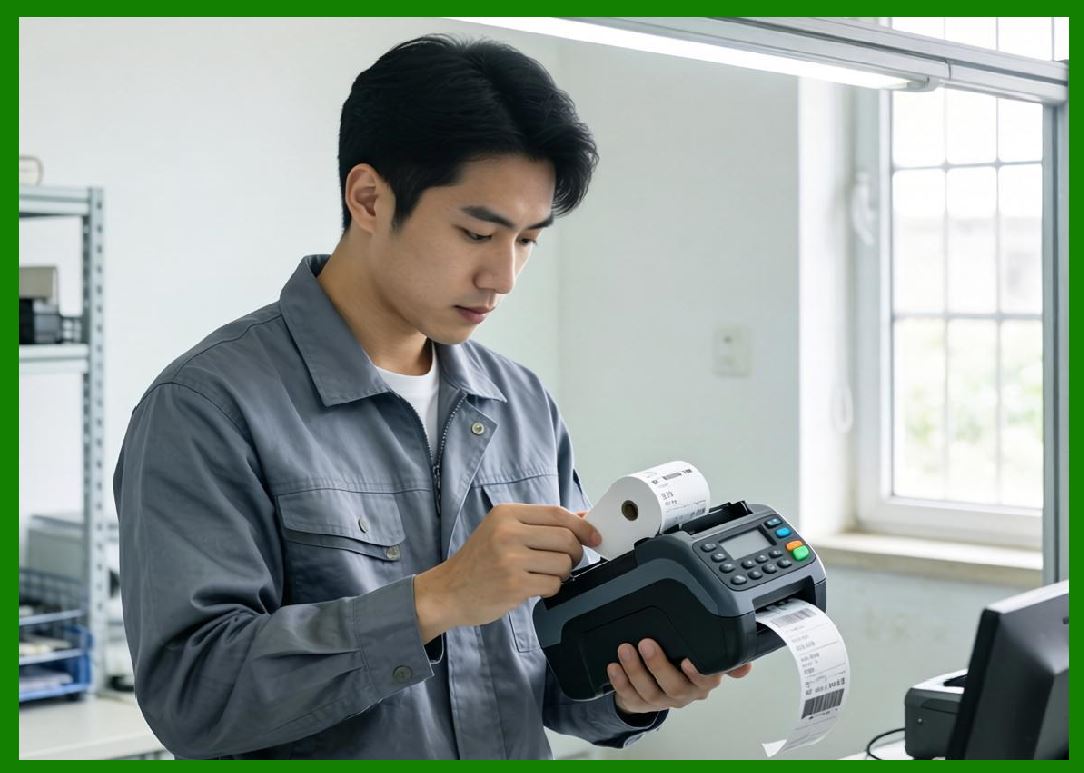
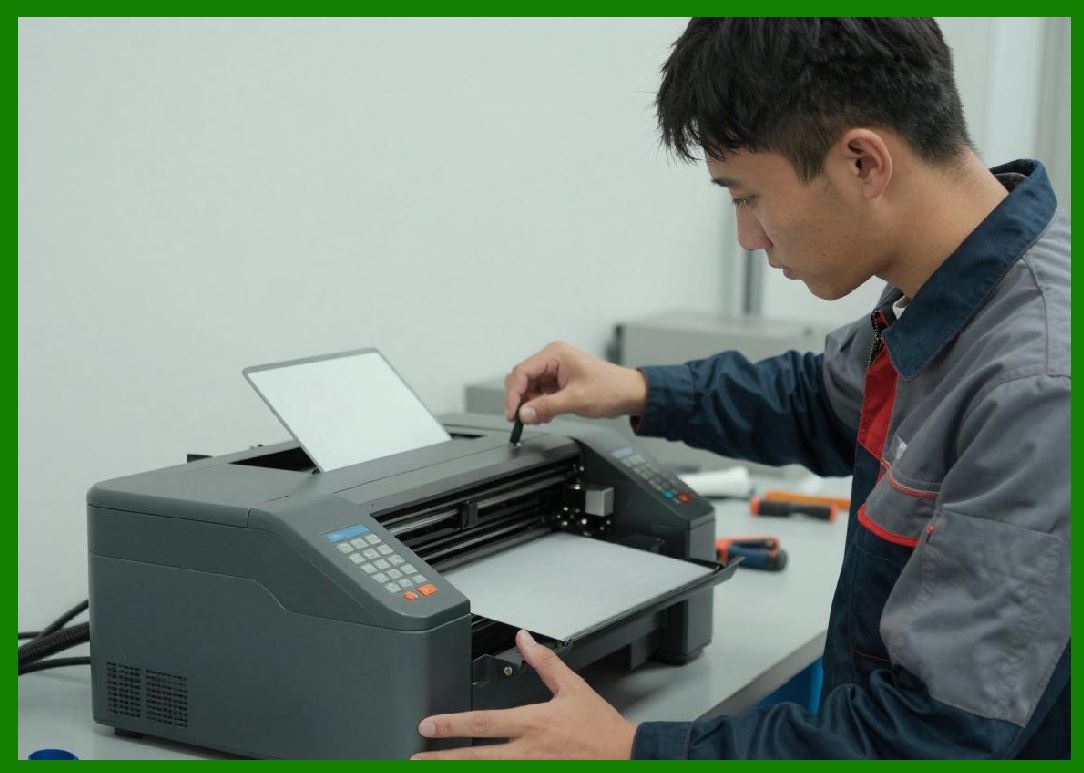
One of UPM Raflatac most important technological advancements involved RFID-integrated label systems. RFID technologies increasingly complement traditional barcode systems in modern logistics and industrial automation. |
7.2 |
RFID labels contain embedded electronic chips and antennas capable of wireless data transmission. Unlike barcodes, RFID systems do not require direct optical line-of-sight scanning. |
7.3 |
UPM Raflatac developed hybrid label systems combining traditional barcode printing with RFID functionality. |
7.4 |
These technologies became especially important in: |
1. Warehouse automation |
2. Retail inventory systems |
3. Pharmaceutical traceability |
4. Industrial asset tracking |
5. Transportation logistics |
6. Supply chain visibility systems |
|
7.5 |
The company engineered RFID-compatible label constructions optimized for antenna performance, adhesive compatibility, and industrial durability. |
7.6 |
Integration of RFID with conventional barcode systems allowed businesses to maintain compatibility with existing infrastructure while expanding automation capabilities. |
7.7 |
UPM Raflatac became one of the world leading suppliers of RFID-enabled pressure-sensitive label materials. |
|
8. Sustainability Leadership and Circular Economy Strategies |
8.1 |
Sustainability became one of the defining characteristics of UPM Raflatac corporate strategy. The company positioned itself as a leader in environmentally responsible label manufacturing and circular economy innovation. |
8.2 |
As part of a forest-based industrial group, UPM Raflatac strongly emphasized renewable raw materials, sustainable forestry management, and bio-based industrial systems. |
8.3 |
The company invested heavily in reducing greenhouse gas emissions, improving manufacturing efficiency, and minimizing waste generation. |
8.4 |
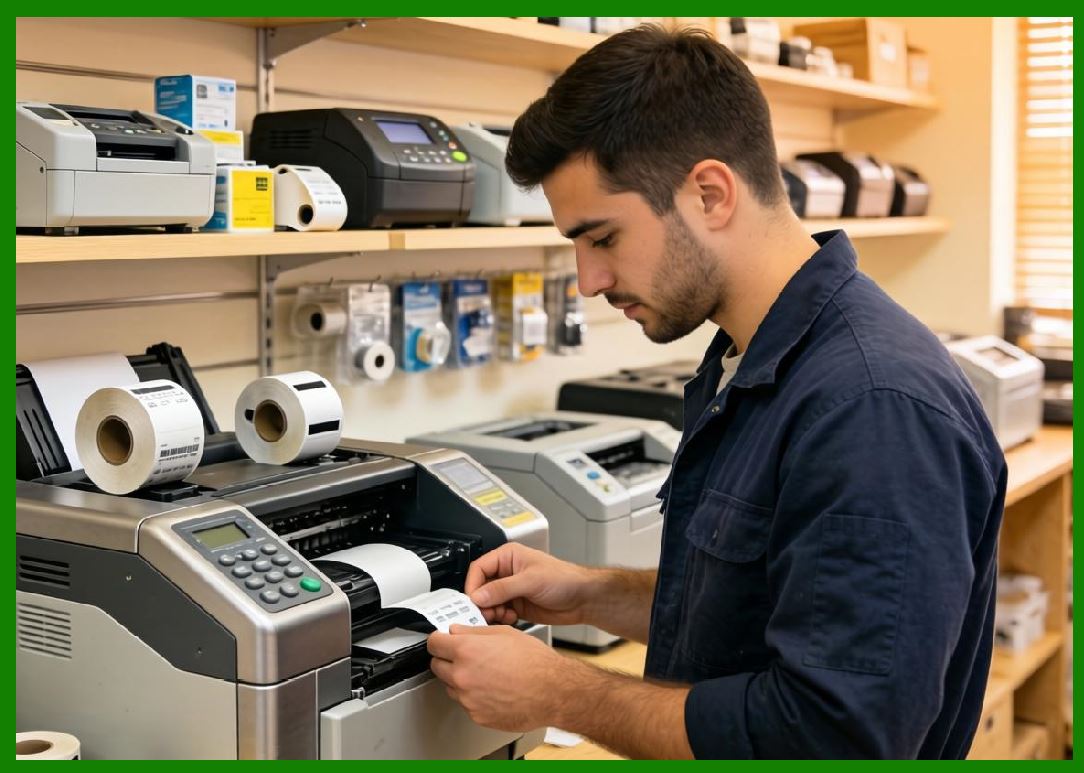
One of the company most important environmental initiatives involved its global liner recycling program. Silicone-coated release liners historically created major waste streams in pressure-sensitive labeling operations. |
|
8.5 |
UPM Raflatac established systems allowing customers to recycle used release liners into new paper products and industrial materials. |
8.6 |
The company also explored bio-based facestock materials, renewable adhesives, recyclable label constructions, and environmentally optimized packaging systems. |
8.7 |
Carbon footprint reduction became increasingly important as global supply chains sought more sustainable packaging and logistics solutions. |
8.8 |
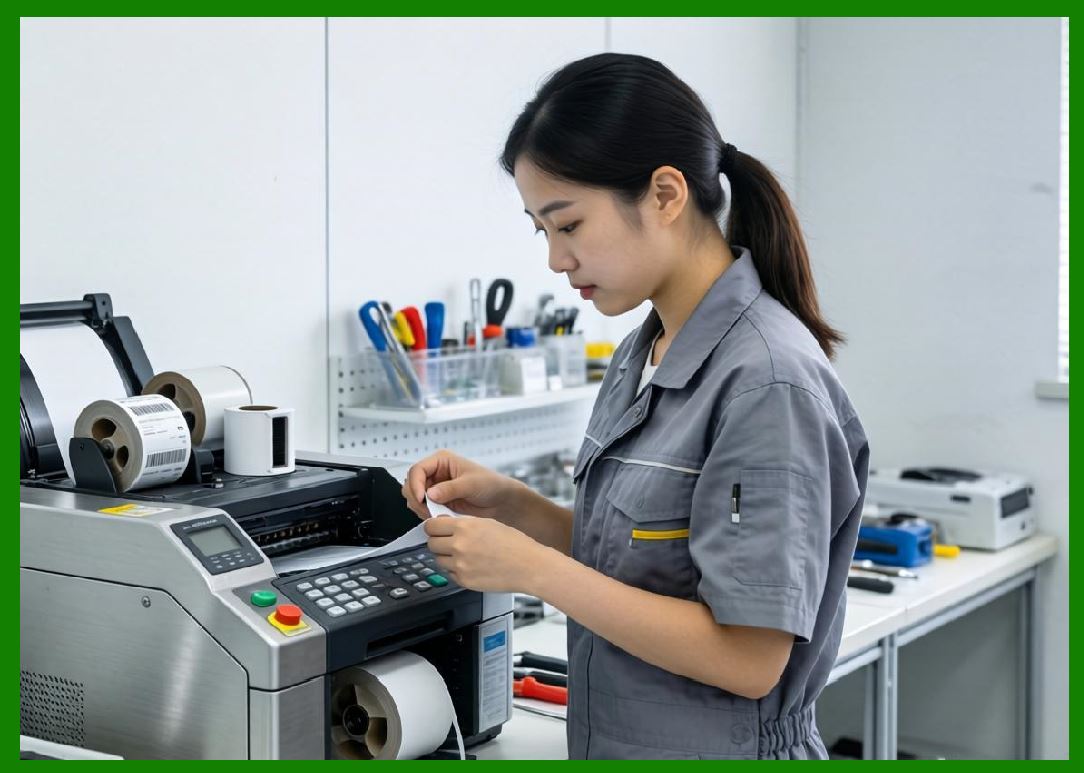
UPM Raflatac additionally promoted lifecycle analysis methodologies to evaluate environmental impacts across the full lifespan of label products. |
|
9. Food Packaging and Pharmaceutical Labeling Applications |
9.1 |
Food packaging and pharmaceutical industries became major application sectors for UPM Raflatac barcode label technologies. |
9.2 |
Food packaging labels require compliance with strict regulatory standards related to safety, migration limits, moisture resistance, refrigeration performance, and durability. |
9.3 |
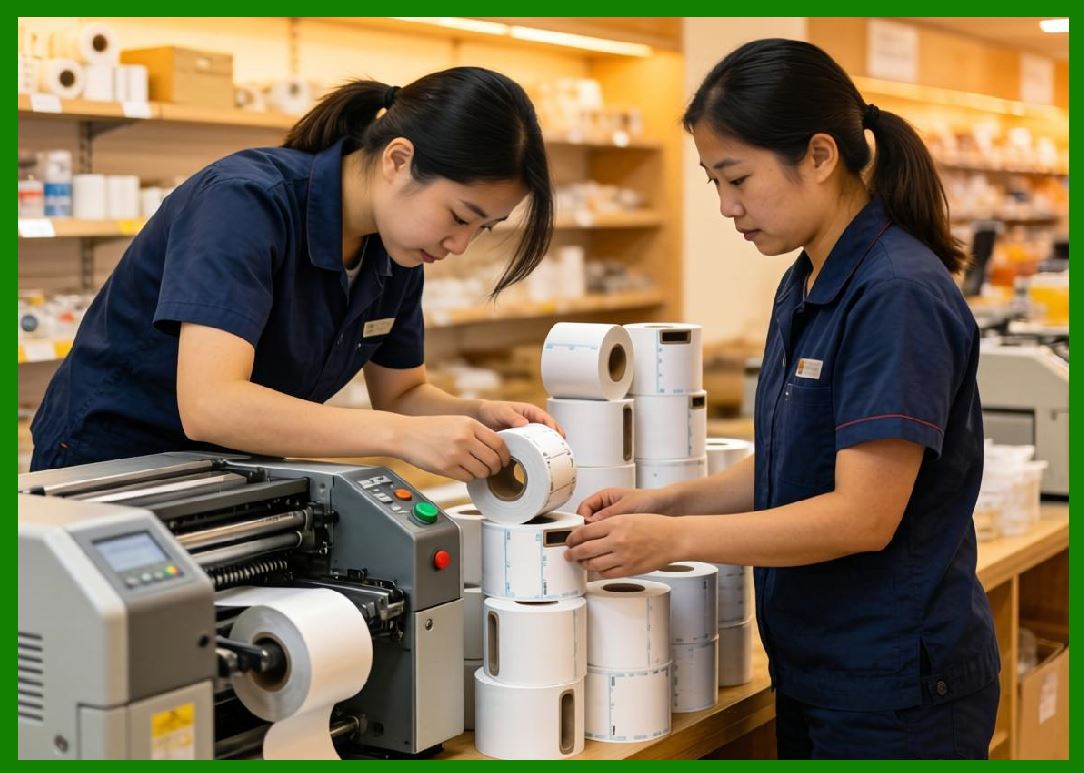
The company developed food-safe adhesive systems and specialized facestock materials suitable for refrigerated and frozen packaging environments. |
|
9.4 |
Pharmaceutical labeling imposes even more demanding technical requirements involving traceability, sterilization resistance, anti-counterfeiting protection, and long-term barcode readability. |
9.5 |
Healthcare systems increasingly depend on barcode identification technologies for medication verification, inventory management, patient safety, and laboratory tracking. |
9.6 |
UPM Raflatac engineered durable pharmaceutical barcode materials resistant to chemicals, alcohol exposure, refrigeration, and sterilization processes. |
9.7 |
These application sectors strengthened the company reputation for highly reliable industrial-grade identification technologies. |
|
10. Industrial Manufacturing and Logistics Applications |
10.1 |
Industrial manufacturing and logistics systems represent some of the largest global markets for UPM Raflatac barcode materials. |
10.2 |
Warehouse automation systems require highly reliable barcode readability because identification failures can disrupt inventory management and transportation operations. |
10.3 |
The company developed durable logistics labels optimized for shipping cartons, pallets, industrial containers, and transportation packaging systems. |
|
10.4 |
Corrugated packaging applications require adhesives capable of bonding reliably to rough and porous surfaces. |
10.5 |
Cold-chain logistics systems impose additional technical challenges because labels must maintain adhesion and print readability under freezing conditions. |
10.6 |
The company also supported industrial asset management systems requiring long-term durable identification labels resistant to environmental exposure. |
10.7 |
Global e-commerce growth dramatically increased demand for pressure-sensitive shipping labels and logistics identification systems, creating major expansion opportunities. |

|
11. Research, Innovation, and Manufacturing Excellence |
11.1 |
Research and development became central components of UPM Raflatac industrial strategy. The company invested extensively in coating technologies, adhesive chemistry, paper engineering, RFID integration, and sustainable materials science. |
11.2 |
Advanced laboratories conducted testing involving barcode readability, environmental aging, adhesive performance, moisture resistance, thermal stability, and scanner compatibility. |
11.3 |
The company also invested heavily in automated manufacturing systems, machine vision inspection technologies, and precision coating infrastructure. |
11.4 |
Manufacturing consistency is critically important in barcode label production because even small coating or dimensional variations can negatively affect scanner performance. |
|
11.5 |
UPM Raflatac additionally collaborated with logistics companies, retailers, packaging manufacturers, and industrial automation firms to optimize product performance. |
11.6 |
Innovation in sustainability engineering became increasingly important as customers demanded environmentally optimized packaging solutions. |
11.7 |
The company combination of materials science, forestry expertise, and industrial engineering strengthened its competitive position within the global pressure-sensitive label industry. |

|
12. Future Prospects of UPM Raflatac |
12.1 |
The future development of UPM Raflatac will likely continue emphasizing sustainability, smart identification systems, renewable materials, and intelligent supply chain technologies. |
12.2 |
RFID integration is expected to expand significantly in retail, logistics, healthcare, and industrial automation sectors. |
12.3 |
Circular economy initiatives may increase demand for recyclable label constructions, renewable adhesives, and bio-based facestock materials. |

|
12.4 |
Digital printing technologies will likely continue influencing barcode label surface engineering and coating development. |
12.5 |
Global e-commerce growth is expected to sustain strong demand for shipping labels and logistics identification systems. |
12.6 |
Industry 4.0 automation trends may increase demand for machine-readable labels integrated with cloud-based inventory and manufacturing systems. |
12.7 |
Environmental regulations are expected to encourage continued innovation in liner recycling, carbon reduction, and renewable materials engineering. |
12.8 |
Because of its strong expertise in self-adhesive technologies, RFID systems, sustainable materials science, and industrial label engineering, UPM Raflatac is expected to remain one of the world leading pressure-sensitive barcode label manufacturers. |
|
Detailed Technical Content Summary of Part 9 |
This part provided a detailed examination of UPM Raflatac and its major contributions to the global pressure-sensitive barcode label industry. The article introduced UPM Raflatac as one of the world leading self-adhesive labelstock manufacturers with strong expertise in sustainable forestry resources, adhesive engineering, release liner systems, and RFID-integrated labeling technologies. |
The discussion explored the company historical origins within Finland forestry and paper industries and examined its evolution into a global supplier of self-adhesive barcode label materials. Significant attention was given to multilayer labelstock technologies involving facestocks, adhesives, silicone coatings, and release liners. |
The article extensively analyzed barcode label materials and printing technologies, including direct thermal labels, thermal transfer systems, scanner optimization, and environmental durability improvements. A major portion focused on adhesive science, including permanent adhesives, freezer-grade systems, wash-off adhesives, and sustainable bonding technologies. |
Release liner engineering and silicone coating technologies were discussed in detail, including glassine liners, kraft liners, controlled release systems, lightweight liners, and recycling programs. The article also examined UPM Raflatac leadership in RFID-integrated smart labels and hybrid barcode-RFID systems used in logistics and supply chain automation. |
Additional sections covered sustainability leadership, circular economy strategies, food packaging applications, pharmaceutical labeling, industrial logistics systems, manufacturing excellence, and research activities. |
Finally, the article reviewed future prospects involving RFID expansion, renewable materials, Industry 4.0 automation, smart packaging, sustainable manufacturing, and intelligent supply chain technologies. |
End of Part 9. |
 cs@easiersoft.com