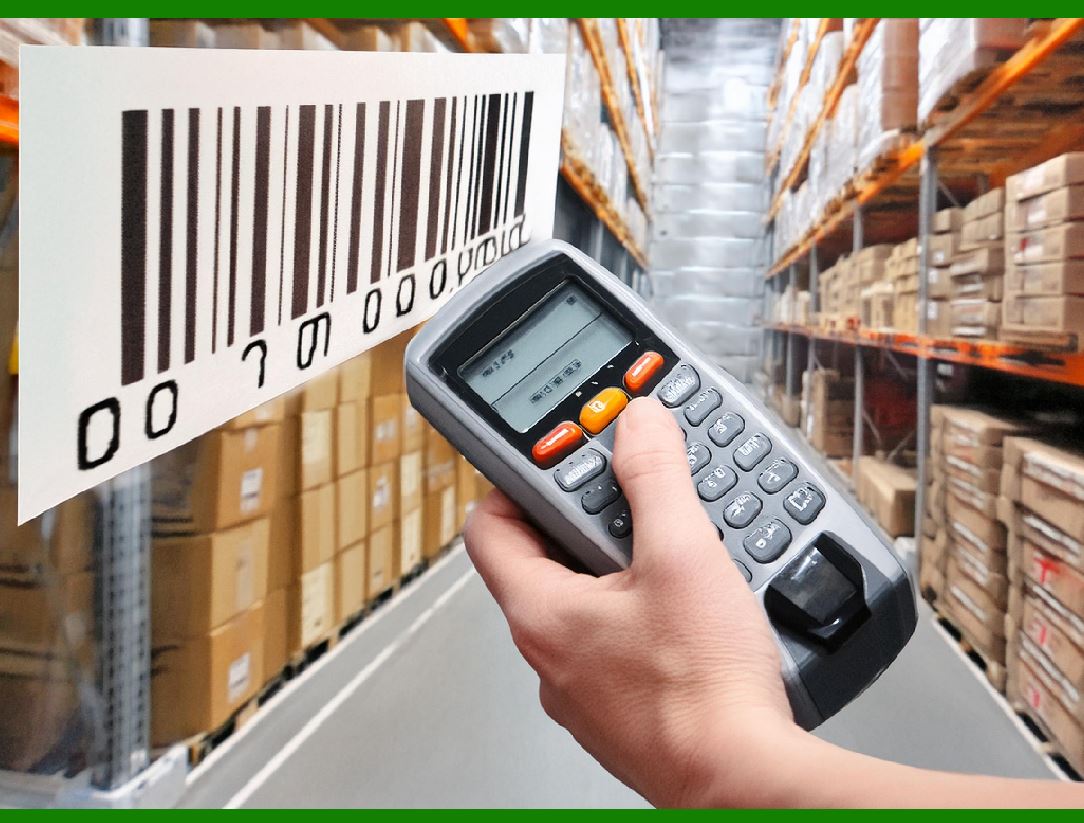
Barcode labels are a vital part of logistics, inventory management, product labeling, and tracking across a wide range of industries. The durability of these labels can make a significant difference in their functionality, especially when the labels are exposed to harsh conditions. For applications requiring enhanced resistance to external elements such as oil, moisture, scratches, and tears, the selection of an appropriate barcode label paper is crucial. This detailed description focuses on labels designed for the following properties: oil-resistance, waterproofness, and resistance to scratches and tears. These labels are primarily made from advanced materials, which offer superior durability in environments that would typically damage or degrade standard paper labels. |
|
1. Introduction to Durable Barcode Labels |
Barcode labels are used extensively across numerous industries such as manufacturing, retail, healthcare, and logistics. Traditional barcode labels are typically made from paper or synthetic materials. While paper labels are sufficient in many environments, some applications demand greater resilience to physical damage or exposure to environmental factors like moisture and oils. |
Durable barcode labels, which are often engineered for specific conditions, provide enhanced resistance against wear and tear, moisture, oils, and other elements that can degrade the label over time. The combination of these properties makes them highly suitable for industrial, outdoor, and high-stress environments where standard paper labels would fail to maintain readability or adhesion. |

|
2. Oil-Resistant Barcode Labels |
2.1 Material Composition for Oil Resistance |
Oil-resistant barcode labels are primarily constructed from polyester or other synthetic polymer films that are engineered to resist the absorption of oils, fats, and grease. Unlike standard paper labels, which can absorb liquids and cause the ink to smudge or fade, oil-resistant labels are designed with a smooth, non-porous surface. The primary material used for these labels is typically polyester film, which is highly resistant to oil and grease. |
Polyester is a robust thermoplastic polymer, which gives the material high tensile strength, durability, and flexibility. The non-absorbent nature of polyester makes it an excellent choice for environments where oil and grease are prevalent, such as automotive workshops, manufacturing plants, warehouses dealing with machinery or chemicals, and food production facilities. The ability of the polyester to resist oil ensures that the label's integrity remains intact, even when exposed to greasy or oily surfaces. The oil does not penetrate the surface of the label, preventing smearing, fading, or complete degradation of the barcode and text information. |
2.2 Adhesive Technology for Oil-Resistance |
The adhesive used in oil-resistant barcode labels is also crucial for maintaining the label's functionality. Specialized adhesives are applied that do not lose their adhesive properties when exposed to oils or greases. These adhesives are often formulated to remain effective under challenging conditions, including oily environments, ensuring that the label adheres securely to the surface, whether it's a product, equipment, or packaging. |
The adhesive on these labels is typically pressure-sensitive, which allows for easy application without the need for heat or solvents. This feature is important in industrial environments where it may not be practical or safe to use heat or chemical adhesives. The oil-resistant adhesive remains effective even in conditions where other adhesives might fail due to contamination by oils or grease. |
2.3 Applications of Oil-Resistant Labels |
Oil-resistant barcode labels are ideal for a wide variety of applications where exposure to oils or grease is a concern. These include: |
Automotive and Industrial Applications: Machinery, engines, and automotive parts often come into contact with oils, lubricants, and grease. The labels must retain their legibility and adhesion, even when exposed to these substances. |
Food Production and Processing: In environments where food products are processed or packaged, oil-resistant labels can ensure that packaging information, expiration dates, and barcodes remain intact despite contact with food oils and greases. |
Manufacturing: For labeling equipment or parts in manufacturing settings where oils and other chemicals are used frequently, oil-resistant labels ensure that barcode readability is maintained. |
|
3. Waterproof Barcode Labels |
3.1 Material Composition for Waterproofness |
Waterproof barcode labels are engineered to withstand exposure to moisture and liquid without deteriorating. These labels are typically made from high-quality synthetic materials, including polyester or vinyl, which offer inherent resistance to water and moisture. |
Polyester film, as mentioned earlier, is a common material used for waterproof barcode labels. It is naturally resistant to water due to its non-porous, smooth surface. Vinyl is another material used for waterproof labels, as it also resists water absorption and maintains its integrity in wet environments. |
The design of waterproof barcode labels incorporates a layer of protective coating that enhances the waterproof qualities of the label. This coating prevents water from seeping into the label, thus ensuring that the barcode and text remain visible and scannable, even after prolonged exposure to water. Whether exposed to rain, washing, or even immersion in liquids, waterproof barcode labels continue to function without distortion. |
3.2 Adhesive Technology for Waterproofness |
Just as with oil-resistant labels, the adhesive on waterproof barcode labels must be capable of withstanding wet conditions without losing its bonding ability. Waterproof adhesives are specifically designed to resist the effects of moisture and remain effective even when submerged in water or exposed to constant humidity. |
The adhesives used in waterproof barcode labels are typically water-based, meaning that they do not break down or lose adhesion when exposed to moisture. This is essential in environments where products or assets are stored outdoors, or in refrigerated or frozen environments where condensation could damage other types of labels. |
3.3 Applications of Waterproof Labels |
Waterproof barcode labels are used in environments where items are exposed to moisture, water, or high humidity. Some key applications include: |
Outdoor Equipment and Assets: Equipment or tools used outdoors, such as machinery, construction tools, or agricultural devices, can benefit from waterproof barcode labels. These labels can withstand rain, snow, or extreme weather conditions without damage. |
Cold Storage and Refrigeration: Labels used in food and pharmaceutical industries, where items are stored in cold or humid conditions, need to be waterproof to maintain readability and adherence. Labels on refrigerated or frozen products require durable waterproof materials to stay intact under low-temperature conditions. |
Marine and Aquatic Environments: For items in maritime industries, waterproof barcode labels can be used to label equipment, containers, or parts exposed to saltwater or fresh water. |
|
4. Scratch and Tear Resistance |
4.1 Material Composition for Scratch and Tear Resistance |
Scratch and tear-resistant barcode labels are constructed from durable materials such as polyester, vinyl, and polypropylene. These materials are known for their high tensile strength and resistance to mechanical damage. Polyester, in particular, is renowned for its toughness, making it an excellent material choice for environments where labels are exposed to physical stress. |
The construction of scratch-resistant labels often includes a protective overlay or coating that enhances their durability. This top coating prevents the surface of the label from becoming scratched or abraded during handling, which is crucial for maintaining legibility over time. The materials are designed to withstand rough handling, friction, and contact with sharp or abrasive surfaces. |
4.2 Adhesive Technology for Scratch and Tear Resistance |
In addition to the resilient materials used for the surface of the label, the adhesive also plays a significant role in maintaining the label's overall durability. The adhesive used in scratch and tear-resistant barcode labels is designed to ensure a strong bond between the label and the object to which it is applied. Even under harsh conditions where the label might be subject to frequent handling or exposure to rough surfaces, the adhesive ensures that the label stays in place without peeling off or losing adhesion. |
4.3 Applications of Scratch and Tear Resistant Labels |
Scratch and tear-resistant barcode labels are ideal for environments where labels are subject to frequent handling, friction, or potential damage. Key applications include: |
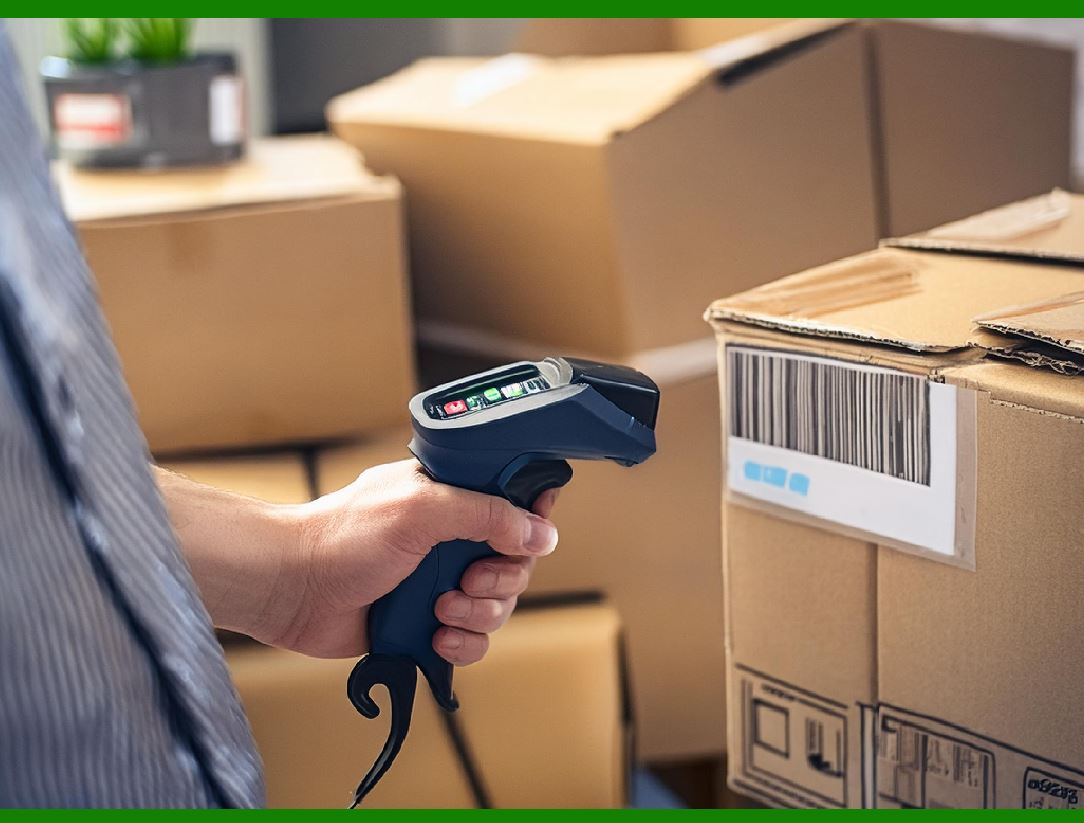
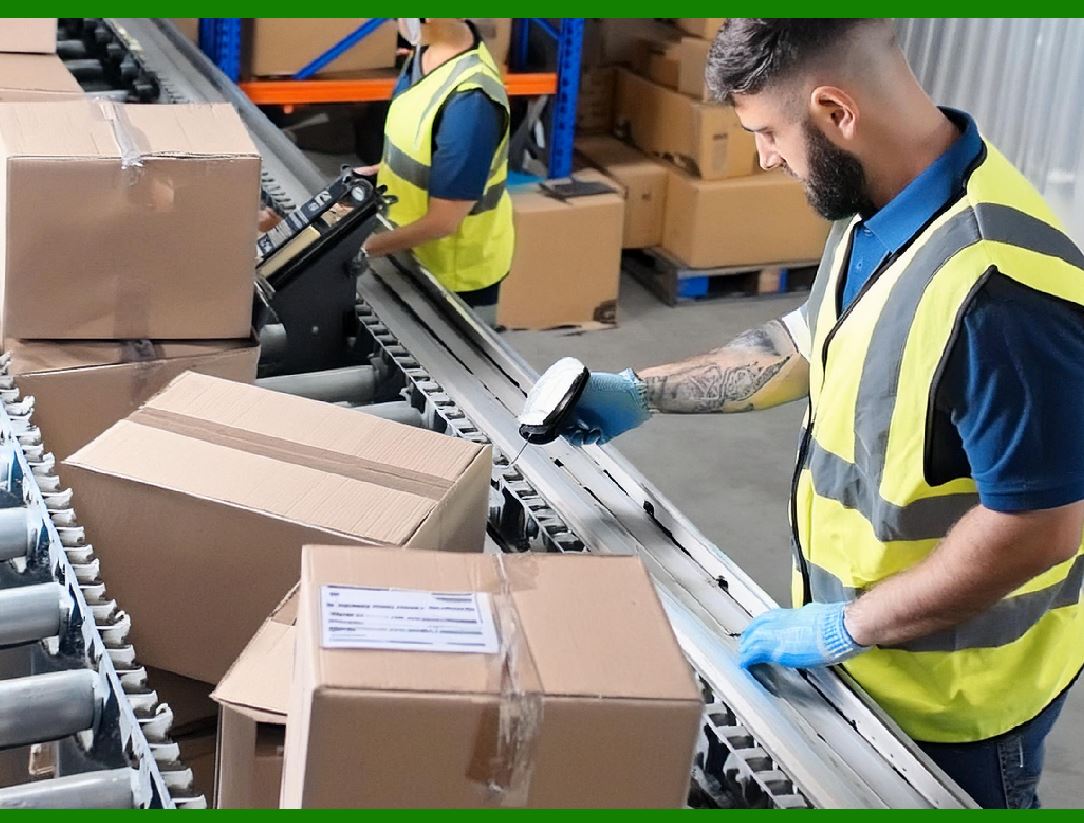
Inventory Management and Shipping: Products that undergo frequent movement, handling, or transportation require labels that can resist wear and tear. Scratch and tear-resistant labels ensure that the barcode and other important information remain readable, even during rough handling. |
Industrial and Manufacturing: In environments where labels are exposed to heavy machinery, abrasive surfaces, or physical handling, scratch and tear-resistant labels ensure that critical identification and barcode data are not lost due to physical damage. |
Medical and Laboratory: In healthcare or laboratory environments, where labels may be exposed to a range of harsh chemicals or abrasive handling, scratch and tear-resistant barcode labels ensure that the data remains intact, even when the labels are handled frequently. |
|
5. Combined Properties: Oil-Resistant, Waterproof, Scratch and Tear-Resistant |
Barcode labels that offer a combination of oil-resistance, waterproofness, and scratch/tear resistance are ideal for the most demanding environments. These multi-functional labels are engineered to provide comprehensive protection against a range of harsh conditions, ensuring that critical information remains legible, scannable, and intact, no matter the exposure. |
5.1 Enhanced Durability for Critical Applications |
These combined properties make the labels particularly useful in industries where the integrity of the label is vital for operational efficiency, compliance, and safety. For instance, in the automotive industry, oil-resistant, waterproof, and scratch-resistant labels are necessary for identifying machinery, tools, and parts that undergo frequent handling and exposure to harsh conditions. |
5.2 Longer Shelf Life and Reduced Label Replacement Costs |
Due to their durability, these labels offer a longer shelf life compared to traditional labels, reducing the need for frequent replacement. This not only saves money but also ensures operational continuity, as the labels remain functional and readable for extended periods. |
5.3 Versatile and Cost-Effective |
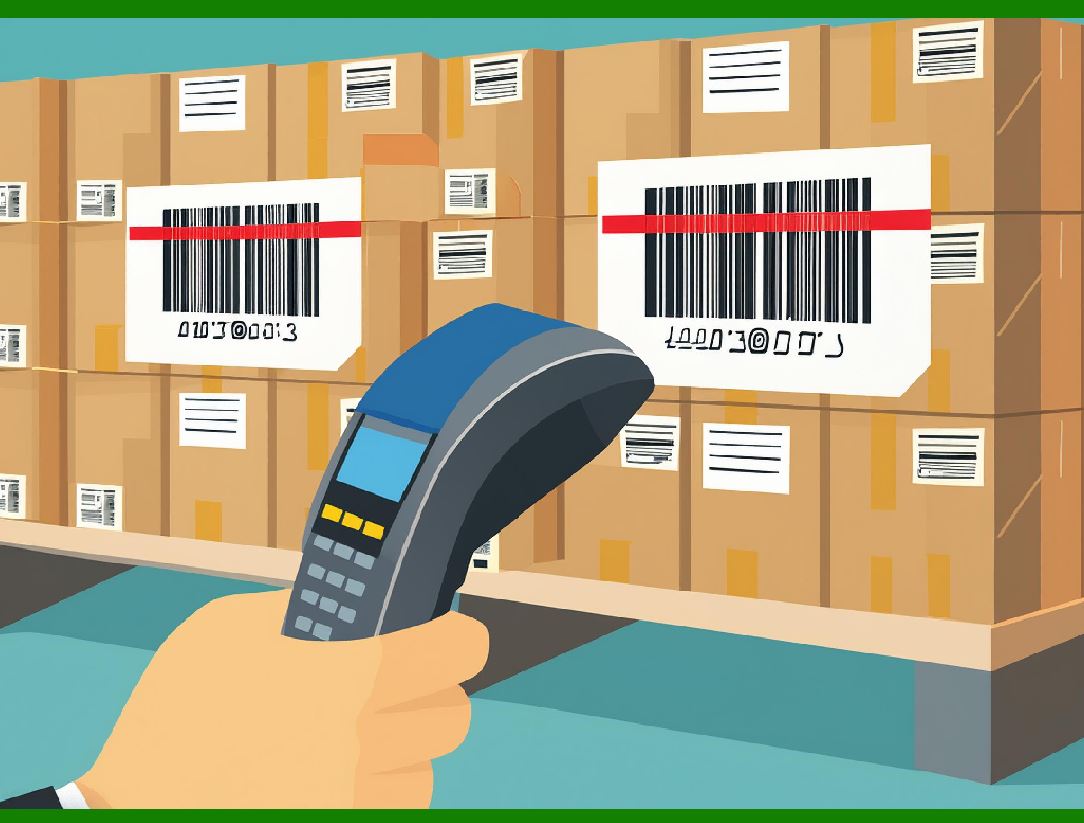
Combining oil-resistance, waterproofness, and scratch/tear resistance into a single label type makes these labels highly versatile and cost-effective for industries that need labels to perform under a wide variety of conditions. The ability to use a single label for multiple challenges minimizes the need for different types of labels, streamlining procurement and inventory management. |
|
6. Conclusion |
Barcode labels designed for oil-resistance, waterproofness, and scratch/tear resistance represent a significant advancement in label technology. These labels are made from high-performance materials such as polyester and vinyl, combined with specialized adhesives that ensure the labels maintain their function and readability in harsh environments. Whether used in automotive, industrial, healthcare, or outdoor applications, these durable labels provide superior protection, reducing the need for replacement and ensuring accurate tracking and identification over extended periods. |
By selecting the right barcode label paper with these enhanced properties, businesses can maintain operational efficiency, protect their assets, and ensure compliance with industry standards, all while reducing costs and improving long-term performance. |
|
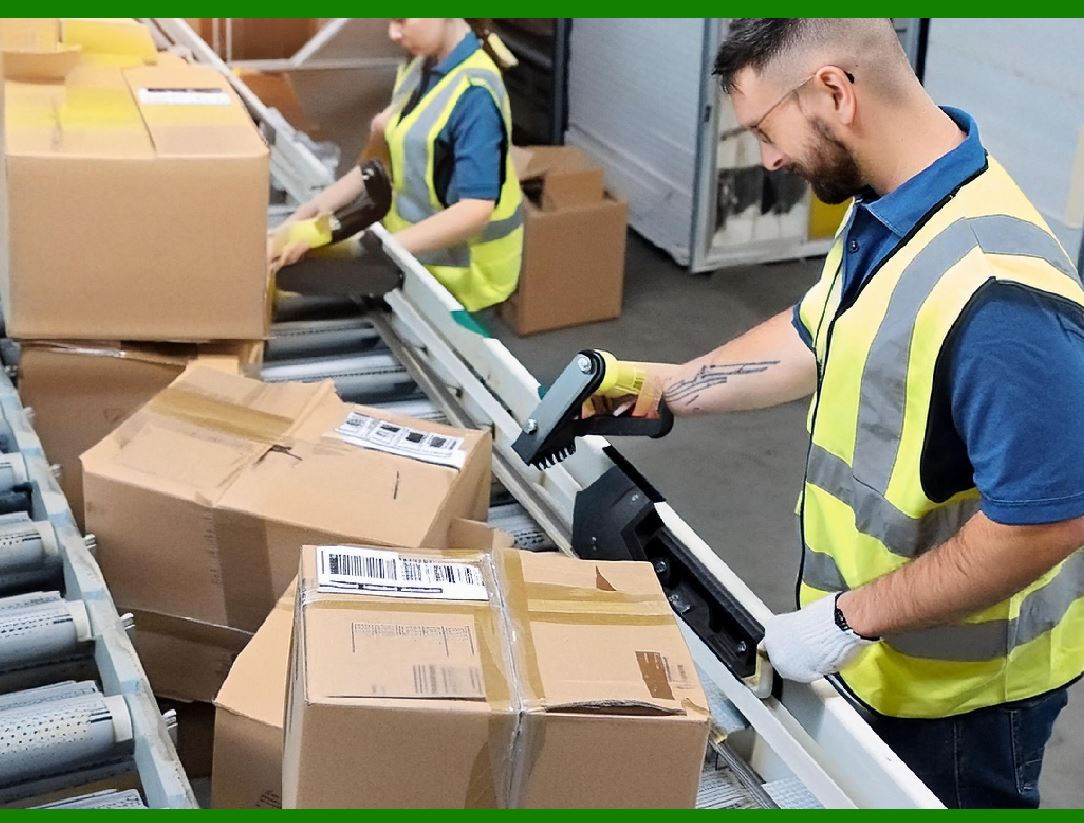
The detail of manufacturing technology of the barcode label paper for: Oil-Resistant. |
Manufacturing Technology of Oil-Resistant Barcode Label Paper |
Oil-resistant barcode labels are crucial in environments where exposure to oils, greases, and other industrial fluids could damage or degrade the label. The manufacturing technology behind these labels involves advanced materials, coatings, and adhesive technologies to ensure the label's integrity in harsh conditions. Below is a detailed breakdown of the manufacturing technology behind oil-resistant barcode label paper: |
1. Material Selection for Oil-Resistant Labels |
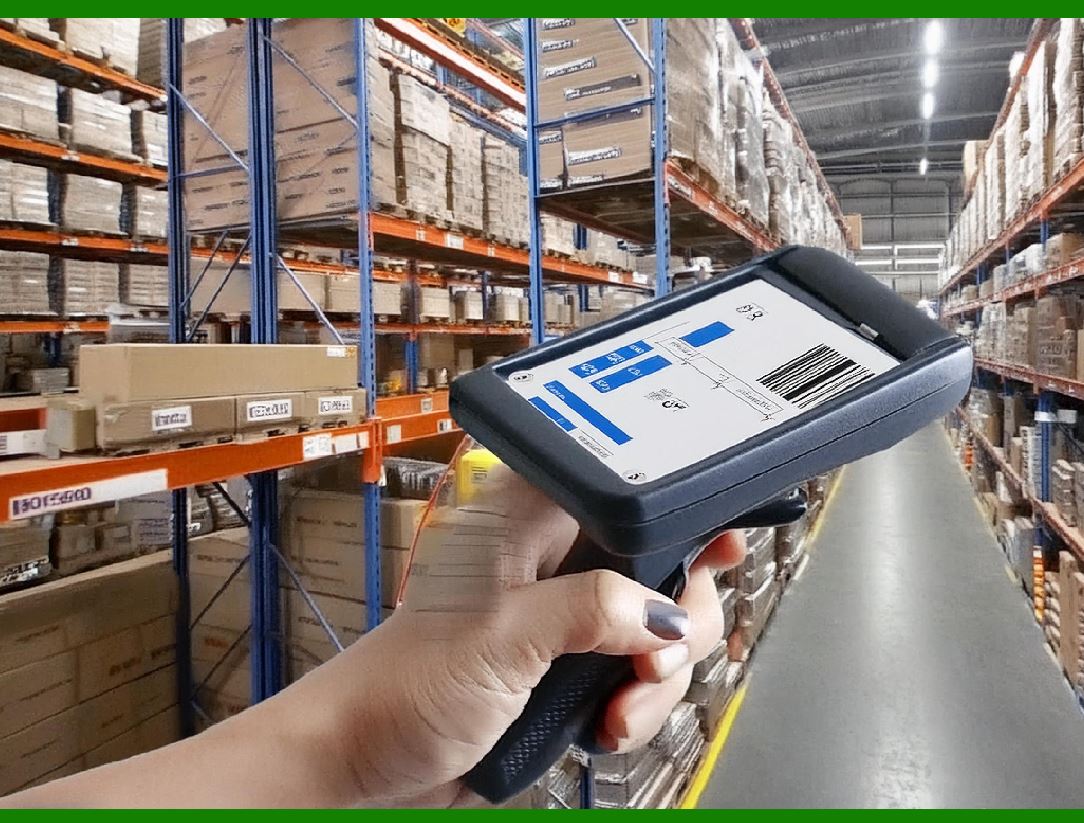
The manufacturing process of oil-resistant barcode labels starts with the careful selection of materials that will provide the necessary resistance to oils, greases, and other substances. The primary materials used are synthetic films such as polyester (PET), polypropylene (PP), or vinyl (PVC). These materials are chosen for their non-porous, durable nature, and resistance to chemical degradation. |
1.1 Polyester (PET) Film |
Characteristics: Polyester is a popular choice due to its high durability, tensile strength, and resistance to oils, grease, and solvents. PET is inherently non-absorbent, which prevents liquids, including oils and greases, from soaking into the label and distorting the printed information. |
Benefits: PET film also offers excellent resistance to abrasion and environmental degradation, meaning the labels can withstand rough handling, exposure to sunlight, and variations in temperature without losing their oil-resistance properties. |
1.2 Polypropylene (PP) Film |
Characteristics: Polypropylene is another commonly used material. It is lightweight, water-resistant, and highly resistant to oils and chemicals. However, it does not offer as much durability in extreme temperatures as polyester but is still a viable option in many oil-resistant label applications. |
Benefits: Polypropylene labels are more flexible than polyester, which can be advantageous for applications requiring labels that can stretch and bend without breaking. |
1.3 Vinyl (PVC) Film |
Characteristics: Vinyl is less commonly used in oil-resistant barcode labels but is still an option in some cases. It offers excellent oil and chemical resistance, particularly in industrial applications where durability and flexibility are crucial. |
Benefits: Vinyl is generally more flexible than polyester and has a smooth surface that resists oil absorption. |
|
2. Coating Technology for Oil Resistance |
After selecting the base film material, the next critical step in the manufacturing process is the application of an oil-resistant coating. This coating is what ensures that the label will not absorb oils or degrade when exposed to grease. |
2.1 Oil-Resistant Coatings |
The coating is typically a fluoropolymer or silicone-based coating that forms a protective layer on the surface of the label. These coatings provide a non-stick surface that resists the penetration of oils, solvents, and grease, thus ensuring that the barcode and any printed text remain intact. |
Fluoropolymer Coatings: These are based on the same technology as Teflon, known for their non-stick properties. Fluoropolymer coatings offer high resistance to oils, dirt, and chemicals, making them highly effective for industrial applications where contact with greasy or oily substances is common. |
Silicone Coatings: These coatings are designed to provide a durable, chemical-resistant barrier against oils and grease. Silicone coatings are often used in applications where flexibility is needed in addition to oil resistance. |
2.2 Coating Application Process |
The coating is usually applied through extrusion coating or gravure printing techniques, where the base material (e.g., polyester or vinyl) is passed through a chamber or roller system to apply the coating evenly. The film is then dried or cured to ensure that the oil-resistant layer adheres securely to the base film. |
The extrusion process involves heating the coating material until it melts, which is then applied to the surface of the film. This ensures that the coating bonds effectively to the label material, providing a long-lasting protective layer. |
Curing: The final step involves curing the coating (either via heat or UV light, depending on the type of coating used) to lock in the oil-resistant properties and ensure that the coating remains durable and effective. |
|
3. Printing Process for Barcode Information |
Once the base material has been treated with the appropriate oil-resistant coating, the next step is to print the barcode and any other necessary information (e.g., product names, dates, serial numbers). The printing process must be chosen to ensure that the printed information remains legible and intact despite the oil-resistant properties of the label. |
3.1 Thermal Transfer Printing |
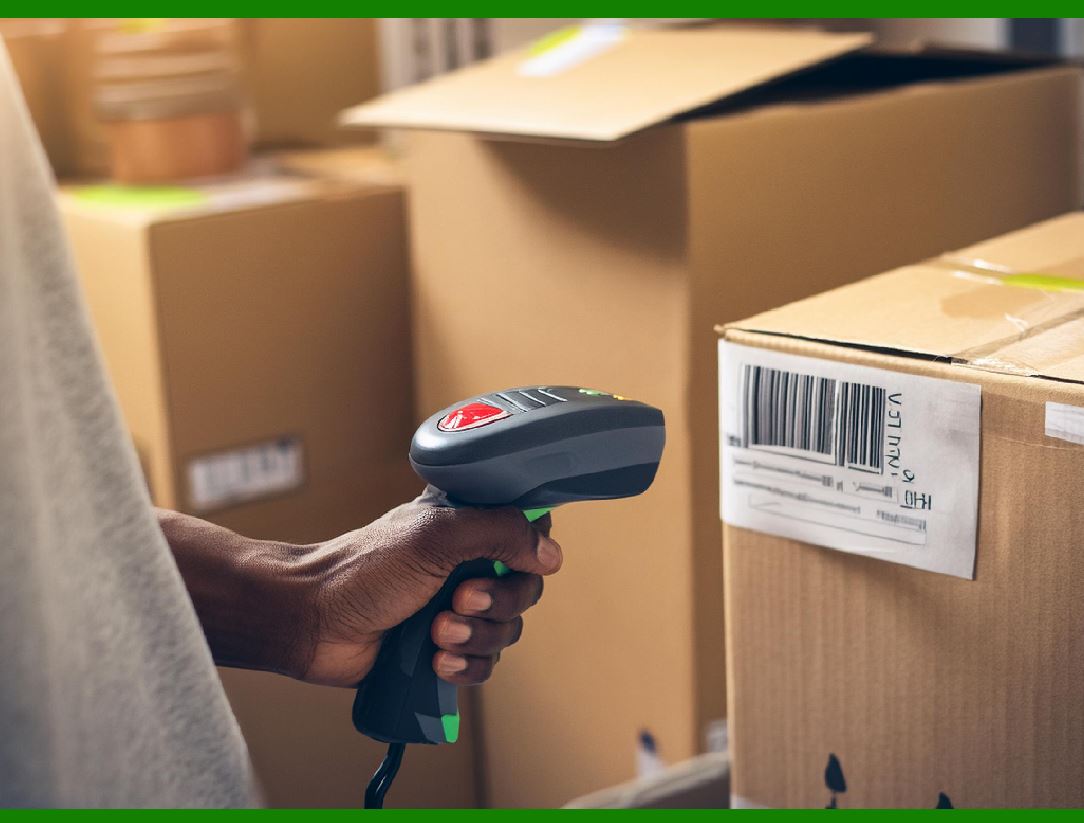
Overview: Thermal transfer printing is the most commonly used method for printing barcode labels, including oil-resistant barcode labels. This method uses heat to transfer ink from a ribbon onto the label material. |
Advantages: Thermal transfer printing is ideal for oil-resistant labels because the ink produced is durable and resistant to smudging, even when exposed to oils and greases. The ink adheres securely to the coated film, ensuring long-lasting legibility. |
3.2 Laser Printing |
Overview: In some cases, laser printing can be used for printing barcode labels. Laser printing involves fusing powdered toner onto the label material with a high-intensity laser. |
Advantages: Laser printing produces high-quality, precise text and barcodes that are resistant to oil and moisture. The printed text remains sharp, clear, and durable even in harsh environments. |
3.3 Inkjet Printing (Less Common) |
Overview: Inkjet printing is not typically used for oil-resistant barcode labels, as inkjet inks are more likely to smudge or fade when exposed to oils and chemicals. However, some specialized inkjet technologies use oil-resistant ink formulations that allow for printing on synthetic materials. |
Advantages: While less common, this technology can offer flexibility in printing variable data onto oil-resistant labels, especially for short-run or on-demand printing needs. |
|
4. Adhesive Technology |
For oil-resistant barcode labels to maintain their integrity and resist peeling off when exposed to oils or greases, the adhesive used must also be formulated for high performance in oily environments. |
4.1 Pressure-Sensitive Adhesives (PSA) |
Overview: The adhesive used in oil-resistant labels is usually a pressure-sensitive adhesive (PSA), which does not require heat or solvent to bond to the surface. PSAs are formulated to provide strong adhesion to a wide variety of substrates, including those that are oily or greasy. |
Oil-Resistant PSA: These adhesives are specially engineered to resist the effects of oil, grease, and other chemical substances. The formulation of the PSA typically includes acrylic-based or rubber-based adhesives, which offer strong bonding and long-lasting performance. |
Benefits: PSAs are ideal for applications where labels must be applied quickly without the use of heat. They also retain their adhesion in challenging conditions, including exposure to oils, lubricants, and other chemicals. |
4.2 Acrylic-Based Adhesives |
Acrylic adhesives are used because of their strong bonding properties and resistance to oils and chemicals. These adhesives are often used in oil-resistant barcode labels due to their ability to bond well to various surfaces while resisting degradation caused by oils or solvents. |
Benefits: Acrylic-based adhesives offer excellent resistance to oils, water, and UV exposure, making them suitable for use in outdoor environments, industrial applications, and harsh weather conditions. |
4.3 Rubber-Based Adhesives |
Overview: Rubber-based adhesives are also employed in certain oil-resistant labels. These adhesives are known for their strong initial tack and ability to bond to various surfaces, including oily and greasy surfaces. They are less resistant to UV light but can provide excellent adhesion in environments where immediate bonding is critical. |
Benefits: Rubber-based adhesives provide a high level of adhesion in the first few hours after application, ensuring that the label stays in place even when exposed to oils or greases. |
|
5. Cutting and Finishing |
Once the printing and coating processes are complete, the labels need to be cut and finished into the desired shapes and sizes. This process involves several key steps: |
5.1 Die-Cutting |
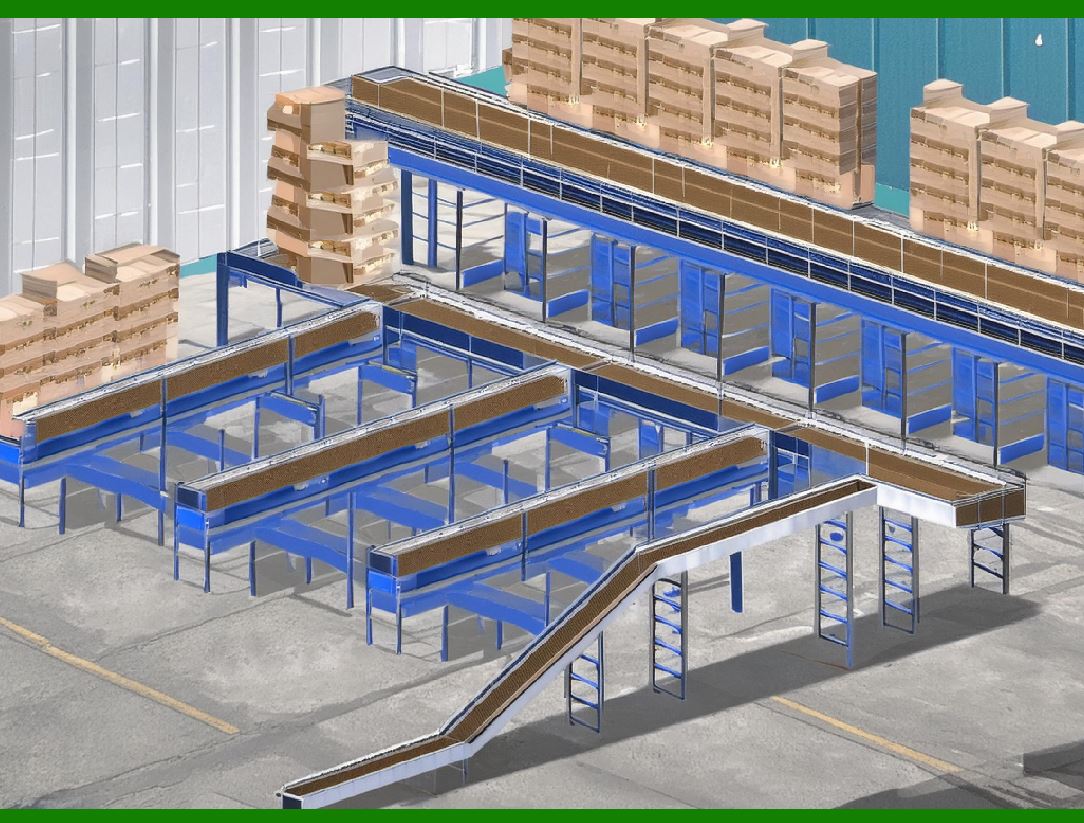
Die-cutting is used to cut the oil-resistant barcode labels into specific shapes and sizes. A die (a sharp metal tool) is used to cut the label material into precise shapes, such as squares, rectangles, or custom shapes, depending on the application. |
Types of Die-Cutting: Die-cutting can be done through flat-bed die-cutting or rotary die-cutting, depending on the label's complexity and production volume. |
5.2 Sheeting and Rolling |
Labels are either cut into sheets or wound into rolls for easy application. Sheeted labels are often used for high-volume printing jobs, while roll labels are typically used in automated labeling systems. |
Rolling: The roll format is often preferred for applications in logistics and shipping where the labels need to be quickly and efficiently applied in bulk. |
|
6. Quality Control and Testing |
Before oil-resistant barcode labels are shipped for use, they undergo rigorous quality control to ensure that they meet the required standards. These tests typically include: |
6.1 Adhesion Tests |
These tests verify that the label adheres properly to different substrates, even in oily conditions. Adhesion tests simulate the exposure to oils and other chemicals to ensure that the label remains securely in place. |
6.2 Durability Tests |
Labels are subjected to abrasion, scratch, and tear tests to ensure that the printed information and label material can withstand handling in industrial environments. |
6.3 Oil Resistance Testing |
The labels are exposed to various oils and grease to confirm that the coating and adhesive continue to perform effectively, even after prolonged exposure. |
|
7. Conclusion |
The manufacturing technology of oil-resistant barcode labels involves the careful selection of materials, coatings, adhesives, and printing techniques that work together to ensure the labels' durability in challenging environments. The advanced coating systems, durable base materials, and high-performance adhesives ensure that the labels remain functional and legible despite exposure to oils, greases, and other substances. The result is a robust and reliable labeling solution for industries requiring high-performance identification systems in harsh environments. |
|
The detail of manufacturing technology of the barcode label paper for: Waterproof. |
Manufacturing Technology of Waterproof Barcode Label Paper |
Waterproof barcode labels are essential in applications where exposure to water, moisture, or harsh environmental conditions could damage or degrade standard labels. These labels are designed to maintain their integrity and readability even in wet conditions. The manufacturing technology behind waterproof barcode label paper involves the use of advanced materials, coating techniques, and adhesive formulations to ensure that the labels stay intact, functional, and legible under various moisture-related challenges. |
Below is a detailed explanation of the manufacturing technology involved in producing waterproof barcode labels. |
1. Material Selection for Waterproof Labels |
The foundation of waterproof barcode labels lies in selecting the right materials. The material chosen must not only be resistant to water but also possess the necessary durability to withstand environmental stresses such as temperature fluctuations, handling, and exposure to chemicals. |
1.1 Synthetic Films for Waterproofing |
Polyester (PET): One of the most commonly used materials for waterproof labels is polyester (PET). Polyester is inherently water-resistant and does not absorb moisture, ensuring that the label remains readable and functional even after being exposed to water. |
Benefits: PET is highly durable, resistant to chemicals, UV light, and physical wear, which makes it ideal for outdoor, industrial, and marine environments where labels are frequently exposed to moisture. |
Applications: PET-based waterproof labels are used in applications like chemical containers, pharmaceutical packaging, and industrial tools that may come in contact with water or liquids. |
1.2 Polypropylene (PP) |
Characteristics: Polypropylene is another popular material for waterproof labels, known for its resistance to water and many chemicals. It is lighter than polyester, making it a cost-effective option in some cases. |
Benefits: While less durable than PET, polypropylene is still highly resistant to water, which makes it suitable for applications where label strength is secondary to water resistance. |
Applications: PP labels are often used in food packaging, beverage containers, and consumer goods packaging where exposure to moisture is frequent but the label does not need to endure extreme environmental stress. |
1.3 Vinyl (PVC) |
Characteristics: Vinyl is used less frequently in waterproof labels but can be suitable in certain cases where flexibility and strong water resistance are needed. Vinyl-based labels are highly resistant to water, oils, and certain chemicals. |
Benefits: Vinyl offers a high degree of flexibility, making it ideal for curved or irregular surfaces that might require a more adaptable label material. |
Applications: Vinyl waterproof labels are commonly used in outdoor environments or for items that are exposed to harsh weather conditions, such as boats, machinery, and outdoor equipment. |
1.4 Paper with Waterproof Coatings |
Characteristics: In some cases, traditional paper materials are used but treated with a waterproof coating to enhance water resistance. These coatings can be applied to the surface of the paper to prevent water absorption and ensure that the ink does not smudge or fade when exposed to moisture. |
Benefits: This approach is typically used for applications where a high-quality paper appearance is needed but the labels still need to be functional in moist environments. |
Applications: This is commonly used in food packaging, inventory labels, and product identification in areas where exposure to water is limited but must still be addressed. |
|
2. Coating Technology for Waterproof Labels |
Once the base material has been selected, the next critical step in the production process is applying the waterproof coating. The coating prevents water from penetrating the label, thus preserving the print and ensuring that the label does not deteriorate when exposed to moisture. |
2.1 Waterproof Coating Systems |
Polymer Coatings: One of the most common methods for waterproofing labels is the application of polymer-based coatings, such as acrylic, urethane, or fluoropolymer coatings. These coatings form a barrier on the surface of the label, preventing water from reaching the material underneath. |
Acrylic Coatings: Acrylic-based coatings are commonly used because they are durable, provide strong waterproofing properties, and offer good adhesion to synthetic films like PET and PP. |
Urethane Coatings: Urethane coatings are more flexible than acrylic and offer better abrasion resistance, making them suitable for environments where the labels are exposed to physical wear in addition to moisture. |
Fluoropolymer Coatings: Fluoropolymer-based coatings, such as those used in Teflon, provide superior water resistance and non-stick properties. These coatings are often used in high-performance applications where moisture exposure is frequent and the labels need to retain their integrity. |
2.2 Coating Application Techniques |
Extrusion Coating: Extrusion coating involves melting the waterproof polymer and applying it to the surface of the base film in a continuous process. The film passes through a chamber where the molten polymer is extruded onto the surface, creating a uniform, durable waterproof layer. |
Benefits: This method ensures that the coating adheres firmly to the label material and provides consistent waterproof performance across the entire label. |
Gravure Printing: In some cases, gravure printing is used to apply a thin, uniform coating to the label. Gravure printing is particularly useful for applying very precise coatings in high volumes. |
Benefits: This method provides excellent control over the coating thickness and allows for fine-tuning of the waterproof barrier. |
2.3 Curing or Drying the Coating |
Curing Process: Once the coating has been applied, it needs to be cured to set and harden the layer. Curing can be achieved using heat (thermal curing) or ultraviolet (UV) light (UV curing), depending on the type of coating used. |
Heat Curing: Thermal curing uses heat to bond the coating to the base material. This process allows the waterproofing layer to adhere strongly and provides a smooth finish. |
UV Curing: UV light curing is used with certain types of coatings, where the UV light triggers a chemical reaction that hardens the coating almost instantly. This process offers faster production times and enhanced durability of the waterproof layer. |
|
3. Printing the Barcode and Additional Information |
Once the waterproof coating has been applied and cured, the barcode and other information (such as product names, serial numbers, and expiration dates) are printed onto the label. Printing technologies must be selected that ensure the printed text remains legible and durable even in moist environments. |
3.1 Thermal Transfer Printing |
Overview: Thermal transfer printing is the most commonly used printing method for waterproof barcode labels. This technique uses a heated printhead to transfer ink from a ribbon onto the surface of the label. |
Advantages: Thermal transfer printing is known for producing highly durable prints that are resistant to smudging, fading, and water damage. This ensures that the barcode and text remain clear even when the label is exposed to moisture. |
Applications: Thermal transfer printers are commonly used in industrial and logistics applications where labels are required to withstand harsh conditions, including exposure to water. |
3.2 Laser Printing |
Overview: Laser printing can also be used for waterproof barcode labels, particularly when high-resolution, fine details are needed. |
Advantages: Laser printers use toner (powdered ink), which fuses to the surface of the label and is resistant to water, ensuring that the barcode and other printed information are preserved. |
Applications: Laser printing is often used for high-precision applications, such as product labeling in the pharmaceutical or electronics industries. |
3.3 Inkjet Printing (Water-Resistant Ink) |
Overview: Inkjet printing is less commonly used for waterproof labels but can be employed when using special water-resistant ink formulations. These inks are designed to resist moisture and prevent smudging or fading. |
Advantages: While not as commonly used in waterproof labels, inkjet printing can be useful for printing variable data or when a wide range of colors is needed. |
Applications: This is typically used for short-run label printing or applications where flexibility in printing designs is more important than extreme durability. |
|
4. Adhesive Technology for Waterproof Labels |
Waterproof barcode labels require adhesives that maintain their bonding strength even when exposed to water and moisture. The adhesive used must adhere strongly to various surfaces and resist degradation when in contact with water or other liquids. |
4.1 Pressure-Sensitive Adhesives (PSA) |
Overview: PSA is commonly used for waterproof barcode labels. This type of adhesive bonds to surfaces without the need for heat or solvents, making it ideal for quick and easy application. |
Waterproof PSA: To ensure the label remains adhered to surfaces even in wet conditions, the PSA used is typically formulated with acrylic-based or rubber-based adhesives. These adhesives are engineered to withstand moisture and maintain their bond to substrates. |
Benefits: PSA provides a strong initial tack and long-term adhesion, even when exposed to water. It is suitable for both outdoor and indoor applications, including labeling equipment and packaging that is regularly exposed to water. |
4.2 Acrylic-Based Adhesives |
Characteristics: Acrylic adhesives are highly resistant to water, UV rays, and temperature changes, making them ideal for waterproof labels that need to maintain adhesion in varying environmental conditions. |
Benefits: Acrylic adhesives offer excellent bonding strength, durability, and water resistance, ensuring that the labels remain intact even when submerged in water or exposed to moisture over extended periods. |
4.3 Rubber-Based Adhesives |
Characteristics: Rubber-based adhesives are often used for applications requiring high initial tack. These adhesives provide strong adhesion when first applied but may degrade over time when exposed to UV rays. |
Benefits: While not as durable as acrylic-based adhesives in long-term exposure to UV light, rubber adhesives perform well in short-to-medium-term water exposure applications. |
|
Conclusion |
Manufacturing waterproof barcode labels requires a combination of advanced material selection, coating technologies, printing methods, and high-performance adhesives. The use of synthetic materials like polyester, polypropylene, and vinyl, combined with specialized waterproof coatings, ensures that the labels can withstand exposure to water and moisture without losing their integrity. Additionally, printing technologies such as thermal transfer and laser printing ensure that barcodes remain legible and durable, even in wet conditions. The selection of appropriate adhesives further ensures that the labels stay affixed to surfaces, maintaining their functionality in various environments. Together, these technologies create a reliable labeling solution for industries that require waterproof barcode labels, from logistics to pharmaceuticals and beyond. |
|
The detail of manufacturing technology of the barcode label paper for: Scratch and Tear Resistance. |
Manufacturing Technology of Scratch and Tear Resistant Barcode Label Paper |
Scratch and tear-resistant barcode labels are designed to withstand physical damage from abrasion, tearing, and other stresses, ensuring that the label remains intact and readable even in harsh environments. These labels are ideal for applications where frequent handling or exposure to rugged conditions is expected. The manufacturing technology behind scratch and tear-resistant barcode label paper involves the careful selection of materials, the application of protective coatings, and the use of advanced adhesives to ensure durability and long-lasting performance. |
Below is a detailed explanation of the manufacturing technology involved in producing scratch and tear-resistant barcode labels. |
1. Material Selection for Scratch and Tear Resistance |
The foundation of scratch and tear-resistant barcode labels lies in the choice of materials. To ensure the label's durability and resistance to physical stress, manufacturers typically select synthetic materials that offer enhanced mechanical strength, flexibility, and toughness. |
1.1 Polyester (PET) |
Characteristics: Polyester (PET) is one of the most widely used materials for scratch and tear-resistant labels due to its excellent durability and strength. It offers high tensile strength, which makes it resistant to tearing and breaking, even under challenging conditions. |
Benefits: PET is strong, resistant to UV radiation, chemicals, and physical wear, making it an ideal choice for applications requiring long-term durability. |
Applications: Polyester labels are commonly used in industrial environments, outdoor applications, and on products that will be subjected to frequent handling or rough conditions, such as machinery, tools, and automotive parts. |
1.2 Polypropylene (PP) |
Characteristics: Polypropylene is another material used for scratch and tear-resistant barcode labels. It is a lighter alternative to PET and provides a balance between flexibility and resistance to wear. |
Benefits: Polypropylene is resistant to abrasion, tearing, and certain chemicals, making it suitable for applications where moderate durability is required, but with a need for lighter weight. |
Applications: PP labels are commonly found in the packaging industry, particularly in products that require resistance to physical handling, such as consumer goods, food packaging, and retail products. |
1.3 Vinyl (PVC) |
Characteristics: Vinyl is known for its flexibility and durability. It is often used in applications where labels need to adhere to curved or irregular surfaces while also resisting physical stress. |
Benefits: Vinyl is tear-resistant, waterproof, and flexible, making it ideal for labels that are exposed to harsh handling and extreme conditions. |
Applications: Vinyl labels are used in industries such as transportation, automotive, and logistics, where the labels may be exposed to rough handling and need to stay intact over time. |
1.4 Synthetic Paper |
Characteristics: Synthetic paper, made from materials like polyolefin or other non-fiber-based plastics, is another choice for producing tear-resistant barcode labels. Unlike traditional paper, synthetic paper does not tear easily and is resistant to moisture, UV degradation, and physical stress. |
Benefits: Synthetic paper combines the appearance and feel of paper with the durability of plastic materials, providing both tear and water resistance without compromising print quality. |
Applications: Synthetic paper labels are used in environments where both high-quality printing and scratch/tear resistance are required, such as on asset tracking labels, medical devices, and outdoor equipment. |

|
2. Protective Coatings for Enhanced Durability |
The application of protective coatings plays a crucial role in improving the scratch and tear resistance of barcode labels. These coatings are designed to add an extra layer of protection, making the label surface resistant to abrasion, scuffing, and tearing. |
2.1 UV Protective Coatings |
Characteristics: UV coatings are often applied to the surface of the label to protect the print from fading due to sunlight exposure. These coatings are designed to provide a scratch-resistant and durable finish. |
Benefits: In addition to providing UV protection, these coatings also enhance the abrasion resistance of the label, preventing wear and tear that could result from friction or handling. |
Applications: UV coatings are commonly used in outdoor applications or on products that are exposed to prolonged sunlight or harsh weather conditions. |
2.2 Polyurethane Coatings |
Characteristics: Polyurethane coatings are highly effective at increasing the scratch and tear resistance of barcode labels. Polyurethane is a flexible and tough material that forms a protective layer on the label surface. |
Benefits: This coating is highly resistant to abrasion, tearing, and scratching, ensuring that the label stays legible and intact even when subjected to physical wear. |
Applications: Polyurethane coatings are used in applications such as industrial labeling, automotive parts, and consumer electronics, where the labels are likely to encounter friction or rough handling. |
2.3 Acrylic Coatings |
Characteristics: Acrylic coatings are another common option for improving the durability of barcode labels. Acrylic is known for its hardness and clarity, providing both scratch resistance and UV protection. |
Benefits: Acrylic coatings offer excellent resistance to abrasion and are often used in applications where high clarity and print protection are required. |
Applications: Acrylic coatings are used in a variety of industries, including logistics, healthcare, and retail, where labels need to withstand frequent handling and environmental stress. |
|
3. Adhesive Technology for Scratch and Tear Resistant Labels |
The adhesive used for scratch and tear-resistant barcode labels must not only ensure the label adheres to various surfaces but also maintain its performance over time, especially in environments where the label may be exposed to abrasion and physical stress. |
3.1 Acrylic-Based Adhesives |
Overview: Acrylic-based adhesives are known for their strong bonding strength and excellent resistance to temperature fluctuations, UV radiation, and chemicals. They are commonly used in the production of scratch-resistant barcode labels. |
Benefits: Acrylic adhesives provide superior adhesion to a wide range of surfaces and are highly durable, ensuring that the labels remain intact even when subjected to handling, abrasion, or moisture. |
Applications: Acrylic adhesives are commonly used for outdoor applications, asset tracking labels, and industrial product labeling where the labels are subjected to rough handling. |
3.2 Rubber-Based Adhesives |
Overview: Rubber-based adhesives offer strong initial tack and provide a flexible bond. While they may not offer the same long-term durability as acrylic adhesives, they are still suitable for applications where quick adhesion and flexibility are required. |
Benefits: Rubber-based adhesives are ideal for applications where the label needs to adhere to surfaces that may be exposed to stress or movement, such as on flexible materials or curved surfaces. |
Applications: These adhesives are typically used for consumer products, automotive labeling, and packaging applications where the labels will face frequent handling or exposure to rough environments. |
3.3 Solvent-Based Adhesives |
Overview: Solvent-based adhesives are designed to form a strong bond on difficult-to-adhere surfaces. They are often used in situations where extreme durability and resistance to environmental factors are necessary. |
Benefits: Solvent-based adhesives provide a strong and long-lasting bond, making them suitable for scratch and tear-resistant labels that must perform under harsh conditions. |
Applications: Solvent-based adhesives are commonly used for heavy-duty applications in industries such as manufacturing, transportation, and industrial labeling, where the labels need to withstand rough handling and physical stress. |

|
4. Printing Technology for Scratch and Tear Resistant Labels |
Once the material and adhesive layers are in place, printing the barcode and other information on the label is the next crucial step. Printing technology must ensure that the printed data remains clear and legible even under harsh conditions, while also maintaining resistance to abrasion and scratching. |
4.1 Thermal Transfer Printing |
Overview: Thermal transfer printing is one of the most common methods for producing scratch and tear-resistant barcode labels. In this process, a heated printhead is used to transfer ink from a ribbon onto the surface of the label. |
Benefits: Thermal transfer printing creates highly durable prints that resist smudging, scratching, and fading, making it ideal for environments where labels are subjected to physical abrasion. |
Applications: Thermal transfer printing is used in industrial, retail, and logistics applications where labels must endure rough handling and challenging environments. |
4.2 Laser Printing |
Overview: Laser printing uses a laser beam to fuse toner onto the surface of the label. This method is known for producing high-quality, precise prints that are resistant to wear. |
Benefits: Laser printing provides sharp, durable text and barcodes, ensuring that the label remains readable despite exposure to abrasion or physical stress. |
Applications: Laser printing is often used in applications requiring high-resolution prints, such as asset tracking and product labeling in electronics and pharmaceuticals. |
4.3 UV-Curable Inkjet Printing |
Overview: UV-curable inkjet printing uses ultraviolet (UV) light to cure ink on the label surface. This process is suitable for printing scratch and tear-resistant labels because it produces highly durable, smudge-resistant prints. |
Benefits: UV ink is resistant to fading, abrasion, and moisture, making it ideal for labels that need to withstand rough handling and exposure to harsh environmental conditions. |
Applications: UV-curable inkjet printing is used in industries where high-quality, long-lasting prints are required, such as in manufacturing, automotive, and logistics. |

|
Conclusion |
Manufacturing scratch and tear-resistant barcode labels involves the careful selection of durable materials, the application of protective coatings, the use of strong adhesives, and the employment of advanced printing technologies. By combining high-performance materials such as polyester, polypropylene, and vinyl with robust coatings and adhesives, manufacturers can produce labels that resist physical damage from abrasion, tearing, and environmental factors. These labels are essential in industries where products are exposed to rugged handling, extreme environments, or frequent physical stress, ensuring that the barcode and other information remain legible and intact over time. |
 cs@easiersoft.com