1. Introduction to Barcode Label Paper Production |
The production of barcode label paper involves a range of chemicals that are used to create the material's surface, adhesive properties, and durability. The paper is often specially coated or treated to allow barcode printing with clarity, precision, and long-term legibility. |
The manufacturing process typically includes: |
Paper Stock: A base material made of wood pulp, recycled paper, or a mix of synthetic fibers. |
Coatings and Surface Treatments: These are used to enhance the surface for printing and adhesive bonding. |
Adhesives: Specially formulated to ensure that the label sticks to various surfaces without peeling off. |
Inks: Used for printing barcodes and other information on the labels. |
Plastic or Synthetic Materials: These can be used in creating durable labels, especially in harsh environments. |
These components, however, are often treated with a variety of chemicals throughout the process. |
|
2. Chemicals in Paper Production |
a. Bleaching Agents |
Chlorine and Chlorine Compounds: These have traditionally been used to bleach the paper pulp to achieve the desired white or off-white color. The use of chlorine-based chemicals, especially dioxins, poses significant environmental risks. |
Hydrogen Peroxide: A more environmentally friendly alternative to chlorine, used in the bleaching process. It breaks down into oxygen and water, making it less hazardous but still requiring careful handling. |
Ozone: Another environmentally safer option for bleaching, ozone can reduce the environmental impact compared to chlorine. |
b. Sizing Agents |
Sizing agents are used to make paper resistant to moisture and to enhance printability. Some common chemicals include: |
Alum (Potassium Aluminum Sulfate): Used to control the paper’s water retention properties. |
Rosin: A natural resin obtained from pine trees. It’s used to enhance the paper's surface properties. |
Synthetic Resins: Chemical resins that can be added to paper pulp to improve paper strength and performance. |
c. Fillers and Pigments |
To improve the paper’s appearance and texture, fillers and pigments are commonly used. Common substances include: |
Calcium Carbonate (CaCO3): Often used as a filler in paper production. It enhances brightness and opacity. |
Talc and Clay: These materials help with smoothness and surface consistency. |
d. Coatings and Laminates |
In the production of barcode labels, coatings are used to provide a smooth surface for ink adhesion. Some commonly used coatings and the chemicals involved include: |
Polyethylene (PE) and Polypropylene (PP): These are thermoplastic polymers that are used to coat the paper and create a waterproof and tear-resistant surface. |
Acrylic Resins: These are sometimes applied as a top coating to improve durability, especially for outdoor applications. |
UV Coatings: These coatings are used to make the labels resistant to ultraviolet radiation, which can cause fading. |
|
3. Chemicals in Adhesives |
Adhesive formulations are critical to the performance of barcode labels. The types of adhesives used in barcode label production are: |
Acrylic-Based Adhesives: These adhesives offer high durability and resistance to environmental factors like temperature and humidity. |
Rubber-Based Adhesives: Less expensive but often less durable, these are commonly used for temporary labels. |
Hot-Melt Adhesives: These adhesives are activated by heat and are often used in high-speed production processes. |
Solvent-Based Adhesives: These use solvents like toluene or xylene to dissolve the adhesive material, making it easier to apply to the label surface. However, they release volatile organic compounds (VOCs), contributing to air pollution. |
4. Inks and Printing Chemicals |
Inks used for barcode printing often contain a variety of chemicals: |
Pigments and Dyes: These provide the color needed for the barcodes. |
Solvents: Solvents like ethanol, acetone, or toluene are used to dissolve the ink and make it easier to apply. These solvents are typically volatile organic compounds (VOCs), which contribute to air pollution. |
Binders: These chemicals ensure that the pigments stay in place on the label's surface. |
Additives: Chemicals such as stabilizers, plasticizers, and surfactants are added to enhance the performance of the ink. |
|
5. Environmental Pollution Issues |
The chemicals involved in barcode label production contribute to environmental pollution in various ways: |
a. Water Pollution |
The bleaching process of paper production, particularly when chlorine-based chemicals are used, can lead to water contamination. These chemicals may result in: |
Chlorinated Compounds: These can end up in wastewater and cause significant environmental harm. They are toxic to aquatic life and can cause bioaccumulation in the food chain. |
Heavy Metals: Some of the chemicals used in paper coatings or adhesives contain heavy metals like lead or cadmium, which can contaminate water sources if not properly managed. |
b. Air Pollution |
Solvent-based adhesives and inks emit volatile organic compounds (VOCs) into the air. These VOCs contribute to the formation of ground-level ozone, which can result in: |
Smog: High levels of VOCs can create smog, which harms human health and the environment. |
Climate Change: Some VOCs, particularly those containing carbon-based compounds, contribute to global warming by increasing the concentration of greenhouse gases in the atmosphere. |
c. Land Pollution |
Waste from barcode label production, including plastic waste from synthetic coatings and adhesive residue, can contribute to land pollution. If not recycled, these materials can remain in landfills for years, causing environmental degradation. |
d. Chemical Hazard Risks |
Many of the chemicals used in label production are hazardous. Inhalation or skin exposure to chemicals like chlorine, formaldehyde, and solvents can have harmful health effects, ranging from mild irritation to more serious issues like organ damage or cancer. |
e. Resource Depletion |
The production of paper itself is resource-intensive. The use of wood pulp contributes to deforestation, while the extraction of minerals for fillers like calcium carbonate can have detrimental impacts on ecosystems. |

|
6. Sustainable Alternatives and Green Chemistry |
In response to the environmental challenges posed by the chemicals used in barcode label production, there has been a push for sustainable alternatives. Some of the green chemistry practices being adopted include: |
Non-chlorine Bleaching: The use of hydrogen peroxide and ozone for bleaching paper is much less harmful to the environment than chlorine-based methods. |
Biodegradable Inks and Adhesives: Companies are increasingly adopting water-based or plant-based inks and adhesives, reducing reliance on toxic solvents. |
Recycled Materials: The use of recycled paper and biodegradable coatings can significantly reduce the environmental footprint of label production. |
Energy Efficiency: Some manufacturers are exploring ways to reduce energy consumption in the production process, including using renewable energy sources like solar or wind. |
7. Conclusion |
The production of barcode label paper involves numerous chemicals that are essential for creating high-quality labels. However, many of these chemicals present significant environmental risks. From water and air pollution to hazardous waste and resource depletion, the environmental impact is substantial. Fortunately, as awareness of these issues grows, the industry is moving toward more sustainable production methods. Green chemistry innovations, the use of biodegradable materials, and recycling initiatives are helping mitigate the negative effects of barcode label production. |
|
Deeper dive into the Chemicals in Paper Production |
2. Chemicals in Paper Production |
The production of paper for barcode labels involves several chemical processes that enhance the physical properties of the paper and ensure the final product is durable, printable, and adheres well to various surfaces. Each stage of paper production requires specific chemicals to modify or treat the paper fibers and surface characteristics. Below is a detailed exploration of the chemicals involved in the paper production process, categorized by their function. |
2.1 Bleaching Agents |
The process of bleaching paper pulp is necessary to achieve the desired white or off-white color for barcode labels. Bleaching removes impurities and lignin (the compound that gives wood its natural color) and brightens the pulp to improve printability. The chemicals used in the bleaching process can significantly affect the environment and human health, as discussed below. |
a. Chlorine and Chlorine Compounds |
Historically, chlorine and its derivatives were the primary bleaching agents used in paper production. These chemicals, while effective in whitening the paper pulp, have significant environmental risks: |
Chlorine Gas (Cl?): Chlorine gas was once commonly used to bleach wood pulp, but it produces highly toxic byproducts, particularly dioxins (a group of chemical compounds). Dioxins are carcinogenic and can cause long-term environmental and health damage. |
Chlorine Dioxide (ClO?): Chlorine dioxide, a more environmentally acceptable form of chlorine, is now widely used in many pulp and paper mills. It reduces the production of dioxins but still contributes to the environmental toxicity of paper production. |
Environmental Impact: The use of chlorine compounds can lead to the release of harmful chlorine-based byproducts into the environment through wastewater, causing water pollution, harming aquatic ecosystems, and contaminating drinking water sources. These chemicals are persistent in the environment and bioaccumulate in the food chain. |
b. Hydrogen Peroxide |
Hydrogen peroxide (H?O?) is considered a more environmentally friendly alternative to chlorine. It breaks down into oxygen and water, making it much safer for the environment: |
Advantages: Unlike chlorine-based bleaching agents, hydrogen peroxide does not produce toxic byproducts like dioxins. It is widely used in eco-friendly paper mills, especially for non-chlorine bleaching. |
Disadvantages: Despite being less harmful than chlorine, hydrogen peroxide still requires careful handling and can produce organic peracetic acids, which may be harmful in large quantities if not treated properly. |
c. Ozone |
Ozone (O?) is another green alternative to chlorine-based bleaching agents. It is a highly reactive form of oxygen that is used to break down lignin and brighten pulp: |
Advantages: Ozone bleaching produces fewer harmful byproducts and is highly effective in reducing chemical consumption. It leaves behind oxygen and water as the primary byproducts, making it one of the most environmentally benign bleaching methods. |
Challenges: Ozone is a gas and is more difficult to control and apply consistently compared to liquid chemicals. Additionally, ozone treatment requires high-energy input and specialized equipment, which can increase production costs. |
|
2.2 Sizing Agents |
Sizing agents are chemicals used in paper production to modify the paper’s surface and make it more resistant to water, ink, or other liquids. They are crucial for improving the print quality of barcode labels. The key types of sizing agents used in the paper industry are: |
a. Rosin |
Rosin is a natural resin derived from pine trees. It has been used in paper production for hundreds of years to control the paper's water retention properties: |
Properties: Rosin is applied to the surface of the paper to improve its ability to hold ink and resist water. It is often combined with alum (a type of aluminum sulfate) to produce a stable reaction. |
Environmental Impact: As a natural product, rosin is biodegradable and less harmful to the environment compared to synthetic sizing agents. However, the use of large quantities of rosin can still cause waste disposal issues and affect water quality if not treated properly. |
b. Synthetic Resins |
Synthetic resins, such as styrene-butadiene and acrylic resins, are commonly used as sizing agents to enhance the paper's durability, smoothness, and printability: |
Properties: These resins provide increased resistance to moisture and improve the strength of the paper. They also enhance the ability of the paper to hold toner or ink during printing. |
Environmental Impact: Synthetic resins are derived from petrochemical sources, making them less environmentally friendly. The production of these resins often involves harmful chemicals and solvents. The disposal of paper with synthetic resins can cause environmental pollution if not treated correctly. |
c. Surface Sizing Agents |
Surface sizing agents are applied after the paper is formed but before it is dried. They are designed to create a smooth and stable surface for printing: |
Materials: Surface sizing agents can include starch, synthetic polymers, or other chemical additives. |
Environmental Impact: Starch-based sizing agents are biodegradable and have minimal environmental impact. However, synthetic sizing agents can contribute to pollution if not managed properly. |
|
2.3 Fillers and Pigments |
Fillers and pigments are used in paper production to enhance the appearance, opacity, and texture of the paper. The following chemicals are commonly used: |
a. Calcium Carbonate (CaCO?) |
Calcium carbonate is a widely used filler in paper production. It enhances paper opacity, brightness, and smoothness: |
Properties: Calcium carbonate is inexpensive, widely available, and helps create a smoother surface for printing barcodes. It also makes the paper more opaque, ensuring that printed barcodes are clear and easy to read. |
Environmental Impact: Calcium carbonate is a naturally occurring mineral, so it is considered relatively environmentally friendly. However, its extraction from quarries can lead to habitat destruction, air pollution from dust, and other environmental issues. |
b. Clay |
Clay is another common filler used in paper production. It provides smoothness and brightness to the paper: |
Properties: Clay is often used in fine paper grades and for high-quality printed materials like barcode labels. It enhances the paper's surface characteristics, allowing for more accurate printing. |
Environmental Impact: While clay is naturally abundant and considered relatively environmentally benign, its extraction can cause land degradation and ecosystem disruption. |
c. Titanium Dioxide (TiO?) |
Titanium dioxide is used as a pigment in paper production to improve brightness and opacity: |
Properties: Titanium dioxide is highly effective at brightening paper and making it more opaque, which is essential for high-quality printing applications like barcode labels. |
Environmental Impact: The production of titanium dioxide involves significant energy consumption and can produce hazardous waste. Additionally, the mining of titanium ore can lead to environmental degradation. |

|
2.4 Coatings and Laminates |
Coatings and laminates are used to create durable, smooth, and waterproof surfaces for barcode labels. These coatings ensure that the barcode can withstand exposure to the elements and remain legible over time. Common coatings include: |
a. Polyethylene (PE) and Polypropylene (PP) |
Polyethylene and polypropylene are thermoplastic polymers that are applied as coatings on paper: |
Properties: These polymers provide a waterproof, tear-resistant surface, which is crucial for barcode labels that must endure harsh environments. They also improve the overall strength and durability of the labels. |
Environmental Impact: Polyethylene and polypropylene are derived from fossil fuels and are non-biodegradable. These plastics can contribute significantly to landfills and environmental pollution if not properly disposed of or recycled. |
b. Acrylic Coatings |
Acrylic coatings are often applied to paper to enhance its durability and resistance to UV degradation: |
Properties: Acrylic coatings provide additional protection against UV rays, which can cause fading and deterioration of barcode labels over time. |
Environmental Impact: While acrylic resins are less harmful than other synthetic resins, their production still involves petrochemicals. Acrylic coatings are not biodegradable, and their disposal can contribute to plastic pollution. |
2.5 Challenges in Paper Production Chemicals |
While the chemicals used in paper production are essential for creating high-quality, durable barcode labels, they can also pose significant environmental challenges. Some of the key issues include: |
Wastewater Management: Many of the chemicals, particularly chlorine-based bleaching agents, can contaminate wastewater and pose risks to water quality. Proper treatment is essential to mitigate these risks. |
Air Emissions: The use of solvents and volatile chemicals in inks and adhesives can contribute to air pollution. These chemicals, especially VOCs, contribute to smog formation and respiratory issues. |
Waste Disposal: Many of the byproducts from paper production, including plastic coatings and synthetic adhesives, are non-biodegradable and can accumulate in landfills if not properly recycled. |
|
Conclusion |
The chemicals used in paper production play a critical role in achieving the desired properties for barcode labels. However, the environmental impact of these chemicals cannot be overlooked. From chlorine-based bleaching agents to synthetic resins and plastic coatings, the paper industry faces significant challenges in terms of pollution and waste management. As the demand for sustainable practices increases, more eco-friendly alternatives to these chemicals are being explored, including non-chlorine bleaching agents, biodegradable inks, and recyclable coatings. The industry's shift toward greener methods is essential for reducing its environmental footprint while continuing to meet the needs of barcode label production. |
|
Deeper dive into the Chemicals in Adhesives |
3. Chemicals in Adhesives |
Adhesives are crucial in the production of barcode labels as they ensure that the label stays securely attached to a variety of surfaces. In barcode label production, the choice of adhesive depends on the application, surface type, durability requirements, and environmental conditions. The adhesives must provide excellent bonding, resist environmental stresses like moisture or temperature changes, and, in some cases, allow easy removal. However, the chemicals involved in the formulation of adhesives can present several environmental and health challenges. |
3.1 Types of Adhesives Used in Barcode Label Production |
There are several types of adhesives commonly used in the production of barcode labels, each with different chemical compositions. Below is a detailed exploration of these adhesives and their associated chemicals: |
a. Acrylic-Based Adhesives |
Acrylic adhesives are widely used in barcode labels due to their durability, weather resistance, and ability to bond to a variety of substrates. They are typically water-based or solvent-based, and they provide strong bonding and excellent long-term adhesion. |
Chemical Composition: Acrylic-based adhesives consist of acrylic polymers (such as polymethyl methacrylate or PMMA), which are derived from acrylic acid or its derivatives. The adhesive formulation typically includes monomers, polymeric resins, and sometimes crosslinking agents to enhance performance. |
Advantages: |
High resistance to UV radiation, making them ideal for outdoor applications where labels are exposed to sunlight. |
Good adhesion to both smooth and rough surfaces. |
Enhanced resistance to moisture and temperature fluctuations. |
Environmental Impact: While acrylic adhesives are generally considered safer for the environment compared to some other types, they are not without their concerns. Acrylic adhesives can release volatile organic compounds (VOCs), particularly if they are solvent-based. VOCs contribute to air pollution and smog formation. Additionally, the acrylic resins themselves are typically derived from petrochemicals, making them less sustainable. |
b. Rubber-Based Adhesives |
Rubber-based adhesives are commonly used for temporary labels or applications where the bond strength doesn't need to be permanent. They offer excellent adhesion to a variety of surfaces, including rough or irregular substrates. |
Chemical Composition: Rubber adhesives are typically made from natural rubber (latex) or synthetic rubbers (such as styrene-butadiene rubber (SBR)). The adhesive may also contain solvents like toluene, hexane, or xylene to dissolve the rubber and make it easier to apply. |
Advantages: |
Cost-effective and fast-curing. |
Excellent adhesion to a wide range of materials, including plastic, glass, and metal. |
Works well for temporary or removable labels, as the adhesive strength can be weaker than other types. |
Environmental Impact: Rubber-based adhesives can be problematic due to the solvents used in their formulation. These solvents, including aromatic hydrocarbons (like xylene and toluene), are toxic and contribute to air pollution. Additionally, synthetic rubbers, like SBR, are derived from petroleum, making them non-biodegradable and contributing to plastic pollution in landfills. |
c. Hot-Melt Adhesives |
Hot-melt adhesives (HMAs) are solid at room temperature but become liquid when heated. They are often used in high-speed production lines and are ideal for applications where quick bonding is required, such as in barcode label manufacturing. |
Chemical Composition: Hot-melt adhesives are primarily composed of thermoplastic resins like ethylene-vinyl acetate (EVA) or polyamide. Other chemicals, such as hydrocarbon resins, wax, and plasticizers, are added to modify the adhesive’s properties, including viscosity and tackiness. |
Advantages: |
Quick setting time, which is beneficial for high-speed labeling. |
Strong adhesion to a variety of substrates, including cardboard, plastics, and metal. |
No solvents are required, which reduces the emissions of VOCs. |
Environmental Impact: Hot-melt adhesives generally have a lower environmental impact than solvent-based adhesives because they do not rely on harmful solvents or produce VOCs. However, they still rely on petroleum-based resins and plasticizers, which are non-biodegradable and contribute to plastic pollution. The energy-intensive process of heating the adhesives also has a carbon footprint. |
d. Solvent-Based Adhesives |
Solvent-based adhesives are used when very strong bonding is required, and are particularly effective for labels that need to be resistant to heat, moisture, or chemicals. |
Chemical Composition: These adhesives contain solvents like toluene, acetone, xylene, and methyl ethyl ketone (MEK), which dissolve polymer resins such as styrene-butadiene or polyurethane. The solvent evaporates after application, leaving behind a solid adhesive film. |
Advantages: |
Strong bonding strength and excellent resistance to heat and moisture. |
High versatility, with the ability to bond to a wide range of surfaces. |
Environmental Impact: Solvent-based adhesives are one of the most environmentally problematic types due to the presence of volatile organic compounds (VOCs). VOCs are released during the drying process and can contribute significantly to air pollution and the formation of ground-level ozone, which is harmful to both human health and the environment. Inhalation of VOCs can cause respiratory issues and other health problems. |
e. Pressure-Sensitive Adhesives (PSAs) |
Pressure-sensitive adhesives (PSAs) are used in most barcode label applications, especially those that need to be applied quickly and easily without requiring heat or solvents. PSAs bond to surfaces under light pressure and are widely used for both permanent and removable labels. |
Chemical Composition: PSAs are typically based on acrylic, rubber, or silicone resins. They may include tackifiers (such as rosin derivatives or hydrocarbon resins) and plasticizers to increase flexibility and ease of application. Solvents are not required in the formulation, making these adhesives easier to handle compared to solvent-based types. |
Advantages: |
Easy to apply without heating or curing. |
Bonds to a wide variety of materials, including plastics, glass, metal, and paper. |
Can be made permanent or removable depending on the formulation. |
Environmental Impact: PSAs are generally considered safer for the environment compared to solvent-based adhesives because they do not require solvents and typically release fewer VOCs. However, the plasticizers used in some formulations may still be derived from petrochemical sources, which raises concerns regarding biodegradability and long-term environmental impact. Some silicone-based PSAs can also be problematic, as silicones are not biodegradable and can accumulate in the environment. |
|
3.2 Adhesive Formulation Additives |
In addition to the primary adhesive resins and solvents, several additives are commonly used in adhesive formulations for barcode labels. These additives help improve the performance of the adhesives, but they also introduce additional environmental and health risks. |
a. Tackifiers |
Tackifiers are resins added to adhesives to improve their tackiness (the ability to bond to surfaces under pressure). Common tackifiers include: |
Rosin and Rosin Derivatives: These are natural products derived from pine trees. While they are biodegradable, they can contribute to deforestation if sourced unsustainably. |
Hydrocarbon Resins: Derived from petroleum, these resins provide a strong bond but contribute to the petroleum-based nature of many adhesives, making them non-renewable and non-biodegradable. |
b. Plasticizers |
Plasticizers are chemicals added to adhesives to increase flexibility and workability. Common plasticizers include: |
Phthalates: Phthalates are widely used plasticizers, but they are harmful to human health, causing endocrine disruption and developmental issues. They are also persistent in the environment. |
Bio-based Plasticizers: Alternatives like vegetable oil-based plasticizers and citric acid esters are increasingly being used in eco-friendly adhesive formulations. |
c. Fillers |
Fillers are used to modify the viscosity and reduce the cost of adhesives. Common fillers include: |
Calcium Carbonate: This mineral is often used to reduce the cost of adhesives, but its extraction and processing can have environmental impacts. |
Talc: While naturally occurring, talc mining can cause habitat disruption and environmental degradation. |

|
3.3 Environmental and Health Impact of Adhesive Chemicals |
Adhesives used in barcode labels are generally made up of polymers, resins, and solvents that can have varying environmental and health impacts: |
a. VOCs and Air Pollution |
Solvent-based adhesives and certain types of hot-melt adhesives can release VOCs, which contribute to air pollution, smog formation, and health problems like asthma and respiratory issues. |
b. Toxicity and Bioaccumulation |
Some chemicals in adhesives, such as phthalates and certain plasticizers, are toxic and can accumulate in the environment. Over time, these chemicals can be absorbed by living organisms, causing harm to ecosystems and wildlife. |
c. Waste Disposal and Non-Biodegradability |
Many adhesives, especially those based on synthetic resins and plastics, are non-biodegradable. Once discarded, these materials can persist in landfills for decades, contributing to the growing issue of plastic pollution. |
Conclusion |
Adhesives play a critical role in the functionality of barcode labels, providing the necessary bond to ensure they stay attached to various surfaces. However, the chemicals used in adhesive production—such as solvents, resins, and plasticizers—pose significant environmental and health concerns. While advancements have been made toward more environmentally friendly formulations (such as water-based and bio-based adhesives), many adhesives still rely on petrochemical-derived materials, VOCs, and toxic additives. Moving toward sustainable and biodegradable adhesives will be crucial for reducing the environmental footprint of barcode label production in the future. |
|
Deeper dive into the Inks and Printing Chemicals |
4. Inks and Printing Chemicals in Barcode Label Production |
In barcode label production, inks and printing chemicals play a crucial role in ensuring that the barcodes are legible, durable, and capable of withstanding environmental conditions. The chemicals used in ink formulations must meet specific requirements such as fast drying, durability, and resistance to environmental factors like UV light, moisture, and abrasion. Barcode label printing involves various types of printing methods, including thermal transfer printing, direct thermal printing, and flexographic printing, each of which uses different types of inks and chemicals. |
In this deep dive, we will explore the components and chemicals used in barcode inks and printing processes, as well as their environmental impact. |
4.1 Types of Inks Used in Barcode Label Printing |
There are several types of inks used in the production of barcode labels, with different formulations based on the printing method and the desired properties of the label. The key types of inks include: |
4.1.1 Thermal Transfer Inks |
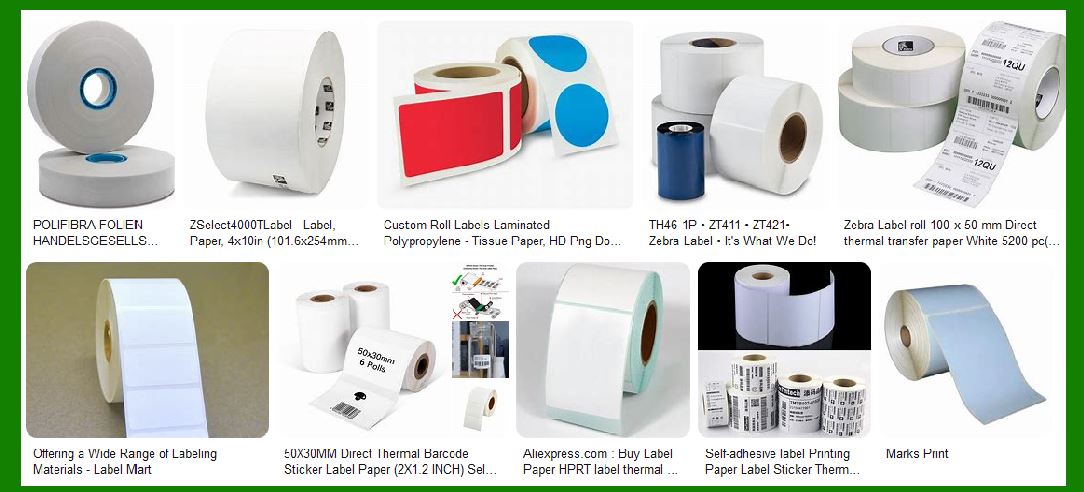
Thermal transfer printing uses a ribbon that contains ink, which is heated and transferred onto the label surface by a printhead. This type of ink is often used for barcode labels that require high durability, especially in harsh environments. |
Chemical Composition: Thermal transfer ribbons generally consist of three layers: |
Ink layer: Contains wax or resin-based formulations. |
Base layer: Provides the mechanical strength of the ribbon. |
Back layer: Ensures smooth movement during printing. |
The inks in thermal transfer ribbons typically consist of wax, resin, or a wax-resin blend. The composition is adjusted depending on the durability needed: |
Wax-based inks: Generally used for less-durable applications where the labels are used for shorter periods or in mild environments. |
Resin-based inks: Used for high-durability applications, such as outdoor or industrial labels, as they provide superior abrasion and chemical resistance. |
Wax-resin blend: A mix of both types, offering a balance between durability and cost. |
Advantages: |
High durability, especially with resin-based inks. |
Suitable for a wide range of surfaces, including paper, plastic, and synthetic materials. |
Fast, clean printing with minimal need for maintenance. |
Environmental Impact: The inks used in thermal transfer printing may contain petroleum-based resins or synthetic waxes, which are non-biodegradable and contribute to plastic pollution. Additionally, the production of thermal transfer ribbons requires energy and materials, which can have an environmental footprint if not recycled properly. |
|
4.1.2 Direct Thermal Inks |
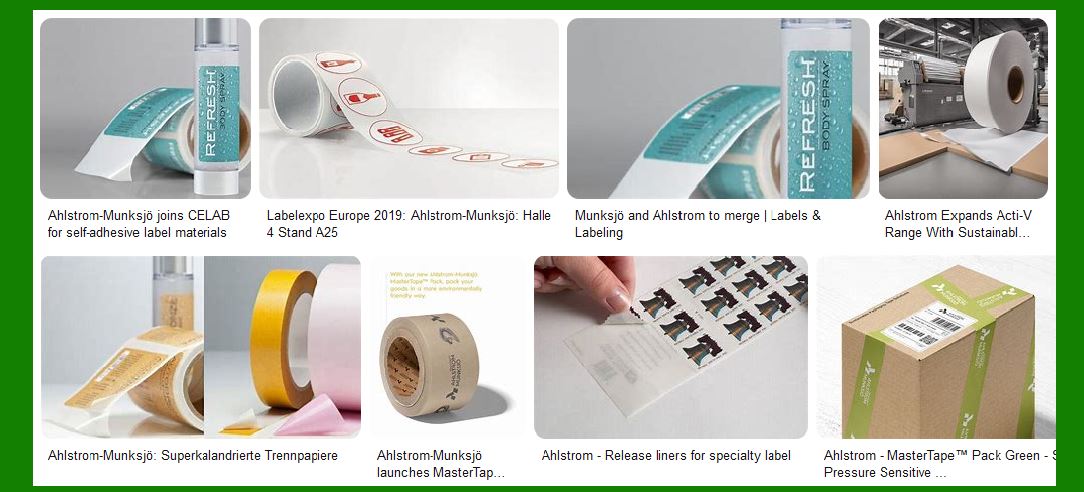
Direct thermal printing, on the other hand, uses heat-sensitive paper that darkens when heated, eliminating the need for external inks or ribbons. The surface of the thermal paper reacts to the heat generated by the printhead, allowing the barcode to be printed directly onto the paper. |
Chemical Composition: Direct thermal paper is typically coated with a chemical compound that contains leuco dyes (colorless dyes) and developers. When exposed to heat, the leuco dye reacts with the developer, producing a visible color change. |
Leuco dyes: These are colorless molecules that, when activated by heat, form a visible color. |
Developers: Chemicals such as phthalide or fluoran compounds are often used as developers to trigger the color change when exposed to heat. |
Advantages: |
No need for external ink or toner, which makes the process simpler and cost-effective. |
Ideal for high-speed printing applications, such as retail and logistics. |
Commonly used in environments where label longevity isn’t a primary concern (e.g., shipping labels, receipts). |
Environmental Impact: The main environmental concern with direct thermal printing is the thermal paper itself, which is often coated with chemicals like bisphenol A (BPA) or bisphenol S (BPS). These chemicals are endocrine disruptors and have been linked to serious health risks. Additionally, direct thermal labels can contribute to paper waste if not recycled properly. There are also concerns related to the disposal of BPA-containing thermal paper, as it can contaminate recycling streams. |
|
4.1.3 Flexographic Inks |
Flexographic printing is a popular method for large-scale barcode label production, especially for labels that require high-speed printing and high-volume production. It uses flexible plates that transfer ink onto the label. |
Chemical Composition: Flexographic inks are typically water-based, solvent-based, or UV-cured. Each type has different chemicals and environmental considerations: |
Water-based inks: Contain pigments or dyes suspended in a water-based medium. They are more environmentally friendly as they contain no volatile solvents. |
Solvent-based inks: Contain solvents like toluene, xylene, or acetone to dissolve the ink, making it easy to apply and fast-drying. |
UV-cured inks: These inks harden and cure when exposed to ultraviolet (UV) light, and they are often used in high-quality printing for durable labels. |
Advantages: |
Water-based inks are more environmentally friendly than solvent-based inks, with fewer VOCs emitted. |
UV-cured inks provide high-quality, durable prints and have minimal environmental impact because they don't emit VOCs during curing. |
Solvent-based inks provide a strong bond and vibrant color, making them suitable for challenging surfaces. |
Environmental Impact: |
Water-based inks are generally considered safe for the environment as they produce minimal VOCs and are biodegradable. |
Solvent-based inks are problematic due to the VOCs released during the printing process. These VOCs contribute to air pollution and have health risks, including respiratory problems and potential carcinogenic effects. |
UV-cured inks generally have a lower environmental impact compared to solvent-based inks since they do not require solvents, but they may still contain photoinitiators and other chemicals that are not fully biodegradable. |

|
4.2 Printing Chemicals and Additives |
Apart from the base inks, several chemicals and additives are used to enhance the printing process and improve the final quality of barcode labels. |
4.2.1 Pigments and Dyes |
Inks for barcode labels require pigments and dyes to provide the necessary color contrast and readability. These chemicals are integral to ensuring that the barcodes are clearly visible and can be easily scanned. |
Pigments: Pigments are solid, colored particles suspended in the ink. They are preferred over dyes for barcode inks because they are more stable and resistant to fading. |
Inorganic pigments: Common inorganic pigments used in barcode inks include titanium dioxide (for whiteness and opacity) and iron oxide (for red or brown colors). |
Organic pigments: These are often used for more vibrant colors. Common examples include phthalocyanine blue and quinacridone. |
Dyes: Dyes are soluble molecules that impart color to the ink. While they are more cost-effective than pigments, they tend to fade over time and are more prone to environmental degradation. |
|
4.2.2 Solvents |
Insoluble ink components, such as pigments, need to be dissolved in solvents for printing. Solvents are volatile liquids that evaporate once the ink is applied, leaving behind the pigment or dye. |
Solvents used: |
Water: The most common solvent used in water-based inks. |
Hydrocarbons: Toluene, acetone, ethanol, and xylene are used in solvent-based inks. |
Alcohols: Alcohol-based solvents like isopropyl alcohol are used for fast-drying inks. |
Environmental Impact: The use of solvent-based inks raises significant environmental concerns due to the emission of VOCs, which contribute to air pollution and global warming. These solvents are also toxic, and their disposal requires careful handling to avoid contamination of water and soil. |
|
4.2.3 Binders and Resins |
Binders are chemicals that hold the pigment or dye particles together and help them adhere to the label surface. They are an essential part of the ink's formulation, providing strength, durability, and flexibility. |
Types of Binders: |
Acrylic resins: Widely used in modern inks because of their good adhesion and resistance to environmental conditions. |
Cellulose derivatives: These are used in water-based inks to improve the ink’s adhesion to paper and other surfaces. |
Polyurethane resins: Often used in flexographic inks for their durability and flexibility. |
Environmental Impact: The resins used in inks are often derived from petroleum-based sources, and their production and disposal can lead to environmental pollution. However, some eco-friendly inks are now formulated with bio-based or plant-derived resins to reduce the environmental footprint. |
|
4.3 Environmental and Health Concerns of Printing Chemicals |
The printing chemicals used in barcode label production, particularly inks, solvents, and additives, pose several environmental and health risks. These include: |
4.3.1 Air Pollution and VOCs |
Solvent-based inks release volatile organic compounds (VOCs) during the printing process, which contribute to air pollution and the formation of ground-level ozone. These chemicals can also cause smog, which is harmful to human health, particularly in urban areas. Prolonged exposure to VOCs can lead to respiratory issues, headaches, and in some cases, long-term damage to the liver or kidneys. |
4.3.2 Waste and Disposal |
Both ink residues and the solvents used in printing need to be carefully disposed of. Inks that contain heavy metals or non-biodegradable chemicals can contaminate water sources or end up in landfills, contributing to long-term environmental pollution. |
4.3.3 Toxicity of Certain Chemicals |
Some pigments and dyes used in inks may contain heavy metals like lead, cadmium, and chromium, which are toxic and can accumulate in the environment. BPA and BPS, commonly found in direct thermal paper, are endocrine disruptors and have been linked to serious health issues. |
4.4 Sustainable and Eco-Friendly Inks |
In response to the environmental challenges posed by traditional ink formulations, the industry has been moving toward greener alternatives. Some of these include: |
Water-Based Inks: These inks contain fewer VOCs and are biodegradable. They are becoming more common in barcode label printing and flexographic printing. |
Soy-Based Inks: These inks are made from renewable soybeans and are biodegradable. They are less toxic than petroleum-based inks and have a lower environmental impact. |
UV-Curable Inks: UV inks do not contain solvents and are cured using ultraviolet light, eliminating VOC emissions during the printing process. |
Biodegradable and Non-Toxic Pigments: More eco-friendly pigments are being developed, such as bio-based dyes and pigments made from renewable resources. |

|
Conclusion |
Inks and printing chemicals play a critical role in barcode label production, ensuring that the barcodes are readable, durable, and legible in various environments. However, the chemicals involved—such as pigments, solvents, resins, and dyes—pose significant environmental and health risks. The industry is slowly shifting toward more sustainable and eco-friendly printing processes, using water-based inks, soy-based inks, and UV-cured inks to reduce the impact of barcode label printing. With continued innovation, it is possible to minimize the environmental footprint of ink and printing chemicals while maintaining the quality and functionality of barcode labels. |
|
 cs@easiersoft.com