Part 1 Introduction to Barcode Label Paper and the Fundamentals of Label Substrates |
1. The Importance of Barcode Label Paper in Modern Industry |
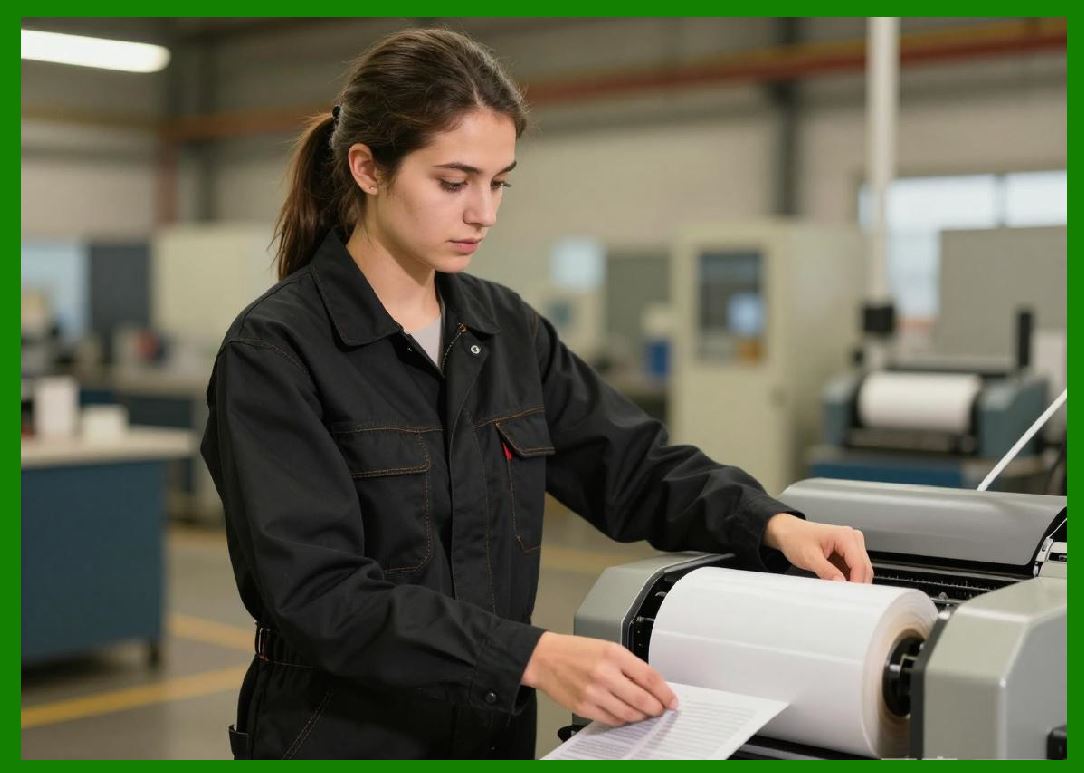
Barcode label paper is one of the most important yet often overlooked materials in modern commerce, manufacturing, logistics, healthcare, retail, transportation, warehousing, government administration, and supply chain management. While barcode scanners, printers, software systems, and database platforms receive much of the attention in discussions about automatic identification technology, the label substrate itself is equally critical. A poorly selected label material can cause scanning failures, product traceability loss, shipping delays, compliance violations, inventory inaccuracies, and major financial losses. |
A barcode label is not merely paper with printed bars.It is a carefully engineered multilayer identification medium designed to: |
1. Carry machine-readable information. |
2. Preserve readability under environmental stress. |
3. Maintain adhesion to specific surfaces. |
4. Survive handling, abrasion, chemicals, moisture, heat, UV exposure, or freezing conditions. |
5. Work correctly with particular printing technologies. |
6. Maintain dimensional stability over time. |
7. Support high-speed industrial printing and application systems. |
The term barcode label paperbroadly refers to the printable face material used in barcode labels. However, in professional labeling industries, the word paper often includes both true cellulose paper materials and film-based synthetic materials such as polypropylene, polyester, polyethylene, vinyl, and polyimide. |
The substrate selection process is one of the most important engineering decisions in barcode system design. |
|
2. Historical Development of Barcode Label Materials |
2.1 Early Barcode Labels |
The earliest commercial barcode systems emerged during the 1960s and 1970s. Initial labels were simple paper stickers printed with basic ink systems. Early applications mainly focused on retail product identification. |
The earliest barcode labels typically used: |
1. Uncoated paper. |
2. Pressure-sensitive adhesive. |
3. Black carbon-based ink. |
4. Simple release liners. |
Durability requirements were minimal because labels only needed to survive: |
1. Short transportation cycles. |
2. Retail shelf display. |
3. Point-of-sale scanning. |
As barcode applications expanded into industrial environments, material requirements rapidly increased. |

|
2.2 Expansion into Industrial Applications |
By the 1980s and 1990s, barcode technology became essential for: |
1. Warehouse management. |
2. Manufacturing automation. |
3. Automotive tracking. |
4. Medical sample identification. |
5. Shipping logistics. |
6. Asset tracking. |
7. Aerospace parts management. |
These applications exposed weaknesses in conventional paper labels. |
Problems included: |
1. Ink smearing. |
2. Moisture absorption. |
3. Adhesive failure. |
4. Surface tearing. |
5. UV fading. |
6. Chemical degradation. |
7. Thermal instability. |
As a result, the label industry began developing specialized substrates and coatings. |

|
2.3 Rise of Specialized Label Materials |
Modern barcode label materials are highly engineered composites. |
Today labels may include: |
1. Topcoats. |
2. Primer layers. |
3. Face stock. |
4. Barrier coatings. |
5. Adhesive systems. |
6. Release coatings. |
7. Release liners. |
Each layer performs specific technical functions. |
For example: |
1. A thermal transfer polyester label may require: |
* Heat-resistant topcoat. |
* Resin ribbon compatibility layer. |
* Tear-resistant polyester film. |
* Aggressive permanent acrylic adhesive. |
* Silicone release liner. |
2. A direct thermal logistics label may require: |
* Thermosensitive imaging layer. |
* Protective coating. |
* Paper substrate. |
* Freezer-grade adhesive. |
Modern barcode labels are therefore advanced material-engineering products rather than simple printed stickers. |

|
3. Basic Structure of Barcode Label Paper |
3.1 Overview of Label Construction |
Most barcode labels contain multiple engineered layers. |
The standard construction includes: |
1. Face stock. |
2. Topcoat. |
3. Primer. |
4. Adhesive. |
5. Release coating. |
6. Liner. |
Each layer affects barcode performance. |

|
3.2 Face Stock |
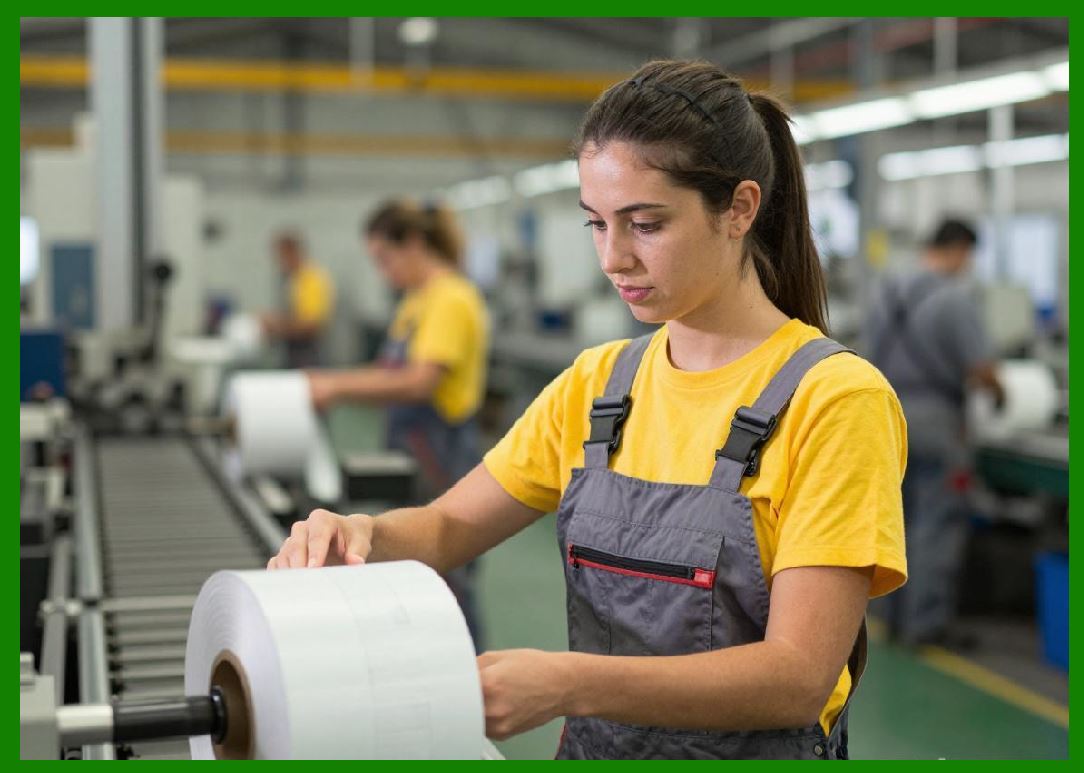
The face stock is the main printable material. |
It determines: |
1. Print quality. |
2. Durability. |
3. Flexibility. |
4. Chemical resistance. |
5. Tear resistance. |
6. Environmental survivability. |
Face stock may consist of: |
1. Paper. |
2. Polypropylene. |
3. Polyester. |
4. Polyethylene. |
5. Polyimide. |
6. Vinyl. |
7. Specialty composites. |
|
3.3 Topcoat Layer |
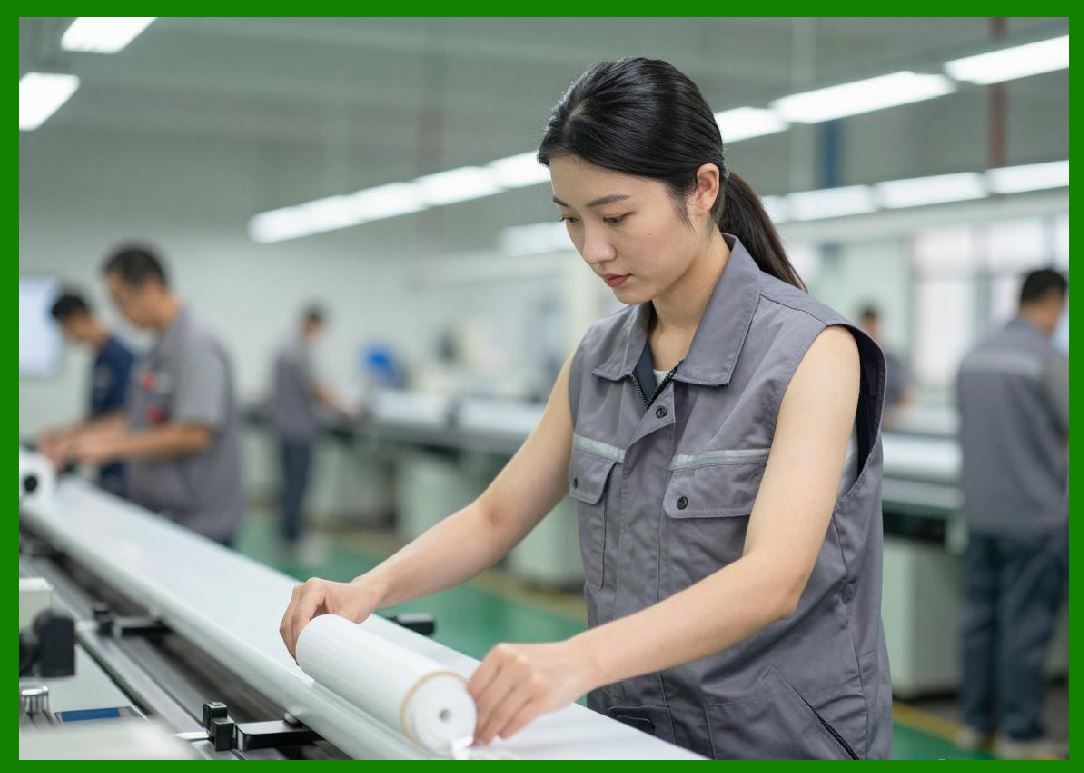
The topcoat is applied to improve: |
1. Print adhesion. |
2. Abrasion resistance. |
3. Chemical resistance. |
4. Moisture resistance. |
5. Ribbon compatibility. |
6. Thermal print sensitivity. |
Without proper topcoating, barcode images may deteriorate quickly. |
|
3.4 Primer Layer |
The primer improves bonding between layers. |
Functions include: |
1. Ink anchoring. |
2. Coating adhesion. |
3. Thermal stability. |
4. Surface energy modification. |
Certain synthetic materials require primers because inks and coatings do not naturally adhere well to low-energy surfaces. |

|
3.5 Adhesive Layer |
The adhesive attaches the label to products or packaging. |
Adhesives vary greatly depending on application requirements. |
Major adhesive categories include: |
1. Permanent adhesive. |
2. Removable adhesive. |
3. Freezer adhesive. |
4. High-temperature adhesive. |
5. Repositionable adhesive. |
6. Tamper-evident adhesive. |
7. Medical-grade adhesive. |
Improper adhesive selection can cause label failure even when the face material itself is suitable. |

|
3.6 Release Coating |
The release coating allows labels to separate cleanly from the liner. |
Usually silicone-based, this layer controls: |
1. Peel force. |
2. Label dispensing performance. |
3. High-speed printer operation. |

|
3.7 Release Liner |
The liner supports the label before application. |
Common liner materials include: |
1. Glassine paper. |
2. Kraft paper. |
3. PET liner. |
4. Polycoated liner. |
The liner influences: |
1. Printer feed accuracy. |
2. Die-cutting precision. |
3. Label dispensing reliability. |
4. Dimensional stability. |

|
4. Classification of Barcode Label Papers |
4.1 Primary Classification Methods |
Barcode label materials are commonly classified by: |
1. Base material. |
2. Printing technology compatibility. |
3. Surface coating. |
4. Environmental resistance. |
5. Adhesive system. |
6. Durability class. |
7. End-use application. |

|
4.2 Main Material Categories |
The primary material categories include: |
1. Uncoated paper labels. |
2. Coated paper labels. |
3. Thermal paper labels. |
4. Synthetic film labels. |
5. Specialty industrial labels. |
6. RFID-integrated labels. |
7. Security labels. |
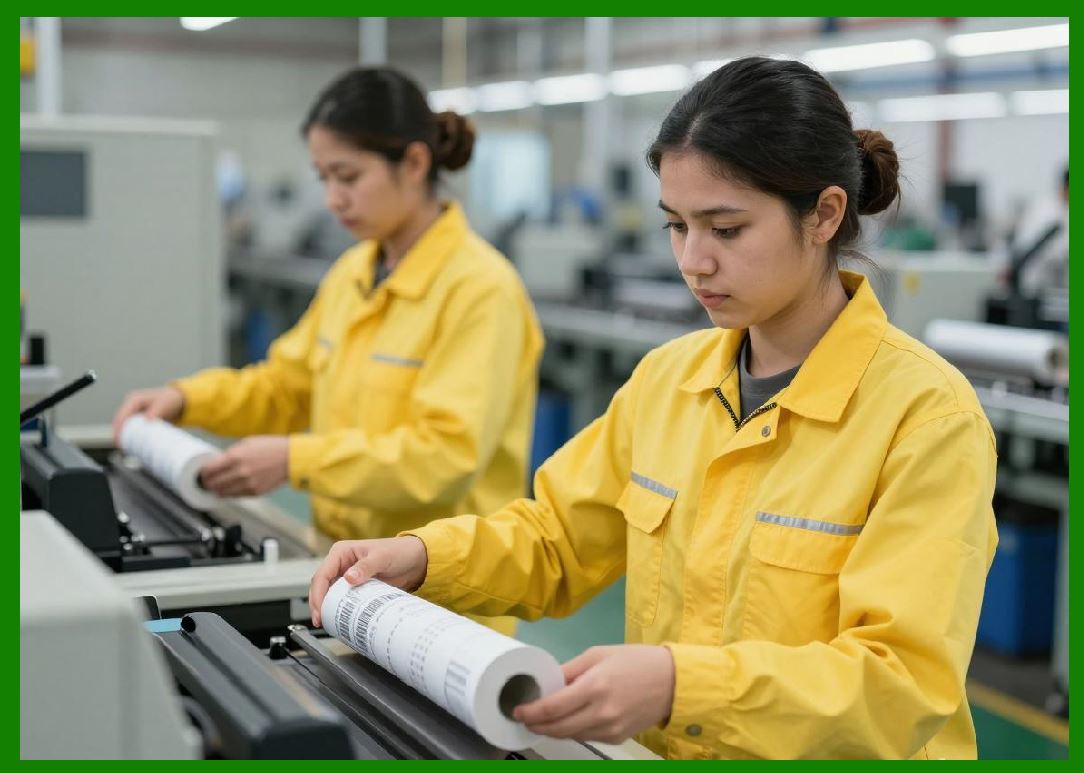
Each category has unique manufacturing methods and performance characteristics. |
|
5. Uncoated Paper Labels |
5.1 Definition |
Uncoated paper labels are the simplest and least expensive barcode label materials. |
They consist mainly of: |
1. Cellulose paper. |
2. Adhesive. |
3. Release liner. |
These labels have minimal surface treatment. |
5.2 Characteristics |
Advantages include: |
1. Low cost. |
2. Easy printing. |
3. Good ink absorption. |
4. Environmental friendliness. |
5. High availability. |
Disadvantages include: |
1. Poor moisture resistance. |
2. Weak abrasion resistance. |
3. Limited durability. |
4. Low chemical resistance. |
5. Susceptibility to tearing. |
5.3 Typical Applications |
Common applications include: |
1. Retail shelf labels. |
2. Shipping labels. |
3. Short-term warehouse labels. |
4. Office labels. |
5. Temporary identification tags. |
These labels are not intended for harsh industrial environments. |

|
6. Coated Paper Labels |
6.1 Definition |
Coated paper labels contain surface coatings designed to improve: |
1. Print quality. |
2. Ink holdout. |
3. Durability. |
4. Surface smoothness. |
The coating may be: |
1. Clay-based. |
2. Polymer-based. |
3. Latex-based. |
4. Mineral-filled. |
6.2 Types of Coated Papers |
Major coated paper categories include: |
1. Matte coated paper. |
2. Semi-gloss paper. |
3. Gloss paper. |
4. Cast-coated paper. |
Surface finish greatly affects barcode scanning performance. |
6.3 Gloss vs Matte Surfaces |
Gloss surfaces provide: |
1. Sharp image quality. |
2. High contrast. |
3. Attractive appearance. |
However, excessive gloss may produce scanner reflection problems under certain lighting conditions. |
Matte surfaces provide: |
1. Better readability. |
2. Lower glare. |
3. Industrial suitability. |

|
7. Direct Thermal Label Paper |
7.1 Fundamental Principle |
Direct thermal labels contain heat-sensitive chemical coatings. |
When exposed to thermal printheads: |
1. Heat activates the coating. |
2. Chemical reactions create dark images. |
3. No ink or ribbon is required. |
This simplifies printing systems. |
7.2 Advantages |
Direct thermal labels offer: |
1. Low printer maintenance. |
2. Lower operating cost. |
3. Simplified mechanics. |
4. Fast printing. |
5. Quiet operation. |
7.3 Limitations |
However, direct thermal labels suffer from: |
1. Heat sensitivity. |
2. UV sensitivity. |
3. Chemical sensitivity. |
4. Image fading. |
5. Limited lifespan. |
These limitations make them unsuitable for long-term archival applications. |
7.4 Typical Applications |
Direct thermal labels are commonly used for: |
1. Shipping labels. |
2. Logistics labels. |
3. Retail receipts. |
4. Temporary identification. |
5. Airline baggage tags. |
6. Food delivery labels. |

|
8. Thermal Transfer Label Materials |
8.1 Printing Principle |
Thermal transfer printing uses: |
1. Printhead heat. |
2. Ribbon-based ink transfer. |
3. Pressure application. |
The ribbon melts onto the label surface. |
8.2 Benefits |
Thermal transfer systems provide: |
1. Excellent durability. |
2. Long lifespan. |
3. High chemical resistance. |
4. High abrasion resistance. |
5. Excellent barcode sharpness. |
8.3 Compatible Materials |
Thermal transfer printing works with: |
1. Paper labels. |
2. Polypropylene labels. |
3. Polyester labels. |
4. Polyimide labels. |
5. Specialty synthetics. |
The ribbon type must match the substrate. |

|
9. Synthetic Barcode Label Materials |
9.1 Need for Synthetic Materials |
Paper labels cannot survive many industrial conditions. |
Synthetic materials were developed to address: |
1. Moisture exposure. |
2. Chemical exposure. |
3. Outdoor weathering. |
4. High temperatures. |
5. Abrasion. |
6. Mechanical stress. |
9.2 Main Synthetic Categories |
Major synthetic label materials include: |
1. Polypropylene (PP). |
2. Polyester (PET). |
3. Polyethylene (PE). |
4. Vinyl (PVC). |
5. Polyimide (PI). |
Each material has unique engineering properties. |
9.3 Advantages of Synthetic Labels |
Benefits include: |
1. Waterproof properties. |
2. Tear resistance. |
3. Chemical resistance. |
4. Long service life. |
5. UV stability. |
6. Industrial durability. |
However, synthetic materials are generally more expensive than paper. |

|
10. Barcode Readability and Label Surface Science |
10.1 Importance of Surface Quality |
Barcode readability depends heavily on label surface characteristics. |
Important factors include: |
1. Surface smoothness. |
2. Reflectivity. |
3. Contrast ratio. |
4. Ink absorption. |
5. Edge definition. |
Poor surface quality reduces scanner reliability. |
10.2 Contrast Ratio |
Barcode scanners require sufficient contrast between: |
1. Dark bars. |
2. Light background. |
Low contrast causes decoding failures. |
Surface coatings directly affect contrast performance. |
10.3 Print Edge Sharpness |
Barcode accuracy depends on precise edge definition. |
Factors influencing edge sharpness include: |
1. Coating uniformity. |
2. Ink spread. |
3. Thermal sensitivity. |
4. Ribbon compatibility. |
5. Surface energy. |
Industrial barcode standards often require strict print tolerances. |

|
11. Environmental Factors Affecting Barcode Labels |
11.1 Moisture |
Moisture is one of the most destructive factors affecting barcode labels. |
Water exposure can cause: |
1. Paper swelling. |
2. Adhesive weakening. |
3. Ink bleeding. |
4. Surface delamination. |
5. Mold growth. |
Synthetic labels provide superior moisture resistance. |
11.2 Heat |
Heat affects: |
1. Adhesive stability. |
2. Thermal paper sensitivity. |
3. Film shrinkage. |
4. Ink durability. |
High-temperature environments require specialized materials. |
11.3 Cold Temperatures |
Freezer applications create challenges such as: |
1. Adhesive brittleness. |
2. Surface condensation. |
3. Reduced tack strength. |
4. Thermal contraction. |
Freezer-grade adhesives are specially formulated for such environments. |
11.4 Chemical Exposure |
Industrial chemicals may destroy ordinary labels. |
Common threats include: |
1. Alcohol. |
2. Acetone. |
3. Oils. |
4. Cleaning agents. |
5. Solvents. |
6. Fuels. |
Chemical-resistant synthetics are necessary in such environments. |

|
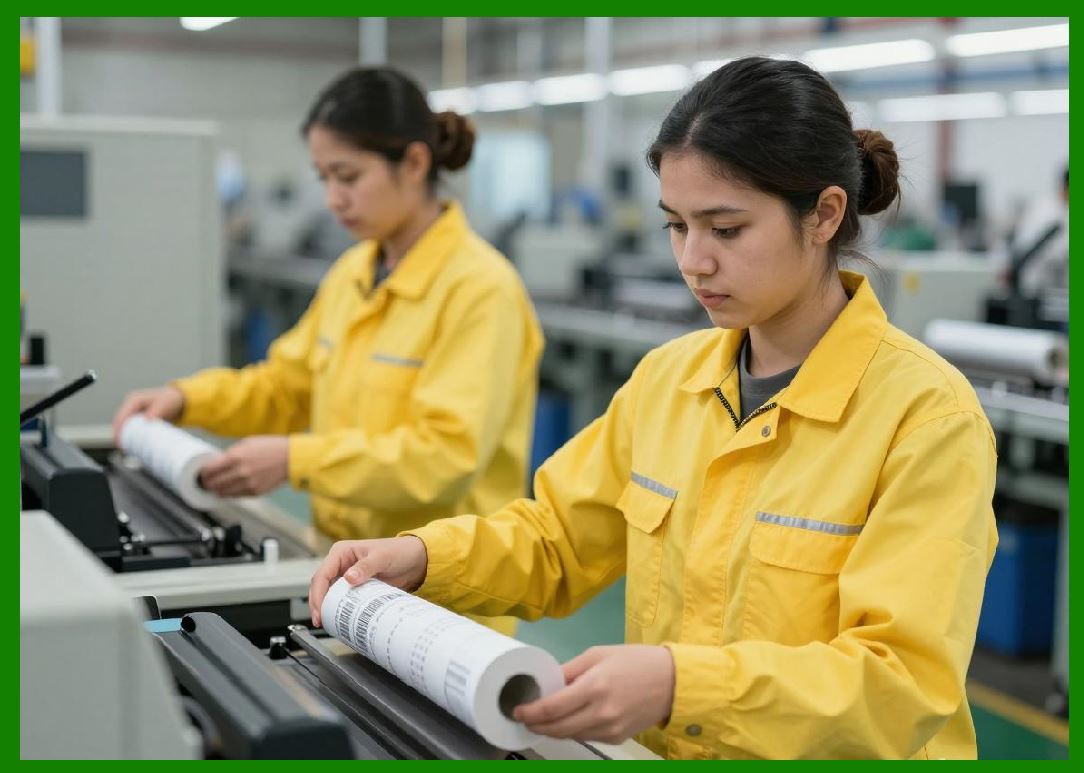
12. Manufacturing Process of Barcode Label Paper |
12.1 Raw Material Preparation |
Paper label production begins with cellulose pulp preparation. |
Pulp sources include: |
1. Wood pulp. |
2. Recycled fiber. |
3. Cotton fiber. |
4. Specialty cellulose blends. |
The pulp undergoes: |
1. Cleaning. |
2. Refining. |
3. Bleaching. |
4. Mixing. |
12.2 Papermaking Process |
The paper web is formed using: |
1. Fourdrinier machines. |
2. Cylinder machines. |
3. Specialty coating systems. |
Key stages include: |
1. Sheet formation. |
2. Water removal. |
3. Pressing. |
4. Drying. |
5. Calendering. |
12.3 Surface Coating |
Coatings are applied using: |
1. Blade coaters. |
2. Rod coaters. |
3. Air knife systems. |
4. Curtain coaters. |
The coating formulation strongly influences barcode performance. |
12.4 Adhesive Coating |
Adhesives are applied onto the label stock using precision coating systems. |
Critical parameters include: |
1. Coating thickness. |
2. Uniformity. |
3. Drying temperature. |
4. Cure conditions. |
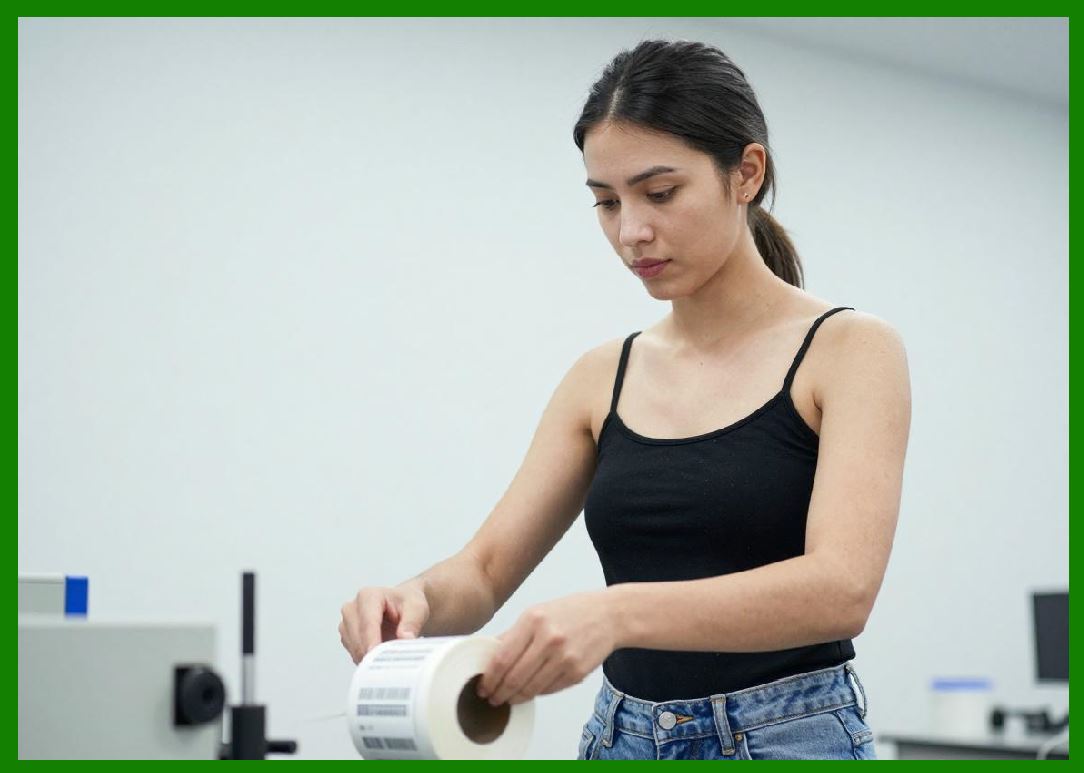
12.5 Die Cutting |
Finished label rolls undergo die cutting. |
This process creates: |
1. Individual label shapes. |
2. Waste matrix removal. |
3. Precise spacing. |
Die accuracy affects printer feeding reliability. |
|
13. Quality Control in Barcode Label Manufacturing |
13.1 Importance of Quality Control |
Barcode labels require strict manufacturing tolerances. |
Poor quality can cause: |
1. Printer jams. |
2. Scan failures. |
3. Adhesive leakage. |
4. Curling. |
5. Registration errors. |
13.2 Common Testing Procedures |
Manufacturers perform tests including: |
1. Adhesion testing. |
2. Abrasion testing. |
3. Thermal resistance testing. |
4. Humidity exposure testing. |
5. Print quality evaluation. |
6. Barcode verification. |
7. Chemical resistance testing. |
13.3 Barcode Verification Standards |
Barcode quality is measured using international standards. |
Common standards include: |
1. ISO/IEC 15416. |
2. ISO/IEC 15415. |
3. ANSI grading systems. |
Verification ensures reliable scanner performance. |

|
14. Economic Considerations in Label Selection |
14.1 Total Cost vs Material Cost |
The cheapest label is not always the most economical. |
Factors affecting total cost include: |
1. Printer downtime. |
2. Scan failure rates. |
3. Product recalls. |
4. Re-labeling labor. |
5. Shipping errors. |
A higher-cost durable label may reduce overall operational expense. |
14.2 Lifecycle Cost Analysis |
Label selection should consider: |
1. Expected service life. |
2. Environmental exposure. |
3. Regulatory requirements. |
4. Failure risk. |
5. Maintenance costs. |
Lifecycle analysis is especially important in industrial applications. |

|
15. Sustainability and Environmental Concerns |
15.1 Environmental Impact of Label Materials |
Modern industries increasingly focus on sustainable labeling. |
Environmental concerns include: |
1. Plastic waste. |
2. Recycling compatibility. |
3. Chemical emissions. |
4. Energy consumption. |
5. Forest resource usage. |
15.2 Recyclable Label Materials |
Eco-friendly materials include: |
1. Recycled paper. |
2. FSC-certified paper. |
3. Wash-off adhesives. |
4. Biodegradable films. |
However, sustainability must be balanced against durability requirements. |
15.3 Liner Waste Reduction |
Release liners generate large amounts of industrial waste. |
Solutions include: |
1. Linerless labels. |
2. Thin liners. |
3. Recyclable liners. |
4. PET liner recycling systems. |
Linerless technology is becoming increasingly important in logistics industries. |

|
16. Future Trends in Barcode Label Materials |
16.1 Smart Labels |
Future labels may integrate: |
1. RFID chips. |
2. Sensors. |
3. Temperature indicators. |
4. NFC technology. |
5. Electronic ink. |
16.2 Advanced Coatings |
Emerging coatings include: |
1. Antimicrobial surfaces. |
2. Self-cleaning coatings. |
3. Anti-counterfeit layers. |
4. UV-reactive materials. |
16.3 Sustainability Innovations |
Future developments may include: |
1. Compostable labels. |
2. Bio-based plastics. |
3. Waterless manufacturing. |
4. Carbon-neutral production. |
The label industry is evolving toward both higher performance and greater environmental responsibility. |
|
17. Technical Content Summary |
This first part introduced the foundational concepts of barcode label paper and established the technical framework necessary for deeper exploration in later parts. |
The article explained that barcode labels are highly engineered multilayer materials rather than simple printed stickers. A modern barcode label typically consists of face stock, coatings, primers, adhesives, release coatings, and liners, each serving specialized technical functions. |
The discussion covered the historical evolution of barcode label materials from simple paper retail labels into sophisticated industrial identification substrates capable of surviving harsh environments such as moisture, chemicals, abrasion, UV exposure, freezing temperatures, and industrial heat. |
Major barcode label categories were introduced, including: |
1. Uncoated paper labels. |
2. Coated paper labels. |
3. Direct thermal labels. |
4. Thermal transfer labels. |
5. Synthetic film labels. |
6. Specialty industrial labels. |
The article also explained the differences between paper and synthetic materials, emphasizing how application environments determine material selection requirements. |
|
Important engineering topics discussed included: |
1. Surface smoothness. |
2. Barcode contrast. |
3. Print edge definition. |
4. Environmental resistance. |
5. Adhesive performance. |
6. Manufacturing tolerances. |
7. Quality control procedures. |
The manufacturing process overview described: |
1. Pulp preparation. |
2. Papermaking. |
3. Surface coating. |
4. Adhesive coating. |
5. Die cutting. |
6. Quality testing. |
Finally, the article explored sustainability trends, smart labels, advanced coatings, and future innovations shaping the barcode labeling industry. |
The next part will begin a much deeper technical analysis of paper-based barcode label materials, including pulp chemistry, cellulose structure, coating technologies, paper finishing methods, and the detailed engineering properties of uncoated and coated barcode papers. |
 cs@easiersoft.com