Part 13 Barcode Label Adhesive Systems: Acrylic Adhesives, Rubber Adhesives, Silicone Adhesives, Hot-Melt Technologies, Tack Engineering, and Environmental Durability |
1. Introduction to Barcode Label Adhesives |
In barcode label engineering, the adhesive layer is one of the most critical and technically complex components of the entire label construction. A barcode label may possess excellent print quality and durable face materials, but if the adhesive fails, the entire identification system fails. |
Adhesives determine whether labels: |
1. Remain attached. |
2. Peel prematurely. |
3. Survive environmental exposure. |
4. Resist chemicals. |
5. Conform to surfaces. |
6. Maintain readability. |
7. Function throughout the product lifecycle. |
Modern barcode label adhesives are highly engineered polymer systems involving advanced chemistry, rheology, interfacial science, viscoelasticity, polymer physics, and surface interaction engineering. |
|
Barcode label adhesives must often function under difficult conditions including: |
1. High humidity. |
2. Freezing temperatures. |
3. Outdoor UV exposure. |
4. Chemical exposure. |
5. Curved surfaces. |
6. Rough substrates. |
7. High-speed application systems. |
8. Thermal cycling. |
9. Oil contamination. |
10. Long-term aging. |
This part explores barcode label adhesive systems in extensive technical detail. |

|
2. Fundamentals of Pressure-Sensitive Adhesives |
2.1 Definition of Pressure-Sensitive Adhesives |
Most barcode labels use pressure-sensitive adhesives (PSAs). |
PSAs bond through light pressure without requiring: |
1. Heat activation. |
2. Water activation. |
3. Chemical curing during application. |
2.2 Key PSA Properties |
Pressure-sensitive adhesives require a balance of: |
1. Tack. |
2. Peel adhesion. |
3. Shear strength. |
4. Cohesion. |

|
2.3 Viscoelastic Behavior |
PSAs behave as viscoelastic materials. |
They exhibit both: |
1. Elastic properties. |
2. Viscous flow behavior. |
2.4 Adhesion Mechanism |
Adhesion occurs when the adhesive wets the substrate surface and forms intermolecular interactions. |
|
3. Surface Wetting and Adhesion Physics |
3.1 Wetting Principle |
Adhesives must spread across substrate surfaces. |
Good wetting improves molecular contact. |
3.2 Surface Energy Relationships |
Adhesion strongly depends on substrate surface energy. |
High-energy surfaces are easier to bond. |
3.3 Contact Angle |
The contact angle indicates wetting quality. |
Smaller contact angles generally improve adhesion. |
3.4 Intermolecular Forces |
Adhesion involves forces such as: |
1. Van der Waals interactions. |
2. Polar interactions. |
3. Hydrogen bonding. |

|
4. Tack Engineering |
4.1 Definition of Tack |
Tack is the ability to form rapid initial bonds. |
4.2 Instant Adhesion |
High tack enables labels to adhere immediately during application. |
4.3 Molecular Mobility |
Adhesive flow characteristics strongly influence tack. |
4.4 Tackifier Chemistry |
Tackifiers increase surface stickiness. |
Common tackifiers include: |
1. Rosin esters. |
2. Hydrocarbon resins. |
3. Terpene resins. |
|
5. Peel Adhesion |
5.1 Definition |
Peel adhesion measures resistance to peeling forces. |
5.2 Peel Angle Effects |
Peel force depends on removal angle. |
5.3 Surface Roughness Influence |
Rough surfaces increase mechanical interlocking. |
5.4 Time Dependence |
Adhesion often increases over time as wetting improves. |
|
6. Shear Strength |
6.1 Cohesive Strength |
Shear strength reflects internal adhesive integrity. |
6.2 Long-Term Load Resistance |
Labels exposed to gravity or tension require strong shear resistance. |
6.3 Elevated Temperature Challenges |
Heat softens many adhesives. |
6.4 Cold Flow |
Some adhesives gradually deform under stress. |
|
7. Acrylic Adhesives |
7.1 Overview |
Acrylic adhesives are among the most common barcode label adhesives. |
Advantages include: |
1. UV resistance. |
2. Aging stability. |
3. Transparency. |
4. Chemical resistance. |
7.2 Acrylic Polymer Structure |
Acrylic systems are based on acrylate monomers. |
A generalized polymer structure may be represented conceptually as: |
[-CH_2-CH(COOR)-]_n |
7.3 Water-Based Acrylics |
Water-based acrylics reduce VOC emissions. |
7.4 Solvent Acrylics |
Solvent acrylics often provide superior performance on difficult substrates. |
|
8. Rubber-Based Adhesives |
8.1 Natural Rubber Systems |
Natural rubber adhesives provide: |
1. Very high tack. |
2. Fast bonding. |
8.2 Synthetic Rubber Systems |
Synthetic rubber types include: |
1. Styrene-butadiene rubber. |
2. SIS block copolymers. |
3. SBS copolymers. |
8.3 Advantages |
Rubber adhesives bond well to low-energy surfaces. |
8.4 Limitations |
Rubber systems often exhibit: |
1. Poor UV resistance. |
2. Reduced aging stability. |
|
9. Silicone Adhesives |
9.1 Extreme Surface Compatibility |
Silicone adhesives bond to difficult substrates such as silicone-coated materials. |
9.2 Temperature Resistance |
Silicone adhesives tolerate extreme temperatures. |
9.3 Chemical Stability |
Silicone systems resist many chemicals and weathering conditions. |
9.4 Cost Considerations |
Silicone adhesives are expensive. |
|
10. Hot-Melt Adhesives |
10.1 Definition |
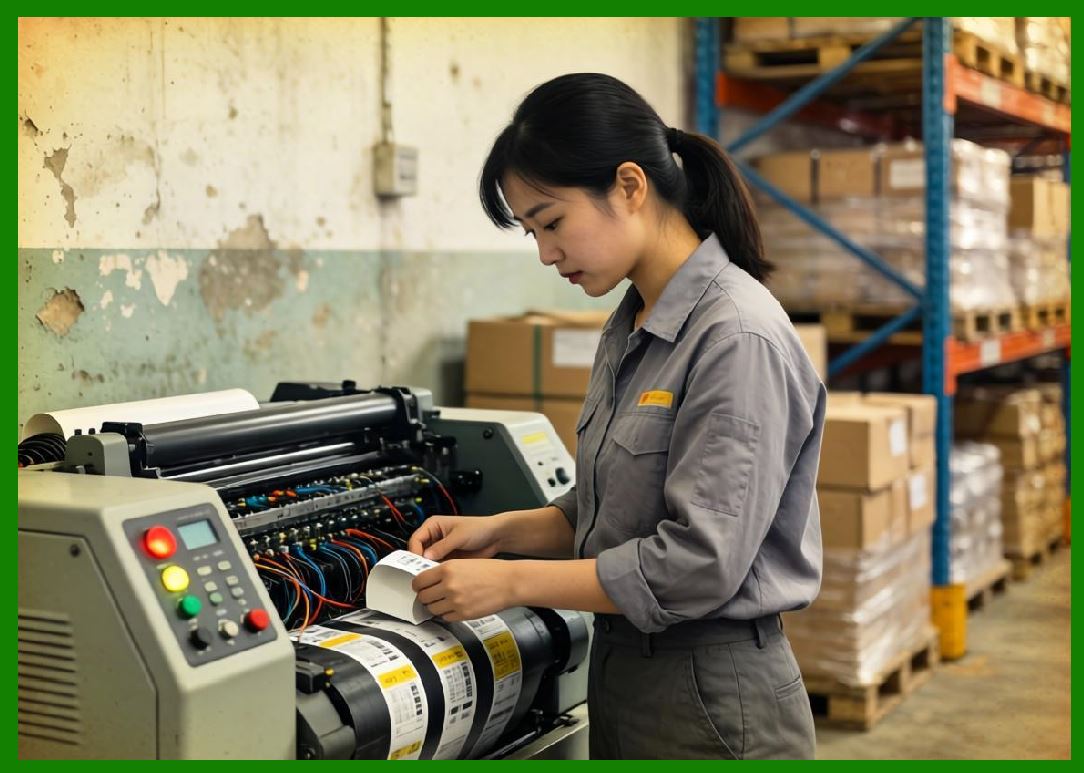
Hot-melt PSAs are applied in molten form. |
10.2 Fast Production Speeds |
Hot melts support high-speed coating operations. |
10.3 Solidification Mechanism |
Adhesion develops as the adhesive cools. |
10.4 Common Applications |
Hot melts are common in logistics labels. |
|
11. Solvent-Based Adhesive Systems |
11.1 Solvent Processing |
Solvents reduce viscosity during coating. |
11.2 Coating Uniformity |
Solvent systems often provide excellent coating quality. |
11.3 Drying Requirements |
Solvent evaporation requires energy-intensive drying. |
11.4 Environmental Concerns |
VOC emissions are major concerns. |

|
12. Water-Based Adhesive Systems |
12.1 Emulsion Technology |
Water-based systems use polymer emulsions. |
12.2 Environmental Benefits |
Advantages include: |
1. Lower VOC emissions. |
2. Safer processing. |
12.3 Drying Challenges |
Water removal requires significant energy. |
12.4 Freeze Sensitivity |
Some emulsions are temperature sensitive. |
|
13. Adhesive Coating Processes |
13.1 Slot-Die Coating |
Slot-die systems provide precise coat weight control. |
13.2 Gravure Coating |
Gravure rollers transfer controlled adhesive quantities. |
13.3 Knife Coating |
Knife systems regulate coating thickness mechanically. |
13.4 Curtain Coating |
Curtain coating enables highly uniform layers. |

|
14. Coat Weight Engineering |
14.1 Definition |
Coat weight refers to adhesive mass per unit area. |
14.2 Low Coat Weight Systems |
Thin adhesive layers reduce cost. |
14.3 High Coat Weight Systems |
High coat weights improve rough-surface bonding. |
14.4 Uniformity Importance |
Uneven coat weight causes inconsistent adhesion. |
|
15. Permanent Adhesives |
15.1 Characteristics |
Permanent adhesives resist intentional removal. |
15.2 Fiber Tear |
Strong adhesives may tear paper during removal. |
15.3 Industrial Applications |
Permanent labels are used for: |
1. Asset tracking. |
2. Compliance labeling. |
3. Product identification. |
|
16. Removable Adhesives |
16.1 Clean Removal |
Removable systems allow labels to peel away cleanly. |
16.2 Temporary Labeling |
Applications include: |
1. Shelf labels. |
2. Temporary inventory labels. |
16.3 Adhesion Balance |
The adhesive must balance hold strength with removability. |
16.4 Residue Prevention |
Low residue is critical. |
|
17. Repositionable Adhesives |
17.1 Multiple Reapplication |
Repositionable labels can be removed and reapplied. |
17.2 Microsphere Technologies |
Some systems use microscopic adhesive spheres. |
17.3 Controlled Contact Area |
Reduced contact area lowers adhesion strength. |
|
18. High-Temperature Adhesives |
18.1 Thermal Stability |
Industrial environments may expose labels to high heat. |
18.2 Electronics Applications |
Circuit board labels require solder-resistant adhesives. |
18.3 Automotive Applications |
Automotive labels face prolonged heat exposure. |
18.4 Crosslinking Systems |
Crosslinking improves thermal resistance. |
|
19. Low-Temperature Adhesives |
19.1 Freezer Applications |
Frozen-food labels require cold-temperature adhesion. |
19.2 Glass Transition Challenges |
Adhesives become rigid below certain temperatures. |
19.3 Cold-Surface Wetting |
Cold substrates reduce adhesive flow. |
19.4 Specialized Formulations |
Cold-temperature PSAs use flexible polymers. |
|
20. Adhesion to Difficult Surfaces |
20.1 Low Surface Energy Plastics |
Materials such as polyethylene and polypropylene are difficult to bond. |
20.2 Textured Surfaces |
Rough surfaces require higher adhesive flow. |
20.3 Oily Surfaces |
Oil contamination reduces adhesion dramatically. |
20.4 Powder-Coated Metals |
Certain coatings create adhesion challenges. |
|
21. Chemical Resistance |
21.1 Solvent Exposure |
Industrial solvents may soften adhesives. |
21.2 Plasticizer Migration |
PVC plasticizers may weaken adhesive bonds. |
21.3 Oil Resistance |
Oil-resistant formulations are important in manufacturing environments. |
21.4 Moisture Resistance |
Water exposure may reduce adhesion over time. |
|
22. UV and Weather Resistance |
22.1 UV Degradation |
Sunlight gradually breaks down many polymers. |
22.2 Oxidative Aging |
Oxygen contributes to adhesive degradation. |
22.3 Outdoor Label Requirements |
Outdoor labels require long-term weather durability. |
22.4 Stabilizer Systems |
UV stabilizers extend lifespan. |
|
23. Adhesive Failure Modes |
23.1 Adhesive Failure |
Adhesive failure occurs at the substrate interface. |
23.2 Cohesive Failure |
Cohesive failure occurs inside the adhesive layer. |
23.3 Delamination |
Layer separation may occur inside label structures. |
23.4 Edge Lift |
Poor adhesion at edges causes lifting. |
24. Liner Interaction and Release Properties |
24.1 Silicone Release Systems |
Adhesives interact carefully with release liners. |
24.2 Release Force Balance |
Release force must support smooth dispensing. |
24.3 Adhesive Transfer Risks |
Poor release systems may transfer adhesive onto liners. |
24.4 Aging Effects |
Release properties change over time. |
|
25. Regulatory and Safety Considerations |
25.1 Food Contact Regulations |
Food packaging labels require compliant chemistries. |
25.2 Medical Applications |
Healthcare labels require biocompatibility considerations. |
25.3 VOC Regulations |
Environmental laws increasingly restrict solvents. |
25.4 REACH and RoHS |
Global regulations influence adhesive formulation. |
|
26. Sustainability Trends |
26.1 Solvent Reduction |
Manufacturers increasingly favor water-based systems. |
26.2 Bio-Based Adhesives |
Renewable feedstocks are gaining importance. |
26.3 Recyclable Adhesive Systems |
Adhesive contamination complicates recycling. |
26.4 Wash-Off Adhesives |
Some labels are designed to detach during recycling. |
|
27. Advanced Adhesive Technologies |
27.1 UV-Curable Adhesives |
UV systems cure rapidly under ultraviolet light. |
27.2 Nano-Engineered Adhesives |
Nanotechnology improves: |
1. Strength. |
2. Durability. |
3. Thermal stability. |
27.3 Smart Adhesives |
Future systems may respond to: |
1. Temperature. |
2. Pressure. |
3. Electrical signals. |
27.4 Conductive Adhesives |
Some advanced labels integrate electrical functionality. |
|
28. Industrial Application Examples |
28.1 Logistics Labels |
Logistics systems prioritize fast adhesion and low cost. |
28.2 Chemical Drum Labels |
Chemical labels require solvent-resistant adhesives. |
28.3 Electronics Labels |
Electronics applications require heat-resistant systems. |
28.4 Pharmaceutical Labels |
Pharmaceutical labels require regulatory compliance and reliability. |
|
29. Technical Content Summary |
This part provided a highly detailed technical examination of adhesive systems used in barcode labels. |
The article began by explaining the fundamentals of pressure-sensitive adhesives, including: |
1. Tack. |
2. Peel adhesion. |
3. Shear strength. |
4. Viscoelastic behavior. |
5. Wetting mechanisms. |
Detailed analysis was provided for adhesion physics, including: |
1. Surface energy relationships. |
2. Contact angle behavior. |
3. Molecular interactions. |
4. Wetting dynamics. |
|
The discussion extensively explored major adhesive categories including: |
1. Acrylic adhesives. |
2. Rubber-based adhesives. |
3. Silicone adhesives. |
4. Hot-melt systems. |
5. Water-based technologies. |
6. Solvent-based systems. |
Adhesive coating technologies such as: |
1. Slot-die coating. |
2. Gravure coating. |
3. Knife coating. |
4. Curtain coating. |
were examined in depth. |
The article also analyzed: |
1. Coat weight engineering. |
2. Permanent adhesives. |
3. Removable adhesives. |
4. Repositionable adhesives. |
5. High-temperature systems. |
6. Low-temperature systems. |
Extensive discussion was devoted to adhesion challenges involving: |
1. Low-surface-energy plastics. |
2. Oily surfaces. |
3. Powder-coated metals. |
4. Rough substrates. |
Chemical resistance, UV durability, aging mechanisms, liner-release interactions, and adhesive failure modes were also explored comprehensively. |
Finally, regulatory requirements, sustainability trends, bio-based adhesive development, wash-off recycling adhesives, and emerging smart adhesive technologies were examined. |
|
The next part will provide a highly detailed technical deep dive into barcode label manufacturing machinery and industrial production systems, including papermaking equipment, coating lines, slitting systems, rotary presses, thermal coating machines, inspection systems, automation technologies, and high-speed industrial converting operations. |
 cs@easiersoft.com