Part 2 Paper-Based Barcode Label Materials: Cellulose Chemistry, Paper Engineering, Coatings, and Surface Technologies |
1. Introduction to Paper-Based Barcode Label Materials |
Paper-based barcode label materials remain the most widely used label substrates in the global barcode industry. Despite the increasing popularity of synthetic materials such as polypropylene and polyester, paper labels still dominate many sectors because of their low cost, excellent printability, ease of manufacturing, wide availability, and environmental advantages. |
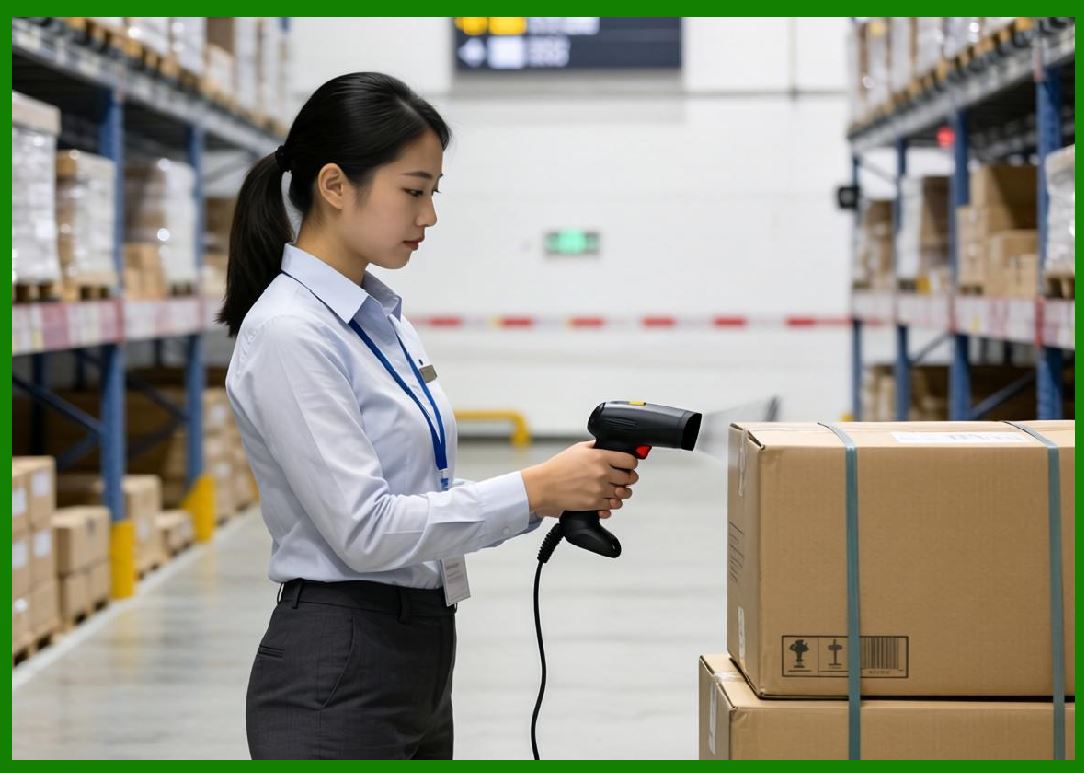
Paper barcode labels are used extensively in: |
1. Retail pricing labels. |
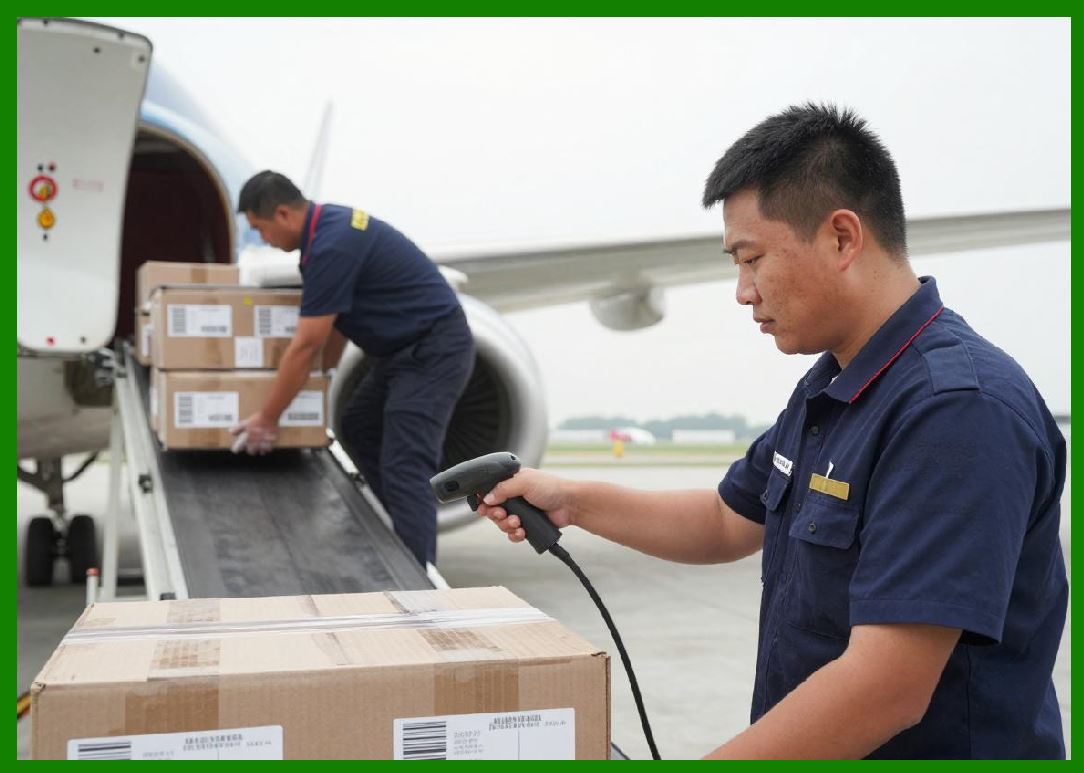
2. Shipping labels. |
3. Logistics identification. |
4. Product packaging. |
5. Inventory management. |
6. Warehouse operations. |
7. Food labeling. |
8. Pharmaceutical packaging. |
9. Office identification systems. |
10. Temporary industrial labeling. |
Although paper labels appear simple, modern barcode label paper is an advanced engineered material involving sophisticated chemistry, fiber engineering, coating science, moisture control, calendering technology, and surface energy optimization. |
|
This part provides a deep technical analysis of paper-based barcode label materials and explains: |
1. Cellulose chemistry. |
2. Pulp production. |
3. Fiber morphology. |
4. Paper manufacturing. |
5. Surface engineering. |
6. Coating technologies. |
7. Mechanical properties. |
8. Environmental performance. |
9. Print compatibility. |
10. Barcode imaging behavior. |
|
2. Cellulose: The Foundation of Paper Barcode Labels |
2.1 What Is Cellulose |
Cellulose is the primary structural component of paper. |
It is a natural polymer composed of glucose molecules linked together through beta-1,4-glycosidic bonds. |
The chemical formula for cellulose is: |
(C_6H_{10}O_5)_n |
Cellulose molecules form long-chain polymers that create strong fibrous structures. |
|
2.2 Sources of Cellulose |
Paper barcode labels primarily use cellulose derived from: |
1. Softwood trees. |
2. Hardwood trees. |
3. Cotton fibers. |
4. Recycled paper. |
5. Agricultural fibers. |
Different cellulose sources produce different paper characteristics. |

|
2.3 Softwood Fibers |
Softwood trees include: |
1. Pine. |
2. Spruce. |
3. Fir. |
Softwood fibers are: |
1. Long. |
2. Flexible. |
3. Strong. |
Advantages include: |
1. High tear resistance. |
2. Improved tensile strength. |
3. Better folding endurance. |
Softwood fibers are important for durable barcode papers. |
|
2.4 Hardwood Fibers |
Hardwood trees include: |
1. Birch. |
2. Eucalyptus. |
3. Aspen. |
4. Maple. |
Hardwood fibers are: |
1. Shorter. |
2. Finer. |
3. Smoother. |
Advantages include: |
1. Better print surface. |
2. Improved opacity. |
3. Enhanced smoothness. |
Hardwood pulp is widely used in high-resolution barcode label papers. |
|
2.5 Recycled Fibers |
Recycled fibers are increasingly important in sustainable labeling. |
However, recycled fibers may contain: |
1. Shortened cellulose chains. |
2. Contaminants. |
3. Fillers. |
4. Residual inks. |
5. Adhesive particles. |
These impurities can affect: |
1. Surface smoothness. |
2. Print quality. |
3. Barcode readability. |
4. Mechanical strength. |
High-performance barcode labels often require virgin fiber content for reliability. |
|
3. Pulp Manufacturing Processes |
3.1 Mechanical Pulping |
Mechanical pulping physically grinds wood into fibers. |
Methods include: |
1. Stone groundwood pulping. |
2. Refiner mechanical pulping. |
3. Thermomechanical pulping. |
Advantages: |
1. High yield. |
2. Low cost. |
3. Efficient production. |
Disadvantages: |
1. High lignin content. |
2. Lower durability. |
3. Yellowing over time. |
4. Poor aging resistance. |
Mechanical pulp is less common in premium barcode label papers. |
|
3.2 Chemical Pulping |
Chemical pulping removes lignin from wood fibers. |
Major processes include: |
1. Kraft process. |
2. Sulfite process. |
Chemical pulping produces: |
1. Stronger fibers. |
2. Better aging resistance. |
3. Higher brightness. |
4. Improved durability. |
Most quality barcode papers use chemically processed pulp. |

|
3.3 Kraft Pulping Process |
The Kraft process is the dominant pulping method globally. |
Wood chips are cooked using chemicals such as: |
1. Sodium hydroxide. |
2. Sodium sulfide. |
This dissolves lignin while preserving cellulose fibers. |
Benefits include: |
1. Strong fiber structure. |
2. High durability. |
3. Good moisture resistance. |
4. Excellent process control. |
Kraft pulp is widely used in industrial barcode label papers. |
|
3.4 Bleaching Processes |
Bleaching improves paper brightness and cleanliness. |
Modern bleaching methods include: |
1. Oxygen bleaching. |
2. Chlorine dioxide bleaching. |
3. Hydrogen peroxide bleaching. |
4. Ozone bleaching. |
Brightness is critical for barcode contrast performance. |
A bright white background improves scanner readability. |

|
4. Fiber Morphology and Barcode Label Performance |
4.1 Fiber Length |
Fiber length strongly affects label performance. |
Long fibers improve: |
1. Tear strength. |
2. Tensile strength. |
3. Dimensional stability. |
Short fibers improve: |
1. Surface smoothness. |
2. Print quality. |
3. Barcode edge definition. |
Optimal barcode papers often use blended fiber systems. |
|
4.2 Fiber Bonding |
Cellulose fibers bond through hydrogen bonding. |
Strong bonding improves: |
1. Sheet integrity. |
2. Mechanical strength. |
3. Surface stability. |
Weak bonding causes: |
1. Dusting. |
2. Fiber shedding. |
3. Poor print quality. |
4. Printhead contamination. |
|
4.3 Fiber Orientation |
During papermaking, fibers align in the machine direction. |
This creates anisotropic properties: |
1. Different strength in different directions. |
2. Different expansion behavior. |
3. Different curl tendencies. |
Poor fiber orientation control can cause: |
1. Printer feeding problems. |
2. Curling. |
3. Registration errors. |
|
5. Fillers and Additives in Barcode Label Paper |
5.1 Purpose of Fillers |
Fillers improve paper properties and reduce cost. |
Common fillers include: |
1. Calcium carbonate. |
2. Kaolin clay. |
3. Titanium dioxide. |
4. Talc. |
|
5.2 Calcium Carbonate |
Calcium carbonate improves: |
1. Brightness. |
2. Opacity. |
3. Smoothness. |
However, excessive filler levels reduce: |
1. Mechanical strength. |
2. Tear resistance. |
|
5.3 Kaolin Clay |
Kaolin clay provides: |
1. Smooth surfaces. |
2. Better coating holdout. |
3. Improved print resolution. |
Kaolin is widely used in coated barcode papers. |
|
5.4 Titanium Dioxide |
Titanium dioxide increases: |
1. Brightness. |
2. Opacity. |
3. Reflectivity. |
High-opacity papers improve barcode contrast. |
However, titanium dioxide is expensive. |
|
5.5 Wet Strength Resins |
Wet strength additives improve moisture resistance. |
Common chemicals include: |
1. Polyamide-epichlorohydrin resins. |
2. Melamine-formaldehyde resins. |
These materials help paper maintain integrity under humid conditions. |
|
6. Papermaking Technology for Barcode Labels |
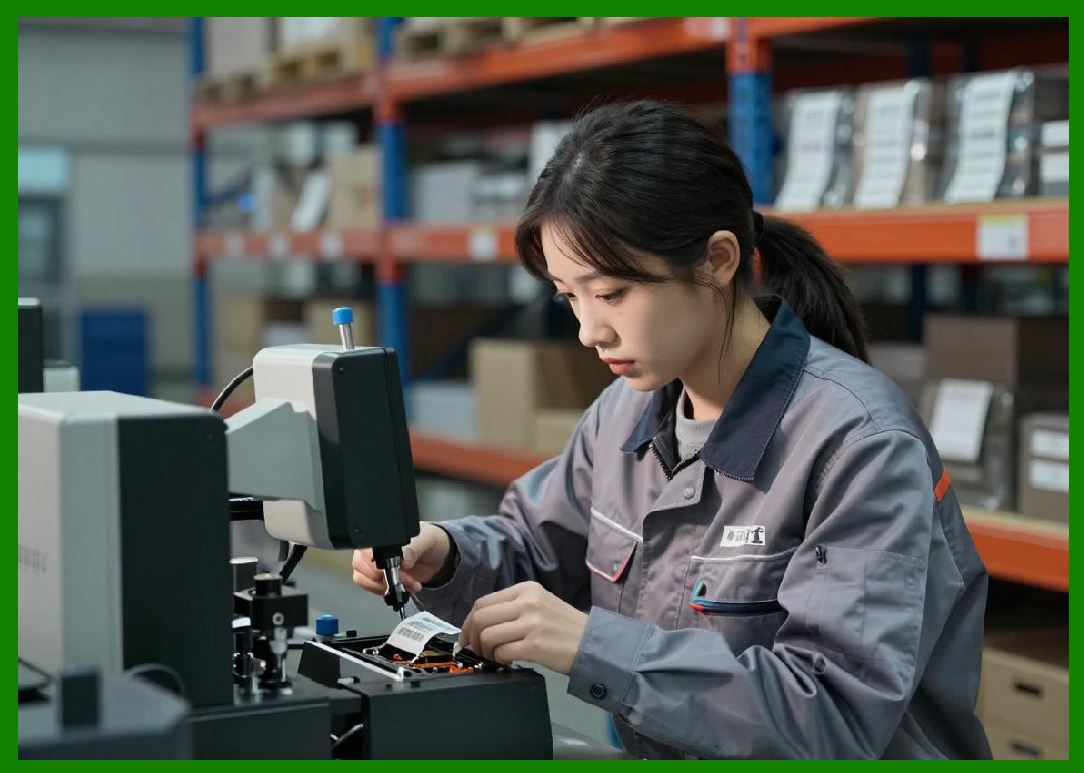
6.1 Fourdrinier Papermaking Machine |
Most barcode paper is produced using Fourdrinier machines. |
Main sections include: |
1. Headbox. |
2. Forming section. |
3. Press section. |
4. Dryer section. |
5. Calender stack. |
6. Reel section. |
|
6.2 Headbox Function |
The headbox distributes pulp slurry evenly. |
Uniform distribution is essential for: |
1. Thickness consistency. |
2. Surface quality. |
3. Mechanical stability. |
Uneven formation causes barcode print irregularities. |

|
6.3 Water Removal |
Paper initially contains large amounts of water. |
Water removal occurs through: |
1. Gravity drainage. |
2. Vacuum extraction. |
3. Mechanical pressing. |
4. Thermal drying. |
Moisture control is critical for dimensional stability. |

|
6.4 Calendering |
Calendering compresses paper using heated rollers. |
Benefits include: |
1. Increased smoothness. |
2. Reduced thickness variation. |
3. Improved printability. |
4. Better barcode edge sharpness. |
Excessive calendering may reduce stiffness. |
|
7. Surface Engineering of Barcode Label Paper |
7.1 Importance of Surface Properties |
Barcode performance depends heavily on surface characteristics. |
Critical parameters include: |
1. Surface smoothness. |
2. Porosity. |
3. Gloss. |
4. Surface energy. |
5. Ink absorption behavior. |

|
7.2 Surface Roughness |
Rough surfaces cause: |
1. Ink spread. |
2. Poor edge definition. |
3. Scanner decoding errors. |
Smooth surfaces improve: |
1. Print resolution. |
2. Barcode contrast. |
3. Thermal transfer performance. |

|
7.3 Porosity |
Porosity affects: |
1. Ink penetration. |
2. Drying behavior. |
3. Coating absorption. |
Too much porosity causes: |
1. Ink feathering. |
2. Reduced barcode sharpness. |
Too little porosity may cause: |
1. Smearing. |
2. Poor drying. |
|
7.4 Surface Energy |
Surface energy influences ink wetting. |
Higher surface energy improves: |
1. Ink adhesion. |
2. Ribbon transfer efficiency. |
3. Coating compatibility. |
Surface treatments may increase surface energy. |
|
8. Coating Technologies for Barcode Label Paper |
8.1 Why Coatings Are Necessary |
Coatings improve: |
1. Print resolution. |
2. Durability. |
3. Moisture resistance. |
4. Abrasion resistance. |
5. Barcode readability. |
Modern barcode papers rely heavily on advanced coating systems. |
|
8.2 Coating Components |
Typical coating formulations include: |
1. Pigments. |
2. Binders. |
3. Dispersants. |
4. Rheology modifiers. |
5. Optical brighteners. |
6. Lubricants. |
Each component affects barcode performance. |
|
8.3 Pigments |
Pigments create smooth printable surfaces. |
Common pigments include: |
1. Clay. |
2. Calcium carbonate. |
3. Silica. |
Fine particle size improves print sharpness. |
|
8.4 Binders |
Binders hold coating particles together. |
Common binders include: |
1. Styrene-butadiene latex. |
2. Acrylic polymers. |
3. Polyvinyl alcohol. |
Binder selection affects: |
1. Coating durability. |
2. Flexibility. |
3. Print resistance. |
|
9. Matte Coated Barcode Papers |
9.1 Characteristics |
Matte coated papers have low reflectivity. |
Advantages include: |
1. Reduced glare. |
2. Better scanner performance. |
3. Industrial suitability. |
Matte papers are common in logistics environments. |
|
9.2 Surface Structure |
Matte finishes use micro-rough surfaces that diffuse light. |
This minimizes reflection interference during barcode scanning. |
|
9.3 Applications |
Typical uses include: |
1. Warehouse labels. |
2. Asset tags. |
3. Shipping labels. |
4. Inventory labels. |
|
10. Semi-Gloss Barcode Papers |
10.1 Overview |
Semi-gloss papers balance: |
1. Print quality. |
2. Scanner readability. |
3. Appearance. |
They are among the most widely used barcode papers globally. |
|
10.2 Advantages |
Benefits include: |
1. Sharp printing. |
2. Moderate glare. |
3. Good color reproduction. |
4. Improved durability. |
|
10.3 Industrial Use |
Semi-gloss papers are common in: |
1. Product packaging. |
2. Retail labels. |
3. Distribution systems. |
4. Pharmaceutical packaging. |
|
11. Gloss Barcode Label Papers |
11.1 Characteristics |
Gloss papers provide: |
1. High reflectivity. |
2. Attractive appearance. |
3. Premium visual quality. |
They are popular in consumer packaging. |
|
11.2 Challenges |
Glossy surfaces may produce: |
1. Scanner reflection issues. |
2. Reading inconsistencies. |
3. Print smearing under poor conditions. |
Scanner technology must match label characteristics. |
|
11.3 UV Coatings |
Gloss papers often use UV-cured coatings. |
Advantages include: |
1. Chemical resistance. |
2. Abrasion resistance. |
3. High gloss stability. |
|
12. Cast-Coated Barcode Papers |
12.1 Manufacturing Process |
Cast-coated papers achieve mirror-like finishes. |
Wet coatings are pressed against polished chrome drums. |
This creates extremely smooth surfaces. |
12.2 Advantages |
Benefits include: |
1. Exceptional print quality. |
2. High-resolution graphics. |
3. Premium appearance. |
12.3 Limitations |
Disadvantages include: |
1. Higher cost. |
2. Increased glare. |
3. Scanner sensitivity issues. |
Cast-coated papers are less common in industrial barcode systems. |
|
13. Thermal Sensitivity in Direct Thermal Papers |
13.1 Direct Thermal Coating Structure |
Direct thermal papers contain multiple chemical layers. |
These include: |
1. Base paper. |
2. Thermal reactive layer. |
3. Protective coating. |
13.2 Thermal Chemistry |
Thermal imaging relies on chemical reactions between: |
1. Leuco dyes. |
2. Developers. |
3. Sensitizers. |
Heat activates the reaction. |
Dark images form where the printhead applies heat. |
13.3 Protective Topcoats |
Topcoats protect thermal images from: |
1. Moisture. |
2. Oils. |
3. Abrasion. |
4. Plasticizers. |
Without protection, thermal images degrade rapidly. |
|
14. Mechanical Properties of Barcode Paper |
14.1 Tensile Strength |
Tensile strength measures resistance to pulling forces. |
Adequate tensile strength prevents: |
1. Printer tearing. |
2. Web breaks. |
3. Feeding failures. |
14.2 Tear Resistance |
Tear resistance is important during: |
1. Manual handling. |
2. Automated dispensing. |
3. Packaging operations. |
Weak paper tears easily during high-speed application. |
14.3 Stiffness |
Stiffness affects: |
1. Printer feeding. |
2. Dispensing behavior. |
3. Peel performance. |
Insufficient stiffness may cause label curling. |
14.4 Dimensional Stability |
Dimensional changes occur due to: |
1. Humidity variation. |
2. Temperature changes. |
3. Moisture absorption. |
Poor stability causes barcode misregistration. |
|
15. Moisture Interaction in Paper Labels |
15.1 Hygroscopic Nature of Paper |
Paper naturally absorbs moisture. |
Cellulose fibers contain hydroxyl groups that attract water molecules. |
15.2 Effects of Moisture |
Moisture causes: |
1. Expansion. |
2. Curling. |
3. Reduced strength. |
4. Adhesive instability. |
Humidity control is critical in label manufacturing and storage. |
15.3 Moisture Barrier Coatings |
Barrier coatings reduce water absorption. |
Common technologies include: |
1. Wax coatings. |
2. Polymer coatings. |
3. Acrylic barriers. |
These improve label survivability. |
|
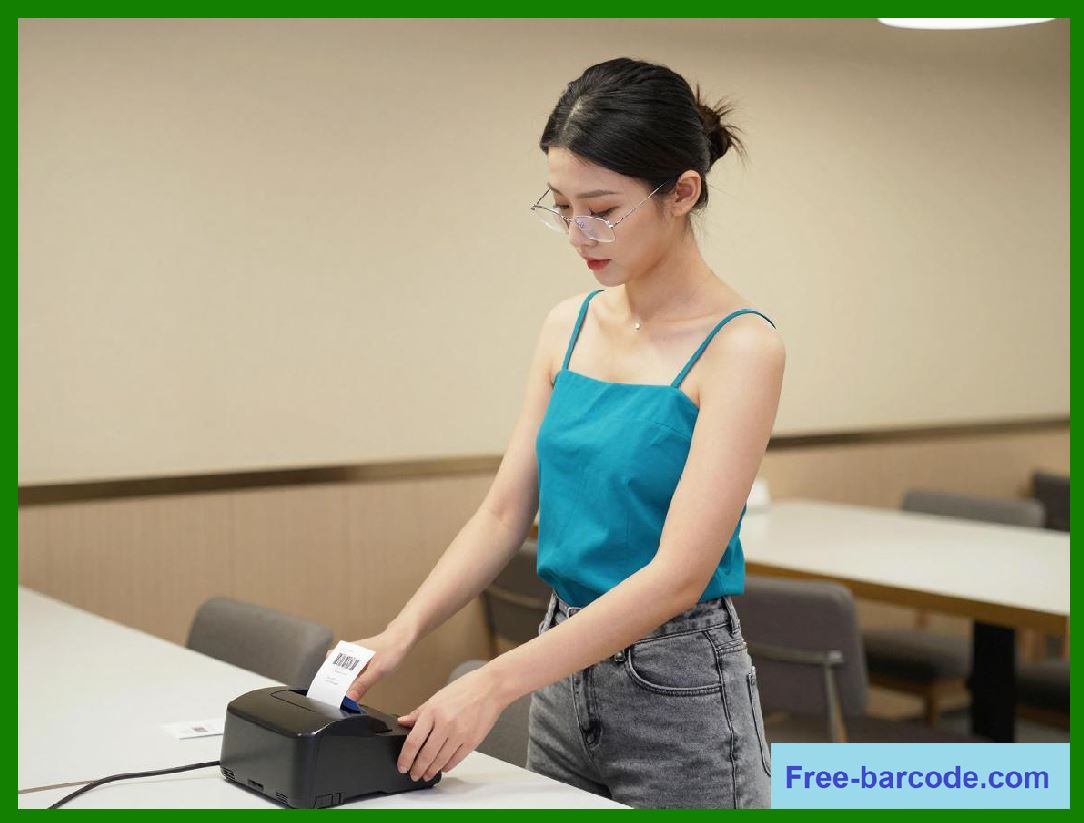
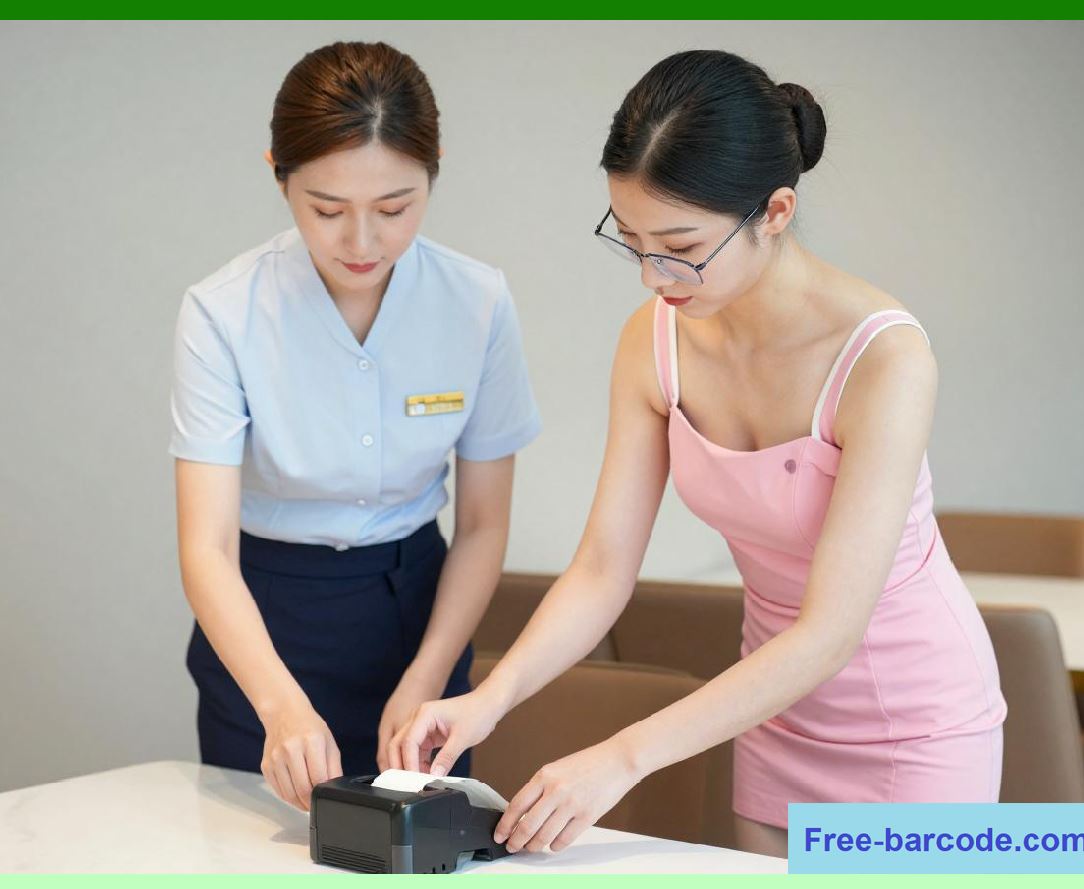
16. Print Technologies Compatible with Paper Labels |
16.1 Thermal Transfer Printing |
Thermal transfer printing is highly compatible with coated barcode papers. |
Advantages include: |
1. Sharp barcodes. |
2. Durable images. |
3. High speed operation. |
16.2 Direct Thermal Printing |
Direct thermal printing requires specially coated thermal papers. |
The label itself contains the imaging chemistry. |
16.3 Inkjet Printing |
Inkjet-compatible papers require: |
1. Controlled absorbency. |
2. Fast drying. |
3. Ink fixation layers. |
Improper paper causes bleeding and feathering. |
16.4 Laser Printing |
Laser-compatible barcode papers require: |
1. Heat-resistant coatings. |
2. Dimensional stability. |
3. Toner adhesion layers. |
Not all label papers are laser-compatible. |
|
17. Barcode Scanner Interaction with Paper Surfaces |
17.1 Reflectivity |
Barcode scanners analyze reflected light. |
Paper brightness strongly influences scanner performance. |
17.2 Contrast Performance |
High contrast between bars and background is essential. |
Poor paper brightness reduces decode reliability. |
17.3 Surface Gloss Effects |
Highly glossy surfaces may reflect scanner light improperly. |
This creates: |
1. Signal distortion. |
2. Decode failures. |
3. Inconsistent reading angles. |
|
18. Storage Conditions for Barcode Label Paper |
18.1 Temperature Control |
Recommended storage temperatures typically range from: |
1. 18C to 24C. |
2. 64C to 75C. |
Excessive heat damages coatings and adhesives. |
18.2 Humidity Control |
Ideal humidity is often: |
1. 40% to 60% relative humidity. |
Low humidity increases static electricity. |
High humidity causes curl and swelling. |
18.3 Shelf Life |
Paper labels have limited shelf life. |
Factors affecting shelf life include: |
1. Coating chemistry. |
2. Adhesive formulation. |
3. Storage environment. |
Direct thermal labels often degrade faster than coated thermal transfer papers. |
|
19. Sustainability of Paper Barcode Labels |
19.1 Renewable Resource Advantages |
Paper labels offer sustainability benefits because cellulose is renewable. |
Responsible forestry improves environmental performance. |
19.2 FSC Certification |
Many barcode papers use FSC-certified pulp. |
This promotes sustainable forest management. |
19.3 Recyclability Challenges |
Label recycling is complicated by: |
1. Adhesives. |
2. Silicone liners. |
3. Coatings. |
4. Inks. |
Wash-off adhesive technologies are improving recyclability. |
|
20. Future Development of Paper Barcode Materials |
20.1 Advanced Nano-Coatings |
Future coatings may include: |
1. Nanoclay barriers. |
2. Self-cleaning surfaces. |
3. Antimicrobial layers. |
20.2 Hybrid Paper Structures |
Hybrid papers combine: |
1. Cellulose fibers. |
2. Synthetic reinforcement. |
3. Advanced barrier systems. |
These materials improve durability while maintaining paper-like properties. |
20.3 Sustainable Chemistry |
Future developments focus on: |
1. Water-based coatings. |
2. Solvent-free adhesives. |
3. Bio-based polymers. |
4. Compostable label systems. |
Environmental regulations continue driving innovation. |
|
21. Technical Content Summary |
This part provided an in-depth technical exploration of paper-based barcode label materials and the scientific principles underlying their performance. |
The discussion began with cellulose chemistry, explaining how cellulose polymers form the structural basis of paper labels. The article analyzed the differences between softwood fibers, hardwood fibers, recycled fibers, and specialty cellulose sources, showing how fiber morphology affects mechanical strength, smoothness, print quality, and barcode readability. |
The article then examined pulping technologies, including: |
1. Mechanical pulping. |
2. Chemical pulping. |
3. Kraft processing. |
4. Bleaching systems. |
These manufacturing methods strongly influence paper durability, brightness, aging resistance, and print performance. |
Major attention was devoted to paper engineering topics such as: |
1. Fiber bonding. |
2. Fiber orientation. |
3. Fillers and additives. |
4. Moisture interaction. |
5. Surface energy. |
6. Porosity. |
7. Dimensional stability. |
The article explained how these factors directly impact barcode printing precision and scanner readability. |
Detailed analysis was also provided for coating technologies, including: |
1. Matte coatings. |
2. Semi-gloss coatings. |
3. Gloss coatings. |
4. Cast coatings. |
5. Thermal coatings. |
The chemistry and functionality of pigments, binders, and thermal imaging layers were discussed extensively. |
Additionally, this part covered: |
1. Mechanical properties. |
2. Print technology compatibility. |
3. Barcode scanner interaction. |
4. Storage conditions. |
5. Sustainability considerations. |
6. Future innovations in paper label materials. |
The next part will provide a highly detailed examination of direct thermal barcode label paper, including thermal chemistry, coating architecture, imaging reactions, protective layers, environmental degradation mechanisms, manufacturing technologies, and industrial application engineering. |
 cs@easiersoft.com