Part 21 Barcode Label Adhesives and Bonding Science: Pressure-Sensitive Adhesives (PSA), Acrylic vs Rubber Chemistries, Tack/Peel/Shear Mechanics, Surface Energy Theory, Substrate Compatibility, and Long-Term Adhesion Degradation |
1. Introduction to Adhesive Science in Barcode Labels |
Barcode labels are only functional if they remain physically attached to their target surface throughout their required lifecycle. Adhesive failure is one of the most common causes of real-world barcode system failure even when printing quality and scanning technology are excellent. |
Barcode label adhesives are engineered systems designed to maintain: |
1. Immediate stickiness (tack). |
2. Long-term holding strength (shear resistance). |
3. Clean or permanent removability depending on application. |
4. Stability under heat, cold, moisture, and chemicals. |
5. Compatibility with diverse substrates. |
Modern barcode labels rely heavily on pressure-sensitive adhesives (PSA), which bond without requiring heat or solvent activation. |

|
Adhesive performance depends on a complex interaction of: |
1. Polymer chemistry. |
2. Surface physics. |
3. Environmental exposure. |
4. Mechanical stress. |
5. Time-dependent molecular behavior. |
This part explores adhesive science in barcode labeling systems in deep technical detail. |

|
2. Fundamentals of Pressure-Sensitive Adhesives (PSA) |
2.1 What Makes an Adhesive Pressure-Sensitive |
A PSA is defined by its ability to bond under light pressure without chemical reaction or phase change. |
2.2 Three Key Properties of PSA |
All PSAs must balance: |
1. Tack (initial stickiness). |
2. Peel strength (resistance to removal). |
3. Shear strength (resistance to sliding). |
2.3 Viscoelastic Behavior |
PSAs behave as viscoelastic materials: |
* Elastic behavior provides cohesion. |
* Viscous behavior allows surface wetting. |
2.4 Molecular Mobility |
Polymer chains must remain mobile enough to conform to surface irregularities. |

|
3. Adhesion Mechanisms at the Molecular Level |
3.1 Wetting Theory |
Adhesion begins when adhesive flows into microscopic surface irregularities. |
3.2 Van der Waals Forces |
Weak intermolecular forces contribute significantly to adhesion. |
3.3 Mechanical Interlocking |
Adhesive penetrates surface roughness and locks mechanically. |
3.4 Diffusion Theory |
Polymer chains may interpenetrate at the interface over time. |

|
4. Surface Energy and Adhesion Compatibility |
4.1 Definition of Surface Energy |
Surface energy determines how easily a liquid spreads on a surface. |
4.2 High-Energy Surfaces |
Materials like: |
1. Metals. |
2. Glass. |
3. Paper. |
allow strong adhesive bonding. |
4.3 Low-Energy Surfaces |
Materials such as: |
1. Polyethylene. |
2. Polypropylene. |
3. Teflon-like coatings. |
are difficult to bond. |
4.4 Critical Surface Tension |
Adhesives must exceed a material surface energy to achieve proper wetting. |

|
5. Acrylic-Based Pressure-Sensitive Adhesives |
5.1 Chemical Structure |
Acrylic adhesives are based on acrylic ester polymers. |
5.2 Performance Characteristics |
They offer: |
1. Excellent UV resistance. |
2. Strong aging stability. |
3. Good temperature resistance. |
5.3 Long-Term Stability |
Acrylic PSAs maintain performance over years. |
5.4 Industrial Applications |
Used in: |
1. Outdoor labels. |
2. Electronics. |
3. Pharmaceutical labels. |

|
6. Rubber-Based Pressure-Sensitive Adhesives |
6.1 Composition |
Rubber-based PSAs use natural or synthetic rubber polymers. |
6.2 High Initial Tack |
They bond very quickly to surfaces. |
6.3 Weak UV Resistance |
They degrade faster under sunlight exposure. |
6.4 Cost Efficiency |
They are generally cheaper than acrylic systems. |

|
7. Hot-Melt Adhesive Systems |
7.1 Solvent-Free Formulation |
Hot-melt adhesives are applied in molten form. |
7.2 Rapid Solidification |
They solidify quickly upon cooling. |
7.3 High Bond Strength |
Strong initial adhesion is achieved. |
7.4 Temperature Sensitivity |
Performance can vary with heat exposure. |

|
8. Peel Strength Engineering |
8.1 Definition of Peel Force |
Peel strength measures resistance to label removal at an angle. |
8.2 180vs 90Peel Tests |
Different testing angles simulate different real-world conditions. |
8.3 Time-Dependent Increase |
Some adhesives strengthen over time. |
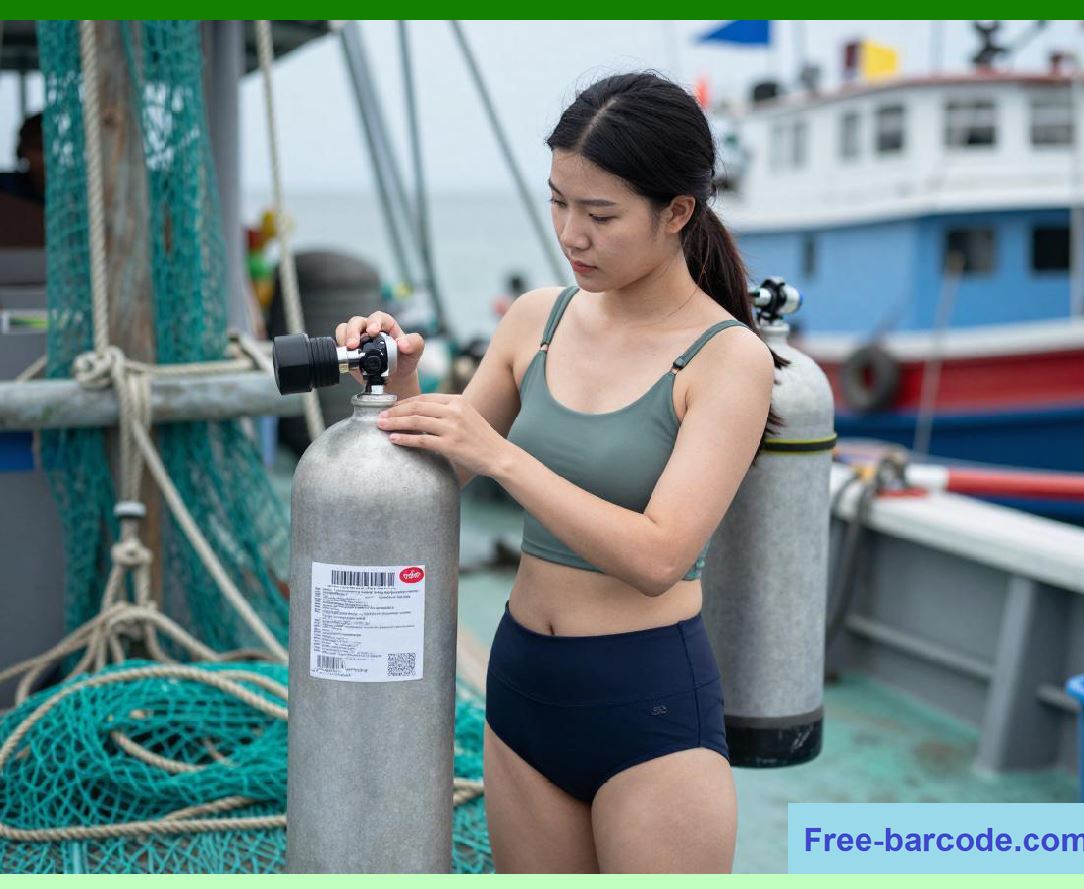
8.4 Failure Modes |
Failure may occur via: |
1. Adhesive failure. |
2. Cohesive failure. |
3. Substrate failure. |
|
9. Shear Strength and Creep Resistance |
9.1 Definition of Shear Resistance |
Shear measures resistance to sliding under load. |
9.2 Gravity-Induced Creep |
Vertical surfaces experience continuous stress. |
9.3 Temperature Effects on Shear |
Heat reduces shear resistance. |
9.4 Long-Term Load Stability |
Industrial labels must resist long-duration stress. |

|
10. Tack (Initial Adhesion) Behavior |
10.1 Instant Bond Formation |
Tack determines how quickly a label sticks. |
10.2 Surface Wetting Speed |
Faster wetting improves initial adhesion. |
10.3 Viscosity Influence |
Lower viscosity increases tack. |
10.4 Tradeoff with Shear Strength |
High tack does not always mean strong long-term adhesion. |

|
11. Adhesion to Different Substrate Materials |
11.1 Paperboard Surfaces |
High surface energy enables strong bonding. |
11.2 Plastic Surfaces |
Low-energy plastics require special adhesives. |
11.3 Metal Surfaces |
Provide excellent adhesion but may be contaminated with oils. |
11.4 Glass and Ceramic Surfaces |
High-energy surfaces with smooth topology. |

|
12. Temperature Effects on Adhesion |
12.1 Cold Temperature Performance |
Adhesives may become rigid and lose tack. |
12.2 High Temperature Softening |
Excess heat reduces cohesive strength. |
12.3 Glass Transition Temperature (Tg) |
Polymer behavior changes around Tg. |
12.4 Thermal Cycling Stress |
Repeated heating and cooling weakens bonds. |
|
13. Moisture and Humidity Effects |
13.1 Water Absorption |
Moist environments affect adhesive polymers. |
13.2 Hydrolytic Degradation |
Water can break chemical bonds in adhesives. |
13.3 Surface Condensation |
Moisture layers reduce adhesion efficiency. |
13.4 Humidity-Driven Creep |
High humidity increases deformation over time. |

|
14. Chemical Resistance of Adhesives |
14.1 Solvent Exposure |
Chemicals may dissolve adhesive structures. |
14.2 Oil and Grease Contamination |
Reduces surface bonding ability. |
14.3 Acid and Alkali Exposure |
Extremes in pH degrade polymer chains. |
14.4 Industrial Cleaning Agents |
Strong detergents may weaken adhesion. |

|
15. Aging and Long-Term Degradation |
15.1 Polymer Oxidation |
Oxygen exposure slowly breaks down adhesives. |
15.2 Plasticizer Migration |
Additives may migrate out of the adhesive layer. |
15.3 UV-Induced Degradation |
Sunlight accelerates chemical breakdown. |
15.4 Mechanical Fatigue |
Repeated stress weakens bond strength. |

|
16. Adhesive Failure Modes |
16.1 Adhesive Failure |
Separation occurs at interface with substrate. |
16.2 Cohesive Failure |
Internal adhesive layer breaks apart. |
16.3 Substrate Failure |
Material surface tears before adhesive fails. |
16.4 Mixed-Mode Failure |
Combination of multiple failure types. |
|
17. Special Adhesive Formulations |
17.1 Freezer-Grade Adhesives |
Designed for sub-zero environments. |
17.2 High-Temperature Adhesives |
Resist heat exposure in industrial processes. |
17.3 Removable Adhesives |
Allow clean removal without residue. |
17.4 Permanent Industrial Adhesives |
Designed for lifetime bonding. |

|
18. Surface Preparation and Adhesion Enhancement |
18.1 Corona Treatment |
Increases surface energy of plastics. |
18.2 Plasma Treatment |
Modifies surface chemistry for better bonding. |
18.3 Primers |
Chemical coatings improve adhesion performance. |
18.4 Cleaning Processes |
Removal of oils and dust improves bonding. |
|
19. Adhesive Layer Structure in Barcode Labels |
19.1 Release Liner |
Protects adhesive before application. |
19.2 Adhesive Layer |
Primary bonding layer. |
19.3 Face Stock Interaction |
Interfaces with printed barcode layer. |
19.4 Multi-Layer Engineering |
Advanced labels use multiple adhesive zones. |

|
20. Adhesive Performance Testing |
20.1 Peel Testing |
Measures removal force. |
20.2 Shear Testing |
Measures load resistance over time. |
20.3 Tack Measurement |
Quantifies initial bonding strength. |
20.4 Environmental Stress Testing |
Simulates real-world conditions. |

|
21. Industrial Application Requirements |
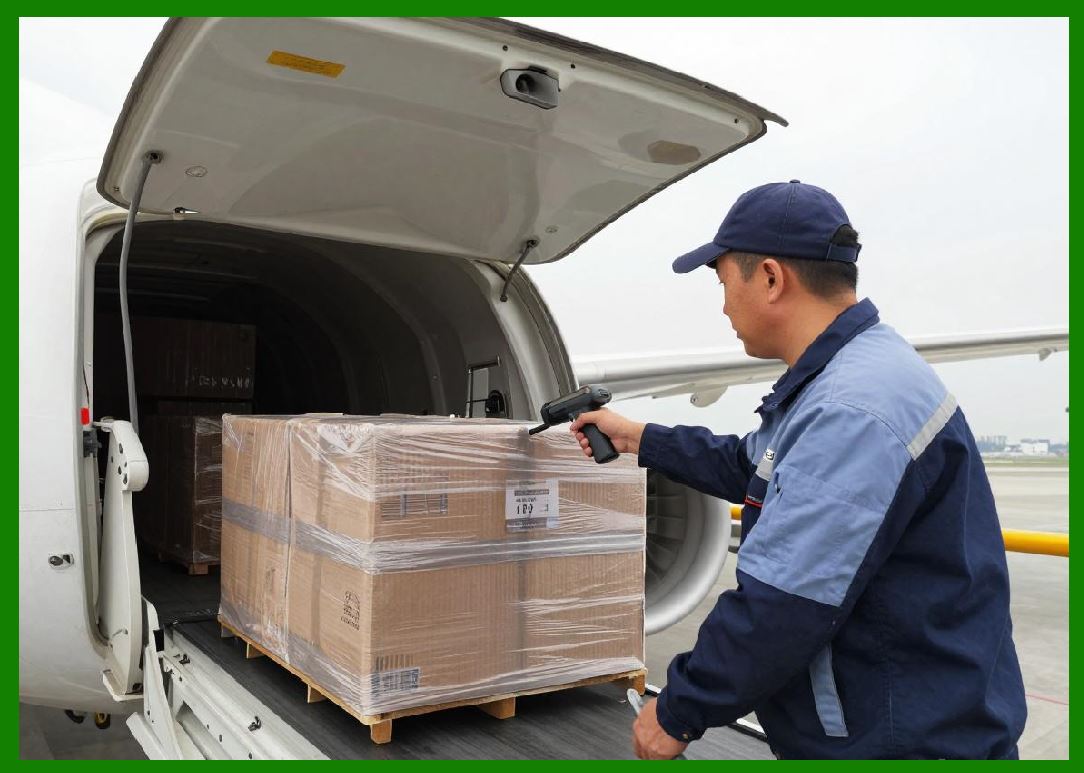
21.1 Logistics Labels |
Short-term adhesion for shipping. |
21.2 Asset Tags |
Long-term durability required. |
21.3 Chemical Drum Labels |
Extreme resistance to solvents. |
21.4 Electronics Labels |
High precision and thermal stability. |

|
22. Sustainability and Adhesive Chemistry |
22.1 Bio-Based Adhesives |
Derived from renewable materials. |
22.2 Reduced VOC Formulations |
Environmentally safer production. |
22.3 Recyclability Challenges |
Adhesives complicate recycling processes. |
22.4 Wash-Off Adhesives |
Enable easier material recovery. |

|
23. Emerging Adhesive Technologies |
23.1 Smart Adhesives |
Responsive to temperature or light. |
23.2 Reversible Adhesion Systems |
Enable re-stickable labels. |
23.3 Nano-Structured Adhesives |
Improve bonding efficiency at microscopic level. |
23.4 Bio-Inspired Adhesion |
Inspired by gecko and mussel adhesion mechanisms. |

|
24. Technical Content Summary |
This part provided a highly detailed technical examination of barcode label adhesive systems and bonding science. |
The article began by explaining pressure-sensitive adhesive (PSA) fundamentals, including: |
1. Tack, peel, and shear properties. |
2. Viscoelastic behavior. |
3. Molecular mobility and wetting theory. |
Extensive discussion was devoted to surface energy theory and substrate compatibility, including: |
1. High-energy vs low-energy surfaces. |
2. Critical surface tension. |
3. Polymer-substrate interaction mechanisms. |
The article analyzed major adhesive chemistries, including: |
1. Acrylic adhesives (high durability and UV resistance). |
2. Rubber-based adhesives (high tack but lower aging resistance). |
3. Hot-melt adhesives (fast bonding and cost efficiency). |

|
Mechanical adhesion properties were examined in detail, including peel strength, shear resistance, and tack behavior. |
Environmental influences such as temperature extremes, humidity, chemical exposure, and UV radiation were explored comprehensively. |
Long-term degradation mechanisms including oxidation, plasticizer migration, and mechanical fatigue were also analyzed. |
Failure modes such as adhesive failure, cohesive failure, and substrate failure were discussed in detail. |
Special adhesive formulations for freezer, high-temperature, removable, and permanent applications were examined. |
Surface preparation techniques such as corona treatment, plasma treatment, primers, and cleaning processes were also covered. |
Finally, sustainability considerations and emerging adhesive technologies such as smart adhesives, reversible bonding systems, nano-structured adhesives, and bio-inspired adhesion were discussed. |
|
The next part will provide a highly detailed technical deep dive into barcode label face materials (topcoats and substrates), including paper chemistry, synthetic films (PP, PE, PET), polyimide high-temperature materials, coatings, surface energy engineering, and optical performance optimization for scanning systems. |
 cs@easiersoft.com