Part 25 Barcode Label System Integration in Supply Chains: Warehouse Automation, ERP Connectivity, GS1 Standards, Traceability Architectures, Data Encoding Structures, Real-Time Logistics Tracking, and Global Interoperability Frameworks |
1. Introduction to Supply Chain Barcode Integration |
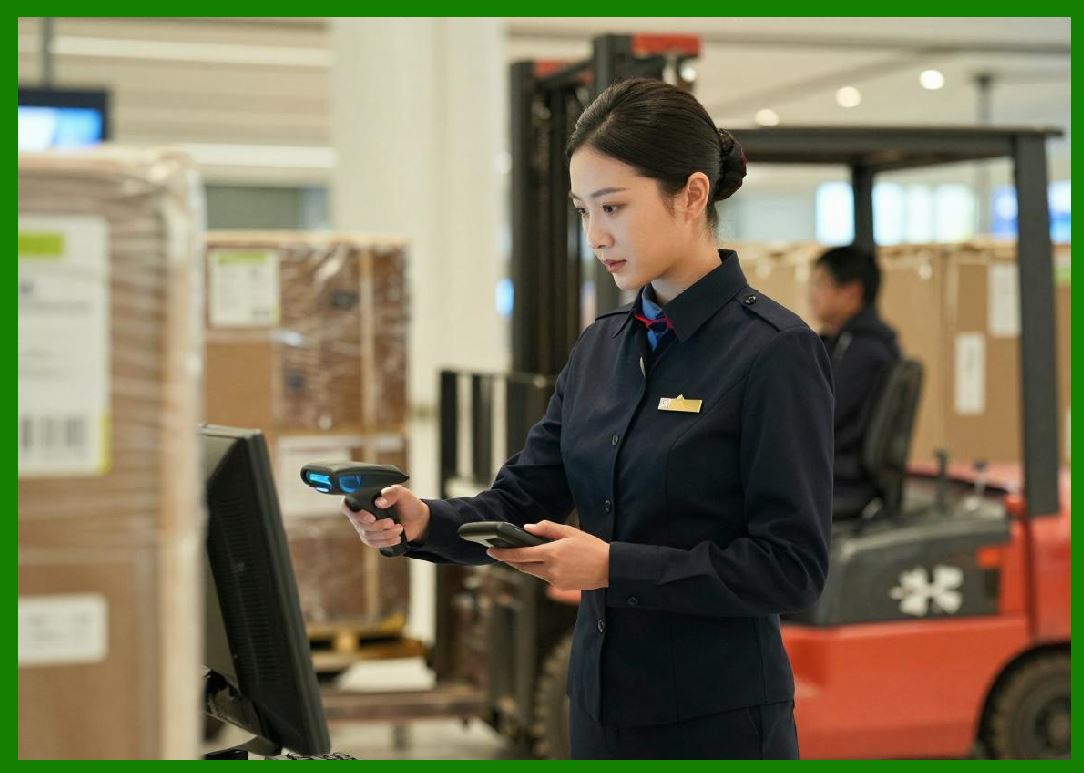
Barcode labeling systems reach their highest value not at the moment of printing or scanning, but when they are fully integrated into end-to-end supply chain systems. |
In modern logistics and manufacturing ecosystems, barcodes function as the physical interface between digital data systems and real-world objects. |
A single barcode can connect: |
1. A physical item. |
2. A database record. |
3. A shipment event. |
4. A production history. |
5. A compliance record. |
6. A global tracking network. |
This integration transforms barcodes into a distributed identification infrastructure. |
|
Modern supply chain barcode systems must operate across: |
1. Warehouses. |
2. Manufacturing plants. |
3. Transportation networks. |
4. Retail distribution centers. |
5. Customs and regulatory systems. |
6. Global trading partners. |
This part explores supply chain integration in deep technical detail. |

|
2. Role of Barcodes in Digital Supply Chains |
2.1 Physical-to-Digital Bridge |
Barcodes link physical objects to digital systems in real time. |
2.2 Event-Based Tracking Model |
Each scan represents an event such as: |
1. Production. |
2. Packaging. |
3. Shipping. |
4. Receiving. |
5. Inventory movement. |
2.3 Data Synchronization Function |
Barcode scans synchronize distributed databases. |
2.4 Identity Persistence |
A barcode preserves identity across the entire lifecycle of an item. |

|
3. Warehouse Automation Systems |
3.1 Automated Storage and Retrieval Systems (AS/RS) |
Robotic systems store and retrieve barcode-tagged items. |
3.2 Conveyor-Based Sorting Systems |
Barcodes guide automated routing decisions. |
3.3 RFID + Barcode Hybrid Systems |
Many warehouses use both technologies for redundancy. |
3.4 Pick-to-Light and Scan-to-Confirm Systems |
Barcodes validate human picking operations. |

|
4. ERP System Integration |
4.1 ERP Overview |
Enterprise Resource Planning systems manage business-wide data. |
4.2 Barcode Data Ingestion |
Scanned data feeds directly into ERP modules. |
4.3 Inventory Synchronization |
Barcode scans update stock levels in real time. |
4.4 Production Order Tracking |
Barcodes link physical goods to manufacturing orders. |

|
5. GS1 Global Standards Framework |
5.1 GS1 Organization Role |
GS1 defines global standards for identification systems. |
5.2 Global Trade Item Number (GTIN) |
GTIN uniquely identifies products worldwide. |
5.3 Serial Shipping Container Code (SSCC) |
Used for logistics unit tracking. |
5.4 Global Location Number (GLN) |
Identifies physical locations and legal entities. |

|
6. GS1-128 and Advanced Barcode Structures |
6.1 Application Identifiers (AIs) |
Structured data fields embedded in barcodes. |
6.2 Multi-Data Encoding |
A single barcode can contain multiple attributes. |
6.3 Standardized Data Parsing |
Scanners interpret structured data consistently. |
6.4 Supply Chain Interoperability |
Ensures global system compatibility. |

|
7. Traceability Architecture Models |
7.1 One-Up One-Down Traceability |
Tracks supplier and customer relationships. |
7.2 Full Chain Traceability |
End-to-end tracking from raw material to consumer. |
7.3 Batch-Level Traceability |
Groups items by production batch. |
7.4 Item-Level Serialization |
Each individual item has a unique identifier. |

|
8. Serialization Systems in Barcode Labeling |
8.1 Unique Serial Number Generation |
Each product instance is uniquely encoded. |
8.2 Anti-Counterfeiting Protection |
Serialization prevents duplication. |
8.3 Random vs Sequential IDs |
Different generation strategies exist. |
8.4 Database Synchronization Requirements |
Serialization must match backend systems. |

|
9. Real-Time Logistics Tracking Systems |
9.1 Scan Event Streaming |
Each scan is transmitted instantly to cloud systems. |
9.2 GPS + Barcode Fusion |
Location data is combined with barcode identity. |
9.3 Time-Stamped Event Logging |
Every movement is recorded with timestamps. |
9.4 Exception Handling Systems |
Missing or invalid scans trigger alerts. |

|
10. Transportation and Distribution Integration |
10.1 Truck Loading Systems |
Barcodes validate cargo loading accuracy. |
10.2 Cross-Docking Operations |
Rapid transfer between transport modes. |
10.3 Hub Sorting Systems |
Automated sorting based on barcode data. |
10.4 Last-Mile Delivery Tracking |
Barcodes support final delivery confirmation. |

|
11. Data Encoding Structures in Supply Chain Barcodes |
11.1 Structured Data Fields |
Include product, batch, location, and time. |
11.2 Variable Length Encoding |
Allows flexible data capacity. |
11.3 Checksum and Error Detection |
Ensures data integrity. |
11.4 Compression Techniques |
Reduce barcode size for complex data. |

|
12. Cloud-Based Barcode Ecosystems |
12.1 Centralized Data Repositories |
All scan data stored in cloud databases. |
12.2 API-Driven Integration |
Systems communicate via standardized APIs. |
12.3 Microservices Architecture |
Barcode functions are modularized. |
12.4 Distributed Access Control |
Multiple stakeholders access shared data securely. |

|
13. Interoperability Across Global Systems |
13.1 Cross-Border Trade Compatibility |
Barcodes must work internationally. |
13.2 Multilingual Data Support |
Systems handle global character sets. |
13.3 Standard Compliance Alignment |
Ensures uniform interpretation. |
13.4 Legacy System Integration |
Modern systems interface with older infrastructure. |

|
14. Blockchain Integration with Barcode Systems |
14.1 Immutable Event Recording |
Barcode scans stored on blockchain ledgers. |
14.2 Supply Chain Transparency |
Every transaction is traceable. |
14.3 Anti-Fraud Systems |
Prevents data tampering. |
14.4 Smart Contract Automation |
Triggers actions based on scan events. |

|
15. IoT Integration in Barcode Systems |
15.1 Sensor-Enabled Tracking |
Devices monitor environmental conditions. |
15.2 Smart Labels |
Labels can include embedded sensors. |
15.3 Edge Computing Systems |
Data processed near the source. |
15.4 Real-Time Alerts |
Immediate notification of anomalies. |

|
16. AI and Predictive Analytics in Supply Chains |
16.1 Demand Forecasting |
Barcode data supports predictive modeling. |
16.2 Route Optimization |
AI improves logistics efficiency. |
16.3 Anomaly Detection |
Identifies irregular movement patterns. |
16.4 Inventory Optimization |
Reduces overstock and shortages. |

|
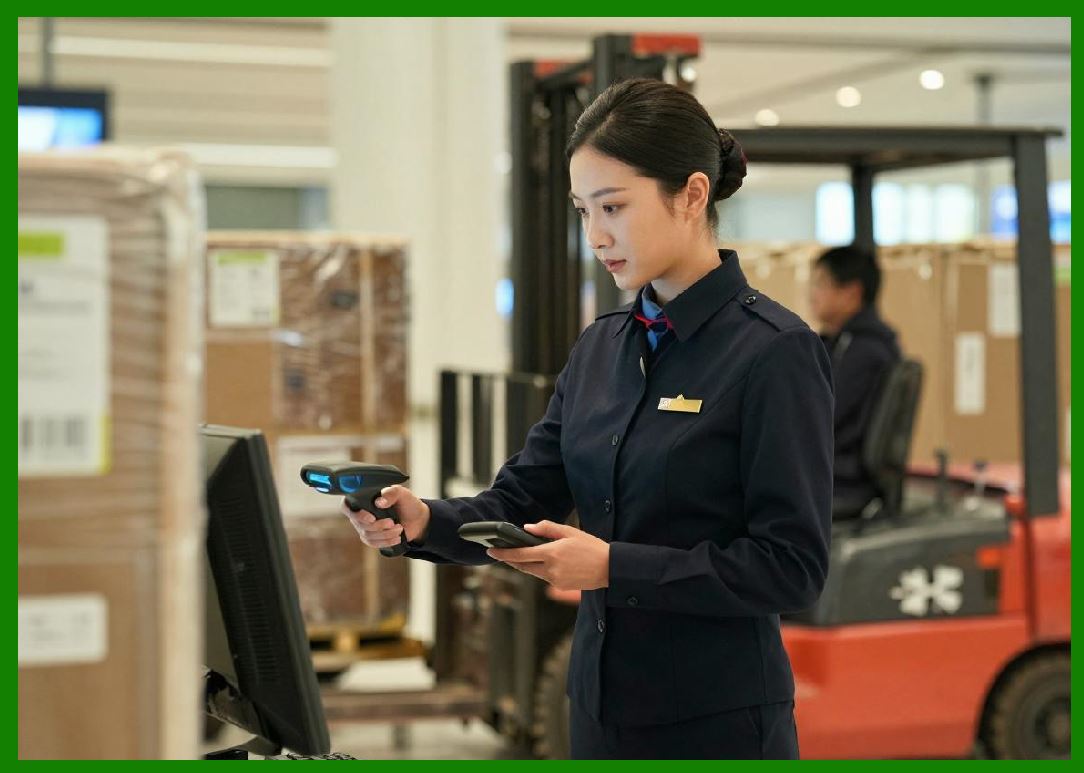
17. Human-Machine Interaction in Barcode Systems |
17.1 Scan-to-Confirm Workflows |
Humans verify system actions. |
17.2 Mobile Barcode Scanning |
Smartphones used in field operations. |
17.3 Wearable Scanning Devices |
Gloves and head-mounted scanners. |
17.4 Assisted Picking Systems |
Workers guided by barcode instructions. |
|
18. Regulatory and Compliance Systems |
18.1 Pharmaceutical Serialization Laws |
Strict tracking requirements for drugs. |
18.2 Food Safety Traceability |
Ensures contamination tracking. |
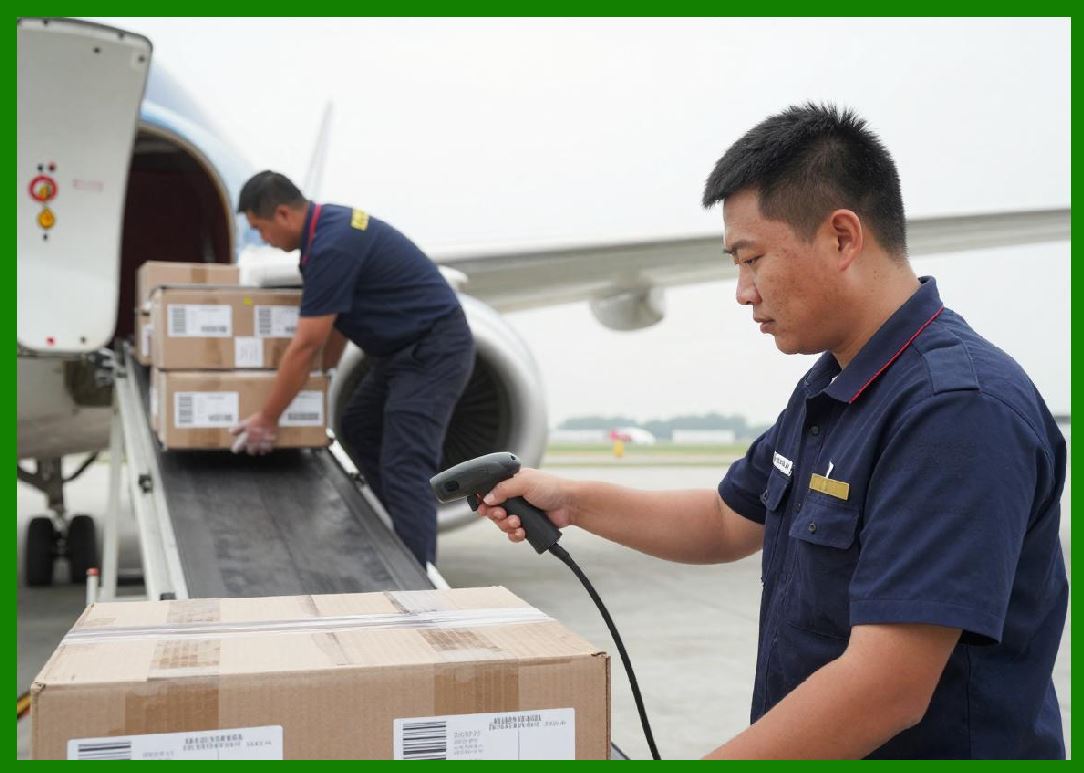
18.3 Customs Documentation |
Barcodes support import/export clearance. |
18.4 Audit Trail Requirements |
Complete scan history must be preserved. |
|
19. Security and Data Integrity |
19.1 Encryption of Scan Data |
Protects sensitive supply chain data. |
19.2 Access Control Systems |
Restricts who can modify data. |
19.3 Tamper Detection Mechanisms |
Detects unauthorized changes. |
19.4 Redundancy and Backup Systems |
Ensures system resilience. |

|
20. Scalability in Global Barcode Networks |
20.1 High-Volume Transaction Processing |
Millions of scans per hour. |
20.2 Distributed Architecture Scaling |
Systems scale horizontally. |
20.3 Load Balancing Systems |
Prevents system overload. |
20.4 Cloud Elasticity |
Resources scale dynamically. |

|
21. Sustainability in Supply Chain Tracking |
21.1 Paperless Logistics Systems |
Reduces physical documentation. |
21.2 Efficient Routing Reduces Emissions |
Optimized logistics lowers carbon footprint. |
21.3 Waste Reduction Through Traceability |
Reduces lost or expired goods. |
21.4 Circular Economy Tracking |
Supports recycling and reuse systems. |

|
22. Emerging Supply Chain Technologies |
22.1 Digital Twin Supply Chains |
Virtual replicas of logistics systems. |
22.2 Autonomous Logistics Networks |
Self-managing supply chains. |
22.3 Quantum-Resistant Traceability Systems |
Future-proof data security models. |
22.4 Fully Autonomous Warehouses |
Robotics-driven end-to-end fulfillment. |

|
23. Technical Content Summary |
This part provided a highly detailed technical examination of barcode label system integration within global supply chains. |
The article began by explaining the role of barcodes as a physical-to-digital bridge connecting real-world objects to enterprise systems. |
Warehouse automation systems were analyzed, including AS/RS systems, conveyor sorting, pick-to-light workflows, and hybrid RFID-barcode architectures. |
ERP integration was discussed in detail, including real-time inventory synchronization and production order tracking. |
GS1 global standards were examined, including GTIN, SSCC, GLN, and GS1-128 application identifiers. |
Traceability architectures were analyzed, including batch-level and item-level serialization systems. |
Real-time logistics tracking systems were explored, including scan event streaming, GPS integration, and exception handling. |
Data encoding structures, cloud-based ecosystems, API-driven integration, and microservices architectures were discussed comprehensively. |
Global interoperability challenges, multilingual support, legacy system integration, and cross-border trade requirements were analyzed. |
Advanced technologies such as blockchain traceability, IoT smart labels, edge computing, and real-time alerts were explored. |
AI-driven analytics including demand forecasting, route optimization, and anomaly detection were covered in depth. |
Human-machine interaction systems, mobile scanning, wearable devices, and assisted picking workflows were discussed. |
Regulatory compliance systems for pharmaceuticals, food safety, customs, and auditing were analyzed. |
Security systems including encryption, access control, tamper detection, and redundancy were covered. |
Finally, scalability considerations, sustainability impacts, and emerging technologies such as digital twins, autonomous logistics, and quantum-resistant systems were discussed. |
|
The next part will provide a highly detailed technical deep dive into barcode label failure analysis and troubleshooting systems, including common printing defects, scanning failure diagnostics, environmental failure mapping, root cause analysis methodologies, corrective action systems, and predictive maintenance strategies. |
 cs@easiersoft.com