Part 3 Direct Thermal Barcode Label Paper: Thermal Chemistry, Manufacturing Technology, Environmental Stability, and Industrial Applications |
1. Introduction to Direct Thermal Barcode Label Paper |
Direct thermal barcode label paper is one of the most widely used barcode label materials in the global logistics, retail, transportation, healthcare, and warehousing industries. Unlike conventional printing systems that require ink, toner, or thermal transfer ribbons, direct thermal labels produce images through heat-sensitive chemical reactions occurring inside specially coated paper. |
Direct thermal technology is popular because it offers: |
1. Simple printer mechanisms. |
2. Lower maintenance costs. |
3. High-speed printing. |
4. Quiet operation. |
5. Reduced consumable complexity. |
6. Compact printer design. |
7. Excellent short-term barcode readability. |

|
Direct thermal labels are extensively used for: |
1. Shipping labels. |
2. Logistics labels. |
3. E-commerce package labels. |
4. Retail shelf labels. |
5. Supermarket weighing labels. |
6. Food service labels. |
7. Pharmacy labels. |
8. Hospital specimen labels. |
9. Airline baggage tags. |
10. Parking tickets. |
11. Queue management tickets. |
12. Temporary warehouse identification. |
Although direct thermal labels appear simple, they are actually highly engineered multilayer chemical systems involving advanced coating chemistry, thermal imaging science, barrier engineering, printhead compatibility optimization, and environmental stabilization technologies. |
This part explores direct thermal barcode label paper in extreme technical detail. |

|
2. Historical Development of Direct Thermal Technology |
2.1 Origins of Thermal Recording |
Thermal recording technology predates modern barcode systems. |
Early thermal imaging systems emerged during the 1930s and 1940s in: |
1. Medical chart recorders. |
2. Telegraph systems. |
3. Industrial monitoring equipment. |
These systems initially used chemically reactive papers that darkened when heated. |

|
2.2 Commercial Development |
Direct thermal printing expanded commercially during the 1960s and 1970s. |
Key drivers included: |
1. Retail automation. |
2. Point-of-sale systems. |
3. Transportation ticketing. |
4. Industrial labeling. |
The growth of barcode technology accelerated demand for direct thermal materials. |

|
2.3 Expansion of Logistics Applications |
During the rise of global logistics and e-commerce, direct thermal labels became dominant in: |
1. Courier systems. |
2. Distribution centers. |
3. Warehouse management. |
4. Parcel sorting systems. |
Major logistics companies adopted direct thermal printing because of: |
1. Low operational cost. |
2. Fast label generation. |
3. Minimal maintenance. |
4. Reliable short-term readability. |

|
3. Basic Structure of Direct Thermal Label Paper |
3.1 Multilayer Construction |
Modern direct thermal paper is a sophisticated multilayer structure. |
Typical layers include: |
1. Base paper. |
2. Primer layer. |
3. Thermal imaging layer. |
4. Protective topcoat. |
5. Backcoat. |
6. Adhesive layer. |
7. Release liner. |
Each layer performs specialized functions. |
3.2 Base Paper |
The base paper provides structural support. |
Important properties include: |
1. Smoothness. |
2. Thickness consistency. |
3. Dimensional stability. |
4. Opacity. |
5. Tensile strength. |
The base paper greatly influences print quality and printer performance. |

|
3.3 Thermal Imaging Layer |
The thermal layer contains heat-sensitive chemicals. |
This layer is responsible for image formation. |
Its composition determines: |
1. Print sensitivity. |
2. Darkness. |
3. Image durability. |
4. Printhead energy requirements. |
3.4 Topcoat Layer |
The topcoat protects the thermal image. |
Functions include: |
1. Moisture resistance. |
2. Abrasion resistance. |
3. Oil resistance. |
4. Chemical protection. |
5. Static reduction. |
Topcoats are essential in industrial environments. |
3.5 Backcoat Layer |
The backcoat reduces friction between the label and printer components. |
Benefits include: |
1. Printhead protection. |
2. Reduced static buildup. |
3. Improved feed reliability. |
4. Better heat management. |

|
4. Thermal Imaging Chemistry |
4.1 Fundamental Principle |
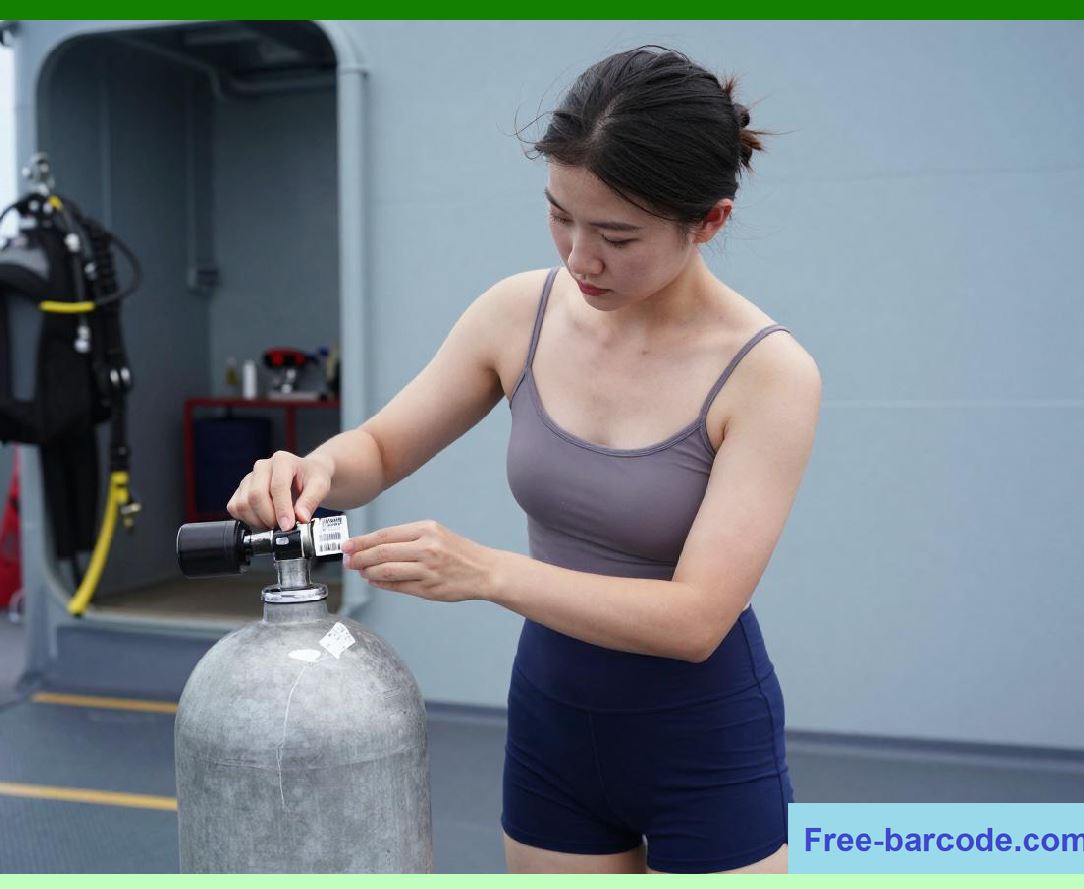
Direct thermal imaging occurs when heat activates chemical reactions inside the thermal coating. |
The printhead selectively heats microscopic regions. |
These heated regions darken and form images. |
4.2 Leuco Dyes |
Leuco dyes are colorless compounds that become colored after chemical activation. |
Common leuco dyes include: |
1. Fluoran dyes. |
2. Phthalide dyes. |
3. Spiropyran compounds. |
These materials remain colorless until heat-induced reactions occur. |
4.3 Developers |
Developers react with leuco dyes during heating. |
Common developers include: |
1. Bisphenol compounds. |
2. Organic acids. |
3. Phenolic resins. |
The interaction between dye and developer creates the visible image. |
|
4.4 Sensitizers |
Sensitizers reduce activation temperature. |
Benefits include: |
1. Faster printing. |
2. Lower printhead energy consumption. |
3. Improved image density. |
Common sensitizers include wax-like compounds and low-melting organic materials. |
4.5 Thermal Reaction Mechanism |
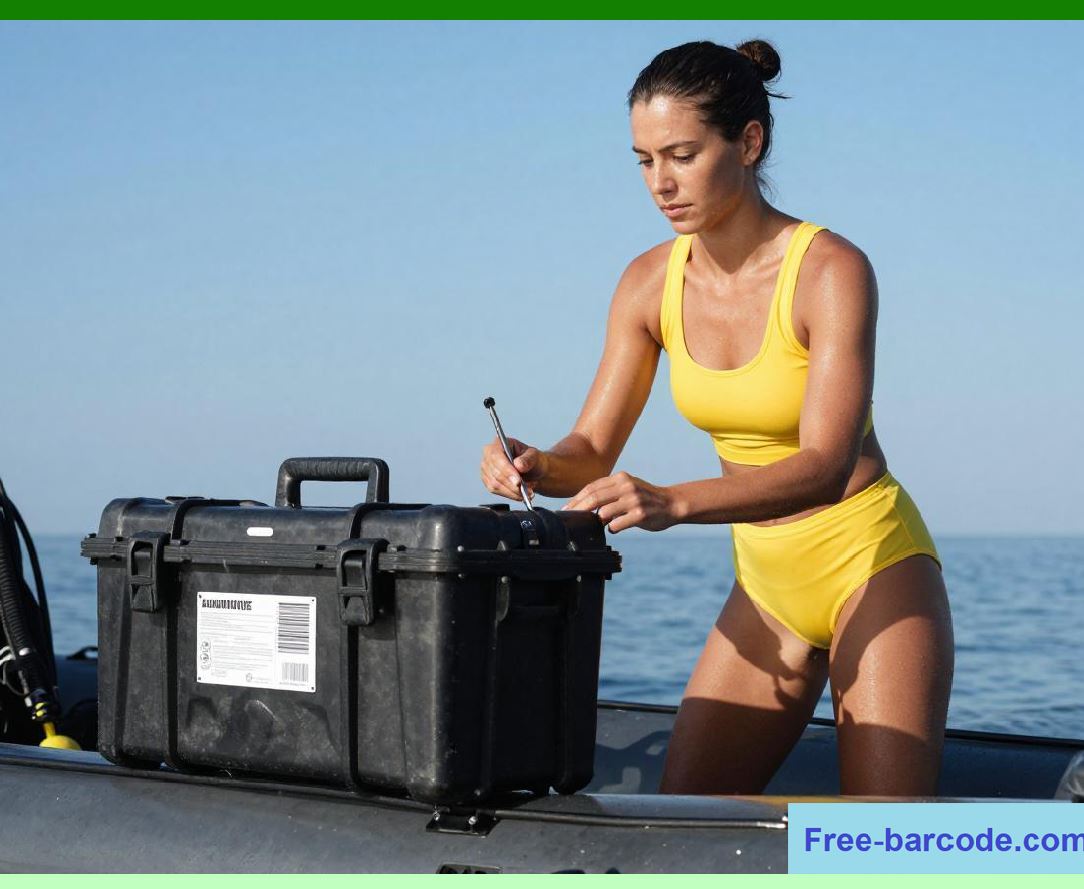
The thermal reaction involves several stages: |
1. Printhead heating. |
2. Melting of sensitizer. |
3. Dye-developer interaction. |
4. Molecular rearrangement. |
5. Visible color formation. |
The reaction occurs extremely rapidly. |
Printing may happen at speeds exceeding several hundred millimeters per second. |
|
5. Thermal Printhead Interaction |
5.1 Thermal Printhead Structure |
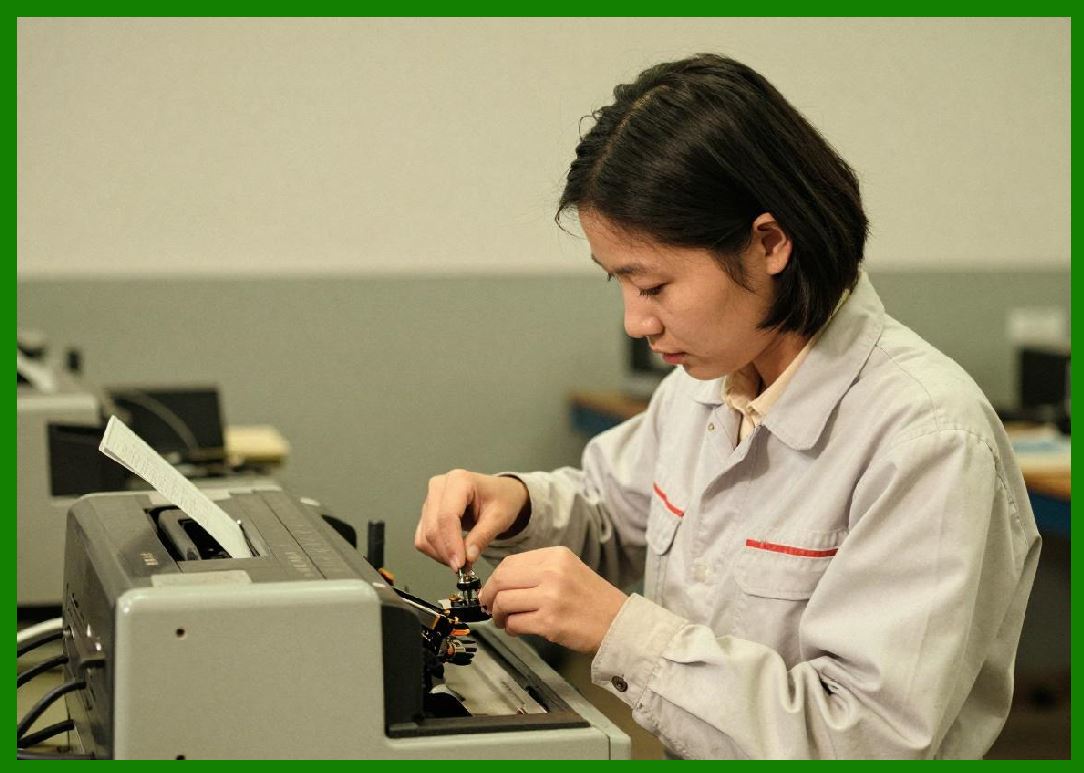
Thermal printheads contain arrays of microscopic heating elements. |
These elements selectively apply heat to the label surface. |
Print resolution is commonly: |
1. 203 dpi. |
2. 300 dpi. |
3. 600 dpi. |
Higher resolution improves barcode precision. |
5.2 Heat Transfer Process |
The printhead transfers thermal energy through direct contact. |
Critical variables include: |
1. Contact pressure. |
2. Print speed. |
3. Heat pulse duration. |
4. Coating sensitivity. |
Improper heat transfer causes barcode defects. |
5.3 Energy Sensitivity |
Thermal papers are engineered for specific energy ranges. |
If sensitivity is too low: |
1. Images appear faint. |
2. Barcodes fail verification. |
If sensitivity is too high: |
1. Background darkening occurs. |
2. Unwanted marks appear. |
Optimal thermal balance is essential. |
|
6. Manufacturing Process of Direct Thermal Paper |
6.1 Base Paper Production |
The manufacturing process begins with specialized base paper production. |
The paper must possess: |
1. High smoothness. |
2. Controlled porosity. |
3. Dimensional stability. |
4. Uniform thickness. |
Surface consistency is critical. |
6.2 Coating Preparation |
Thermal coating mixtures are carefully formulated. |
The coating slurry contains: |
1. Leuco dyes. |
2. Developers. |
3. Sensitizers. |
4. Binders. |
5. Fillers. |
6. Lubricants. |
Particle size control is extremely important. |
6.3 Coating Application |
Thermal coatings are applied using: |
1. Blade coaters. |
2. Air knife coaters. |
3. Meyer rod systems. |
4. Curtain coaters. |
Uniform coating thickness is critical for print consistency. |
6.4 Drying Process |
The coated paper passes through drying ovens. |
Drying conditions affect: |
1. Coating structure. |
2. Particle distribution. |
3. Thermal sensitivity. |
Improper drying may reduce image quality. |
6.5 Calendaring |
Calendaring smooths the coated surface. |
Benefits include: |
1. Improved printhead contact. |
2. Sharper barcode edges. |
3. Better thermal efficiency. |
Over-calendering may damage coating porosity. |

|
7. Thermal Coating Architecture |
7.1 Single-Layer Thermal Systems |
Simpler thermal papers use single-layer imaging coatings. |
Advantages: |
1. Lower cost. |
2. Faster production. |
3. Simpler manufacturing. |
Disadvantages: |
1. Reduced durability. |
2. Lower image stability. |
7.2 Multi-Layer Thermal Systems |
Premium direct thermal papers use multilayer architectures. |
These may include: |
1. Primer layers. |
2. Imaging layers. |
3. Barrier layers. |
4. Protective topcoats. |
Benefits include: |
1. Better durability. |
2. Improved moisture resistance. |
3. Enhanced chemical protection. |

|
8. Protective Topcoat Technologies |
8.1 Need for Protection |
Direct thermal images are vulnerable to: |
1. Heat. |
2. Moisture. |
3. Oils. |
4. Plasticizers. |
5. Abrasion. |
6. Solvents. |
Protective coatings improve survivability. |
8.2 Water-Based Topcoats |
Water-based topcoats are environmentally preferred. |
Advantages include: |
1. Low VOC emissions. |
2. Good clarity. |
3. Cost efficiency. |
Disadvantages may include reduced chemical resistance. |
8.3 UV-Curable Topcoats |
UV-curable systems provide: |
1. Excellent abrasion resistance. |
2. Fast curing. |
3. High chemical resistance. |
These coatings are used in premium industrial thermal labels. |
8.4 Silicone Resistance |
Certain topcoats resist silicone contamination. |
This is important in logistics environments where silicone exposure may occur. |
Silicone contamination can reduce scanner readability. |

|
9. Image Stability and Degradation Mechanisms |
9.1 Thermal Fading |
Direct thermal images gradually fade over time. |
Heat exposure accelerates degradation. |
Common causes include: |
1. Sunlight. |
2. Vehicle interiors. |
3. Industrial heat. |
4. Storage conditions. |
9.2 UV Degradation |
Ultraviolet light breaks down dye structures. |
Effects include: |
1. Fading. |
2. Background darkening. |
3. Reduced contrast. |
UV-resistant topcoats help reduce degradation. |
9.3 Chemical Attack |
Chemicals can react with thermal coatings. |
Common threats include: |
1. Alcohol. |
2. Oils. |
3. Plasticizers. |
4. Solvents. |
5. Cleaning agents. |
Some chemicals cause complete image disappearance. |
9.4 Mechanical Abrasion |
Surface friction damages thermal images. |
Abrasion occurs during: |
1. Shipping. |
2. Conveyor transport. |
3. Handling. |
4. Package stacking. |
Abrasion-resistant coatings are essential in logistics systems. |

|
10. Environmental Sensitivity of Direct Thermal Labels |
10.1 Temperature Sensitivity |
Thermal labels remain sensitive after printing. |
Exposure to elevated temperatures may cause: |
1. Blackening. |
2. Ghost imaging. |
3. Premature darkening. |
Storage conditions are critical. |
10.2 Humidity Effects |
Humidity influences: |
1. Paper expansion. |
2. Coating stability. |
3. Adhesive behavior. |
Excessive moisture reduces label reliability. |
10.3 Freezer Conditions |
Special freezer-grade thermal labels are required for cold-chain logistics. |
Challenges include: |
1. Condensation. |
2. Adhesive failure. |
3. Thermal brittleness. |
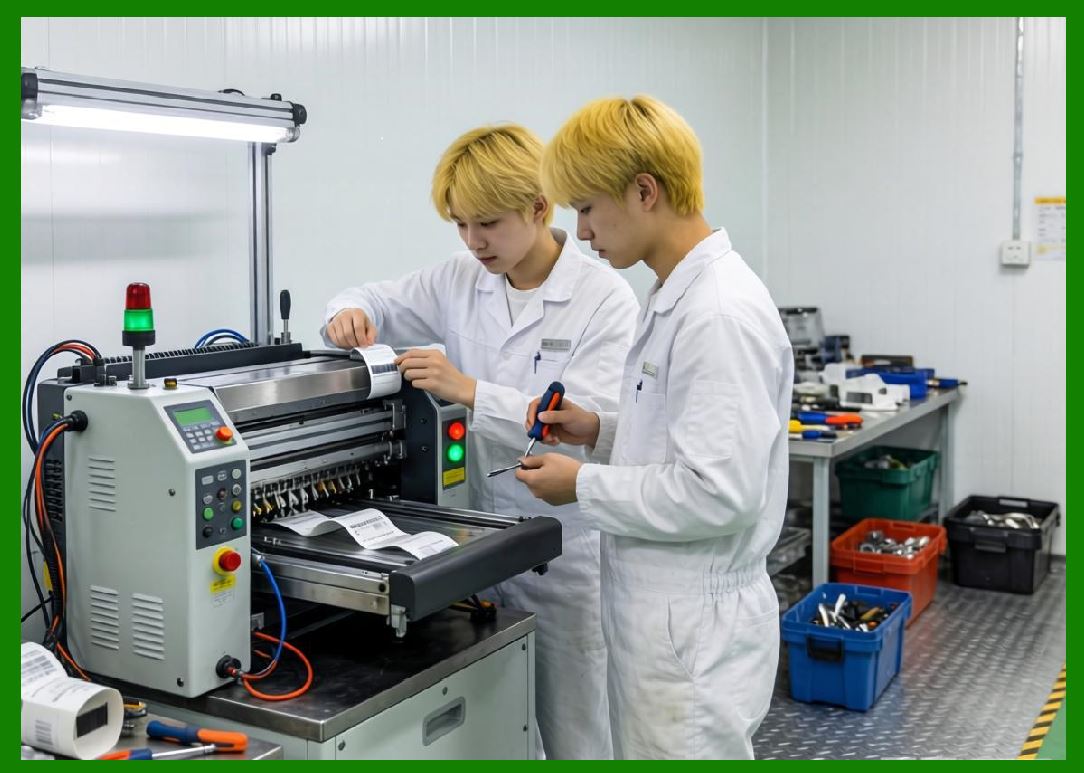
10.4 Outdoor Exposure |
Standard thermal labels perform poorly outdoors. |
Outdoor applications require: |
1. UV-resistant coatings. |
2. Enhanced barriers. |
3. Specialized chemistry. |
Even then, long-term outdoor durability remains limited. |
|
11. Direct Thermal Label Categories |
11.1 Economy Thermal Labels |
Economy grades prioritize low cost. |
Characteristics include: |
1. Thin coatings. |
2. Minimal topcoat protection. |
3. Short lifespan. |
Used mainly for temporary applications. |
11.2 Top-Coated Thermal Labels |
Top-coated grades provide: |
1. Better durability. |
2. Improved chemical resistance. |
3. Enhanced abrasion resistance. |
Widely used in logistics. |
11.3 Premium Industrial Thermal Labels |
Industrial thermal labels use advanced multilayer structures. |
Designed for: |
1. Harsh warehouses. |
2. Cold-chain systems. |
3. High-speed sorting facilities. |
11.4 Synthetic Direct Thermal Labels |
Synthetic thermal materials combine: |
1. Film substrates. |
2. Thermal imaging coatings. |
Advantages include: |
1. Waterproof performance. |
2. Tear resistance. |
3. Improved durability. |

|
12. Direct Thermal vs Thermal Transfer Technology |
12.1 Direct Thermal Advantages |
Direct thermal systems offer: |
1. Simpler printers. |
2. Lower consumable cost. |
3. Faster maintenance. |
4. Fewer moving parts. |
12.2 Direct Thermal Disadvantages |
Limitations include: |
1. Image fading. |
2. Heat sensitivity. |
3. Chemical vulnerability. |
4. Shorter lifespan. |
12.3 Thermal Transfer Advantages |
Thermal transfer printing provides: |
1. Longer durability. |
2. Better chemical resistance. |
3. Superior archival stability. |
12.4 Selection Criteria |
Direct thermal is ideal for: |
1. Short-term logistics. |
2. Shipping labels. |
3. Temporary identification. |
Thermal transfer is preferred for: |
1. Long-term asset tracking. |
2. Outdoor labeling. |
3. Industrial compliance. |

|
13. Barcode Quality in Direct Thermal Printing |
13.1 Edge Definition |
Thermal papers must support sharp edge formation. |
Poor edge quality reduces barcode accuracy. |
13.2 Contrast Ratio |
High-quality thermal coatings produce: |
1. Deep black bars. |
2. Bright backgrounds. |
This improves scanner decode reliability. |
13.3 ANSI and ISO Verification |
Thermal barcodes are graded using standards such as: |
1. ISO/IEC 15416. |
2. ANSI X3.182. |
Poor thermal coating consistency lowers verification grades. |

|
14. Adhesives Used with Direct Thermal Labels |
14.1 Permanent Adhesives |
Permanent adhesives are most common. |
Used in: |
1. Shipping labels. |
2. Inventory tracking. |
3. Retail labeling. |
14.2 Freezer Adhesives |
Cold-chain logistics require freezer-grade adhesives. |
These maintain tack at low temperatures. |
14.3 Removable Adhesives |
Removable labels are used in: |
1. Temporary inventory control. |
2. Reusable containers. |
3. Medical environments. |

|
15. Release Liners for Thermal Labels |
15.1 Glassine Liners |
Glassine liners are widely used. |
Advantages include: |
1. Smooth surfaces. |
2. Excellent die cutting. |
3. Good dispensing performance. |
15.2 Kraft Liners |
Kraft liners provide: |
1. Higher stiffness. |
2. Better dimensional stability. |
Used in industrial applications. |
15.3 PET Liners |
PET liners offer: |
1. Excellent dimensional precision. |
2. High-speed dispensing capability. |
Often used in automated labeling systems. |

|
16. High-Speed Logistics Applications |
16.1 E-Commerce Explosion |
E-commerce growth dramatically increased demand for direct thermal labels. |
Billions of labels are printed annually for parcel logistics. |
16.2 Conveyor System Challenges |
High-speed conveyors create: |
1. Abrasion. |
2. Friction. |
3. Mechanical stress. |
Top-coated thermal papers are necessary. |
16.3 Automated Sorting Systems |
Barcode readability is critical in automated sorting facilities. |
Poor print quality causes: |
1. Routing errors. |
2. Delivery delays. |
3. Manual intervention costs. |

|
17. Healthcare Applications |
17.1 Specimen Labels |
Hospitals widely use direct thermal labels for: |
1. Blood samples. |
2. Laboratory specimens. |
3. Medication tracking. |
17.2 Sterilization Challenges |
Certain medical environments expose labels to: |
1. Chemicals. |
2. Refrigeration. |
3. Moisture. |
Specialized thermal materials are required. |

|
18. Food Industry Applications |
18.1 Food Packaging Labels |
Direct thermal labels are widely used in: |
1. Supermarkets. |
2. Fresh food packaging. |
3. Prepared meal labeling. |
18.2 Refrigerated Environments |
Cold environments require: |
1. Moisture-resistant coatings. |
2. Cold-temperature adhesives. |
18.3 Food Safety Compliance |
Food labels must remain readable throughout product life cycles. |
Unreadable barcodes may violate traceability regulations. |

|
19. Sustainability Considerations |
19.1 Environmental Concerns |
Thermal papers historically used controversial chemical developers. |
Environmental concerns focus on: |
1. Bisphenol compounds. |
2. Recycling contamination. |
3. Chemical migration. |
19.2 BPA-Free Thermal Papers |
Many modern thermal papers eliminate BPA. |
Alternative developers include: |
1. BPS alternatives. |
2. Vitamin-C-based systems. |
3. Phenol-free technologies. |
19.3 Recyclability |
Thermal coatings complicate recycling. |
Research continues into: |
1. Eco-friendly chemistries. |
2. Compostable systems. |
3. Cleaner coatings. |
|
20. Emerging Innovations in Direct Thermal Labels |
20.1 Long-Life Thermal Papers |
New formulations improve image longevity. |
Some systems survive: |
1. Extended storage. |
2. Moderate outdoor exposure. |
3. Harsh logistics conditions. |
20.2 Hybrid Thermal Systems |
Hybrid systems combine: |
1. Thermal imaging. |
2. Protective laminates. |
3. Synthetic substrates. |
20.3 Smart Thermal Labels |
Emerging labels integrate: |
1. RFID. |
2. NFC. |
3. Sensors. |
4. Security features. |
These technologies expand functionality beyond barcode identification. |

|
21. Technical Content Summary |
This part provided a comprehensive technical deep dive into direct thermal barcode label paper and its underlying scientific principles. |
The article explained the historical development of direct thermal technology and its rapid expansion into logistics, retail, healthcare, transportation, and e-commerce applications. |
Detailed analysis was provided for the multilayer construction of direct thermal labels, including: |
1. Base paper. |
2. Thermal imaging layer. |
3. Protective topcoat. |
4. Backcoat. |
5. Adhesive systems. |
6. Release liners. |
The thermal imaging chemistry section explored the roles of: |
1. Leuco dyes. |
2. Developers. |
3. Sensitizers. |
4. Thermal activation mechanisms. |
The interaction between thermal printheads and label coatings was analyzed in detail, including heat transfer dynamics, print resolution, sensitivity optimization, and barcode edge formation. |
Manufacturing processes discussed included: |
1. Base paper engineering. |
2. Coating preparation. |
3. Coating application. |
4. Drying systems. |
5. Calendaring technology. |
The article also examined image degradation mechanisms such as: |
1. Thermal fading. |
2. UV degradation. |
3. Chemical attack. |
4. Mechanical abrasion. |
Environmental performance under heat, humidity, freezer conditions, and outdoor exposure was analyzed extensively. |
The discussion further covered: |
1. Direct thermal label categories. |
2. Comparison with thermal transfer technology. |
3. Barcode verification standards. |
4. Adhesive systems. |
5. Release liners. |
6. Logistics applications. |
7. Healthcare usage. |
8. Food industry requirements. |
9. Sustainability concerns. |
10. BPA-free thermal paper development. |
11. Emerging smart thermal label technologies. |
The next part will provide an extensive technical exploration of thermal transfer barcode label materials, including ribbon interaction, coating science, resin/wax compatibility, synthetic substrates, industrial durability engineering, and long-term archival performance. |
 cs@easiersoft.com