Part 30 Barcode Label Security and Anti-Counterfeiting Technologies: Cryptographic Encoding, Holographic Integration, Invisible Inks, Digital Watermarking, Tamper-Evident Materials, and Forensic Verification Systems |
1. Introduction to Barcode Security Systems |
Barcode labels are no longer just identification tools they are now security instruments embedded within global anti-counterfeiting and authentication infrastructures. |
As supply chains become more digital and global, barcode systems are increasingly targeted by: |
1. Counterfeit duplication. |
2. Data tampering. |
3. Label substitution. |
4. Unauthorized replication. |
5. System spoofing attacks. |

|
To counter these threats, modern barcode systems integrate multiple layers of security across: |
* Physical label materials. |
* Printed barcode structures. |
* Embedded digital data. |
* Cloud verification systems. |
* Forensic authentication methods. |
A secure barcode system must ensure both: |
* Physical authenticity (the label cannot be copied easily). |
* Digital authenticity (the encoded data cannot be faked or altered). |

|
2. Threat Models in Barcode Systems |
2.1 Counterfeit Label Replication |
Attackers reproduce visually identical labels. |
2.2 Data Cloning Attacks |
Valid barcode data is copied onto fake products. |
2.3 Tampering and Modification |
Existing labels are altered or replaced. |
2.4 Replay Attacks in Digital Systems |
Previously valid barcode scans are reused fraudulently. |
2.5 Supply Chain Injection Attacks |
Fake products inserted into legitimate logistics streams. |

|
3. Cryptographic Encoding in Barcodes |
3.1 Encrypted Data Payloads |
Barcode data can be encrypted before encoding. |
3.2 Public Key Infrastructure (PKI) |
Digital signatures verify authenticity. |
3.3 Hash-Based Verification |
Barcode contains hashed identifiers. |
3.4 Signed Serialization Systems |
Each item has a cryptographically signed identity. |

|
4. Digital Signature Verification Systems |
4.1 Asymmetric Cryptography |
Uses public/private key pairs. |
4.2 Signature Validation at Scan Time |
Scanner verifies authenticity in real time. |
4.3 Server-Based Authentication |
Cloud systems validate barcode legitimacy. |
4.4 Offline Verification Systems |
Pre-loaded keys allow offline validation. |

|
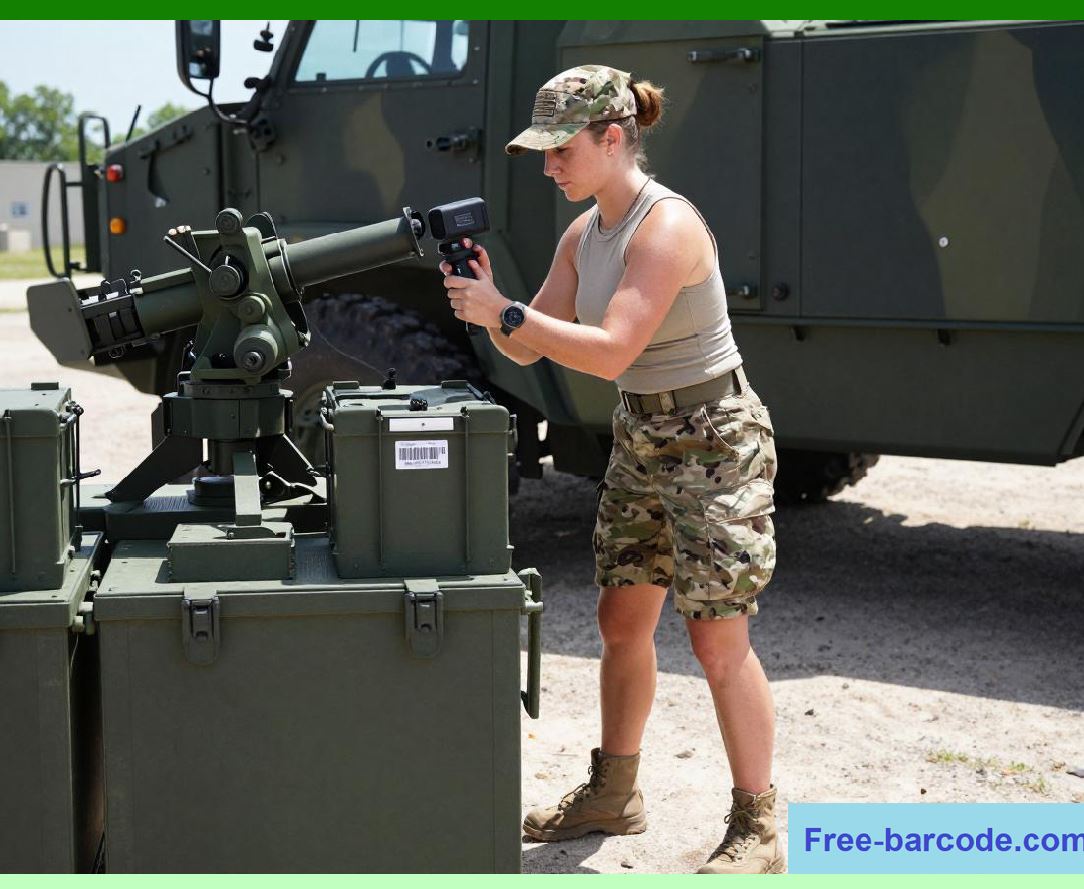
5. Invisible Ink and UV Security Markings |
5.1 UV-Reactive Inks |
Visible only under ultraviolet light. |
5.2 Infrared-Absorbing Inks |
Detected only by IR scanners. |
5.3 Thermochromic Materials |
Change color with temperature. |
5.4 Multi-Spectral Ink Systems |
Require specialized scanners for verification. |
|
6. Holographic Integration in Label Security |
6.1 Optical Diffraction Patterns |
Create visually complex anti-copy structures. |
6.2 3D Depth Illusion Layers |
Holograms appear to move or shift. |
6.3 Microtext and Nano-Engraving |
Extremely small text impossible to replicate easily. |
6.4 Dynamic Optical Features |
Change appearance under viewing angle. |

|
7. Digital Watermarking Technologies |
7.1 Invisible Data Embedding |
Data embedded within printed patterns. |
7.2 Robustness Against Copying |
Remains detectable even after duplication. |
7.3 Error-Tolerant Encoding |
Can survive partial damage or distortion. |
7.4 Scanner-Based Extraction |
Special algorithms retrieve hidden data. |

|
8. Tamper-Evident Label Materials |
8.1 Void Labels |
Reveal VOID message when removed. |
8.2 Frangible Materials |
Break apart when tampered with. |
8.3 Destructible Vinyl Systems |
Cannot be removed intact. |
8.4 Adhesive Residue Indicators |
Leave irreversible traces on surfaces. |

|
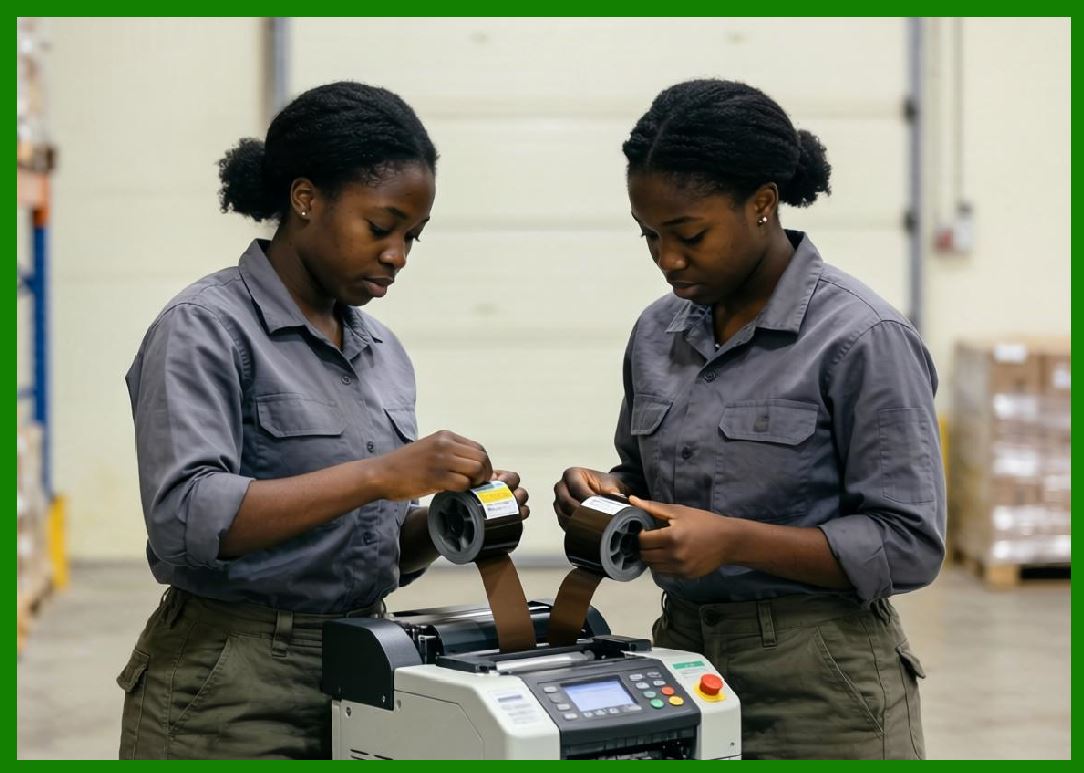
9. Physical Security Layer Engineering |
9.1 Multi-Layer Label Structures |
Combine paper, film, and coatings. |
9.2 Security Lamination Films |
Protect printed barcode layers. |
9.3 Micro-Patterned Surfaces |
Add optical complexity. |
9.4 Anti-Reproduction Textures |
Prevent scanning replication accuracy. |
|
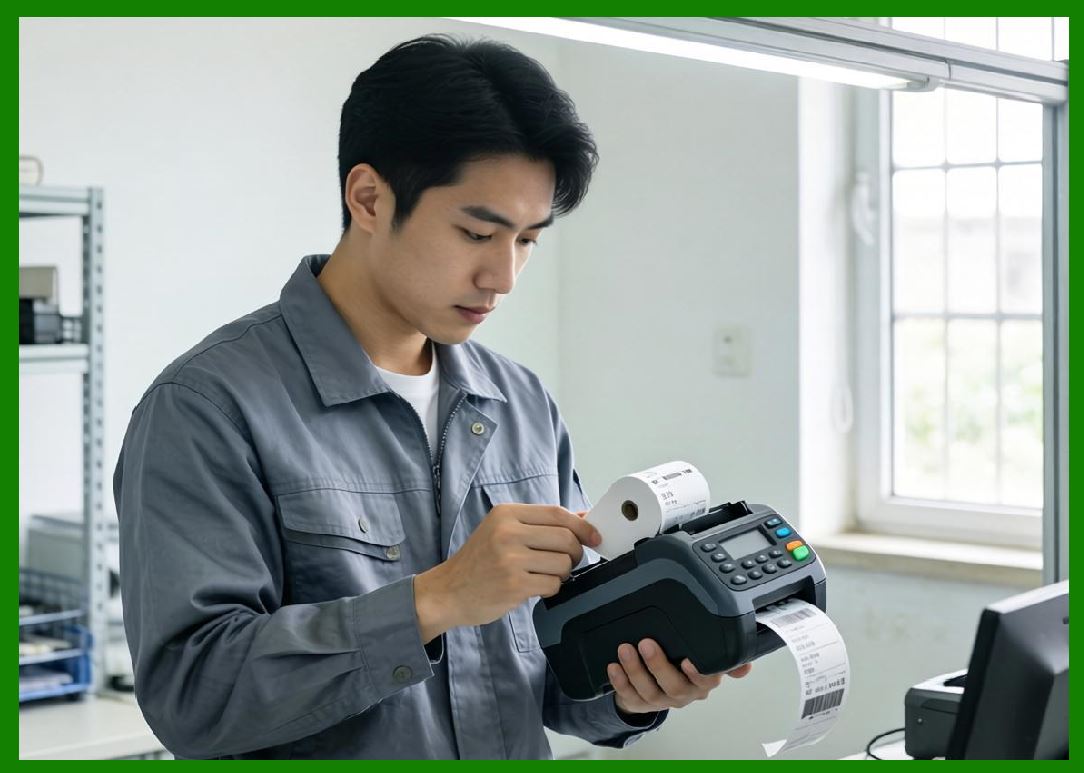
10. Track-and-Trace Security Systems |
10.1 Serialization-Based Security |
Each item has unique identity. |
10.2 Aggregation Hierarchy Security |
Carton case pallet relationships. |
10.3 Chain-of-Custody Logging |
Every movement is recorded. |
10.4 Event Integrity Verification |
Ensures scan history is consistent. |
|
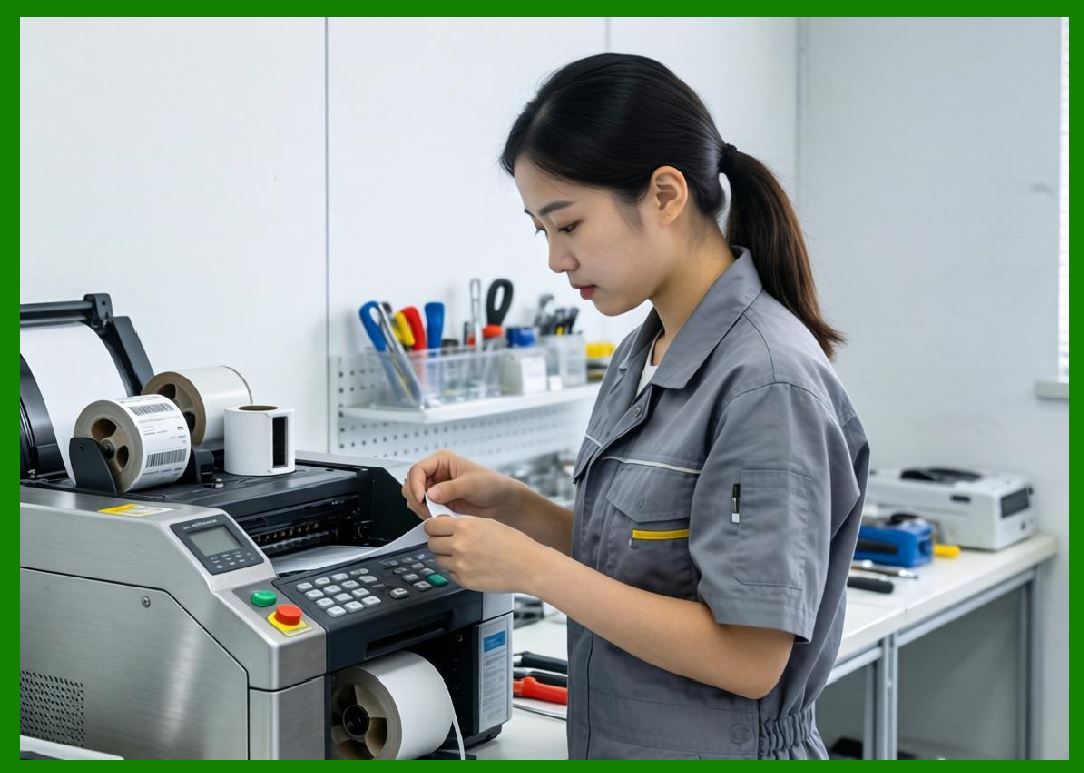
11. Blockchain-Based Anti-Counterfeiting |
11.1 Immutable Ledger Storage |
Scan events cannot be altered. |
11.2 Product Identity Anchoring |
Each barcode maps to blockchain record. |
11.3 Distributed Verification Nodes |
Multiple parties validate authenticity. |
11.4 Smart Contract Enforcement |
Automatic compliance rules execution. |
|
12. Forensic Barcode Analysis Systems |
12.1 Microscopic Print Inspection |
Detects reproduction artifacts. |
12.2 Spectral Signature Analysis |
Each print has unique optical signature. |
12.3 Ink Composition Forensics |
Identifies chemical formulation differences. |
12.4 Machine Learning Pattern Detection |
Detects counterfeit printing patterns. |

|
13. Secure Printing Infrastructure |
13.1 Controlled Print Environments |
Restricted access production facilities. |
13.2 Encrypted Print Job Transmission |
Print data is secured in transit. |
13.3 Printer Authentication Systems |
Only authorized devices can print. |
13.4 Secure Key Injection Systems |
Cryptographic keys embedded in printers. |

|
14. Authentication at Point of Scan |
14.1 Real-Time Verification APIs |
Scanners query central systems. |
14.2 Local Authentication Databases |
Offline verification capability. |
14.3 Multi-Factor Barcode Authentication |
Combines physical + digital checks. |
14.4 Risk Scoring Systems |
Assign confidence levels to scanned items. |

|
15. Supply Chain Security Integration |
15.1 End-to-End Traceability |
From manufacturing to consumer. |
15.2 Cross-Organization Verification |
Multiple stakeholders validate identity. |
15.3 Customs Security Enforcement |
Barcodes used for border verification. |
15.4 Recall Prevention Systems |
Detect counterfeit batches early. |
|
16. Anti-Counterfeiting in High-Risk Industries |
16.1 Pharmaceutical Security |
Strict serialization and verification rules. |
16.2 Luxury Goods Authentication |
High-value item protection systems. |
16.3 Electronics Supply Chain Security |
Prevents component substitution. |
16.4 Automotive Parts Authentication |
Ensures OEM part legitimacy. |

|
17. Human and Operational Security Measures |
17.1 Controlled Access Printing |
Restricted personnel systems. |
17.2 Audit Trail Logging |
Tracks all label creation events. |
17.3 Training and Compliance Protocols |
Reduces human error risks. |
17.4 Secure Handling Procedures |
Protects labels before application. |

|
18. Emerging Security Technologies |
18.1 AI-Based Counterfeit Detection |
Identifies fake labels automatically. |
18.2 Quantum Cryptography Labels |
Future-proof encryption methods. |
18.3 Nano-Structured Security Patterns |
Impossible to replicate physically. |
18.4 Self-Authenticating Materials |
Materials verify their own integrity. |
|
19. Sustainability and Security Balance |
19.1 Eco-Friendly Security Materials |
Reduced environmental impact. |
19.2 Recyclable Security Labels |
Balance between protection and recyclability. |
19.3 Low-Chemical Security Inks |
Safer anti-counterfeiting systems. |
19.4 Circular Security Systems |
Reused materials with maintained authentication. |

|
20. Technical Content Summary |
This part provided a highly detailed technical examination of barcode label security and anti-counterfeiting technologies. |
The article began by defining threat models including counterfeit replication, data cloning, tampering, replay attacks, and supply chain injection attacks. |
Cryptographic encoding systems were analyzed, including public key infrastructure, digital signatures, hash-based verification, and signed serialization. |
Invisible ink technologies were explored, including UV-reactive, infrared, thermochromic, and multi-spectral ink systems. |
Holographic integration techniques were discussed, including diffraction optics, nano-text, and dynamic optical effects. |
Digital watermarking systems were analyzed, including invisible embedding and robust extraction methods. |
Tamper-evident materials such as void labels, frangible substrates, and destructible vinyl were examined. |
Physical security layer engineering included multi-layer structures, micro-patterning, and anti-reproduction textures. |
Track-and-trace systems based on serialization, aggregation, and chain-of-custody logging were explored. |
Blockchain-based anti-counterfeiting systems were analyzed for immutable traceability and smart contract enforcement. |
Forensic analysis techniques including microscopic inspection, spectral analysis, ink chemistry forensics, and AI pattern detection were discussed. |
Secure printing infrastructure systems were examined, including encrypted print jobs and printer authentication. |
Point-of-scan authentication systems including real-time APIs and offline verification were covered. |
Supply chain security integration across industries such as pharmaceuticals, luxury goods, electronics, and automotive was analyzed. |
Operational security measures including access control, audit logging, and training protocols were discussed. |
Finally, emerging technologies such as AI detection, quantum cryptography, nano-pattern security, and self-authenticating materials were introduced alongside sustainability considerations. |

|
The next part will provide a highly detailed technical deep dive into barcode label future evolution and next-generation identification systems, including smart labels, IoT-integrated tags, ambient computing identification, RFID convergence, digital identity ecosystems, and fully autonomous product identification networks. |
 cs@easiersoft.com