Part 6 Adhesive Systems in Barcode Label Paper: Chemistry, Coating Technologies, Bonding Mechanisms, and Industrial Performance Engineering |
1. Introduction to Barcode Label Adhesive Systems |
The adhesive layer is one of the most critical yet least understood components of barcode label construction. A barcode label may contain excellent print quality, durable face stock, and advanced coatings, but if the adhesive fails, the entire labeling system fails. |
Adhesive performance directly affects: |
1. Label retention. |
2. Barcode readability. |
3. Product traceability. |
4. Environmental survivability. |
5. Automation reliability. |
6. Regulatory compliance. |
7. Safety labeling performance. |
8. Long-term durability. |
Modern barcode label adhesives are highly engineered materials designed to function under specific environmental and mechanical conditions. |
|
Barcode label adhesives must often survive: |
1. Moisture. |
2. Heat. |
3. Freezing temperatures. |
4. UV radiation. |
5. Chemicals. |
6. Oils. |
7. Solvents. |
8. Mechanical vibration. |
9. Outdoor weathering. |
10. Industrial abrasion. |
|
Applications requiring advanced adhesive engineering include: |
1. Logistics systems. |
2. Pharmaceutical labeling. |
3. Automotive manufacturing. |
4. Electronics production. |
5. Food packaging. |
6. Cold-chain distribution. |
7. Chemical drum labeling. |
8. Laboratory identification. |
9. Medical device tracking. |
10. Aerospace systems. |
This part explores barcode label adhesive systems in deep technical detail. |

|
2. Fundamentals of Adhesion Science |
2.1 What Is Adhesion |
Adhesion is the attraction between two different materials. |
In barcode labels, adhesion occurs between: |
1. The adhesive layer. |
2. The target surface. |
The adhesive must form a stable bond capable of resisting external forces. |
2.2 Cohesion vs Adhesion |
Adhesion and cohesion are different concepts. |
Adhesion refers to bonding between different materials. |
Cohesion refers to internal strength within the adhesive itself. |
A successful barcode label adhesive requires both: |
1. Strong adhesion. |
2. Strong cohesion. |
Weak cohesion causes adhesive splitting or residue. |

|
2.3 Wetting Mechanism |
Adhesives bond effectively only when they properly wet the surface. |
Wetting depends on: |
1. Surface energy. |
2. Adhesive viscosity. |
3. Surface cleanliness. |
Poor wetting causes bond failure. |
2.4 Surface Energy |
High-energy surfaces are easier to bond. |
Examples include: |
1. Metals. |
2. Glass. |
3. Certain plastics. |
Low-energy surfaces are difficult to bond. |
Examples include: |
1. Polyethylene. |
2. Polypropylene. |
3. PTFE. |
Special adhesives are required for low-energy materials. |
|
3. Components of Pressure-Sensitive Adhesives |
3.1 Pressure-Sensitive Adhesives (PSA) |
Most barcode labels use pressure-sensitive adhesives. |
PSAs bond through applied pressure without requiring: |
1. Heat activation. |
2. Water activation. |
3. Solvent activation. |
3.2 Main PSA Components |
Pressure-sensitive adhesives typically contain: |
1. Base polymer. |
2. Tackifier. |
3. Plasticizer. |
4. Stabilizer. |
5. Antioxidant. |
6. Fillers. |
7. Crosslinkers. |
Each component affects performance. |
|
3.3 Base Polymer |
The polymer forms the structural foundation. |
Common polymers include: |
1. Acrylics. |
2. Rubber. |
3. Silicone. |
4. Polyurethane. |
3.4 Tackifiers |
Tackifiers improve initial adhesion. |
Common tackifiers include: |
1. Rosin esters. |
2. Hydrocarbon resins. |
3. Terpene resins. |
3.5 Plasticizers |
Plasticizers improve flexibility. |
However, excessive plasticizer migration can cause: |
1. Adhesive softening. |
2. Print degradation. |
3. Label edge ooze. |
|
4. Acrylic Adhesive Systems |
4.1 Overview of Acrylic Adhesives |
Acrylic adhesives are among the most widely used barcode label adhesives. |
Advantages include: |
1. UV resistance. |
2. Aging stability. |
3. Chemical resistance. |
4. Transparency. |
5. Temperature stability. |
4.2 Acrylic Polymer Chemistry |
Acrylic adhesives are formed from acrylic monomers such as: |
1. Butyl acrylate. |
2. 2-ethylhexyl acrylate. |
3. Methyl methacrylate. |
The general acrylic structure may be represented as: |
[-CH_2-CH(COOR)-]_n |
|
4.3 Performance Characteristics |
Acrylic adhesives provide: |
1. Excellent weather resistance. |
2. Good oxidation stability. |
3. Long service life. |
They are widely used in industrial barcode systems. |
4.4 Limitations |
Disadvantages include: |
1. Slower initial tack. |
2. Higher cost than rubber systems. |
3. Reduced low-temperature aggressiveness. |
|
5. Rubber-Based Adhesives |
5.1 Overview |
Rubber adhesives provide: |
1. Strong initial tack. |
2. Fast bonding. |
3. Good low-temperature performance. |
5.2 Natural Rubber Systems |
Natural rubber adhesives are derived from latex sources. |
Advantages include: |
1. Excellent tack. |
2. Flexibility. |
3. Cost efficiency. |

|
5.3 Synthetic Rubber Systems |
Synthetic rubber adhesives include: |
1. Styrene-butadiene rubber. |
2. SIS systems. |
3. SBS systems. |
These improve processing consistency. |
5.4 Limitations |
Rubber systems may suffer from: |
1. UV degradation. |
2. Oxidation. |
3. Reduced long-term stability. |
|
6. Silicone Adhesive Systems |
6.1 Purpose of Silicone Adhesives |
Silicone adhesives are used in extreme environments. |
Advantages include: |
1. High-temperature resistance. |
2. Chemical resistance. |
3. Flexibility. |
6.2 Silicone Chemistry |
Silicone polymers are based on siloxane structures. |
The backbone structure is: |
[-Si-O-Si-]_n |

|
6.3 High-Temperature Applications |
Silicone adhesives are used in: |
1. Aerospace. |
2. Electronics. |
3. Industrial processing. |
6.4 Cost Considerations |
Silicone adhesives are expensive. |
Therefore, they are used mainly for specialized applications. |
|
7. Hot-Melt Adhesive Technology |
7.1 Overview |
Hot-melt adhesives are applied in molten form. |
After cooling, they solidify into pressure-sensitive layers. |
7.2 Advantages |
Benefits include: |
1. Fast production speed. |
2. Solvent-free processing. |
3. High coating efficiency. |
7.3 Limitations |
Hot-melt systems may have: |
1. Lower heat resistance. |
2. Aging instability. |
3. Cold-flow issues. |
|
8. Solvent-Based Adhesives |
8.1 Manufacturing Process |
Solvent adhesives dissolve polymers in organic solvents. |
After coating: |
1. Solvent evaporates. |
2. Adhesive solidifies. |
8.2 Advantages |
Solvent systems provide: |
1. Excellent coating uniformity. |
2. Strong adhesion. |
3. Good chemical resistance. |
8.3 Environmental Concerns |
Solvent systems produce VOC emissions. |
Environmental regulations increasingly restrict their use. |
|
9. Water-Based Adhesives |
9.1 Overview |
Water-based adhesives disperse polymers in water. |
Advantages include: |
1. Lower VOC emissions. |
2. Improved safety. |
3. Reduced environmental impact. |
9.2 Performance |
Modern water-based acrylics provide excellent performance. |
However, drying control is critical. |
9.3 Challenges |
Water-based systems may experience: |
1. Slower drying. |
2. Moisture sensitivity during manufacturing. |
|
10. Permanent Adhesives |
10.1 Definition |
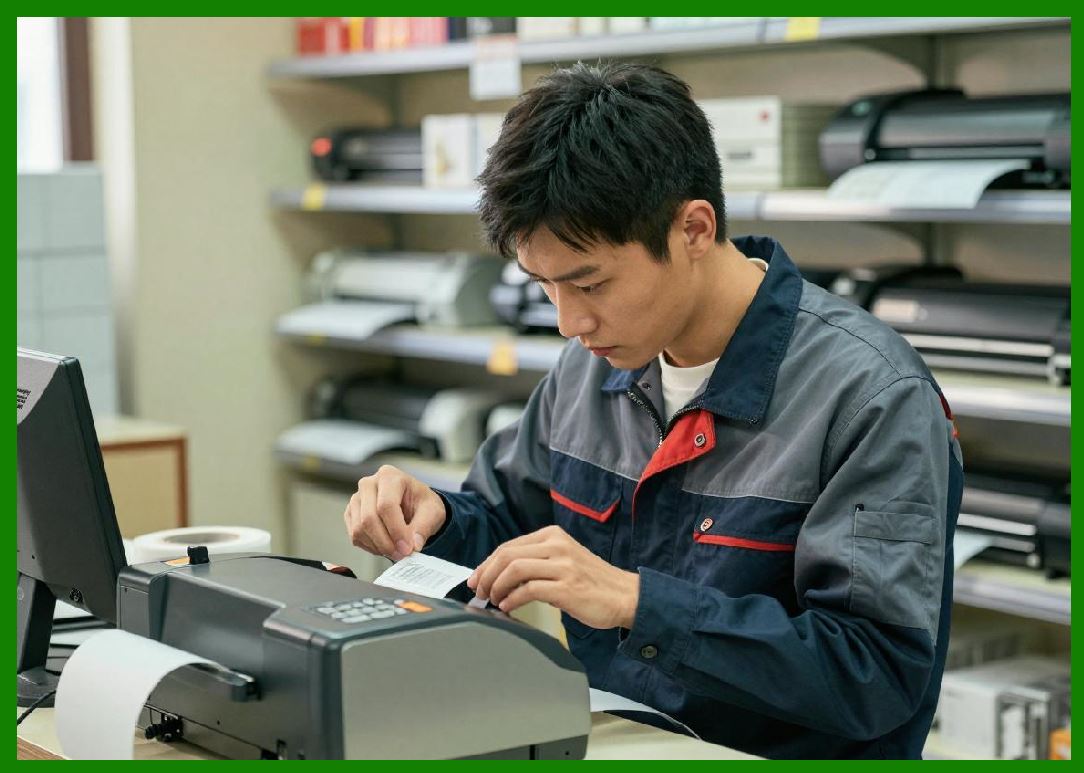
Permanent adhesives are designed for long-term bonding. |
Removal usually damages either: |
1. The label. |
2. The substrate. |
3. Both. |
10.2 Industrial Applications |
Permanent labels are common in: |
1. Product packaging. |
2. Asset tracking. |
3. Compliance labeling. |
10.3 Bond Development |
Permanent adhesives often increase bond strength over time. |
This process is called adhesion build. |
|
11. Removable Adhesives |
11.1 Purpose |
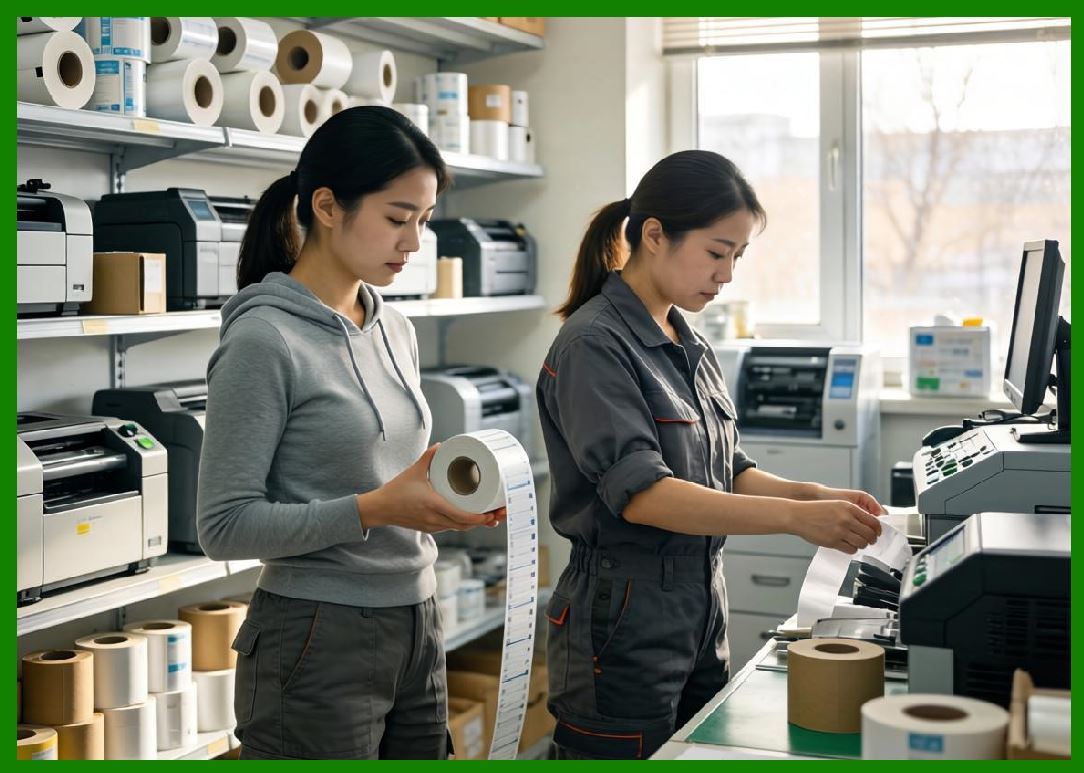
Removable adhesives allow labels to be removed cleanly. |
Applications include: |
1. Temporary tracking. |
2. Retail pricing. |
3. Reusable containers. |
11.2 Performance Challenges |
Removable systems must balance: |
1. Sufficient holding power. |
2. Clean removability. |
11.3 Residue Prevention |
Special formulations minimize adhesive residue after removal. |
|
12. Repositionable Adhesives |
12.1 Characteristics |
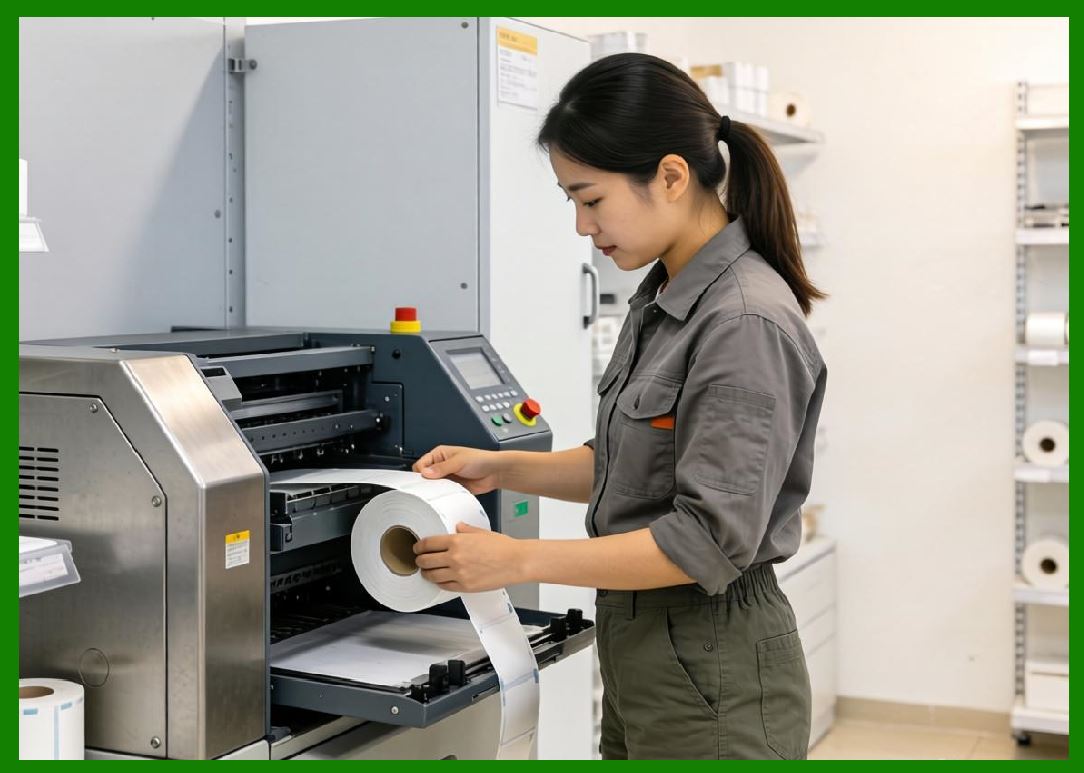
Repositionable adhesives permit multiple applications. |
Common in temporary operational labeling. |
12.2 Microsphere Technology |
Some repositionable adhesives use microspheres. |
These create limited contact areas for easier removal. |
|
13. Freezer-Grade Adhesives |
13.1 Cold-Temperature Challenges |
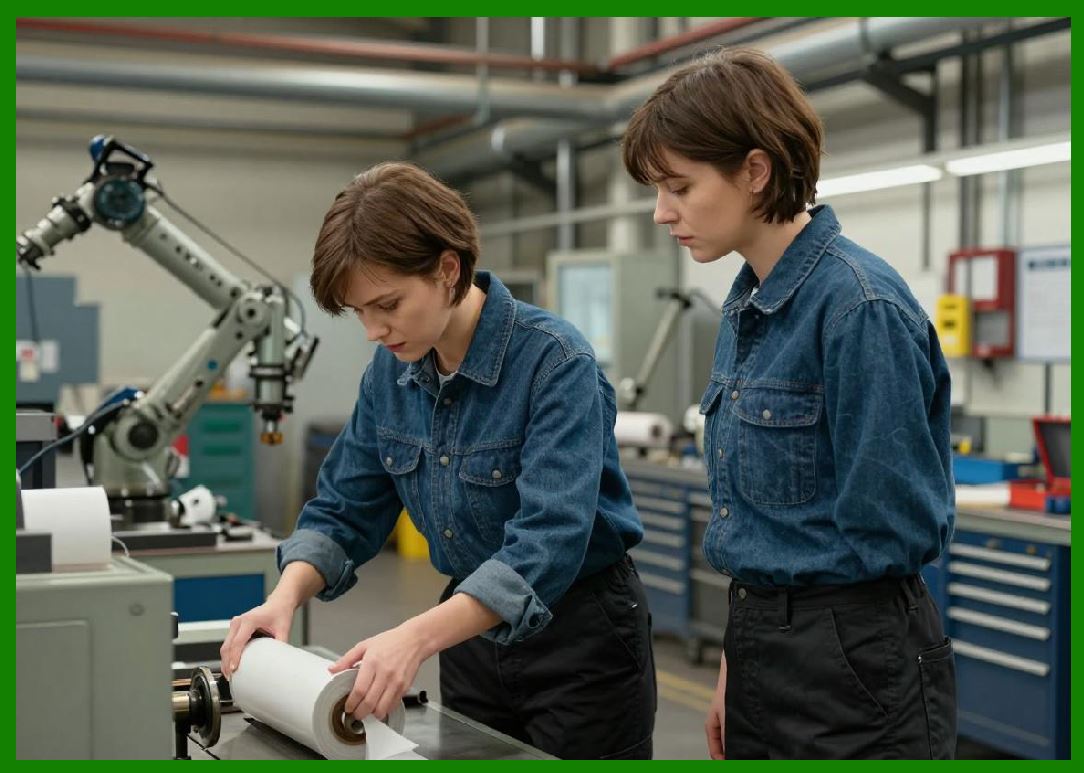
Low temperatures reduce adhesive flexibility. |
This causes: |
1. Reduced tack. |
2. Bond failure. |
3. Brittle behavior. |
13.2 Freezer Adhesive Engineering |
Freezer adhesives remain flexible at low temperatures. |
Applications include: |
1. Frozen foods. |
2. Pharmaceutical storage. |
3. Cold-chain logistics. |
13.3 Condensation Issues |
Moisture condensation complicates freezer adhesion. |
Adhesives must tolerate wet application surfaces. |
|
14. High-Temperature Adhesives |
14.1 Heat Resistance Requirements |
Certain industrial processes expose labels to extreme heat. |
Examples include: |
1. Automotive engines. |
2. Electronics soldering. |
3. Sterilization systems. |
14.2 Thermal Stability |
Heat-resistant adhesives require: |
1. Crosslinked structures. |
2. Stable polymers. |
3. Low thermal degradation. |
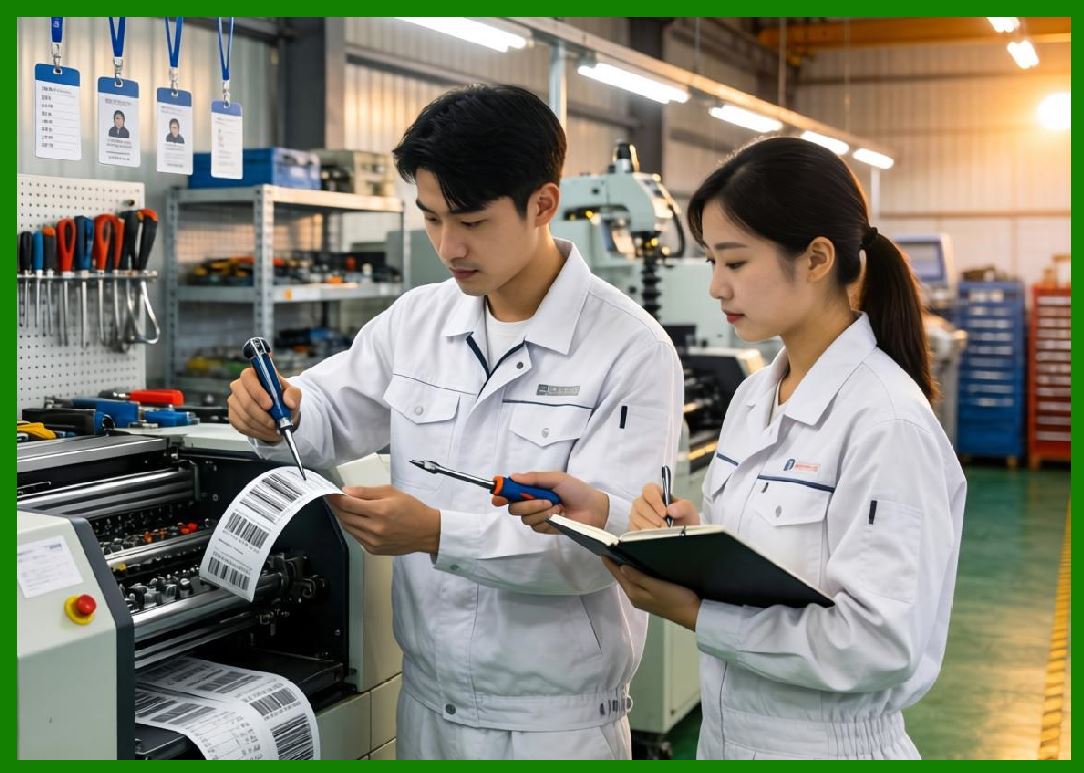
14.3 Polyimide Label Systems |
Polyimide labels often use specialized high-temperature adhesives. |
These survive wave soldering operations. |
|
15. Adhesion to Difficult Surfaces |
15.1 Low Surface Energy Plastics |
Polyethylene and polypropylene are difficult to bond. |
Special adhesives use: |
1. Aggressive tackifiers. |
2. Modified acrylics. |
3. Surface treatments. |
15.2 Textured Surfaces |
Rough surfaces reduce contact area. |
Adhesives must flow into surface irregularities. |
15.3 Powder-Coated Metals |
Powder coatings create challenging surfaces for adhesives. |
Long-term testing is often necessary. |
|
16. Adhesive Coating Technologies |
16.1 Coating Methods |
Adhesives are applied using: |
1. Slot die coating. |
2. Gravure coating. |
3. Knife coating. |
4. Curtain coating. |
16.2 Coat Weight |
Coat weight affects: |
1. Bond strength. |
2. Cost. |
3. Flexibility. |
Excessive adhesive may cause edge ooze. |
16.3 Drying and Curing |
Drying conditions affect: |
1. Adhesive structure. |
2. Residual solvent levels. |
3. Final performance. |
|
17. Release Liners and Silicone Coatings |
17.1 Purpose of Release Liners |
Release liners protect adhesives before application. |
They must release labels cleanly. |
17.2 Silicone Release Coatings |
Silicone coatings create low surface energy. |
This allows labels to peel from liners. |
17.3 Release Force Control |
Release force must be carefully engineered. |
Too little release causes: |
1. Premature dispensing. |
Too much release causes: |
1. Printer feed problems. |
|
18. Adhesive Failure Mechanisms |
18.1 Adhesive Failure |
Adhesive failure occurs when the bond separates from the surface. |
Common causes include: |
1. Surface contamination. |
2. Poor wetting. |
3. Moisture. |
18.2 Cohesive Failure |
Cohesive failure occurs inside the adhesive layer itself. |
This may leave residue. |
18.3 Environmental Degradation |
Heat, UV, and chemicals gradually degrade adhesives. |
This reduces long-term reliability. |
|
19. Testing and Quality Control |
19.1 Peel Adhesion Testing |
Peel tests measure removal force. |
Common angles include: |
1. 90 degrees. |
2. 180 degrees. |
19.2 Shear Testing |
Shear testing evaluates resistance to sliding forces. |
Important for heavy labels. |
19.3 Tack Testing |
Tack measures immediate bond strength. |
High tack is important for rapid application systems. |
19.4 Aging Tests |
Accelerated aging tests simulate long-term exposure. |
Factors include: |
1. Heat. |
2. UV. |
3. Humidity. |
|
20. Industrial Applications of Specialized Adhesives |
20.1 Healthcare |
Medical labels require: |
1. Sterilization resistance. |
2. Chemical resistance. |
3. Skin compatibility. |
20.2 Automotive Industry |
Automotive adhesives must survive: |
1. Heat cycling. |
2. Oils. |
3. Vibration. |
20.3 Chemical Industry |
Chemical drum labels require strong solvent resistance. |
20.4 Logistics |
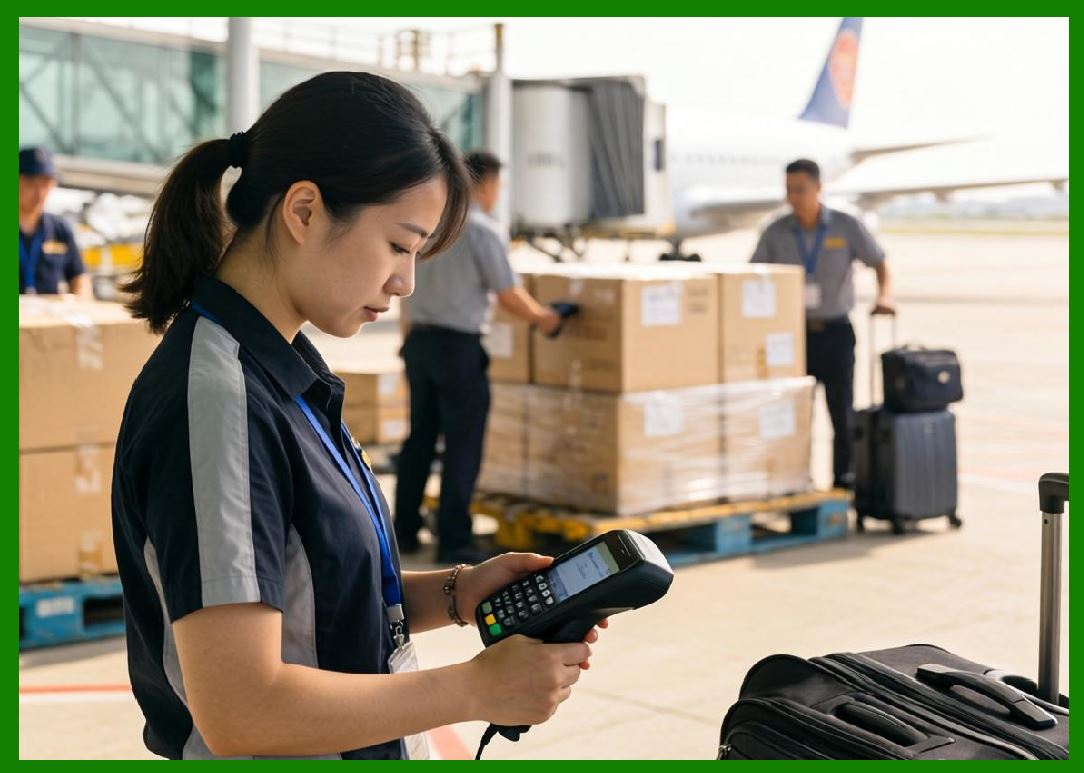
Shipping labels require: |
1. Fast tack. |
2. Corrugated box adhesion. |
3. High-speed dispensing compatibility. |
|
21. Sustainability and Future Trends |
21.1 Environmental Concerns |
Adhesives complicate recycling processes. |
Certain chemistries may contaminate recycling streams. |
21.2 Wash-Off Adhesives |
Wash-off systems improve recyclability. |
These adhesives separate during recycling. |
21.3 Bio-Based Adhesives |
Emerging systems use renewable raw materials. |
Examples include: |
1. Plant-based polymers. |
2. Natural resins. |
21.4 Smart Adhesive Technologies |
Future adhesives may include: |
1. Conductive properties. |
2. Sensor integration. |
3. Tamper detection. |
|
22. Technical Content Summary |
This part provided a comprehensive technical deep dive into adhesive systems used in barcode label materials. |
The article began with the scientific fundamentals of adhesion, including: |
1. Wetting mechanisms. |
2. Surface energy. |
3. Cohesion. |
4. Bond formation. |
The chemistry and structure of pressure-sensitive adhesives were explored in detail, including: |
1. Base polymers. |
2. Tackifiers. |
3. Plasticizers. |
4. Stabilizers. |
5. Crosslinkers. |
Extensive technical analysis was provided for major adhesive categories, including: |
1. Acrylic adhesives. |
2. Rubber-based adhesives. |
3. Silicone adhesives. |
4. Hot-melt systems. |
5. Solvent-based systems. |
6. Water-based systems. |
The article examined the molecular structures, environmental resistance, temperature behavior, and industrial performance characteristics of each adhesive family. |
|
Specialized adhesive technologies were also discussed, including: |
1. Permanent adhesives. |
2. Removable adhesives. |
3. Repositionable systems. |
4. Freezer-grade adhesives. |
5. High-temperature adhesives. |
The article further explored: |
1. Adhesion to difficult surfaces. |
2. Adhesive coating technologies. |
3. Release liner engineering. |
4. Silicone release coatings. |
5. Adhesive failure mechanisms. |
6. Peel testing. |
7. Shear testing. |
8. Tack measurement. |
9. Accelerated aging evaluation. |
Industrial applications in healthcare, logistics, automotive manufacturing, and chemical processing were analyzed in detail. |
Finally, sustainability challenges and emerging innovations such as wash-off adhesives, bio-based adhesive chemistry, and smart adhesive systems were discussed. |
|
The next part will provide a highly detailed technical examination of release liners, silicone coatings, die-cutting technology, label converting processes, and the precision manufacturing systems used in barcode label production. |
 cs@easiersoft.com