Part 7 Release Liners, Silicone Coatings, Die-Cutting Technology, and Label Converting Processes in Barcode Label Manufacturing |
1. Introduction to Release Liners and Label Converting |
In barcode label manufacturing, the visible printable face stock receives most of the attention, but the release liner and converting process are equally critical to final label performance. Even a perfectly engineered barcode label face material and adhesive system can fail if the liner system, silicone release coating, die-cutting precision, or converting process is poorly designed. |
The release liner serves several essential functions: |
1. Protecting the adhesive before use. |
2. Supporting labels during printing. |
3. Maintaining dimensional stability. |
4. Enabling automatic dispensing. |
5. Supporting die-cutting operations. |
6. Ensuring high-speed printer feeding. |
7. Preventing adhesive contamination. |

|
Meanwhile, label converting transforms large rolls of coated material into finished barcode labels through: |
1. Lamination. |
2. Adhesive coating. |
3. Silicone coating. |
4. Die cutting. |
5. Matrix removal. |
6. Slitting. |
7. Rewinding. |
8. Inspection. |
Modern barcode label converting is a highly precise industrial process involving advanced mechanical engineering, coating science, automation systems, tension control, optical inspection, and micron-level dimensional accuracy. |
This part explores release liners, silicone systems, die-cutting technologies, and label converting processes in extensive technical detail. |

|
2. Basic Structure of Pressure-Sensitive Label Construction |
2.1 Multilayer Label Construction |
A typical barcode label consists of: |
1. Face stock. |
2. Topcoat. |
3. Primer. |
4. Adhesive. |
5. Silicone release coating. |
6. Release liner. |
The release liner is essential for maintaining label integrity before application. |
2.2 Functional Importance of the Liner |
The liner supports the label during: |
1. Manufacturing. |
2. Transportation. |
3. Printing. |
4. Dispensing. |
5. Application. |
Without the liner, pressure-sensitive labels would stick together. |
2.3 Relationship Between Adhesive and Liner |
The liner must provide controlled release characteristics. |
The release force must balance: |
1. Easy dispensing. |
2. Stable handling. |
3. Reliable printer feeding. |
Improper release levels cause major operational problems. |

|
3. Release Liner Materials |
3.1 Main Categories |
Common liner materials include: |
1. Glassine paper. |
2. Kraft paper. |
3. Clay-coated kraft. |
4. Polycoated paper. |
5. PET film. |
6. Polypropylene film. |
Each liner type has unique properties. |

|
4. Glassine Release Liners |
4.1 Definition |
Glassine is a supercalendered smooth paper liner. |
It is widely used in barcode labels because of: |
1. Smoothness. |
2. Density. |
3. Dimensional consistency. |
4.2 Manufacturing Process |
Glassine paper is heavily calendered using pressure and heat. |
This creates: |
1. Dense fiber packing. |
2. Low porosity. |
3. Smooth surfaces. |
4.3 Advantages |
Glassine liners provide: |
1. Excellent die-cutting support. |
2. Smooth printer feeding. |
3. Good release coating uniformity. |
4.4 Limitations |
Glassine may experience: |
1. Humidity sensitivity. |
2. Curling. |
3. Dimensional changes. |
Environmental control is important. |

|
5. Kraft Release Liners |
5.1 Overview |
Kraft liners use stronger paper structures than glassine. |
Advantages include: |
1. Higher stiffness. |
2. Better tear resistance. |
3. Improved dimensional stability. |
5.2 Clay-Coated Kraft (CCK) |
CCK liners use clay coatings to improve: |
1. Smoothness. |
2. Silicone holdout. |
3. Die-cutting performance. |
5.3 Polycoated Kraft |
Polycoated kraft liners contain polyethylene coatings. |
Benefits include: |
1. Moisture resistance. |
2. Increased stiffness. |
3. Improved lay-flat behavior. |

|
6. PET Release Liners |
6.1 Polyester Film Liners |
PET liners are used in high-precision applications. |
Advantages include: |
1. Excellent dimensional stability. |
2. High strength. |
3. Low elongation. |
4. Smooth surfaces. |
6.2 Applications |
PET liners are widely used in: |
1. Electronics labeling. |
2. Precision die cutting. |
3. High-speed automation. |
6.3 Cost Considerations |
PET liners are more expensive than paper liners. |
However, they provide superior precision. |

|
7. Polypropylene Release Liners |
7.1 Characteristics |
Polypropylene liners offer: |
1. Moisture resistance. |
2. Good flexibility. |
3. Lightweight construction. |
7.2 Limitations |
Disadvantages include: |
1. Lower dimensional stability than PET. |
2. Heat sensitivity. |
|
8. Silicone Release Coatings |
8.1 Purpose of Silicone Coatings |
Silicone coatings create low surface energy surfaces. |
This allows labels to peel away cleanly. |
8.2 Silicone Chemistry |
Most release coatings use silicone polymers containing siloxane backbones. |
The repeating structure is: |
[-Si-O-Si-]_n |
These materials provide extremely low surface energy. |
8.3 Release Mechanism |
The adhesive contacts the silicone surface weakly. |
This controlled weak interaction enables release. |
|
9. Silicone Coating Systems |
9.1 Solvent-Based Silicone Systems |
Solvent systems provide: |
1. Excellent coating uniformity. |
2. Reliable cure performance. |
However, VOC emissions are concerns. |
9.2 Solventless Silicone Systems |
Solventless systems reduce environmental impact. |
Advantages include: |
1. Lower emissions. |
2. Faster processing. |
3. Lower energy usage. |
9.3 UV-Curable Silicone Systems |
UV-curable silicones allow: |
1. Rapid curing. |
2. High production speed. |
3. Reduced thermal energy requirements. |

|
10. Silicone Cure Chemistry |
10.1 Crosslinking Reactions |
Silicone coatings cure through crosslinking reactions. |
These reactions create: |
1. Durable networks. |
2. Stable release properties. |
10.2 Platinum-Catalyzed Systems |
Addition-cure silicones often use platinum catalysts. |
Advantages include: |
1. Fast curing. |
2. Excellent release consistency. |
10.3 Condensation Cure Systems |
Condensation-cure systems release small molecules during curing. |
These are older technologies but still used in some applications. |
|
11. Release Force Engineering |
11.1 Importance of Release Force |
Release force determines how easily labels peel from liners. |
Release must be carefully balanced. |
11.2 Low Release |
Excessively low release may cause: |
1. Premature dispensing. |
2. Label lifting. |
3. Feeding instability. |
11.3 High Release |
Excessively high release may cause: |
1. Printer jams. |
2. Dispensing failures. |
3. Matrix removal problems. |
11.4 Differential Release |
Some liners use different release levels on opposite sides. |
This helps control roll unwind behavior. |

|
12. Label Converting Processes |
12.1 What Is Label Converting |
Converting transforms raw material rolls into finished labels. |
Processes include: |
1. Coating. |
2. Laminating. |
3. Printing. |
4. Die cutting. |
5. Slitting. |
6. Inspection. |
12.2 Web Handling |
Most converting operations use continuous web processing. |
Material travels through machines under controlled tension. |
12.3 Tension Control |
Precise tension control is critical. |
Improper tension causes: |
1. Wrinkling. |
2. Registration errors. |
3. Web breaks. |

|
13. Die-Cutting Technology |
13.1 Purpose of Die Cutting |
Die cutting creates individual label shapes. |
The die cuts through: |
1. Face stock. |
2. Adhesive. |
But not through the liner. |
13.2 Rotary Die Cutting |
Rotary die cutting uses cylindrical dies. |
Advantages include: |
1. High speed. |
2. Precision. |
3. Continuous operation. |
13.3 Flatbed Die Cutting |
Flatbed systems use reciprocating dies. |
Advantages include: |
1. High cutting pressure. |
2. Thick material capability. |
13.4 Laser Die Cutting |
Laser systems eliminate physical dies. |
Advantages include: |
1. Flexible shapes. |
2. Rapid changeover. |
3. No die wear. |
However, speed limitations exist. |
|
14. Rotary Die Construction |
14.1 Solid Rotary Dies |
Solid dies are machined from steel cylinders. |
Advantages include: |
1. Long life. |
2. Precision. |
3. High durability. |
14.2 Flexible Dies |
Flexible dies are thin metal sheets mounted onto magnetic cylinders. |
Benefits include: |
1. Lower cost. |
2. Easier replacement. |
3. Faster setup. |
14.3 Die Tolerances |
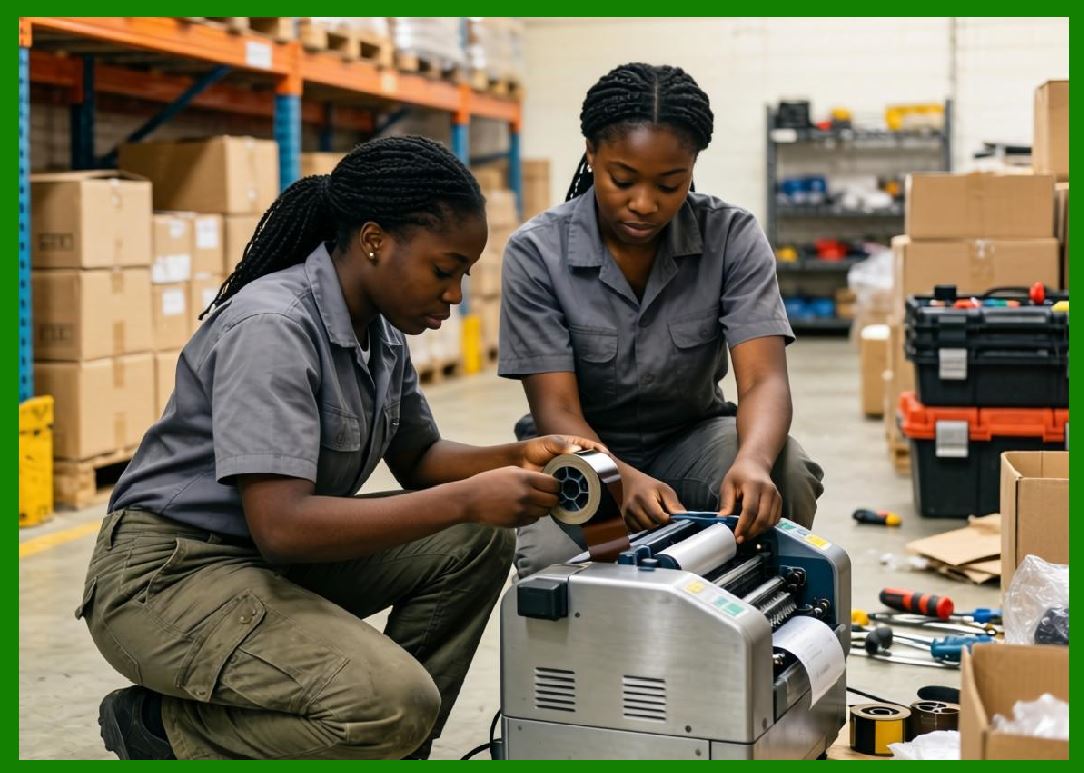
Die-cutting tolerances are extremely important. |
Poor tolerances cause: |
1. Printer feeding errors. |
2. Misregistration. |
3. Label dispensing failures. |
|
15. Matrix Removal |
15.1 Definition |
After die cutting, excess material surrounding labels is removed. |
This excess is called the matrix. |
15.2 Matrix Stripping Challenges |
Matrix removal depends on: |
1. Adhesive properties. |
2. Face stock strength. |
3. Die accuracy. |
15.3 Small Label Challenges |
Tiny barcode labels create difficult matrix removal conditions. |
Weak materials may tear during stripping. |
|
16. Slitting and Rewinding |
16.1 Slitting Operations |
Large rolls are slit into narrower rolls. |
Precision slitting is essential for printer compatibility. |
16.2 Razor Slitting |
Razor systems are simple and economical. |
Used mainly for thin materials. |
16.3 Shear Slitting |
Shear slitting provides cleaner edges. |
Preferred for precision applications. |
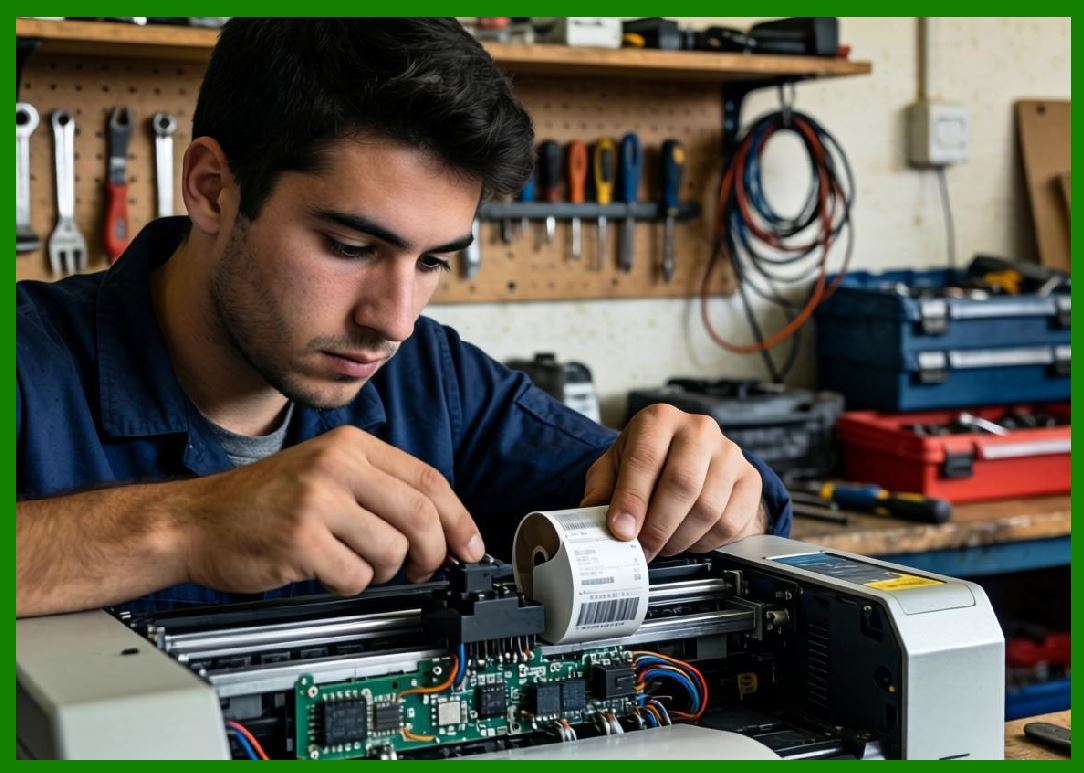
16.4 Rewinding |
Finished rolls are rewound under controlled tension. |
Improper rewinding causes: |
1. Telescope rolls. |
2. Wrinkling. |
3. Core crushing. |
|
17. Print Registration Systems |
17.1 Registration Importance |
Printed images must align precisely with die-cut labels. |
Misregistration creates unusable labels. |
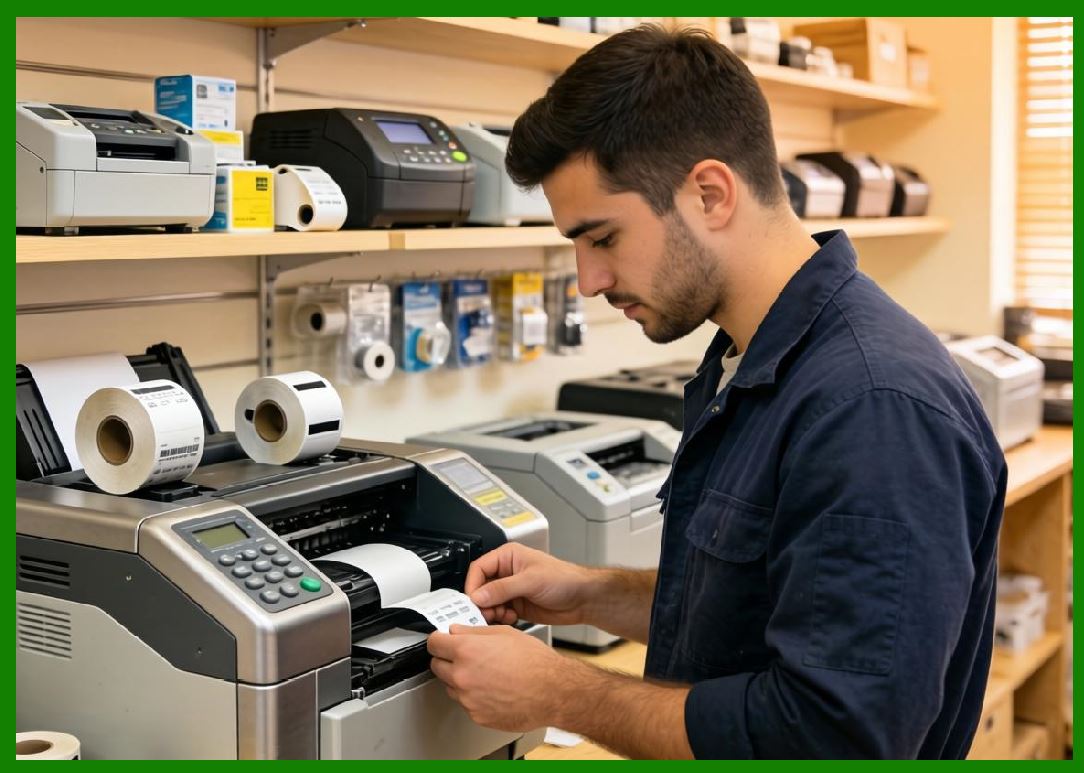
17.2 Optical Sensors |
Sensors detect registration marks. |
The system automatically adjusts web positioning. |
17.3 Servo Control Systems |
Modern converting lines use servo motors for precise synchronization. |
|
18. Inspection and Quality Control |
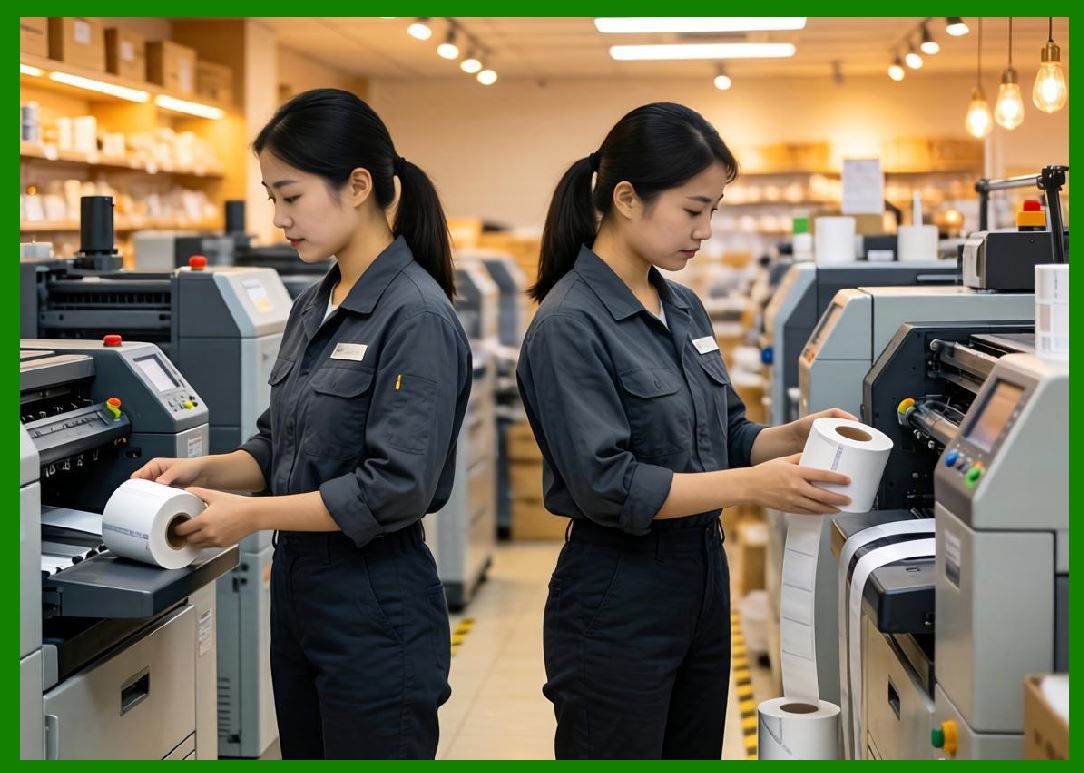
18.1 Optical Inspection |
Cameras inspect labels for: |
1. Missing cuts. |
2. Print defects. |
3. Misregistration. |
18.2 Barcode Verification |
Barcode grading systems evaluate: |
1. Contrast. |
2. Edge definition. |
3. Decode reliability. |
18.3 Adhesive Inspection |
Manufacturers test: |
1. Coat weight. |
2. Uniformity. |
3. Contamination. |
18.4 Release Testing |
Release force is carefully measured to ensure proper dispensing. |
|
19. Linerless Label Technology |
19.1 Concept |
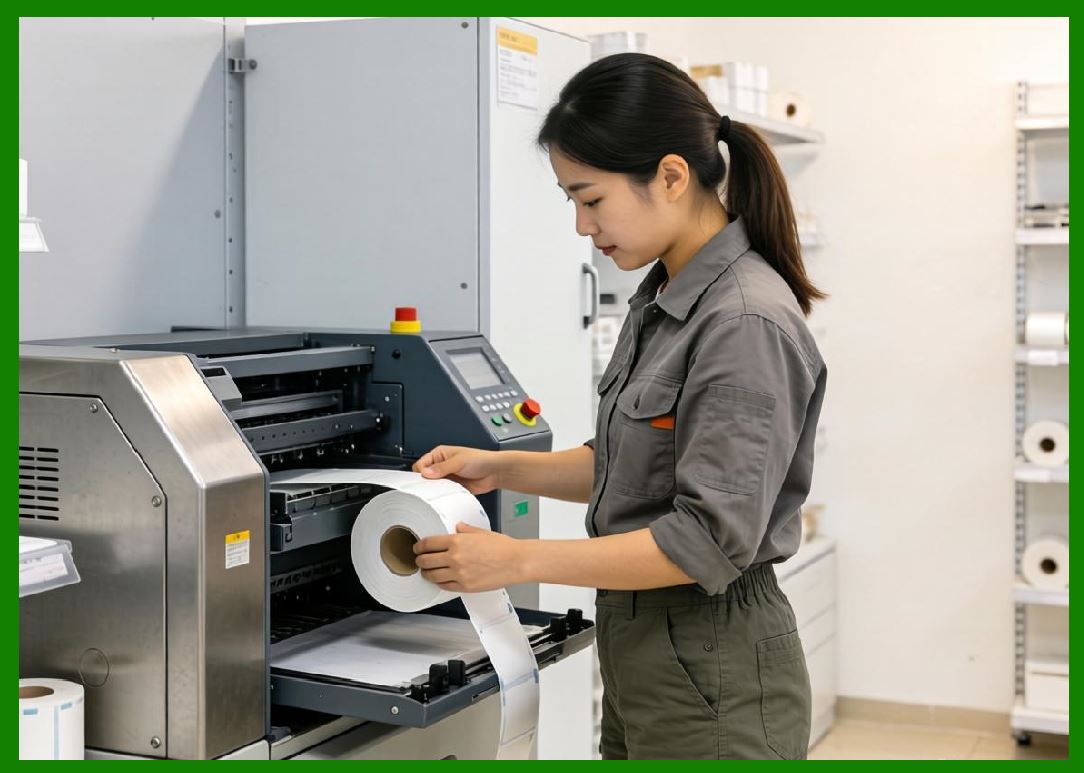
Linerless labels eliminate the release liner entirely. |
Special coatings prevent labels from sticking together. |
19.2 Advantages |
Benefits include: |
1. Reduced waste. |
2. Lower shipping costs. |
3. More labels per roll. |
19.3 Challenges |
Difficulties include: |
1. Printer contamination. |
2. Adhesive exposure. |
3. Cutting complexity. |
|
20. Environmental and Sustainability Considerations |
20.1 Liner Waste |
Release liners create large waste streams. |
Billions of square meters are discarded annually. |
20.2 Recycling Challenges |
Silicone coatings complicate recycling. |
Separation processes are difficult. |
20.3 PET Liner Recycling |
PET liners are increasingly recycled into: |
1. New films. |
2. Packaging materials. |
3. Industrial products. |
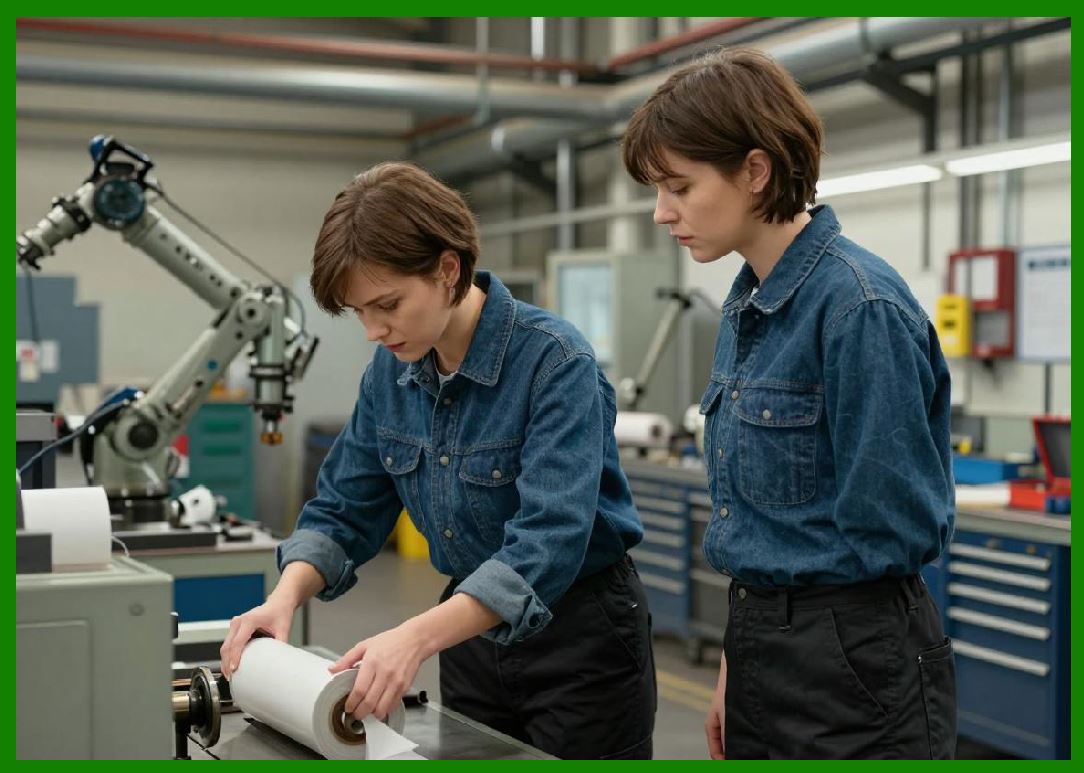
20.4 Sustainable Converting Trends |
Industry trends include: |
1. Thinner liners. |
2. Solvent-free silicones. |
3. Liner recycling systems. |
4. Reduced material consumption. |
|
21. Advanced Converting Technologies |
21.1 Digital Finishing |
Digital converting systems allow rapid customization. |
Advantages include: |
1. Short runs. |
2. Variable data. |
3. Flexible production. |
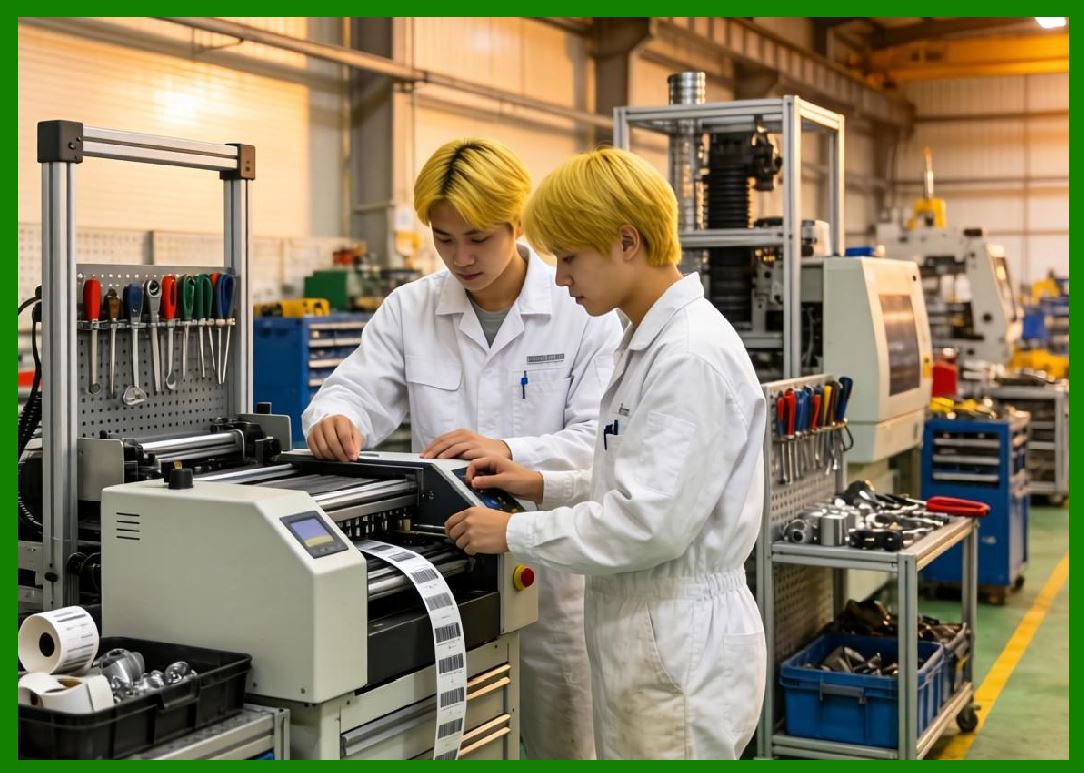
21.2 Smart Manufacturing |
Modern converting lines use: |
1. AI inspection. |
2. Predictive maintenance. |
3. Automated tension control. |
21.3 Inline RFID Integration |
Some converting systems embed RFID chips during production. |
This creates smart barcode labels. |
|
22. Industrial Applications |
22.1 Logistics Labels |
High-speed logistics systems require: |
1. Precise die cuts. |
2. Stable liners. |
3. Reliable dispensing. |
22.2 Electronics Labels |
Electronics labels often require PET liners for dimensional accuracy. |
22.3 Medical Labels |
Healthcare applications require: |
1. Reliable release. |
2. Sterility compatibility. |
3. Accurate registration. |
22.4 High-Speed Print-and-Apply Systems |
Automated systems depend heavily on: |
1. Consistent release force. |
2. Dimensional stability. |
3. Matrix removal reliability. |

|
23. Technical Content Summary |
This part provided a highly detailed technical examination of release liners, silicone release systems, die-cutting technologies, and label converting processes used in barcode label manufacturing. |
The article began by explaining the multilayer structure of pressure-sensitive barcode labels and the essential role of release liners in protecting adhesives, supporting labels, and enabling automated dispensing. |
Detailed analysis was provided for major liner materials, including: |
1. Glassine liners. |
2. Kraft liners. |
3. Clay-coated kraft liners. |
4. Polycoated kraft liners. |
5. PET liners. |
6. Polypropylene liners. |
The discussion explored the manufacturing methods, dimensional stability, stiffness, moisture resistance, and industrial applications of each liner type. |
Extensive technical coverage was devoted to silicone release coatings, including: |
1. Silicone chemistry. |
2. Siloxane polymer structures. |
3. Solvent-based systems. |
4. Solventless systems. |
5. UV-curable silicone coatings. |
6. Crosslinking reactions. |
7. Release force engineering. |
|
The article then examined modern label converting technologies, including: |
1. Web handling. |
2. Tension control. |
3. Rotary die cutting. |
4. Flatbed die cutting. |
5. Laser die cutting. |
6. Matrix stripping. |
7. Slitting. |
8. Rewinding. |
9. Registration systems. |
Quality control topics included: |
1. Optical inspection. |
2. Barcode verification. |
3. Adhesive inspection. |
4. Release force testing. |
The article also explored linerless label technologies, sustainability concerns, PET liner recycling, and advanced smart manufacturing systems involving AI inspection and inline RFID integration. |
Finally, industrial applications in logistics, electronics, healthcare, and automated print-and-apply systems were analyzed in detail. |
|
The next part will provide an extensive technical deep dive into barcode printability, surface science, ink interaction, thermal imaging behavior, barcode quality grading, scanner physics, and the engineering principles that determine barcode readability and scanning reliability. |
 cs@easiersoft.com