1. Introduction |
Thermal barcode labels are widely used in various industries for product identification, logistics, and inventory management. These labels are produced using specialized thermal paper that interacts with thermal printers. The production process involves several raw materials and sophisticated technology, with a focus on environmental sustainability. In this section, we will discuss the materials used in thermal barcode label paper, production technologies, and the environmental impact of the manufacturing process. |
|
2. Raw Materials for Thermal Barcode Label Paper |
2.1 Base Paper |
The base paper for thermal barcode labels is usually made from wood pulp, though recycled fibers can also be used. The characteristics of the base paper, including thickness, texture, and coating, determine the quality and durability of the final product. There are various types of base paper: |
Wood Pulp Paper: Derived from wood fibers, this is the most common raw material for thermal paper. |
Recycled Paper: Some manufacturers use recycled paper as the base material to improve sustainability. |
Synthetic Materials: In some cases, synthetic polymers are used as base materials for thermal paper to enhance durability and moisture resistance. |
2.2 Coating Materials |
The coating layer on thermal paper plays a critical role in the label¡¯s ability to produce clear and durable prints. The coating is usually a blend of chemicals that react to heat during the printing process. The types of coatings include: |
Thermal Coating: This is the most important component, as it enables the paper to darken when exposed to heat. It typically consists of a mixture of dye and developer chemicals. |
Protective Coating: This layer helps protect the paper from damage by moisture, dirt, or light. It is often a transparent layer that can include UV inhibitors to reduce fading. |
2.3 Chemicals for Sensitization |
The thermal printing process relies on the chemical properties of the paper. For paper to respond to heat, it is coated with specific chemicals such as: |
Leuco Dyes: These are colorless dyes that react when heat is applied, creating a visible mark. |
Developers: Typically organic compounds like bisphenol A (BPA), these compounds are used to develop the color when the paper is heated. |
Stabilizers and Additives: These chemicals are used to enhance the stability of the thermal paper, preventing fading or damage from external factors like humidity or light. |
|
3. Production Technology of Thermal Barcode Label Paper |
3.1 Manufacturing Process Overview |
The production of thermal barcode label paper involves several critical steps. These steps combine chemical processes, material handling, and precision equipment to create high-quality thermal paper. |
3.2 Paper Formation |
The raw materials, such as wood pulp or recycled fibers, are processed to create the base paper. The pulp is refined and formed into sheets using specialized machines. The paper is then dried and rolled to the required thickness. |
3.3 Thermal Coating Application |
Once the base paper is prepared, the thermal coating is applied. The process can be done in several ways: |
Spray Coating: The thermal chemicals are sprayed onto the paper surface, forming a uniform coating. |
Roller Coating: This method involves passing the paper through rollers that apply a thin, even layer of thermal chemicals. |
Gravure Coating: This method uses engraved cylinders to apply the coating, allowing for precise control over the amount of coating applied. |
3.4 Drying and Curing |
After the thermal coating is applied, the paper needs to be dried and cured to ensure the chemicals bond correctly. This process is critical to avoid issues such as coating inconsistencies or poor print quality. |
3.5 Cutting and Finishing |
The final step in the production of thermal barcode label paper involves cutting the paper into the desired sizes, whether in rolls or sheets. The paper is then carefully inspected for quality control, ensuring that it meets the required specifications for printing, durability, and response to heat. |

|
4. Environmental Issues in the Production Process |
4.1 Raw Material Sourcing |
The sourcing of raw materials for thermal paper can have significant environmental implications, especially when it comes to wood pulp. Sustainable sourcing practices are critical to reduce deforestation and promote responsible forestry management. |
Deforestation and Habitat Loss: Unsustainable harvesting of wood for paper production can contribute to deforestation, endangering ecosystems and biodiversity. |
Recycled Paper: Using recycled paper reduces the demand for virgin wood pulp, decreasing environmental impact. However, it still requires energy and water for processing. |
4.2 Chemical Use and Pollution |
The chemicals used in thermal paper production, such as BPA and other sensitizers, can pose environmental risks if not handled properly. These chemicals are often toxic and may leach into the environment during production, use, or disposal. |
BPA: Bisphenol A is commonly used as a developer in thermal papers. Its presence in paper and its potential to leach into the environment has raised concerns about its impact on human health and wildlife. |
Wastewater Contamination: The use of chemicals in the paper-coating process can lead to wastewater contamination, requiring proper treatment before being discharged into the environment. |
4.3 Energy Consumption |
The production of thermal paper involves energy-intensive processes such as drying, curing, and coating. High energy consumption can contribute to the carbon footprint of thermal paper production. |
Electricity Use: Large paper mills require significant amounts of electricity for machinery, lighting, and environmental control systems. |
Carbon Emissions: Energy-intensive production methods may release carbon dioxide (CO?) into the atmosphere, contributing to climate change. |
4.4 Waste Generation |
The thermal paper production process generates waste, which can have negative environmental effects if not properly managed. |
Chemical Waste: Unused chemicals from the production process may be discarded, leading to potential pollution of soil and water. |
Paper Waste: Defective sheets or waste generated from cutting the paper can contribute to landfills if not recycled. |
Packaging Waste: Thermal paper rolls are often packaged in plastic or cardboard, contributing to packaging waste that may not be recyclable. |
4.5 End-of-Life Disposal and Recycling |
One of the major environmental concerns with thermal paper is its end-of-life disposal. While the paper itself may be recyclable, the chemicals used in the coating process (such as BPA) complicate the recycling process. Additionally, the fact that thermal paper is often used in single-use applications such as receipts further complicates waste management. |
BPA Leaching: BPA can leach into the environment when thermal paper is disposed of in landfills, where it may contaminate soil and groundwater. |
Limited Recycling: Most thermal paper is not recyclable due to the chemical coatings, making it harder to reuse or compost. |
|
5. Sustainable Practices in Thermal Paper Production |
5.1 Sourcing Sustainable Materials |
Companies are increasingly adopting sustainable practices to mitigate the environmental impact of thermal paper production. This includes sourcing raw materials from certified sustainable forestry operations and using recycled paper as a base material. |
5.2 Chemical-Free Thermal Paper |
Efforts are underway to develop chemical-free thermal paper, using natural materials and coatings to replace harmful chemicals like BPA. This not only reduces environmental pollution but also makes the paper safer for human use. |
5.3 Energy Efficiency |
Improvements in energy efficiency within production facilities can significantly reduce the carbon footprint of thermal paper manufacturing. This includes optimizing machinery, using renewable energy sources, and minimizing energy consumption during manufacturing processes. |
5.4 Waste Reduction and Recycling Programs |
Thermal paper manufacturers are implementing waste reduction techniques and improving their recycling processes. For instance, some companies recycle production waste, and others have introduced take-back programs for used thermal paper. |
5.5 Biodegradable Paper |
Some companies are researching biodegradable alternatives to thermal paper. These papers would break down more easily in the environment, reducing long-term waste and pollution. |
|
6. Conclusion |
Thermal barcode label paper is essential for many industries, offering efficiency and versatility in identification and tracking systems. However, the production process has significant environmental impacts, ranging from raw material sourcing to waste disposal. By adopting sustainable practices, improving energy efficiency, and developing eco-friendly alternatives, manufacturers can reduce the environmental footprint of thermal paper production. |
|
The production technology of thermal barcode label paper is a complex, multi-step process that combines materials science, precision machinery, and chemical coatings to create high-quality, durable thermal paper suitable for use in barcode printing applications. The production process is critical in ensuring that the thermal paper performs as expected in terms of print quality, durability, and responsiveness to heat. |
This section provides a detailed exploration of the various stages and technologies involved in the production of thermal barcode label paper. |
1. Raw Material Preparation |
1.1 Pulping |
The first step in producing thermal paper is to prepare the base material, usually paper pulp. Paper pulp is made from wood fibers, though some manufacturers use recycled paper fibers to promote sustainability. There are two primary methods for producing pulp: |
Mechanical Pulping: This involves grinding wood logs to separate the fibers. The process is energy-intensive but produces pulp with higher fiber content, making the paper stronger. |
Chemical Pulping: This method involves using chemicals to break down the lignin that binds fibers together. Chemical pulping yields smoother paper with better print quality. |
Recycled paper, when used, is sorted, cleaned, and processed to remove any contaminants like ink and adhesives before it is transformed into pulp. |
1.2 Bleaching and Refining |
Once the pulp is produced, it may undergo bleaching to achieve the desired whiteness. The refining process involves further breaking down the pulp fibers to ensure that the paper will have the desired texture and smoothness. This is crucial for thermal paper, as smoothness directly affects the print quality. |
|
2. Base Paper Formation |
2.1 Paper Formation |
The paper pulp is then formed into sheets using a paper machine. The pulp is diluted with water and fed onto a moving mesh screen, where the fibers are evenly spread to form a continuous sheet. Excess water is removed through vacuum suction, and the sheet is pressed to remove additional moisture. |
2.2 Drying |
The wet paper sheet is then dried using a combination of heated rollers and air dryers. The drying process removes excess moisture and solidifies the paper structure, ensuring that the paper is strong enough to handle the subsequent coating process. |
2.3 Calendering |
After drying, the paper is passed through a calendering process, where the paper is pressed between a series of rollers. This process smooths the paper, ensuring it has a uniform surface that is essential for high-quality printing. Calendering also helps control the thickness and smoothness of the paper, which are key attributes for thermal paper. |
|
3. Thermal Coating Application |
Thermal paper gets its unique properties from a specialized coating that enables it to react to heat and create visible marks. The coating process is one of the most critical steps in the production of thermal barcode label paper. |
3.1 Types of Thermal Coatings |
The thermal coating typically consists of a mixture of chemical compounds that respond to heat by changing color. The primary ingredients include: |
Leuco Dyes: These are colorless compounds that undergo a color change when exposed to heat. |
Developers: These chemicals, such as phenols or bisphenol A (BPA), help develop the color by reacting with the leuco dye when heat is applied. |
Stabilizers: These are used to stabilize the thermal paper and prevent the coating from fading prematurely. |
The thermal coating serves to create the image on the paper when it comes into contact with a thermal printhead, as in barcode label printers. |
3.2 Coating Methods |
The method of applying the thermal coating to the paper is critical to the performance of the final product. There are several methods for applying thermal coatings, including: |
Roller Coating: In this method, the paper is passed through rollers that apply a thin and even layer of coating. This method provides precision and consistency in the application of the coating. |
Spray Coating: A spray coating process involves applying a fine mist of thermal chemicals onto the paper surface. This method is often used for larger rolls of paper but can be less precise than roller coating. |
Gravure Coating: Gravure is a high-precision coating technique where ink or coating chemicals are transferred to the paper via engraved rollers. This method is used for high-precision applications and provides an extremely uniform coating. |
3.3 Drying and Curing the Coating |
Once the thermal coating is applied, it must be dried and cured to ensure that the chemicals bond properly to the paper. This is done using a series of dryers that use heat or infrared light to evaporate any remaining solvents and solidify the coating. The curing process is crucial to the performance of the thermal paper, as insufficient curing can lead to poor print quality and fading. |
|
4. Post-Coating Finishing |
4.1 Calendering of Coated Paper |
After the thermal coating is dried and cured, the paper is passed through a calendering process to smooth the surface further. This step helps to achieve a uniform coating and ensures that the paper has the right surface texture for printing. The calendering process also helps control the final thickness of the paper. |
4.2 Quality Control |
At this stage, quality control checks are performed to ensure that the thermal coating has been applied evenly and that the paper meets the required specifications. This involves visual inspections, measurements of the coating thickness, and testing of the paper's responsiveness to heat. |
4.3 Inspection for Defects |
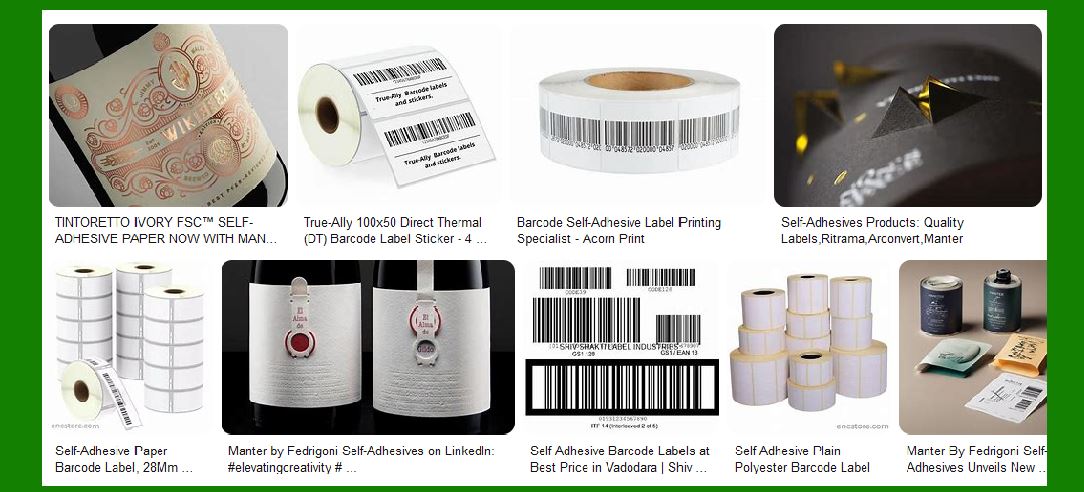
Before proceeding to the next stage, the paper is inspected for any defects, such as spots, streaks, or uneven coating. Rollers with automatic inspection systems may be used to detect these imperfections. |
|
5. Cutting and Converting |
5.1 Cutting the Paper into Rolls or Sheets |
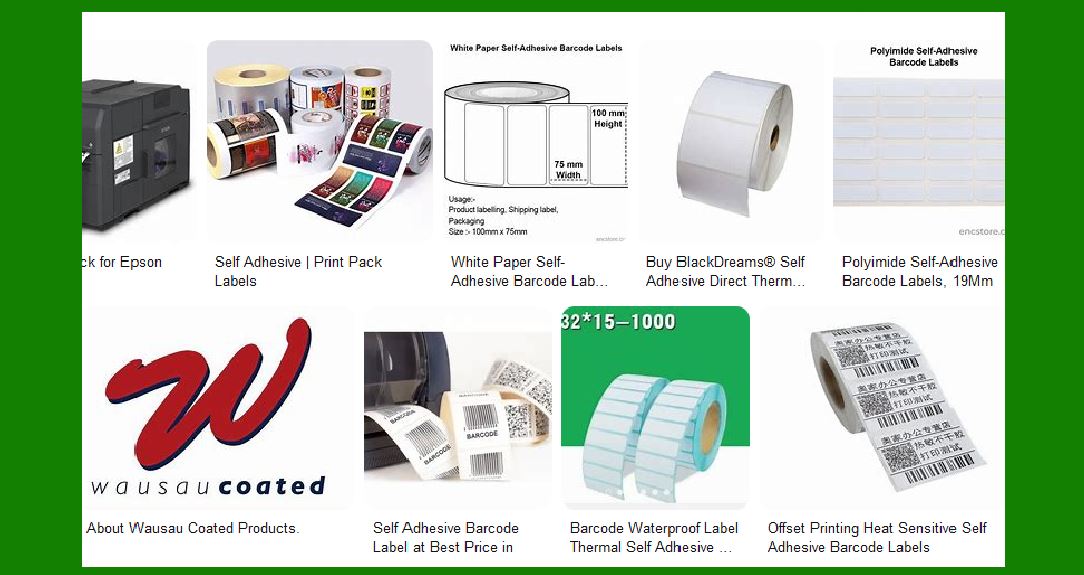
Once the paper has been coated and finished, it is wound into large rolls or cut into sheets, depending on the specific application. The size of the rolls or sheets is determined by customer specifications, with common roll widths for thermal barcode labels being 4 to 8 inches. |
5.2 Converting the Paper into Barcode Labels |
The large rolls of thermal paper are further converted into individual barcode labels. This can be done using a variety of techniques, depending on the specific use case: |
Die-Cutting: This involves using a die to cut the paper into individual labels, often with a specific shape such as square, rectangular, or custom shapes. |
Slitting: For roll-based labels, slitting machines are used to cut the paper into narrow strips, creating smaller rolls suitable for thermal printers. |
The labels are then carefully wound and prepared for packaging, with quality control steps taken to ensure the labels are correctly spaced and aligned for ease of printing. |
|
6. Final Inspection and Packaging |
6.1 Print Quality Testing |
Once the thermal paper has been cut and converted, it undergoes a final inspection to test its print quality. This includes printing test patterns, barcodes, and other common images to ensure that the paper responds correctly to thermal printheads. |
6.2 Packaging |
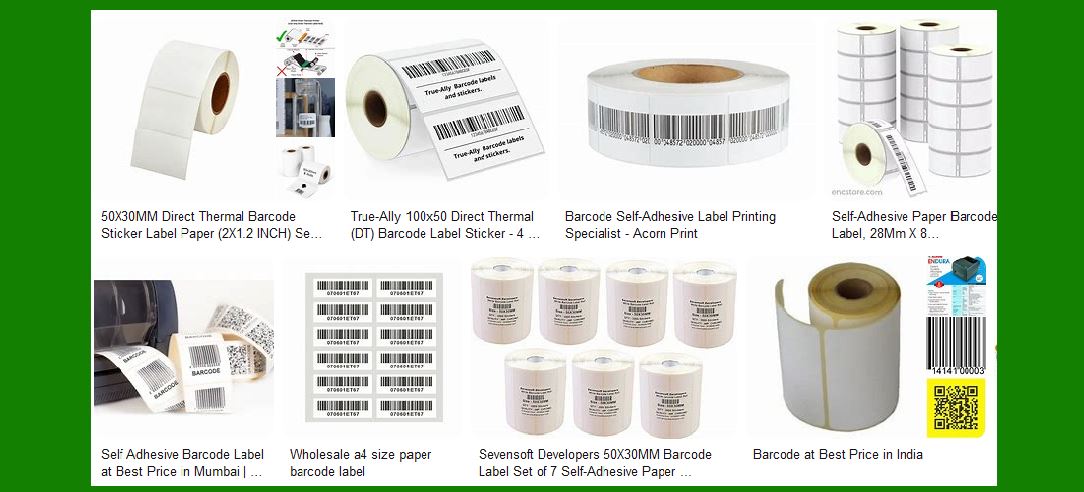
After the paper has passed quality control, it is packaged into rolls or sheets, ready for shipment to customers. Packaging can include shrink wrapping, box packing, or other forms of protection to prevent damage during transport and storage. Special labels may also be applied to provide information about the batch or product specifications. |
|
7. Conclusion |
The production of thermal barcode label paper is a precise and highly technical process that requires careful control at every stage. From selecting the right raw materials to applying thermal coatings and performing extensive quality control, each step ensures that the final product is capable of providing clear, long-lasting prints for barcode labeling applications. The combination of advanced coating technologies, material science, and manufacturing techniques enables thermal barcode labels to meet the demanding needs of industries such as logistics, retail, and healthcare. |
|
Source of raw materials for thermal barcode label paper |
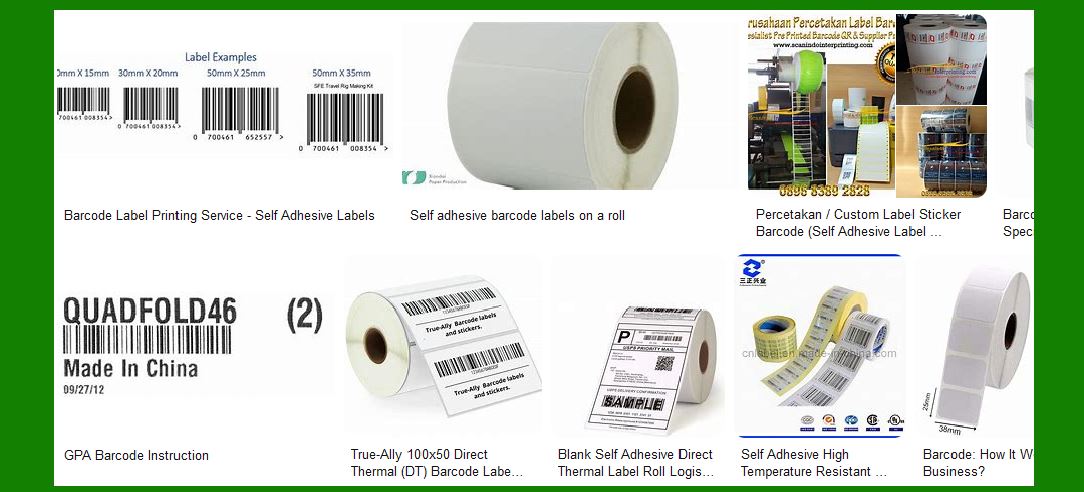
The raw materials for thermal barcode label paper are primarily sourced from natural and synthetic materials, with an emphasis on the quality of the base paper, the chemical coatings, and additives that are necessary for the paper to perform as intended in thermal printing applications. The sourcing of these materials must meet specific requirements, such as durability, print quality, and environmental considerations. Below is a detailed overview of the sources of raw materials used in thermal barcode label paper production. |
1. Base Paper Materials |
The base paper serves as the primary substrate for thermal barcode labels. The main raw materials used in base paper production include natural fibers and recycled fibers. |
1.1 Wood Pulp |
Wood pulp is the most common raw material for producing thermal paper base stock. It is derived from the cellulose fibers of trees, which are broken down into pulp through mechanical or chemical processes. The pulp is then processed and refined to create paper sheets. Wood pulp is typically sourced from the following types of trees: |
Softwood Trees: These trees, such as pine, fir, and spruce, are preferred for paper production because their fibers are longer and contribute to stronger, more durable paper. |
Hardwood Trees: Hardwood pulp, derived from trees like oak, beech, and birch, is used in some paper grades. Although the fibers are shorter, hardwood pulp can produce smoother paper with a finer texture. |
Sustainable sourcing practices are essential for wood pulp, especially with growing concerns about deforestation and environmental degradation. Many paper manufacturers are adopting certified sustainable practices, ensuring that the wood pulp comes from responsibly managed forests. |
Sustainable Forestry Certifications: Organizations such as the Forest Stewardship Council (FSC) and the Programme for the Endorsement of Forest Certification (PEFC) provide certifications for paper mills that adhere to sustainable sourcing practices. |
1.2 Recycled Paper |
Recycled paper is an increasingly popular raw material for producing thermal barcode label paper. Recycling paper helps to reduce the need for virgin wood pulp, conserving natural resources and reducing the environmental footprint of paper production. Recycled paper is collected from post-consumer waste (e.g., office paper, newspapers) or post-industrial waste (e.g., paper scraps from manufacturing). |
Post-consumer Recycled Paper: This type of recycled paper comes from products that have already been used by consumers and then processed back into pulp for new paper production. |
Post-industrial Recycled Paper: This type comes from waste generated during the manufacturing process of paper products. |
Recycled paper can vary in quality, and further processing may be required to remove contaminants and improve its texture before it is used as the base material for thermal paper. |
1.3 Synthetic Materials |
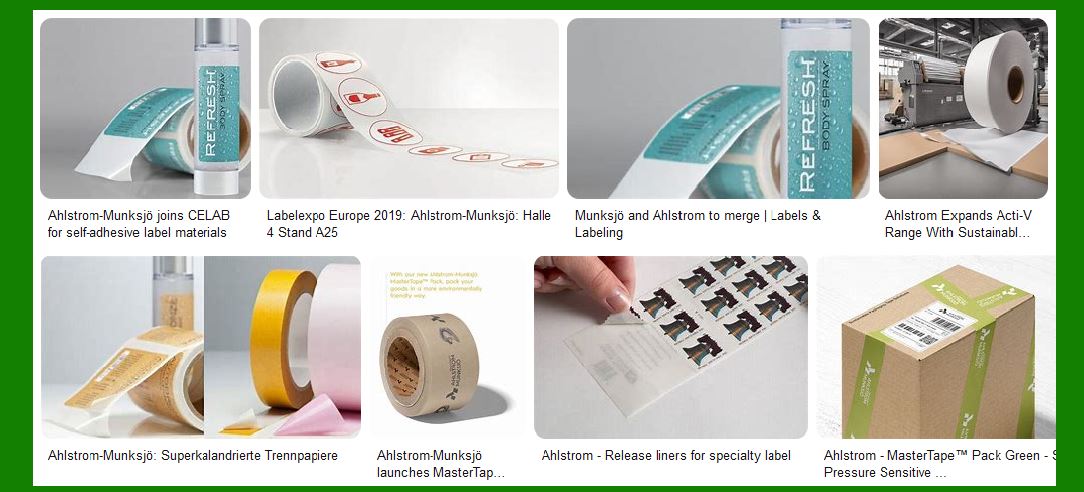
In some cases, thermal paper can be made using synthetic materials. These are often used to produce labels that need to be more durable or resistant to moisture, oils, or other chemicals. Synthetic materials such as polyethylene, polypropylene, and polyester are used to enhance the properties of the base paper. |
Polyester: This synthetic material is used in applications where moisture resistance and durability are important, such as in harsh industrial environments. |
Polypropylene: This is often used for labels that need to withstand exposure to chemicals or extreme temperatures. |
These materials are typically more expensive than paper-based substrates but offer unique benefits in terms of durability and resistance to environmental factors. |
|
2. Coating Materials |
The coating applied to the thermal paper is crucial in determining the print quality and durability of the thermal barcode label. The coating materials are typically made up of a combination of organic and inorganic chemicals that react to heat during the printing process. The main sources for these chemicals are as follows: |
2.1 Thermochromic Chemicals |
The thermochromic coating, which is applied to the paper to make it sensitive to heat, contains several chemicals that undergo a color change when exposed to heat. These chemicals are often synthesized or extracted from natural sources. |
Leuco Dyes: Leuco dyes are the primary chemical used for thermal coating. They are colorless at room temperature but change to a visible color when heated. These dyes are typically derived from organic compounds. |
Developers: The developers (e.g., bisphenol A or bisphenol S) help the leuco dyes to 'develop' the color when heat is applied. Bisphenol A (BPA) has traditionally been the most common developer, though its use has become controversial due to environmental and health concerns. Alternatives such as bisphenol S (BPS) are being developed to replace BPA in thermal coatings. |
2.2 Binders and Additives |
Binders are chemicals used to hold the thermal coating together and ensure that it adheres to the paper. The additives improve the performance, stability, and durability of the thermal coating. |
Polymer Binders: These are often used to improve the adhesion of the thermal coating and prevent it from flaking or rubbing off. Common polymers include polyethylene and acrylic resins. |
UV Inhibitors: To prevent fading due to exposure to ultraviolet (UV) light, some manufacturers add UV inhibitors to the coating. These inhibitors can be derived from organic chemicals and help protect the print from light degradation. |
2.3 Other Specialty Chemicals |
Other chemicals may be added to the thermal paper coating to enhance its performance. These include: |
Stabilizers: These are used to prevent the thermal coating from breaking down prematurely, which helps extend the shelf life of the paper. |
Antioxidants: These chemicals can help reduce the degradation of the paper over time, ensuring that it remains stable even in environments with fluctuating temperatures and humidity. |
|
3. Chemicals for Sizing and Treatment |
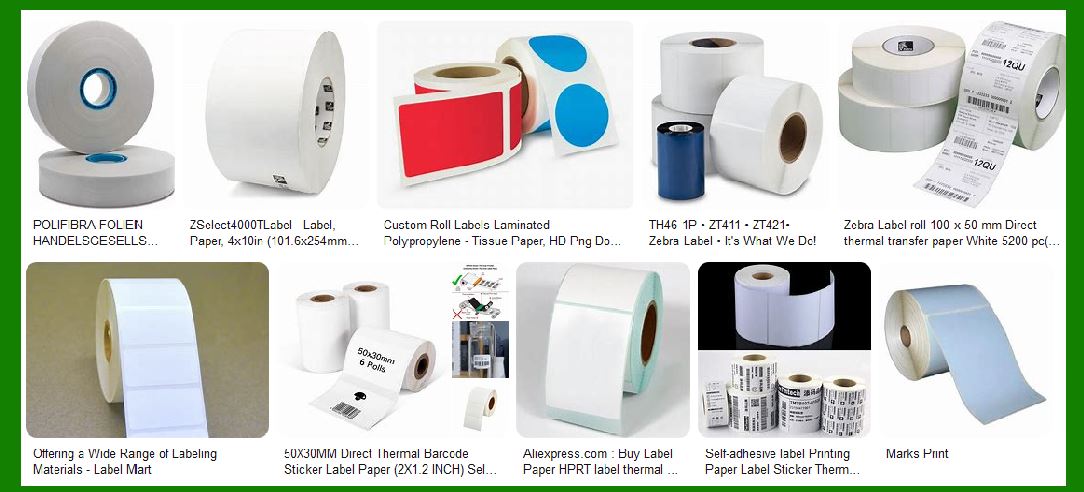
In addition to the thermal coating, certain chemicals are used in the production of thermal barcode label paper to improve its durability, smoothness, and water resistance. |
3.1 Sizing Agents |
Sizing agents are added to the paper during the production process to improve the paper's smoothness and reduce its tendency to absorb ink or chemicals. These agents can be made from starch, latex, or synthetic resins. |
3.2 Water and Oil Resistance Additives |
To make thermal paper more resistant to water and oil (particularly for labels used in environments where they might be exposed to moisture or oily substances), manufacturers may treat the paper with water-resistant chemicals. |
Waterproofing Agents: These chemicals make the paper less likely to absorb moisture, thus improving its durability in humid environments. |
Oil-Repellent Coatings: These are used to prevent oil-based substances from degrading the thermal coating. |
|
4. Energy and Equipment for Raw Material Processing |
The processing of raw materials also involves energy inputs and specialized machinery: |
Energy Sources: Paper mills rely on electricity or steam for various stages of the production process, including pulping, drying, and coating. This energy often comes from fossil fuels or renewable sources. |
Equipment: Machines like paper machines, calendering rollers, coating applicators, and drying ovens are essential for processing raw materials into finished thermal paper rolls. |
|
5. Environmental and Sustainability Considerations |
The sourcing of raw materials for thermal paper is increasingly being influenced by environmental considerations. Manufacturers are focused on reducing their environmental footprint by sourcing raw materials from sustainable, ethical sources. |
5.1 Certified Forests |
Sustainable forestry certification programs, such as FSC (Forest Stewardship Council), help ensure that wood pulp used in paper production comes from responsibly managed forests. This reduces the negative impact of deforestation and promotes biodiversity conservation. |
5.2 Recycled Content |
Increasing the recycled content in thermal paper products helps reduce dependence on virgin wood pulp and lowers the environmental impact of paper production. Paper mills are increasingly adopting closed-loop recycling systems, where paper waste is recycled back into production. |
5.3 Reduction of Harmful Chemicals |
Due to growing concerns over the health impacts of chemicals like BPA, there is a push for 'BPA-free' thermal paper, which is leading to the development and use of safer, more environmentally friendly alternatives in the thermal coating process. |
5.4 Circular Economy Initiatives |
Many paper manufacturers are embracing circular economy practices, which aim to reduce waste and maximize the reuse of materials throughout the production and end-of-life cycles of thermal paper. |
|
6. Conclusion |
The raw materials used in thermal barcode label paper production come from a variety of natural and synthetic sources, including wood pulp, recycled paper, synthetic polymers, and a range of chemicals for coating and treatment. Sustainable sourcing and environmentally friendly practices are becoming increasingly important as the demand for thermal paper grows. Efforts to reduce environmental impacts, such as using recycled fibers, minimizing harmful chemicals, and promoting energy-efficient production processes, are central to the future of thermal paper manufacturing. |
|
The production of thermal barcode label paper involves several steps that can have significant environmental impacts, particularly in terms of raw material sourcing, energy consumption, chemical use, waste generation, and the disposal of the final product. These environmental issues need to be carefully managed to ensure that the production process is as sustainable and environmentally friendly as possible. In this section, we will explore the various environmental challenges associated with thermal barcode label paper production in great detail, highlighting both the direct and indirect impacts at each stage of the production process. |
1. Raw Material Sourcing |
1.1 Deforestation and Habitat Loss |
The sourcing of raw materials for thermal barcode label paper, especially wood pulp, can contribute to deforestation if it is not done responsibly. While wood pulp is the most common material used for the base paper, its production can lead to the destruction of forests, including the depletion of biodiversity and the disruption of ecosystems. |
Impact on Biodiversity: Unsustainable logging practices can result in the loss of habitat for various species, especially in tropical regions where biodiversity is high. The destruction of forests affects wildlife populations and contributes to the loss of genetic diversity. |
Carbon Sequestration: Forests play a crucial role in absorbing carbon dioxide (CO?) from the atmosphere. Deforestation reduces the Earth¡¯s capacity to mitigate climate change, releasing large amounts of stored carbon into the atmosphere. |
1.2 Sustainable Sourcing of Wood Pulp |
To mitigate the impact of deforestation, the paper industry has increasingly adopted sustainable forestry practices. Certifications such as the Forest Stewardship Council (FSC) and the Programme for the Endorsement of Forest Certification (PEFC) help ensure that wood pulp is sourced from responsibly managed forests. These certifications promote: |
Reforestation: Ensuring that trees are replanted after harvesting to maintain a stable ecosystem. |
Biodiversity Protection: Encouraging practices that protect local wildlife and plant species. |
Water Management: Ensuring that forest ecosystems are properly managed to prevent water contamination and soil erosion. |
1.3 Recycled Paper and Circular Economy |
One of the most effective ways to reduce environmental harm is to use recycled paper as the base material for thermal paper. Using recycled paper reduces the need for virgin wood pulp, conserving forests and reducing waste. However, recycled paper still requires energy for processing, and not all paper can be recycled multiple times due to degradation in fiber quality. |
Challenges with Recycling: Recycled paper may contain contaminants such as ink, adhesives, and coatings that must be removed before the paper can be reprocessed. This can involve additional energy and water usage. |
Availability of Recycled Paper: Not all thermal paper products are made from recycled content, and the availability of high-quality recycled paper may be limited, especially in regions without robust recycling systems. |
|
2. Chemical Use and Pollution |
2.1 Bisphenol A (BPA) and Other Hazardous Chemicals |
One of the major environmental concerns in the production of thermal barcode label paper is the use of chemicals like Bisphenol A (BPA), which is commonly used as a developer in the thermal coating process. BPA can leach into the environment, particularly during paper disposal, creating potential health risks for humans and wildlife. |
Toxicity and Human Health Risks: BPA has been linked to various health issues, including hormonal disruptions and potential developmental problems, particularly in infants and young children. There are also concerns about its role in reproductive toxicity and cancer. |
Environmental Contamination: BPA can leach from thermal paper products into soil and water during disposal, posing risks to aquatic organisms and terrestrial plants. Its persistence in the environment can lead to long-term contamination of ecosystems. |
2.2 Alternatives to BPA |
Due to concerns about BPA, there has been a growing movement toward using BPA-free thermal paper. These alternatives typically involve the use of bisphenol S (BPS) or other less harmful chemicals. However, there is still debate over the safety of some of these alternatives, and research into truly eco-friendly, non-toxic coatings is ongoing. |
BPA-Free Technologies: Some manufacturers are exploring alternative chemicals, including phenol-free or dye-based coatings. These alternatives aim to reduce the environmental footprint of thermal paper production and minimize human health risks. |
2.3 Chemical Waste and Air Emissions |
The production process for thermal paper involves the use of various chemicals that may release pollutants into the air and water during manufacturing. These pollutants can include volatile organic compounds (VOCs), sulfur compounds, and other hazardous chemicals. |
Air Pollution: During the coating process, solvents may evaporate into the atmosphere, contributing to air pollution. These chemicals can contribute to smog formation and may have long-term health impacts on workers and nearby communities. |
Water Pollution: Wastewater from the paper mills may contain traces of chemicals such as solvents, dyes, and other residues from the manufacturing process. If this wastewater is not treated properly, it can lead to contamination of local water bodies, affecting aquatic ecosystems and the health of surrounding communities. |
|
3. Energy Consumption and Carbon Footprint |
3.1 High Energy Demand |
The production of thermal paper is energy-intensive, particularly during stages like drying, curing, and coating. The use of large machines, high-temperature drying systems, and chemical treatment processes requires significant amounts of electricity or steam. |
Electricity Consumption: Paper mills rely heavily on electricity to operate machinery, control environmental conditions, and run other equipment. The source of this electricity¡ªwhether from renewable or non-renewable sources¡ªcan have a major impact on the carbon footprint of thermal paper production. |
Fossil Fuels vs Renewable Energy: Many paper mills still depend on fossil fuels like coal or natural gas to generate the energy required for production. While some mills are transitioning to renewable energy sources (e.g., wind, solar, or hydroelectric power), the industry¡¯s reliance on non-renewable energy remains a major environmental concern. |
3.2 Carbon Emissions |
Thermal paper production contributes to greenhouse gas emissions, which drive climate change. The carbon footprint of the production process depends largely on the type of energy used, the efficiency of the production equipment, and the raw materials involved. |
Carbon Intensity of Energy: If the energy used in paper production comes from fossil fuels, the carbon intensity of the process is significantly higher compared to renewable energy sources. This means that the paper industry, as a whole, can have a considerable contribution to global warming. |
Efforts to Reduce Carbon Footprint: Some paper mills are adopting carbon offset programs, investing in energy-efficient technologies, and using renewable energy to reduce their overall carbon emissions. |
|
4. Waste Generation |
4.1 Waste from Raw Materials |
The production of thermal barcode label paper generates a variety of waste by-products, including: |
Wood Waste: Sawdust, bark, and other wood by-products are generated during the pulping process. While some of this waste is recycled or used for energy production, it can contribute to landfills if not properly managed. |
Chemical Waste: Excess or spilled chemicals from the coating process can create hazardous waste. This must be carefully disposed of or treated to prevent environmental contamination. |
4.2 Wastewater |
The papermaking process generates large volumes of wastewater, especially during the pulping and coating stages. This wastewater can contain high concentrations of organic matter, chemical residues, and other pollutants. |
Water Treatment: Many paper mills use treatment facilities to filter and treat wastewater before releasing it into the environment. However, inadequate treatment can lead to contamination of water bodies, affecting both aquatic life and human health. |
Water Usage: The paper industry is also a major consumer of water, which can put pressure on local water resources, particularly in areas where water scarcity is a concern. |
4.3 End-of-Life Waste |
Thermal barcode label paper, especially receipts and labels, is often disposed of after a single use. This leads to significant waste generation, as many of these paper products are not recyclable due to the chemicals used in the coating. |
Recycling Challenges: Thermal paper contains chemical coatings that interfere with standard paper recycling processes. This means that thermal paper is often landfilled or incinerated, contributing to waste management challenges. |
BPA in Landfills: When thermal paper is disposed of in landfills, BPA and other chemicals can leach into the environment, posing risks to soil and water quality. |
|
5. Disposal and End-of-Life Environmental Impact |
5.1 Non-Recyclability |
A significant environmental issue with thermal paper is that it is often not recyclable due to the chemical coatings that make it sensitive to heat. The presence of BPA or other harmful chemicals further complicates recycling efforts. As a result, thermal paper products often end up in landfills or are incinerated. |
5.2 Leaching of Chemicals |
As thermal paper breaks down, especially in landfills, chemicals like BPA can leach into the soil and water. This contamination can have long-term effects on ecosystems and public health, particularly in areas where landfill management is inadequate. |
|
6. Sustainable Practices in Thermal Paper Production |
6.1 Use of Sustainable Raw Materials |
Manufacturers are increasingly turning to certified sustainable sources for their wood pulp, and the use of recycled paper is growing. These practices reduce reliance on virgin wood pulp and lower the overall environmental impact of paper production. |
6.2 Non-Toxic Coatings |
Developing and adopting non-toxic alternatives to BPA and other harmful chemicals used in thermal paper coatings is a major step toward more sustainable production practices. Several BPA-free and phenol-free alternatives are being explored to mitigate the environmental and health risks associated with chemical coatings. |
6.3 Energy Efficiency |
Paper mills are also implementing energy-saving technologies and transitioning to renewable energy sources to reduce the carbon footprint of thermal paper production. This includes optimizing energy use in the drying and curing stages, as well as adopting energy-efficient machinery. |
6.4 Waste Reduction and Recycling |
Efforts to reduce waste during thermal paper production include recycling waste paper, reducing the amount of chemical waste, and improving wastewater treatment processes. There is also growing interest in developing biodegradable thermal paper options. |
|
7. Conclusion |
The production of thermal barcode label paper presents several environmental challenges, including deforestation, chemical pollution, high energy consumption, waste generation, and challenges in recycling. However, by adopting sustainable sourcing practices, developing safer chemical alternatives, improving energy efficiency, and minimizing waste, the industry can mitigate its environmental impact. The move towards sustainable and environmentally friendly practices is essential for ensuring the long-term viability of thermal paper production while protecting the planet¡¯s resources. |
 cs@easiersoft.com