said: |
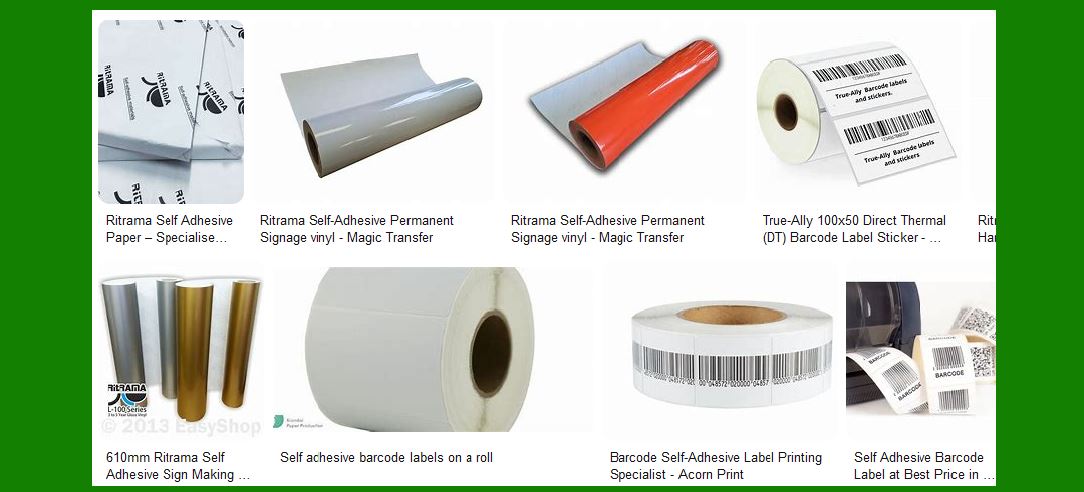
Producing barcode label paper involves several intricate steps, from raw material sourcing to the final product delivery. It also raises significant environmental concerns that need to be carefully managed for sustainability. The detailed production process can be broken down into several stages, each with its own set of challenges and environmental implications. Below is an exhaustive breakdown of the production process, along with environmental considerations. |
|
1. Raw Material Sourcing and Preparation |
The production of barcode label paper begins with the selection and preparation of raw materials. Paper label substrates are primarily made from wood pulp or other plant fibers. Additionally, synthetic materials such as plastic films may be used for specific types of labels (e.g., those intended for outdoor or harsh environments). |
1.1 Sourcing of Wood Pulp |
Wood pulp is the primary raw material for paper production. It can be sourced from virgin wood or recycled paper. Virgin pulp is harvested from trees, which raises concerns about deforestation and the depletion of natural resources. On the other hand, recycled pulp helps reduce the strain on forests but still requires significant energy in the recycling process. |
1.2 Sourcing of Synthetic Materials |
For certain specialized barcode labels, synthetic materials such as polyester or polypropylene are used. These materials are derived from petrochemicals, contributing to carbon emissions and plastic waste. The environmental impact of using synthetic materials is an ongoing issue in the paper and label production industries. |
1.3 Preparation of Raw Materials |
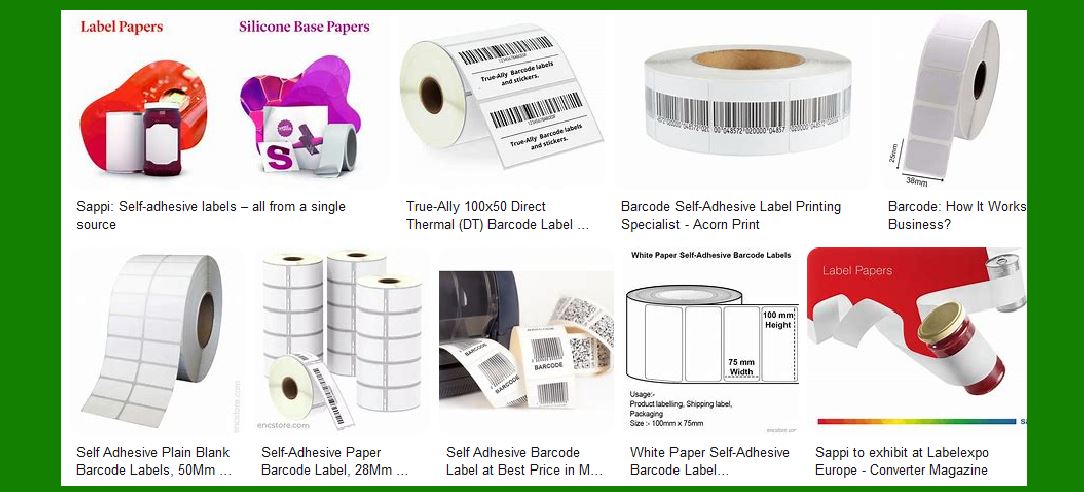
Once the raw materials are sourced, they undergo processing in preparation for papermaking. Wood pulp is chemically treated to remove lignin (the component that holds wood fibers together), leaving behind cellulose fibers. For synthetic materials, the plastic pellets are melted and extruded into films or sheets for subsequent use in label production. |
|
2. Pulping and Paper Making |
After the raw materials are prepared, they go through the pulping and paper-making process, where the fibers are turned into paper sheets or films. |
2.1 Mechanical Pulping |
Mechanical pulping involves grinding wood logs or chips to break them down into fibers. This method is less energy-intensive than chemical pulping, but it results in paper with lower quality and durability, which is not ideal for barcode label production. Mechanical pulp can sometimes be blended with chemical pulp to improve the quality of the finished product. |
2.2 Chemical Pulping |
In chemical pulping, wood chips are treated with a chemical solution to dissolve the lignin, leaving behind a strong fiber. This process is more expensive and energy-intensive but produces higher-quality paper. The resulting pulp can be bleached to create white, smooth, and durable paper suitable for printing barcode labels. |
2.3 Papermaking |
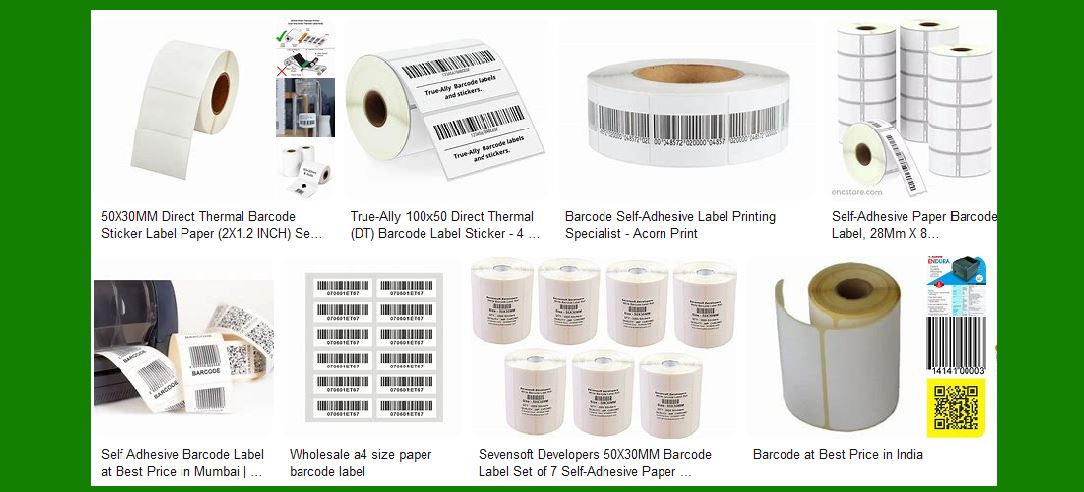
The pulp is then diluted with water to create a slurry that is fed into a paper-making machine. The machine forms thin sheets of paper by removing excess water and pressing the pulp through rollers. The paper is dried in large dryers, and coatings may be applied to enhance the paper¡¯s surface for better printability and durability. This stage also involves the addition of other ingredients like fillers and pigments to improve the paper's strength and aesthetic qualities. |
|
3. Coating and Adhesive Application |
To make barcode labels functional, a specific coating is applied to the paper surface to allow high-quality printing and adhesive properties. This step is crucial, as it determines the print resolution and durability of the barcode. |
3.1 Coating Application |
A thin layer of coating is applied to the surface of the paper. The most common coatings are made from materials such as clay, calcium carbonate, and latex. These coatings ensure a smooth surface, which is important for high-resolution printing. The coating also impacts the durability of the label in terms of abrasion resistance, weather resistance, and other physical properties. |
3.2 Adhesive Layer |
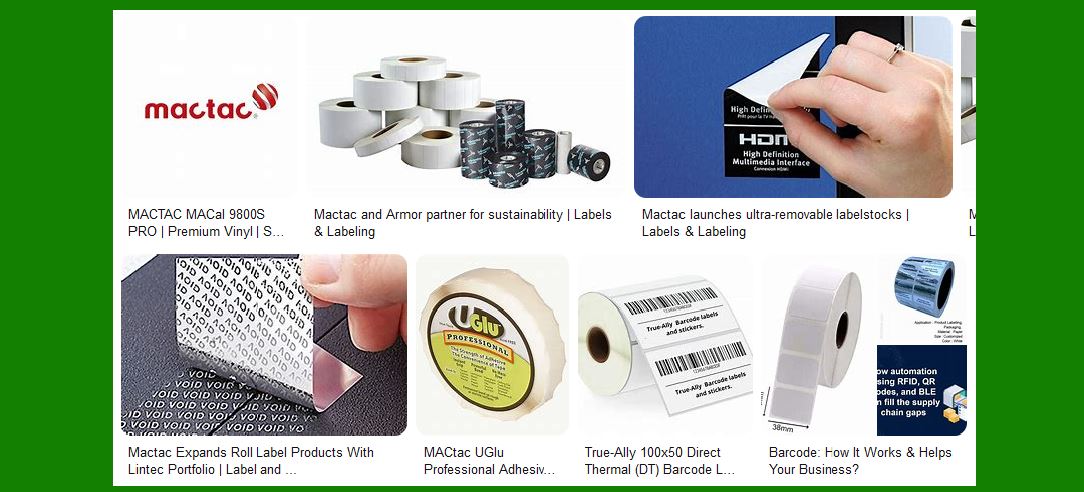
For barcode labels to be functional, they need to adhere to products or packaging. A pressure-sensitive adhesive (PSA) is applied to the backside of the paper. PSAs are sticky at room temperature and can be applied without heat or solvent. However, the chemicals used in the adhesive formulation can sometimes present environmental concerns, especially when they contain hazardous materials or are not biodegradable. |
|
4. Printing and Cutting |
Once the paper is coated and adhesive is applied, the barcode labels are ready for printing and cutting into their final shape and size. |
4.1 Printing Technology |
The printing of barcode labels can be done using various methods such as flexographic printing, thermal printing, or offset printing. Thermal printers are particularly popular for barcode labels due to their high speed and accuracy. In thermal printing, heat is applied to a special heat-sensitive paper that turns black in the presence of heat. |
The ink used in flexographic and offset printing methods must be carefully selected to avoid harmful chemicals like volatile organic compounds (VOCs), which can contribute to air pollution and pose health risks. |
4.2 Cutting and Shaping |
After the labels are printed, they are cut into sheets or rolls, depending on the customer¡¯s needs. Die-cutting technology is often used to create custom shapes, particularly for specialized barcode labels. The cutting process produces waste material, which must be disposed of or recycled. Waste minimization practices are important in this stage to reduce overall environmental impact. |

|
5. Packaging and Shipping |
The final barcode labels are packaged and shipped to customers. This stage involves additional environmental considerations, including the materials used for packaging and the energy consumption in transportation. |
5.1 Packaging Materials |
Packaging materials, such as plastic films, cardboard boxes, and shrink wraps, are used to protect the barcode labels during storage and transportation. The environmental impact of these materials is significant, especially since plastic packaging often ends up in landfills, contributing to the global plastic waste crisis. |
5.2 Transportation |
The transportation of finished barcode labels requires energy, usually in the form of fossil fuels, contributing to carbon emissions. The impact of transportation can be reduced by adopting more energy-efficient logistics practices, such as optimizing transportation routes, using electric vehicles, or shipping in bulk. |
|
6. Environmental Concerns in Barcode Label Paper Production |
The production of barcode label paper, while essential for various industries, comes with significant environmental challenges that must be addressed. |
6.1 Deforestation and Resource Depletion |
The primary raw material for paper production, wood pulp, contributes to deforestation, which leads to habitat destruction, loss of biodiversity, and increased carbon emissions. Sustainable forestry practices, such as certified paper (e.g., FSC-certified paper), can help mitigate some of these impacts. However, ensuring that paper comes from responsibly managed sources remains a significant challenge. |
6.2 Water Consumption and Pollution |
Paper manufacturing is a water-intensive process, and it generates large quantities of wastewater that may contain harmful chemicals and dyes. The wastewater must be treated to prevent contamination of water bodies. Effective water management systems are essential for minimizing the environmental footprint of paper production. |
6.3 Carbon Emissions and Energy Use |
The energy required for pulping, papermaking, coating, and printing processes contributes to greenhouse gas emissions, particularly when fossil fuels are used. Transitioning to renewable energy sources and improving energy efficiency throughout the production chain are essential steps toward reducing the carbon footprint of barcode label paper production. |
6.4 Chemical Waste |
The use of chemicals in the papermaking, coating, and adhesive application processes can result in hazardous waste. Efforts to reduce the use of toxic chemicals, employ safer alternatives, and ensure proper waste treatment are vital for improving the environmental sustainability of barcode label paper production. |
|
7. Recycling and Disposal |
Once barcode labels are used, their disposal or recycling becomes an important issue. Many barcode labels are discarded after use, especially those made from synthetic materials or coated with non-biodegradable adhesives. |
7.1 Paper Recycling |
Barcode label paper made from wood pulp can often be recycled, but the adhesive layer and coatings can complicate the recycling process. Materials must be separated, and the paper substrate must be free from contaminants to be successfully recycled. |
7.2 Plastic and Synthetic Material Recycling |
Barcode labels made from synthetic materials like polyester or polypropylene are more difficult to recycle. These materials can persist in the environment for hundreds of years, contributing to plastic pollution. Increasing efforts to make synthetic barcode labels recyclable or biodegradable is crucial for addressing this issue. |
7.3 Landfill and Incineration |
If barcode labels are not properly recycled, they often end up in landfills or are incinerated. Both options have environmental consequences. Landfills contribute to space and pollution issues, while incineration releases greenhouse gases and potentially harmful chemicals into the atmosphere. |

|
8. Sustainable Practices in Barcode Label Paper Production |
To mitigate the environmental impact of barcode label paper production, several sustainable practices can be adopted. |
8.1 Use of Recycled Materials |
Incorporating more recycled content into paper production can help reduce the demand for virgin pulp and minimize waste. However, the recycling process itself must be energy-efficient and avoid introducing harmful chemicals into the environment. |
8.2 Biodegradable and Eco-friendly Adhesives |
Research into biodegradable adhesives is ongoing, with some manufacturers already producing labels using plant-based adhesives. Switching to more sustainable adhesives can help reduce the environmental impact of barcode label production. |
8.3 Eco-friendly Printing Methods |
Reducing the environmental footprint of printing involves using ink that is free from VOCs and using energy-efficient printing technologies. Water-based inks are a popular eco-friendly alternative to solvent-based inks. |
8.4 Energy Efficiency and Carbon Reduction |
Manufacturers can reduce their carbon footprint by investing in renewable energy sources, improving the energy efficiency of their production lines, and adopting green manufacturing practices. |
8.5 Closed-Loop Systems |
Implementing closed-loop systems in the paper and label production process can help minimize waste. For instance, paper trimmings and waste can be recycled back into the system, reducing the need for new raw materials and reducing overall environmental impact. |
|
Conclusion |
The production of barcode label paper is a complex process that has significant environmental impacts, ranging from resource depletion and pollution to waste generation. However, by adopting more sustainable practices, such as using recycled materials, implementing eco-friendly adhesives, and improving energy efficiency, the industry can reduce its environmental footprint and move toward a more sustainable future. Careful management of raw materials, production processes, and waste disposal is crucial to minimizing the environmental impact of barcode label paper production. |
|
In response to increasing environmental concerns, the paper and label industries are exploring and adopting various environmentally friendly alternatives to traditional raw materials. These alternatives aim to reduce the environmental footprint of production, minimize resource depletion, and decrease pollution. Below are some of the most promising environmentally friendly alternatives to conventional raw materials used in barcode label paper production. |
1. Recycled Paper and Pulp |
One of the most significant alternatives to virgin wood pulp is the use of recycled paper and pulp. Recycled paper helps to conserve natural resources and reduces the need for fresh wood harvesting. |
1.1 Recycled Paper Pulp |
Using recycled paper pulp in the production of barcode labels helps reduce the demand for virgin fiber. Recycled paper can be sourced from post-consumer waste (e.g., old newspapers, magazines, and office paper) or post-industrial waste (e.g., scrap paper generated during production processes). Recycled fibers are usually blended with virgin fibers to maintain the quality and strength of the final product. |
Environmental Benefits: |
Reduces deforestation and habitat destruction. |
Uses less energy compared to virgin pulp production. |
Minimizes landfill waste by reprocessing used paper. |
Lowers water consumption in the manufacturing process. |
1.2 Closed-Loop Recycling Systems |
In some production systems, closed-loop recycling is employed, where paper waste generated during the production process is recycled and reused within the same system. This reduces the need for external sourcing of raw materials and ensures minimal waste. |
|
2. Alternative Fiber Sources |
In addition to recycled paper, alternative fibers derived from non-wood plant sources are gaining attention as sustainable raw materials for paper production. |
2.1 Agricultural Waste Fibers |
Agricultural waste fibers, such as straw, sugarcane bagasse, and wheat husks, can be used as substitutes for wood pulp. These materials are typically discarded after harvest and can be repurposed into paper and label substrates. |
Environmental Benefits: |
Reduces the need for wood harvesting, protecting forests. |
Utilizes agricultural waste that would otherwise contribute to landfill overflow. |
Lowers the carbon footprint of the production process. |
2.2 Hemp and Flax Fibers |
Hemp and flax are fast-growing plants that require fewer resources such as water, pesticides, and fertilizers compared to trees. Hemp fibers, in particular, have been used for centuries to produce paper, and they are making a comeback due to their sustainability. |
Environmental Benefits: |
Hemp and flax require significantly less water and chemicals than traditional wood-based fibers. |
They are biodegradable and compostable, reducing environmental impact after use. |
The cultivation of hemp and flax helps with soil regeneration and can be grown on marginal land. |
2.3 Bamboo |
Bamboo is one of the fastest-growing plants on Earth and can be cultivated without the use of pesticides or fertilizers. Bamboo pulp is increasingly being used as an alternative to wood pulp in paper production. Bamboo fibers are strong, durable, and biodegradable. |
Environmental Benefits: |
Bamboo grows rapidly, making it a highly renewable resource. |
Its cultivation helps prevent soil erosion and promotes biodiversity. |
Bamboo requires less water than trees and can be grown on land that is unsuitable for other crops. |

|
3. Plant-Based Bioplastics and Biopolymers |
For barcode labels that require synthetic substrates, plant-based bioplastics and biopolymers are emerging as eco-friendly alternatives to petroleum-based plastics. |
3.1 PLA (Polylactic Acid) Films |
Polylactic acid (PLA) is a biodegradable plastic made from fermented plant starch (usually from corn or sugarcane). PLA films can be used as an alternative to traditional plastic films used in barcode labels, especially in applications where biodegradable materials are required. |
Environmental Benefits: |
PLA is biodegradable and compostable under the right conditions, reducing long-term waste. |
It is produced from renewable plant sources, unlike petroleum-based plastics. |
The production of PLA emits fewer greenhouse gases compared to petroleum-based plastics. |
3.2 PHA (Polyhydroxyalkanoates) |
PHA is a family of biodegradable plastics produced by microorganisms that consume plant sugars. PHA can be used in various applications, including barcode labels, and is an excellent alternative to conventional plastics. |
Environmental Benefits: |
PHA is fully biodegradable in both marine and terrestrial environments, reducing plastic pollution. |
It is made from renewable plant sugars, offering a sustainable alternative to petroleum-derived plastics. |
PHA production has a lower carbon footprint than fossil-fuel-based plastics. |

|
4. Sustainable Adhesives |
In addition to environmentally friendly raw materials, the type of adhesive used in barcode label production is also a significant factor in sustainability. Traditional adhesives often contain toxic solvents, resins, and other chemicals that are harmful to the environment. More sustainable alternatives are being developed to reduce the ecological impact of adhesive products. |
4.1 Water-Based Adhesives |
Water-based adhesives are one of the most widely adopted alternatives to solvent-based adhesives. These adhesives use water as a solvent instead of harmful chemicals like toluene or xylene. |
Environmental Benefits: |
Water-based adhesives have a lower environmental impact during production. |
They emit fewer volatile organic compounds (VOCs), reducing air pollution. |
They are easier to recycle and dispose of compared to solvent-based adhesives. |
4.2 Bio-Based Adhesives |
Bio-based adhesives are derived from natural renewable resources such as starch, casein (a protein found in milk), and natural rubber. These adhesives provide an eco-friendly option that is both biodegradable and non-toxic. |
Environmental Benefits: |
Bio-based adhesives are biodegradable and reduce long-term environmental pollution. |
They are produced from renewable plant-based resources, reducing dependence on petroleum. |
These adhesives have a low environmental impact during manufacturing and disposal. |
4.3 Hot Melt Adhesives |
Hot melt adhesives are a type of thermoplastic adhesive that becomes liquid when heated and solidifies as it cools. They are solvent-free, making them a more environmentally friendly choice compared to solvent-based adhesives. |
Environmental Benefits: |
Hot melt adhesives have no solvents, reducing VOC emissions. |
They are efficient in terms of energy use and can be recycled in some cases. |
The absence of harmful chemicals makes them safer for workers and consumers. |
|
5. Eco-Friendly Printing Inks |
The printing of barcode labels involves using inks that can have significant environmental impacts. Traditional inks often contain harmful chemicals and solvents, which can contribute to pollution. New technologies are being developed to replace these with more sustainable alternatives. |
5.1 Vegetable-Based Inks |
Vegetable-based inks, such as soy-based inks, are an eco-friendly alternative to traditional petroleum-based inks. They are made from renewable resources, and their production results in fewer pollutants and greenhouse gases. |
Environmental Benefits: |
Soy-based inks have a lower environmental impact than traditional petroleum-based inks. |
They use renewable raw materials and produce fewer VOCs. |
These inks are easier to de-ink during the recycling process, making them more compatible with recycling systems. |
5.2 Water-Based Inks |
Water-based inks are another sustainable option for printing barcode labels. These inks are typically free of harmful solvents and produce fewer VOCs, making them less damaging to both the environment and human health. |
Environmental Benefits: |
Water-based inks have minimal environmental impact during production. |
They are non-toxic and safe for workers and consumers. |
These inks can be more easily removed during the recycling process, enhancing the recyclability of the printed material. |
|
6. Biodegradable and Compostable Films |
For labels that require plastic substrates, biodegradable and compostable films are a potential solution. These films break down over time without leaving harmful microplastics in the environment. |
6.1 Biodegradable Paper Films |
Some companies are developing biodegradable paper films that can be used as a sustainable alternative to traditional plastic films in barcode label production. These films are made from natural materials and break down naturally over time. |
Environmental Benefits: |
Biodegradable paper films do not contribute to long-term plastic pollution. |
These materials are compostable and can break down in landfills or composting facilities. |
They are often produced from renewable resources such as cellulose, making them a sustainable choice. |
6.2 Compostable Plastic Films |
Compostable plastic films, such as those made from PLA or PHA, can also be used for barcode labels. These materials are designed to break down in industrial composting conditions, providing a more sustainable option than traditional plastics. |
Environmental Benefits: |
Compostable films reduce plastic waste and can decompose in composting systems. |
They are produced from renewable resources, minimizing environmental impact. |
These materials are designed to degrade without leaving harmful residues. |

|
7. Sustainable Forestry Practices |
For barcode label paper that continues to use wood pulp, adopting sustainable forestry practices is crucial. Certifications such as the Forest Stewardship Council (FSC) ensure that the wood pulp comes from forests that are responsibly managed, preserving biodiversity and ensuring long-term forest health. |
Environmental Benefits: |
FSC-certified paper ensures that wood comes from responsibly managed forests. |
It promotes forest regeneration and biodiversity conservation. |
Sustainable forestry practices help maintain ecosystems and reduce the environmental impact of logging. |
|
Conclusion |
The environmental impact of barcode label paper production can be significantly reduced by switching to more sustainable raw materials, such as recycled paper, agricultural waste, alternative fibers like bamboo and hemp, and plant-based bioplastics. Additionally, using eco-friendly adhesives, printing inks, and biodegradable films further enhances the sustainability of the industry. By adopting these environmentally friendly alternatives, the barcode label industry can play a crucial role in minimizing environmental harm and contributing to a more sustainable future. |
|
Chemicals used in label paper production and their harm to the environment |
The production of label paper, like many industrial processes, involves the use of various chemicals that can have significant environmental consequences. These chemicals are integral to various stages of production, from the pulping of raw materials to the application of coatings, adhesives, and inks. Below is a detailed examination of the chemicals used in label paper production and their environmental impacts. |
1. Chemicals Used in Pulping and Paper Production |
The pulping process is essential for turning raw materials (such as wood) into the pulp that forms paper. During this process, several chemicals are used to break down the lignin in wood and to whiten the paper. These chemicals can be harmful to both the environment and human health if not properly managed. |
1.1 Sodium Hydroxide (NaOH) and Sodium Sulfide |
In the kraft pulping process (the most common method for wood pulp production), sodium hydroxide and sodium sulfide are used to break down lignin and separate it from cellulose fibers. This chemical reaction, known as 'delignification,' is essential to produce high-quality paper. |
Environmental Impact: |
Wastewater Contamination: Sodium hydroxide and sodium sulfide can remain in the wastewater produced during the pulping process. These chemicals are highly alkaline and can alter the pH of surrounding water bodies, making them harmful to aquatic life. |
Soil Contamination: If the wastewater is improperly disposed of, it can contaminate soil and water, affecting ecosystems and drinking water quality. |
Air Pollution: During the process, volatile organic compounds (VOCs) can be released into the atmosphere, contributing to air pollution. |
1.2 Chlorine and Chlorine Dioxide |
Chlorine compounds are used for bleaching the pulp to achieve a whiter and brighter paper product. Chlorine dioxide is a more environmentally friendly alternative to elemental chlorine, but both chemicals still pose environmental risks. |
Environmental Impact: |
Dioxins: Chlorine-based bleaching processes can produce dioxins, which are highly toxic compounds that are persistent in the environment. These dioxins can accumulate in the food chain and have harmful effects on both human health and wildlife, causing cancers and reproductive issues. |
Water Pollution: Chlorine and its compounds can leach into water sources, resulting in the contamination of aquatic ecosystems, harming aquatic organisms, and disrupting local biodiversity. |
Air Pollution: Chlorine gas can be released into the air during paper production, leading to the formation of harmful chemical smog, particularly in industrial regions. |
1.3 Hydrogen Peroxide |
In more environmentally conscious paper mills, hydrogen peroxide is used as a bleaching agent instead of chlorine. It is less toxic and breaks down into water and oxygen, making it a more sustainable option. |
Environmental Impact: |
Low Harm: Hydrogen peroxide is relatively safe for the environment compared to chlorine-based bleaching agents, but it can still pose risks if not properly managed. It can be corrosive if released into water or soil in concentrated amounts. |

|
2. Coating Chemicals |
Paper coatings are applied to improve surface quality, enhance printability, and provide resistance to moisture, oils, and other environmental factors. The coating process often involves various chemicals, including resins, pigments, and binders. |
2.1 Calcium Carbonate |
Calcium carbonate is one of the most commonly used pigments in paper coatings, providing whiteness and opacity to the paper. It is also used as a filler in the pulp. |
Environmental Impact: |
Resource Extraction: Mining calcium carbonate can have a significant environmental impact, particularly in terms of habitat destruction and soil erosion. Quarrying for this mineral can lead to the depletion of natural resources and the disturbance of ecosystems. |
Energy Consumption: The extraction and processing of calcium carbonate require considerable energy, which contributes to carbon emissions if fossil fuels are used. |
2.2 Clay (Kaolin) |
Clay is another common pigment used in paper coatings. It improves the printability and smoothness of paper surfaces. |
Environmental Impact: |
Mining: Like calcium carbonate, the mining of clay can cause significant environmental degradation, including habitat destruction, water pollution from runoff, and disruption of local ecosystems. |
Energy Use: The mining and processing of clay require energy and water, and in areas where water resources are scarce, this can exacerbate local environmental issues. |
2.3 Latex Resins |
Latex resins, derived from natural or synthetic rubber, are often used as binders in paper coatings to help hold the pigment particles together and improve durability. |
Environmental Impact: |
Chemical Pollution: Synthetic latex resins are petrochemical-based, meaning their production contributes to greenhouse gas emissions and can release toxic compounds into the environment if not properly managed. |
Non-Biodegradability: Many latex resins, particularly those derived from synthetic polymers, are non-biodegradable. This contributes to long-term waste problems when discarded paper products end up in landfills. |

|
3. Adhesives |
Adhesives are used to affix the paper to the products or packaging, as well as in the application of labels and stickers. Most commonly, pressure-sensitive adhesives (PSAs) are used in label paper production. |
3.1 Solvent-Based Adhesives |
Traditional solvent-based adhesives use volatile organic compounds (VOCs) to dissolve the adhesive components. These solvents evaporate into the air during the curing process, contributing to air pollution. |
Environmental Impact: |
Air Pollution: VOCs contribute to the formation of ground-level ozone and smog, which can harm human health and the environment. |
Toxic Waste: The production of solvent-based adhesives often generates toxic waste that can contaminate soil and water bodies if improperly disposed of. |
Health Hazards: Exposure to solvents can be harmful to workers and communities, leading to respiratory problems, skin irritation, and other health issues. |
3.2 Acrylic Adhesives |
Acrylic adhesives are often used in the production of barcode labels, as they provide strong bonding and are more environmentally friendly compared to solvent-based adhesives. They are often water-based or solvent-free. |
Environmental Impact: |
Lower Toxicity: Acrylic adhesives generally have a lower environmental and health impact compared to solvent-based adhesives. |
Recycling Challenges: While more eco-friendly than traditional adhesives, acrylic-based adhesives can still make recycling difficult if they are not biodegradable or compostable. |

|
4. Inks Used in Printing |
Printing inks are essential for producing readable barcode labels. Inks are formulated using pigments, solvents, resins, and other chemicals, each of which can have environmental implications. |
4.1 Solvent-Based Inks |
Solvent-based inks are often used for flexographic printing, which is common in the label industry. These inks contain VOCs, which are hazardous to both the environment and human health. |
Environmental Impact: |
Air Pollution: Solvent-based inks release VOCs into the atmosphere, contributing to smog formation and air quality degradation. |
Health Hazards: VOC exposure can cause headaches, nausea, and respiratory problems for workers and nearby communities. |
Waste Generation: Disposal of unused solvent-based inks can lead to hazardous waste that requires careful management. |
4.2 UV-Curable Inks |
UV-curable inks use ultraviolet light to cure the ink, which eliminates the need for solvents. These inks are considered more environmentally friendly compared to solvent-based inks. |
Environmental Impact: |
Less Air Pollution: UV inks produce fewer VOCs, improving air quality and reducing smog. |
Energy Use: While UV inks are less polluting, the curing process requires UV lamps, which consume energy and contribute to the carbon footprint if not powered by renewable energy sources. |
4.3 Vegetable-Based Inks |
Vegetable-based inks, such as soy-based inks, are gaining popularity as more sustainable alternatives to traditional inks made from petroleum-based solvents. |
Environmental Impact: |
Lower Carbon Footprint: Vegetable-based inks have a lower environmental impact during production, as they are derived from renewable resources (soybeans, for example) and require less energy. |
Reduced VOC Emissions: These inks release fewer VOCs into the air, reducing their contribution to air pollution. |
Improved Recycling: Vegetable-based inks are easier to remove during the recycling process, enhancing the recyclability of paper products. |

|
5. Environmental Harm and Mitigation Strategies |
The chemicals used in label paper production contribute to various environmental issues, including pollution of air, water, and soil, as well as the depletion of natural resources. The main challenges include: |
Chemical Waste: Many of the chemicals used in paper production are hazardous to the environment, especially if they are not disposed of properly. |
Water and Air Pollution: The release of toxic chemicals such as chlorine, solvents, and inks into water bodies and the atmosphere can have serious environmental and health consequences. |
Resource Depletion: The extraction of raw materials (wood, minerals, etc.) for paper production can result in habitat destruction, soil erosion, and resource depletion. |
Mitigation Strategies: |
Transition to Eco-Friendly Chemicals: Moving towards more sustainable chemical alternatives, such as water-based adhesives and vegetable-based inks, can significantly reduce environmental harm. |
Wastewater Treatment: Implementing advanced wastewater treatment systems to neutralize harmful chemicals before they are released into water bodies is critical for preventing water pollution. |
Use of Renewable Resources: Shifting to renewable raw materials such as recycled paper, hemp, and bamboo helps to reduce the demand for virgin pulp and mitigate the environmental impact of resource extraction. |
Energy Efficiency: Using energy-efficient technologies and transitioning to renewable energy sources for the production process can help reduce the carbon footprint of label paper production. |

|
Conclusion |
While chemicals play a crucial role in the production of label paper, many of them contribute to environmental degradation. Moving toward greener alternatives, improving waste management practices, and adopting sustainable production methods are essential steps in mitigating the environmental harm associated with label paper production. By embracing these solutions, the industry can reduce its environmental footprint and move towards a more sustainable future. |

|
Recycling and harmless treatment of used waste label paper |
Recycling and the environmentally responsible treatment of used waste label paper are critical issues in the paper and packaging industries. As the demand for barcode and other types of labels increases, so does the volume of waste generated from label paper products. Proper recycling and disposal of waste label paper can significantly reduce its environmental impact, conserve resources, and promote sustainability. |
The recycling of label paper can be challenging due to the presence of adhesives, coatings, and inks, which are often not biodegradable and can complicate the recycling process. However, several methods can be implemented to effectively recycle and treat this waste in an environmentally harmless way. |
|
1. Challenges in Recycling Label Paper Waste |
Recycling label paper presents several challenges due to the unique nature of the materials used: |
1.1 Adhesive Residue |
One of the primary issues with recycling label paper is the adhesive used in pressure-sensitive labels. Most barcode and packaging labels are coated with adhesives that make the paper stick to other surfaces. These adhesives, especially solvent-based ones, are not easily removed during the recycling process, which can compromise the quality of recycled paper. |
Problem: Adhesive residues can cause contamination during the recycling process, leading to the need for special treatment methods to ensure the quality of the final product. |
Solution: Using water-based or bio-based adhesives in the production of labels reduces the negative impact during recycling, as they are easier to separate or degrade during recycling. |
1.2 Coatings and Inks |
Label paper is often coated with materials like clay or latex resins, which can make it more difficult to recycle. Additionally, printing inks, especially solvent-based inks, are another potential source of contamination. The pigments and chemicals in the inks can interfere with the recycling process and prevent the paper from being reused. |
Problem: Coatings and inks often require special treatments or are not compatible with standard recycling methods. |
Solution: Vegetable-based or water-based inks are preferable, as they are easier to remove during recycling and less harmful to the environment. |
1.3 Mixed Materials |
Some labels are made from composite materials, such as a combination of paper and plastic films (e.g., plastic-based barcode labels), which complicates the recycling process. The presence of different materials can require separation before recycling. |
Problem: Mixed-material labels are often sent to landfills because they cannot be easily separated during the recycling process. |
Solution: Using single-material labels (paper-only or plastic-only) or biodegradable films reduces the environmental impact and makes the recycling process easier. |
|
2. Methods for Recycling Waste Label Paper |
Various methods can be used to recycle waste label paper, depending on the type of label material and the extent of contamination. Here are the key processes: |
2.1 Mechanical Recycling |
Mechanical recycling involves the physical process of breaking down used paper into smaller fibers that can be reprocessed into new paper products. This is the most common recycling method for paper. |
Process: |
Collection and Sorting: Used label paper is collected and sorted to separate it from other materials. |
Shredding: The paper is shredded into small pieces. |
Pulping: The shredded paper is mixed with water to create a slurry. During this process, the fibers are loosened, and any coatings, inks, or adhesives may be removed or broken down. |
Separation of Contaminants: Contaminants like adhesives and non-paper materials are separated from the pulp. This can be done through chemical treatments or mechanical processes like flotation or screening. |
Refining: The purified pulp is refined, and any remaining contaminants are filtered out before the pulp is used to make new paper products. |
Challenges: |
Adhesive Removal: Adhesives are difficult to remove through mechanical means alone, and specialized equipment may be needed. |
Ink Removal: Inks and coatings may require chemical or thermal treatments to fully remove them without compromising the quality of the recycled paper. |
Solution: Modern paper mills use de-inking technologies, such as flotation de-inking or washing, to remove inks and adhesives more effectively. |
2.2 Chemical Recycling |
In chemical recycling, the used label paper is treated with chemicals that break down the adhesives, coatings, and inks to facilitate easier separation of fibers. This method is less commonly used but can be more effective for heavily contaminated paper. |
Process: |
Chemical Treatment: The paper is treated with chemicals such as solvents, alkalis, or enzymes to break down adhesives and coatings. |
Separation: The fibers are separated from the contaminants (adhesives, inks, etc.) during the treatment process. |
Re-pulping: Once cleaned, the fibers are re-pulped, refined, and made into new paper. |
Challenges: |
Chemical Usage: The use of chemicals in this process can sometimes create environmental concerns if not properly managed. |
Cost: Chemical recycling can be more expensive than mechanical recycling due to the need for specialized equipment and chemicals. |
Solution: Innovations in enzyme-based treatments and biodegradable chemicals are helping to reduce the environmental impact of this method, making it more sustainable. |
2.3 Composting |
If the label paper is made from biodegradable materials (e.g., paper-based labels with water-based adhesives and inks), composting can be an effective treatment method. |
Process: |
Biodegradation: The paper is broken down by microorganisms in composting conditions, turning it into nutrient-rich organic matter. |
Integration with Organic Waste: Label paper can be mixed with other organic waste, such as food scraps or garden waste, to enhance the composting process. |
Challenges: |
Non-Biodegradable Inks and Adhesives: Labels with plastic coatings or synthetic adhesives cannot decompose properly in composting systems. |
Separation of Contaminants: Labels that are made from composite or mixed materials may need to be separated before composting to avoid contamination. |
Solution: Using compostable and biodegradable labels made from plant-based fibers and eco-friendly adhesives will allow the waste paper to break down in composting facilities. |
|
3. Harmless Treatment and Disposal of Non-Recyclable Label Paper |
In cases where label paper is not recyclable, there are still ways to manage waste in an environmentally responsible manner: |
3.1 Landfill Diversion |
Waste label paper that cannot be recycled should ideally be diverted from landfills. Methods like waste-to-energy (WtE) technologies, such as incineration with energy recovery, can help mitigate landfill waste by converting it into energy. |
Process: |
Incineration: Non-recyclable waste paper is burned in specialized incinerators to generate electricity or heat. This process can help reduce the volume of waste sent to landfills. |
Energy Recovery: The energy produced during incineration is captured and used to power nearby homes or businesses, helping offset fossil fuel use. |
Challenges: |
Air Pollution: Incineration can produce emissions of carbon dioxide (CO2) and other pollutants. |
Resource Waste: Burning waste materials does not recover the raw materials for reuse, unlike recycling. |
Solution: If energy recovery is implemented, it is important to ensure that the incineration process uses clean technologies that minimize harmful emissions and maximize energy efficiency. |
3.2 Landfill Bioreactors |
For non-recyclable label paper that cannot be composted or incinerated, landfill bioreactors are a more environmentally friendly option than traditional landfills. |
Process: |
A landfill bioreactor accelerates the decomposition of organic waste by controlling moisture and airflow, creating a more efficient breakdown of materials. |
It minimizes the production of methane (a potent greenhouse gas) by promoting aerobic decomposition over anaerobic processes. |
Challenges: |
Not Suitable for All Materials: This method is more effective for organic waste and is not suitable for non-biodegradable materials like plastics. |
Contaminants: Labels with synthetic materials and non-biodegradable adhesives may still pose long-term environmental challenges in bioreactors. |
Solution: Ensuring that non-recyclable waste is minimized and is composed of biodegradable materials will make landfill bioreactors a more viable treatment option. |
|
4. Innovations in Sustainable Label Paper Waste Management |
The label paper industry is increasingly investing in technologies and practices that reduce waste and promote sustainability. Some key innovations include: |
Closed-Loop Systems: Paper mills and packaging companies are adopting closed-loop systems where waste materials are continuously recycled back into the system, reducing the need for new raw materials. |
Biodegradable and Compostable Labels: Manufacturers are moving towards using biodegradable and compostable labels that are easier to recycle or treat in composting systems. |
Sustainable Adhesives: The development of water-based, bio-based, and solvent-free adhesives has significantly improved the recyclability and environmental safety of label paper. |
Eco-Friendly Inks and Coatings: The use of vegetable-based inks and eco-friendly coatings has improved the recyclability of printed materials, making them more suitable for reuse and less harmful to the environment. |
|
Conclusion |
The recycling and harmless treatment of waste label paper are complex tasks due to the adhesives, inks, and coatings often used in production. However, by adopting new technologies such as chemical recycling, composting, and closed-loop systems, as well as using more sustainable materials like biodegradable adhesives and inks, the environmental impact of label paper waste can be minimized. Proper management, along with a focus on reducing waste at the production stage, can significantly help mitigate the ecological footprint of label paper production and disposal. |
 cs@easiersoft.com