Detailed Description of PVC Label Paper |
1. Introduction to PVC Label Paper |
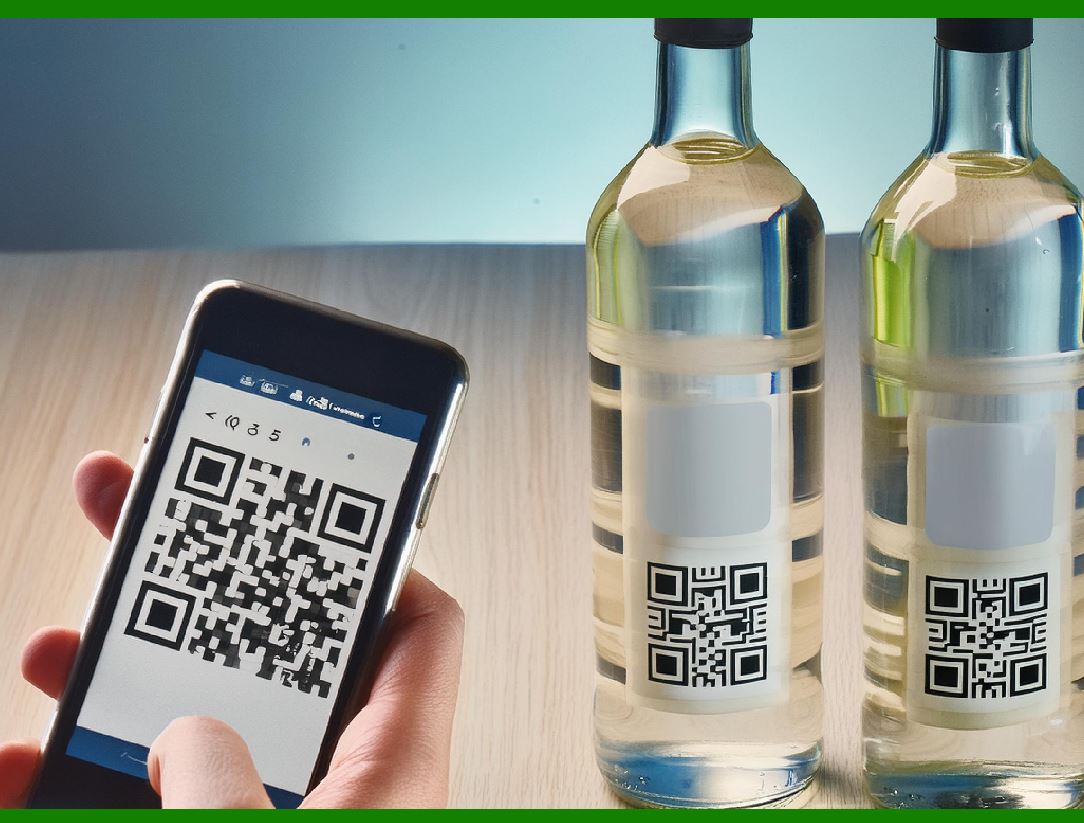
PVC label paper is an essential material used in a wide variety of industries and applications, including signage, labeling, and packaging. PVC is the acronym for Polyvinyl Chloride, which is one of the most widely used synthetic polymers. As a material, PVC has numerous applications, from plumbing pipes to electrical cables, and it has a significant role in producing labels that require durability and resistance to environmental factors. The unique properties of PVC make it an ideal choice for labeling materials, especially for applications requiring long-term performance under challenging conditions. |
This type of label paper is commonly used in both outdoor and indoor settings, offering an excellent balance of durability, weather resistance, and ease of customization. The paper can be printed on, laminated, or die-cut to create highly specialized and functional labels used in industries like construction, transportation, automotive, food, and chemical processing. |
|
2. Composition and Manufacturing Process of PVC Label Paper |
PVC label paper consists of several layers that work together to offer the desired properties. The core material is polyvinyl chloride, which is a thermoplastic polymer made from the polymerization of vinyl chloride. The manufacturing process of PVC label paper generally involves: |
Polymerization of Vinyl Chloride: The raw material, vinyl chloride monomer (VCM), undergoes a polymerization process to form polyvinyl chloride (PVC). The resulting PVC is then further processed into a film or sheet form for label applications. |
Blending with Additives: The PVC resin is often mixed with various additives to enhance specific properties. These may include stabilizers to improve heat resistance, plasticizers to increase flexibility, and fillers to improve mechanical properties or reduce costs. |
Calendering: PVC sheets are created by a calendering process, where the PVC resin is fed through rollers to form a smooth and uniform film of the desired thickness. This step is crucial for achieving the high-quality finish that is necessary for effective labeling. |
Coating and Laminating: Once the PVC sheet is formed, it is often coated with an adhesive or laminated with a protective film. The adhesive layer allows the labels to adhere to surfaces, while the lamination adds extra protection from abrasion, moisture, and UV radiation. |
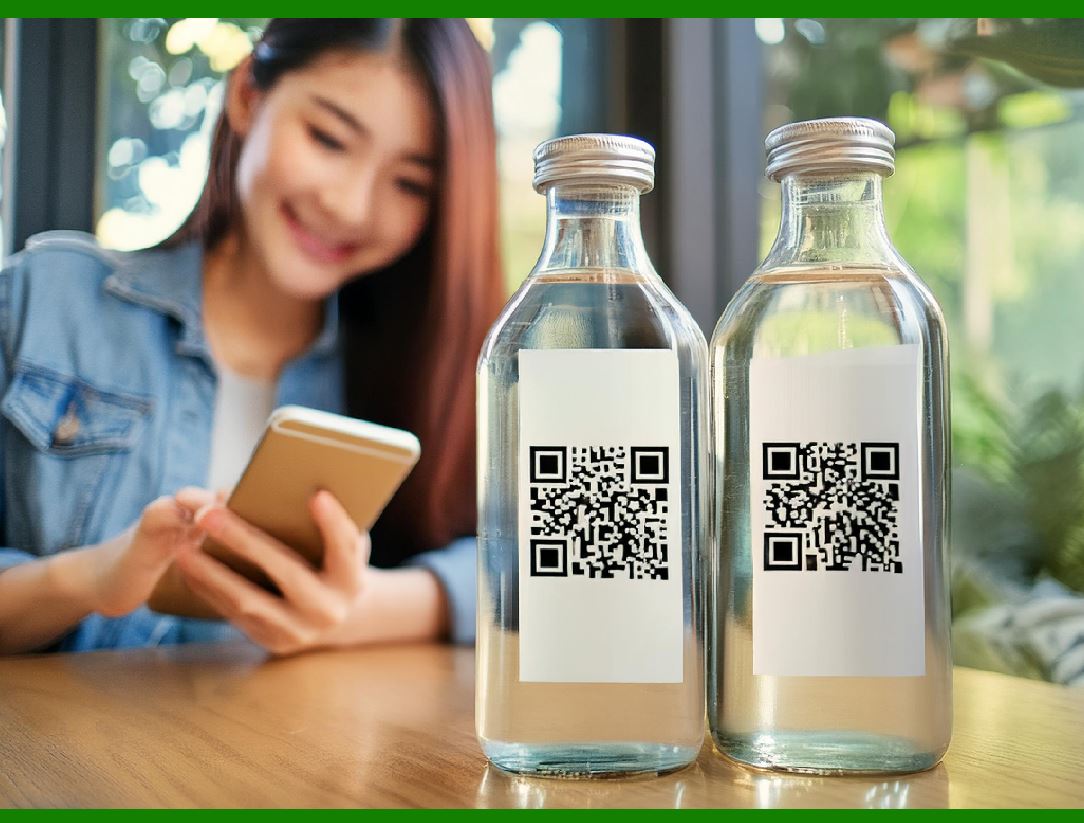
Printing and Cutting: After the material is coated and laminated, it can be printed with various techniques such as flexographic printing, screen printing, or digital printing. The printed PVC labels are then die-cut or cut to the required size and shape. |
|
3. Key Features and Properties of PVC Label Paper |
PVC label paper is recognized for its exceptional features that make it suitable for a wide range of applications. These properties include: |
Waterproofing: One of the most significant advantages of PVC label paper is its ability to resist water and moisture. The material is non-porous, preventing liquids from penetrating its surface, which makes it ideal for use in environments where water exposure is frequent, such as in outdoor signage or products exposed to humid conditions. |
Resistance to Acid and Alkali Corrosion: PVC label paper demonstrates excellent resistance to various chemicals, including acids and alkalis. This property is particularly important for labels used in industrial or chemical applications, where labels may be exposed to harsh substances. |
Heat Resistance: PVC is highly heat resistant, maintaining its shape and performance at elevated temperatures. This makes it suitable for applications in environments where temperature fluctuations or exposure to heat may occur. |
Electrical Insulation: PVC has good electrical insulation properties, making it safe to use in electrical applications where label paper is required to avoid conducting electricity or causing short circuits. |
Durability: The polymer structure of PVC ensures that labels made from PVC label paper are durable and resistant to wear and tear. PVC labels are capable of withstanding the rigors of rough handling, prolonged exposure to UV light, and mechanical stress. |
UV Resistance: PVC label paper is often UV stabilized, meaning it resists degradation from ultraviolet radiation. This feature is especially valuable for outdoor use, where the labels may be exposed to direct sunlight for extended periods. |
Flexibility: Despite its rigidity, PVC label paper retains a degree of flexibility. This flexibility is important when the labels need to be applied to curved or irregular surfaces, such as pipes, machinery, or packaging. |
|
4. Applications of PVC Label Paper |
PVC label paper is used in a variety of industries due to its robust features. The following are some of the primary applications for this material: |
Outdoor Signage: PVC label paper is widely used for outdoor warning signs, guide signs, and traffic-related labels. The waterproof and UV-resistant nature of PVC ensures that the labels maintain their legibility and durability, even in extreme weather conditions. |
Subway and Train Station Signage: Many subway systems and train stations utilize PVC labels for their signs. These labels need to endure frequent exposure to dirt, moisture, and sunlight. PVC's resistance to these elements makes it the perfect material for station signs and wayfinding labels. |
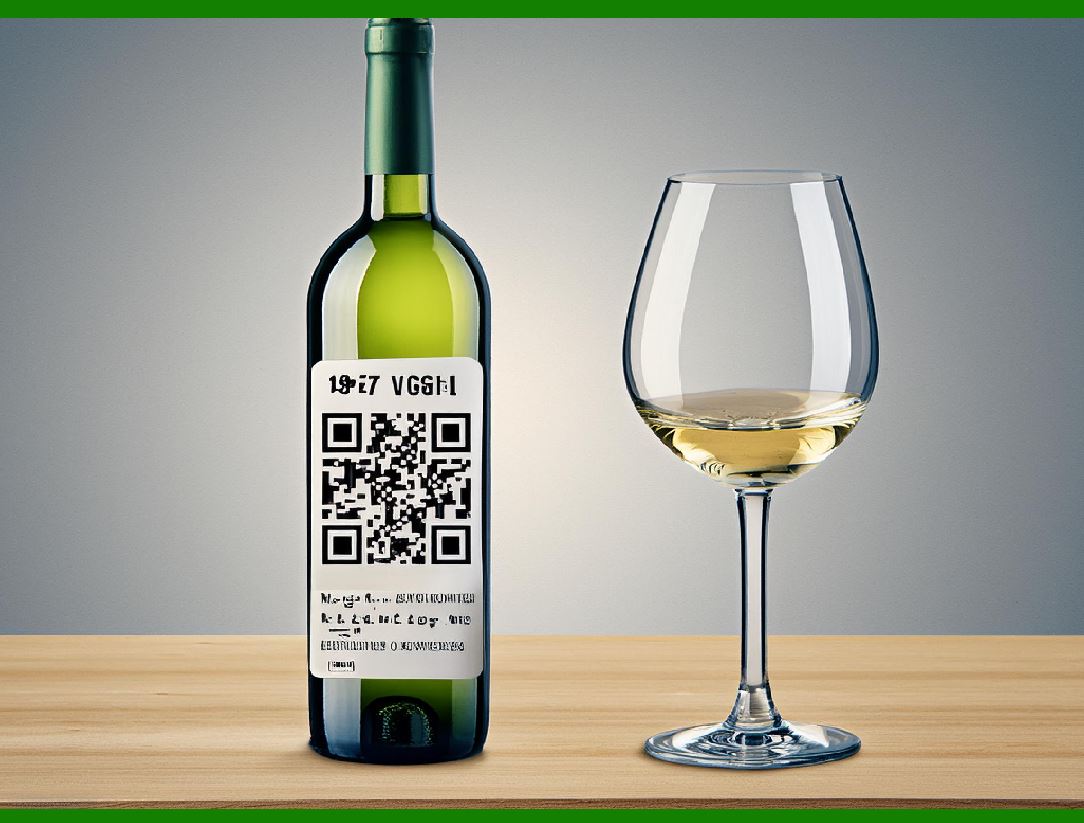
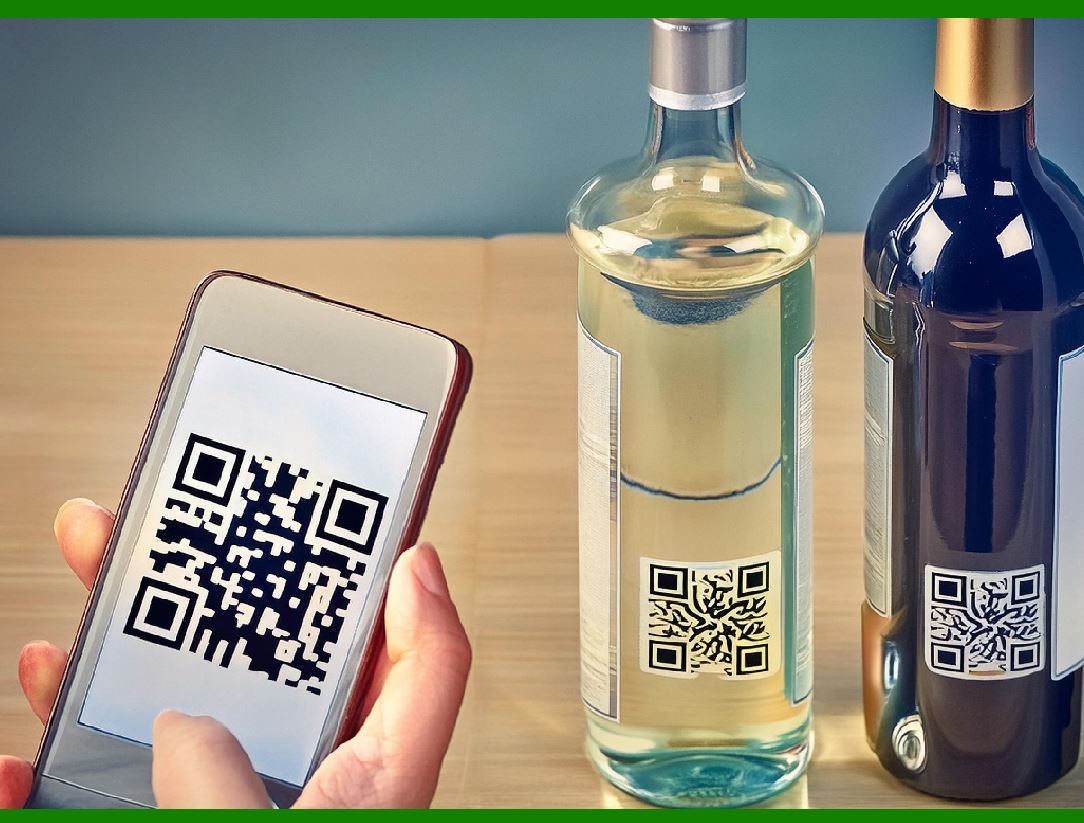
Product Labeling: PVC label paper is frequently used for labeling products in various industries, including food and beverage, chemicals, and retail. The material's durability ensures that product labels remain intact and legible even after prolonged exposure to moisture or handling. |
Industrial Applications: PVC labels are common in industrial environments, where they are used for marking machinery, equipment, and containers. The resistance to chemicals and high temperatures makes PVC label paper ideal for use in factories and plants where products or machines may come into contact with harsh substances or extreme conditions. |
Automotive Industry: PVC label paper is used in automotive manufacturing for labeling parts, providing instructions, or offering safety warnings. It is particularly well-suited for use in harsh automotive environments, where labels may be exposed to oils, fuels, and high temperatures. |
Packaging: Many packaging materials utilize PVC labels for branding, product information, or regulatory compliance. PVC labels are able to withstand the rigors of packaging and shipping without fading or peeling off, which ensures that the information remains visible and intact throughout the product's lifecycle. |
|
5. Advantages of PVC Label Paper |
PVC label paper offers several advantages over other labeling materials, making it a popular choice across different industries: |
Longevity: The durability of PVC ensures that labels last longer compared to paper labels or labels made from less resilient materials. PVC labels can survive harsh environments and retain their appearance even after years of exposure. |
Cost-Effectiveness: While PVC may be slightly more expensive than some other materials, its longevity and resistance to wear and tear make it a cost-effective option in the long run. Labels that do not need frequent replacement provide savings in both time and money. |
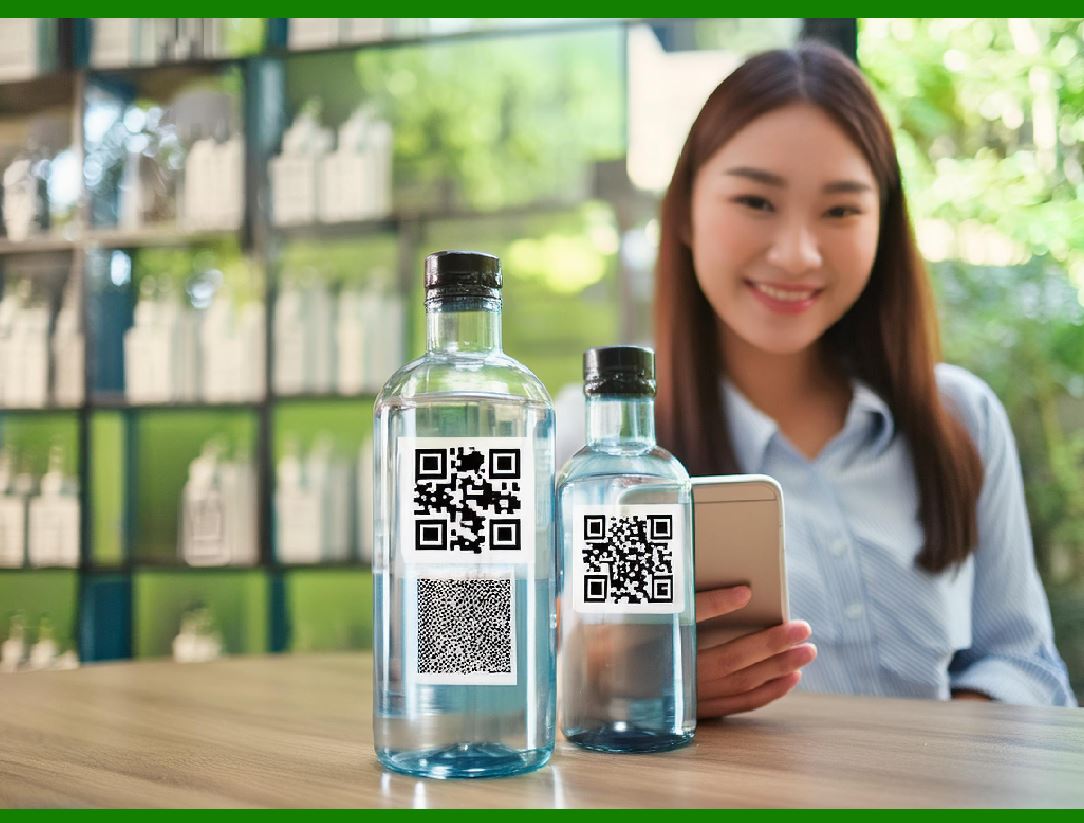
Customization: PVC label paper can be customized to suit specific needs, including various colors, sizes, and shapes. Whether it is a simple bar code label or a complex design for branding purposes, PVC can be printed with high-quality graphics, logos, and text. |
Eco-Friendliness: Although PVC is a plastic material, it is recyclable and can be reused in many applications, reducing its environmental footprint. Manufacturers are also focusing on using eco-friendly plasticizers and stabilizers in PVC production. |
High Print Quality: PVC label paper allows for high-quality printing, ensuring that text and images remain sharp, clear, and vibrant. This is important for creating professional-looking labels, especially for product branding and advertising. |
|
6. Limitations of PVC Label Paper |
While PVC label paper offers numerous benefits, it is not without its limitations: |
Environmental Concerns: PVC production and disposal can be harmful to the environment due to the chemicals involved. When incinerated, PVC can release toxic gases, such as hydrogen chloride, which can contribute to air pollution. However, advancements in recycling technologies are helping to mitigate these concerns. |
Flexibility Limitations: Although PVC label paper is somewhat flexible, it can still be more rigid than other label materials, which may limit its use in applications requiring extreme flexibility. |
Cost: PVC label paper can be more expensive than other label materials like paper or polypropylene. However, the enhanced durability often justifies the higher initial cost for long-term applications. |
|
7. Conclusion |
PVC label paper is a versatile, durable, and high-performance material used across numerous industries. Its ability to resist water, chemicals, and high temperatures makes it the material of choice for demanding applications like outdoor signage, product labeling, and industrial usage. Despite its higher initial cost compared to other label materials, the longevity, resistance to environmental factors, and customizable options make it an excellent choice for labels that need to stand the test of time. As the demand for long-lasting, eco-friendly, and highly functional materials continues to grow, PVC label paper will undoubtedly remain an essential part of the labeling industry. |
|
The detail of manufacturing technology and main manufacturers of the PVC label paper. |
Detailed Introduction to Manufacturing Technology and Main Manufacturers of PVC Label Paper |
1. Manufacturing Technology of PVC Label Paper |
The manufacturing process for PVC label paper involves a combination of polymerization, processing, coating, printing, and cutting to create the finished product. The technology behind the creation of PVC label paper is well-established and incorporates various advanced techniques to ensure that the final product meets the stringent durability and application requirements of various industries. Here is a step-by-step breakdown of the key stages involved in the manufacturing of PVC label paper: |
1.1. Polyvinyl Chloride (PVC) Resin Production |
The first step in the manufacturing of PVC label paper is the production of PVC resin. PVC resin is a synthetic polymer that is produced by the polymerization of vinyl chloride monomer (VCM). This process involves the following stages: |
Vinyl Chloride Monomer (VCM) Polymerization: VCM is subjected to polymerization using either suspension polymerization, emulsion polymerization, or bulk polymerization processes. In the suspension polymerization process, VCM is mixed with a stabilizer and water, and under controlled temperature and pressure conditions, it is polymerized into PVC resin. |
Additives Integration: After the polymerization process, various additives are blended with the PVC resin. These additives include plasticizers (to increase flexibility), stabilizers (to prevent degradation), fillers (to improve mechanical properties), lubricants, and colorants. The choice of additives depends on the final application and the properties required from the PVC material. |
|
1.2. Extrusion and Calendering Process |
Once the PVC resin is prepared, it is processed into a sheet or film that will become the final label material. There are two primary methods used for this purpose: |
Extrusion: The PVC resin is melted and fed through an extruder. The extruder shapes the material into a thin sheet of PVC film. This method is ideal for producing large rolls of PVC material for labeling applications. The material is cooled and solidified before further processing. |
Calendering: This process involves feeding the PVC resin through a series of heated rollers to create a smooth, flat sheet. Calendering ensures uniform thickness, surface quality, and the desired finish of the PVC film. The thickness of the PVC label paper can vary, depending on the end-use requirements (for example, thicker labels for industrial applications or thinner labels for product packaging). |
1.3. Coating and Laminating |
After extrusion or calendering, the PVC film is often coated with an adhesive or laminated with a protective layer to enhance its durability. The coating process includes: |
Adhesive Coating: PVC label paper typically requires an adhesive layer to allow it to stick to various surfaces. There are several types of adhesives used, including permanent, removable, or repositionable adhesives, depending on the specific application. These adhesives are applied via roller coating or gravure coating techniques. |
Lamination: Some PVC label papers are laminated to provide extra protection. This can be done by applying a thin layer of clear film over the PVC label paper. Lamination provides UV resistance, water resistance, and increased abrasion resistance, ensuring the label's longevity in challenging environments. |
|
1.4. Printing Process |
Once the PVC label paper is prepared, the next step is printing. The printed labels are used for branding, information, and other visual purposes. There are several printing methods commonly used for PVC label paper: |
Flexographic Printing: This is one of the most common printing methods for PVC label paper. It uses flexible rubber or plastic plates to transfer ink onto the material. Flexographic printing is particularly well-suited for high-speed, large-volume printing, such as for product labels, barcodes, and logos. |
Screen Printing: This method uses mesh screens to apply ink onto the PVC label paper. It is highly effective for printing bold and opaque colors on thick PVC material, often used for industrial labeling or outdoor signage. |
Digital Printing: In this method, inkjet or laser printing technology is used to print directly onto PVC material. Digital printing is ideal for short runs or custom orders, as it allows for quick changes and a high level of detail in the designs. |
1.5. Die-Cutting and Shaping |
After printing, the PVC label paper is die-cut into the desired shape and size. The die-cutting process involves using a sharp die (a metal tool) to cut the PVC sheet into specific shapes or designs. These shapes can range from simple rectangular labels to complex designs such as logos or custom artwork. The die-cutting process ensures that the labels are produced with precision and accuracy. |
|
1.6. Finishing and Inspection |
After the PVC label paper is printed and cut, it undergoes a finishing process where any excess material is removed. The labels are inspected for defects such as printing errors, adhesive imperfections, or any damage caused during the manufacturing process. Final steps may include winding the labels into rolls or stacking them into sheets for distribution. |
1.7. Quality Control |
Quality control is a crucial step in the manufacturing process of PVC label paper. Manufacturers perform a range of tests to ensure that the labels meet industry standards for durability, print quality, adhesion, and environmental resistance. Common quality control tests include: |
Adhesion Tests: Ensuring that the labels will remain securely attached to surfaces under different conditions. |
Durability Tests: Testing the labels under conditions such as high humidity, exposure to UV light, and extreme temperatures to ensure long-term performance. |
Print Quality Tests: Ensuring that the printed content, such as text or images, is sharp, clear, and free from defects. |
|
2. Main Manufacturers of PVC Label Paper |
PVC label paper is produced by a variety of manufacturers across the globe. These manufacturers offer different types of PVC label paper, catering to different industries with a wide range of requirements. Below are some of the key manufacturers and suppliers in the PVC label paper industry: |
2.1. Avery Dennison Corporation |
Avery Dennison is one of the world's leading manufacturers of labeling and packaging materials. The company produces a wide range of PVC-based label products for various applications, including automotive, industrial, and consumer product labeling. Avery Dennison offers customized PVC label solutions with a focus on sustainability, innovative adhesive technologies, and high-quality printing capabilities. |
2.2. 3M Company |
3M is a global leader in a variety of industries, including the manufacturing of adhesive materials and label solutions. The company offers a broad range of PVC label materials that are known for their durability and high-performance features. 3M's PVC label papers are used in applications requiring robust performance, including in harsh environments like outdoor signage, electronics, and industrial machinery. |
|
2.3. Brady Corporation |
Brady Corporation is a well-known manufacturer of identification solutions and PVC label materials, particularly for industrial, safety, and electrical applications. The company specializes in producing durable PVC labels that can withstand extreme conditions, such as exposure to chemicals, high temperatures, and outdoor environments. Brady is particularly focused on providing labels for hazardous material warnings, safety signage, and asset tracking. |
2.4. Labelexpo |
Labelexpo is a major manufacturer and supplier of labeling solutions, including PVC label materials. The company's PVC label products are designed for a wide range of applications, from product labeling and packaging to outdoor signage. Labelexpo offers both pre-printed and blank PVC labels that can be customized based on the customer's needs. |
|
2.5. U.S. Tape and Label |
U.S. Tape and Label manufactures high-quality PVC label materials used in a variety of industries, including automotive, construction, and packaging. The company produces custom PVC labels that offer excellent durability and performance, with a focus on providing labels that can withstand tough environmental conditions. |
2.6. Xerox Corporation |
Xerox, known for its office printing solutions, also offers PVC label papers for industrial and commercial use. Xerox's PVC label products are designed for high-quality printing and durability, ensuring that labels remain legible and intact over extended periods. The company's focus on cutting-edge printing technologies makes it a leader in the supply of specialized PVC labels. |
|
2.7. Mactac |
Mactac is a division of the global materials company, Bemis Company, Inc., and produces high-performance PVC labels for a wide range of applications. Mactac's PVC label papers are known for their exceptional print quality, durability, and versatility in applications ranging from packaging and branding to industrial labeling. They offer products that are used in high-end labeling applications requiring both aesthetics and resilience. |
2.8. Southern Lithoplate, Inc. |
Southern Lithoplate specializes in producing PVC label paper for industries that require high-quality, long-lasting labels. Their PVC label products are used across various sectors, including pharmaceuticals, food and beverage, and electronics. The company's offerings focus on durable labels that can withstand moisture, chemicals, and UV light. |
|
3. Conclusion |
The manufacturing of PVC label paper involves a highly detailed and controlled process, from polymer production to the final printing and cutting of the labels. The use of advanced techniques such as extrusion, calendering, coating, printing, and lamination ensures that the labels meet the specific requirements of industries that demand durability and resistance to environmental stressors. |
Major manufacturers in the PVC label paper industry, such as Avery Dennison, 3M, Brady Corporation, and others, provide a wide array of products suitable for both general and highly specialized applications. These manufacturers continue to innovate, incorporating new technologies to improve the quality and sustainability of their PVC label products, which are essential for industries ranging from consumer goods and chemicals to safety and industrial applications. |
|
What challenges will encounter when using the PVC label paper? |
Challenges Encountered When Using PVC Label Paper |
PVC label paper is a versatile and durable material used across many industries. However, like any material, it presents several challenges during both its manufacturing and application stages. These challenges can vary depending on the specific use case, but they are generally related to environmental concerns, cost, material limitations, and technical difficulties in handling and applying the labels. Below are the key challenges encountered when using PVC label paper: |
1. Environmental Concerns |
One of the most significant challenges associated with PVC label paper is its environmental impact. While PVC is durable and long-lasting, it is also a plastic that can create long-term waste if not disposed of correctly. The following environmental concerns need to be addressed: |
1.1. Non-Biodegradability |
PVC is not biodegradable, meaning it does not decompose naturally in the environment. When PVC labels are discarded, they can remain in landfills for a long time, contributing to waste accumulation. The material poses an environmental challenge, especially in the context of global concerns about plastic waste and the push for more sustainable materials. |
1.2. Toxicity of PVC During Incineration |
When PVC is incinerated, it releases toxic substances such as dioxins and hydrogen chloride. These chemicals can be harmful to human health and the environment. The incineration of PVC waste, especially without proper filtration systems, can cause air pollution and contribute to hazardous conditions. |
1.3. Recycling Issues |
Recycling PVC is more challenging compared to other plastics. While it is technically recyclable, the process can be expensive and complicated, especially when PVC is mixed with other materials, such as adhesives, inks, or coatings. This makes it harder to recycle PVC labels effectively, and in many cases, they are not recycled at all, further contributing to environmental concerns. |
|
2. Cost-Related Challenges |
PVC label paper is generally more expensive than other labeling materials like paper, polypropylene, or vinyl alternatives. Although its durability and resistance to harsh conditions make it a cost-effective option in the long run, there are still upfront costs and long-term cost considerations to account for: |
2.1. High Initial Production Costs |
The production process of PVC label paper, including polymerization, extrusion, and calendering, requires specialized equipment and technology, which results in higher manufacturing costs compared to other label materials. Additionally, the additives used to enhance the material's properties (such as plasticizers, stabilizers, and UV inhibitors) can increase the material cost. |
2.2. Cost of Recycling and Disposal |
Although PVC can be recycled, the process is expensive and often not economically viable on a large scale. As a result, PVC labels may end up in landfills or incinerators, creating disposal costs. Businesses that prioritize sustainability may face challenges when managing the environmental impact and disposal of PVC label paper. |
2.3. Price Volatility |
PVC, like other petrochemical-based materials, is affected by fluctuations in the price of raw materials, such as crude oil. This can make the price of PVC label paper unstable over time, especially when oil prices rise. Businesses relying on PVC labels may face challenges with budgeting and planning due to these unpredictable price changes. |
|
3. Material Limitations |
While PVC label paper is known for its durability, there are still certain limitations to the material that can impact its performance depending on the application. Some of these limitations include: |
3.1. Rigid Nature of PVC |
Although PVC is somewhat flexible, it is still more rigid than other label materials such as paper or film-based labels. This rigidity can present challenges in specific applications, such as on curved or irregular surfaces. In cases where extreme flexibility is required (e.g., wrapping around small or complex objects), PVC label paper may not conform easily, resulting in poor adhesion or misalignment. |
3.2. Limited Performance in Extreme Low Temperatures |
While PVC label paper is generally heat-resistant, it may not perform well in extreme cold temperatures. At very low temperatures, PVC can become brittle and may crack or tear under mechanical stress. This limitation makes it less suitable for applications in freezing environments, such as outdoor signage in arctic regions or refrigerated transportation. |
3.3. Adhesive Issues |
The adhesive used on PVC labels is a critical component for ensuring proper adhesion to surfaces. However, depending on the quality of the adhesive and the surface material, PVC labels may experience adhesion failure. If the surface is dirty, oily, or irregular, or if the environmental conditions change drastically (e.g., temperature or humidity), the adhesive may not bond effectively. This could lead to peeling or lifting of the labels over time. |
3.4. Scratching and Surface Damage |
While PVC labels are resistant to many environmental factors, they are not completely immune to physical damage. If the labels are exposed to excessive abrasion or mechanical stress, the surface may get scratched, which could degrade the visual quality of the label. Additionally, printed labels on PVC can sometimes be prone to fading or smudging if not properly laminated or protected, especially when exposed to harsh chemicals or UV radiation. |
|
4. Technical and Manufacturing Challenges |
The manufacturing of PVC label paper involves several technical processes, and challenges in these stages can affect the final product's performance, quality, and consistency. |
4.1. Complexity of Printing |
While PVC label paper allows for high-quality printing, the ink adhesion on PVC can be tricky. Because PVC is non-porous, there can be issues with ink adhesion during the printing process. The ink may not bond well to the surface, leading to smudging or fading of the printed information. To counter this, manufacturers often use special primers or coatings, which can increase the cost and complexity of the production process. |
4.2. Inconsistent Material Thickness |
The thickness of PVC label paper can vary slightly during production due to the calendering or extrusion process. If the thickness of the PVC material is inconsistent, it can cause issues with the overall performance of the labels. Thicker PVC labels may have enhanced durability but can be harder to print on or apply, while thinner labels may lack the strength required for certain applications. |
4.3. UV Degradation Over Time |
While PVC label paper is generally resistant to UV radiation, prolonged exposure to UV light can lead to the degradation of the material. Over time, the material may become yellowed or brittle, reducing its aesthetic appeal and causing it to lose its effectiveness, especially for outdoor signage or labels exposed to direct sunlight. UV-stabilized PVC can mitigate this issue, but it increases production costs. |
4.4. Adhesive Compatibility |
PVC label paper typically uses pressure-sensitive adhesives (PSA) to adhere to various surfaces. However, not all surfaces are compatible with PVC's adhesive system. For example, when PVC labels are applied to surfaces like silicone, plasticizers, or textured metals, they may not adhere properly, leading to peeling or detachment. Ensuring proper adhesive compatibility across various surfaces is a key challenge in the application of PVC labels. |
|
5. Challenges in Application and Installation |
PVC labels often need to be applied in a variety of industrial, commercial, and environmental settings. Some of the challenges faced during the application process include: |
5.1. Surface Preparation |
Before PVC labels can be applied, the surface they are being adhered to must be properly prepared. The surface must be clean, smooth, and free from dirt, grease, or other contaminants. If the surface is not prepared adequately, the adhesive may fail to bond correctly, leading to premature label removal or loss of adhesion. |
5.2. Environmental Conditions During Application |
Applying PVC labels in environments with extreme conditions (e.g., high humidity, high heat, or cold weather) can impact their performance. For instance, applying labels in high-humidity environments may cause the adhesive to lose its tackiness, preventing the label from sticking properly. Similarly, applying labels in freezing temperatures may cause the PVC material to crack or become brittle. |
5.3. Handling and Storage Before Use |
Improper handling or storage of PVC label paper prior to use can lead to deformation, damage, or poor print quality. For example, storing PVC label rolls in excessive heat or humidity could cause them to warp or distort, making them difficult to apply or print on later. |
|
6. Conclusion |
While PVC label paper is a highly durable and versatile material, its use is not without challenges. These challenges range from environmental concerns and high production costs to material limitations and technical hurdles in the printing and adhesive application processes. Addressing these challenges requires a combination of innovative manufacturing techniques, high-quality materials, and careful application practices. Despite these difficulties, PVC labels remain a preferred choice for many industries, thanks to their durability, resistance to environmental factors, and ability to withstand harsh conditions. |
 cs@easiersoft.com