1. Introduction to Ritrama |
Ritrama is a renowned name in the self-adhesive materials industry. Founded in 1962 by Arnold Rink in Milan, Italy, Ritrama has grown to become one of the leading producers of self-adhesive materials globally. The company was acquired by the Fedrigoni Group, which has continued to uphold Ritrama’s legacy of innovation, quality, and technological advancement. |
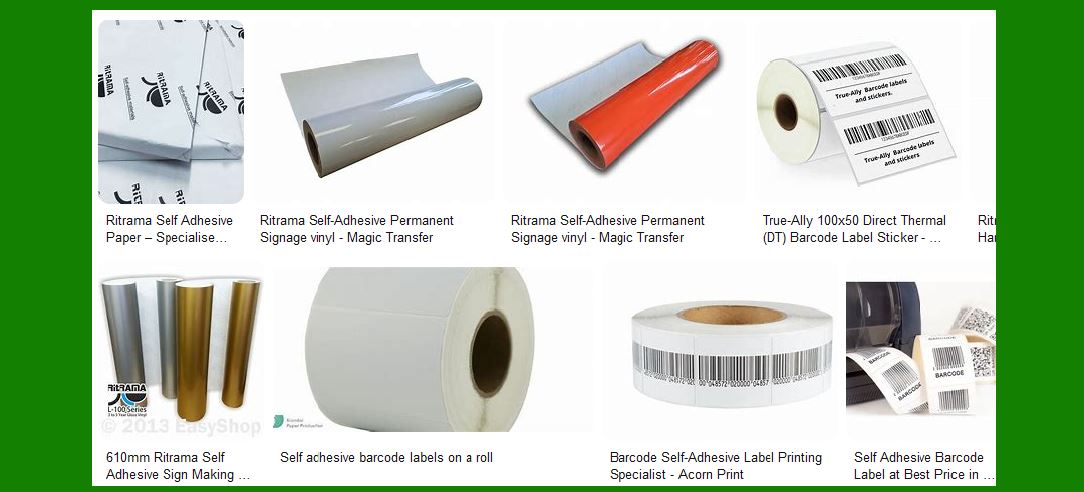
|
2. Product Range |
Ritrama offers a wide range of self-adhesive materials, catering to various industries and applications. Their product portfolio includes: |
Roll Labels: These are used in various sectors such as pharmaceuticals, food and beverages, and logistics. Graphics: Self-adhesive films for advertising, promotional materials, and vehicle wraps. Offset Sheets: Used for promotional labels, stickers, and decorative applications. Industrial: Materials designed for industrial applications, including durable labels and safety signs. Polifibra: Specialized materials for specific industrial needs. |

|
3. Self-Adhesive Barcode Labels |
Self-adhesive barcode labels are a crucial part of Ritrama’s product offerings. These labels are designed to meet the stringent requirements of various industries, ensuring durability, readability, and reliability. |
3.1. Material Composition |
Ritrama’s self-adhesive barcode labels are made from high-quality materials to ensure longevity and performance. The typical composition includes: |
Face Material: This can be paper or film, depending on the application. Common materials include coated paper, uncoated paper, polyethylene (PE), polypropylene (PP), and polyester (PET). Adhesive: Ritrama offers a variety of adhesives tailored to different surfaces and environmental conditions. These include permanent, removable, and repositionable adhesives. Liner: The liner is the backing material that protects the adhesive until the label is applied. It can be made from paper or film. |
3.2. Printing Technologies |
Ritrama’s barcode labels are compatible with various printing technologies, ensuring high-quality and precise barcode printing. These technologies include: |
Thermal Transfer: Ideal for printing durable and long-lasting barcodes. Direct Thermal: Suitable for short-term applications where the label does not need to withstand harsh conditions. Inkjet and Laser Printing: Used for high-resolution and full-color barcode labels. |

|
4. Applications |
Ritrama’s self-adhesive barcode labels are used in a wide range of applications across different industries. Some of the key applications include: |
Retail: Barcode labels for product identification, pricing, and inventory management. Logistics and Transportation: Labels for tracking shipments, pallets, and containers. Healthcare: Barcode labels for patient identification, medication tracking, and laboratory samples. Manufacturing: Labels for product identification, quality control, and asset tracking. Food and Beverage: Labels for product information, expiration dates, and traceability. |

|
5. Customization and Special Features |
Ritrama offers customization options to meet specific customer requirements. These include: |
Custom Sizes and Shapes: Labels can be produced in various sizes and shapes to fit different products and packaging. Special Adhesives: Custom adhesives for specific surfaces and environmental conditions. Security Features: Tamper-evident and anti-counterfeiting features to protect products and brands. RFID Integration: Smart labels with RFID technology for enhanced tracking and authentication. |

|
6. Quality and Compliance |
Ritrama is committed to delivering high-quality products that meet industry standards and regulations. Their self-adhesive barcode labels comply with various international standards, ensuring reliability and safety. Key quality aspects include: |
Durability: Labels are designed to withstand various environmental conditions, including temperature fluctuations, moisture, and abrasion. Readability: High-quality printing ensures that barcodes are easily readable by scanners. Compliance: Labels meet industry-specific regulations, such as those for food safety, pharmaceuticals, and hazardous materials. |

|
7. Sustainability |
Ritrama is dedicated to sustainability and environmental responsibility. They have implemented various initiatives to reduce their environmental impact, including: |
Eco-Friendly Materials: Use of recyclable and biodegradable materials in their products. Energy Efficiency: Implementation of energy-efficient manufacturing processes. Waste Reduction: Programs to minimize waste and promote recycling within their operations. |

|
8. Technological Innovations |
Ritrama continuously invests in research and development to bring innovative solutions to the market. Some of their technological advancements include: |
High-Performance Adhesives: Development of adhesives that offer superior performance in challenging conditions. Advanced Coatings: Coatings that enhance the durability and functionality of labels. Smart Labels: Integration of RFID and other smart technologies into their labels for enhanced functionality. |

|
9. Global Presence |
Ritrama has a strong global presence, with manufacturing facilities and distribution networks across various regions. This ensures that they can meet the needs of customers worldwide, providing timely and efficient service. |

|
10. Customer Support and Services |
Ritrama offers comprehensive customer support and services to ensure customer satisfaction. This includes: |
Technical Support: Assistance with product selection, application, and troubleshooting. Custom Solutions: Development of tailor-made solutions to meet specific customer needs. Training and Education: Programs to educate customers on the proper use and application of their products. |

|
11. Conclusion |
Ritrama’s self-adhesive barcode labels are a testament to their commitment to quality, innovation, and customer satisfaction. With a wide range of products, customization options, and a focus on sustainability, Ritrama continues to be a leader in the self-adhesive materials industry. Their barcode labels are designed to meet the diverse needs of various industries, ensuring reliability, durability, and performance. |
 cs@easiersoft.com