1. Introduction to 2D Barcodes in Logistics Industry |
The logistics industry has undergone significant transformation with the rise of advanced technologies, and one of the most prominent developments in this area has been the integration of 2D barcodes. These barcodes, also referred to as matrix codes, differ from traditional 1D barcodes in that they can store much more information in a compact space. This capability has allowed for better tracking, inventory management, and operational efficiency, particularly in a field that requires accuracy, speed, and effective resource allocation. |
The logistics industry, encompassing transportation, warehousing, inventory management, and supply chain management, has leveraged technology to optimize operations, reduce costs, and improve customer service. 2D barcodes are a key component of this technological revolution, offering a practical solution for streamlining operations and providing more robust data for decision-making. |
|
2. What Are 2D Barcodes? |
2D barcodes are two-dimensional representations of data that can be scanned by optical devices like barcode scanners or smartphone cameras. Unlike traditional 1D barcodes, which only store information horizontally in the form of bars, 2D barcodes encode data both horizontally and vertically. This additional dimension allows 2D barcodes to store significantly more information than their 1D counterparts. |
Examples of 2D barcodes include QR codes, Data Matrix codes, Aztec codes, and PDF417 codes. These can encode various types of data, such as product information, URLs, serial numbers, batch numbers, and location coordinates, among others. The increased storage capacity allows for richer data encoding and improves the ability to manage complex logistics operations. |
|
3. Current Application of 2D Barcodes in the Logistics Industry |
The logistics industry is one of the most significant adopters of 2D barcodes, using them across various stages of the supply chain. The primary use cases for 2D barcodes in logistics include inventory management, product tracking, warehousing, transportation management, and order fulfillment. |
3.1 Inventory Management |
In the logistics industry, inventory management is critical to ensure that the right products are in the right place at the right time. Traditional methods of inventory tracking were often manual, labor-intensive, and prone to human error. With the adoption of 2D barcodes, inventory management has become more accurate and efficient. |
2D barcodes can store a vast amount of information in a small space, allowing for more detailed tracking of products. For example, in warehouse operations, each product or pallet can be labeled with a unique 2D barcode containing critical information, such as item ID, batch number, storage location, and even expiry date. This enables warehouse personnel to quickly scan the barcode, instantly retrieving relevant data from the inventory management system, thus reducing the time spent on manual checks. |
3.2 Product Tracking and Traceability |
Product traceability is vital in industries such as pharmaceuticals, food, and electronics, where the tracking of goods is required for safety and regulatory compliance. 2D barcodes make it possible to track products throughout the entire supply chain, from production to final delivery. |
With the ability to encode detailed product information, 2D barcodes can be used to track items at every stage of the supply chain. As products move from the manufacturer to the warehouse, from the warehouse to the distribution center, and eventually to the customer, 2D barcodes can be scanned at each transition point to update their status in real-time. This provides complete visibility into product movement, ensuring that products are always in the right place and at the right time. |
3.3 Warehousing and Order Fulfillment |
Warehousing operations can be complex, involving the sorting, storing, picking, and shipping of goods. Efficient order fulfillment depends on how well goods are organized and tracked within the warehouse. 2D barcodes enhance the efficiency of these processes by enabling faster and more accurate scanning of products. |
For instance, when an item is picked from a shelf, the worker can scan the 2D barcode to confirm that the right item has been selected. The system will then check if the item's location, quantity, and other details match the order. This minimizes the risk of errors, reduces manual checking, and speeds up the fulfillment process. |
Moreover, warehouses use 2D barcodes for automated sorting systems. By reading the barcodes on items or packages, automated systems can quickly determine the correct destination for each item within the warehouse, ensuring that items are stored in the most efficient locations and retrieved quickly when needed. |
3.4 Transportation Management |
Transportation is a crucial element of logistics, and optimizing transportation efficiency can lead to substantial cost savings. 2D barcodes are applied in various transportation management processes, from vehicle loading and unloading to route planning and delivery confirmation. |
For example, 2D barcodes can be used to track shipments as they move through different distribution centers and transit hubs. By scanning the barcodes at each checkpoint, logistics companies can monitor the movement of goods in real-time, providing greater control over transportation routes and ensuring timely deliveries. |
Additionally, 2D barcodes help with the loading and unloading process. Cargo is often loaded and unloaded in large quantities, and 2D barcode scanning enables the accurate verification of each shipment's contents. This reduces the chance of items being lost or misplaced during transport and ensures that the correct items are delivered to the right destinations. |
3.5 Customer Interaction and Last-Mile Delivery |
The final stage of the logistics process-last-mile delivery-is increasingly important for customer satisfaction. 2D barcodes are commonly used in last-mile delivery to enhance communication between the logistics company, the delivery personnel, and the customer. |
For instance, when a product is delivered to a customer, a 2D barcode can be scanned by the delivery driver to confirm the receipt of the package. Additionally, customers can scan QR codes to track their shipments, receive updates on delivery status, or access product information directly from their smartphones. This level of transparency helps build trust and improves the overall customer experience. |
|
4. Advantages of 2D Barcodes in Improving Logistics Efficiency |
The integration of 2D barcodes in the logistics industry offers numerous benefits that help improve efficiency across the entire supply chain. These advantages range from enhanced accuracy to improved resource management, and they have contributed to the overall transformation of logistics operations. |
4.1 Enhanced Data Storage and Accessibility |
One of the most significant advantages of 2D barcodes over traditional 1D barcodes is their ability to store a larger volume of data. While 1D barcodes are limited to alphanumeric codes, 2D barcodes can hold a variety of data types, including URLs, inventory numbers, product descriptions, and even images. |
This increased data storage capability means that 2D barcodes can carry more detailed product and shipment information, which can be accessed quickly by scanning. This feature is particularly beneficial in industries that require a high level of detail for inventory management and product traceability, such as pharmaceuticals and electronics. |
4.2 Faster Scanning and Processing |
2D barcode scanners are generally faster and more accurate than their 1D counterparts. This speed is especially critical in high-volume environments such as warehouses and distribution centers, where quick scanning is necessary to keep operations running smoothly. |
For example, warehouse workers can scan multiple items in a single pass using 2D barcode scanners, which significantly reduces the time spent on scanning compared to 1D barcode scanners, which require a more focused, single-item scan. The ability to scan quickly means fewer delays in picking, packing, and shipping, which in turn leads to faster delivery times and more efficient use of warehouse space. |
4.3 Reduced Human Error |
Human error is a common challenge in logistics, particularly in manual inventory checks and product tracking. 2D barcodes help mitigate this risk by automating the process of data entry and verification. Since the information encoded in a 2D barcode is read directly by the scanner and automatically uploaded to the system, the possibility of human error is greatly reduced. |
Additionally, the detailed and structured nature of the data in 2D barcodes ensures that even complex logistics operations can be carried out with high accuracy. This leads to better inventory control, fewer misplaced items, and more reliable data for reporting and analysis. |
4.4 Improved Inventory Control and Visibility |
The use of 2D barcodes allows logistics companies to gain real-time visibility into their inventory. By scanning the barcodes at various points along the supply chain, companies can track the movement of goods, monitor stock levels, and identify any potential disruptions in the process. |
This enhanced visibility ensures that inventory levels are always up to date, reducing the risk of overstocking or understocking. Real-time data helps logistics companies make more informed decisions regarding restocking, purchasing, and storage, ultimately reducing costs and improving efficiency. |
4.5 Better Asset Management |
Asset management is a critical function in logistics, particularly for companies managing large fleets of vehicles or warehouses filled with equipment. 2D barcodes enable more effective tracking and management of assets, allowing logistics companies to monitor the usage and location of their assets in real-time. |
For instance, each vehicle in a fleet can be equipped with a 2D barcode that stores information about its condition, maintenance history, and usage statistics. This data can be used to schedule preventive maintenance, track fuel usage, and optimize route planning, all of which contribute to greater operational efficiency and cost savings. |
4.6 Enhanced Customer Satisfaction |
In today's competitive logistics environment, customer satisfaction is of paramount importance. 2D barcodes help logistics companies improve their customer service by providing real-time tracking information, reducing the likelihood of errors, and ensuring timely deliveries. |
Customers can use QR codes to access shipment tracking information, and they can also receive updates about the status of their deliveries. This level of transparency builds trust and helps customers feel more in control of their purchases. Additionally, the reduced chance of delivery errors means that customers receive the right products on time, enhancing the overall customer experience. |
4.7 Cost Reduction |
The use of 2D barcodes in logistics contributes to cost reduction in multiple ways. First, by automating data entry and reducing the need for manual checks, 2D barcodes help minimize labor costs. Second, improved accuracy reduces the likelihood of costly errors, such as incorrect shipments or lost inventory, which can lead to customer dissatisfaction and additional operational costs. |
Moreover, 2D barcodes help optimize warehouse space and inventory levels, ensuring that resources are allocated efficiently. This leads to better inventory turnover and reduced warehousing costs, ultimately contributing to a more cost-effective logistics operation. |
|
5. Conclusion |
The integration of 2D barcodes in the logistics industry has brought about a significant leap in operational efficiency. By enabling faster scanning, improving data accuracy, reducing human error, and enhancing overall inventory control, 2D barcodes have become an indispensable tool in the modern logistics environment. Their application spans across various stages of the supply chain, from inventory management to transportation and customer delivery, contributing to faster, more reliable, and cost-effective logistics operations. |
As the logistics industry continues to evolve, the role of 2D barcodes will likely expand even further. The ongoing development of barcode scanning technology, along with increased adoption of automation and artificial intelligence, will continue to drive improvements in efficiency and accuracy. In the long term, 2D barcodes could play an even more critical role in shaping the future of the logistics industry, helping companies navigate the complexities of global supply chains with greater agility and precision. |
|
6. Case Studies of 2D Barcode Applications in the Logistics Industry |
In this section, we will explore real-world examples of how 2D barcodes are being used across various sectors within the logistics industry. These case studies will highlight the tangible benefits, challenges overcome, and the direct impact on efficiency, accuracy, and customer satisfaction. |
6.1 Case Study 1: Amazon - Streamlining Warehouse Operations with 2D Barcodes |
Background: |
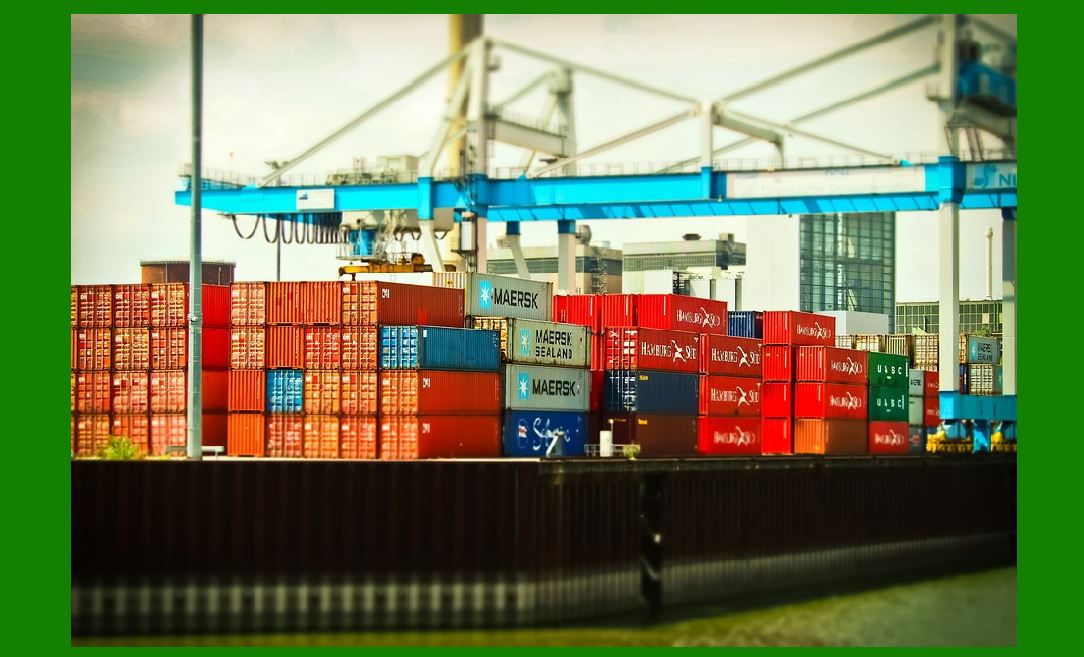
Amazon is one of the largest e-commerce companies globally, and its logistics operations are integral to its success. With millions of products stored in vast warehouses, Amazon faces the challenge of efficiently managing inventory, fulfilling orders quickly, and maintaining high levels of accuracy. As part of their operations, Amazon uses a sophisticated system that combines 2D barcodes, robots, and human workers to streamline the entire fulfillment process. |
Implementation: |
In Amazon's fulfillment centers, 2D barcodes (primarily QR codes and Data Matrix codes) are used extensively for product identification and tracking throughout the entire warehouse. Each item in the warehouse is tagged with a unique 2D barcode that contains detailed information about the product, including its ID, description, and storage location. |
When an order is placed, robots equipped with barcode scanners use 2D barcodes to locate the correct items from various aisles in the warehouse. Warehouse associates also use handheld barcode scanners to verify the items and ensure they are correctly selected for shipment. The 2D barcode system feeds data back to Amazon's warehouse management system (WMS) in real-time, allowing for continuous updates on inventory levels and order statuses. |
Benefits: |
Increased Speed and Accuracy: The combination of robots and barcode scanning dramatically speeds up the picking and packing process. Workers and robots are guided directly to the correct location, and the scanning process ensures that the right item is chosen. |
Real-Time Inventory Updates: As items are scanned, the system automatically updates the inventory in real time, reducing the risk of stock discrepancies and improving overall inventory management. |
Reduced Operational Costs: With improved accuracy and faster operations, Amazon has significantly reduced the number of returns due to incorrect shipments and has minimized the time spent on manual checks. |
Results: |
Amazon's use of 2D barcodes has allowed them to achieve faster fulfillment times and a more reliable system for tracking products throughout their warehouse operations. The improved inventory management has also helped Amazon maintain better stock levels and avoid costly stockouts. |
|
6.2 Case Study 2: DHL - Improving Package Tracking and Delivery with 2D Barcodes |
Background: |
DHL, a global leader in logistics and supply chain management, is known for its commitment to innovation. The company provides express shipping, freight transportation, and logistics services worldwide. DHL recognized that the tracking of packages and real-time communication between logistics hubs and delivery personnel was critical to enhancing service efficiency. |
Implementation: |
DHL adopted 2D barcode technology to improve their package tracking systems, particularly focusing on tracking packages from the moment they are shipped to when they are delivered to the customer. Each package is labeled with a 2D barcode that contains detailed information about the contents, origin, destination, and transit milestones. |
DHL integrated these barcodes into their global shipment tracking system, which is accessible to both employees and customers. Scanners are used throughout the logistics process, from warehouses to delivery drivers' handheld devices. During transit, the scanning of 2D barcodes at various checkpoints enables real-time tracking of packages. |
Customers are also provided with QR codes that allow them to easily track their shipments using their smartphones. When a package is out for delivery, the driver scans the 2D barcode to confirm the package's delivery to the correct address, and the system automatically updates the tracking status for the customer. |
Benefits: |
Enhanced Real-Time Visibility: DHL's 2D barcode system enables real-time updates of package locations, improving visibility for both the company and customers. |
Faster and More Accurate Deliveries: With the use of 2D barcodes, DHL has significantly reduced the number of incorrect deliveries. The barcode scanning system ensures the correct item is delivered to the correct location. |
Customer Satisfaction: By providing customers with easy access to real-time tracking information via QR codes, DHL has improved transparency, which leads to increased customer satisfaction and trust. |
Results: |
DHL's use of 2D barcodes has led to improvements in the accuracy of deliveries and a reduction in the time it takes to confirm package delivery. The company has been able to enhance customer service by providing more detailed and real-time information, resulting in better customer satisfaction. |
|
6.3 Case Study 3: Walmart - Optimizing Inventory and Supply Chain Management with 2D Barcodes |
Background: |
Walmart operates one of the largest and most complex supply chains in the world, with over 10,000 stores across various regions and millions of products. Efficient inventory management and real-time tracking are essential to ensure that products are available when customers need them and to keep operational costs low. |
Implementation: |
Walmart incorporated 2D barcode technology into its inventory management and supply chain system to better track products from the supplier to the store shelf. Using a combination of QR codes and Data Matrix codes, each product and shipment is tagged with a 2D barcode that holds a wealth of information, including item identification, shipping data, and expiration dates (where applicable). |
Walmart uses barcode scanners to monitor stock levels at every stage of the supply chain, from receiving deliveries at warehouses to tracking the movement of products to retail stores. Additionally, RFID tags with 2D barcodes are used to track high-value or high-priority items, improving real-time tracking and reducing loss. |
Walmart also uses the data collected from 2D barcodes to analyze inventory turnover rates, predict demand, and optimize stock levels. Store employees and suppliers scan the 2D barcodes to update inventory records, and the information is fed back into Walmart's central database, which is accessible across all levels of the supply chain. |
Benefits: |
Improved Inventory Accuracy: With 2D barcodes, Walmart has reduced the instances of stockouts and overstocking. The real-time inventory updates ensure that shelves are always stocked with the right products. |
Reduced Shrinkage: By tracking items more closely throughout the supply chain, Walmart has minimized theft and loss, particularly with high-value goods. |
Optimized Supply Chain Operations: Walmart can use barcode data to predict customer demand more accurately, adjust stock levels accordingly, and improve replenishment cycles. |
Results: |
Walmart's implementation of 2D barcodes has resulted in better inventory control, fewer stockouts, and enhanced supply chain efficiency. The system allows Walmart to respond quickly to changes in demand and maintain better product availability in stores, leading to increased customer satisfaction and reduced operational costs. |
|
6.4 Case Study 4: Zebra Technologies - Enhancing Retail Logistics with 2D Barcodes and Scanning Solutions |
Background: |
Zebra Technologies is a global leader in providing automated data capture solutions, including barcode labeling, mobile computing, and RFID technology. The company's logistics solutions are used by a variety of industries, including retail, manufacturing, and healthcare. Zebra Technologies partnered with several retail clients to optimize their logistics operations and improve customer service through the use of 2D barcodes. |
Implementation: |
Zebra Technologies helped a major retailer implement a comprehensive logistics solution using 2D barcodes, including the integration of mobile barcode scanners and handheld devices. Each item in the retailer's supply chain-from warehouse storage to shipping-was tagged with a 2D barcode. Retail staff used Zebra's mobile barcode scanners to track inventory levels, locate stock, and verify shipments. |
The system also provided the retailer with a centralized platform to monitor inventory across multiple distribution centers. The 2D barcode scanners integrated with the retailer's warehouse management system (WMS) and enterprise resource planning (ERP) software, providing a real-time view of product availability, shipment status, and customer demand. |
Benefits: |
Improved Workforce Efficiency: Retail staff were able to scan items quickly and accurately using handheld devices, which improved the speed of order fulfillment and stock replenishment. |
Real-Time Inventory Control: With 2D barcodes in place, the retailer gained accurate, real-time data on inventory levels, which reduced errors and improved stock accuracy. |
Better Customer Experience: The ability to quickly locate products and verify shipments allowed the retailer to ensure on-time deliveries and provide accurate order tracking for customers. |
Results: |
Zebra Technologies' 2D barcode solutions helped the retailer reduce operational inefficiencies and improve order accuracy. The retailer saw improvements in both inventory accuracy and stock replenishment cycles, leading to better customer satisfaction and a more responsive logistics operation. |
|
6.5 Case Study 5: UPS - Increasing Operational Efficiency with 2D Barcodes in Package Delivery |
Background: |
UPS, one of the largest logistics and parcel delivery companies globally, deals with millions of packages daily. Timely and accurate deliveries are paramount to their business, and the company continuously seeks ways to enhance operational efficiency. |
Implementation: |
UPS began implementing 2D barcodes in its logistics operations to increase package traceability and improve delivery accuracy. Each package is labeled with a unique 2D barcode containing information such as the sender's address, recipient's address, and shipment details. |
UPS delivery drivers use handheld barcode scanners to scan packages at various stages of the delivery process, including when loading packages onto delivery trucks, during transit, and upon delivery to the recipient. This process provides real-time updates on the package's status, which are available to both the customer and UPS operations. |
In addition, UPS uses 2D barcodes to track inventory within their facilities, enabling them to streamline sorting processes and speed up the handling of packages. |
Benefits: |
Improved Package Tracking: UPS can provide customers with more detailed and timely tracking information by scanning 2D barcodes at multiple checkpoints. |
Faster Deliveries: The barcode scanning system allows for faster processing and fewer delays in the delivery process, as packages can be easily located and tracked. |
Enhanced Operational Efficiency: By automating the scanning and tracking of packages with 2D barcodes, UPS has improved the speed and accuracy of its logistics operations, from sorting packages in warehouses to final delivery. |
Results: |
UPS has significantly reduced the number of package misdeliveries and improved the accuracy of delivery tracking. The increased speed of package handling and the ability to provide customers with real-time updates have contributed to higher customer satisfaction and more efficient operations. |
|
Conclusion |
These case studies demonstrate the transformative impact of 2D barcodes on logistics operations across various industries. From streamlining inventory management and order fulfillment to enhancing package tracking and delivery accuracy, 2D barcodes play a crucial role in improving operational efficiency and customer satisfaction. As logistics companies continue to embrace automation and digital technologies, the role of 2D barcodes will only become more integral to the optimization of global supply chains. |
 cs@easiersoft.com