Application of Barcode Technology in Biological Research |
1. Introduction to Barcode Technology in Biological Research |
Barcode technology refers to the use of unique identifiers, typically in the form of a series of alphanumeric codes or DNA sequences, to distinguish and track individual items or entities within a system. In biological research, barcode technology has gained significant importance, particularly in genomics, ecology, and biodiversity studies. The essence of barcode technology in biology lies in the assignment of unique codes to biological samples, which can be tracked, identified, and categorized with precision and efficiency. This process has proven crucial in the advancement of research across a variety of biological disciplines, including taxonomy, conservation, epidemiology, and drug discovery. |
In the context of biological research, barcoding often involves genetic markers, typically short DNA sequences from specific regions of the genome, which serve as unique identifiers for different species, strains, or individuals. These barcodes enable researchers to rapidly and accurately identify organisms, even in complex ecosystems, where distinguishing species may be challenging without genetic analysis. |
|
2. Mechanisms Behind Barcode Technology |
Barcode technology in biological research relies on the concept of assigning a 'barcode' to an organism or biological sample. These barcodes are typically derived from specific regions of the genome that exhibit high variability between species, yet remain conserved within a species. This makes these regions ideal for identifying and differentiating organisms at various taxonomic levels. |
In practice, DNA barcoding is most commonly used in molecular biology, where specific genetic sequences, often from mitochondrial or ribosomal genes, are targeted for amplification and sequencing. For instance, the mitochondrial gene cytochrome c oxidase I (COI) has become one of the most widely used markers for animal barcoding. Once the sequence from the barcode region is obtained, it is compared to a reference database to identify the species or organism in question. |
Other types of barcoding, such as protein barcoding, may involve using distinct peptide sequences or molecular tags. However, DNA barcoding remains the most common method for biological research, due to its precision, universality, and ability to reveal information about organisms at a molecular level. |
|
3. DNA Barcoding in Taxonomy and Systematics |
One of the most significant applications of barcode technology in biological research is in the field of taxonomy, the science of classifying organisms. Traditional methods of species identification often rely on morphological traits, which can be challenging or impossible to distinguish in certain species or life stages. Moreover, some species may exhibit significant phenotypic plasticity or may be cryptic, making traditional taxonomy methods inefficient or unreliable. |
DNA barcoding overcomes these limitations by providing a standardized and reproducible method for identifying species based on their genetic makeup. By analyzing short, conserved genetic markers, researchers can identify species that might otherwise be misclassified or overlooked based on morphological traits alone. DNA barcoding can also help in discovering new species by comparing genetic sequences with a reference database to determine if an organism has been previously described. |
For example, researchers have used DNA barcoding to uncover new species in diverse ecosystems, from the rainforests of the Amazon to the deep oceans. This technology has been instrumental in identifying cryptic species that are morphologically indistinguishable from one another but genetically distinct. |
|
4. Barcode Technology in Biodiversity Monitoring and Conservation |
Another major application of barcode technology is in biodiversity monitoring and conservation efforts. Accurately assessing biodiversity is a critical component of conservation biology, as it allows scientists to track the presence and distribution of species, especially in response to environmental changes, habitat destruction, and climate change. |
DNA barcoding offers a rapid and non-invasive way to monitor biodiversity. Environmental DNA (eDNA), a subset of DNA barcoding, allows researchers to collect genetic material from environmental samples such as soil, water, or air. By analyzing the DNA found in these samples, scientists can detect the presence of species without needing to observe them directly. This is particularly valuable in the case of elusive or endangered species that are difficult to study using traditional methods. |
For instance, eDNA sampling has been employed to monitor aquatic ecosystems for invasive species, endangered fish, or rare amphibians. It provides a cost-effective and efficient way to survey large areas, even in remote or difficult-to-access regions. As the field of eDNA research expands, barcode technology is becoming a key tool for tracking changes in biodiversity, informing conservation decisions, and developing strategies to mitigate the impacts of biodiversity loss. |
|
5. Application of Barcodes in Microbial Ecology |
Barcode technology is also pivotal in the study of microbial communities, where traditional methods of identification often fail due to the vast diversity and small size of microorganisms. Microbial ecosystems, which include bacteria, fungi, and archaea, play essential roles in a variety of biological processes, including nutrient cycling, disease prevention, and symbiotic relationships with plants and animals. |
In microbial ecology, barcode technology enables the identification and classification of microorganisms based on their DNA sequences. The most commonly used barcodes for microbial identification are the 16S ribosomal RNA gene for bacteria and the Internal Transcribed Spacer (ITS) region for fungi. By sequencing these regions, researchers can identify the composition of microbial communities in environmental samples, such as soil, water, or the human gut. |
This application of barcode technology has revolutionized our understanding of microbial diversity, allowing researchers to catalog thousands of microbial species within a single sample. Moreover, it provides insights into the functional roles of microbes within ecosystems, their interactions with hosts, and their responses to environmental stresses. Understanding microbial communities at a detailed level is also critical for fields like medical microbiology, where barcode technology can help identify pathogens and track the spread of infectious diseases. |

|
6. Barcoding in Epidemiology and Disease Surveillance |
Barcode technology has become an indispensable tool in epidemiology, particularly in tracking and understanding infectious diseases. The use of DNA barcoding in epidemiological studies allows researchers to identify pathogens, trace outbreaks, and study the genetic diversity of infectious organisms. |
For instance, DNA barcodes have been widely used to identify and track the spread of pathogens like bacteria, viruses, and parasites. In the case of vector-borne diseases, such as malaria and Lyme disease, barcoding is used to identify and differentiate between pathogen strains, helping to determine the sources of outbreaks and monitor the effectiveness of control measures. |
Additionally, barcoding has become increasingly important in the study of zoonotic diseases, where pathogens are transmitted between animals and humans. By sequencing pathogen DNA from both animals and humans, researchers can trace the transmission pathways and identify potential reservoirs and vectors. This is especially useful in the early detection of emerging diseases and in the formulation of strategies to prevent future outbreaks. |
One example is the use of barcoding in identifying different strains of the Zika virus and understanding how these strains differ in terms of transmissibility and virulence. This helps in public health decision-making, such as vaccine development, surveillance, and the design of interventions to limit disease spread. |
|
7. Barcoding in Drug Discovery and Pharmacogenomics |
Barcode technology is also a powerful tool in drug discovery and pharmacogenomics, the study of how genetic variation influences an individual's response to drugs. In drug discovery, researchers rely on barcodes to track and analyze the effects of various compounds on different biological systems, including cell lines, tissues, and organisms. |
One application is in the screening of compounds for their potential as therapeutic agents. By tagging cells or molecules with unique barcodes, researchers can track the effects of different drug candidates in high-throughput screenings. This allows for the rapid identification of promising drug candidates, speeding up the drug development process. |
In pharmacogenomics, barcode technology helps to understand how genetic variations influence drug efficacy and toxicity. By sequencing the barcodes of patients or model organisms, researchers can identify genetic factors that may predispose individuals to respond better or worse to specific treatments. This personalized medicine approach has the potential to significantly improve therapeutic outcomes and minimize adverse effects. |
|
8. Integration with High-Throughput Technologies |
The integration of barcode technology with high-throughput technologies, such as next-generation sequencing (NGS), microarray analysis, and flow cytometry, has transformed biological research. These technologies allow for the rapid and large-scale processing of samples, enabling researchers to collect vast amounts of data in a short time. Barcode technology provides an efficient way to link each sample to its corresponding data, ensuring accuracy and traceability in large-scale experiments. |
For example, in genomic studies, barcodes are used to identify individual samples within a sequencing run. This ensures that data from multiple samples can be processed simultaneously, reducing the time and cost involved in sequencing and analysis. Similarly, in proteomics or metabolomics studies, barcodes are used to label different samples, allowing for high-throughput analysis and ensuring the integrity of the data. |

|
9. Challenges and Limitations of Barcode Technology |
Despite its many advantages, barcode technology in biological research faces several challenges and limitations. One of the primary concerns is the issue of reference databases. DNA barcoding relies heavily on the availability of reference sequences in publicly accessible databases, such as GenBank or BOLD. Incomplete or inaccurate reference databases can lead to misidentifications and reduce the reliability of barcode-based identification methods. |
Additionally, barcode technology may not always be suitable for distinguishing between closely related species, especially when genetic differences are minimal. This limitation is particularly evident in taxa with low levels of genetic divergence, where even highly conserved barcode regions may not provide enough resolution for accurate identification. |
Another challenge is the cost and technical expertise required for high-quality barcode sequencing, particularly in large-scale projects. Although the cost of sequencing has decreased significantly in recent years, it may still be prohibitive for smaller research groups or low-budget studies. |
Finally, while DNA barcoding is powerful, it is not a comprehensive tool for understanding all aspects of an organism's biology. It provides valuable information about species identity but does not directly offer insights into ecological interactions, behavior, or other complex biological processes. Researchers must combine barcode technology with other methods, such as field studies and ecological modeling, to obtain a fuller understanding of biological phenomena. |

|
10. Conclusion |
Barcode technology has revolutionized biological research by providing a fast, reliable, and efficient method for identifying and tracking organisms, monitoring biodiversity, and studying genetic diversity. Its applications in taxonomy, conservation, microbial ecology, epidemiology, and drug discovery have led to significant advances in our understanding of biological systems. While challenges remain, the continued development and refinement of barcode technology, along with its integration with high-throughput sequencing and other advanced technologies, promise to further enhance its potential for future discoveries in biological research. |
|
Here are several practical examples of how barcode technology has been applied in biological research across various fields: |
1. DNA Barcoding in Taxonomy: Discovering New Species |
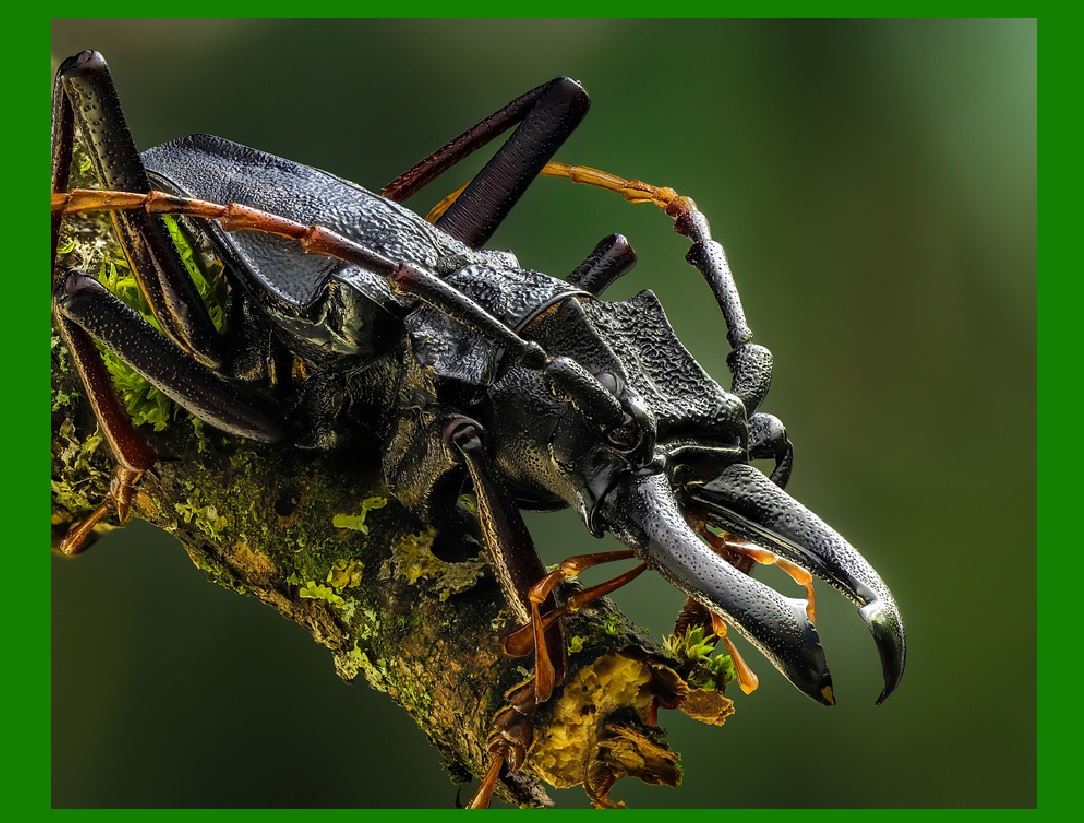
In 2003, the International Barcode of Life (iBOL) initiative was launched, which aimed to catalog the DNA barcodes of species from around the world. One notable example is the discovery of new species in the Amazon rainforest. In a study published by Smith et al. (2009), DNA barcoding helped to identify hundreds of new species of plants, insects, and fungi that had not previously been cataloged. In this case, researchers used DNA barcodes from the COI gene (cytochrome c oxidase I) to differentiate species that were morphologically similar, thus revealing cryptic diversity. |
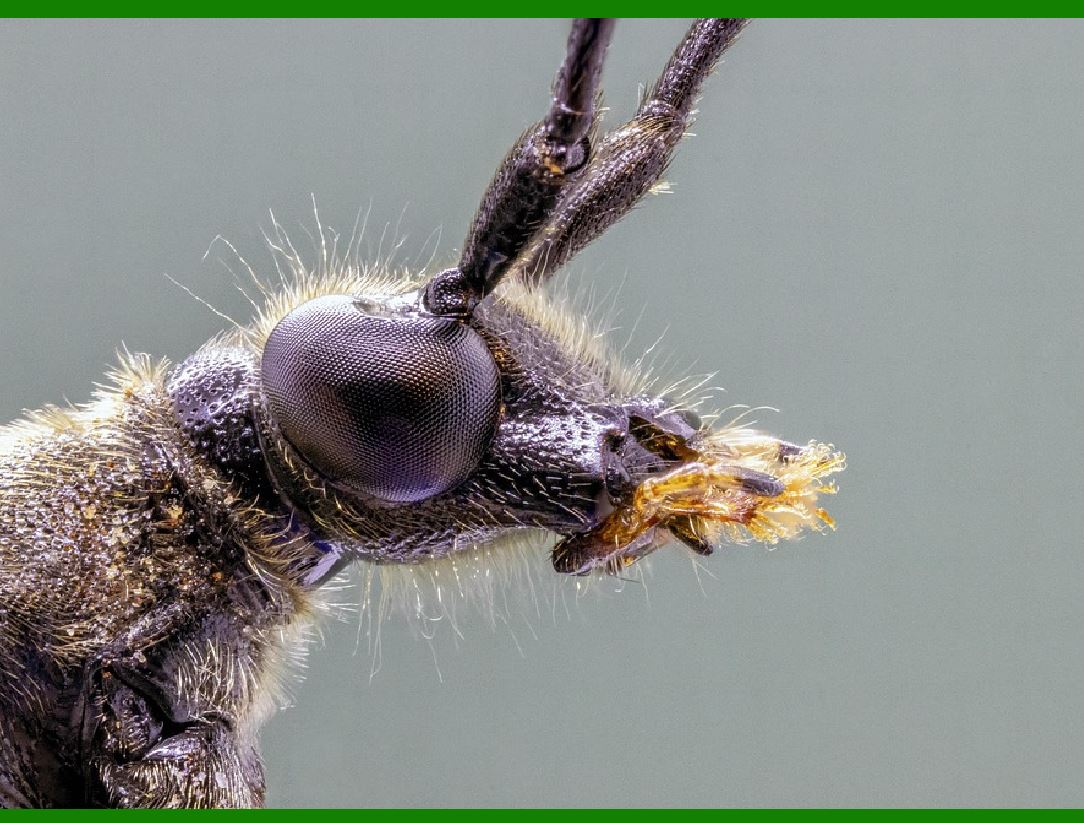
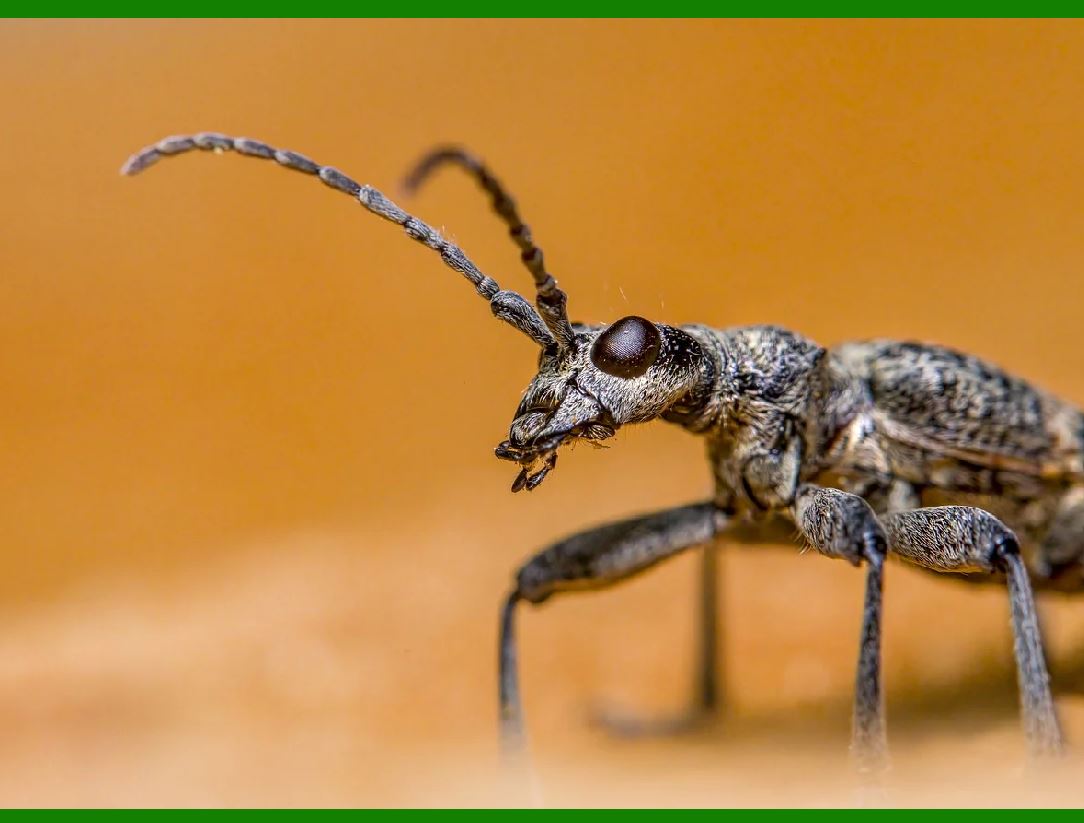
For example, a small, indistinguishable insect species was identified as two different species based on their COI barcodes. This discovery would have been impossible to make using traditional morphological methods alone, demonstrating how barcode technology accelerates species discovery and enhances biodiversity research. |
|
2. Environmental DNA (eDNA) for Biodiversity Monitoring |
A famous example of DNA barcoding in biodiversity monitoring is the use of environmental DNA (eDNA) to monitor aquatic species. In 2014, researchers in Canada used eDNA sampling to track Asian Carp-an invasive species in the Great Lakes. They collected water samples from the lakes and extracted DNA to identify the presence of Asian Carp, a species that is difficult to catch and observe directly due to its elusive nature. This method was faster, more cost-effective, and allowed for a broader geographical survey compared to traditional sampling methods. |
In the same vein, eDNA has been used to monitor endangered species, such as the California salmon. By analyzing water samples, researchers can detect genetic traces of salmon without needing to capture or observe them physically, providing real-time monitoring of populations and helping conservationists make timely management decisions. |

|
3. DNA Barcoding in Microbial Ecology |
In microbial ecology, DNA barcoding has been used to map microbial diversity in various environments. A notable case is the study of the human microbiome, which refers to the community of microorganisms living in and on the human body. In 2012, a comprehensive study by the Human Microbiome Project used DNA barcoding of the 16S rRNA gene to identify and catalog bacterial species present in different human body sites, such as the gut, skin, mouth, and nose. |
This effort revealed the incredible diversity of microbial life in humans, with over 1,000 different species identified. DNA barcoding helped scientists to identify microbes that were previously unculturable and unknown, providing insights into how microorganisms influence human health, disease, and even mental health. |
|
4. Barcoding in Disease Surveillance and Epidemiology |
Barcode technology is also used in the surveillance of infectious diseases. One of the most widely cited examples is the use of DNA barcoding to track the spread of malaria. In a 2006 study by Sutherland et al., DNA barcoding was used to differentiate between various Plasmodium species (the malaria parasite) in a malaria-endemic region of Africa. Researchers were able to identify which Plasmodium species were circulating in the region, and even detect different strains of the parasite, allowing for more targeted treatment and control measures. |
Another example is the use of DNA barcoding in tracking the spread of Zika virus in Brazil. Researchers sequenced the viral genome from mosquitoes and humans to trace the transmission pathways and genetic diversity of Zika virus strains. This helped public health officials understand how the virus was spreading and informed strategies to control its transmission. |

|
5. Barcoding in Conservation: Tracking Endangered Species |
DNA barcoding has been instrumental in monitoring and conserving endangered species. One of the most famous examples is the use of barcodes in the protection of the African elephant. In 2011, a study led by M. Gilbert applied DNA barcoding to elephant ivory seizures in Africa and Asia. By analyzing the DNA of seized ivory, they were able to pinpoint the geographic origin of the ivory and identify poaching hotspots. This information provided law enforcement agencies with valuable data to fight illegal ivory trade and protect elephant populations. |
Similarly, DNA barcoding is being used in the study and conservation of tigers. A project in India involved the collection of tissue samples from tigers across different regions of the country. Using DNA barcodes, researchers were able to identify genetic diversity and study the population structure of tigers, which is critical for designing conservation strategies, such as identifying genetically distinct populations that need separate protection efforts. |
|
6. DNA Barcoding in Agricultural Research and Food Safety |
Barcode technology has also found applications in agriculture and food safety, particularly in identifying species and detecting adulteration in food products. For instance, DNA barcoding has been used to detect fraud in fish products. In a study by Hussain et al. (2017), researchers used DNA barcoding to identify the species composition of various seafood products sold in markets across the United States. They found that many products labeled as high-value fish like tuna were actually cheaper species, such as skipjack tuna or mackerel. This information has helped regulators enforce food labeling laws and protect consumers. |
Additionally, DNA barcoding is being employed to identify genetically modified (GM) crops. A study led by Yuan et al. (2019) demonstrated how DNA barcoding could differentiate GM crops from conventional crops by detecting specific DNA sequences introduced during the genetic modification process. This is crucial for monitoring compliance with labeling regulations and ensuring that GM crops do not unintentionally spread into non-GM ecosystems. |
|
7. Barcoding in Forensic Biology: Tracking Wildlife Crimes |
Barcode technology has also made significant contributions to forensic biology, particularly in tracking wildlife crimes. One of the most well-known examples is the use of DNA barcoding to identify endangered species involved in wildlife trafficking. In 2009, Tison et al. used DNA barcoding to identify the species of tiger bones seized in a raid of illegal wildlife trade in Southeast Asia. By analyzing the DNA from the bones, the researchers were able to confirm that the bones came from tigers, helping authorities identify the scale of the illicit trade and trace the origins of the poached animals. |
Similarly, DNA barcoding is used to track the illegal trade of products made from endangered plants. A study on the trade of Ramin wood (a species from Southeast Asia that is heavily endangered) showed how DNA barcoding could be used to detect illicit harvesting and trade. By collecting wood samples from markets and analyzing them with DNA barcodes, authorities could detect if the wood was legally sourced or if it was obtained through illegal logging activities. |
|
8. Barcoding in Agriculture: Pest Management |
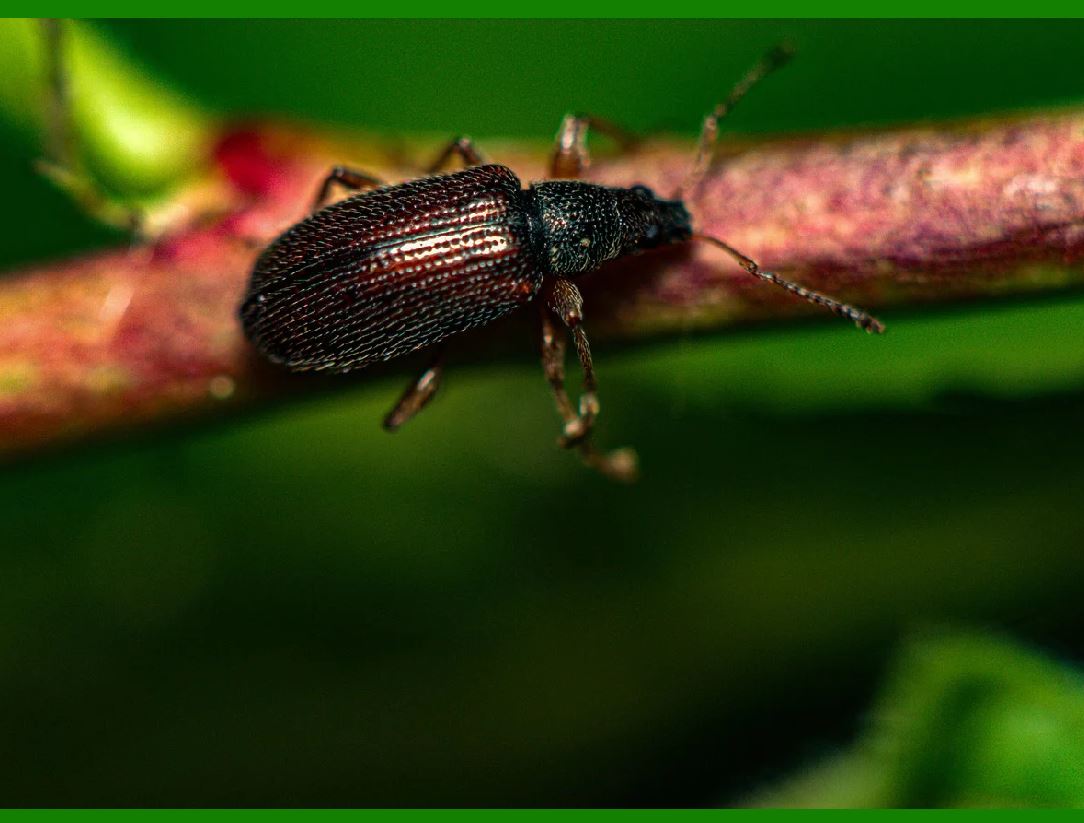
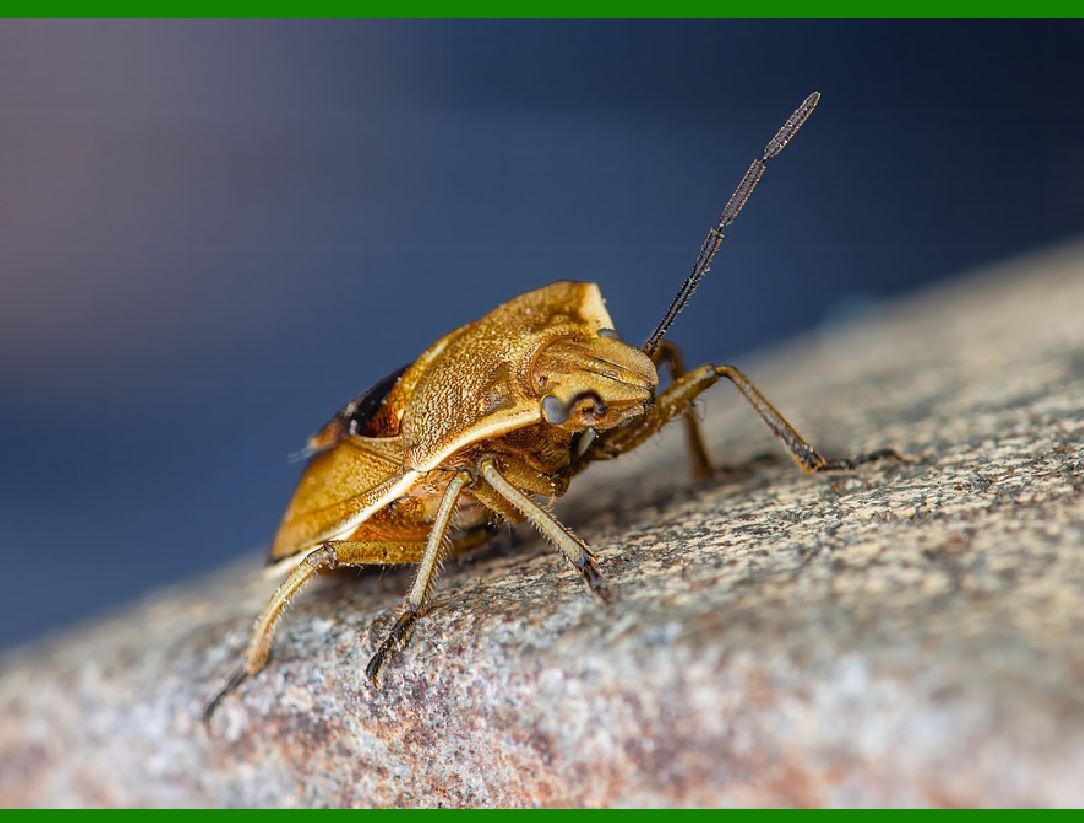
In pest management, DNA barcoding is applied to identify pest species and track their spread. A specific example is the use of DNA barcoding to monitor the spread of the Asian citrus psyllid, a small insect that carries the bacteria responsible for citrus greening disease, which affects citrus crops worldwide. In Florida, researchers used DNA barcodes to track populations of the psyllid and assess their movement across different citrus-growing regions. This information enabled more targeted pest management strategies to protect crops and reduce the economic impact of the disease. |
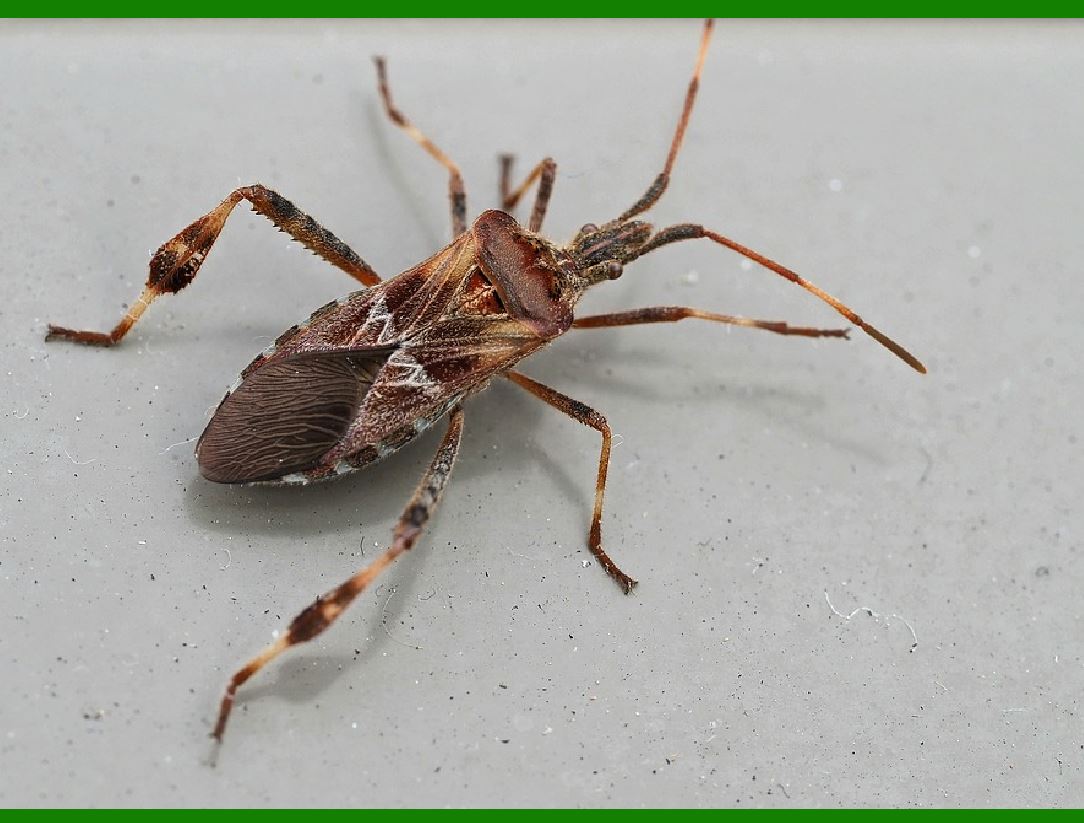
Similarly, DNA barcoding has been used in the management of crop pests like the Western corn rootworm, a major pest in North America. By collecting DNA samples from rootworm larvae and adults, researchers were able to identify the presence of different genetic strains and assess their resistance to various insecticides, helping to optimize pest control strategies. |
|
9. Barcoding in Drug Discovery: Identifying Therapeutic Targets |
In drug discovery, barcode technology has been used to track the effects of potential drugs on cellular systems. One example is the use of DNA barcodes in high-throughput screening to identify compounds that can treat diseases like cancer. In a 2014 study by Yang et al., researchers utilized DNA barcoding to track thousands of different cancer cell lines exposed to various therapeutic compounds. By assigning each cell line a unique barcode, they were able to track how different treatments affected the cells, leading to the identification of potential new cancer therapies. |
Another application of barcoding in pharmacogenomics is in personalized medicine. For example, barcodes are used to track how individuals respond to medications based on their genetic profiles. DNA barcoding can be employed to analyze variations in specific genes that are known to influence drug metabolism and efficacy, such as the CYP450 family of genes. This allows healthcare providers to tailor drug prescriptions to individuals, minimizing adverse effects and improving therapeutic outcomes. |
|
Conclusion |
These practical examples highlight the versatility and transformative power of barcode technology in biological research. Whether it's uncovering hidden biodiversity, monitoring ecosystems, tracking disease outbreaks, identifying wildlife traffickers, or advancing medical science, barcode technology plays a critical role in pushing the boundaries of what we can achieve in biological research. As the technology continues to improve, its applications will only grow, offering even more precise tools for tackling some of the most pressing challenges in science and conservation. |
 cs@easiersoft.com