Chemical Resistance Properties of Common Barcode Label Materials |
Barcode labels are widely used in various industrial and commercial applications, where they may be exposed to harsh chemicals. The performance and longevity of these labels under chemical exposure depend significantly on the material used to make them. Different materials exhibit varying degrees of resistance to common chemicals such as oils, solvents, acids, alkalis, and cleaning agents. In this detailed exploration, we will discuss how common barcode label materials-specifically polyester, polypropylene, and polyethylene-respond to different chemical categories. |

|
1. Oils and Greases |
1.1 General Overview of Oils and Greases in Industrial Environments |
Oils, lubricants, and greases are pervasive in industries such as automotive, manufacturing, machinery, and maintenance. These substances are used to reduce friction, improve efficiency, and prevent wear and tear in mechanical systems. Given their widespread use, it's critical for barcode labels in these settings to resist contamination or damage due to oil-based chemicals. |
1.2 Resistance of Polyester to Oils and Greases |
Polyester is a synthetic material known for its durability and versatility. When exposed to oils and greases, polyester tends to maintain its integrity much better than many other materials. Polyester's high resistance to oil-based substances stems from its inherent chemical structure, which makes it less susceptible to the penetration of non-polar substances like oils. As a result, polyester barcode labels can withstand oil spills and splashes without losing their legibility, adhesive strength, or durability. This makes polyester an excellent choice for industries where oil exposure is frequent, such as automotive manufacturing or maintenance facilities. |
1.3 Resistance of Polypropylene to Oils and Greases |
Polypropylene, like polyester, is resistant to many types of oils and greases, though it is not as robust in this regard as polyester. Polypropylene's resistance is attributed to its non-polar nature, which prevents oils from affecting its structural integrity. In environments with moderate exposure to oils or greases, polypropylene labels are effective and reliable. However, under prolonged exposure to heavy oils, particularly in high-temperature conditions, polypropylene may begin to soften or weaken, leading to potential degradation. For most industrial applications, polypropylene is sufficiently durable against oils, but for harsher conditions, polyester might be a better choice. |
1.4 Resistance of Polyethylene to Oils and Greases |
Polyethylene labels show relatively lower resistance to oils and greases compared to both polyester and polypropylene. While polyethylene is somewhat resistant to light oil exposure, it can deteriorate more rapidly when exposed to heavy oils or greases. This is primarily due to polyethylene's chemical structure, which is less effective in resisting non-polar substances. When exposed to oils for extended periods, polyethylene labels may lose their adhesive properties or become discolored and damaged. As such, polyethylene is not recommended for environments where frequent oil contact is anticipated. |
|
2. Solvents |
2.1 General Overview of Solvents in Industrial and Laboratory Environments |
Solvents such as acetone, isopropyl alcohol, methanol, and industrial degreasers are commonly used in laboratories, manufacturing facilities, and other industrial settings. These chemicals can dissolve or break down substances, making them essential for cleaning and degreasing. However, solvents can also pose a significant threat to barcode labels, particularly if the labels are not designed to resist such chemical exposure. |
2.2 Resistance of Polyester to Solvents |
Polyester is one of the most solvent-resistant materials used for barcode labels. Polyester labels exhibit excellent resistance to many commonly used solvents, including acetone, isopropyl alcohol, and other industrial degreasers. This is due to polyester's strong chemical structure, which prevents solvents from breaking down the material or altering its appearance. In environments where solvents are frequently used, such as chemical laboratories or factories, polyester labels are highly effective. They maintain their legibility, adhesive properties, and durability, even when exposed to aggressive solvents. |
2.3 Resistance of Polypropylene to Solvents |
Polypropylene generally exhibits good resistance to many solvents, though it is not as resistant as polyester. Polypropylene labels can withstand exposure to moderate amounts of solvents such as isopropyl alcohol and methanol. However, when exposed to harsh solvents like acetone or aggressive degreasers, polypropylene may start to break down over time. The material can become softened or distorted, leading to potential legibility issues or adhesive failure. While polypropylene is a viable choice for environments where solvent exposure is limited or moderate, for more aggressive chemical environments, polyester is typically preferred. |
2.4 Resistance of Polyethylene to Solvents |
Polyethylene labels are the least resistant to solvents among the three materials discussed. Solvents like acetone, isopropyl alcohol, and other industrial cleaners can cause polyethylene labels to degrade quickly. Exposure to these chemicals can lead to swelling, discoloration, and loss of adhesive strength. In laboratory or industrial settings where solvents are in frequent use, polyethylene labels should generally be avoided. If solvent exposure is a concern, materials such as polyester or polypropylene should be considered instead. |

|
3. Acids and Alkalis |
3.1 General Overview of Acids and Alkalis in Industrial Settings |
Acidic and alkaline substances are commonly encountered in industrial environments, particularly in the chemical, manufacturing, and cleaning sectors. These substances can be corrosive and cause damage to materials that are not resistant to them. In such environments, barcode labels must be able to withstand the corrosive effects of acids and alkalis to ensure they remain intact and legible. |
3.2 Resistance of Polyester to Acids and Alkalis |
Polyester provides exceptional resistance to both acidic and alkaline substances. The material's high resistance to a wide range of chemicals makes it an excellent choice for environments where both acids and alkalis are regularly used. Polyester labels can endure exposure to strong acids, such as sulfuric acid, as well as alkaline substances like sodium hydroxide, without showing significant signs of degradation. This makes polyester a highly reliable choice in industries like chemical manufacturing, water treatment plants, and laboratories, where the risk of acid and alkali exposure is high. |
3.3 Resistance of Polypropylene to Acids and Alkalis |
Polypropylene also demonstrates good resistance to acids and alkalis. It can withstand exposure to many common acids and bases, including diluted hydrochloric acid and sodium hydroxide. However, polypropylene's resistance is somewhat limited when compared to polyester. Under prolonged exposure to concentrated acids or bases, polypropylene may begin to break down or lose its physical properties. Therefore, for environments where stronger or more concentrated acids and alkalis are used, polyester would be a more suitable option. Nevertheless, for general industrial or manufacturing environments with moderate exposure, polypropylene offers good durability. |
3.4 Resistance of Polyethylene to Acids and Alkalis |
Polyethylene's resistance to acids and alkalis is generally lower than that of polyester and polypropylene. While polyethylene can tolerate weak acids and bases, its performance under exposure to concentrated or strong acids and alkalis is not as reliable. For example, strong acids such as hydrochloric acid and sulfuric acid may cause polyethylene labels to deteriorate or lose their adhesion. Similarly, exposure to highly alkaline substances can lead to faster degradation. As a result, polyethylene labels are not ideal for environments where exposure to harsh acids or alkalis is a concern. Polyester or polypropylene should be preferred in such situations. |
|
4. Cleaning Agents |
4.1 General Overview of Cleaning Agents in Industrial and Commercial Applications |
Cleaning agents, including detergents, bleach, disinfectants, and degreasers, are commonly used in a variety of industries, particularly in food processing, healthcare, and other sectors where hygiene is a priority. These chemicals are effective in removing dirt, oils, bacteria, and other contaminants but can also be damaging to barcode labels if the labels are not made from chemically resistant materials. |
4.2 Resistance of Polyester to Cleaning Agents |
Polyester is highly resistant to a wide range of cleaning agents, making it one of the best materials for use in environments where regular cleaning is necessary. Polyester labels can withstand exposure to both acidic and alkaline cleaning agents, including common disinfectants, detergents, and bleach. This resistance helps ensure that barcode labels remain readable and functional, even when subjected to frequent cleaning. The ability of polyester to resist a wide range of cleaning agents makes it ideal for use in healthcare facilities, food processing plants, and other environments where sanitation is a critical concern. |
4.3 Resistance of Polypropylene to Cleaning Agents |
Polypropylene also demonstrates resistance to many cleaning agents, including detergents and bleach. However, its performance is somewhat less robust than polyester's. Prolonged exposure to cleaning agents, particularly those with high acidity or alkalinity, can cause polypropylene labels to degrade, lose their adhesive strength, or become discolored. For most standard cleaning situations, polypropylene labels will perform adequately, but in environments where harsh or frequent cleaning is required, polyester would be a more durable choice. |
4.4 Resistance of Polyethylene to Cleaning Agents |
Polyethylene labels exhibit moderate resistance to cleaning agents, though they are not as durable as polyester or polypropylene. While polyethylene can withstand common household or light industrial cleaners, it may begin to degrade when exposed to strong disinfectants or bleach. The material may become discolored, lose its adhesive properties, or deteriorate under heavy use. As such, polyethylene is not recommended for environments where frequent or harsh cleaning is necessary. For better performance, polyester or polypropylene labels should be chosen. |

|
5. Conclusion |
The chemical resistance properties of barcode labels are critical to their longevity and effectiveness in industrial settings. Understanding the specific resistances of different materials to oils, solvents, acids, alkalis, and cleaning agents helps ensure the right choice is made for a given application. |
Polyester is the most chemically resistant and is suitable for environments where exposure to harsh chemicals like oils, solvents, acids, alkalis, and cleaning agents is common. |
Polypropylene is a good middle-ground option, offering resistance to oils, solvents, and cleaning agents, though it may not perform as well in highly corrosive environments as polyester. |
Polyethylene is the least chemically resistant, making it unsuitable for environments with frequent exposure to oils, solvents, acids, alkalis, or strong cleaning agents. |
Choosing the right barcode label material based on these chemical resistance properties will ensure optimal performance, even in the harshest environments. |
|
What new technologies will improve this issue? |
As industries continue to evolve, so do the materials and technologies used in barcode labels. In recent years, advances in material science, printing techniques, and coatings have led to improvements in the chemical resistance of barcode labels. These new technologies aim to enhance the performance and durability of barcode labels, even in environments where chemical exposure is prevalent. Below are some of the emerging technologies and innovations that are expected to improve the chemical resistance properties of barcode labels: |
1. Nanotechnology for Enhanced Durability |
1.1 What Is Nanotechnology? Nanotechnology involves the manipulation of materials at the atomic or molecular level. By altering the properties of materials on such a small scale, nanotechnology can create surfaces that are more resistant to corrosion, chemicals, and other environmental stresses. |
1.2 Application to Barcode Labels Nanotechnology can improve the chemical resistance of barcode labels by enhancing their surface properties. For example, nanoparticles can be embedded into the material of the barcode label, creating a stronger, more durable barrier against chemical penetration. This could help labels better resist acids, solvents, oils, and alkalis without degrading. Nanostructured coatings could also improve the label's resistance to abrasion and other physical damage, extending the label's lifespan. |
Nanoparticles like silica, titanium dioxide, or carbon nanotubes could be incorporated into label materials such as polyester, polypropylene, and polyethylene. These enhancements would make the labels more robust and resistant to chemical and environmental damage, offering greater longevity in industrial and laboratory environments. |
|
2. Advanced Coatings and Surface Treatments |
2.1 Protective Coatings One of the simplest and most effective ways to improve the chemical resistance of barcode labels is through the application of advanced protective coatings. These coatings can be applied to the surface of the label material, providing a barrier against chemical exposure. |
2.2 Self-Healing Coatings One emerging technology in this area is self-healing coatings, which have the ability to repair themselves after damage from chemical exposure or physical abrasion. Self-healing materials contain microcapsules or networks of polymer chains that release healing agents when the material is damaged. For example, when a barcode label is scratched or chemically compromised, the material could 'heal' by re-forming the damaged area, thus preserving its functionality. |
Self-healing coatings could provide an additional layer of protection to barcode labels, particularly in harsh industrial environments where chemicals, oils, and solvents are common. Such coatings could be particularly beneficial for labels used in environments that require frequent cleaning or where wear and tear are more prevalent. |
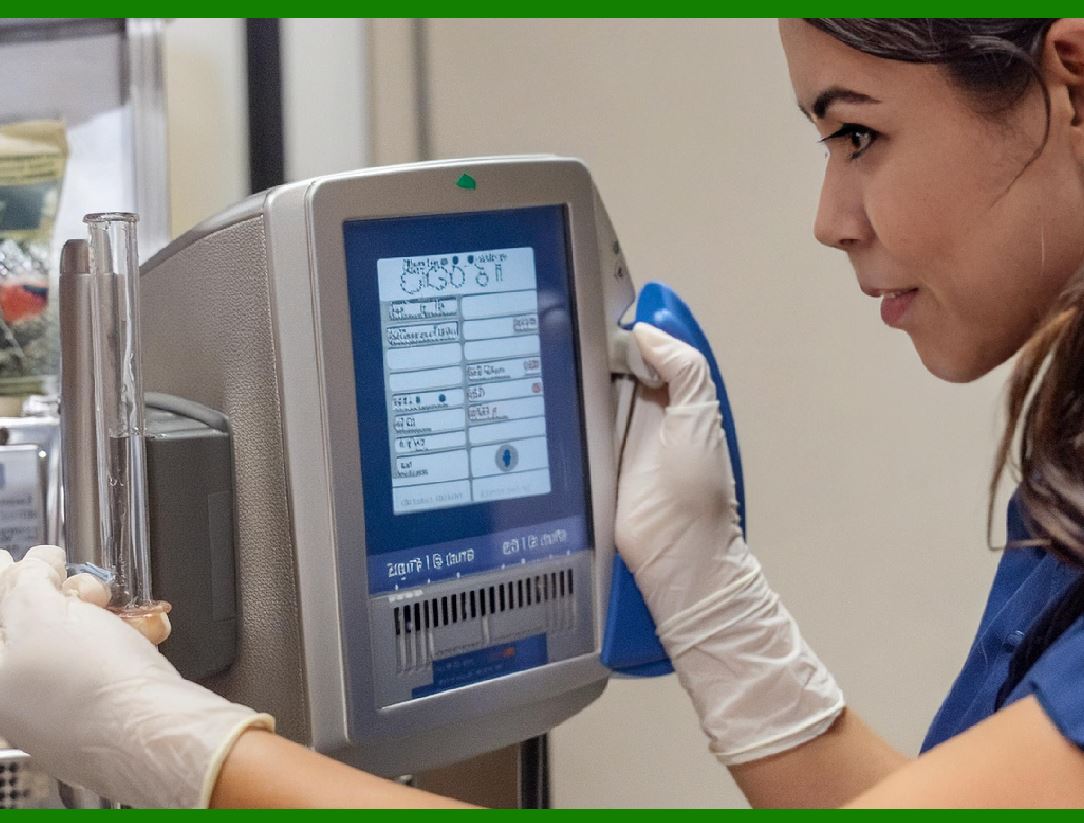
2.3 Hydrophobic and Oleophobic Coatings Hydrophobic (water-repellent) and oleophobic (oil-repellent) coatings are already being used to improve the performance of labels in environments where exposure to liquids is frequent. These coatings prevent liquids from adhering to the surface, which can help prevent oils, solvents, or cleaning agents from compromising the label's integrity. Hydrophobic and oleophobic treatments can be applied to polyester, polypropylene, or polyethylene, improving the labels' ability to withstand exposure to oils, greases, and solvents. |
For instance, some companies have started integrating fluoropolymer coatings or nano-coatings into their labels. These coatings not only improve resistance to chemicals but also reduce the tendency for dirt and grime to build up on the label, maintaining readability and adhesive properties over time. |
|
3. Improved Polymer Blends and Composites |
3.1 Polymer Blends One way to improve the chemical resistance of barcode labels is through the use of advanced polymer blends. By combining different polymers with complementary properties, manufacturers can create label materials that offer better performance under chemical exposure than single-polymer materials. For example, blends of polyester with other materials, such as polyether ether ketone (PEEK), may offer superior resistance to acids and alkalis while maintaining flexibility and ease of printing. |
3.2 Reinforced Polymers Reinforced polymers that incorporate glass fibers, carbon fibers, or aramid fibers are another innovation in barcode label materials. These fibers can enhance the mechanical properties of the label, providing improved resistance to physical damage while also increasing the chemical resistance of the material. Such composites can make barcode labels more resistant to harsh chemical environments, as well as improve their overall structural integrity. |
3.3 Biodegradable Polymers with Enhanced Resistance As sustainability becomes a higher priority in industrial applications, the development of biodegradable polymers that are also resistant to chemicals is gaining traction. New biodegradable materials combined with advanced chemical resistance coatings or treatments could offer the same durability as traditional plastics without the environmental impact. This could be particularly beneficial for industries looking to reduce their carbon footprint while maintaining high-quality label performance. |
|
4. UV-Curable Inks and Printing Technologies |
4.1 UV-Curable Inks UV-curable inks are another innovative technology that can improve the durability of barcode labels. These inks are cured using ultraviolet light, which hardens the ink almost instantly after printing. UV-curable inks tend to be more resistant to chemicals, abrasion, and environmental factors than traditional inks, making them an ideal choice for printing barcodes on labels that will be exposed to harsh conditions. Labels printed with UV-curable inks can maintain their clarity and legibility, even when exposed to oils, solvents, acids, and alkalis. |
4.2 Digital and Inkjet Printing Innovations Another development in printing technology is the advancement of digital and inkjet printing methods, which allow for more precise and durable printing on barcode labels. These printing technologies enable the use of higher-quality inks and materials, resulting in improved chemical resistance. The combination of high-resolution printing and advanced ink formulations can create barcode labels that retain their visibility and scannability, even after prolonged exposure to harsh chemicals. |

|
5. Smart Labels and Integrated Sensors |
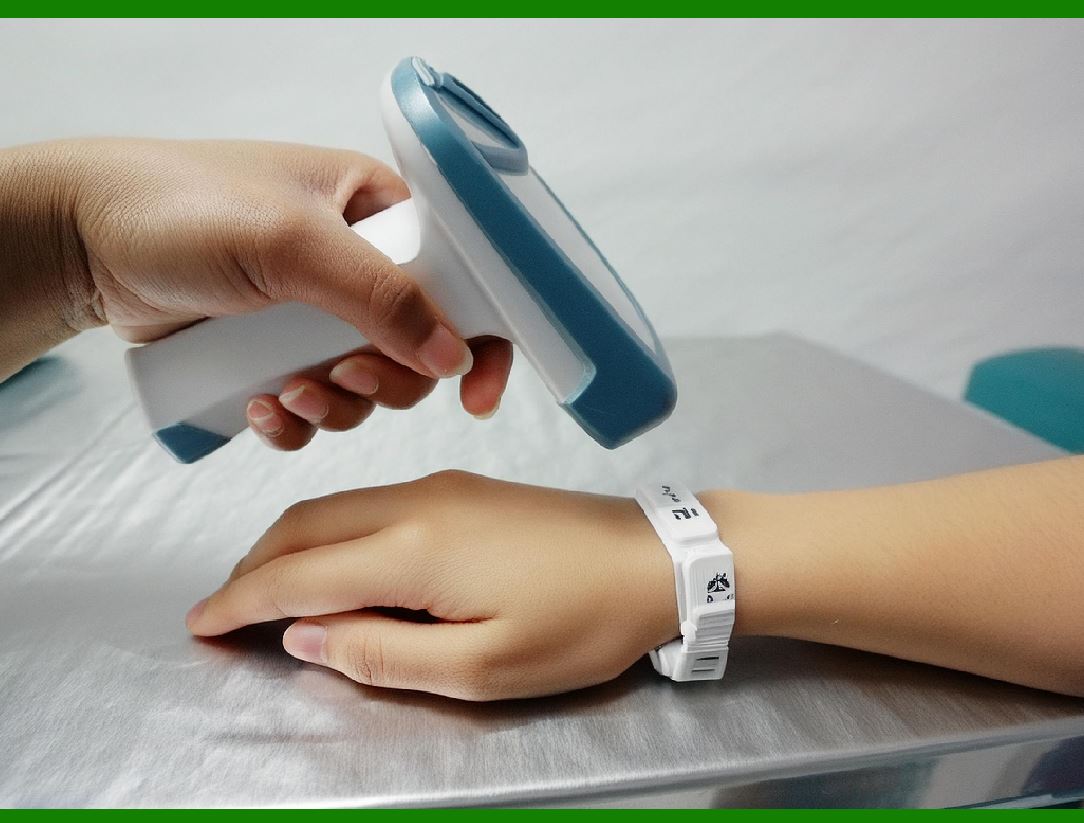
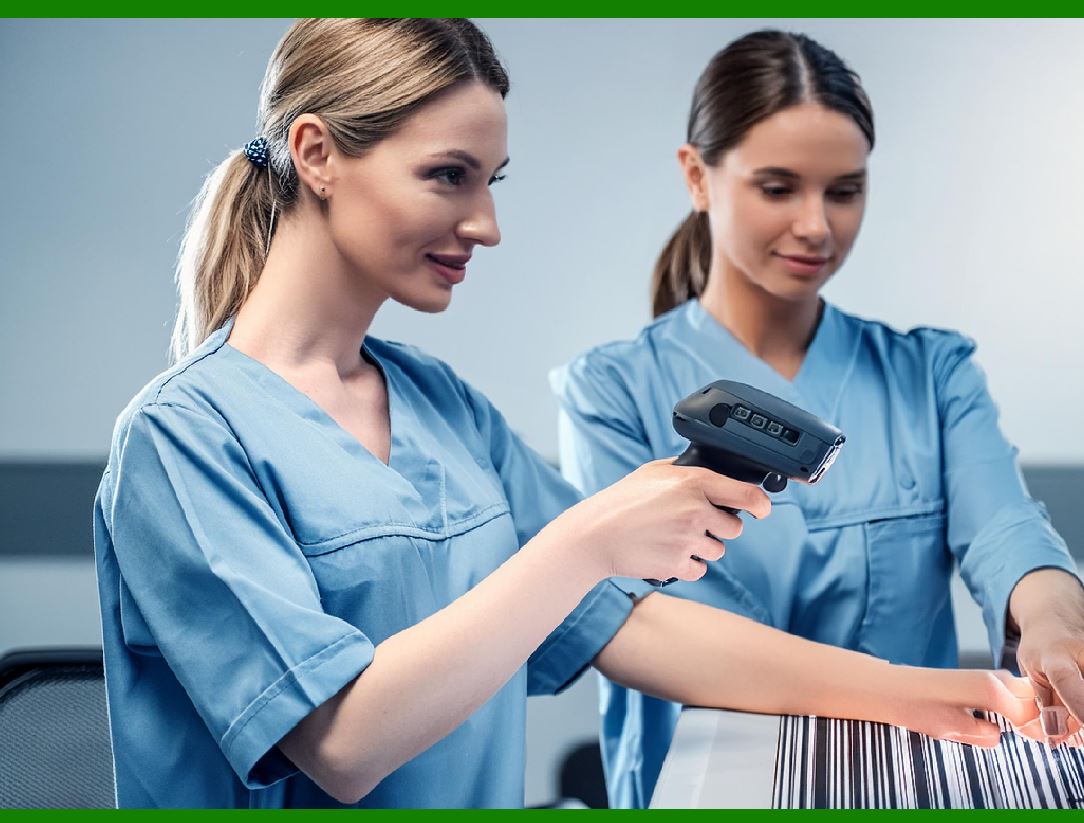
5.1 Smart Labels with Integrated Sensors Another exciting innovation that could improve the chemical resistance of barcode labels is the development of smart labels that integrate sensors and other monitoring devices. These labels can monitor their own condition and provide real-time information about their exposure to chemicals, temperature, or humidity. |
While this technology may not directly improve the chemical resistance of the material itself, smart labels could enhance the overall performance of barcode systems by alerting users when labels are at risk of degradation. For example, a sensor embedded in the label could detect when the label is exposed to a particular chemical or when the label's adhesive properties are weakening due to chemical exposure. This information could be used to replace the label before it fails, ensuring the barcode remains scannable and reliable. |
5.2 RFID-Enabled Labels In addition to smart labels with integrated sensors, Radio Frequency Identification (RFID) technology is becoming more common in barcode labels. RFID tags embedded in labels can improve durability and performance, as they allow for the tracking and monitoring of goods without requiring direct visual scanning of barcodes. While RFID technology itself doesn't necessarily improve chemical resistance, it can be used alongside more resilient materials and coatings to create a more durable labeling system for environments where chemical exposure is common. |
|
6. 3D Printing and Customization of Barcode Labels |
6.1 Customizable 3D Printing for Labels 3D printing is a rapidly growing technology that allows for the creation of highly customized and complex objects. In the context of barcode labels, 3D printing could allow manufacturers to develop highly specific label materials that are optimized for different chemical environments. For example, 3D printing could allow for the creation of multi-layered barcode labels, where each layer is optimized for different types of chemical resistance. |
Custom printing could also enable the production of labels that are more resilient to chemicals in specific sectors. Industries that deal with very specialized chemicals could use 3D printing to develop barcode labels tailored to their specific needs, improving the longevity and reliability of labels even in extreme environments. |

|
7. Sustainability and Environmental Impact |
7.1 Focus on Environmentally Friendly Materials In addition to improving chemical resistance, there is an increasing focus on creating barcode labels that are both durable and environmentally friendly. New developments in biodegradable, non-toxic, and recyclable materials are helping address environmental concerns. Some of these materials, such as biodegradable polyesters and plant-based plastics, can be formulated to provide resistance to chemicals while maintaining their eco-friendly properties. |
As sustainability becomes more important across industries, the combination of chemical resistance and environmental responsibility will likely lead to innovations in both the materials used for barcode labels and the processes used to manufacture them. |
Conclusion |
The technology surrounding barcode labels is evolving rapidly, with innovations aimed at improving their chemical resistance, durability, and performance. From nanotechnology to self-healing coatings, reinforced polymer blends, and advanced printing techniques, there are many promising developments on the horizon. These innovations will help industries ensure that their barcode labels can withstand exposure to oils, solvents, acids, alkalis, and cleaning agents, reducing the need for frequent label replacements and increasing operational efficiency. Furthermore, the incorporation of smart technologies and sustainability considerations will contribute to the future of more resilient, high-performance barcode labeling systems. |

|
Case Studies: Improving Chemical Resistance in Barcode Labels |
Here are some real-world case studies that illustrate how industries have addressed the challenges of chemical exposure to barcode labels, utilizing new materials, technologies, and strategies for improving performance in harsh environments. |
1. Case Study: Automotive Industry - Using Polyester and Advanced Coatings for Oil and Solvent Resistance |
Industry: Automotive Manufacturing |
Problem: |
In automotive manufacturing plants, barcode labels are exposed to various chemicals, including oils, lubricants, degreasers, and solvents. The harsh environment of automotive assembly lines, where parts are often immersed in oils or subjected to cleaning agents, posed significant challenges for maintaining the legibility and adhesive strength of barcode labels. |
Solution: |
A leading automotive manufacturer needed to ensure the durability and readability of barcode labels in environments where oils and solvents were routinely present. The company decided to switch to polyester-based barcode labels combined with advanced protective coatings. The protective coatings included hydrophobic and oleophobic coatings, which made the labels resistant to oils and greases commonly used in the automotive assembly process. |
Additionally, UV-curable inks were used to print the barcodes, improving both the clarity of the print and its resistance to solvents. Polyester was chosen for its outstanding chemical resistance, while the coatings offered an additional barrier against chemical degradation. |
Outcome: |
The use of polyester labels with specialized coatings allowed the company to significantly extend the lifespan of barcode labels in its production environment. The labels remained legible even after repeated exposure to oil-based substances and solvents, leading to improved operational efficiency as workers could quickly scan and track parts without having to replace labels. This approach also reduced downtime associated with label failures, leading to more streamlined production cycles. |
|
2. Case Study: Pharmaceutical Industry - Self-Healing Coatings for Harsh Chemical Exposure |
Industry: Pharmaceutical Manufacturing |
Problem: |
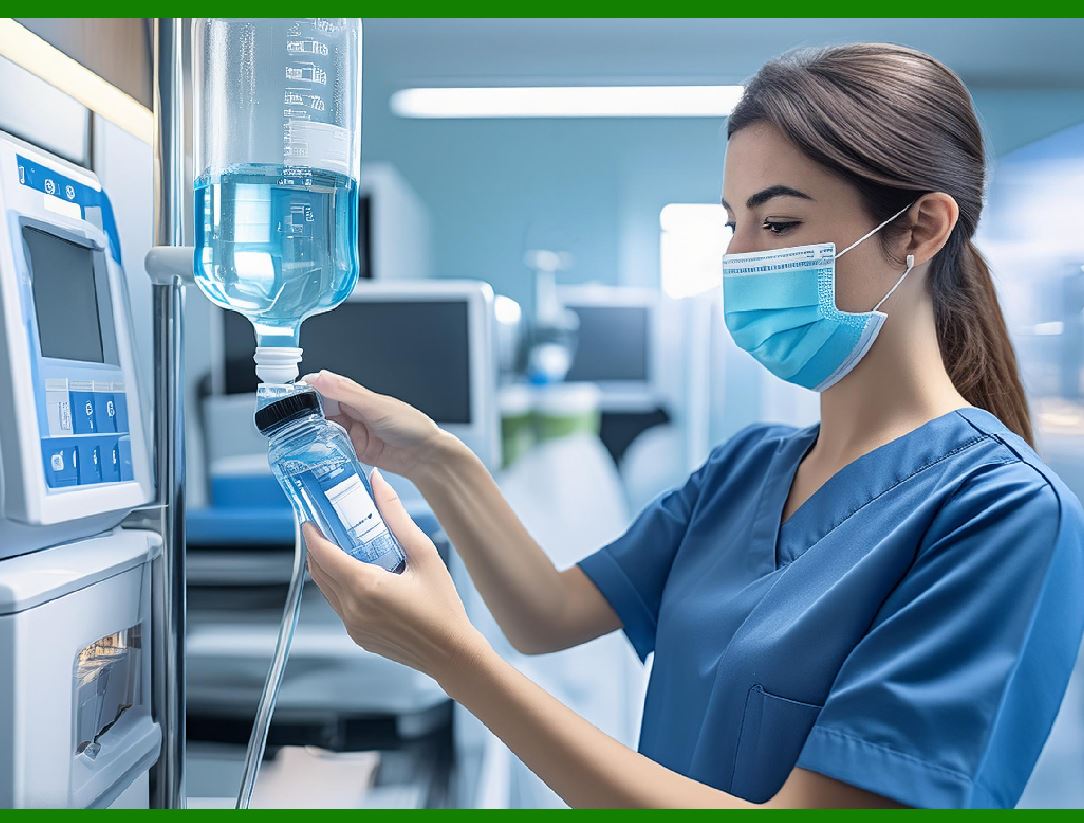
In pharmaceutical manufacturing, barcode labels are exposed to a variety of cleaning agents, solvents, and harsh chemicals used in laboratory environments and production lines. The challenge was maintaining the legibility of barcode labels, especially in areas where frequent cleaning with harsh disinfectants was necessary, such as sterile areas and laboratories. |
Solution: |
A pharmaceutical company sought a solution to prevent barcode labels from degrading due to exposure to cleaning agents such as bleach, alcohol, and disinfectants. The company partnered with a label manufacturer to develop a self-healing coating that would be applied to the barcode labels. |
This self-healing coating used microencapsulated healing agents, which would be released to repair minor scratches and chemical damage when the label surface was compromised. The self-healing mechanism was especially beneficial in environments with high-touch areas where chemicals or physical abrasion could potentially degrade label surfaces. |
In addition to the self-healing coating, the barcode labels were produced with a polyester substrate for its superior chemical resistance properties, especially in environments requiring frequent cleaning with solvents. |
Outcome: |
The pharmaceutical manufacturer saw significant improvements in label durability and longevity. Barcode labels with self-healing coatings maintained their scannability, even after extensive exposure to disinfectants and cleaning agents. Additionally, the labels' ability to repair minor damage meant that replacements were less frequent, resulting in cost savings and fewer operational interruptions. |
The labels were able to withstand the harsh chemical environment of pharmaceutical manufacturing, ensuring the reliability of their tracking system for regulatory compliance. |
|
3. Case Study: Food Processing Industry - Waterproof and Chemical-Resistant Labels for Harsh Sanitation |
Industry: Food Processing |
Problem: |
In the food processing industry, barcode labels are regularly exposed to water, detergents, bleach, and other cleaning agents during sanitation procedures. The challenge was finding a barcode label material that could resist frequent exposure to water and strong cleaning agents without degrading or losing adhesion, especially in high-temperature environments. |
Solution: |
A food processing company needed barcode labels that could endure the cleaning process, which involved the use of harsh alkaline detergents, sanitizers, and high-pressure water. The company implemented polypropylene-based labels with oleophobic and hydrophobic coatings to enhance their resistance to water and oils, which are frequently present in the food processing environment. |
Additionally, the company adopted UV-cured ink for printing the barcodes. The ink was highly resistant to the effects of cleaning chemicals and environmental conditions, ensuring the labels remained legible despite frequent washing cycles. |
Outcome: |
The polypropylene-based barcode labels with specialized coatings performed exceptionally well under the harsh conditions of the food processing plant. The labels resisted water, cleaning agents, and oils, maintaining their readability and adhesion. The use of UV-cured ink ensured that the barcodes stayed visible even after repeated exposure to chemicals, reducing the need for label replacement. As a result, the company improved its inventory tracking and operational efficiency, and reduced waste associated with replacing damaged labels. |

|
4. Case Study: Chemical Manufacturing - Polyethylene Labels with Advanced Reinforced Coatings |
Industry: Chemical Manufacturing |
Problem: |
In a chemical manufacturing facility, barcode labels were exposed to a wide range of hazardous chemicals, including acids, alkalis, solvents, and other corrosive substances. The challenge was to develop a label that could withstand direct exposure to aggressive chemicals without degrading or becoming unreadable. |
Solution: |
The chemical manufacturer adopted reinforced polyethylene labels with an advanced polymer blend designed specifically to improve resistance to both acids and alkalis. In addition to this base material, the labels were treated with a chemical-resistant coating to provide an additional layer of protection. |
The coating was based on a combination of fluoropolymer and silica nanoparticles, which helped create a durable, chemical-resistant surface. The labels were also printed using solvent-resistant ink, ensuring that the barcode would remain scannable even when exposed to harsh chemicals. |
Outcome: |
The new polyethylene labels with reinforced coatings proved to be highly effective in withstanding the aggressive chemicals found in the manufacturing facility. Even after prolonged exposure to acids, alkalis, and solvents, the barcode labels remained readable and functional, reducing label failure rates. This resulted in increased uptime and fewer disruptions in production processes, as well as a reduction in operational costs related to label replacement. |

|
5. Case Study: Electronics Manufacturing - UV-Curable Inks for Harsh Solvent Exposure |
Industry: Electronics Manufacturing |
Problem: |
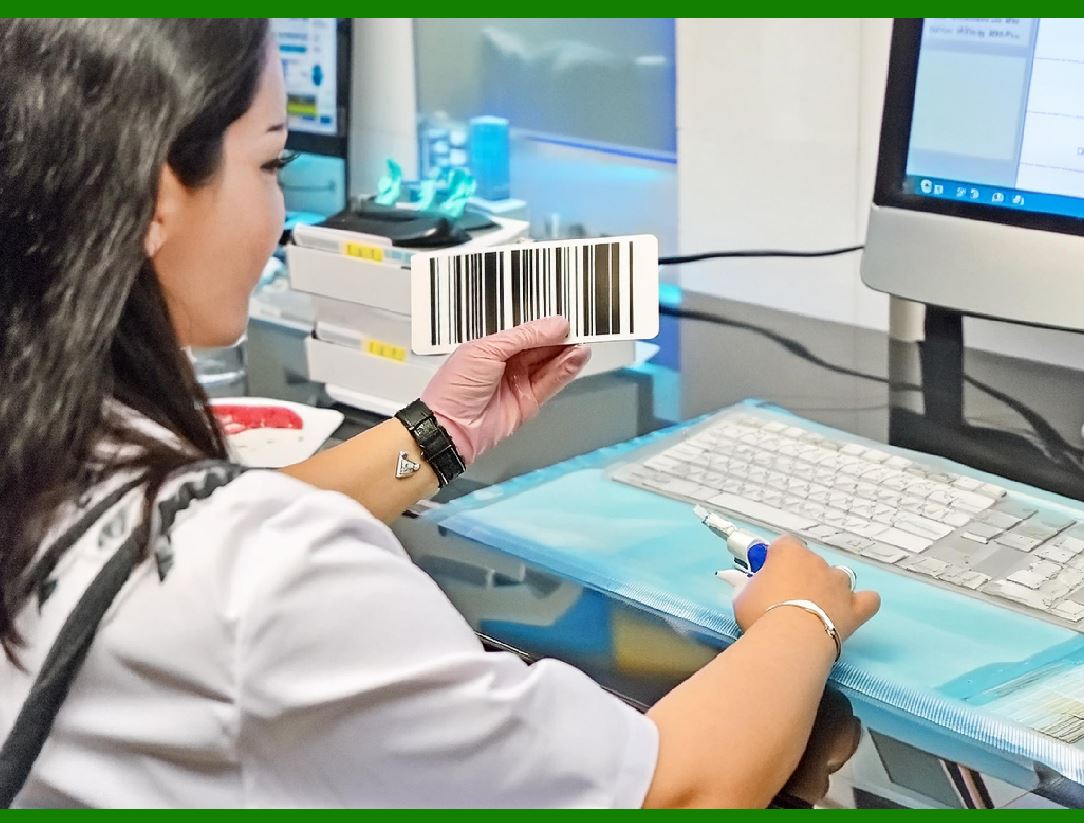
In the electronics manufacturing industry, barcode labels are often exposed to solvents such as acetone, isopropyl alcohol, and various cleaning agents used in the assembly and maintenance of electronic components. The challenge was ensuring that barcode labels remained readable and intact despite exposure to these solvents. |
Solution: |
The company implemented UV-curable inks for printing barcodes on polyester labels, as UV-curable inks are more resistant to solvents and chemicals than traditional printing methods. Additionally, the labels were coated with a chemical-resistant layer to provide extra protection against solvent exposure. |
The UV-curable inks were particularly advantageous because they allowed for high-resolution printing, which was essential for maintaining scannability in the high-precision environment of electronics manufacturing. The polyester material was chosen for its excellent resistance to a variety of solvents, and the added chemical-resistant coating ensured that the labels could withstand direct contact with cleaning agents. |
Outcome: |
The use of UV-curable inks and chemical-resistant coatings on polyester labels significantly improved the durability of barcode labels in the electronics manufacturing environment. The labels maintained their readability even after prolonged exposure to solvents and cleaning agents, helping the company improve production efficiency. Barcode scanning accuracy was also enhanced, which allowed for better inventory management and tracking of electronic components. |
|
Conclusion |
These case studies highlight how different industries have successfully addressed the challenge of chemical resistance in barcode labels by utilizing new materials, coatings, and printing technologies. Whether through the use of polyester-based labels, self-healing coatings, UV-curable inks, or reinforced polymer blends, companies have been able to improve the durability and performance of barcode labels, even in the harshest environments. As the technology behind barcode labels continues to advance, industries will have more options for ensuring the longevity and reliability of their labeling systems, ultimately reducing costs and improving operational efficiency. |
 cs@easiersoft.com