1. Introduction: Understanding the Importance of Moisture and Water Resistance in Barcode Label Paper |
Barcode labels are essential in modern logistics, inventory management, and retail systems. They are used to track items, streamline processes, and ensure accuracy in operations. However, in environments exposed to high moisture levels, these labels face unique challenges. Whether it's a warehouse subject to temperature fluctuations, a kitchen with high humidity, or outdoor shipping conditions where rain is a concern, barcode labels must be designed to resist water and moisture to maintain their functionality and readability. |
The importance of moisture and water resistance in barcode label paper cannot be overstated. Without the right level of protection, barcode labels can degrade, leading to smudging, fading, peeling, or detachment. Such failures can disrupt operations, cause inventory discrepancies, or even result in financial losses due to errors in tracking. This article explores the various factors that contribute to moisture and water resistance in barcode labels, the materials used, and best practices for choosing the right label for different environments. |
|
2. The Challenges of Moisture in Barcode Labeling |
Moisture, in the form of water vapor or liquid, poses several challenges for barcode labels, which are typically made from paper or synthetic materials. These materials, while functional in dry conditions, often struggle when exposed to damp or wet environments. |
Paper-Based Labels: Traditional paper-based barcode labels are prone to absorb moisture from the environment. When exposed to water, paper tends to swell, soften, and lose its structural integrity. This can distort or tear the label, making the barcode difficult or impossible to scan. Moreover, inkjet-printed barcodes are particularly vulnerable, as the ink can smudge or run when exposed to moisture. |
Humidity and Condensation: In humid environments, such as freezers, kitchens, or warehouses, condensation can accumulate on surfaces, including barcode labels. This moisture can cause similar issues to direct water exposure, leading to label degradation, smearing, and eventual failure. The constant cycling of temperature and humidity also adds to the label's vulnerability over time. |
|
3. Material Choices for Waterproof and Moisture-Resistant Barcode Labels |
To combat these challenges, manufacturers of barcode labels have developed various moisture-resistant materials. These materials offer a higher degree of durability, ensuring that labels can withstand damp, wet, and humid conditions. The key materials used in the production of moisture-resistant barcode labels are: |
Synthetic Paper: Synthetic paper is a common material used for barcode labels designed for moisture resistance. Unlike traditional paper, synthetic paper is made from plastic resins such as polypropylene or polyethylene. These materials are inherently resistant to water and moisture. Synthetic paper labels are ideal for environments where regular exposure to moisture is common, such as food packaging, pharmaceuticals, and industrial applications. They maintain their strength, clarity, and adhesive properties even when wet. |
Vinyl: Vinyl is another popular material for waterproof barcode labels. It is highly resistant to both moisture and abrasion, making it suitable for harsh environments, including outdoor use. Vinyl labels are flexible, durable, and can adhere to a variety of surfaces, including those that are slightly textured or irregular. Their resistance to water ensures that the barcode remains intact and legible even under constant exposure to moisture. |
Polyester (PET): Polyester is a robust material known for its moisture resistance and durability. Polyester barcode labels are commonly used in industrial settings where exposure to water, oils, and chemicals is frequent. These labels are less prone to shrinking, curling, or tearing when exposed to moisture, which helps maintain the integrity of the barcode. Polyester is also resistant to fading, which ensures that the barcode remains readable even after prolonged exposure to sunlight or other environmental elements. |
Polypropylene (PP): Polypropylene is another type of synthetic material used in the production of waterproof barcode labels. It is known for its excellent resistance to water, as well as oils, chemicals, and UV light. Polypropylene labels are lightweight, flexible, and durable, making them an ideal choice for barcode labeling in a wide range of environments, including outdoor and industrial settings. |
Polyethylene (PE): Polyethylene is a low-density polymer that is highly resistant to moisture. It is often used for barcode labels that need to withstand exposure to water, including labels for outdoor applications, such as shipping, logistics, and agriculture. Polyethylene labels are strong, tear-resistant, and provide a long-lasting solution in wet conditions. |
|
4. Waterproof Coatings and Adhesives |
In addition to the material itself, the coating and adhesive used in barcode labels play a critical role in ensuring their resistance to water and moisture. A label may be made from a waterproof material, but without the right coating and adhesive, it could still fail in a wet environment. |
Waterproof Coatings: Many barcode labels, particularly those made from paper, are treated with specialized waterproof coatings to improve their resistance to moisture. These coatings prevent the label from absorbing water and protect the printed text or barcode from smudging. Coatings can also provide additional UV protection, ensuring that labels retain their clarity and readability even in outdoor settings. |
Polymer Coatings: A common method of coating paper-based labels involves the application of a polymer layer. This thin layer of polymer, often made from materials such as acrylic or polyurethane, creates a waterproof barrier that prevents moisture from penetrating the label. The polymer coating also enhances the label's resistance to abrasion, extending the label's useful life. |
Laminated Coatings: Another method for enhancing the moisture resistance of barcode labels is the use of a laminated coating. A laminate film, usually made from clear plastic, is applied over the label's surface. This provides an additional protective layer that helps shield the barcode from water, dirt, and other environmental factors. |
Water-Resistant Adhesives: The adhesive used on barcode labels is just as important as the material and coating in determining the label's ability to resist water. Many adhesives, especially those used in harsh environments, are formulated to remain strong and effective even in wet conditions. |
Acrylic Adhesives: Acrylic-based adhesives are commonly used for waterproof barcode labels. These adhesives are known for their excellent bond strength and resistance to moisture. Acrylic adhesives can be used on a wide range of surfaces, including both porous and non-porous materials. They maintain their adhesive properties even when exposed to water or humidity. |
Rubber-Based Adhesives: Rubber-based adhesives are also used in some waterproof barcode labels. These adhesives are known for their superior adhesion to difficult surfaces, such as textured or uneven materials. While rubber adhesives are not always as water-resistant as acrylic adhesives, they are still suitable for environments where occasional exposure to moisture is expected. |
Hot Melt Adhesives: Hot melt adhesives are used in the production of some moisture-resistant barcode labels. These adhesives are applied in a molten form, bonding securely to the label's surface. Hot melt adhesives are especially useful in situations where the label needs to be applied at high speeds, such as in manufacturing or packaging operations. |
|
5. Factors to Consider When Selecting Barcode Labels for Wet Environments |
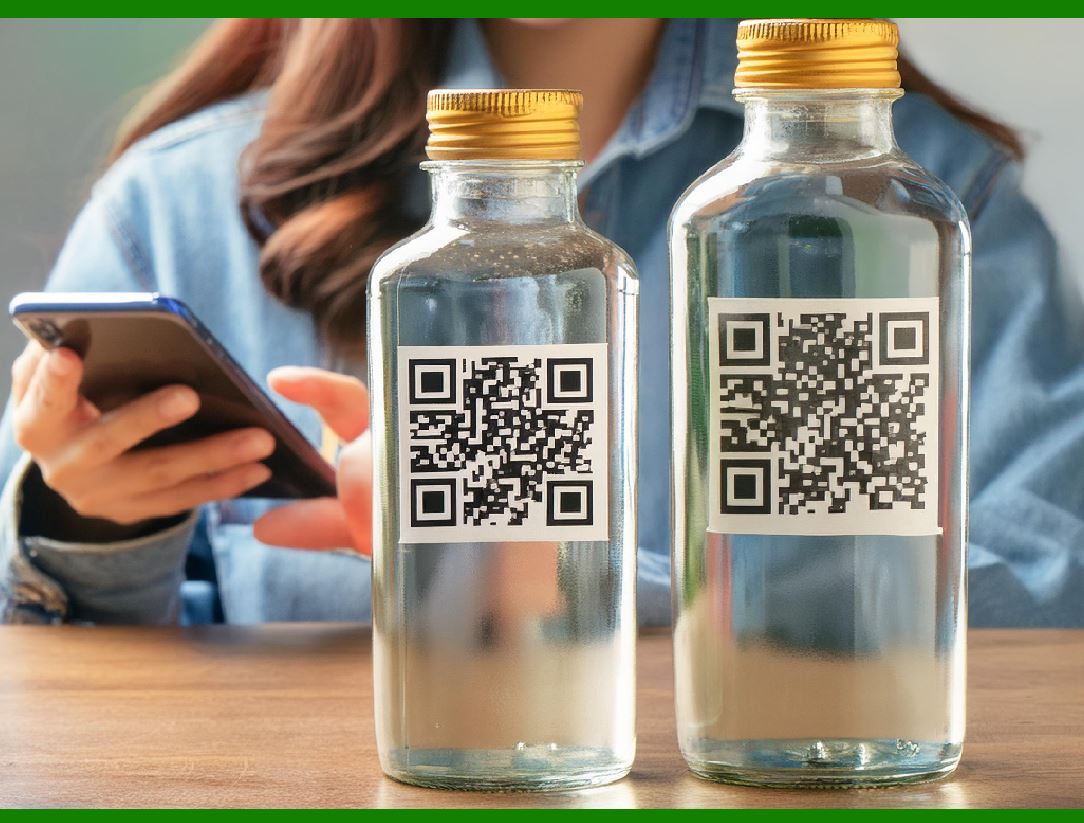
When choosing barcode labels for environments where moisture or water is a concern, there are several factors that need to be considered to ensure that the labels will perform as expected. |
Environment Type: The specific conditions in which the barcode labels will be used are critical to the selection process. For example, labels used in a high-humidity environment, such as a cold storage warehouse or refrigerated section of a supermarket, will need to be more resistant to condensation and freezing temperatures than labels used in a dry warehouse. Labels for outdoor use need to be UV-resistant in addition to being waterproof. |
Print Method: The method used to print the barcodes also influences the moisture resistance of the label. Thermal transfer printing, which uses heat to transfer ink to the label material, is often more durable and moisture-resistant than direct thermal printing, which uses heat-sensitive paper that can be affected by moisture. |
Temperature Fluctuations: Some environments subject barcode labels to extreme temperature changes. For example, labels used in freezers or in outdoor shipping may need to withstand freezing temperatures and rapid thawing. Materials that remain stable under these conditions, such as polyester and vinyl, are better suited for such applications. |
Durability and Longevity: Barcode labels in wet environments need to last for an extended period without losing their legibility or functionality. Materials like synthetic paper, polyester, and vinyl are designed for long-term use, even in challenging conditions. Depending on the application, the label's lifespan can range from several months to multiple years. |
|
6. Applications for Waterproof Barcode Labels |
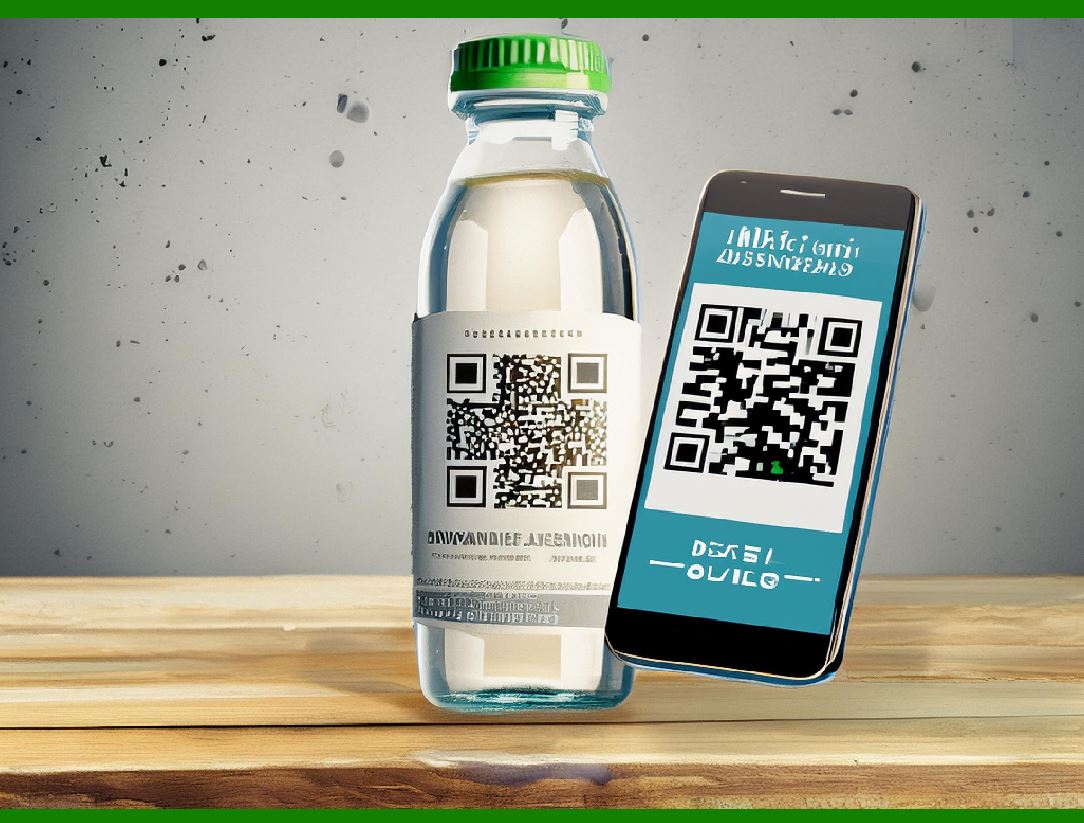
Waterproof barcode labels are used in a wide range of industries and applications where exposure to moisture or water is frequent. Some of the most common applications include: |
Warehousing and Distribution: In warehouses and distribution centers, barcode labels are exposed to varying degrees of humidity and temperature changes. Labels that are moisture-resistant are essential for tracking inventory, ensuring that items are properly identified and traceable even in moist or wet conditions. |
Food and Beverage Industry: In kitchens, food processing plants, and beverage manufacturing facilities, barcode labels are exposed to high levels of moisture from washing, condensation, and spills. Waterproof barcode labels are essential for ensuring that products remain properly labeled and tracked throughout the production and packaging processes. |
Outdoor and Shipping: Waterproof barcode labels are used in shipping, logistics, and inventory tracking, especially for goods that are exposed to the elements during transportation. These labels are crucial for maintaining accurate tracking and identification, even when exposed to rain, snow, or humidity. |
Medical and Pharmaceutical Industry: In the medical and pharmaceutical sectors, barcode labels are often exposed to moisture, especially in hospitals, clinics, or labs where items are washed or exposed to humidity. Waterproof labels ensure that medical equipment, medications, and supplies can be properly identified, even under wet conditions. |
|
7. Conclusion |
Choosing the right barcode label for environments exposed to moisture or water is critical to ensuring the integrity and reliability of the labeling system. By selecting the appropriate materials, coatings, and adhesives, companies can ensure that their barcode labels will remain intact, legible, and functional even in wet and humid conditions. Waterproof synthetic materials like vinyl, polyester, and polypropylene, along with moisture-resistant coatings and adhesives, offer robust solutions for a wide variety of industries, from warehousing and logistics to food processing and medical applications. |
In environments where moisture is a concern, investing in the right barcode label is an essential step in maintaining operational efficiency and avoiding costly errors. Properly chosen and well-maintained waterproof barcode labels contribute to streamlined processes, improved accuracy, and reduced risks associated with label failure. |
|
Related chemical and material technologies |
1. Introduction to Chemical and Material Technologies in Barcode Labeling |
The effectiveness of barcode labels in moisture-prone environments depends heavily on the materials and chemical treatments used during their production. Advances in material science and chemical technologies have allowed for the development of more durable, water-resistant, and long-lasting barcode labels. This section explores the key chemical and material technologies involved in the creation of waterproof barcode labels, highlighting the innovations and treatments that make them more resilient against moisture, temperature fluctuations, and wear. |
|
2. Chemical Technologies in Waterproofing and Moisture Resistance |
Various chemical treatments and processes are applied to barcode labels to improve their resistance to moisture and water. These chemical technologies enhance the physical properties of the base materials and help to protect the labels in harsh environments. Key chemical technologies include: |
Waterproof Coatings and Laminates: As mentioned earlier, waterproof coatings play a critical role in enhancing the moisture resistance of barcode labels. These coatings are often made from polymers and other chemical compounds designed to prevent water absorption, smudging, and fading. Common chemical technologies used in waterproof coatings include: |
Acrylic Polymers: Acrylic-based polymers are frequently used to create clear, water-resistant coatings for barcode labels. These coatings form a protective layer over the label's surface, preventing moisture from permeating the material. Acrylic coatings also provide UV resistance, helping to protect the printed barcode from fading in outdoor conditions. |
Polyurethane Coatings: Polyurethane is another chemical compound commonly used for waterproof coatings. Polyurethane coatings offer excellent moisture resistance, abrasion resistance, and flexibility, making them ideal for labels that need to withstand rough handling and wet conditions. They can be applied as a liquid or film to enhance the label's water-resistant properties. |
Polyolefin Coatings: Polyolefins, such as polypropylene and polyethylene, are used in some labels as a coating to create a moisture-resistant surface. These materials are hydrophobic (water-repellent) and provide a durable, waterproof barrier that prevents water from affecting the label's integrity. |
Silicone-Based Coatings: Silicone is a versatile compound used in coatings for barcode labels. Silicone-based coatings are highly resistant to moisture, high temperatures, and UV light. They provide a protective layer that helps maintain the readability and adhesion of the label even in harsh environmental conditions, including wet, hot, or chemically harsh environments. |
Hydrophobic Treatments: In some cases, chemical treatments are applied to the surface of the label material to make it hydrophobic. Hydrophobic treatments cause water to bead up and roll off the surface, preventing moisture from soaking into the label and damaging it. These treatments are typically made from fluoropolymers or silanes, which are applied as a thin, invisible coating to the label's surface. |
Fluoropolymer Coatings: Fluoropolymers, such as polytetrafluoroethylene (PTFE), are chemical compounds known for their water-repellent properties. Fluoropolymer coatings create a barrier that repels water, preventing it from penetrating the label material. These coatings are particularly useful in extreme environments, such as those involving high moisture or chemicals, as they also offer resistance to oils and solvents. |
Silanes and Siloxanes: Silanes are silicon-based compounds used to create water-repellent surfaces. When applied to materials such as paper, plastic, or metal, silanes form a molecular layer that repels water and enhances the material's resistance to moisture. Siloxanes, which are closely related to silanes, can also be used to impart water resistance and improve the durability of the label in wet environments. |
|
3. Materials and Polymers in Waterproof Barcode Labels |
The choice of materials used in the production of barcode labels directly impacts their resistance to moisture and durability. Several advanced polymers and synthetic materials are employed to create waterproof barcode labels. These materials are chosen for their chemical resistance, flexibility, strength, and ability to resist moisture absorption. Some of the most commonly used materials include: |
Polyester (PET): Polyester is a widely used polymer for waterproof barcode labels. It is known for its chemical resistance, strength, and moisture resistance. PET labels are ideal for applications where the label needs to remain intact and legible despite exposure to water, chemicals, and physical wear. Polyester labels can withstand temperature fluctuations, humidity, and abrasion, making them suitable for harsh environments. |
Polypropylene (PP): Polypropylene is a versatile and durable polymer that is commonly used in waterproof barcode labels. It has excellent moisture resistance, chemical resistance, and flexibility. Polypropylene labels are lightweight, tear-resistant, and ideal for use in environments where exposure to water, oils, and chemicals is frequent. Polypropylene is also highly resistant to UV radiation, making it suitable for outdoor applications. |
Vinyl (PVC): Vinyl is a highly durable and flexible material that is resistant to both moisture and abrasion. PVC (polyvinyl chloride) is widely used in waterproof barcode labels, particularly in applications where the label needs to adhere to irregular or textured surfaces. Vinyl labels are often used in outdoor and industrial applications due to their high resistance to water, UV radiation, and physical stress. |
Polyethylene (PE): Polyethylene is a low-density polymer that is used in waterproof barcode labels, especially in shipping and outdoor applications. PE labels offer excellent resistance to moisture, chemicals, and UV light, making them ideal for use in harsh environments. Polyethylene is also highly resistant to tearing and puncturing, ensuring that the label remains intact even under challenging conditions. |
Tyvek: Tyvek is a brand of high-density polyethylene fibers used to create waterproof, tear-resistant labels. Tyvek labels are lightweight, durable, and water-resistant, making them ideal for applications where a high level of protection against moisture is needed. Tyvek is often used for barcode labeling in logistics, shipping, and inventory management, particularly in environments where the label will be exposed to water, dust, or harsh handling. |
|
4. Chemical Adhesives for Waterproof Labels |
In addition to the materials used for the label itself, the adhesive that bonds the label to the surface is a critical factor in ensuring moisture resistance. Chemical adhesives are formulated to create strong bonds while maintaining their performance in wet conditions. Common chemical adhesives used in waterproof barcode labels include: |
Acrylic Adhesives: Acrylic-based adhesives are often used in waterproof barcode labels due to their strong bonding capabilities and resistance to moisture. Acrylic adhesives are typically applied as a pressure-sensitive adhesive (PSA), which means that they form a bond when pressure is applied without the need for heat or solvents. Acrylic adhesives are known for their superior resistance to water, humidity, and temperature fluctuations, making them ideal for use in moist environments. |
Rubber-Based Adhesives: Rubber-based adhesives, especially those made from synthetic rubber compounds, are another option for waterproof barcode labels. These adhesives provide excellent adhesion to a variety of surfaces, including metals, plastics, and rough or textured materials. While they may not be as water-resistant as acrylic adhesives, rubber-based adhesives can still perform well in environments where moisture exposure is intermittent or less severe. |
Silicone Adhesives: Silicone adhesives are highly resistant to water, heat, and chemical exposure, making them an ideal choice for waterproof barcode labels in harsh environments. These adhesives create strong, durable bonds with a wide range of materials, and they maintain their adhesive properties even under high-moisture conditions. Silicone adhesives are often used for labels that need to withstand extreme temperatures, water, and chemicals. |
Hot Melt Adhesives: Hot melt adhesives are applied in a molten form and solidify upon cooling, creating a strong bond with the label surface. These adhesives offer good moisture resistance and are often used in high-speed label application processes. While hot melt adhesives may not be as resistant to water as silicone or acrylic adhesives, they are still suitable for environments where moisture exposure is moderate. |
|
5. Future Trends and Innovations in Chemical and Material Technologies |
As industries evolve and the demand for more durable and efficient barcode labels increases, new chemical and material technologies continue to emerge. Some of the key trends and innovations that are likely to shape the future of waterproof barcode labeling include: |
Biodegradable and Sustainable Materials: With increasing environmental concerns, there is a growing push toward the development of biodegradable or eco-friendly materials for barcode labels. Researchers are exploring the use of plant-based polymers, biodegradable plastics, and recyclable materials that can offer the same moisture resistance and durability as traditional synthetic materials, while reducing the environmental impact. |
Smart Coatings and Self-Healing Materials: Advances in nanotechnology and material science are leading to the development of 'smart' coatings for barcode labels. These coatings can respond to environmental stimuli, such as changes in temperature or humidity, and self-repair minor damages, such as cracks or scratches. Self-healing materials may offer enhanced durability and resistance to water, reducing the need for frequent label replacement. |
Hybrid Adhesives: The development of hybrid adhesives that combine the strengths of different chemical adhesives, such as acrylic and silicone, could provide even greater moisture resistance and flexibility. These hybrid adhesives could offer superior adhesion and performance in extreme conditions, including high humidity and wet environments. |
Nanotechnology for Enhanced Waterproofing: The application of nanotechnology in waterproof barcode labels could lead to the creation of ultra-thin, highly effective waterproof coatings. Nanomaterials, such as nanoparticles of silica, titanium dioxide, or graphene, could be used to create advanced waterproof coatings that are not only highly resistant to moisture but also lightweight, durable, and cost-effective. |
|
6. Conclusion |
Chemical and material technologies are at the heart of the development of waterproof and moisture-resistant barcode labels. From advanced polymers and waterproof coatings to specialized adhesives, these technologies ensure that barcode labels remain functional and legible even in the harshest, most water-prone environments. As the demand for more durable, sustainable, and efficient labels grows, continued advancements in material science and chemical engineering will likely lead to even more innovative solutions for barcode labeling. By leveraging these technologies, industries can ensure that their barcode labels withstand moisture, temperature changes, and wear, contributing to improved operational efficiency, accuracy, and longevity in a variety of applications. |
|
The detail of manufacturing technology and main manufacturers of this product. |
1. Introduction to the Manufacturing Technology of Waterproof Barcode Labels |
The manufacturing of waterproof barcode labels requires advanced production techniques to ensure that the labels meet specific performance standards, including moisture resistance, durability, and clarity. The process involves several steps that vary depending on the materials used, the adhesive properties required, and the intended application of the label. The primary focus is on ensuring that the label remains intact and legible even when exposed to water, humidity, or harsh environmental conditions. |
To meet these requirements, manufacturers employ a combination of cutting-edge technologies such as digital printing, thermal transfer printing, and coating processes. Additionally, advancements in material science and adhesive technology have enabled manufacturers to create labels with superior waterproofing capabilities and longevity. |
|
2. Manufacturing Process of Waterproof Barcode Labels |
The manufacturing process of waterproof barcode labels generally follows a systematic workflow that includes material selection, preparation, printing, coating, and quality control. Here's a breakdown of the key stages: |
2.1. Material Selection and Preparation |
The first step in the manufacturing process involves selecting the appropriate materials for the label substrate. Depending on the environmental conditions the label will face, manufacturers may choose from synthetic papers (e.g., polyester, polypropylene), vinyl, polyethylene, or specialized waterproof paper. These materials are chosen for their moisture resistance, flexibility, and durability. |
Once the base material is selected, it is prepared for further processing. This preparation may involve cleaning the material to remove any contaminants, cutting the material to the required size, and ensuring that it meets the specifications for use with the printing and adhesive applications. |
2.2. Printing Process |
Barcode labels require precise and high-quality printing to ensure that the barcode remains scannable under various conditions. The printing technology used depends on the type of label and the required print quality: |
Thermal Transfer Printing: This method uses a heated printhead to transfer ink from a ribbon onto the label substrate. The heat melts the ink, which then bonds to the surface of the material. Thermal transfer printing is preferred for producing waterproof barcode labels because it uses durable resin-based inks that are resistant to smudging, fading, and moisture. It is ideal for environments where the labels are exposed to frequent handling or harsh conditions. |
Direct Thermal Printing: Direct thermal printing uses heat-sensitive paper that darkens when exposed to heat. While this method is widely used for short-term applications (e.g., shipping labels, receipts), it is not the best choice for waterproof labels. This is because direct thermal prints are vulnerable to fading and degradation when exposed to moisture. However, advancements have been made in direct thermal materials that include protective coatings to improve moisture resistance. |
Flexographic Printing: Flexographic printing uses flexible plates and fast-drying inks to print designs onto the label substrate. This technique is commonly used for large-volume production of labels with high-speed printing requirements. It is particularly useful for printing on synthetic materials and for creating high-quality waterproof labels in bulk. |
UV Inkjet Printing: UV inkjet printing uses ultraviolet light to cure inks as they are applied to the surface. This method is highly effective for printing waterproof labels, as the UV inks cure quickly and form a protective layer that resists moisture and fading. This technology can produce high-resolution barcodes and graphics with excellent durability and water resistance. |
2.3. Coating and Laminating |
Once the printing is complete, the label surface is coated to enhance its water resistance and durability. This coating process is essential to prevent water from soaking into the label material and to protect the printed information, including the barcode. |
Acrylic or Polyurethane Coatings: These clear, flexible coatings are applied to the label surface to form a waterproof barrier. Acrylic and polyurethane coatings are popular choices because they offer excellent moisture resistance and clarity, allowing the printed barcode to remain readable even when exposed to moisture. |
Lamination: Lamination involves applying a thin, protective plastic film over the printed label. This film can be made from materials like polyester or polypropylene, which are highly resistant to water, oils, and UV light. Lamination helps extend the label's lifespan, especially in outdoor environments, by providing an additional layer of protection against water, dirt, and abrasion. |
Pressure-Sensitive Adhesive Coating: In some cases, a special adhesive layer is applied to the back of the label to ensure strong bonding. For waterproof labels, manufacturers typically use acrylic-based or rubber-based adhesives that maintain their adhesion properties even in wet conditions. |
2.4. Cutting and Finishing |
After the label has been printed and coated, it is cut into the desired shape and size. This process can involve: |
Die Cutting: Die cutting is used to create precise, custom shapes for labels. The label material is fed through a die, which cuts the label into the specified dimensions. Die cutting is commonly used for creating standard rectangular or square barcode labels, but it can also be used for unique shapes. |
Laser Cutting: Laser cutting uses high-powered lasers to cut through materials with extreme precision. This method is particularly useful for cutting through synthetic materials like polyester or polypropylene and can produce clean, detailed cuts without the need for a mechanical die. |
Once the labels are cut, they undergo a quality control check to ensure they meet the required specifications for size, shape, and print quality. The finished labels are then rolled onto sheets or rolls for easy application. |
2.5. Quality Control and Testing |
Quality control is an essential part of the manufacturing process for waterproof barcode labels. The labels undergo several tests to ensure that they meet the required standards for durability, readability, and moisture resistance. Common quality control tests include: |
Water Resistance Test: The labels are subjected to water exposure to determine their ability to withstand moisture without smearing, fading, or losing adhesion. This test ensures that the labels can maintain their functionality in wet or humid environments. |
Adhesion Test: The adhesive properties of the label are tested to ensure that the label will remain securely attached to various surfaces, even in wet conditions. |
Durability Test: The labels are subjected to conditions that simulate real-world usage, including exposure to temperature fluctuations, abrasion, and handling. This helps verify the label's long-term performance in the intended environment. |
|
3. Key Manufacturers of Waterproof Barcode Labels |
Several leading companies specialize in the production of waterproof barcode labels, each offering a range of products designed for different environmental conditions. These manufacturers utilize advanced printing and coating technologies to ensure their labels meet the highest standards of durability and moisture resistance. Below are some of the main manufacturers in the industry: |
3.1. Avery Dennison |
Avery Dennison is one of the largest global manufacturers of barcode labels and labeling solutions. The company offers a wide range of waterproof barcode labels made from materials such as vinyl, polyester, and polypropylene. Avery Dennison's labels are designed to withstand harsh environments, including exposure to water, chemicals, and temperature fluctuations. They provide custom solutions for industries such as logistics, retail, healthcare, and food packaging. Avery Dennison is known for using cutting-edge printing technologies and high-quality adhesives that ensure the durability and readability of their waterproof barcode labels. |
3.2. Zebra Technologies |
Zebra Technologies is a leading provider of barcode printing solutions, including durable, waterproof barcode labels. Zebra's waterproof labels are made from synthetic materials such as polyester and polypropylene, which are ideal for use in wet and harsh environments. The company offers a variety of options for waterproof labels, including direct thermal and thermal transfer labels, which are widely used in industrial and outdoor applications. Zebra Technologies is renowned for its advanced printing technologies and high-quality label solutions, which are trusted by many industries, including logistics, manufacturing, and healthcare. |
3.3. Brady Corporation |
Brady Corporation specializes in providing industrial labeling solutions, including durable and waterproof barcode labels. Their labels are designed to withstand extreme conditions, including exposure to water, chemicals, and abrasion. Brady offers a variety of waterproof label materials, including vinyl, polyester, and polyimide, that are suitable for applications in harsh industrial environments. The company's labels are commonly used in manufacturing, construction, and automotive industries, where durability and legibility are critical. |
3.4. Sato America, Inc. |
Sato America, a subsidiary of Sato Holdings Corporation, is a global leader in the barcode labeling industry, providing a wide range of waterproof and moisture-resistant labels. Sato's waterproof barcode labels are designed for industrial and retail applications, with a focus on durability and reliability. The company offers labels made from synthetic materials such as polyester and polypropylene, as well as custom solutions for specific environmental conditions. Sato is known for its advanced thermal transfer printing technology and offers durable waterproof labels for demanding applications. |
3.5. Dynic Corporation |
Dynic Corporation is a Japanese company known for its high-quality barcode label materials, including waterproof and moisture-resistant labels. Dynic's waterproof barcode labels are often used in applications such as logistics, outdoor shipping, and asset tracking, where durability and resistance to water are essential. The company offers a range of synthetic materials, including polyester and polyolefin, that are engineered to provide long-lasting performance in challenging environments. Dynic also offers custom labeling solutions tailored to specific customer requirements. |
3.6. Uline |
Uline is a well-known supplier of industrial and packaging products, including waterproof barcode labels. Uline offers a variety of waterproof labels made from materials such as polyester, vinyl, and polypropylene. These labels are designed to withstand moisture, temperature changes, and rough handling, making them suitable for use in warehouses, shipping, and industrial settings. Uline is known for its wide range of labeling products and its focus on providing cost-effective, durable solutions for businesses. |
|
4. Conclusion |
The manufacturing of waterproof barcode labels involves advanced material technologies, chemical coatings, and precision printing techniques to create labels that can withstand harsh environments. Key manufacturers like Avery Dennison, Zebra Technologies, Brady Corporation, Sato, Dynic, and Uline are at the forefront of developing high-quality waterproof barcode labels designed to perform reliably in industries ranging from logistics to healthcare. |
As demand for durable and moisture-resistant barcode labeling solutions grows, manufacturers continue to innovate, employing new technologies and materials to meet the evolving needs of their customers. With advancements in materials science, coating technologies, and printing processes, waterproof barcode labels will continue to play a vital role in maintaining operational efficiency and accuracy in industries that rely on robust identification systems. |
 cs@easiersoft.com