Barcode Label Paper: Resistance to Chemicals |
1.Introduction to Barcode Label Paper and its Importance |
Barcode labels are essential in industrial, commercial, and logistical operations, providing a way to easily track, manage, and identify products and inventory. These labels must withstand a range of challenging conditions, such as exposure to chemicals, temperature variations, and physical wear and tear. One of the most critical environmental factors affecting barcode labels in many industrial settings is exposure to chemicals, including oils, solvents, cleaning agents, and various other harsh substances. Ensuring that barcode labels remain legible, scannable, and durable in such environments is crucial to maintaining efficient operations and minimizing downtime. |
Chemical resistance is one of the most important characteristics to consider when selecting barcode label materials. In industries like manufacturing, pharmaceuticals, food processing, automotive, and logistics, where contact with chemicals is unavoidable, choosing the right barcode label material is key to ensuring long-term performance. Common materials used for barcode labels, such as polyester, polypropylene, and polyethylene, are selected based on their inherent chemical resistance. Moreover, protective coatings can significantly enhance the ability of these labels to resist damage from chemical exposure. This comprehensive discussion delves into the factors influencing chemical resistance in barcode label paper and explores how specific materials and coatings contribute to their durability. |
|
2.Chemical Exposure in Industrial Settings |
In industrial environments, chemicals are often used for cleaning, degreasing, lubricating, and disinfecting. Many industries use a range of substances that can be either volatile or harsh, potentially damaging labels if they are not resistant to such chemicals. The most common types of chemicals that barcode labels might come into contact with include oils, solvents, acids, alkalis, cleaning agents, and even food-grade chemicals used in the food processing industry. |
These chemicals can come into contact with barcode labels in various ways: |
Direct spills: Oils, cleaning solvents, or other chemicals may be spilled directly onto the label. |
Sprays and mists: In some industries, chemicals are used in aerosolized or mist forms that may land on labels. |
Cleaning processes: Labels in areas where cleaning agents are frequently used may be exposed to chemical residue or cleaners directly. |
High humidity environments: In environments with high moisture, the condensation or droplets formed may carry chemical contaminants onto labels. |
Given these conditions, barcode labels need to be made from materials that can withstand chemical exposure without degrading or becoming illegible. |

|
3.Material Selection for Barcode Labels |
The selection of appropriate materials is crucial in ensuring that barcode labels are resistant to chemicals. Several materials are commonly used for barcode labels, with each offering distinct advantages depending on the type of exposure the label will face. |
Polyester (PET): Polyester is one of the most commonly used materials for barcode labels, particularly in environments where chemical resistance is essential. Polyester is a durable, synthetic polymer known for its resistance to a wide range of chemicals, including oils, solvents, acids, and alkalis. It is resistant to both high and low temperatures, which makes it ideal for use in extreme conditions. Polyester labels are often used in the automotive, manufacturing, and laboratory industries, where exposure to harsh chemicals and high temperatures is frequent. Additionally, polyester labels offer excellent moisture resistance, which helps maintain the clarity and scannability of the barcode. |
Polypropylene (PP): Polypropylene is another widely used material for barcode labels, particularly in industries where resistance to oils, greases, and other solvents is critical. Polypropylene is a versatile material that provides good chemical resistance, though it may not perform as well as polyester in high-temperature environments. However, polypropylene labels offer better flexibility, making them suitable for applications that involve bending, stretching, or movement, such as in the retail and shipping sectors. Polypropylene is commonly used for barcode labels that require moderate resistance to chemicals like oils and cleaning agents but do not need to withstand extreme temperatures or harsh chemical exposure over long periods. |
Polyethylene (PE): Polyethylene is a widely used material for labels in applications where exposure to chemicals such as acids, alkalis, or detergents is expected. Polyethylene labels provide a high degree of chemical resistance, especially when exposed to water-based chemicals. They are often used in industries like food processing and logistics, where resistance to basic cleaning agents and mild chemicals is important. Polyethylene is also resistant to moisture, which helps prevent label degradation over time. However, polyethylene may be less durable under extreme temperature conditions than polyester, which is why it is typically used for applications that do not involve high heat. |
|
4.Chemical Resistance Properties of Common Chemicals |
To understand how barcode label materials perform under chemical exposure, it is important to examine the chemical resistance of these materials against specific substances commonly found in industrial settings. The following are some key chemical categories and the impact they can have on barcode labels: |
Oils and Greases: Oils, lubricants, and greases are commonly used in automotive, manufacturing, and mechanical industries. Barcode labels made from polyester and polypropylene are highly resistant to oil-based substances, allowing labels to maintain their integrity in environments where oil spills or splashes are common. However, polyethylene labels may show some degradation when exposed to oil, as the material is not as resistant to non-polar substances as polyester and polypropylene. |
Solvents: Industrial and laboratory environments often involve the use of solvents like acetone, isopropyl alcohol, and other degreasers. These chemicals can cause damage to labels that do not have sufficient solvent resistance. Polyester labels are highly resistant to many solvents, including acetone and alcohol, making them ideal for use in laboratories and other settings where solvent exposure is frequent. Polypropylene, while generally resistant to many solvents, may be more susceptible to certain harsh chemicals. Polyethylene is the least resistant of the three materials to solvents and should be avoided in environments where solvents are regularly used. |
Acids and Alkalis: In certain industrial settings, barcode labels may be exposed to acidic or alkaline substances, such as cleaning agents or manufacturing chemicals. Polyester provides excellent resistance to both acids and alkalis, making it suitable for environments where such chemicals are in regular use. Polypropylene also has good resistance to acids and alkalis, although it is not as resistant as polyester. Polyethylene, while somewhat resistant to acids, is less durable when exposed to alkaline substances and may degrade more quickly in such environments. |
Cleaning Agents: Cleaning agents like detergents, bleach, and disinfectants are frequently used in industries such as food processing and healthcare. These chemicals can be particularly damaging to barcode labels if they are not resistant enough. Polyester is one of the best materials for withstanding the harsh effects of cleaning agents. Its ability to resist both alkaline and acidic cleaning agents ensures that barcode labels maintain their legibility and adhesive properties even in environments that require frequent cleaning. Polypropylene and polyethylene labels are also resistant to many common cleaning agents, though they may not offer the same level of durability as polyester under heavy use. |
|
5.Protective Coatings to Enhance Chemical Resistance |
While the material selection plays a crucial role in determining the chemical resistance of barcode labels, additional protective coatings can be applied to further enhance the durability and chemical resistance of the labels. Coatings can provide an extra layer of protection against aggressive chemicals and can extend the lifespan of barcode labels in harsh environments. |
Top Coatings: Top coatings are often applied to labels made from polyester, polypropylene, or polyethylene to improve resistance to chemicals, UV light, and abrasion. These coatings create a protective barrier on the surface of the label, preventing chemicals from directly interacting with the base material. For example, a UV-resistant coating can prevent fading and degradation of the barcode, while an abrasion-resistant coating can protect the label from physical wear caused by frequent handling or machinery. In many cases, these coatings also improve the adhesion of the label to surfaces, ensuring that the label stays in place despite exposure to chemicals. |
Laminates: A laminated layer is another option for enhancing chemical resistance. Lamination involves applying a thin film of material, such as clear polyester or polypropylene, over the label to protect it from chemical exposure. Laminates can provide superior chemical resistance, as well as moisture resistance and abrasion resistance. For applications where barcode labels are exposed to harsh chemicals for extended periods, laminated labels are often the best choice. The laminated surface ensures that the label remains legible and intact even in the presence of aggressive chemicals, such as solvents or oils. |
Specialized Coatings for Specific Chemicals: In certain industries, where labels may be exposed to very specific chemicals, specialized coatings can be applied to enhance resistance. For example, labels used in the pharmaceutical or food processing industries might require coatings that are resistant to alcohol-based cleaning agents, oils, or organic solvents. In these cases, coatings are designed to provide optimal protection against the specific chemicals present in the environment. |

|
6.Testing and Quality Control for Chemical Resistance |
To ensure that barcode labels meet the required standards for chemical resistance, manufacturers perform a range of tests and quality control procedures. These tests simulate real-world conditions in which labels may come into contact with chemicals, providing an objective measure of their performance. Testing typically includes exposing labels to various chemicals for specific durations and at different temperatures, and then evaluating the condition of the label in terms of legibility, adhesive strength, and overall durability. |
The results of these tests are used to establish the chemical resistance ratings for different materials and coatings. Labels that perform well under these tests are often rated for specific applications, such as food and beverage processing, automotive manufacturing, or laboratory environments. By selecting labels that have undergone rigorous testing for chemical resistance, businesses can ensure that their barcode labels will continue to perform reliably, even in harsh chemical environments. |

|
7.Conclusion |
Chemical resistance is a crucial factor in the selection of barcode label materials for industrial environments. Materials such as polyester, polypropylene, and polyethylene offer varying degrees of resistance to chemicals, and each material is suited to different applications based on the types of chemicals it will be exposed to. Additionally, protective coatings, such as top coatings, laminates, and specialized coatings, can further enhance the durability of barcode labels in environments where chemicals are prevalent. |
By understanding the chemical resistance properties of different materials and coatings, businesses can make informed decisions when selecting barcode labels that will perform reliably in challenging environments. Whether in manufacturing, healthcare, or food processing, ensuring that barcode labels remain legible and durable in the presence of chemicals is essential for maintaining efficiency and minimizing disruptions in business operations. |

|
Related Chemical and Material Technologies in Barcode Labeling |
1.Introduction to Material and Chemical Technologies for Barcode Labels |
The performance and longevity of barcode labels are heavily influenced by the technologies used in the development and enhancement of the materials used to make these labels. As industries grow increasingly diverse and demanding, the need for barcode labels to withstand exposure to harsh chemicals, extreme temperatures, and physical wear has prompted innovations in material science and chemical treatments. Advances in materials, coatings, and surface technologies have played a pivotal role in ensuring that barcode labels continue to perform under these challenging conditions. This section will explore some of the key related chemical and material technologies that enhance the chemical resistance, durability, and overall performance of barcode labels. |

|
2.Polymer Technology in Barcode Labels |
Polymer materials, which are synthetic compounds made of long chains of molecules, are integral to the production of barcode labels. These polymers can be engineered to possess specific properties such as chemical resistance, flexibility, and strength, all of which are critical for ensuring that barcode labels can withstand the harsh conditions they are often subjected to. |
High-Performance Polymers: To enhance the chemical resistance of barcode labels, many manufacturers use high-performance polymers like polyester (PET), polypropylene (PP), and polyethylene (PE). These polymers are specifically engineered to offer superior durability against a range of chemicals such as oils, solvents, acids, and alkalis. Advances in polymer chemistry have allowed manufacturers to tailor these materials for specific industrial applications, ensuring that they provide the optimal balance between flexibility, chemical resistance, and cost-effectiveness. |
Blended Polymers: Another approach to improving the performance of barcode labels is the use of blended polymers. By combining different types of polymers, manufacturers can achieve a material that offers the best of both worlds: the chemical resistance of one polymer with the flexibility or strength of another. For example, polyester/polyethylene blends can offer a combination of chemical resistance and moisture resistance while maintaining the cost-effectiveness of polyethylene. This blending technology allows for the customization of label materials for specific industrial environments. |
|
3.Surface Treatment and Coatings Technologies |
In many cases, it is not just the base material of the barcode label that provides chemical resistance but also the surface treatments or coatings applied to the label. Coatings are often used to create a protective layer over the label material, improving its resistance to environmental factors, including chemical exposure, moisture, abrasion, and UV degradation. |
UV Protective Coatings: One of the most important surface treatments is UV-resistant coatings. These coatings are designed to protect labels from ultraviolet (UV) light, which can degrade many materials over time. UV rays can cause the barcode to fade, reducing its readability and scanability. Coating technologies such as UV-cured coatings create a protective barrier that helps maintain the label's durability and clarity even when exposed to harsh sunlight or fluorescent lighting. This is especially useful in outdoor or exposed indoor settings where labels might be subject to prolonged sunlight exposure. |
Scratch-Resistant Coatings: Coatings that provide abrasion resistance are often applied to improve the longevity of barcode labels in environments where physical wear is common. These coatings protect the label from friction and contact with rough surfaces. Clear laminates made from polyester or polypropylene are frequently used as scratch-resistant coatings, as they provide a tough, transparent layer that protects the underlying label from both physical damage and chemical exposure. |
Anti-Static Coatings: In some industrial environments, barcode labels need to be protected from electrostatic discharge (ESD). Anti-static coatings are applied to barcode labels to prevent static buildup, which can interfere with barcode scanning or even damage sensitive equipment. These coatings are crucial in electronics manufacturing and similar industries where electrostatic discharges are common. |
Chemical-Resistant Coatings: Some applications require chemical-resistant coatings, which act as a barrier between the label and the chemicals it may come into contact with. Fluoropolymer-based coatings, such as PTFE (polytetrafluoroethylene) or PFA (perfluoroalkoxy), are highly resistant to a wide range of harsh chemicals, oils, and solvents. These coatings are particularly useful in laboratories, manufacturing plants, or other industrial settings where exposure to aggressive chemicals is frequent. The addition of such coatings to a label material can significantly enhance its resistance to chemicals and ensure that the barcode remains legible and functional. |

|
4.Nanotechnology in Barcode Labels |
Nanotechnology has made significant strides in recent years, particularly in enhancing the properties of materials used for various applications, including barcode labels. Nanotechnology involves the manipulation of materials at the atomic or molecular scale to create new materials or enhance the properties of existing ones. |
Nano-Coatings: Nano-coatings are ultra-thin layers of material applied to the surface of a barcode label to enhance its resistance to chemicals, moisture, and even extreme temperatures. These coatings are made from nanoparticles that are applied using advanced techniques like spray deposition or chemical vapor deposition (CVD). Nano-coatings can provide superior chemical resistance and can even be engineered to be self-healing, meaning that minor scratches or damages to the label's surface can be repaired automatically over time. |
Nanocomposite Materials: Nanocomposite materials involve incorporating nanoparticles, such as carbon nanotubes or silica nanoparticles, into polymer matrices to enhance the material's properties. The addition of nanoparticles can improve the material's resistance to chemical degradation, enhance its mechanical strength, and even make it more flexible. In barcode labels, nanocomposites can be used to create materials that offer a high level of protection against both physical and chemical stressors while maintaining the clarity and legibility of the barcode. |

|
5.Advancements in Adhesive Technologies |
The adhesive used to attach a barcode label to a product or surface is another critical factor in ensuring the label's performance under chemical exposure. In many cases, the adhesive must also be resistant to the same chemicals that the label material is designed to withstand. |
Solvent-Resistant Adhesives: Many barcode labels are exposed to chemicals such as oils, solvents, and cleaning agents. To ensure that the adhesive does not degrade or lose its bond under such conditions, manufacturers use solvent-resistant adhesives. These adhesives are designed to remain intact even when exposed to harsh chemicals, ensuring that the barcode label stays attached to the product or surface in spite of chemical exposure. |
High-Temperature Adhesives: In environments where barcode labels are exposed to extreme temperatures, it is necessary to use adhesives that can withstand high heat without losing their effectiveness. Thermosetting adhesives or silicone-based adhesives are often used in these applications because they maintain their bonding strength at elevated temperatures. High-temperature adhesives are essential in automotive or industrial settings where labels may be subjected to heat from machinery or processing equipment. |
Food-Grade Adhesives: In industries like food processing, where barcode labels may come into contact with food or food-related chemicals, food-safe adhesives are used to ensure that no harmful chemicals leach from the label into the product. These adhesives comply with strict safety regulations and ensure that the integrity of the product is maintained while still offering strong adhesion to surfaces. |

|
6.Sustainability and Environmentally Friendly Barcode Labeling |
As sustainability becomes a growing concern across all industries, the development of environmentally friendly materials and technologies for barcode labels is gaining traction. Manufacturers are increasingly turning to sustainable polymers, coatings, and adhesives to create barcode labels that have minimal environmental impact. |
Biodegradable Materials: Some barcode label manufacturers are developing biodegradable polymers made from renewable resources, such as plant-based sugars, to replace traditional petroleum-based plastics. Materials like PLA (polylactic acid) and PHA (polyhydroxyalkanoates) are being explored as alternatives to conventional synthetic polymers in label production. These materials break down more easily in the environment, reducing the ecological impact of barcode labels once they are disposed of. |
Recycled Materials: Another key trend is the use of recycled materials in barcode label production. Many manufacturers are now using recycled plastics or paper to create labels that are both functional and environmentally friendly. These labels help reduce the amount of plastic waste generated by industries while still providing the chemical resistance and durability required for industrial applications. |
Eco-Friendly Coatings and Inks: In addition to the label material itself, eco-friendly coatings and inks are being developed to reduce the environmental impact of barcode labels. Water-based inks and UV-cured coatings are popular alternatives to traditional solvent-based inks and coatings, which can release harmful volatile organic compounds (VOCs) into the atmosphere. By using more sustainable and less toxic materials, manufacturers can reduce the environmental footprint of barcode labeling. |

|
7.Conclusion |
The technologies used in the development and enhancement of materials for barcode labels have evolved significantly over the years. Advances in polymer chemistry, surface treatments, nanotechnology, and adhesive technologies have all contributed to the creation of barcode labels that can withstand the harshest chemical exposures. By incorporating chemical-resistant materials, protective coatings, and specialized adhesives, manufacturers can ensure that barcode labels remain functional and durable, even in demanding industrial environments. |
As industries continue to face more complex and varied challenges, ongoing innovations in material science and chemical technologies will further enhance the performance and longevity of barcode labels. Whether through the use of high-performance polymers, advanced coatings, or sustainable materials, the future of barcode labeling will likely see even more specialized solutions designed to meet the needs of an increasingly diverse set of industries and applications. |

|
Manufacturing Technology and Main Manufacturers of Barcode Label Paper |
1.Introduction to Barcode Label Paper Manufacturing |
The manufacturing of barcode label paper involves a combination of material science, printing technologies, and adhesive technologies. This process requires precision to ensure that the final product is durable, readable, and resistant to environmental challenges, including exposure to chemicals, temperature fluctuations, and physical wear. Manufacturers of barcode label paper must account for a range of factors, including the choice of base material, adhesive properties, and surface treatments or coatings to ensure optimal performance. Additionally, the process includes a series of steps such as material selection, conversion, coating, printing, and die-cutting, each contributing to the final product's functionality and quality. |
In this section, we will explore the key aspects of barcode label paper manufacturing technology, including the materials, processes, and equipment used. Additionally, we will discuss some of the leading manufacturers in the barcode labeling industry, who employ these advanced technologies to produce high-quality, durable barcode labels. |
|
2.Material Selection in Barcode Label Manufacturing |
One of the most critical steps in the manufacturing of barcode labels is the selection of the base material. The material must be chosen based on factors such as chemical resistance, durability, flexibility, cost, and environmental considerations. Common materials used for barcode labels include: |
Paper-based materials: Often used for general-purpose barcode labels, paper offers a low-cost solution. However, paper labels may be less resistant to chemicals and environmental exposure compared to synthetic materials. |
Synthetic materials: More durable options, such as polyester (PET), polypropylene (PP), and polyethylene (PE), are often chosen for their chemical resistance, abrasion resistance, and overall durability in harsh environments. |
Once the appropriate base material is selected, it must be converted into the correct form for use in barcode labeling. |

|
3.Manufacturing Processes in Barcode Label Production |
The production of barcode label paper involves several key manufacturing processes. These processes are carried out using advanced equipment and techniques that ensure the labels' high quality and consistent performance. |
Material Conversion and Coating: In this step, the chosen base material, such as polyester or paper, is converted into a thin film or sheet format suitable for label production. The material may be coated with various protective layers to enhance its durability and chemical resistance. Coating technologies include UV coatings for resistance to ultraviolet light, scratch-resistant coatings to protect the barcode from physical wear, and chemical-resistant coatings to ensure that the label survives exposure to oils, solvents, and other harsh chemicals. |
Printing Technologies: Barcode labels require high-quality printing to ensure that the barcode is clear, scannable, and durable. Thermal transfer and direct thermal printing are the two primary printing technologies used in barcode label manufacturing: |
Thermal Transfer Printing: This process involves using a heated printhead to transfer ink from a ribbon onto the label material. This method is commonly used for labels that need to be durable and resistant to environmental factors, as the ink adheres more strongly to the material. Thermal transfer printing is ideal for applications that require long-lasting, high-resolution barcodes. |
Direct Thermal Printing: In direct thermal printing, the printhead applies heat directly to the label material, causing a chemical reaction that darkens the material to create the image or barcode. While this method is faster and more cost-effective, the print quality is typically less durable and more prone to fading over time. It is commonly used for short-term labeling applications where the barcode's longevity is not a critical factor. |
Die-Cutting and Shape Customization: After the barcode is printed onto the label, the labels are cut to size using a die-cutting process. This process allows for the creation of custom shapes and sizes, depending on the requirements of the application. For example, some labels may be cut into standard rectangular shapes, while others may be cut into circles, squares, or more complex shapes. The die-cutting process also ensures that the labels have clean edges and are easy to peel off and apply to products or packaging. |
Adhesive Application: The adhesive used in barcode labels is an essential component of the manufacturing process. Labels must be designed to stick securely to a wide variety of surfaces, such as cardboard, plastic, metal, or glass, while also maintaining their integrity under chemical exposure and temperature fluctuations. Adhesives can be applied using a variety of methods, such as wet bonding, dry bonding, or hot-melt adhesives, depending on the type of material and application. For example, permanent adhesives are used for applications where the label must remain securely attached, while removable adhesives are used for temporary labeling needs. |
Lamination and Protective Films: To enhance the chemical resistance and durability of the label, manufacturers may apply a laminate or protective film over the printed label. This laminate acts as a barrier against harsh chemicals, moisture, and physical wear. Clear polyester laminates are commonly used for this purpose, providing a transparent and durable layer that preserves the label's print quality and protects it from environmental stressors. |
|
4.Printing and Encoding Barcode Information |
Barcode labels are primarily used for product identification, tracking, and inventory management. The information encoded in the barcode is critical for its functionality. Barcode encoding can be done in several ways, depending on the technology used for printing: |
1D Barcodes: One-dimensional (1D) barcodes represent data using varying widths and spaces between vertical lines. These barcodes can store simple information like product IDs, batch numbers, and serial numbers. The most common 1D barcode types include UPC (Universal Product Code), EAN (European Article Number), and Code 128. |
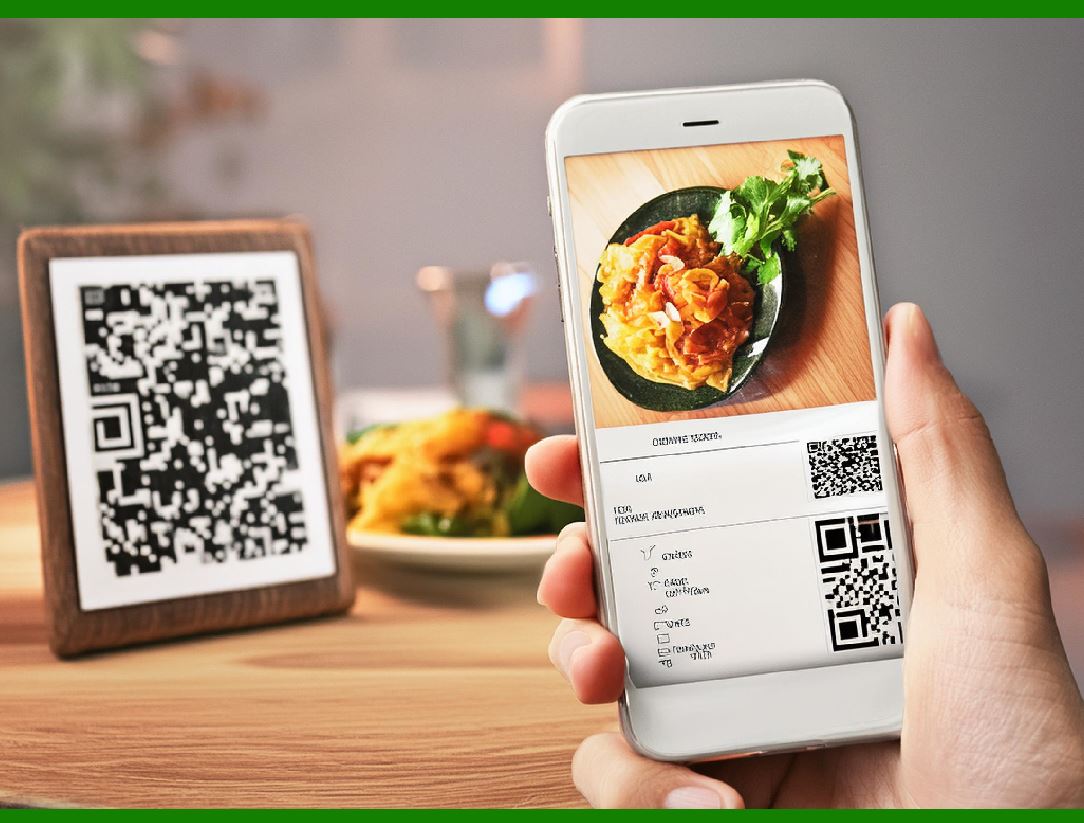
2D Barcodes: Two-dimensional (2D) barcodes store data both horizontally and vertically, enabling them to hold more information than 1D barcodes. QR codes and DataMatrix codes are common 2D barcode formats used in labeling. They are often used for applications that require the storage of large amounts of data, such as tracking complex inventory systems or providing links to digital content. |
|
5.Quality Control and Testing |
To ensure that barcode labels meet the necessary performance standards, manufacturers implement rigorous quality control and testing procedures throughout the production process. These procedures typically include: |
Print Quality Testing: To ensure that the barcode is readable and scannable, manufacturers conduct print quality tests, including ISO/IEC verification and scanner tests. These tests assess factors such as the contrast, clarity, and resolution of the barcode image. |
Adhesion Testing: Adhesion tests are conducted to verify that the label will stick securely to various surfaces, including plastic, glass, and metal, under different environmental conditions. |
Chemical Resistance Testing: To ensure that the labels will maintain their integrity when exposed to chemicals, manufacturers subject the labels to chemical resistance testing, simulating real-world conditions such as exposure to oils, solvents, and cleaning agents. |
Durability Testing: Durability tests, including abrasion resistance tests and exposure to UV light, are performed to ensure that the label will not degrade or fade prematurely. These tests help guarantee that the barcode remains readable throughout the lifespan of the product. |

|
6.Main Manufacturers of Barcode Label Paper |
There are several key players in the barcode label paper manufacturing industry, each offering a range of products designed to meet the diverse needs of different industries. Some of the leading manufacturers of barcode labels include: |
Avery Dennison: Avery Dennison is one of the largest and most well-known manufacturers of barcode labels. The company offers a wide range of label materials, including paper, polyester, polypropylene, and polyethylene, all designed to meet specific industry needs. Avery Dennison also provides various coatings and adhesives to enhance the durability and chemical resistance of barcode labels. The company serves industries such as retail, healthcare, logistics, and manufacturing. |
Zebra Technologies: Zebra Technologies is a global leader in barcode labeling and printing solutions. The company offers a comprehensive range of barcode labels and ribbons, including options that provide high chemical resistance and durability. Zebra Technologies is particularly known for its innovative thermal transfer and direct thermal printers, which are widely used in industries like healthcare, retail, and logistics. |
Sato: Sato is another major player in the barcode label market, offering a variety of label materials designed for different applications, including chemical-resistant labels, thermal transfer labels, and RFID tags. Sato is known for its advanced printing technologies and durable labeling solutions used in industries such as manufacturing, logistics, and transportation. |
Uline: Uline is a leading distributor of industrial supplies, including barcode labels and label printers. The company offers a wide range of barcode label products, including paper and synthetic materials, as well as adhesives and coatings designed for chemical resistance and durability. Uline serves industries such as packaging, manufacturing, and distribution. |
Brady Corporation: Brady is a prominent manufacturer of barcode labels and industrial identification products. Known for its focus on high-performance materials, Brady produces barcode labels with excellent resistance to chemicals, extreme temperatures, and physical wear. The company provides custom label solutions for industries such as aerospace, automotive, and healthcare. |

|
7.Conclusion |
The manufacturing of barcode label paper is a highly specialized process that involves the careful selection of materials, advanced printing technologies, and surface treatments designed to enhance the label's durability and performance in harsh environments. The use of high-performance polymers, adhesives, coatings, and laminates ensures that barcode labels can withstand exposure to chemicals, moisture, abrasion, and temperature fluctuations. |
Leading manufacturers such as Avery Dennison, Zebra Technologies, Sato, Uline, and Brady Corporation continue to innovate in the barcode labeling space, providing a wide range of products tailored to meet the diverse needs of industries such as logistics, healthcare, food processing, and manufacturing. These companies play a critical role in supplying barcode labels that are not only functional but also durable enough to perform under challenging conditions, ensuring that businesses can maintain efficient and reliable product tracking and identification systems. |
 cs@easiersoft.com