1. Introduction to Synthetic Barcode Labels |
Barcode labels have become an indispensable part of modern supply chain management, inventory control, product tracking, and even healthcare systems. The material from which these labels are made plays a crucial role in determining their durability and effectiveness. Traditional paper-based barcode labels are often sufficient for general applications, but they may not stand up well to harsh environments. This is where synthetic barcode labels-made from materials like polyester, polypropylene, and polyethylene-come into play. These materials provide greater resilience, ensuring that the barcode labels remain intact and legible even under challenging conditions such as exposure to moisture, chemicals, extreme temperatures, and physical abrasion. This detailed description explores the benefits, manufacturing processes, types, and common applications of synthetic barcode label papers. |

|
2. Understanding Synthetic Barcode Label Materials |
Synthetic barcode label papers are produced from a range of durable plastics and polymers that offer superior performance compared to traditional paper labels. The most common synthetic materials used for these labels include: |
2.1 Polyester (PET) |
Polyester, often abbreviated as PET (Polyethylene Terephthalate), is a synthetic polymer widely used for making high-performance barcode labels. It offers exceptional strength, flexibility, and resistance to environmental factors, which makes it ideal for applications where labels are exposed to stress. Polyester is highly resistant to tearing, stretching, and other forms of physical damage. It is also resistant to UV light, chemicals, and moisture, which enhances its performance in outdoor and industrial applications. |
2.2 Polypropylene (PP) |
Polypropylene is another widely used synthetic material for barcode labels. It offers a lighter weight and is more cost-effective compared to polyester, but it still provides a high level of durability. Polypropylene labels are commonly used for environments that do not demand the extreme resilience of polyester but still require resistance to moisture, chemicals, and abrasions. Polypropylene is also less prone to warping when exposed to high humidity or wet conditions, making it an excellent choice for certain logistics and packaging applications. |
2.3 Polyethylene (PE) |
Polyethylene is a low-cost synthetic material known for its flexibility and chemical resistance. It is often used in applications that require labels to conform to curved or irregular surfaces. Polyethylene barcode labels are commonly used in the food and beverage industry, especially for products that need to be stored in environments with fluctuating temperatures and humidity levels. |
Each of these synthetic materials has unique properties that make them suitable for specific applications, but all share a common trait-enhanced durability compared to traditional paper labels. |
|
3. Advantages of Synthetic Barcode Labels |
Synthetic barcode labels offer several key advantages over paper-based labels. These benefits make synthetic labels the preferred choice for applications in industries such as logistics, automotive, healthcare, and pharmaceuticals, where durability is critical. |
3.1 Durability and Longevity |
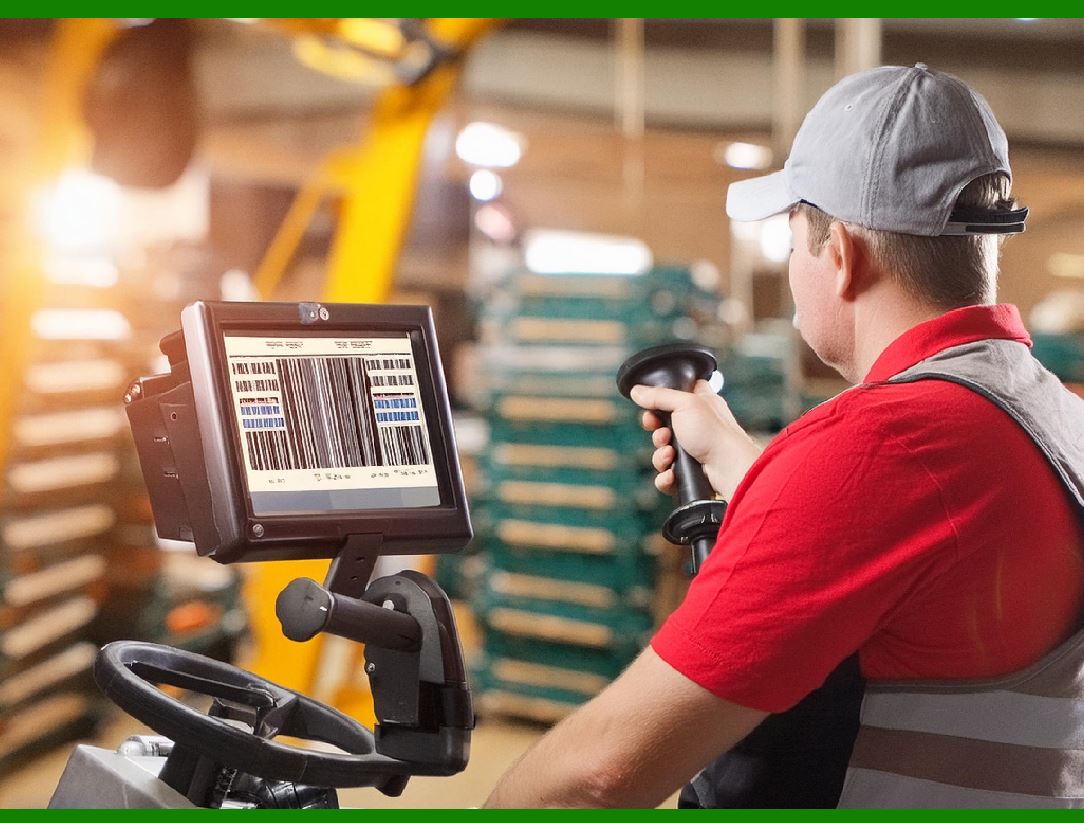
One of the primary benefits of synthetic barcode labels is their durability. Synthetic materials are much more resistant to wear and tear than paper labels, making them a long-lasting solution for tracking and identification. Whether exposed to moisture, chemicals, or abrasion, synthetic labels retain their integrity over time, ensuring that barcodes remain scannable even in the harshest conditions. |
3.2 Moisture and Chemical Resistance |
Synthetic barcode labels are highly resistant to moisture, which is especially important for industries where labels are exposed to water or chemicals. For example, labels in the pharmaceutical, chemical, and food processing industries must be able to withstand exposure to solvents, oils, and other harsh substances. Polyester, polypropylene, and polyethylene are inherently resistant to many types of chemicals, reducing the risk of label degradation. |
3.3 Temperature Resistance |
Temperature fluctuations-whether extreme heat or cold-can cause traditional paper labels to become brittle, fade, or peel off. In contrast, synthetic labels maintain their shape and readability across a wide range of temperatures, from freezing cold to intense heat. This makes them ideal for outdoor applications, refrigeration units, and automotive parts exposed to high heat during engine operations. |
3.4 Abrasion Resistance |
Synthetic labels are also much more resistant to physical wear, such as scratching and scuffing, than paper labels. This abrasion resistance is essential for labels that must endure friction from machinery, packaging materials, or rough handling. The integrity of the barcode remains intact, ensuring that the label continues to function as intended, even after repeated use. |
3.5 Flexibility and Conformability |
Another advantage of synthetic barcode labels is their flexibility. These labels are well-suited for applications that require labels to adhere to curved or irregular surfaces. Polyethylene and polypropylene labels, in particular, are highly conformable and can wrap around bottles, jars, and other non-flat surfaces without peeling or cracking. |
3.6 UV Light Resistance |
UV light can cause fading and deterioration in labels, especially those made from paper. Synthetic materials like polyester have inherent UV resistance, ensuring that the barcode and text remain legible even when exposed to prolonged sunlight. This is especially important for outdoor applications or products exposed to direct sunlight, such as shipping labels or outdoor equipment. |
|
4. The Manufacturing Process of Synthetic Barcode Labels |
The production of synthetic barcode labels involves a combination of material selection, printing, and finishing processes. The manufacturing of synthetic labels requires specialized equipment and technologies to ensure that the labels are durable and high-quality. |
4.1 Material Selection |
The first step in the manufacturing process is selecting the appropriate synthetic material for the specific application. The choice of material depends on factors such as the environment the labels will be exposed to (e.g., moisture, chemicals, temperature), the desired durability, and the intended use (e.g., shipping labels, product identification, asset tracking). Once the material is selected, it is then processed into rolls or sheets of label stock. |
4.2 Printing Process |
Synthetic barcode labels are printed using various methods, depending on the type of label and its intended application. The most common printing methods for synthetic labels include: |
Thermal Transfer Printing: This method uses a ribbon to transfer ink onto the label. It is ideal for printing high-quality, long-lasting barcodes, text, and logos. Thermal transfer printing is highly effective for synthetic labels, as it produces sharp, durable prints that resist fading or smearing. |
Direct Thermal Printing: This method uses heat-sensitive paper to produce the print directly without the need for ink ribbons. While less durable than thermal transfer printing, direct thermal printing is fast and cost-effective for certain short-term applications. |
Flexographic Printing: Flexographic printing uses flexible printing plates and is often used for large-volume label production. It is commonly used for high-speed printing and can be applied to synthetic materials for producing labels in bulk. |
4.3 Finishing and Coating |
After printing, synthetic barcode labels often undergo finishing processes to further enhance their durability. This may include the addition of a protective coating to prevent fading, abrasion, or exposure to moisture. Coatings can also provide additional UV protection. Common finishing processes include lamination, which adds a clear protective layer to the label, and varnishing, which enhances the label's resistance to environmental factors. |
4.4 Die Cutting and Customization |
Once the labels are printed and coated, they are die-cut into the desired shapes and sizes. Die-cutting allows for precise cuts of various shapes, such as circles, squares, or custom designs, ensuring that the labels fit the intended product or packaging. Customization options may also include adding logos, product names, or other specific design features that align with the brand or regulatory requirements. |
|
5. Applications of Synthetic Barcode Labels |
Synthetic barcode labels are used in various industries and applications, where their enhanced durability and resistance to environmental factors are essential for reliable performance. Below are some of the key applications of synthetic barcode labels: |
5.1 Logistics and Shipping |
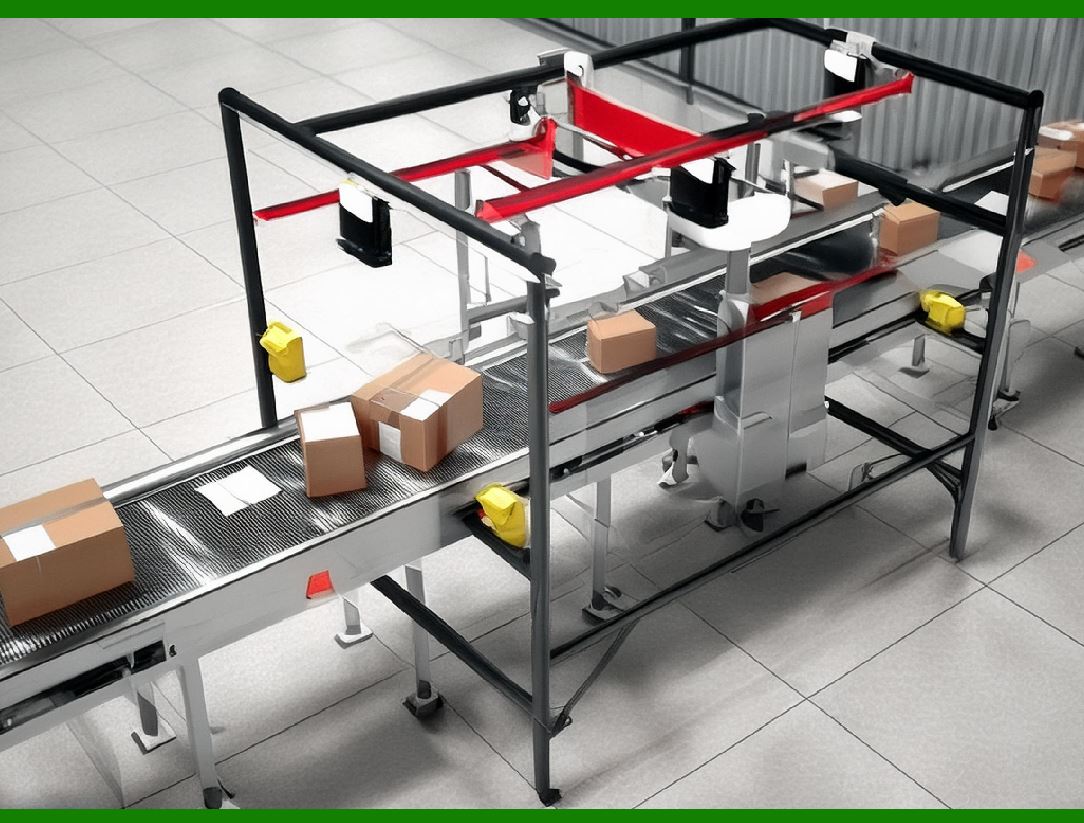
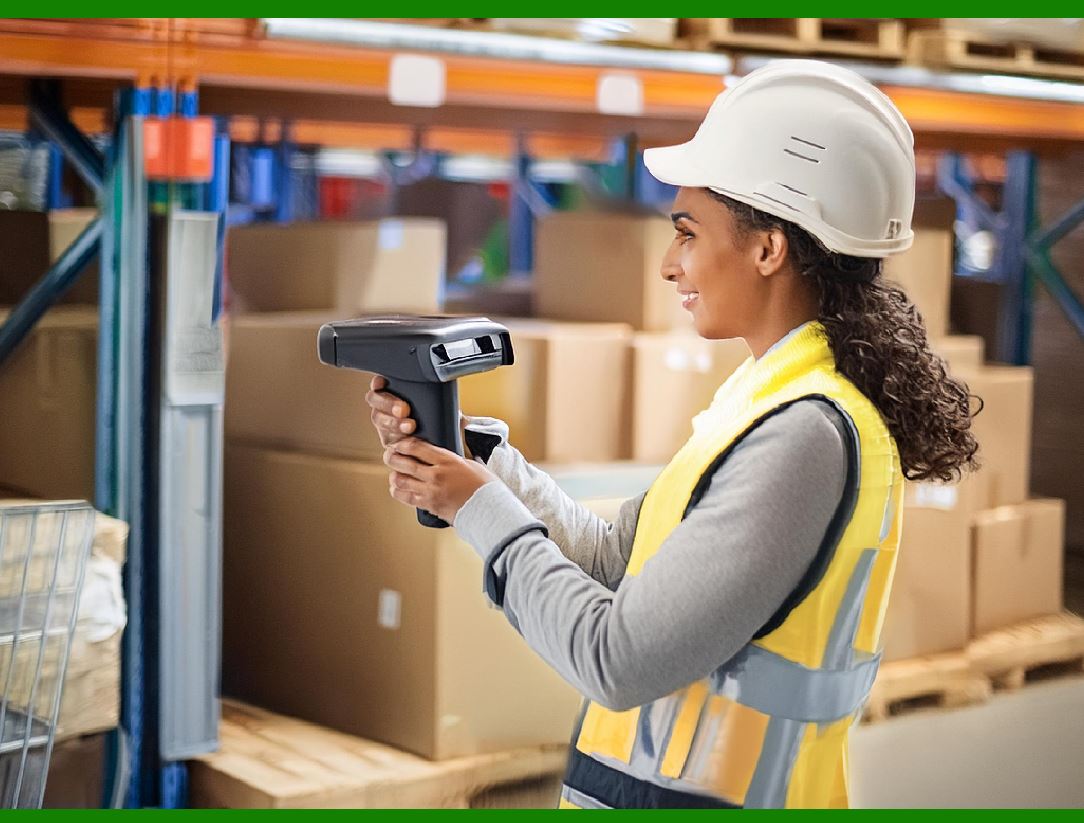
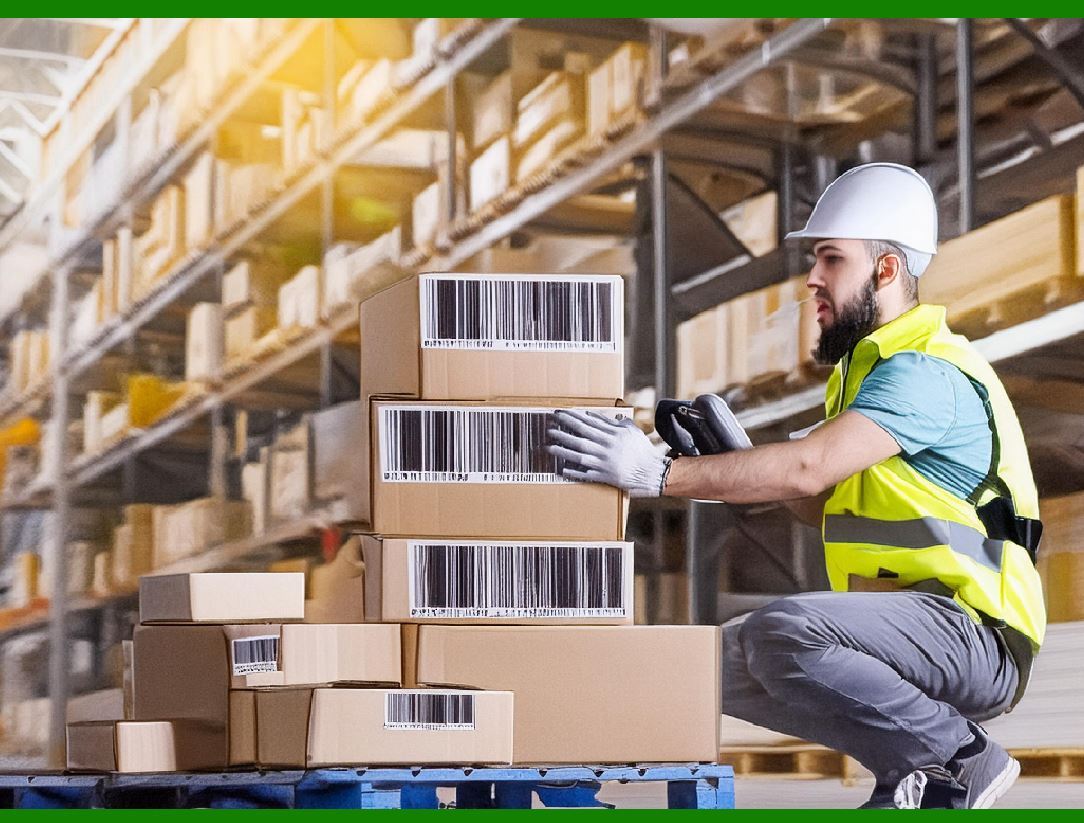
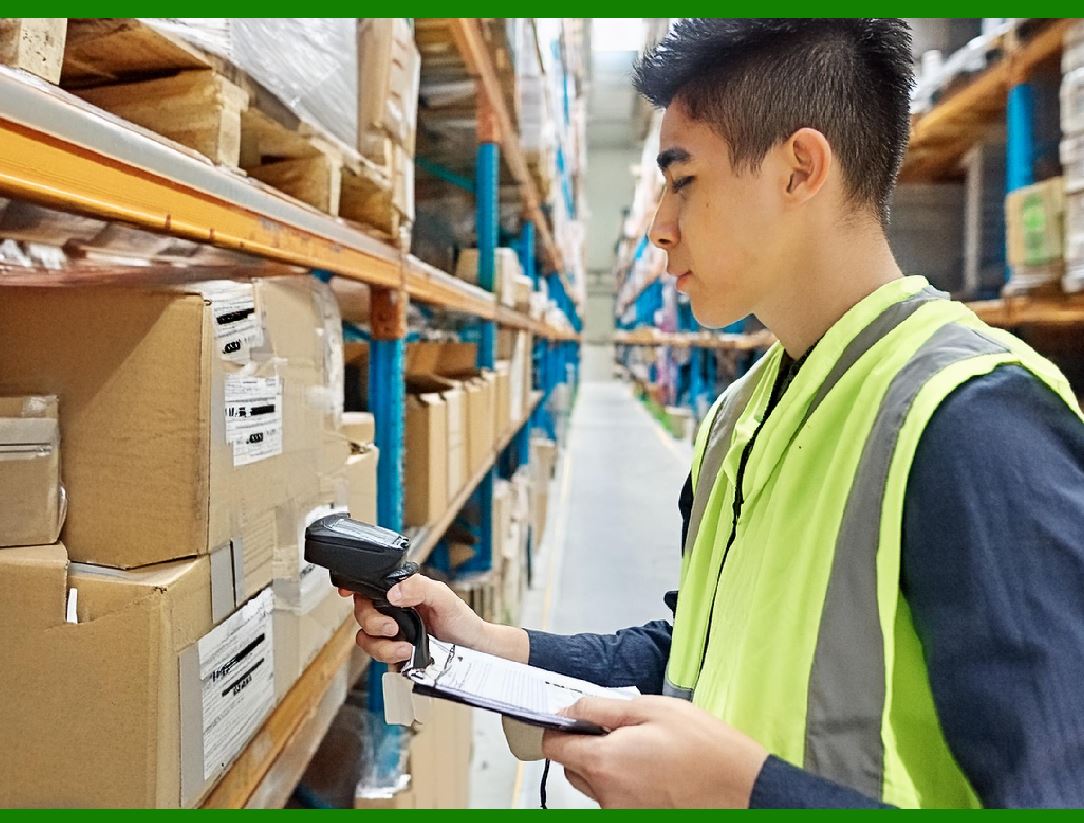
In logistics and shipping, barcode labels are essential for tracking packages as they move through supply chains. Synthetic labels are preferred in these environments because they can withstand exposure to the elements-rain, snow, and harsh temperatures-without losing their legibility. Synthetic labels are also resistant to physical damage from handling, ensuring that the barcode remains scannable even after long periods in transit. |
5.2 Automotive Industry |
The automotive industry relies heavily on barcode labels for parts identification, inventory control, and quality assurance. Synthetic labels, especially those made from polyester, are ideal for use in automotive environments due to their resistance to heat, oil, grease, and exposure to the elements. These labels are commonly used on parts, machinery, and tools that require long-term durability under extreme conditions. |
5.3 Healthcare and Pharmaceuticals |
In the healthcare and pharmaceutical industries, accurate labeling is critical for patient safety, inventory management, and compliance with regulatory standards. Synthetic barcode labels are widely used for medication packaging, medical devices, and patient wristbands due to their resistance to chemicals, moisture, and temperature fluctuations. Additionally, synthetic labels provide better resistance to fading, ensuring that important information remains legible throughout the life of the product. |
5.4 Food and Beverage Industry |
In the food and beverage industry, labels must often withstand refrigeration, freezing, and exposure to moisture. Synthetic labels made from polyethylene and polypropylene are well-suited for these environments because they remain intact even in cold or wet conditions. These labels are commonly used on food packaging, bottles, and containers, ensuring that barcodes and other vital product information are readable. |
5.5 Retail and Consumer Goods |
Retail businesses use barcode labels extensively for inventory management and pricing. Synthetic labels are often chosen for their durability and ability to withstand long-term handling, especially in high-traffic areas like retail stores. Synthetic labels are also resistant to fading from exposure to light, which helps ensure that product information stays visible for the life of the label. |
|
6. Conclusion |
Synthetic barcode labels made from materials such as polyester, polypropylene, and polyethylene provide enhanced durability, flexibility, and resistance to environmental factors, making them the preferred choice for applications in harsh environments. These labels offer significant advantages over traditional paper labels, including moisture, chemical, and abrasion resistance, as well as the ability to withstand extreme temperatures. The manufacturing process for synthetic barcode labels involves material selection, printing, finishing, and die-cutting to produce durable, high-quality labels suited to a wide range of industries, including logistics, automotive, healthcare, food and beverage, and retail. As industries continue to require more reliable and long-lasting labeling solutions, synthetic barcode labels are expected to play an increasingly important role in ensuring that products and assets are tracked efficiently and accurately across the globe. |

|
7. Manufacturing Technology of Synthetic Barcode Labels |
The production of synthetic barcode labels involves a series of sophisticated technologies and processes that ensure the final product meets the high durability and performance standards required for harsh environments. The manufacturing process typically consists of material selection, coating and lamination, printing, die-cutting, and packaging. Below is a more detailed look at each stage of manufacturing technology involved in the production of synthetic barcode label paper. |
7.1 Material Selection and Extrusion |
The first critical step in the production of synthetic barcode labels is the selection of the appropriate base material. This material is typically in the form of a plastic film or sheet and is often produced via a process known as extrusion. Extrusion involves feeding plastic resins (such as polyester, polypropylene, or polyethylene) into an extruder machine, where the material is melted and shaped into a thin, continuous sheet or roll. The thickness of the sheet can be controlled by adjusting the extrusion settings to ensure it meets specific durability and flexibility requirements. |
Once the synthetic material is extruded, it may undergo additional treatments, such as surface treatment or corona treatment, to improve adhesion and printability. Corona treatment involves subjecting the surface of the material to a high-voltage electrical discharge, which alters its chemical structure and increases its surface energy, improving ink adhesion during the printing process. |
7.2 Coating and Lamination |
After extrusion, the synthetic film or sheet may undergo a coating or lamination process to improve its performance characteristics, such as UV resistance, moisture barrier properties, or abrasion resistance. Coating involves applying a thin layer of protective material to the surface of the label. This coating can be either a clear varnish or a specialized formulation designed to provide specific benefits, such as UV stability or chemical resistance. |
Lamination involves bonding a clear, protective layer to the label material. Lamination helps protect the label from physical damage, exposure to harsh chemicals, or UV degradation. This step can be performed using either a hot or cold lamination process, depending on the specific material used and the desired finish. For example, a thermal lamination process uses heat to adhere the film to the label surface, while cold lamination uses pressure-sensitive adhesives to apply the protective layer. |
7.3 Printing Technologies |
The next stage in manufacturing synthetic barcode labels is printing. Printing is a critical process for creating scannable barcodes and text that remains clear and readable over time. Several printing technologies are employed, depending on the desired output and the specific requirements of the application. |
Thermal Transfer Printing: This is one of the most common printing methods for synthetic barcode labels. It uses a ribbon containing ink that is transferred onto the label through heat. The advantage of thermal transfer printing is that the ink is permanently bonded to the synthetic label, making it highly durable and resistant to smearing or fading, even under exposure to chemicals or abrasions. |
Direct Thermal Printing: In contrast to thermal transfer printing, direct thermal printing uses a heat-sensitive material that changes color when exposed to heat from the printhead. Direct thermal printing does not require an ink ribbon, making it a more cost-effective solution, although the print may fade over time when exposed to heat or UV light. |
Flexographic Printing: Flexographic printing is commonly used for high-volume production of synthetic labels, particularly for large batches. This process uses flexible plates with raised images that are inked and transferred to the synthetic label material. Flexographic printing is efficient and fast, making it suitable for applications that require large quantities of labels. |
UV Inkjet Printing: Another technology gaining popularity for synthetic barcode labels is UV inkjet printing. This method uses ultraviolet light to cure the ink immediately after it is applied to the label, providing fast drying and durable prints. It is particularly effective for printing high-resolution images or designs on synthetic materials. |
7.4 Die-Cutting and Finishing |
Once the labels are printed, they undergo die-cutting to achieve their final shape and size. Die-cutting involves the use of sharp, custom-shaped dies to cut the label material into specific shapes-whether standard (rectangular, square) or custom (circular, oval, etc.). This process ensures that the labels are precisely shaped to fit specific product packaging or labeling requirements. |
At this stage, additional finishing processes may be applied to the synthetic labels. These processes may include the addition of a protective layer (such as a varnish or additional lamination), perforations for easy removal, or slitting to create smaller rolls of labels that are easier to handle. |
Some manufacturers may also apply barcode verification technologies at this stage. Barcode verification ensures that the printed barcodes are scannable and meet industry standards, particularly for applications that require high accuracy, such as in healthcare or logistics. |
7.5 Packaging and Quality Control |
After the synthetic barcode labels are finished and cut, they are carefully packaged for shipment. The labels are typically wound into rolls or stacked into sheets, depending on the end user's needs. In addition, rigorous quality control procedures are conducted to ensure the labels meet the required standards. This involves checking for factors such as proper adhesion, print quality, barcode readability, and resistance to fading or smearing. |
|
8. Leading Manufacturers of Synthetic Barcode Label Paper |
Several well-established manufacturers specialize in producing synthetic barcode label papers. These companies utilize advanced technologies and processes to ensure that their products meet the demanding needs of industries requiring durable, long-lasting labels. Below is a look at some of the leading manufacturers in this space. |
8.1 Zebra Technologies |
Zebra Technologies is a global leader in the design and manufacturing of barcode label materials, including synthetic labels. Zebra's labels are known for their durability, versatility, and high-quality performance. They offer a range of synthetic materials, including polyester, polypropylene, and vinyl-based labels, which are used across multiple industries, including logistics, healthcare, and retail. Zebra Technologies provides both thermal transfer and direct thermal printing solutions, and their products are widely recognized for their reliability in demanding environments. |
8.2 Brady Corporation |
Brady Corporation is another leading manufacturer of synthetic barcode labels. Brady produces a wide range of durable label materials, including synthetic options that can withstand harsh chemicals, extreme temperatures, and outdoor conditions. Brady's synthetic barcode labels are widely used in industrial, safety, and healthcare applications. Their label solutions include both standard and custom sizes, with a variety of adhesives and finishes available. Brady's products are often employed for asset identification, inventory tracking, and regulatory compliance labeling. |
8.3 Avery Dennison |
Avery Dennison is a major global player in the label and packaging industry, known for producing high-quality synthetic barcode labels. Their label materials are available in a variety of options, including synthetic films such as polyester and polypropylene. Avery Dennison's synthetic barcode labels are widely used across sectors like retail, logistics, and healthcare, where durability and performance are key. The company offers a range of printing technologies, including thermal transfer, direct thermal, and inkjet printing, making their solutions suitable for a broad spectrum of applications. |
8.4 Sato |
Sato is a prominent manufacturer of industrial labeling solutions, including synthetic barcode labels. The company produces durable labels for a variety of industries, including automotive, logistics, healthcare, and manufacturing. Sato's synthetic barcode labels are specifically engineered to endure exposure to chemicals, high temperatures, moisture, and physical abrasion. Their label materials include synthetic options such as polyester and polyimide, ideal for extreme conditions. Sato also offers barcode printers that support a wide range of synthetic label materials. |
8.5 ULINE |
ULINE is a large distributor of industrial and packaging materials, including synthetic barcode labels. ULINE offers a variety of synthetic label options, primarily made from materials such as polypropylene and polyester. These labels are widely used for inventory control, shipping, and asset tracking. ULINE's synthetic labels are highly regarded for their resistance to moisture, chemicals, and abrasion. They also offer both pre-printed and blank label solutions for customers who require customization. |
8.6 Dymo |
Dymo, a division of Newell Brands, is a leading manufacturer of label printers and label materials, including synthetic barcode labels. Dymo's synthetic labels are primarily used in office settings, retail environments, and light industrial applications. Their label materials include vinyl and polyester-based options that offer durability and high-quality printability. Dymo's labels are particularly popular for use with their label printers, which allow for the easy production of customized barcode labels for smaller-scale operations. |
8.7 3M |
3M is a globally recognized technology company known for producing a wide range of products, including synthetic barcode labels. 3M offers a variety of durable labeling solutions made from synthetic materials such as polyester, polypropylene, and vinyl. These labels are used in industrial, commercial, and retail applications where high performance and reliability are essential. 3M's barcode labels are particularly popular in automotive, healthcare, and electronics industries due to their resistance to environmental stressors and chemicals. |
|
9. Conclusion |
The manufacturing of synthetic barcode labels relies on advanced technologies to ensure that the labels meet the demanding requirements of industries that rely on durable and long-lasting identification solutions. From material extrusion to printing, die-cutting, and quality control, each step in the process plays a critical role in ensuring the final product's reliability. Leading manufacturers like Zebra Technologies, Brady Corporation, Avery Dennison, Sato, ULINE, Dymo, and 3M continue to set the standard for high-quality synthetic barcode labels, offering products that can withstand a variety of challenging conditions, from extreme temperatures to chemical exposure, making them essential for modern supply chain, healthcare, and industrial applications. |
 cs@easiersoft.com