1. Introduction to Barcode Labels and Their Adhesives |
Barcode labels are integral to modern logistics, inventory management, retail, and other sectors that require item identification. A barcode label typically consists of a printed barcode, often made of black-and-white patterns, and an adhesive layer that allows it to bond with a surface. The adhesive's role goes beyond simply sticking the label to the item; it must also maintain its effectiveness and durability over time. In environments where exposure to the sun's UV rays is common, the adhesive used must possess UV resistance to prevent degradation. UV rays can break down materials over time, causing adhesives to lose their bond strength, which could lead to the label peeling off, becoming unreadable, or failing to adhere altogether. |

|
2. The Role of UV Radiation in Material Degradation |
Ultraviolet radiation from the sun can cause significant damage to materials, particularly polymers, and adhesives. UV rays consist of short-wavelength radiation, which can be classified into UVA, UVB, and UVC, with UVA being the most responsible for causing long-term material degradation. When a label with standard adhesives is exposed to UV radiation, the molecular structure of the adhesive begins to break down, leading to a loss of adhesive strength and potential failure. The breakdown often results in the label losing its ability to adhere properly to the surface, causing it to lift, curl, or fall off entirely. |
Adhesives without UV resistance are prone to a phenomenon known as photooxidation, which occurs when UV rays interact with the polymer chains in the adhesive. This process causes the material to become brittle, lose elasticity, and, in extreme cases, disintegrate. UV-resistant adhesives counteract this degradation by incorporating specific compounds that absorb or reflect UV radiation, thus extending the service life of both the adhesive and the barcode label it holds. |
|
3. Composition of UV-Resistant Adhesives |
UV-resistant adhesives are specially formulated with a combination of resins, stabilizers, and additives that work to shield the adhesive from UV degradation. These ingredients vary depending on the type of adhesive used, whether it is pressure-sensitive, heat-activated, or another type. Below are the key components that contribute to UV resistance: |
3.1 Resins and Polymers |
The base material of most adhesives is a resin or polymer, which provides the adhesive properties. Common resins used in UV-resistant adhesives include acrylics, epoxies, polyurethanes, and silicones. These materials are chosen for their inherent ability to bond effectively to different surfaces while also providing a foundation for additional UV-protective additives. |
Acrylic resins are often used due to their excellent resistance to weathering, aging, and UV degradation. They are inherently more stable than many other resins when exposed to UV radiation. |
Polyurethane resins are known for their flexibility, durability, and excellent bonding properties, making them suitable for outdoor environments where UV exposure is common. |
Silicone resins also offer exceptional resistance to UV degradation due to their chemical structure, which allows them to endure extreme temperatures and weather conditions. |
3.2 UV Stabilizers and Absorbers |
To prevent the resin from breaking down under UV exposure, UV stabilizers and absorbers are added to the adhesive formulation. These chemicals work in different ways to reduce the harmful effects of UV radiation: |
UV absorbers function by absorbing the incoming UV light and converting it into heat, preventing the UV radiation from reaching the resin itself. One common UV absorber used in adhesive formulations is benzotriazole. |
Hindered amine light stabilizers (HALS) are another class of stabilizers that work by scavenging free radicals formed during UV degradation. HALS prevent the chain reactions that cause polymer degradation and help maintain the physical integrity of the adhesive. |
3.3 Plasticizers and Fillers |
Some UV-resistant adhesives include plasticizers that improve flexibility and workability. In outdoor environments, adhesives need to withstand temperature fluctuations and physical stress, so plasticizers help maintain the adhesive's elasticity even after prolonged UV exposure. |
Fillers, such as silica or clay-based compounds, may also be incorporated to enhance the mechanical strength of the adhesive and improve its resistance to UV degradation. |
3.4 Antioxidants |
Antioxidants are compounds that prevent the oxidation of polymers when exposed to UV radiation. They help preserve the integrity of the adhesive by preventing the oxidative breakdown of the polymer matrix. Oxidation can weaken the adhesive bond and lead to a failure of the label. |
|
4. Types of UV-Resistant Adhesives |
UV-resistant adhesives can be categorized into several types, each of which may be suitable for different applications depending on factors like temperature, surface type, and the environmental conditions they will be exposed to. Below are some common types of UV-resistant adhesives used in barcode labels: |
4.1 Pressure-Sensitive Adhesives (PSA) |
Pressure-sensitive adhesives are the most commonly used adhesives for barcode labels because they do not require heat or solvents to adhere to a surface. They rely on the pressure of being applied to bond with the surface. PSAs that are UV-resistant are typically made with acrylic or rubber-based formulations, both of which offer high resistance to environmental factors like UV radiation. |
Acrylic-based PSAs are particularly effective at withstanding UV exposure, maintaining both their adhesive strength and elasticity over time. Rubber-based PSAs are also highly flexible and can conform well to irregular surfaces, but they may not offer as long-term resistance to UV radiation as acrylics. |
4.2 Heat-Activated Adhesives |
Heat-activated adhesives require heat to bond to surfaces. These adhesives are often used in situations where a more permanent bond is needed, as heat activation results in a stronger and more durable adhesion. Some heat-activated adhesives are designed with UV-resistant additives to ensure that they maintain their bond even when exposed to direct sunlight. These adhesives are commonly used for applications where the barcode label will be exposed to harsh environmental conditions or extreme temperatures. |
4.3 Solvent-Based Adhesives |
Solvent-based adhesives typically use a chemical solvent to dissolve the polymer, which is then applied to the surface and allowed to cure. These adhesives are often used when high-performance bonding is required, such as for high-temperature applications or when bonding to difficult surfaces. Solvent-based UV-resistant adhesives often feature additional UV blockers or stabilizers to protect the adhesive from degradation over time. |
4.4 Hot Melt Adhesives |
Hot melt adhesives are thermoplastic adhesives that are applied in a molten state and solidify upon cooling. These adhesives are often used for packaging and labeling applications. Some hot melts are formulated with UV-stabilizing agents to ensure they maintain their bonding strength even when exposed to UV radiation. These adhesives are useful in environments where barcode labels need to be durable yet cost-effective. |
|
5. Performance and Benefits of UV-Resistant Adhesives in Barcode Labels |
UV-resistant adhesives play a vital role in the performance and longevity of barcode labels, especially in outdoor or high-UV exposure environments. The following are key performance benefits of using UV-resistant adhesives in barcode labels: |
5.1 Durability and Longevity |
The primary benefit of UV-resistant adhesives is their ability to withstand prolonged exposure to UV radiation without deteriorating. This ensures that the barcode label remains attached to the surface for its intended duration, even in challenging outdoor environments or areas with high sunlight exposure. This durability translates into fewer label replacements, reduced operational costs, and more efficient inventory management. |
5.2 Protection Against Adhesive Failure |
Without UV-resistant adhesives, barcode labels are prone to adhesive failure due to UV degradation. This can cause the label to lift, curl, or fall off entirely, rendering the barcode unreadable and compromising the integrity of the labeling system. UV-resistant adhesives ensure the label stays securely in place, providing consistent functionality over time. |
5.3 Improved Label Readability |
In addition to maintaining adhesion, UV-resistant adhesives help preserve the barcode's readability by preventing the label from becoming discolored, brittle, or distorted due to UV exposure. Labels that deteriorate under UV rays may become hard to scan or may become illegible, causing delays or errors in inventory tracking. With UV-resistant adhesives, the barcode label maintains its appearance and scannability. |
5.4 Resistance to Environmental Factors |
In addition to UV resistance, these adhesives are typically formulated to offer resistance to a range of environmental factors, including moisture, extreme temperatures, and chemical exposure. This multi-faceted resistance ensures that barcode labels can be used in various industries, including logistics, construction, automotive, and manufacturing, where exposure to harsh conditions is common. |
|
6. Applications of UV-Resistant Barcode Labels |
UV-resistant barcode labels are crucial in environments where labels are exposed to the outdoors or harsh industrial conditions. Some typical applications include: |
6.1 Outdoor Logistics and Shipping |
Barcode labels used in shipping and logistics often face prolonged exposure to sunlight. The use of UV-resistant adhesives ensures that these labels maintain their bond and functionality throughout their journey, whether they are being transported across regions or stored in outdoor warehouses. |
6.2 Industrial Equipment and Machinery |
Industrial machinery often operates in areas exposed to direct sunlight or where extreme weather conditions are common. Barcode labels on such equipment need to remain in place despite these harsh environmental factors. UV-resistant adhesives ensure that the barcode label remains securely attached and readable, even in these demanding conditions. |
6.3 Retail and Packaging |
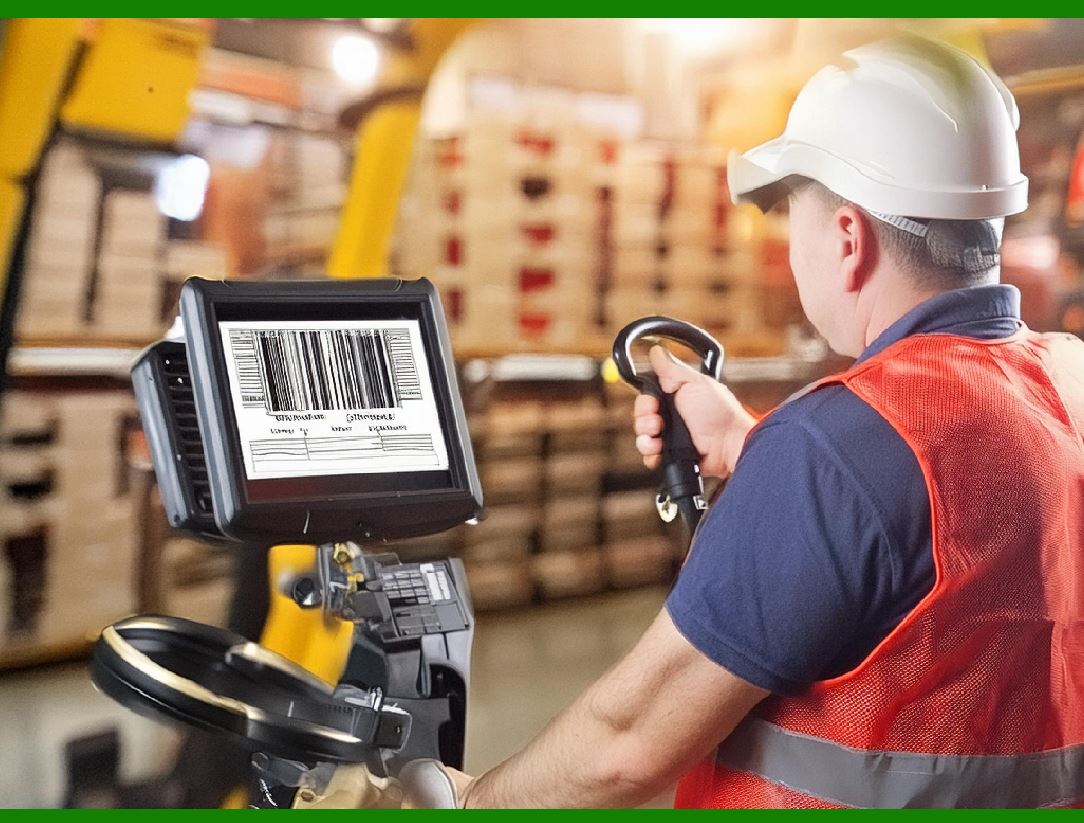
In retail environments, barcode labels on packaging materials are often exposed to UV light, either from store windows or fluorescent lighting. UV-resistant adhesives help ensure that the labels remain intact and scannable throughout the product's lifecycle, including during transport and in-store display. |
|
7. Conclusion |
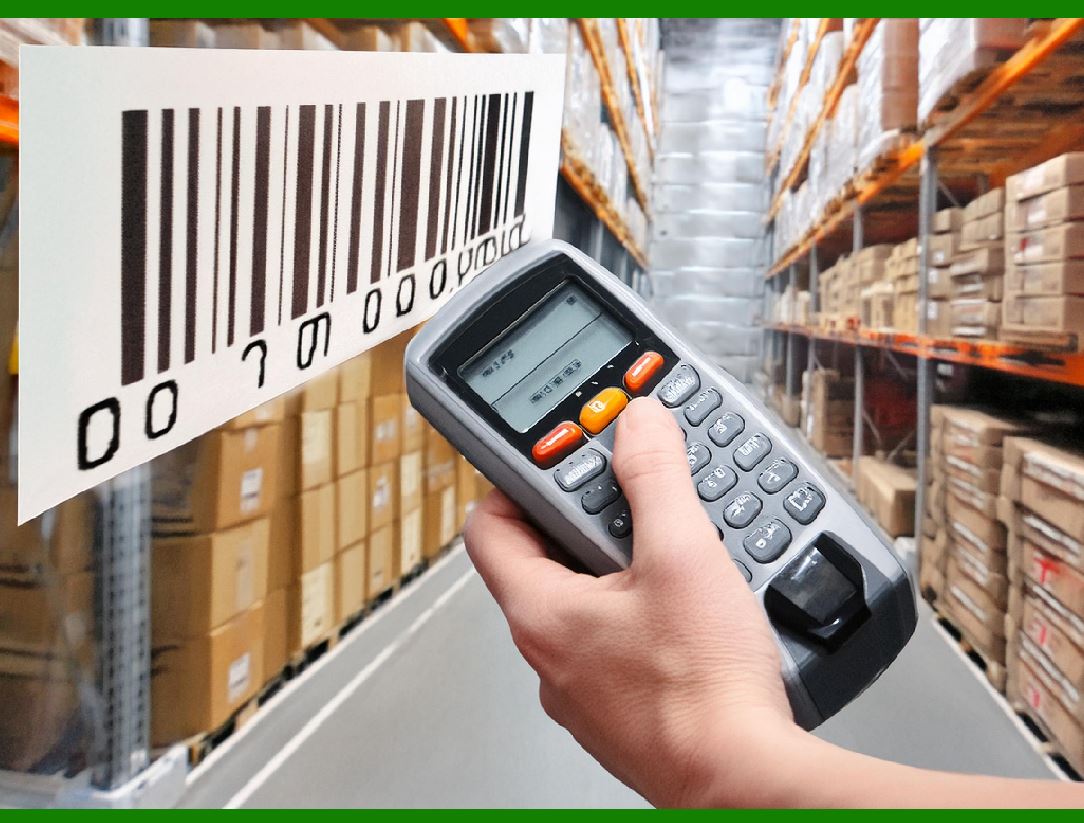
The choice of adhesive is critical when selecting barcode labels for environments exposed to UV radiation. UV-resistant adhesives provide enhanced durability, ensuring that barcode labels maintain their bond strength and functionality even under prolonged UV exposure. By incorporating specific stabilizers, resins, and additives, UV-resistant adhesives offer superior protection against UV degradation, ensuring that the labels stay securely attached and remain readable throughout their lifespan. This not only improves operational efficiency but also reduces costs associated with label replacement and potential errors in scanning or inventory management. |
|
Related chemical and material technologies |
The development and application of UV-resistant adhesives in barcode labels involve several advanced chemical and material technologies. These technologies ensure that the adhesive remains durable and effective when exposed to ultraviolet (UV) radiation, which is a significant factor in the degradation of many materials over time. Below is a detailed exploration of related chemical and material technologies used to enhance UV resistance in adhesives, as well as in other components of barcode labels. |
1. Polymer Chemistry and Resin Technology |
Polymers and resins form the backbone of many adhesives, including UV-resistant adhesives. The chemical structure and properties of the polymer used determine the adhesive's ability to withstand UV degradation. Understanding the chemistry of polymers and resins is crucial in developing high-performance adhesives for barcode labels. |
1.1 Acrylic Polymers and Copolymers |
Acrylics are one of the most widely used materials for UV-resistant adhesives. Acrylic resins have excellent clarity, strong adhesive properties, and outstanding resistance to UV radiation. This is due to the unique chemical structure of acrylic polymers, which are composed of ester groups that can be easily polymerized. |
Poly(methyl methacrylate) (PMMA) is the most common acrylic polymer used for UV-resistant applications due to its optical clarity and UV stability. Acrylic adhesives are less prone to photodegradation compared to other types of polymers, making them ideal for barcode labels exposed to sunlight. |
Acrylic copolymers-combinations of different monomers, such as butyl acrylate or ethyl acrylate-are often used to enhance the adhesive's properties, such as flexibility, tackiness, and UV resistance. |
These acrylics are often blended with UV absorbers and stabilizers to further improve their durability and resistance to sunlight. Some common examples of acrylic copolymers used in UV-resistant adhesives include polyethylacrylate and polymethylacrylate. |
1.2 Polyurethane Polymers |
Polyurethanes are another class of polymers widely used in UV-resistant adhesives. Polyurethanes are created by reacting a diisocyanate with a polyol. These polymers offer excellent bonding properties and durability, as well as resistance to wear and tear, which makes them ideal for use in industrial environments where barcode labels are subjected to harsh conditions. |
Aliphatic polyurethanes are particularly valued for their high resistance to UV degradation because of their chemical structure, which offers stability when exposed to UV radiation. |
Thermoplastic polyurethanes (TPU) are used in labels that need flexibility, abrasion resistance, and UV stability, making them a common choice for outdoor use. |
Polyurethanes can also be modified with UV-blocking agents or stabilizers, which absorb or dissipate the UV energy, preventing it from causing degradation. |
1.3 Silicone-Based Polymers |
Silicone-based adhesives and coatings are another solution for UV resistance. Silicones, particularly those based on polydimethylsiloxane (PDMS), offer excellent high-temperature stability, weatherability, and resistance to UV degradation. They can be formulated into pressure-sensitive adhesives, coatings, or other bonding agents used in barcode labels. |
Silicone resins are particularly known for their excellent stability when exposed to sunlight and high temperatures, which makes them ideal for extreme environments such as aerospace, automotive, and outdoor applications. |
Silicone rubbers, used in combination with UV stabilizers, are also employed for applications where flexibility and UV resistance are paramount. |
Silicone-based materials resist both photooxidation and cross-linking under UV exposure, making them ideal for long-term adhesion and label protection. |

|
2. UV Stabilizers and Additives |
UV stabilizers are essential components that help protect adhesives from UV degradation. These additives absorb UV radiation or neutralize the free radicals generated by UV exposure. They are added to adhesives to ensure the longevity of the material and maintain the bond strength of the label. |
2.1 UV Absorbers |
UV absorbers are compounds that absorb UV light and convert it into harmless heat. These additives prevent the UV rays from penetrating the adhesive, where they could cause chemical bonds to break and lead to material degradation. Common UV absorbers include: |
Benzotriazoles: These compounds absorb a broad spectrum of UV radiation and are highly effective in protecting adhesives, coatings, and films from UV degradation. Tinox and Uvinul are some examples of benzotriazole-based UV absorbers. |
Hindered Amine Light Stabilizers (HALS): These stabilizers function by scavenging free radicals generated by UV exposure, preventing oxidative degradation. HALS can effectively extend the lifespan of adhesives exposed to UV light, providing long-term stability in both clear and opaque applications. |
2.2 Antioxidants |
Antioxidants are chemicals that prevent oxidation, a process that occurs when UV radiation induces the formation of free radicals in a material, leading to polymer degradation. UV-resistant adhesives often incorporate antioxidants to ensure the bond strength remains intact, particularly in environments with significant sunlight exposure. Some widely used antioxidants include: |
Phenolic antioxidants, such as Irganox and BHT (Butylated HydroxyToluene), are used to protect adhesives from oxidative degradation caused by UV light. |
Phosphite antioxidants can also be employed to prevent oxidative breakdown, further enhancing the stability of the adhesive material. |
2.3 Light Stabilizers |
Light stabilizers are additives that protect polymeric materials from both UV radiation and visible light. These stabilizers prevent the degradation of the adhesive material by blocking or dissipating the energy from UV rays. HALS (Hindered Amine Light Stabilizers), benzotriazole, and benzophenone are examples of light stabilizers often used in combination with UV absorbers. |
HALS prevent polymer chain scission and photooxidation, two of the primary causes of adhesive failure in the presence of UV light. |
Benzophenone-based stabilizers can absorb UV radiation in the 290-350 nm range and help prevent damage to adhesives exposed to sunlight. |

|
3. Advanced Nanotechnology in UV-Resistant Adhesives |
Nanotechnology has emerged as a powerful tool for enhancing the performance of UV-resistant adhesives. The incorporation of nanoparticles or nanomaterials into adhesives can impart exceptional properties, including UV stability, thermal resistance, and mechanical strength. |
3.1 Nanoparticles for UV Protection |
Nanoparticles, such as nano-zinc oxide (ZnO), nano-titanium dioxide (TiO2), and carbon nanotubes (CNTs), are added to adhesives to provide UV protection. These materials have excellent light-scattering and UV-blocking properties, which make them effective at preventing UV radiation from penetrating the adhesive layer. |
Nano-zinc oxide is widely used for UV protection because of its ability to absorb and scatter UV rays, especially in the UVA and UVB ranges. It is also transparent and non-toxic, making it a suitable choice for many adhesives, including those used in barcode labels. |
Titanium dioxide nanoparticles also function as excellent UV absorbers, particularly for UV-B and UV-A rays. Their inclusion in adhesives can improve the longevity and stability of the bond in harsh environmental conditions. |
3.2 Self-Healing Materials |
In recent years, the concept of self-healing materials has gained attention in the field of UV-resistant adhesives. Self-healing materials have the ability to repair themselves when exposed to damage or stress, such as when a barcode label is exposed to UV radiation over time. |
Self-healing adhesives typically contain microcapsules or dynamic cross-links within the material. When the material suffers damage, these microcapsules release healing agents that re-form the chemical bonds, restoring the adhesive's functionality. |
For UV-resistant adhesives, self-healing technology can help mitigate the effects of long-term UV exposure by repairing small cracks or fissures that may develop in the adhesive over time. |

|
4. Polymer Blends and Hybrid Materials |
Polymer blending and hybrid material technology involve combining two or more polymers or materials to achieve superior performance characteristics. For UV-resistant adhesives, blending polymers with different properties can result in adhesives that offer enhanced UV stability, adhesion, and flexibility. |
4.1 Polymer Blends for Enhanced UV Stability |
Polymer blending can combine the advantages of different polymers, such as the UV resistance of acrylics with the flexibility and toughness of rubbers or polyurethanes. For example, combining an acrylic base with silicone rubber can produce a flexible and UV-resistant adhesive suitable for outdoor or industrial applications. |
4.2 Hybrid Inorganic-Organic Materials |
Inorganic-organic hybrid materials, often referred to as sol-gel coatings or nanocomposites, combine inorganic materials (such as silica or titanium dioxide) with organic polymers to create adhesives with exceptional UV resistance. These materials take advantage of both the high durability and UV-blocking properties of the inorganic components and the flexibility and adhesion of the organic components. |
Silica-based hybrids offer excellent scratch resistance, UV stability, and transparency. These materials are used in the formulation of UV-resistant adhesives that need to maintain clear labeling without degradation over time. |
|
5. Conclusion: Integration of Chemical and Material Technologies in UV-Resistant Adhesives |
The development of UV-resistant adhesives for barcode labels integrates a wide range of chemical and material technologies. From the selection of advanced polymer resins (such as acrylics, polyurethanes, and silicones) to the incorporation of stabilizers, antioxidants, and nanoparticles, each component contributes to improving the performance and longevity of the adhesive. These technologies help ensure that barcode labels remain securely attached, readable, and durable, even in environments where they are exposed to harsh UV radiation. |
As the demand for high-performance adhesives continues to grow across various industries, innovations in polymer chemistry, nanotechnology, and hybrid materials will continue to shape the future of UV-resistant adhesives, providing enhanced protection and longevity for barcode labeling solutions. |
|
The manufacturing of UV-resistant adhesives, especially those used in barcode labels and other high-performance applications, involves advanced technologies that focus on producing adhesives that can withstand prolonged exposure to ultraviolet (UV) radiation while maintaining their bonding strength and functionality. The manufacturing process requires a careful balance of material science, chemical formulation, and production techniques to achieve the desired properties of UV resistance, durability, and flexibility. |
In this section, we'll explore the manufacturing technologies used in the production of UV-resistant adhesives and provide an overview of the main manufacturers of these adhesives. |
1. Manufacturing Technologies of UV-Resistant Adhesives |
The production of UV-resistant adhesives requires sophisticated processes, as these adhesives must have specific chemical compositions to ensure both excellent adhesion and resistance to UV degradation. Key technologies involved in the manufacturing process include polymer synthesis, additive incorporation, and curing techniques. The process generally involves several stages, from the formulation of raw materials to the final product's packaging. |
1.1 Polymerization and Resin Synthesis |
The heart of manufacturing UV-resistant adhesives lies in the synthesis of polymers and resins that form the adhesive's base. This involves polymerization reactions that create long molecular chains capable of bonding to various surfaces. Common polymerization processes used in the production of UV-resistant adhesives include: |
Radical polymerization: This is commonly used for producing acrylic-based adhesives. Acrylic resins undergo radical polymerization where a radical initiator is used to form free radicals, which start the polymerization process. The process is typically done under controlled temperature and pressure conditions to ensure the desired molecular weight and chain structure. |
Polycondensation: This is used for creating polyurethane adhesives. In polycondensation, diisocyanates react with polyols to form long-chain polyurethane polymers. The reaction is carefully controlled to ensure consistent molecular weight and properties, which are crucial for UV resistance and adhesive strength. |
Addition polymerization: For silicone-based adhesives, addition polymerization is used, where a catalyst initiates the polymerization of siloxane compounds. This results in the formation of silicone rubber or resin, known for its excellent UV resistance. |
1.2 Incorporation of UV Stabilizers and Additives |
To achieve UV resistance, the raw polymers or resins are blended with UV stabilizers, UV absorbers, antioxidants, and hindered amine light stabilizers (HALS). These additives are incorporated into the adhesive during the blending stage of manufacturing to enhance the material's ability to resist UV radiation. |
UV absorbers (such as benzotriazoles and benzophenones) are added to absorb UV light and convert it into harmless heat, thus preventing the adhesive from being damaged by UV radiation. |
Hindered amine light stabilizers (HALS) are used to prevent the formation of free radicals and photo-oxidation, which helps preserve the adhesive's integrity over time. |
The additives are dispersed evenly within the resin matrix using a high-shear mixing process or planetary mixers to ensure that the UV protection is uniformly distributed across the adhesive. |
1.3 Curing and Crosslinking |
Once the adhesive formulation has been mixed, the next step in the manufacturing process is curing. Curing is critical for ensuring that the adhesive reaches its final set properties, including its bonding strength and UV resistance. There are several curing methods employed in the production of UV-resistant adhesives: |
UV Curing: UV-cured adhesives undergo a photopolymerization process where UV light is used to initiate the polymerization or crosslinking of the adhesive material. This process rapidly cures the adhesive, resulting in a fast-set, durable bond that is resistant to UV degradation. UV curing is commonly used for acrylic-based adhesives and certain silicone adhesives. |
Thermal Curing: Thermal curing involves the application of heat to crosslink the adhesive, especially for polyurethane-based adhesives. The heat activates the curing agents in the resin, leading to the formation of a hardened adhesive. This method is often used for adhesives that are designed for high-temperature applications or those that will undergo environmental stresses beyond UV exposure. |
Electron Beam Curing: Electron beam curing is another form of radiation curing where electron beams are used to induce polymerization in certain types of adhesives. This method is often used for highly specialized UV-resistant adhesives that require extremely durable performance in harsh environments. |
1.4 Blending and Extrusion |
Once the resin and additives have been properly mixed and cured, the adhesive is typically further processed into a usable form, such as a film, tape, or liquid. This is where blending and extrusion technologies come into play. Extrusion involves forcing the adhesive through a mold or die to form specific shapes, such as sheets, rolls, or strands. Coating techniques are also used for applying a thin layer of adhesive to a substrate, such as a backing material for labels. |
Hot melt extrusion is commonly used for creating hot melt adhesives that are applied in a molten state. The material is heated to a liquid form and then applied directly to the label substrate. |
Slot die coating or gravure coating methods are used for applying uniform layers of adhesive onto surfaces, ensuring consistent thickness and high adhesion quality for UV-resistant labels. |
1.5 Testing and Quality Control |
Before the adhesive is packaged and shipped, it undergoes rigorous testing to ensure that it meets the required standards for UV resistance, adhesion strength, and other physical properties. Accelerated aging tests are conducted under controlled UV light sources to simulate prolonged sun exposure. Adhesives are also subjected to mechanical tests such as peel strength, shear strength, and tensile testing to ensure that the adhesive performs well over time. |
Environmental testing (such as salt spray, humidity, and temperature cycling) is also performed to ensure the adhesive can withstand a range of real-world conditions without losing its UV resistance or adhesive strength. |
|
2. Main Manufacturers of UV-Resistant Adhesives |
Several key manufacturers around the world specialize in producing UV-resistant adhesives, each offering a range of products tailored to various industries, including barcode labeling, packaging, automotive, and construction. Below are some of the leading companies in the production of UV-resistant adhesives: |
2.1 3M Company |
3M is one of the largest manufacturers of adhesives and related products worldwide, including UV-resistant adhesives. 3M's portfolio includes a range of pressure-sensitive adhesives (PSAs) and UV-curable adhesives designed for use in various industries, including barcode labeling. The company's UV-resistant adhesive solutions are often used in outdoor signage, automotive applications, and electronics. |
3M's UV-resistant adhesives are formulated with advanced polymers and stabilizers to maintain performance under UV exposure. Their 3M Scotch-Weld and 3M VHB (Very High Bond) adhesive lines include products specifically designed for UV resistance and durability. |
3M also offers UV-curable adhesives, which are used in industries that require fast setting and high-strength bonding, such as graphic arts and medical device labeling. |
2.2 Henkel AG & Co. KGaA |
Henkel is a major global player in adhesives, sealants, and surface treatment products. Their Loctite brand is well-known for offering high-performance adhesives, including UV-resistant solutions for a variety of industries. Henkel's UV-resistant adhesives are widely used in automotive, electronics, and construction industries. |
Henkel's Loctite UV Bonding Adhesives offer excellent performance under UV exposure and are formulated with high-strength resins and stabilizers to ensure long-lasting adhesion. |
The company offers both UV-curable adhesives and UV-resistant pressure-sensitive adhesives that can be used in barcode labels, ensuring the labels remain securely attached and readable under prolonged exposure to sunlight. |
2.3 Sika AG |
Sika is a global leader in construction chemicals, including adhesives, sealants, and coatings. While the company is primarily focused on construction and industrial applications, Sika also manufactures UV-resistant adhesives suitable for automotive, electronics, and labeling applications. |
SikaBond is Sika's range of adhesives, some of which are UV-resistant and provide long-lasting adhesion in harsh environments. The company's UV-resistant sealants and adhesives are used for applications where high durability is essential, including in labeling and signage products. |
Sika also provides multi-purpose adhesives that are designed to perform well across a variety of surfaces and environmental conditions, including exposure to UV radiation. |
2.4 Dow Inc. |
Dow is a chemical giant that offers a broad range of materials, including UV-resistant adhesives for use in both industrial and consumer applications. Dow's DOWSIL brand provides high-performance adhesives and sealants, many of which are designed for exposure to UV radiation. |
Dow offers both UV-curable and UV-resistant adhesives that are commonly used in automotive, construction, and electronics sectors. These adhesives are formulated to provide excellent long-term performance when exposed to sunlight and other environmental conditions. |
Their DOWSIL RTV silicone adhesives are known for their resistance to UV degradation, high temperatures, and extreme weather conditions, making them ideal for outdoor applications such as barcode labeling. |
2.5 ITW (Illinois Tool Works) |
ITW is a global manufacturer of adhesives, coatings, and dispensing equipment, with a strong presence in the automotive, construction, and consumer goods markets. Their Parker LORD adhesives are recognized for their performance, particularly in industries that require UV resistance. |
Parker LORD UV-curable adhesives offer excellent bonding strength and resistance to UV degradation, making them suitable for applications such as electronic assembly, automotive manufacturing, and labeling. |
ITW's adhesives are engineered to provide high adhesion strength, even under long-term UV exposure. |
|
3. Conclusion |
The manufacturing of UV-resistant adhesives involves advanced chemical and material technologies, including the polymerization of specialized resins, the incorporation of stabilizers and UV-blocking additives, and curing methods like UV and thermal curing. These adhesives undergo rigorous testing to ensure their durability and UV resistance over time. |
Key manufacturers like 3M, Henkel, Sika, Dow, and ITW are at the forefront of producing high-quality UV-resistant adhesives for a variety of applications. Their products are essential for industries such as barcode labeling, packaging, automotive, and construction, where UV exposure is a critical factor in adhesive performance. As UV-resistant technology continues to evolve, these companies will likely continue to innovate and expand their product offerings to meet the growing demand for durable, high-performance adhesives. |
 cs@easiersoft.com