1.Introduction to Vinyl Barcode Labels Vinyl barcode labels are a type of label made from polyvinyl chloride (PVC), a durable and flexible plastic material. These labels are printed with barcodes, which are machine-readable representations of data used for tracking and identification purposes. Vinyl labels are commonly used in various industries due to their robustness and adaptability to different environmental conditions. |
|
2.Durability and Longevity One of the primary advantages of vinyl labels is their exceptional durability. Unlike paper labels, which can easily tear, fade, or deteriorate, vinyl labels can withstand significant wear and tear. This makes them suitable for long-term use in harsh environments. Vinyl labels are resistant to abrasion, ensuring that the printed barcodes remain legible even after prolonged exposure to rough handling and surfaces. |
3.Resistance to UV Degradation Vinyl labels are designed to be resistant to ultraviolet (UV) light degradation. UV light from the sun can cause many materials to break down and lose their structural integrity over time. However, vinyl labels are formulated with UV inhibitors that protect them from the harmful effects of sunlight. This UV resistance is particularly important for labels used outdoors, where they are exposed to direct sunlight for extended periods. |
4.Temperature Resilience Vinyl labels can withstand a wide range of temperatures, making them suitable for use in extreme weather conditions. They remain functional in both high and low-temperature environments. For example, vinyl labels can be used on equipment that operates in scorching heat or on assets stored in freezing conditions. This temperature resilience ensures that the labels maintain their adhesive properties and barcode readability regardless of the surrounding climate. |
|
5.Moisture and Chemical Resistance Another notable characteristic of vinyl labels is their resistance to moisture and chemicals. Vinyl is a non-porous material, meaning it does not absorb water or other liquids. This makes vinyl labels ideal for use in wet or humid environments, such as construction sites or industrial facilities. Additionally, vinyl labels can resist exposure to various chemicals, including cleaning agents, solvents, and oils. This chemical resistance helps preserve the labels' appearance and functionality. |
6.Flexibility and Conformability Vinyl labels are known for their flexibility and conformability. They can be easily applied to curved or irregular surfaces without wrinkling or peeling. This flexibility is advantageous for labeling assets with non-flat surfaces, such as pipes, machinery, or vehicles. The conformability of vinyl labels ensures that they adhere securely to the surface, providing reliable and long-lasting identification. |
7.Applications of Vinyl Barcode Labels Vinyl barcode labels are used in a wide range of applications across various industries. Some common uses include: a. Asset Tracking: Vinyl labels are frequently used for tracking and managing assets, such as tools, equipment, and vehicles. The durable nature of vinyl ensures that the labels remain intact and readable, even in demanding environments like construction sites or manufacturing plants. b. Inventory Management: In warehouses and distribution centers, vinyl labels help streamline inventory management processes. The labels' resistance to abrasion and chemicals ensures that barcodes remain scannable, facilitating accurate and efficient inventory tracking. c. Outdoor Signage: Vinyl labels are often used for outdoor signage, including safety labels, instructional signs, and branding decals. Their UV resistance and weatherproof properties make them suitable for long-term outdoor use. d. Logistics and Shipping: Vinyl barcode labels are used in logistics and shipping to label packages, pallets, and containers. The labels' durability ensures that they withstand the rigors of transportation and handling, ensuring accurate tracking from origin to destination. |
|
8.Customization and Printing Vinyl labels can be customized to meet specific requirements. They are available in various sizes, shapes, and colors. Custom printing options allow for the inclusion of company logos, serial numbers, and other important information alongside the barcode. The ability to customize vinyl labels enhances their versatility and makes them suitable for diverse applications. |
9.Adhesive Options The adhesive used on vinyl labels plays a crucial role in their performance. Different adhesive options are available to cater to various surfaces and environmental conditions. For example: a. Permanent Adhesive: This type of adhesive provides a strong bond that is difficult to remove once applied. It is ideal for labeling assets that require long-term identification. b. Removable Adhesive: Removable adhesive allows for easy removal of the label without leaving residue or damaging the surface. This option is suitable for temporary labeling needs. c. High-Tack Adhesive: High-tack adhesive offers an extra-strong bond for challenging surfaces, such as rough or low-energy materials. It ensures that the label remains securely attached, even in demanding conditions. |
10.Regulatory Compliance In certain industries, vinyl labels must comply with specific regulatory requirements. For example, labels used in the chemical industry may need to adhere to Globally Harmonized System (GHS) standards for chemical labeling. Similarly, labels used in medical or pharmaceutical settings may need to comply with regulations set by the Food and Drug Administration (FDA) or other governing bodies. Compliance with these regulations ensures that vinyl labels meet safety and quality standards. |

|
11.Environmental Considerations Vinyl labels, like many plastic products, can have environmental impacts. While vinyl is durable and long-lasting, it is not biodegradable. Therefore, the disposal of vinyl labels should be managed responsibly. Some manufacturers offer eco-friendly vinyl label options that use recycled materials or alternative formulations to reduce environmental impact. Additionally, proper recycling and disposal practices can help mitigate the environmental footprint of vinyl labels. |
12.Innovations in Vinyl Label Technology Advancements in label manufacturing technology have led to innovations in vinyl labels. Some of these innovations include: a. Durable Inks: The development of durable inks that resist fading and smudging enhances the longevity of printed barcodes and graphics on vinyl labels. b. Protective Coatings: Protective coatings can be applied to vinyl labels to provide additional resistance to abrasion, chemicals, and UV light. These coatings extend the lifespan of the labels and maintain their readability. c. Tamper-Evident Features: Tamper-evident vinyl labels are designed to show visible signs of tampering when removed or altered. These features are useful for security and anti-counterfeiting applications. |
13.Installation and Maintenance Proper installation and maintenance of vinyl labels are essential for ensuring their performance and longevity. Some best practices include: a. Surface Preparation: Before applying vinyl labels, the surface should be cleaned and free of dust, grease, and other contaminants. This ensures a strong adhesive bond. b. Application Techniques: Using the right application techniques, such as applying even pressure and avoiding air bubbles, helps achieve a smooth and secure label application. c. Regular Inspections: Periodic inspections of vinyl labels can help identify any signs of wear or damage. Timely replacement of worn labels ensures that barcodes remain readable and functional. |
|
14.Cost Considerations The cost of vinyl labels can vary based on factors such as size, customization, adhesive type, and quantity. While vinyl labels may have a higher upfront cost compared to paper labels, their durability and longevity often result in cost savings over time. The reduced need for frequent replacements and maintenance makes vinyl labels a cost-effective choice for many applications. |
15.Case Studies and Examples To illustrate the benefits of vinyl barcode labels, let's consider a few case studies: a. Construction Site Asset Tracking: A construction company uses vinyl labels to track tools and equipment on job sites. The labels' resistance to UV light, moisture, and abrasion ensures that they remain readable despite exposure to harsh conditions. This improves asset management and reduces losses due to misplaced or stolen equipment. b. Warehouse Inventory Management: A large distribution center implements vinyl labels for inventory management. The labels' durability and chemical resistance allow for accurate scanning and tracking of items, even in areas where cleaning agents and solvents are used. This enhances inventory accuracy and efficiency. c. Outdoor Signage for Public Parks: A municipality uses vinyl labels for signage in public parks. The labels' UV resistance and weatherproof properties ensure that safety signs, directional markers, and informational plaques remain legible and intact for years. This contributes to visitor safety and park maintenance. |
16.Conclusion Vinyl barcode labels offer a combination of durability, flexibility, and resistance to various environmental factors, making them an excellent choice for a wide range of applications. Their ability to withstand UV light, extreme temperatures, moisture, and chemicals ensures that they perform reliably in demanding conditions. Customization options, adhesive choices, and regulatory compliance further enhance their versatility and suitability for diverse industries. By following proper installation and maintenance practices, vinyl labels can provide long-lasting and cost-effective identification solutions. |
Vinyl barcode labels are a testament to the advancements in labeling technology, offering robust and reliable solutions for asset tracking, inventory management, and outdoor signage. Their resilience and adaptability make them a valuable tool for businesses and organizations seeking durable identification methods. |

|
Related chemical and material technologies of Vinyl Labels |
1. Vinyl Composition |
Vinyl labels are primarily made from polyvinyl chloride (PVC), a versatile plastic polymer. PVC is favored for its durability, flexibility, and resistance to moisture, chemicals, and UV light. The production of PVC involves the polymerization of vinyl chloride monomers (VCM). The resulting polymer can be blended with various additives to enhance its properties. |
2. Plasticizers |
To increase the flexibility of PVC, plasticizers are added. These are chemicals that soften the material, making it more pliable. Common plasticizers include: |
Phthalates: Widely used, but concerns about their potential health effects have led to the development of alternative plasticizers. |
Adipates: Provide good flexibility at low temperatures. |
Trimellitates: Offer excellent permanence and are used for high-performance applications. |

|
3. Stabilizers |
Stabilizers are added to vinyl to protect it from degradation caused by heat and UV light. Common types include: |
Thermal Stabilizers: Prevent degradation during processing. Examples are lead-based stabilizers (now largely phased out due to toxicity) and organotin compounds. |
UV Stabilizers: Protect the vinyl from UV light-induced degradation. Hindered amine light stabilizers (HALS) are commonly used for this purpose. |
4. Fillers and Pigments |
Fillers and pigments are used to modify the physical properties and appearance of vinyl labels. |
Fillers: Materials like calcium carbonate and silica are added to improve mechanical properties and reduce costs. |
Pigments: Provide color to the labels. Organic and inorganic pigments are used depending on the desired color and performance characteristics. |

|
5. Adhesives |
Adhesives are critical for the application of vinyl labels. Several types of adhesives are used based on the intended application: |
Pressure-Sensitive Adhesives (PSA): These adhesives bond when pressure is applied. They are commonly used for labels due to their ease of application. |
Heat-Activated Adhesives: Require heat to form a bond. Used for applications where a strong, permanent bond is needed. |
Solvent-Based Adhesives: Provide strong bonds and are used in harsh environments. However, they can have environmental and health concerns due to solvent emissions. |
6. Topcoats and Overlaminates |
Topcoats and overlaminates are applied to vinyl labels to enhance their durability and appearance. |
Topcoats: Clear coatings applied to the surface of the label to protect the printed design and improve resistance to abrasion, chemicals, and UV light. |
Overlaminates: Thin films applied over the label to provide additional protection and a glossy or matte finish. |
|
7. Printing Technologies |
Various printing technologies are used to apply designs to vinyl labels: |
Flexographic Printing: Uses flexible relief plates to print on the label. It is suitable for high-volume production and provides good print quality. |
Screen Printing: Involves forcing ink through a mesh screen onto the label. It is ideal for bold, opaque designs and can be used on a variety of surfaces. |
Digital Printing: Uses digital files to directly print on the label. It offers high-quality prints and is suitable for short runs and customization. |
8. Environmental Considerations |
The production and disposal of vinyl labels have environmental impacts. Efforts are being made to address these concerns: |
Recycling: PVC can be recycled, but the process is complex due to the presence of additives and contaminants. Mechanical and chemical recycling methods are being developed to improve efficiency. |
Biodegradable Alternatives: Research is ongoing to develop biodegradable polymers that can replace PVC in some applications. These materials aim to reduce the environmental footprint of vinyl labels. |
|
9. Innovations and Future Trends |
The vinyl label industry is continuously evolving with new technologies and materials: |
Smart Labels: Incorporate RFID or NFC technology for tracking and authentication purposes. These labels can store and transmit data, providing additional functionality. |
Eco-Friendly Materials: Development of PVC-free alternatives, such as polyolefins and biodegradable polymers, to address environmental concerns. |
Enhanced Durability: Innovations in topcoats and overlaminates to improve resistance to harsh conditions and extend the lifespan of labels. |
10. Applications of Vinyl Labels |
Vinyl labels are used in a wide range of applications due to their versatility and durability: |
Industrial: Used for labeling equipment, machinery, and hazardous materials. The labels must withstand harsh conditions and provide clear, long-lasting information. |
Consumer Goods: Commonly used for product packaging, promotional materials, and branding. They need to be visually appealing and durable. |
Automotive: Used for vehicle decals, safety labels, and identification tags. These labels must endure extreme temperatures and exposure to chemicals and UV light. |
Healthcare: Used for medical devices, pharmaceutical packaging, and laboratory equipment. The labels must meet strict regulatory requirements and provide reliable information. |

|
11. Regulatory Compliance |
Vinyl labels must comply with various regulations and standards to ensure safety and performance: |
REACH (Registration, Evaluation, Authorisation, and Restriction of Chemicals): A European Union regulation that addresses the production and use of chemical substances, including those used in vinyl labels. |
RoHS (Restriction of Hazardous Substances): Restricts the use of specific hazardous materials in electrical and electronic equipment, impacting the materials used in some vinyl labels. |
FDA (Food and Drug Administration): Regulates materials used in food packaging and medical devices in the United States, including vinyl labels. |
12. Industry Challenges |
The vinyl label industry faces several challenges that drive innovation and improvement: |
Environmental Impact: Reducing the environmental footprint of vinyl labels through recycling, sustainable materials, and eco-friendly production methods. |
Regulatory Compliance: Navigating complex regulations and ensuring compliance to maintain market access and consumer trust. |
Technological Advancements: Keeping up with rapid advancements in printing and material technologies to stay competitive and meet evolving customer demands. |

|
13. Conclusion |
Vinyl labels are a ubiquitous and versatile solution for various labeling needs. The combination of PVC, plasticizers, stabilizers, adhesives, and printing technologies creates durable, flexible, and visually appealing labels. While the industry faces challenges related to environmental impact and regulatory compliance, continuous innovation and the development of eco-friendly alternatives promise a sustainable future for vinyl labels. |
|
Manufacturing technology and main manufacturers of Vinyl Labels. |
Introduction to Vinyl Labels |
Vinyl labels are widely used for various applications, including branding, safety signage, and product information. They are known for their durability, versatility, and ability to withstand harsh environmental conditions. |
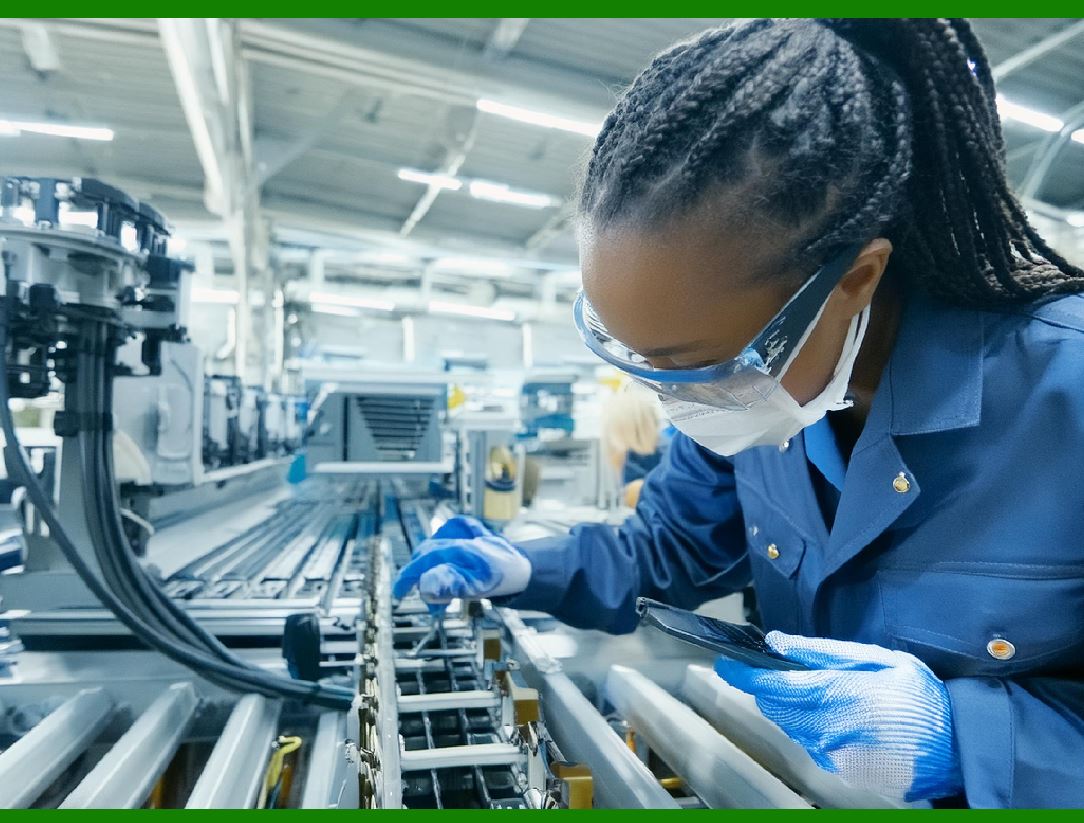
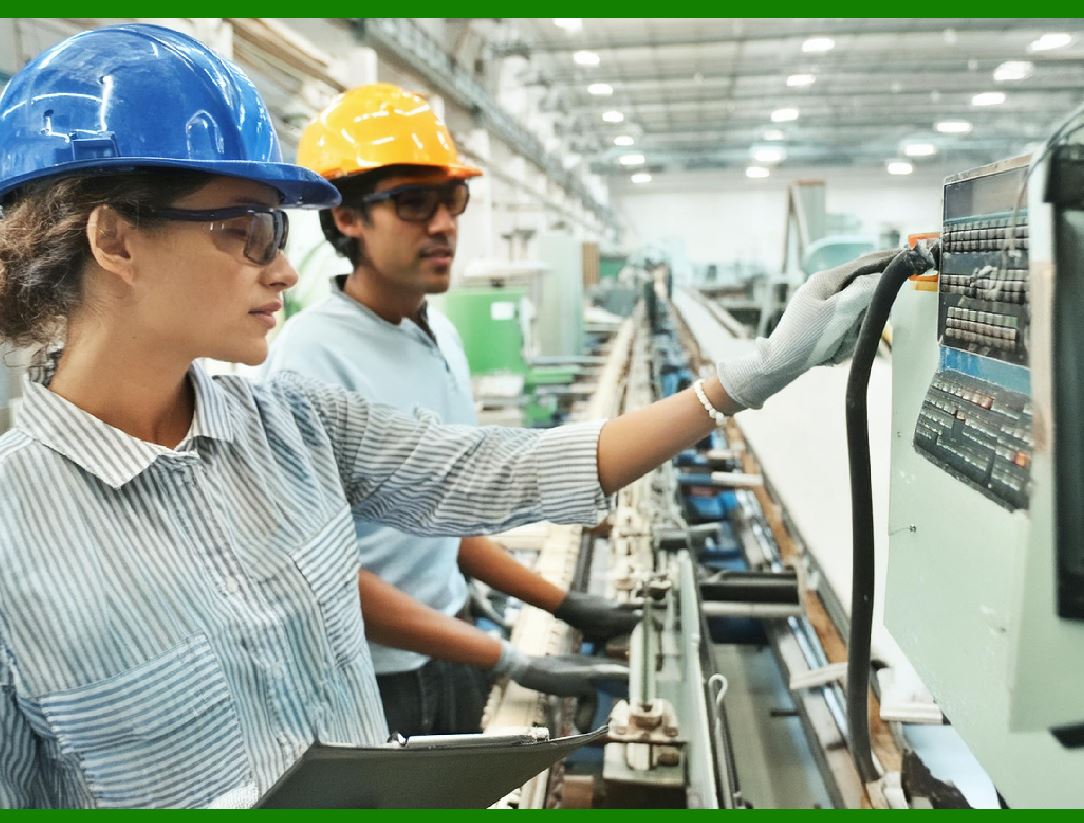
2. Manufacturing Process |
The manufacturing process of vinyl labels involves several key steps: |
2.1. Design |
The process begins with the design phase, where graphic designers create the visual layout of the label. This includes selecting fonts, colors, images, and ensuring the design aligns with the brand's identity. |
2.2. Material Selection |
Choosing the right material is crucial. Vinyl labels can be made from various materials such as paper, vinyl, or polyester, depending on the application and environmental factors. |
2.3. Printing |
Once the design is finalized, the label is printed using techniques like digital printing, flexography, or offset printing. Each method has its advantages and is selected based on the label's requirements. |
2.4. Finishing |
After printing, labels undergo finishing processes such as laminating, varnishing, or die-cutting. These steps enhance the label's durability, appearance, and functionality. |
2.5. Quality Control |
Rigorous quality control checks are conducted to ensure the labels meet all specifications and standards. This includes checking for color accuracy, print quality, and adhesive performance. |
2.6. Application |
Finally, the finished labels are applied to products or packaging using automated or manual methods, depending on the production scale. |
|
3. Innovations in Label Manufacturing |
The label manufacturing industry is continually evolving, with advancements in technology driving innovation: |
3.1. Digital Printing Revolution |
Digital printing has revolutionized the label manufacturing industry. It offers unparalleled flexibility and efficiency, allowing for shorter print runs, faster turnaround times, and the ability to produce high-quality, vibrant labels with intricate designs. |
3.2. Automation and Robotics |
Automation and robotics have significantly increased the efficiency of label production. Automated systems handle various stages of the manufacturing process, including material handling, printing, cutting, and packaging. |
3.3. Advanced Materials and Inks |
Innovations in materials and inks have expanded the possibilities for label manufacturing. Modern labels are not only aesthetically pleasing but also functional, withstanding extreme temperatures, moisture, and chemical exposure. |
3.4. Smart Label Technology |
Smart label technology adds a new dimension to the label manufacturing industry. Smart labels, embedded with RFID tags or NFC chips, provide enhanced functionality beyond basic identification. |

|
4. Main Manufacturers of Vinyl Labels |
Several companies are leading the way in vinyl label manufacturing: |
4.1. Avery Dennison |
Avery Dennison is a global leader in the production of high-performance adhesive materials, including PVC vinyl stickers and rolls. They focus on eco-friendly materials and offer custom products suitable for both industrial and consumer applications. |
4.2. Unisign |
Unisign is a prominent manufacturer and supplier in China, specializing in high-quality PVC vinyl stickers and rolls. Their products are renowned for their durability and exceptional print quality. |
4.3. 3M |
3M is a multinational conglomerate known for its high-performance PVC vinyl stickers and films. They operate multiple manufacturing facilities globally, producing a range of adhesive materials used across various industries. |
 cs@easiersoft.com