The efficiency of Code 128 barcode encoding rules is mainly reflected in three aspects: high-density encoding capability, full character set support, and cross-industry applicability. These characteristics give it a significant advantage in the field of information encoding and recognition. | 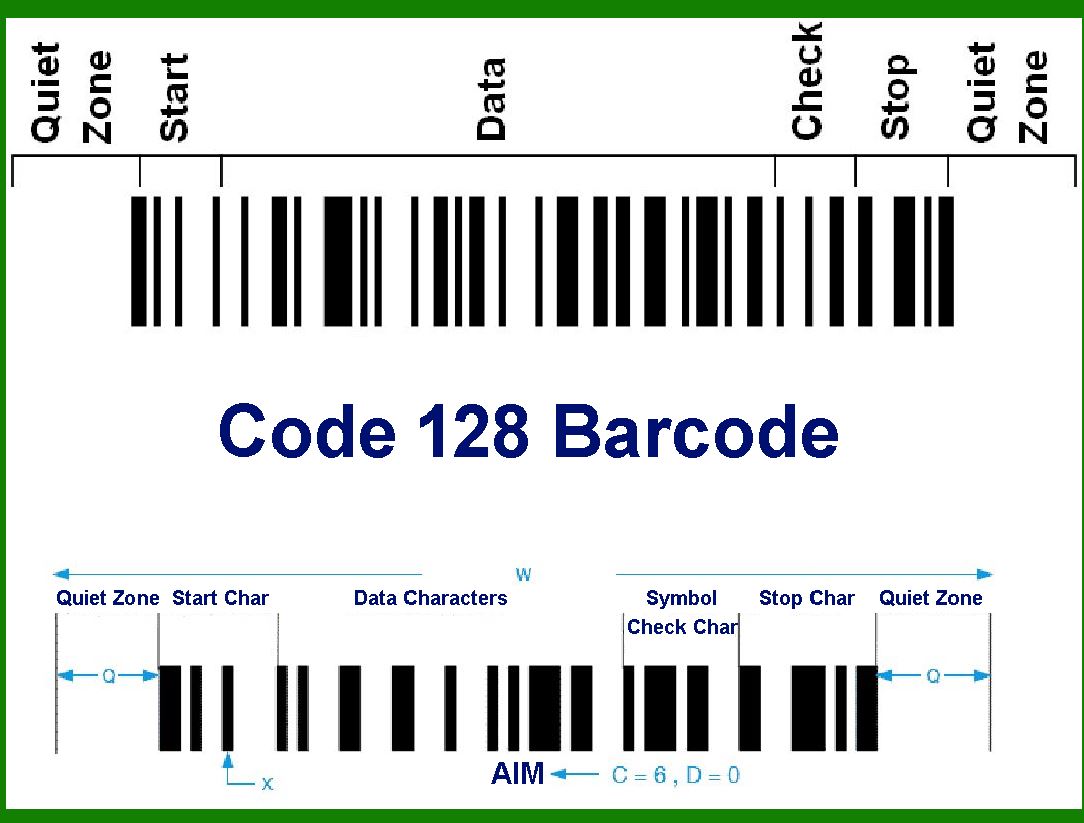
| The following analysis focuses on three dimensions: | I. High-Density Encoding Capability: Balancing Space Utilization and Information Capacity | Code 128 barcodes achieve high-density encoding through optimized module width design. Each character consists of 11 modules (3 bars and 3 spaces). Module width values ??range from 1 (narrowest) to 4 (widest), with different combinations of bars and spaces representing the character's logical value. For example, the character 'A' is encoded in subset A as narrow bar-narrow space-narrow bar-narrow space-narrow bar-wide space (module width sequence: 2, 1, 1, 4, 1, 2). This design allows for the encoding of more information per unit length. Compared to Code 39 barcodes, Code 128 can encode more characters within the same length, making it particularly suitable for space-constrained scenarios such as small product labels or high-density logistics packaging. Its high-density characteristics significantly improve information storage efficiency, reduce label costs, and maintain the stability of barcode recognition. | 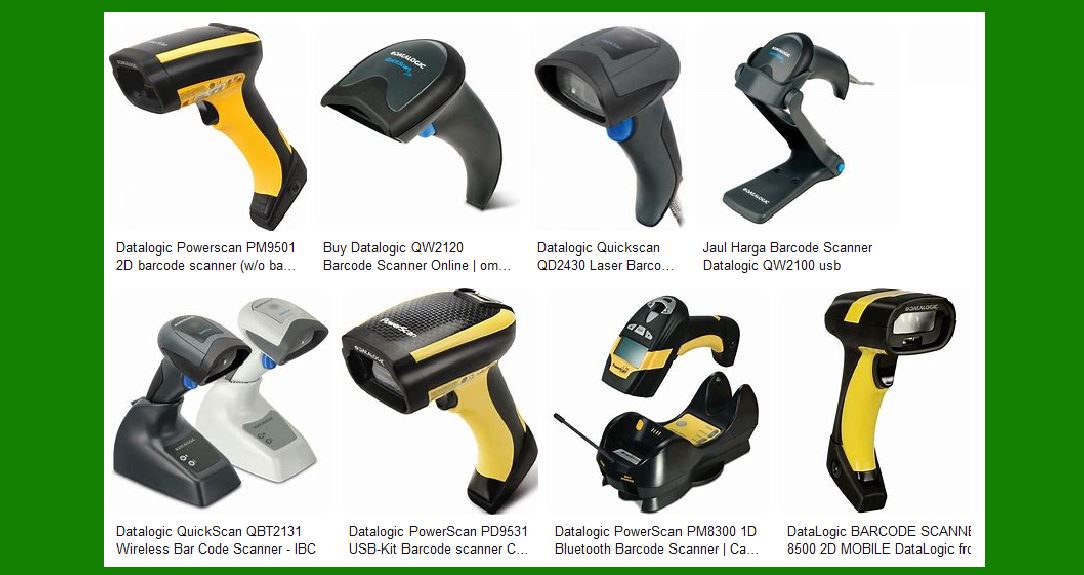
| II. Full Character Set Support: A Balance of Flexibility and Compatibility | Code 128 barcodes support all 128 ASCII characters, including numbers, uppercase and lowercase letters, symbols, and control characters, achieving flexible encoding through subsets A, B, and C. Subset A is dedicated to uppercase letters and numbers, subset B extends to both uppercase and lowercase letters, and subset C uses a two-character encoding method (each character represents two digits), further increasing encoding density for purely numeric information. For example, encoding '123' requires only 2 characters in subset C ('12' and '3'), while subset A requires 3 characters. This full character set support allows Code 128 to adapt to the encoding needs of different industries, such as complex information like drug names and batch numbers in the medical field, avoiding encoding redundancy or conversion problems caused by character limitations. | 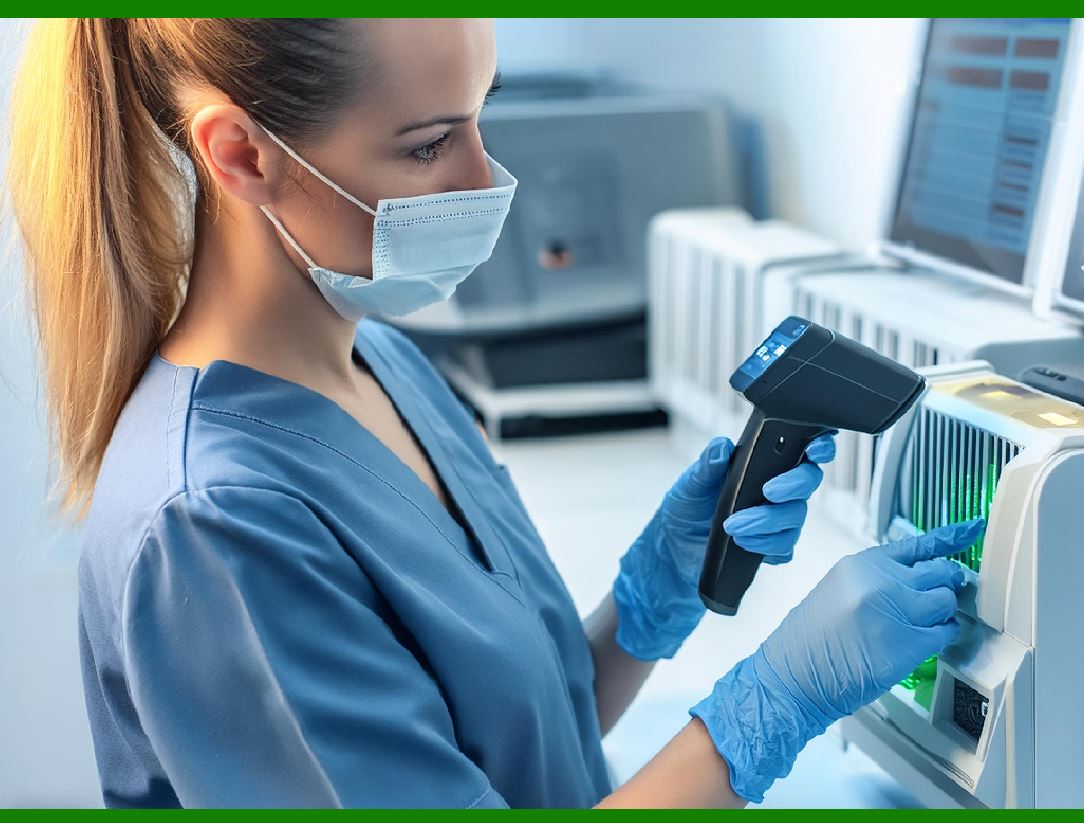
| III. Cross-Industry Applicability: A Fusion of Universality and Scenario Adaptability | The universal design of Code 128 barcodes enables their widespread application in logistics, retail, manufacturing, healthcare, and other fields. In logistics management, its high-density characteristics support efficient package tracking and inventory management; in retail, its full character set capability allows for accurate labeling and pricing of goods; in manufacturing, Code 128 barcodes improve quality control efficiency by supporting complex character sets (such as product traceability codes). Furthermore, its verification mechanism (generating a checksum by calculating the sum of logical values ??of data characters modulo 103) effectively reduces data misreading rates and enhances the reliability of cross-industry applications. For example, in medical device traceability, Code 128 barcodes can simultaneously encode the device model, production date, and batch number, ensuring information integrity and traceability. | 
| IV. Comprehensive Evaluation of Efficiency | The efficiency of Code 128 barcodes stems from the synergistic effect of its high-density encoding, full character set support, and cross-industry applicability. High-density encoding reduces label space usage, the full character set avoids encoding limitations, and cross-industry applicability reduces technical adaptation costs. However, its efficiency is also limited by encoding complexity (requiring selection of a subset based on the character set and calculation of checksums) and high requirements for scanning equipment (requiring support for high-resolution recognition). Nevertheless, in most application scenarios, Code 128 barcodes remain an efficient solution in barcode technology by balancing information capacity and recognition reliability. |
|
 cs@easiersoft.com