A Study on the Limitations of One-Dimensional Barcodes: A Case Study of Code 128 |
Abstract |
This paper takes one-dimensional barcodes such as Code 128 as the research object, systematically analyzing their technical principles, current applications, and inherent defects. By comparing with two-dimensional barcode technology, it reveals the shortcomings of one-dimensional barcodes in terms of information density, fault tolerance, and functional scalability, and proposes optimization suggestions based on practical application scenarios. The research shows that one-dimensional barcodes are still irreplaceable in specific fields, but sustainable development requires technological upgrades and scenario adaptation. |
Keywords |
One-dimensional barcode; Code 128; information density; fault tolerance; data security; technological upgrade |
|
Introduction |
Since the birth of one-dimensional barcode technology in the 1970s, it has rapidly penetrated many fields such as retail, logistics, and healthcare due to its low cost and ease of reading. Code 128, as a typical representative of one-dimensional barcodes, achieves high-density data storage through a three-digit encoding system, becoming one of the most widely used barcode standards globally.1 However, with the rapid development of technologies such as the Internet of Things and big data, the limitations of one-dimensional barcodes are becoming increasingly prominent. This article analyzes the technical characteristics of Code 128 and explores the inherent shortcomings of one-dimensional barcodes, aiming to provide a theoretical basis for industry technology upgrades. |
I. Technical Characteristics of Code 128 and Common Features of One-Dimensional Barcodes |
(I) Encoding Principle of Code 128 |
Code 128 uses a three-digit encoding system, representing characters through combinations of black and white stripes of varying widths. Its encoding rules include: |
Start and End Symbols: Clearly identify the start and end positions of the barcode, ensuring accurate recognition by scanning devices. |
Data Area: Contains the actual encoded information, supporting mixed encoding of numbers, letters, and symbols. |
Check Digit: Generated through mathematical calculations, used to verify data integrity and prevent misreading. |
(II) Common Features of One-Dimensional Barcodes |
Low Information Density: Limited by single-line arrangement, it can only store a limited number of characters (e.g., Code 128 can hold a maximum of 50 characters), unable to meet the needs of complex data. |
Dependence on Scanning Devices: Requires a dedicated scanner or mobile app for recognition, placing high demands on hardware. |
High Standardization: Adhering to international standards (such as ISO/IEC 15417) ensures global applicability. |

|
II. Inherent Defects of One-Dimensional Barcodes |
(I) Insufficient Information Capacity and Density |
Data Storage Limitations |
While Code 128 supports numeric, alphanumeric, and symbol encoding, its single-line arrangement limits information capacity. For example, storing complete information including product name, batch number, and production date requires multiple barcodes or compressed data, increasing management complexity. |
In contrast, two-dimensional barcodes (such as QR codes) can store thousands of characters and support multimedia information such as images and URLs, meeting the refined needs of modern supply chains. |
Poor Scenario Adaptability |
In the medical field, one-dimensional barcodes struggle to carry complex data such as patient medical history and medication records, leading to information silos. |
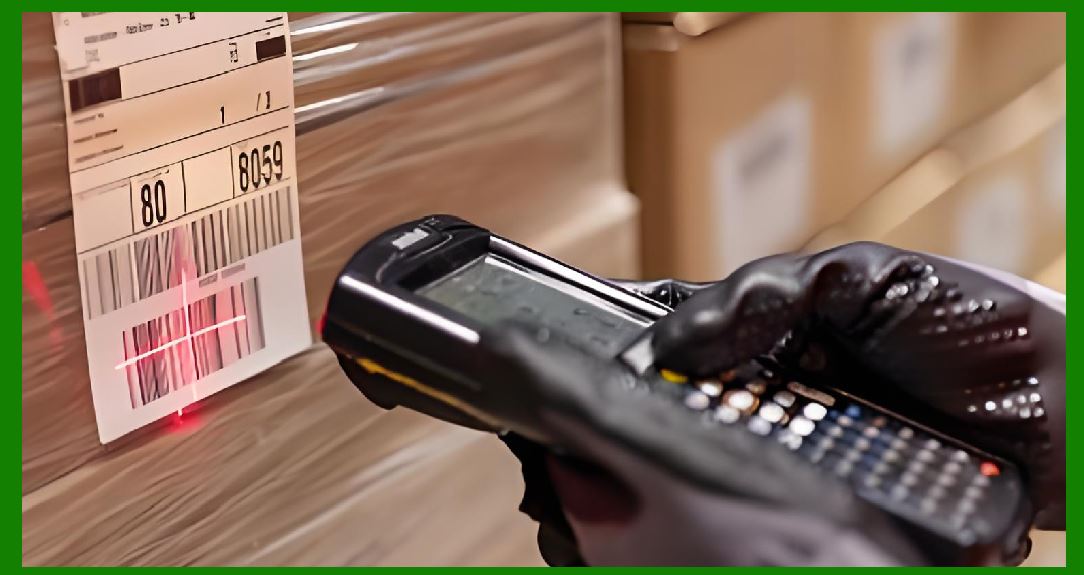
In industrial scenarios, equipment lifecycle data (such as maintenance records and fault codes) needs to be concatenated using multiple barcodes, reducing efficiency. |
|
(II) Fault Tolerance and Reliability Issues |
Sensitivity to Physical Damage |
One-dimensional barcodes are extremely sensitive to physical damage such as dirt, wrinkles, and fading. For example, barcode blurring due to friction in a warehouse may cause scanning failures, requiring manual intervention and increasing operating costs. |
In contrast, two-dimensional barcodes, even if some areas are damaged, can still recover data through redundant coding, significantly improving reliability. |
Poor Environmental Adaptability |
The recognition rate of one-dimensional barcodes decreases significantly in high temperature, humidity, or strong light environments. For example, in cold chain logistics, low temperatures can cause barcode labels to detach or become blurred, affecting cargo tracking efficiency. |
|
(III) Limited Functional Expansion |
Insufficient Security Protection |
Code128 does not support encryption, making data easily copied or tampered with. For example, in drug traceability, counterfeit barcodes could lead to counterfeit drugs entering the market, threatening public safety. |
In contrast, RFID technology can achieve data anti-counterfeiting through encryption algorithms, improving supply chain transparency. |
Difficulty in Dynamic Updates |
Once a one-dimensional barcode is generated, its content cannot be modified. For example, when product prices need to be adjusted during promotional activities, barcode labels need to be reprinted, increasing costs. |
Two-dimensional barcodes can be dynamically updated by linking to a database, supporting real-time information push. |
|
(IV) User Experience and Cost Issues |
Low Scanning Efficiency |
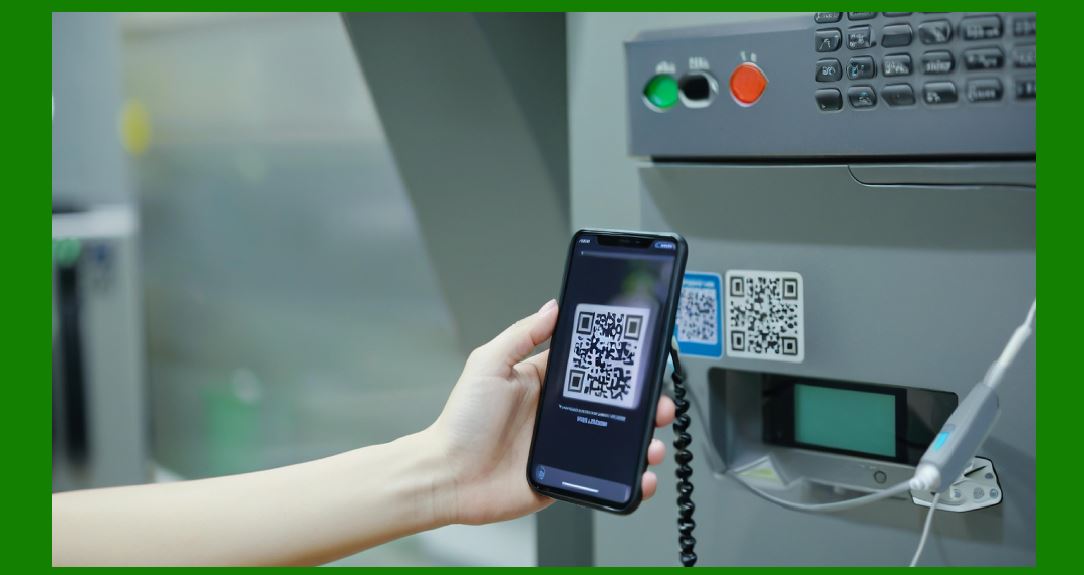
One-dimensional barcodes require alignment with the scanning device, making operation cumbersome. For example, at supermarket checkouts, customers need to adjust the position of product barcodes multiple times, affecting checkout efficiency. |
Two-dimensional barcodes support 360¡ã recognition, improving user experience. |
High Hidden Costs |
Hardware investments such as printing equipment, scanners, and label paper, as well as hidden costs such as maintenance, updates, and training, may result in a total cost exceeding that of two-dimensional barcodes over the long term. |

|
III. Optimization Path and Scenario Adaptation for One-Dimensional Barcodes |
(I) Technology Upgrade Strategies |
Information Compression and Encoding Optimization |
Adopting more efficient encoding algorithms to improve information density. For example, compressing data through binary encoding to store more information in a limited space. |
Developing a hybrid encoding system that combines the advantages of one-dimensional and two-dimensional barcodes to achieve layered data storage. |
Enhance Fault Tolerance |
Introduce redundant coding and error correction mechanisms to improve resistance to contamination. For example, add a verification zone to the barcode edge and repair damaged data using mathematical algorithms. |
Develop self-healing materials to improve the durability of barcode labels. |
(II) Scenario Adaptation Recommendations |
Retail and Logistics Sector |
Retain one-dimensional barcodes for basic information identification (such as product ID, batch number), and combine them with two-dimensional barcodes to store extended information (such as production date, shelf life), achieving hierarchical data management. |
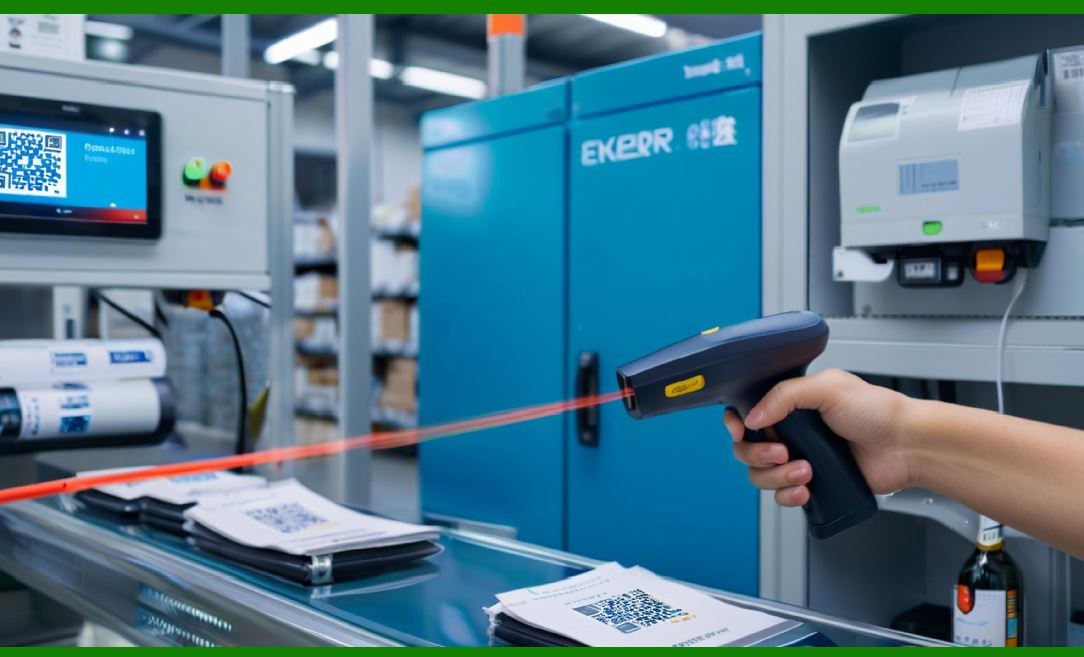
Optimize scanning equipment to support automatic recognition of one-dimensional and two-dimensional barcodes, improving operational efficiency. |
Medical and Industrial Sector |
In medical scenarios, use one-dimensional barcodes to identify basic patient information, and extend data by linking to electronic medical record systems. |
In industrial scenarios, combine RFID technology to achieve full lifecycle tracking of equipment, compensating for the insufficient capacity of one-dimensional barcodes. |
(III) Cost Control Solutions |
Hardware Equipment Optimization |
Develop multi-functional scanning equipment that supports one-dimensional, two-dimensional barcode, and RFID recognition, reducing procurement costs. |
Promote mobile scanning applications, utilizing smartphone cameras for barcode recognition to reduce investment in dedicated equipment. |
Label Material Innovation |
Use biodegradable materials to produce barcode labels, reducing environmental costs. |
Develop anti-counterfeiting labels, enhancing security and reducing counterfeiting risks through special inks or structural designs. |

|
IV. Conclusions and Outlook |
(I) Research Conclusions |
One-dimensional barcodes (such as Code 128) have significant shortcomings in information density, fault tolerance, and functional scalability, making it difficult to meet the refined needs of modern supply chains. |
Through technological upgrades and scenario adaptation, one-dimensional barcodes can still play an irreplaceable role in specific fields, such as basic information identification and low-cost scenarios. |
(II) Future Outlook |
Technological Integration: Promote the integration of one-dimensional barcodes with two-dimensional barcodes, RFID, NFC, and other technologies to build a multimodal identification system. |
Intelligent Upgrade: Combine AI technology to achieve automatic barcode recognition and data parsing, improving operational efficiency. |
Standardization: Improve international standards for one-dimensional barcodes and promote globally unified application. |

|
V. Will 1D barcodes be completely phased out? |
1D barcodes, such as Code 128, will not be completely phased out, but will gradually be relegated to specific scenarios. Their survival depends on the following factors: |
Cost-effectiveness: In budget-constrained or large-scale applications, 1D barcodes remain economically competitive. |
Scenario adaptability: In scenarios such as simple information identification and harsh environments, the simplicity and reliability of 1D barcodes are difficult to replace. |
Technology integration capability: Through innovations such as hybrid coding and AI enhancement, the lifespan of 1D barcodes can be extended. |
In the future, 1D barcodes will coexist with 2D barcodes, RFID, and other technologies, forming a multimodal identification system of 'basic layer - extended layer - intelligent layer,' jointly supporting the needs of a digital society. |
 cs@easiersoft.com