1. Introduction to Polyethylene (PE) Barcode Labels |
Polyethylene (PE) is a common and widely-used thermoplastic polymer, primarily due to its versatility, affordability, and ease of processing. PE barcode labels are specifically designed for applications requiring resistance to chemicals, moisture, and other external elements. These labels are crucial in industries where exposure to harsh environments is inevitable, such as food processing, logistics, and various manufacturing processes. |
|
2. Chemical Composition and Properties of Polyethylene |
Polyethylene is a polymer made from the polymerization of ethylene, which can occur through various methods such as free-radical polymerization or coordination polymerization. The chemical formula for polyethylene is represented as: |
(-CH2-CH2)-n\text{(-CH}_2\text{-CH}_2\text{)-}_n |
where nn represents the number of repeating units. |
2.1. Types of Polyethylene |
Low-Density Polyethylene (LDPE): Characterized by its flexibility and low tensile strength, making it suitable for applications such as plastic bags and film wraps. |
High-Density Polyethylene (HDPE): Known for its rigidity and strength, commonly used in products like milk jugs, detergent bottles, and corrosion-resistant piping. |
Linear Low-Density Polyethylene (LLDPE): Combines properties of both LDPE and HDPE, offering a balance between flexibility and strength. |
|
3. Manufacturing of Polyethylene Barcode Labels |
The manufacturing process of polyethylene barcode labels involves several stages, including polymerization, film extrusion, coating, printing, and cutting. |
3.1. Polymerization |
Polyethylene is produced through the polymerization of ethylene monomers, typically using a catalyst in a high-pressure reactor. The resulting polymer chains determine the type of polyethylene and its properties. |
3.2. Film Extrusion |
Once the polymer is formed, it is melted and extruded into thin films using a process called blown film extrusion or cast film extrusion. The thickness and width of the film are controlled to meet specific label requirements. |
3.3. Coating and Adhesive Application |
The polyethylene film is then coated with various materials to enhance its printability and adhesive properties. This step is crucial for ensuring the barcode label adheres well to different surfaces and remains legible over time. |
3.4. Printing |
The labels are printed using techniques such as flexography, digital printing, or thermal transfer printing. These methods allow for high-resolution barcode printing, ensuring accurate scanning and data capture. |
3.5. Cutting and Finishing |
The printed films are cut into individual labels using cutting tools such as die-cutters or slitting machines. The final labels are then inspected for quality and packaged for distribution. |
|
4. Applications of Polyethylene Barcode Labels |
Polyethylene barcode labels are widely used across various industries due to their chemical resistance and durability. Some common applications include: |
4.1. Food Processing Industry |
Ingredient Labels: Used on containers and packaging of food ingredients to provide essential information such as batch numbers, expiry dates, and nutritional content. |
Cleaning and Sanitization: Polyethylene labels are resistant to water-based cleaning agents and mild chemicals, making them ideal for environments where frequent washing and sanitization are required. |
4.2. Logistics and Warehousing |
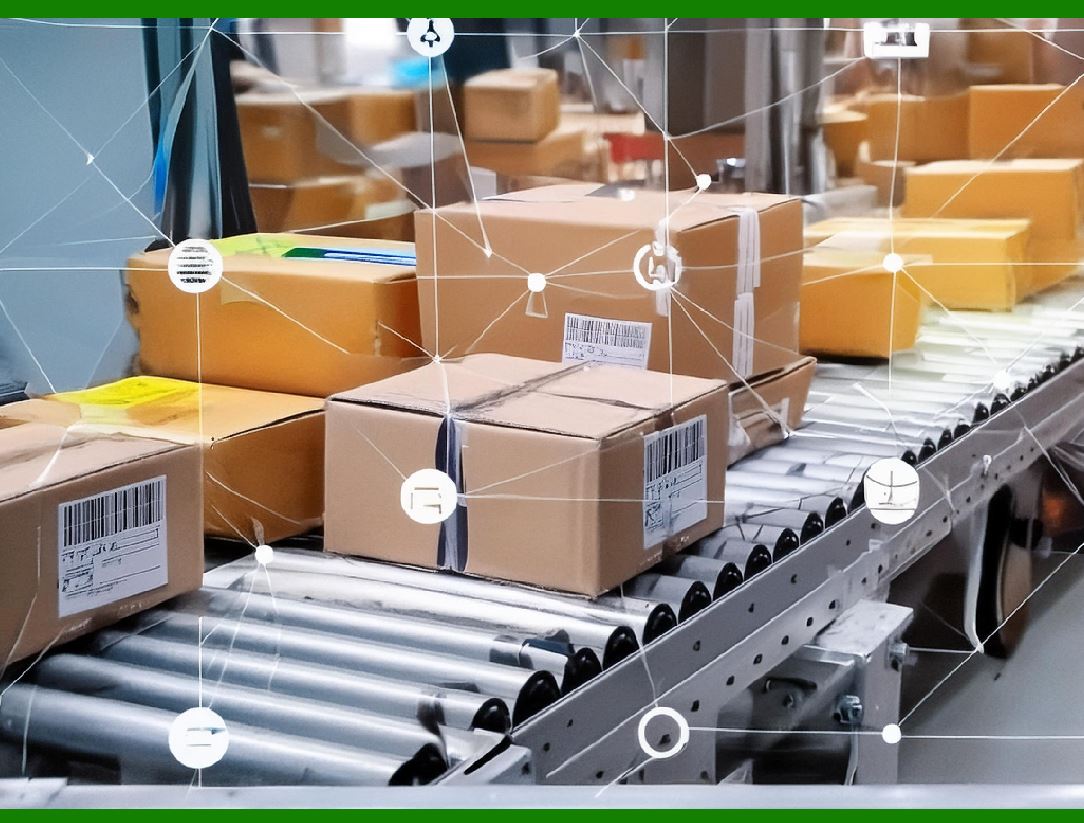
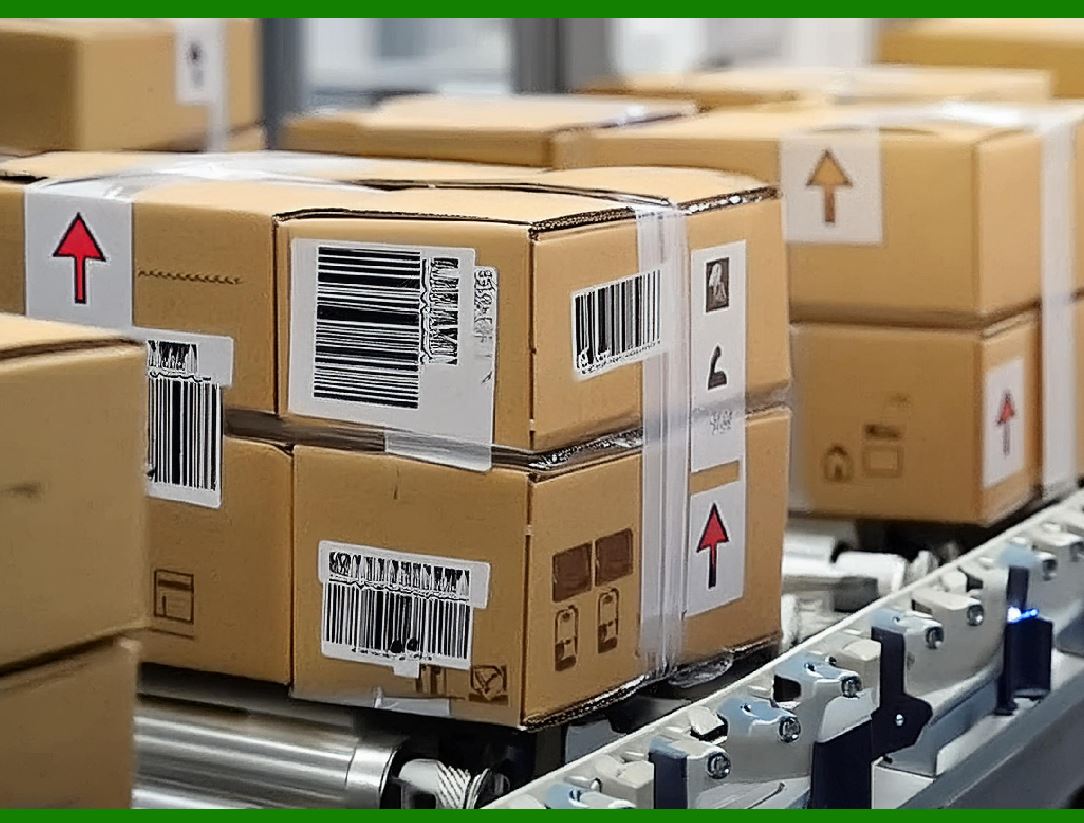
Shipping Labels: Applied to packages and pallets to track shipments, manage inventory, and ensure accurate delivery. |
Storage Labels: Used in warehouses to label shelves, bins, and containers for efficient organization and inventory control. |
4.3. Chemical Industry |
Chemical Containers: Labels on chemical containers provide important information about the contents, handling instructions, and safety precautions. Polyethylene's resistance to acids and alkalis ensures that the labels remain intact and legible. |
|
5. Benefits of Polyethylene Barcode Labels |
Polyethylene barcode labels offer several advantages, making them a preferred choice for various applications. |
5.1. Chemical Resistance |
Polyethylene is highly resistant to a wide range of chemicals, including acids, alkalis, and detergents. This property ensures that the labels do not degrade or lose their legibility when exposed to harsh environments. |
5.2. Moisture Resistance |
Polyethylene's ability to repel water makes it an excellent choice for applications where moisture exposure is common. The labels remain intact and readable even in wet conditions, preventing label degradation over time. |
5.3. Flexibility and Durability |
Polyethylene labels are flexible and can conform to different surfaces, including curved and irregular shapes. This flexibility, combined with durability, ensures that the labels remain attached and readable throughout their intended lifespan. |
5.4. Cost-Effectiveness |
Polyethylene is an affordable material, making it a cost-effective option for producing large quantities of barcode labels. The ease of manufacturing and availability of raw materials contribute to its economic advantages. |
|
6. Limitations of Polyethylene Barcode Labels |
While polyethylene barcode labels offer numerous benefits, they also have certain limitations that should be considered. |
6.1. Temperature Sensitivity |
Polyethylene is less durable under extreme temperature conditions compared to other materials like polyester. High heat can cause the labels to deform or lose their adhesive properties, making them unsuitable for applications involving high-temperature environments. |
6.2. Mechanical Strength |
Polyethylene's mechanical strength is lower than that of materials like polyester and polypropylene. This limitation makes it less suitable for applications requiring high tensile strength and resistance to physical wear and tear. |
6.3. Environmental Impact |
Polyethylene is a plastic material, and its production and disposal have environmental implications. While recycling options are available, the environmental impact of polyethylene should be considered in applications where sustainability is a priority. |
|
7. Comparison with Other Label Materials |
Polyethylene barcode labels are often compared with other label materials such as polyester and polypropylene. Understanding the differences between these materials helps in selecting the most suitable option for specific applications. |
7.1. Polyester |
Chemical Resistance: Polyester offers excellent chemical resistance, similar to polyethylene. |
Temperature Resistance: Polyester is more resistant to high temperatures compared to polyethylene, making it suitable for applications involving heat exposure. |
Mechanical Strength: Polyester has higher tensile strength and durability, making it ideal for demanding applications. |
Cost: Polyester is generally more expensive than polyethylene due to its superior properties. |
7.2. Polypropylene |
Chemical Resistance: Polypropylene offers good chemical resistance but may not perform as well as polyethylene in some harsh environments. |
Temperature Resistance: Polypropylene has better heat resistance than polyethylene but is still inferior to polyester. |
Mechanical Strength: Polypropylene offers a balance between flexibility and strength, similar to polyethylene. |
Cost: Polypropylene is typically more affordable than polyester but may be slightly more expensive than polyethylene. |
|
8. Future Trends and Innovations |
The development of new technologies and materials continues to drive innovation in the field of barcode labels. Some emerging trends and innovations in polyethylene barcode labels include: |
8.1. Eco-Friendly Alternatives |
Biodegradable Polyethylene: Researchers are exploring biodegradable versions of polyethylene to reduce environmental impact. These materials aim to provide the same properties as traditional polyethylene while being more sustainable. |
Recycled Polyethylene: The use of recycled polyethylene in label production is gaining traction as a way to minimize waste and promote sustainability. |
8.2. Advanced Printing Technologies |
Digital Printing: Advances in digital printing technology enable high-resolution and full-color printing on polyethylene labels. This innovation allows for more intricate designs and improved barcode readability. |
Smart Labels: The integration of technologies such as RFID (Radio-Frequency Identification) and NFC (Near Field Communication) into polyethylene labels is revolutionizing inventory management and supply chain tracking. |
8.3. Enhanced Adhesive Formulations |
High-Performance Adhesives: New adhesive formulations are being developed to improve the adhesion properties of polyethylene labels, especially in challenging environments. These adhesives enhance label longevity and reliability. |
|
9. Conclusion |
Polyethylene (PE) barcode labels play a vital role in various industries due to their chemical resistance, moisture resistance, flexibility, and cost-effectiveness. While they have certain limitations, such as temperature sensitivity and mechanical strength, their benefits make them a popular choice for many applications. The ongoing advancements in materials and printing technologies continue to enhance the performance and sustainability of polyethylene barcode labels, ensuring their relevance in the ever-evolving landscape of industrial labeling. |
In summary, polyethylene barcode labels are a versatile and reliable solution for labeling needs in environments where exposure to chemicals and moisture is expected. Their affordability and ease of manufacturing make them an attractive option for businesses seeking efficient and cost-effective labeling solutions. |
|
Manufacturing technology and main manufacturers of the Polyethylene (PE) Label |
1. Introduction to Polyethylene (PE) Labels |
Polyethylene (PE) labels are widely used in various industries due to their durability, chemical resistance, and cost-effectiveness. These labels are essential for applications requiring exposure to harsh environments, such as food processing, logistics, and chemical industries. |
2. Manufacturing Technology of Polyethylene (PE) Labels |
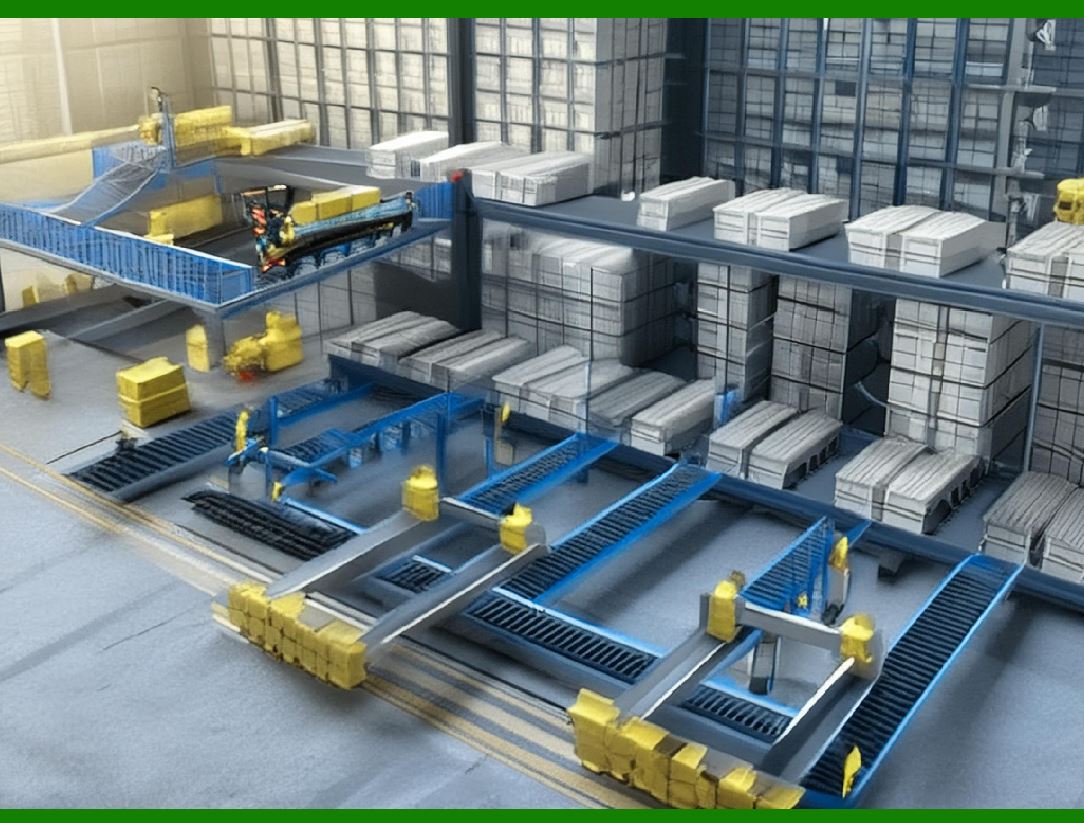
The manufacturing process of PE labels involves several key steps, each contributing to the final product's quality and performance. |
2.1. Polymerization |
Polyethylene is produced through the polymerization of ethylene monomers. This process can be carried out using different methods, such as free-radical polymerization or coordination polymerization. The choice of polymerization method affects the properties of the resulting polyethylene. |
2.2. Film Extrusion |
Once the polyethylene polymer is formed, it is melted and extruded into thin films using blown film extrusion or cast film extrusion. The thickness and width of the film are controlled to meet specific label requirements. |
2.3. Coating and Adhesive Application |
The polyethylene film is then coated with various materials to enhance its printability and adhesive properties. This step ensures that the label adheres well to different surfaces and remains legible over time. |
2.4. Printing |
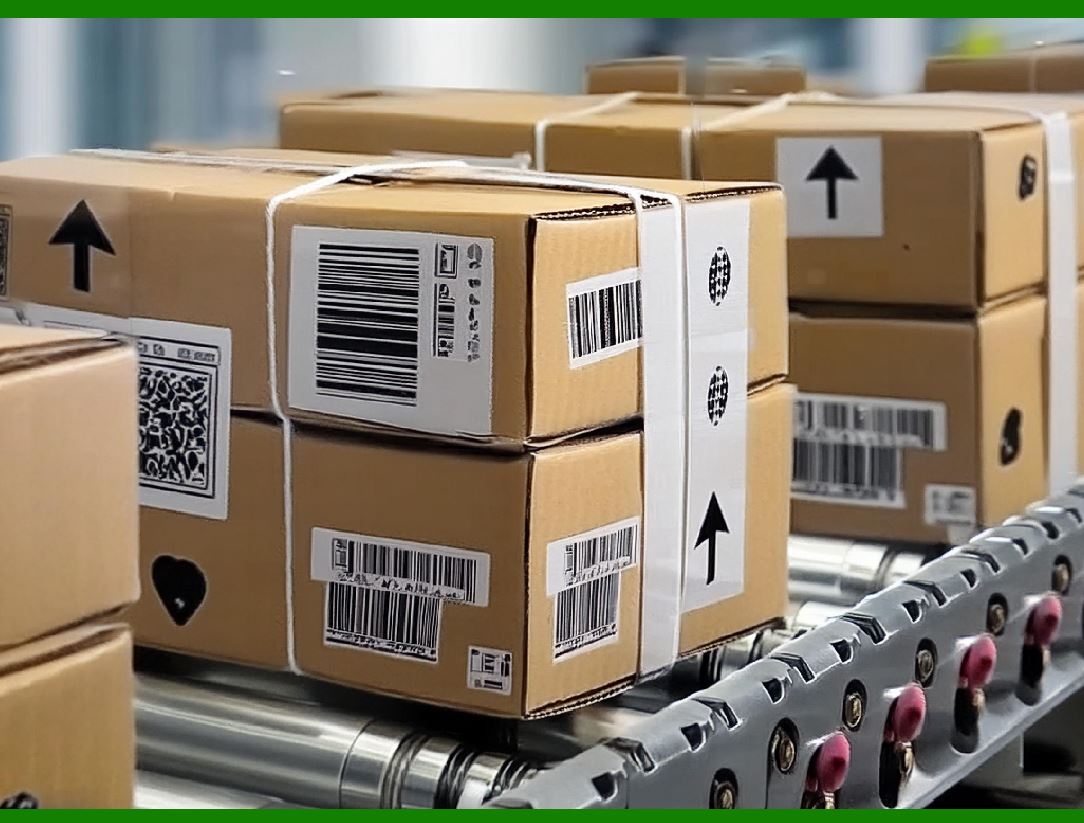
The labels are printed using techniques such as flexography, digital printing, or thermal transfer printing. These methods allow for high-resolution barcode printing, ensuring accurate scanning and data capture. |
2.5. Cutting and Finishing |
The printed films are cut into individual labels using cutting tools such as die-cutters or slitting machines. The final labels are then inspected for quality and packaged for distribution. |
|
3. Main Manufacturers of Polyethylene (PE) Labels |
Several companies are prominent in the production of PE labels, offering a range of products tailored to different industries and applications. |
3.1. 3M Company |
3M is a leading manufacturer of PE labels, known for its innovative solutions and high-quality products. The company offers a wide range of label materials, including polyethylene, to meet various industry needs. |
3.2. Avery Dennison Corporation |
Avery Dennison is another major player in the label manufacturing industry. The company provides a diverse portfolio of label products, including PE labels, catering to sectors such as food processing, logistics, and healthcare. |
3.3. Zebra Technologies Corporation |
Zebra Technologies specializes in barcode printing and labeling solutions. The company offers PE labels designed for high-performance applications, ensuring durability and reliability in challenging environments. |
3.4. CCL Industries Inc. |
CCL Industries is a global leader in label manufacturing, offering a wide range of label materials, including polyethylene. The company's products are used in various industries, including food and beverage, pharmaceuticals, and automotive. |
3.5. UPM Raflatac |
UPM Raflatac is a Finnish company known for its high-quality label materials and innovative solutions. The company produces PE labels that are resistant to chemicals, moisture, and extreme temperatures, making them suitable for demanding applications. |
|
4. Applications of Polyethylene (PE) Labels |
Polyethylene labels are widely used across various industries due to their chemical resistance, moisture resistance, flexibility, and cost-effectiveness. Some common applications include: |
4.1. Food Processing Industry |
Ingredient Labels: Used on containers and packaging of food ingredients to provide essential information such as batch numbers, expiry dates, and nutritional content. |
Cleaning and Sanitization: PE labels are resistant to water-based cleaning agents and mild chemicals, making them ideal for environments where frequent washing and sanitization are required. |
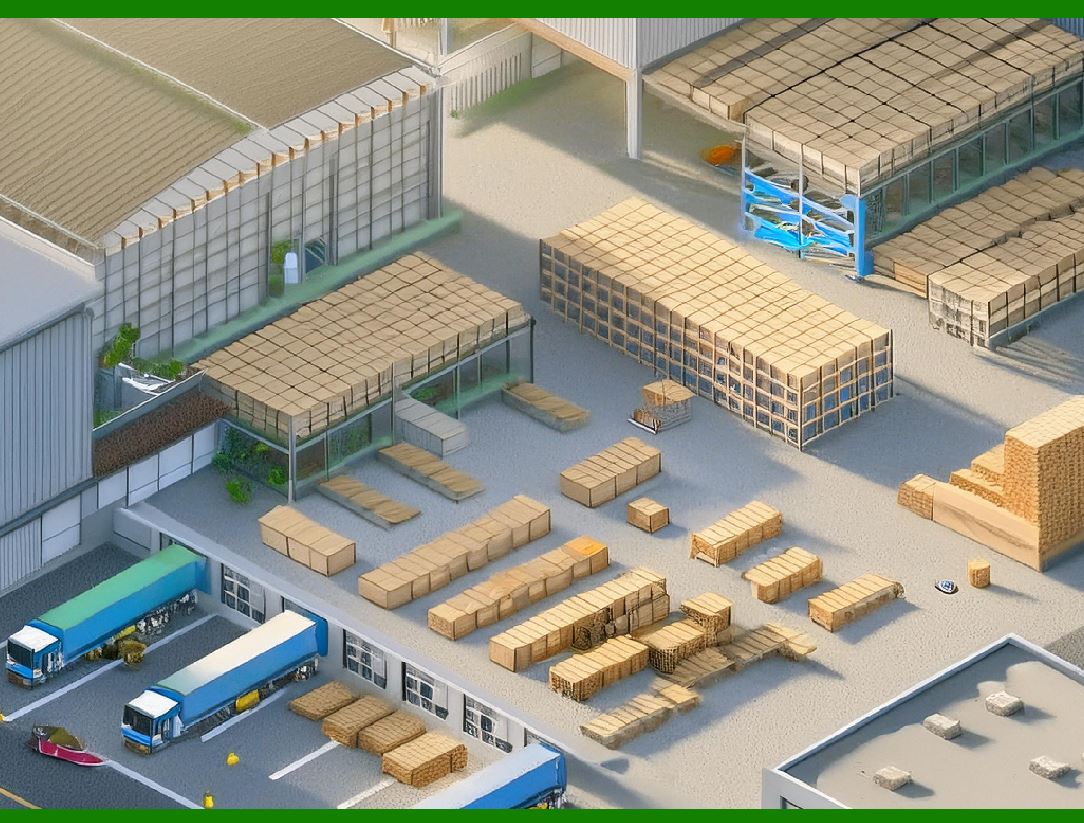
4.2. Logistics and Warehousing |
Shipping Labels: Applied to packages and pallets to track shipments, manage inventory, and ensure accurate delivery. |
Storage Labels: Used in warehouses to label shelves, bins, and containers for efficient organization and inventory control. |
4.3. Chemical Industry |
Chemical Containers: Labels on chemical containers provide important information about the contents, handling instructions, and safety precautions. PE's resistance to acids and alkalis ensures that the labels remain intact and legible when exposed to harsh environments. |
|
5. Benefits of Polyethylene (PE) Labels |
Polyethylene labels offer several advantages, making them a preferred choice for various applications. |
5.1. Chemical Resistance |
PE is highly resistant to a wide range of chemicals, including acids, alkalis, and detergents. This property ensures that the labels do not degrade or lose their legibility when exposed to harsh environments. |
5.2. Moisture Resistance |
PE's ability to repel water makes it an excellent choice for applications where moisture exposure is common. The labels remain intact and readable even in wet conditions, preventing label degradation over time. |
5.3. Flexibility and Durability |
PE labels are flexible and can conform to different surfaces, including curved and irregular shapes. This flexibility, combined with durability, ensures that the labels remain attached and readable throughout their intended lifespan. |
5.4. Cost-Effectiveness |
PE is an affordable material, making it a cost-effective option for producing large quantities of barcode labels. The ease of manufacturing and availability of raw materials contribute to its economic advantages. |
|
6. Limitations of Polyethylene (PE) Labels |
While PE labels offer numerous benefits, they also have certain limitations that should be considered. |
6.1. Temperature Sensitivity |
PE is less durable under extreme temperature conditions compared to other materials like polyester. High heat can cause the labels to deform or lose their adhesive properties, making them unsuitable for applications involving high-temperature environments. |
6.2. Mechanical Strength |
PE's mechanical strength is lower than that of materials like polyester and polypropylene. This limitation makes it less suitable for applications requiring high tensile strength and resistance to physical wear and tear. |
6.3. Environmental Impact |
PE is a plastic material, and its production and disposal have environmental implications. While recycling options are available, the environmental impact of PE should be considered in applications where sustainability is a priority. |
 cs@easiersoft.com