1. Introduction to Polymer Technology in Barcode Labels |
Barcode labels are essential tools used for product identification, inventory management, and traceability in various industries. These labels are made from different materials, but polymer-based materials are the most commonly used due to their robustness, versatility, and cost-effectiveness. Polymers, which are long-chain molecules created through polymerization, are well-suited for the production of barcode labels because they can be engineered to possess a range of properties such as chemical resistance, flexibility, strength, and durability. |
Polymer technology plays a critical role in ensuring that barcode labels are functional, resistant to harsh environments, and capable of withstanding the challenges of industrial applications. Depending on the specific demands of the label's end-use, manufacturers select polymers based on their properties, such as chemical resistance, moisture resistance, flexibility, and ease of processing. The following sections will explore how polymer technology is integrated into barcode labels, highlighting the performance-enhancing aspects of different polymer types, including high-performance polymers and blended polymers. |
|
2. Understanding Polymers and Their Role in Barcode Labels |
Polymers are large, macromolecular compounds that consist of repeated structural units called monomers. These monomers are chemically bonded to form long chains, giving the polymer its unique properties. The versatility of polymers is due to their ability to be tailored at the molecular level, allowing manufacturers to design materials with specific physical, mechanical, and chemical properties. |
In barcode labels, the choice of polymer is crucial because it must not only support the printing of readable barcodes but also ensure the label remains intact under varying conditions. Barcode labels are subjected to different stresses, such as exposure to moisture, high temperatures, chemicals, and physical abrasion. The polymer materials used must be able to withstand these conditions to ensure that the barcode remains scannable and the label itself remains intact throughout its intended lifecycle. |
|
3. High-Performance Polymers for Barcode Labels |
High-performance polymers are engineered to exhibit superior properties, especially in harsh environments where standard materials would fail. These polymers provide a significant advantage in terms of durability and longevity, making them ideal for barcode labels in industrial and outdoor applications. |
3.1 Polyester (PET) |
Polyester, specifically polyethylene terephthalate (PET), is one of the most widely used polymers in barcode label production. PET is known for its excellent chemical resistance, high tensile strength, and durability under extreme conditions. It offers superior resistance to oils, solvents, and many types of acids and alkalis, which makes it ideal for barcode labels in environments where exposure to harsh chemicals is a concern. |
PET's high-performance characteristics extend to temperature stability as well, with a relatively high melting point that allows it to perform in both hot and cold environments. This polymer also has good dimensional stability, which means it maintains its shape and size over time, even when subjected to mechanical stresses such as bending or stretching. Additionally, PET is resistant to moisture, which helps prevent the degradation of the barcode or the label itself when exposed to humid conditions. |
3.2 Polypropylene (PP) |
Polypropylene is another high-performance polymer that is often used in barcode label applications. PP is known for its lightweight nature and chemical resistance, particularly in environments where exposure to oils, solvents, and non-polar chemicals is common. This polymer is also highly resistant to environmental stress cracking, which can occur when plastics become brittle under the influence of chemicals or mechanical strain. |
One of the key advantages of polypropylene in barcode labels is its cost-effectiveness compared to other high-performance polymers. While it may not have the same level of temperature resistance as PET, PP offers an excellent balance of chemical resistance and affordability, making it suitable for a wide range of barcode labeling applications, especially in the food and beverage industry. |
3.3 Polyethylene (PE) |
Polyethylene is a widely used polymer in various industries, and it also plays a crucial role in the production of barcode labels. PE offers excellent chemical resistance, particularly against acids and alkalis, making it ideal for industrial applications where exposure to these substances is common. Additionally, polyethylene is highly flexible and can withstand significant deformation without cracking or breaking, which is important for labels that need to adhere to curved or irregular surfaces. |
The primary downside of polyethylene is that it does not offer the same level of rigidity and dimensional stability as PET, but its flexibility and cost-effectiveness make it a preferred choice for many types of barcode labels, especially those used in low-to-medium risk environments. |
|
4. Blended Polymers for Enhanced Performance |
While high-performance polymers like PET, PP, and PE offer excellent individual properties, there are instances where combining different types of polymers into blended materials can yield superior results. Polymer blending technology allows manufacturers to take advantage of the complementary properties of different polymers, creating a material that performs better in specific applications. |
4.1 Polyester/Polyethylene Blends |
One common blend used in barcode labels is polyester/polyethylene (PET/PE). This combination allows manufacturers to achieve a balance between the chemical resistance of polyester and the flexibility and cost-effectiveness of polyethylene. The PET component provides the label with the necessary durability to withstand exposure to chemicals, oils, and temperature fluctuations, while the polyethylene component enhances the material's ability to conform to curved or irregular surfaces. |
The PET/PE blend is particularly effective in environments where moisture resistance is crucial. The polyethylene component ensures that the label retains its integrity even when exposed to high humidity, while the polyester component protects the barcode from chemical degradation. This blend is also highly effective in industrial and outdoor environments, where labels are often exposed to challenging conditions. |
4.2 Polyester/Polypropylene Blends |
Another example of a blended polymer used in barcode labels is the polyester/polypropylene (PET/PP) blend. This combination leverages the strength and dimensional stability of polyester with the chemical resistance and lightweight nature of polypropylene. The result is a material that offers excellent durability against environmental stresses while being easier to process and handle than more rigid materials. |
PET/PP blends are often used in applications where labels need to withstand high mechanical stresses, such as abrasion or bending, while still maintaining good chemical resistance. These blends are commonly found in industries like logistics, manufacturing, and automotive, where barcode labels need to endure physical wear and tear in addition to exposure to chemicals. |
4.3 Polypropylene/Polyethylene Blends |
Polypropylene/polyethylene (PP/PE) blends offer an interesting combination of properties, particularly in terms of flexibility and toughness. While polypropylene provides chemical resistance and stiffness, polyethylene enhances the blend's flexibility and impact resistance. This makes PP/PE blends particularly useful for applications where barcode labels need to be applied to products that undergo frequent handling, bending, or stretching. |
This blend offers a cost-effective solution for companies that require barcode labels with a good balance of durability and affordability. It is commonly used in industries such as retail, logistics, and packaging, where barcode labels are frequently subjected to physical handling. |

|
5. The Importance of Polymer Selection in Barcode Label Applications |
The selection of the right polymer material for barcode labels is crucial, as it directly impacts the performance and longevity of the labels. Each application has unique requirements that may include chemical exposure, mechanical stress, temperature fluctuations, and environmental conditions such as humidity or UV radiation. |
By selecting the right polymer or polymer blend, manufacturers can ensure that barcode labels maintain their legibility, durability, and adhesive properties throughout their lifecycle. For example, in the food and beverage industry, labels need to withstand exposure to oils, water, and refrigeration without compromising the readability of the barcode. In contrast, labels used in automotive applications may need to endure exposure to high temperatures, harsh chemicals, and physical abrasion. |
Understanding the specific environmental and operational conditions that a barcode label will be exposed to is the first step in selecting the right polymer material. Manufacturers must also consider factors like cost-effectiveness, ease of processing, and regulatory compliance when making their decision. Advances in polymer chemistry and blending technologies have made it easier than ever to tailor barcode label materials to meet the unique needs of different industries. |
|
6. Conclusion |
Polymer technology plays an essential role in the production of barcode labels, enabling manufacturers to create materials that meet the performance demands of various industries. High-performance polymers like PET, PP, and PE offer excellent chemical resistance, durability, and flexibility, ensuring that barcode labels can withstand challenging environments. Additionally, blending different polymers allows manufacturers to customize label materials, combining the best properties of multiple polymers to achieve superior performance. |
As industries continue to evolve, the need for more advanced, durable, and cost-effective barcode labels will drive further innovations in polymer technology. By leveraging the latest advancements in polymer science, manufacturers can continue to improve the quality and performance of barcode labels, ensuring that they remain functional and reliable in a wide range of applications. |
|
Related chemical and material technologies |
1. Introduction to Related Chemical and Material Technologies in Barcode Labels |
In addition to the core polymer technologies used in barcode labels, there are several other chemical and material technologies that contribute to the functionality, durability, and performance of these labels. The production of barcode labels is a multi-faceted process that combines different scientific disciplines, from polymer chemistry to adhesives technology. Understanding these related technologies is essential for improving the efficiency and longevity of barcode labels, especially when they are subjected to extreme environmental conditions. |
In this section, we will explore the related chemical and material technologies that enhance the performance of barcode labels. These technologies include surface coatings, adhesives, inks, and nanotechnology, all of which play a vital role in ensuring that barcode labels remain functional under a variety of conditions. |
|
2. Surface Coatings and Treatments |
Surface coatings and treatments are often applied to barcode labels to enhance their properties, such as chemical resistance, abrasion resistance, and UV protection. These coatings serve as protective layers that prevent degradation from environmental factors, such as exposure to moisture, chemicals, or UV radiation. |
2.1 UV Protective Coatings |
Ultraviolet (UV) radiation can cause significant damage to materials, including the degradation of printed barcodes. UV rays can cause fading, discoloration, and loss of readability, especially for labels exposed to direct sunlight. To mitigate this issue, UV protective coatings are often applied to barcode labels. These coatings work by absorbing or reflecting UV light, thus protecting the barcode's print and the label's surface from UV-induced damage. |
UV coatings are typically made from organic compounds that absorb UV radiation and convert it into harmless heat. In some cases, inorganic compounds like titanium dioxide (TiO2) are used in the coating for their ability to block UV rays effectively. The coating also helps to maintain the label's aesthetic quality by preventing fading and discoloration, which is especially important for labels used in retail and consumer-facing applications. |
2.2 Scratch-Resistant Coatings |
Scratch resistance is another important feature for barcode labels, especially those used in environments with high physical wear, such as warehouses or manufacturing floors. Barcode labels often encounter physical abrasion from handling, machinery, and contact with other surfaces. Scratch-resistant coatings are typically made from high-strength materials like polyurethane or silicone, which are applied as a thin layer over the barcode label's surface. |
These coatings form a protective barrier that helps prevent the label from being damaged by abrasive forces. They ensure that the barcode remains legible even after exposure to rough handling or contact with sharp objects. Scratch-resistant coatings are commonly used in industrial applications where labels must remain readable over long periods, despite harsh working conditions. |
2.3 Chemical Resistance Coatings |
Chemical resistance is a critical property for barcode labels in industries like chemicals, pharmaceuticals, and food processing, where labels may come into contact with aggressive chemicals, oils, or solvents. Special chemical-resistant coatings are applied to protect the barcode label from chemical damage. |
These coatings are typically made from fluoropolymer-based compounds, which are known for their exceptional resistance to a wide range of chemicals. Fluoropolymers like polytetrafluoroethylene (PTFE) or perfluoralkoxy (PFA) are often used in coatings to provide a durable layer of protection against aggressive substances, preventing label degradation. The coating ensures that the barcode remains readable and the label retains its structural integrity, even in environments where chemicals are present. |
|
3. Adhesive Technologies for Barcode Labels |
Adhesive technologies are another critical component of barcode labels, as the adhesive must ensure that the label adheres firmly to a variety of surfaces while also being able to withstand exposure to environmental stresses such as temperature changes, humidity, and chemical exposure. There are several types of adhesives used in barcode label production, each tailored to specific applications. |
3.1 Permanent Adhesives |
Permanent adhesives are designed to form a strong, long-lasting bond between the barcode label and the surface it is applied to. These adhesives are ideal for applications where the label needs to remain in place for the entire lifecycle of the product, such as in industrial and logistics settings. |
Permanent adhesives are typically based on acrylic or rubber compounds that offer good bonding strength to a variety of surfaces, including metal, plastic, glass, and cardboard. These adhesives are particularly effective in environments where the label will be exposed to harsh conditions, such as extreme temperatures or high humidity. They ensure that the barcode label remains securely attached throughout the product's journey, from manufacturing to distribution. |
3.2 Removable Adhesives |
In contrast to permanent adhesives, removable adhesives are designed to allow barcode labels to be removed from surfaces without leaving behind any residue or causing damage to the underlying material. These adhesives are commonly used in applications where temporary labeling is required, such as promotional pricing, inventory tracking, or shipping labels. |
Removable adhesives are often made from rubber-based or silicone compounds that provide a gentle but effective bond. These adhesives ensure that the barcode label can be removed without affecting the surface or leaving adhesive residue, which is important for industries where surfaces need to remain clean or intact after label removal. |
3.3 Pressure-Sensitive Adhesives (PSA) |
Pressure-sensitive adhesives (PSA) are a popular choice for barcode labels because they do not require heat or solvents for activation. These adhesives bond to surfaces simply by applying pressure. PSAs are commonly used in barcode labels because they offer convenience, ease of application, and versatility. They can be used on a variety of substrates, including paper, plastic, and metal. |
PSAs are made from different types of polymers, such as acrylics, rubber, and silicone, which provide a wide range of performance characteristics. Acrylic-based PSAs are known for their excellent aging properties and resistance to UV light, while rubber-based PSAs provide strong initial tack and bonding strength. Silicone-based PSAs offer excellent temperature resistance and can be used in high-temperature environments. |
|
4. Ink Technologies for Barcode Printing |
In addition to the materials used in the label itself, the ink used for printing barcodes is another critical factor in ensuring the legibility and durability of the barcode. Ink technologies have evolved significantly to ensure that barcode prints remain clear, sharp, and readable, even in harsh conditions. |
4.1 Thermal Transfer Inks |
Thermal transfer printing is one of the most common methods used to print barcodes on labels. In this process, a ribbon coated with ink is heated by the print head of a thermal printer, causing the ink to transfer onto the label surface. Thermal transfer inks are designed to adhere well to the label material, ensuring that the printed barcode remains legible and durable over time. |
Thermal transfer inks are typically made from wax, resin, or a blend of both. Wax-based inks are ideal for printing on paper labels and offer good print quality at a lower cost. Resin-based inks, on the other hand, are more durable and resistant to abrasion, chemicals, and UV light, making them suitable for barcode labels that need to withstand challenging environments. The blend of wax and resin combines the best features of both materials, providing a balance of affordability and durability. |
4.2 Direct Thermal Inks |
Direct thermal printing does not require a ribbon. Instead, the print head heats the label material itself, which is coated with a heat-sensitive layer that darkens when exposed to heat. Direct thermal labels are often used for short-term applications, such as shipping labels or tickets, where barcode legibility is needed for a limited period. |
While direct thermal inks offer a more straightforward printing method, they have limitations in terms of durability. The printed image is sensitive to heat, light, and pressure, so the barcode can fade or become illegible over time, especially if the label is exposed to high temperatures or direct sunlight. However, improvements in the chemistry of direct thermal inks have led to the development of more heat- and UV-resistant coatings, making these inks suitable for a broader range of applications. |
4.3 UV Inks |
UV inks are cured by exposure to ultraviolet light, which causes the ink to dry instantly and form a hard, durable surface. UV inks are used for applications where high durability and resistance to wear and tear are necessary, such as in outdoor environments or for products that will be exposed to moisture and chemicals. |
UV-cured inks are often used for high-performance barcode labels, as they provide excellent adhesion to a variety of substrates and offer superior resistance to fading and abrasion. These inks are commonly used in industries like automotive, electronics, and logistics, where labels must withstand extreme conditions. |
|
5. Nanotechnology in Barcode Labels |
Nanotechnology refers to the manipulation of matter at the molecular or atomic level, allowing for the creation of materials with unique properties. In recent years, nanotechnology has started to make its way into the production of barcode labels, offering a new realm of possibilities for improving the performance of these labels. |
5.1 Nanocoatings for Enhanced Durability |
Nanocoatings can be applied to barcode labels to enhance their resistance to environmental factors such as moisture, chemicals, and UV radiation. These coatings are made from nanoparticles that form a protective layer on the label's surface, improving its mechanical and chemical properties without significantly affecting the appearance or functionality of the barcode. |
Nanocoatings can be designed to provide hydrophobic, oleophobic, or anti-fingerprint properties, making them highly effective in environments where labels are exposed to liquids, oils, or frequent handling. Additionally, nanocoatings can improve the scratch resistance of barcode labels, ensuring that the barcode remains readable for an extended period. |
5.2 Nanomaterials for Ink Formulation |
Nanomaterials are also being used in ink formulations to enhance the performance of barcode printing. The addition of nanoparticles, such as silver, carbon nanotubes, or silica, can improve the ink's adhesion to the label surface, increase its resistance to abrasion, and enhance its overall durability. These inks can be particularly useful in applications where the barcode label must remain legible for long periods despite exposure to harsh conditions. |
|
6. Conclusion |
The production of barcode labels involves a complex interplay of various chemical and material technologies, each of which contributes to the label's durability, functionality, and performance. Surface coatings, adhesive technologies, ink formulations, and nanotechnology all play crucial roles in ensuring that barcode labels remain legible and intact under diverse conditions. By incorporating these advanced technologies, manufacturers can create barcode labels that meet the evolving demands of industries ranging from logistics to pharmaceuticals. As material science continues to advance, barcode labels will only become more resilient, efficient, and versatile in their applications. |
|
What challenges will it face in the future? |
1. Introduction: Challenges Facing Barcode Labels in the Future |
Barcode labels have become an integral part of modern commerce and industry, providing a simple, cost-effective method for tracking and managing products and assets. However, as industries evolve, new challenges arise that barcode label technology must address to remain effective and relevant. These challenges stem from both technological advancements and environmental concerns, as well as the increasing demand for more sophisticated and durable labeling solutions. |
In the future, barcode labels will face several obstacles related to sustainability, technological developments, material advancements, and data security. This section outlines some of the most significant challenges that barcode labels may encounter in the years ahead and explores potential solutions to address them. |

|
2. Sustainability and Environmental Concerns |
2.1 Use of Non-Sustainable Materials |
One of the most pressing challenges facing barcode labels is the environmental impact of the materials used in their production. Most barcode labels today are made from synthetic polymers, which, while durable and cost-effective, are not biodegradable and contribute to the growing problem of plastic waste. The disposal of these labels, especially in industries that use large quantities (such as retail, logistics, and manufacturing), can contribute significantly to landfill waste. |
To address this challenge, there is a growing demand for more sustainable materials. Biodegradable polymers, such as polylactic acid (PLA) and polyhydroxyalkanoates (PHA), are being explored as potential alternatives to conventional petroleum-based plastics. These biodegradable options can break down more easily in the environment, reducing the long-term environmental impact. Additionally, the development of recyclable materials and the use of eco-friendly inks and adhesives will be essential in reducing waste from barcode labels. |
2.2 Recycling and Disposal Issues |
Beyond the use of sustainable materials, another challenge is the recycling of barcode labels. Many labels are made from composite materials that are difficult to recycle due to the combination of different polymers, adhesives, and inks. This results in labels often ending up in landfills, where they do not decompose easily. |
To improve recycling rates, the industry will need to develop labeling materials that are easier to separate and recycle. This includes creating labels that can be removed from products without damaging the packaging and ensuring that the inks and adhesives used in the labeling process do not interfere with the recycling process. Additionally, innovations in 'smart' labels that can be easily recycled and reused could help reduce the environmental impact of barcode labels. |

|
3. Advancements in Data Management and Security |
3.1 Evolving Technology: From Barcodes to QR Codes and RFID |
As technology continues to evolve, barcode labels are facing competition from more advanced forms of data storage and retrieval systems, such as Quick Response (QR) codes and Radio Frequency Identification (RFID) tags. QR codes allow for much more data to be stored in a small space, enabling the encoding of URLs, product information, and even user-specific details. Additionally, RFID tags have the advantage of being able to be read without a direct line of sight and can store significantly more data than traditional barcodes. |
While QR codes and RFID tags are becoming more popular, they introduce new challenges in terms of compatibility with existing systems. Barcode labels have been in use for decades, and industries have made significant investments in barcode scanning infrastructure. Transitioning to newer technologies like QR codes and RFID will require considerable time, effort, and investment in new systems. Companies will need to find ways to integrate these technologies with existing barcode systems while minimizing disruption to operations. |
3.2 Data Security Concerns |
As the use of barcode labels evolves and more data is stored digitally (such as in the case of QR codes and RFID), data security becomes an increasingly important concern. Barcode labels are often used to track and manage products, supply chains, and customer information. If compromised, this data can be accessed by unauthorized parties, leading to potential security breaches. |
For example, RFID tags can be read remotely and without the need for direct contact, which makes them more vulnerable to unauthorized scanning. This opens up the possibility of data theft, counterfeiting, or other forms of malicious tampering. To address these concerns, companies will need to invest in encryption and security protocols to ensure that the data encoded in barcode labels remains protected. Furthermore, as RFID and other advanced labeling technologies become more widely adopted, ensuring secure communication and data transfer will be a priority. |

|
4. Durability and Performance in Harsh Environments |
4.1 Extreme Conditions: Temperature, Chemicals, and Physical Stress |
Barcode labels are frequently exposed to challenging environments, including extreme temperatures, high humidity, harsh chemicals, and physical stress. For example, labels in the automotive or aerospace industries may need to withstand high temperatures and exposure to oils, solvents, and other chemicals. Similarly, labels used in outdoor environments, such as agriculture or construction, must resist UV degradation, moisture, and abrasion. |
As industries continue to demand more resilient barcode labels, manufacturers will need to develop new materials that can withstand these harsh conditions without compromising the readability of the barcode. Advances in polymer chemistry, such as the development of high-performance and temperature-resistant materials, will play a critical role in addressing this challenge. Additionally, labels may need to be designed to maintain their durability and legibility over extended periods of exposure to stressors, which may require further innovations in coating technologies and adhesive systems. |
4.2 Label Wear and Tear |
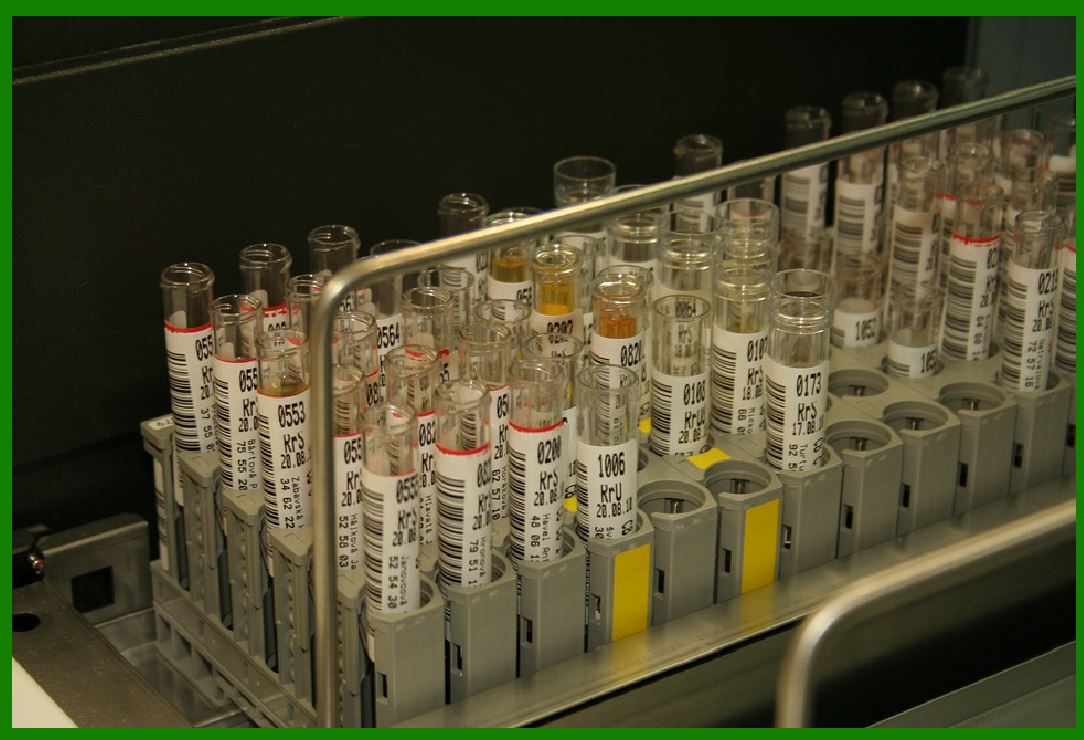
In industries where labels are subject to frequent handling, bending, or abrasion, such as in logistics and manufacturing, ensuring that the labels maintain their integrity over time is a significant challenge. Over time, labels can fade, tear, or become damaged, resulting in illegible barcodes and causing potential issues with inventory management and product traceability. |
To address this, the development of stronger, more flexible materials that can endure these stresses without degrading is essential. Innovations in nanotechnology and the use of advanced coatings and inks can help improve the durability of barcode labels and ensure that they remain legible for longer periods. Additionally, labels designed with additional protection, such as scratch-resistant coatings or moisture barriers, will be critical for improving the longevity of barcode labels in high-traffic environments. |
|
5. Customization and Specific Industry Requirements |
5.1 Industry-Specific Demands |
As industries become more specialized, the demand for custom barcode labels that meet specific regulatory, environmental, and performance standards will increase. For example, the pharmaceutical industry requires barcode labels that can withstand exposure to sterilization processes, while the food and beverage industry needs labels that are resistant to oils, water, and high temperatures. Similarly, aerospace and automotive sectors may require barcode labels that adhere to high-strength materials and endure extreme environmental conditions. |
Meeting these specialized requirements will require ongoing innovation in material science and the development of customizable barcode labeling solutions. Manufacturers will need to work closely with industry-specific clients to understand their unique needs and develop tailored materials and technologies that meet those demands. This may include using blended polymers, advanced inks, and specialty adhesives that are customized for specific applications. |
5.2 Miniaturization of Labels |
As industries seek to streamline operations and improve efficiency, the trend toward miniaturization of barcode labels will continue. In some cases, labels may need to be printed on smaller surfaces or be designed to fit into tighter spaces, such as in medical devices, microelectronics, or small consumer goods. Miniaturization poses a challenge in terms of ensuring that the barcode remains scannable despite the reduced label size. |
For smaller labels, the printing resolution must be high enough to ensure that the barcode is legible even at reduced sizes. Additionally, miniaturized labels must still maintain the durability and functionality required for their intended application. Advances in high-resolution printing, as well as the development of more flexible and compact labeling materials, will be essential to address these challenges. |
|
6. Conclusion |
As barcode label technology continues to evolve, the future will bring a range of challenges related to sustainability, data security, material durability, and industry-specific requirements. Addressing these challenges will require ongoing innovation in materials science, printing technologies, and security measures. Manufacturers will need to balance the increasing demands for more durable, flexible, and secure barcode labels with the need to minimize environmental impact and adapt to new technological advancements. |
Ultimately, the future of barcode labels will depend on the industry's ability to adapt to these challenges and develop solutions that meet the needs of both the environment and the evolving business landscape. With continued investment in research and development, barcode labels will remain a critical tool for tracking, managing, and identifying products across industries. |
 cs@easiersoft.com