1. Introduction to Polypropylene (PP) Barcode Labels |
Polypropylene (PP) is a type of thermoplastic polymer that is widely utilized for various applications, including the production of barcode labels. Its popularity stems from its advantageous properties such as chemical resistance, flexibility, and durability. PP barcode labels are particularly valuable in industries where exposure to oils, greases, and solvents is common, as these labels maintain their integrity and readability under such conditions. This makes them a preferred choice in environments where other label materials might fail. |

|
2. Chemical Composition and Properties |
Polypropylene is a polymer made from the polymerization of propylene monomers. It is a semi-crystalline material, meaning it has both amorphous and crystalline regions within its structure. This unique combination of crystalline and amorphous regions gives PP its distinctive set of properties: |
Chemical Resistance: PP has excellent resistance to a wide range of chemicals, including acids, bases, and organic solvents. This makes it an ideal material for barcode labels that may come into contact with substances like oils and greases. |
Flexibility: The flexibility of PP allows it to be used in applications where the label might need to bend, stretch, or conform to irregular surfaces. This property is particularly beneficial in the retail and shipping sectors, where products and packages come in various shapes and sizes. |
Durability: PP is known for its durability and ability to withstand physical stress without tearing or breaking. This is crucial for barcode labels that are subjected to rough handling during shipping and transportation. |

|
3. Manufacturing Process |
The production of polypropylene barcode labels involves several steps: |
Polymerization: The process begins with the polymerization of propylene monomers to form polypropylene. This is typically done using a catalyst to control the polymerization reaction and produce the desired molecular weight and properties of the polymer. |
Film Extrusion: The polypropylene polymer is then extruded into a thin film. This film can be produced in various thicknesses depending on the specific requirements of the barcode label application. |
Printing: Once the PP film is produced, it is printed with the barcode and other necessary information. Printing can be done using various methods such as thermal transfer printing, laser printing, or flexographic printing, depending on the desired quality and durability of the printed information. |
Die-Cutting: After printing, the PP film is cut into individual labels using a die-cutting process. The labels are then ready to be applied to products or packaging. |

|
4. Applications and Industries |
Polypropylene barcode labels are used in a wide range of industries due to their versatility and resistance to chemicals. Some of the key industries and applications include: |
Retail: PP barcode labels are commonly used in the retail sector for product identification, pricing, and inventory management. Their flexibility allows them to be applied to a variety of products, including those with irregular shapes. |
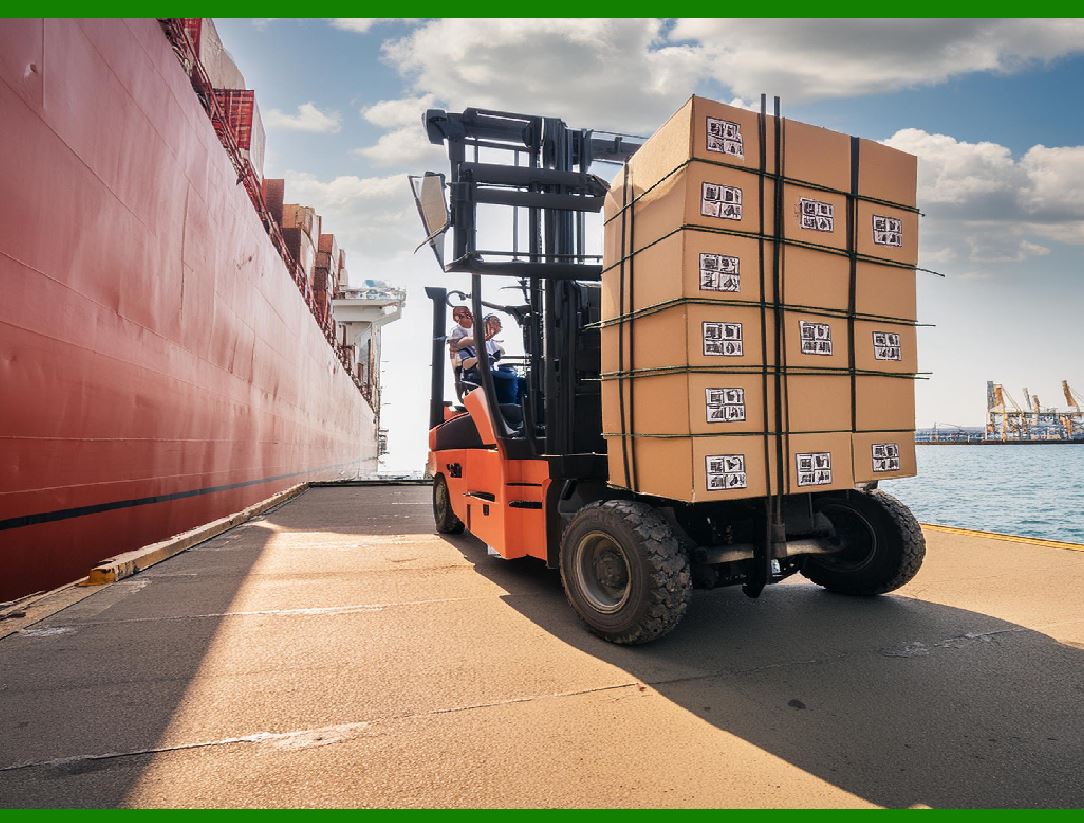
Shipping and Logistics: In the shipping and logistics industry, PP barcode labels are essential for tracking packages and ensuring accurate delivery. The labels' durability and resistance to oils and greases make them suitable for use in warehouses and during transportation. |
Automotive: In the automotive industry, PP barcode labels are used for tracking parts and components during manufacturing and assembly. The labels' chemical resistance is particularly important in environments where they may be exposed to oils and solvents. |
Healthcare: PP barcode labels are also used in the healthcare sector for labeling medical devices, equipment, and pharmaceuticals. Their resistance to chemicals and ability to maintain readability under various conditions are critical for ensuring patient safety and regulatory compliance. |

|
5. Comparison with Other Label Materials |
While polypropylene is a popular material for barcode labels, it is important to understand how it compares to other commonly used materials: |
Polyester (PET): Polyester labels are known for their high-temperature resistance and durability. They can withstand extreme temperatures and harsh chemical exposure over long periods. However, polyester labels are less flexible than PP labels, making them less suitable for applications that involve bending or stretching. |
Paper: Paper labels are less expensive than PP labels and are often used for applications where cost is a primary consideration. However, paper labels lack the chemical resistance and durability of PP labels, making them unsuitable for environments where exposure to oils, greases, or physical stress is a concern. |
Vinyl: Vinyl labels offer good chemical resistance and flexibility, similar to PP labels. However, vinyl labels can be more expensive and may not provide the same level of durability as PP labels in certain applications. |
|
6. Advantages of Polypropylene Barcode Labels |
There are several key advantages to using polypropylene barcode labels: |
Chemical Resistance: PP labels provide excellent resistance to a wide range of chemicals, including oils, greases, and cleaning agents. This makes them ideal for use in environments where exposure to such substances is common. |
Flexibility: The flexibility of PP labels allows them to conform to irregular surfaces and withstand bending and stretching without compromising the readability of the barcode. |
Durability: PP labels are durable and can withstand physical stress, making them suitable for use in demanding applications such as shipping and logistics. |
Print Quality: PP labels can be printed using various methods to achieve high-quality, durable print that remains legible over time. |

|
7. Limitations of Polypropylene Barcode Labels |
Despite their many advantages, there are some limitations to using polypropylene barcode labels: |
Temperature Resistance: PP labels do not perform as well as polyester labels in high-temperature environments. They may deform or lose adhesion when exposed to extreme heat. |
Long-Term Chemical Exposure: While PP labels offer good chemical resistance, they may not withstand prolonged exposure to harsh chemicals as effectively as polyester labels. This limits their use in certain industrial applications where long-term chemical exposure is a concern. |
Cost: PP labels are generally more expensive than paper labels, making them less suitable for applications where cost is the primary consideration. |

|
8. Environmental Impact |
The environmental impact of polypropylene barcode labels is an important consideration: |
Recyclability: Polypropylene is recyclable, and many facilities accept PP labels for recycling. However, the recycling process can be complicated by the presence of adhesives and printed inks. |
Biodegradability: PP is not biodegradable, meaning it does not break down naturally in the environment. This can contribute to plastic pollution if PP labels are not disposed of properly. |
Sustainability: Advances in the production of bio-based polypropylene and improvements in recycling technology are helping to reduce the environmental impact of PP labels. Manufacturers are increasingly focusing on developing sustainable alternatives to traditional PP materials. |

|
9. Best Practices for Using Polypropylene Barcode Labels |
To maximize the performance and longevity of polypropylene barcode labels, consider the following best practices: |
Surface Preparation: Ensure that the surface to which the label will be applied is clean and free of oils, dust, and other contaminants. This will improve the adhesion of the label and prevent it from peeling or falling off. |
Application Temperature: Apply PP labels at a moderate temperature to ensure proper adhesion. Extreme temperatures, whether hot or cold, can affect the adhesive properties of the label. |
Storage Conditions: Store unused PP labels in a cool, dry place to prevent them from deteriorating or becoming damaged. Avoid exposure to direct sunlight and high humidity. |
Print Quality: Use high-quality printing methods and equipment to ensure that the barcode and other information on the label are clear and legible. Poor print quality can result in unreadable barcodes and errors during scanning. |

|
10. Future Trends and Innovations |
The future of polypropylene barcode labels is shaped by ongoing advancements in materials science and technology: |
Smart Labels: The development of smart labels that incorporate technologies such as RFID (Radio Frequency Identification) and NFC (Near Field Communication) is transforming the use of barcode labels. PP is an ideal material for smart labels due to its flexibility and durability. |
Sustainable Materials: As environmental concerns continue to grow, there is a push towards developing more sustainable materials for barcode labels. Bio-based polypropylene and other eco-friendly alternatives are being explored to reduce the environmental impact of traditional PP labels. |
Improved Adhesives: Innovations in adhesive technology are enhancing the performance of PP labels. New adhesives are being developed to improve adhesion in challenging conditions, such as high temperatures and exposure to chemicals. |
Enhanced Durability: Research is ongoing to improve the durability of PP labels, making them more resistant to physical stress and environmental factors. This includes developing coatings and treatments that enhance the label's resistance to abrasion and fading. |

|
11. Case Studies and Examples |
Examining real-world examples and case studies can provide valuable insights into the use of polypropylene barcode labels: |
Retail Case Study: A major retail chain implemented PP barcode labels for inventory management and product identification. The labels' flexibility and chemical resistance allowed them to be applied to various products, including those with irregular shapes and surfaces. This resulted in improved accuracy in inventory tracking and reduced instances of label damage. |
Automotive Case Study: An automotive manufacturer used PP barcode labels to track parts and components throughout the assembly process. The labels' durability and resistance to oils and solvents ensured that they remained readable even in the harsh conditions of the manufacturing environment. This led to increased efficiency in the assembly line and reduced errors in parts identification. |
Healthcare Case Study: A pharmaceutical company utilized PP barcode labels for labeling medication bottles and medical devices. The labels' chemical resistance and ability to maintain readability under various conditions were critical for ensuring patient safety and regulatory compliance. The use of PP labels contributed to more accurate tracking and reduced instances of label-related issues. |

|
12. Conclusion |
Polypropylene barcode labels are a versatile and durable solution for a wide range of applications. Their chemical resistance, flexibility, and durability make them ideal for use in industries such as retail, shipping, automotive, and healthcare. While they have some limitations, such as lower temperature resistance compared |

|
Related chemical and material technologies |
There are several exciting advancements in chemical and material technologies that are shaping various industries. Here are some notable ones: |
1. Advanced Process Automation |
Advanced process automation leverages AI and robotics to enhance the operational efficiency of chemical companies. This technology minimizes waste and optimizes production processes by predicting chemical reactions and improving safety protocols. |
2. 3D Printing (Additive Manufacturing) |
3D printing is revolutionizing the production of chemical components and catalysts. It allows for rapid prototyping and customization, reducing lead times and meeting fluctuating production demands. |
3. Blockchain Technology |
Blockchain ensures the integrity of raw material sourcing and product traceability across the supply chain. It enhances transparency and compliance management, making it easier to track the origin and journey of materials. |
4. Big Data & Analytics |
Big data analytics optimizes chemical formulations and streamlines operations. By analyzing large datasets, companies can improve process efficiency, discover new materials, and enhance safety monitoring. |
5. Nanotechnology |
Nanotechnology is used to develop advanced materials with unique properties. It enables the creation of stronger, cleaner, and smarter surfaces and systems, as well as better batteries3. Nanomaterials are also used in pollution control and catalyst development. |
6. Sustainable Materials |
The development of sustainable materials, such as biodegradable plastics and bio-based polypropylene, is crucial for reducing environmental impact. These materials aim to provide eco-friendly alternatives to traditional plastics and other materials. |
7. Smart & Responsive Materials |
Smart materials can respond to environmental stimuli, such as temperature, light, or pressure. These materials are used in applications like thermally adaptive fabrics and flexible displays. |
8. Material Informatics |
Material informatics uses AI and machine learning to speed up material development and reduce market entry time. By analyzing data, companies can discover new materials and optimize existing ones more efficiently. |
9. Advanced Composites |
Advanced composites combine different materials to create products with superior properties. These composites are used in industries like aerospace, automotive, and construction to produce lightweight and strong materials. |
10. Surface Engineering |
Surface engineering involves modifying the surface properties of materials to improve their performance. This technology is used in various industries to enhance durability, reduce friction, and provide better corrosion resistance. |

|
These technologies are driving innovation and sustainability across multiple sectors, from energy and automotive to healthcare and construction. They represent the future of chemical and material science, offering new possibilities for improving efficiency, reducing environmental impact, and creating smarter, more responsive materials. |
|
Manufacturing Technology of Polypropylene (PP) Labels |
The manufacturing process of polypropylene (PP) labels involves several key steps to ensure high-quality, durable labels: |
1.Polymerization: The process begins with the polymerization of propylene monomers to produce polypropylene. This can be achieved using two main methods: Ziegler-Natta polymerization and Metallocene catalysis polymerization. These methods control the molecular weight and properties of the polymer. |
2.Film Extrusion: The polypropylene polymer is then extruded into a thin film. This film can be produced in various thicknesses depending on the specific requirements of the barcode label application. |
3.Printing: Once the PP film is produced, it is printed with the barcode and other necessary information. Printing can be done using various methods such as thermal transfer printing, laser printing, or flexographic printing, depending on the desired quality and durability of the printed information. |
4.Die-Cutting: After printing, the PP film is cut into individual labels using a die-cutting process. The labels are then ready to be applied to products or packaging. |
|
Main Manufacturers of Polypropylene (PP) Labels |
Several companies are known for producing high-quality polypropylene (PP) labels: |
1.3M: A global leader in various industries, 3M produces a wide range of PP labels known for their durability and chemical resistance1. |
2.Zebra Technologies: Specializing in barcode printing and labeling solutions, Zebra Technologies offers PP labels that are used in various industries, including retail and logistics. |
3.Brother International: Known for its printing and labeling solutions, Brother International produces PP labels that are reliable and versatile for different applications. |
4.Dymo: Dymo is a well-known brand in the labeling industry, offering PP labels that are easy to use and provide excellent performance. |
5.TSC Printronix: TSC Printronix specializes in barcode printing and labeling solutions, producing PP labels that are used in various sectors, including healthcare and manufacturing. |
|
These manufacturers are recognized for their commitment to quality and innovation in the production of polypropylene labels. Their products are widely used in industries that require durable, chemical-resistant labels. |
 cs@easiersoft.com