The Development of Modern Logistics Technology |
1.Introduction to Modern Logistics Technology |
Logistics, in its simplest form, refers to the process of planning, implementing, and controlling the efficient flow of goods, services, and information from the point of origin to the point of consumption. However, the rapid advances in technology have revolutionized this process, enabling logistics to become more efficient, cost-effective, and responsive to customer needs. The development of modern logistics technology encompasses a wide array of innovations, from automation and robotics to advanced data analytics and artificial intelligence. These technologies have transformed not only the physical movement of goods but also the strategic management of supply chains and inventory, fundamentally changing how businesses operate in the global marketplace. |
|
2.The Early Stages of Logistics Technology Development |
Historically, logistics technology was basic and manual. In the early stages, logistics management revolved around human labor, simple tools, and methods such as manual inventory tracking, paper-based orders, and manual transportation systems. The first major step in the evolution of logistics technology was the advent of the Industrial Revolution in the late 18th and early 19th centuries. The introduction of steam engines, railroads, and later motor vehicles began to shift logistics from its reliance on human or animal power to mechanical means. |
The early 20th century saw further improvements in logistics technology, particularly with the advent of mass production techniques. With the development of the Ford Model T in 1908, for example, it became possible to transport goods over longer distances more quickly and at a lower cost, creating the need for more sophisticated logistics systems. However, it was not until the latter half of the 20th century that logistics technology truly began to evolve in a significant way, driven by advances in computing and communication technologies. |

|
3.The Role of Information Technology (IT) in Modern Logistics |
The development of information technology (IT) in the 1970s and 1980s marked a pivotal point in logistics. The introduction of electronic data interchange (EDI) and the proliferation of computers allowed companies to track inventory, manage orders, and communicate more efficiently. This period saw the development of the first generation of logistics software, which enabled businesses to automate many tasks that were previously manual. |
By the 1990s, the widespread adoption of personal computers and the internet began to enable real-time data exchange and tracking. EDI systems allowed for the direct exchange of information between companies without the need for paper-based systems, leading to more streamlined operations. Enterprise Resource Planning (ERP) systems were also introduced during this period, which allowed companies to integrate logistics management with other business functions like procurement, production, and sales. This integration of logistics into the broader business operations set the stage for the modern, interconnected supply chain that we know today. |

|
4.The Impact of Globalization on Logistics Technology |
As globalization expanded in the late 20th and early 21st centuries, the demand for more sophisticated logistics solutions grew. Companies began to source raw materials and products from all corners of the globe, requiring more complex and efficient logistics systems to manage the increasing volume and variety of goods being transported. In response, logistics technology evolved to meet these new challenges, incorporating better tracking systems, more sophisticated inventory management techniques, and improved transportation management systems (TMS). |
Globalization also led to the development of new logistics services such as third-party logistics (3PL) and fourth-party logistics (4PL) providers, which use technology to manage all aspects of the logistics process on behalf of their clients. The rise of e-commerce, in particular, created new demands for speed, flexibility, and transparency, driving further innovation in logistics technology. The growing emphasis on customer satisfaction, as well as the need for supply chains to be more resilient and adaptive, prompted companies to seek out logistics technologies that could offer greater visibility and control over their operations. |

|
5.Automation and Robotics in Modern Logistics |
One of the most transformative developments in modern logistics technology has been the rise of automation and robotics. These technologies have had a profound impact on the efficiency and scalability of logistics operations. Automated systems in warehouses, distribution centers, and even in transportation have reduced the need for manual labor, improved accuracy, and enabled 24/7 operations. |
The most prominent example of automation in logistics is the widespread use of automated guided vehicles (AGVs) and robotic systems in warehouses. These robots can carry goods from one location to another within a warehouse, eliminating the need for human workers to manually move items. AGVs use sensors, cameras, and GPS to navigate around obstacles, ensuring safe and efficient movement within the facility. |
In addition to AGVs, other robotic systems are used for tasks such as sorting, picking, and packing. These systems, known as robotic picking systems, use advanced vision systems and machine learning algorithms to identify, pick, and place items with precision and speed. The introduction of robotic process automation (RPA) for administrative tasks, such as order processing and invoicing, has also helped streamline operations by reducing human error and speeding up routine processes. |
The use of drones in logistics has also gained considerable attention in recent years. Drones are being used for last-mile delivery, particularly in areas where traditional delivery methods are costly or impractical. Drones can bypass traffic and reduce delivery times, making them a viable option for e-commerce businesses looking to provide faster service to customers. |

|
6.The Internet of Things (IoT) and its Impact on Logistics |
The Internet of Things (IoT) is another major development in modern logistics technology. The IoT refers to the network of physical devices that are embedded with sensors, software, and other technologies to collect and exchange data. In logistics, IoT devices are used to track and monitor the movement of goods throughout the supply chain in real time. |
Sensors attached to cargo can provide detailed information about the condition of goods, including temperature, humidity, and whether the item has been tampered with. This is especially useful for industries like pharmaceuticals and food, where the quality of products is highly sensitive to environmental conditions. IoT technology can also be used to monitor the performance of vehicles and machinery, providing real-time data on fuel consumption, maintenance needs, and other operational factors. |
The widespread use of IoT in logistics has resulted in a significant increase in the amount of data generated across the supply chain. This data can be analyzed to gain insights into operational performance, identify inefficiencies, and predict future trends. By using IoT devices and data analytics, companies can make more informed decisions about inventory management, transportation routes, and warehouse operations. |

|
7.Big Data and Advanced Analytics in Logistics |
Big data and advanced analytics are also playing a crucial role in the development of modern logistics technology. As the volume of data generated by IoT devices, sensors, and other sources increases, companies are leveraging data analytics to gain deeper insights into their logistics operations. By analyzing large datasets, businesses can uncover patterns, identify inefficiencies, and optimize their supply chains. |
Predictive analytics, for example, uses historical data and machine learning algorithms to forecast future demand, allowing companies to optimize inventory levels and reduce the risk of stockouts or overstocking. By analyzing traffic patterns, weather conditions, and other factors, logistics companies can optimize delivery routes, reducing fuel costs and improving delivery times. |
Big data is also playing a key role in improving supply chain visibility. Real-time data analytics platforms enable companies to track shipments from start to finish, providing greater transparency and enabling them to respond more quickly to any disruptions or delays. This increased visibility helps businesses manage risks, improve customer service, and make more proactive decisions. |
|
8.Artificial Intelligence (AI) and Machine Learning in Logistics |
Artificial intelligence (AI) and machine learning (ML) are some of the most promising technologies shaping the future of logistics. AI involves the development of systems that can perform tasks that typically require human intelligence, such as problem-solving, pattern recognition, and decision-making. Machine learning, a subset of AI, involves the use of algorithms that allow systems to learn from data and improve over time without being explicitly programmed. |
In logistics, AI is being used for a variety of applications, including route optimization, demand forecasting, and predictive maintenance. AI-powered systems can analyze vast amounts of data to predict future trends, optimize delivery routes in real-time, and adjust operations to meet changing customer demands. Machine learning algorithms can be used to predict equipment failures, enabling companies to perform preventive maintenance before costly breakdowns occur. |
AI is also playing a role in automating customer service functions. Chatbots and virtual assistants, powered by natural language processing (NLP) and machine learning, are being used to handle customer inquiries, track shipments, and provide real-time updates on delivery statuses. |
|
9.Blockchain Technology in Logistics |
Blockchain technology, best known for its use in cryptocurrencies like Bitcoin, is also being explored for its potential applications in logistics. Blockchain is a decentralized and secure digital ledger that allows transactions to be recorded and verified across multiple parties without the need for a central authority. In logistics, blockchain can provide a transparent, immutable record of transactions, enhancing traceability and security. |
By using blockchain, logistics companies can track the movement of goods at each stage of the supply chain, ensuring that all parties have access to the same accurate information. This transparency can help reduce fraud, streamline processes, and improve trust between businesses and their customers. Blockchain can also be used for smart contracts, which are self-executing contracts that automatically enforce the terms of an agreement when certain conditions are met, reducing the need for intermediaries and increasing efficiency. |
|
10.Sustainability and Green Logistics |
As the logistics industry grows, there is increasing pressure to adopt sustainable practices and reduce the environmental impact of logistics operations. Modern logistics technology is playing a key role in promoting sustainability, with innovations aimed at reducing emissions, energy consumption, and waste. |
Electric vehicles (EVs) are being used in logistics fleets to reduce carbon emissions, particularly for last-mile delivery. These vehicles are becoming more cost-effective and practical as battery technology improves. Similarly, the adoption of alternative fuels, such as hydrogen and biofuels, is helping to reduce the environmental impact of long-haul transportation. |
Other technologies, such as route optimization software, are helping companies reduce fuel consumption by identifying the most efficient routes for deliveries. Additionally, logistics companies are increasingly adopting circular supply chain models, in which goods are reused, refurbished, or recycled rather than being disposed of. These practices not only reduce waste but also minimize the demand for new raw materials. |

|
11.Conclusion: The Future of Logistics Technology |
The development of modern logistics technology has come a long way from its humble beginnings. Today, logistics operations are highly automated, data-driven, and interconnected, thanks to advancements in information technology, robotics, AI, IoT, blockchain, and other cutting-edge innovations. These technologies have transformed logistics into a more efficient, responsive, and customer-centric industry, and their continued evolution promises to bring even greater changes in the future. |
As the logistics landscape continues to evolve, the integration of emerging technologies will be crucial to staying competitive. Companies that embrace these innovations will be better equipped to meet the challenges of a globalized economy, address the growing demand for sustainability, and provide customers with the speed, transparency, and reliability they expect. |
Looking ahead, the logistics industry will likely continue to experience significant technological advancements, particularly with the rise of autonomous vehicles, drones, and even more advanced AI-powered systems. As these technologies become more prevalent, the future of logistics will be characterized by even greater levels of automation, efficiency, and customer satisfaction. The next phase in the development of logistics technology will undoubtedly bring further disruption, but with it, new opportunities for businesses to optimize their supply chains and meet the evolving needs of the global marketplace. |
|
What challenges will it face in the future? |
As logistics technology continues to advance, it will undoubtedly bring about substantial improvements in efficiency, cost-effectiveness, and customer satisfaction. However, like any transformative industry, the future of logistics faces several challenges that must be addressed for these technologies to reach their full potential. The key challenges that the logistics sector will face in the coming years include: |
1. Cybersecurity Threats |
As logistics systems become more digitized, with increased reliance on the Internet of Things (IoT), cloud computing, and AI, the risk of cyberattacks also escalates. Cybersecurity threats can range from data breaches and hacking of sensitive customer information to disruption of logistics operations through malware or ransomware attacks. Logistics companies must ensure robust security measures are in place to protect both their own systems and their customers' data. |
The complexity and interconnectedness of logistics technology systems also increase vulnerabilities. A security breach in one part of the supply chain could have a ripple effect, compromising entire networks or delivery systems. Blockchain technology, which can improve transparency and traceability, may help mitigate some of these risks by providing secure, immutable records of transactions. However, logistics firms must continuously adapt their cybersecurity strategies to counteract emerging threats and vulnerabilities. |
|
2. High Implementation and Maintenance Costs |
Although modern logistics technologies, such as automation, robotics, and AI, promise significant long-term cost savings, the initial investment required for these systems can be prohibitively high. Small and mid-sized companies may find it difficult to afford the necessary infrastructure to implement state-of-the-art logistics technologies. Moreover, as these technologies evolve, there will be ongoing costs associated with their maintenance, upgrades, and the need for specialized skills and expertise. |
The challenge of securing the necessary capital, particularly during times of economic uncertainty or in developing markets, may slow down the adoption of these technologies in some regions. To mitigate this, logistics companies might explore partnerships, technology leasing, or modular technology solutions that allow them to scale their operations gradually without overwhelming their budgets. |
|
3. Integration and Interoperability Issues |
One of the most significant challenges facing modern logistics is the integration of new technologies into existing infrastructure. Many companies still rely on legacy systems that were designed for older, less automated operations. Merging these systems with advanced technologies like AI, IoT, and blockchain often requires significant modification of infrastructure, business processes, and data management systems. |
Achieving interoperability between various technologies used by different actors in the supply chain (e.g., suppliers, manufacturers, third-party logistics providers, etc.) is a complex task. Data sharing protocols, standardization of formats, and creating common communication platforms are necessary to ensure smooth and secure exchange of information across the entire supply chain. Without this seamless integration, the full potential of advanced logistics technologies may not be realized. |
|
4. Regulatory Compliance and Legal Issues |
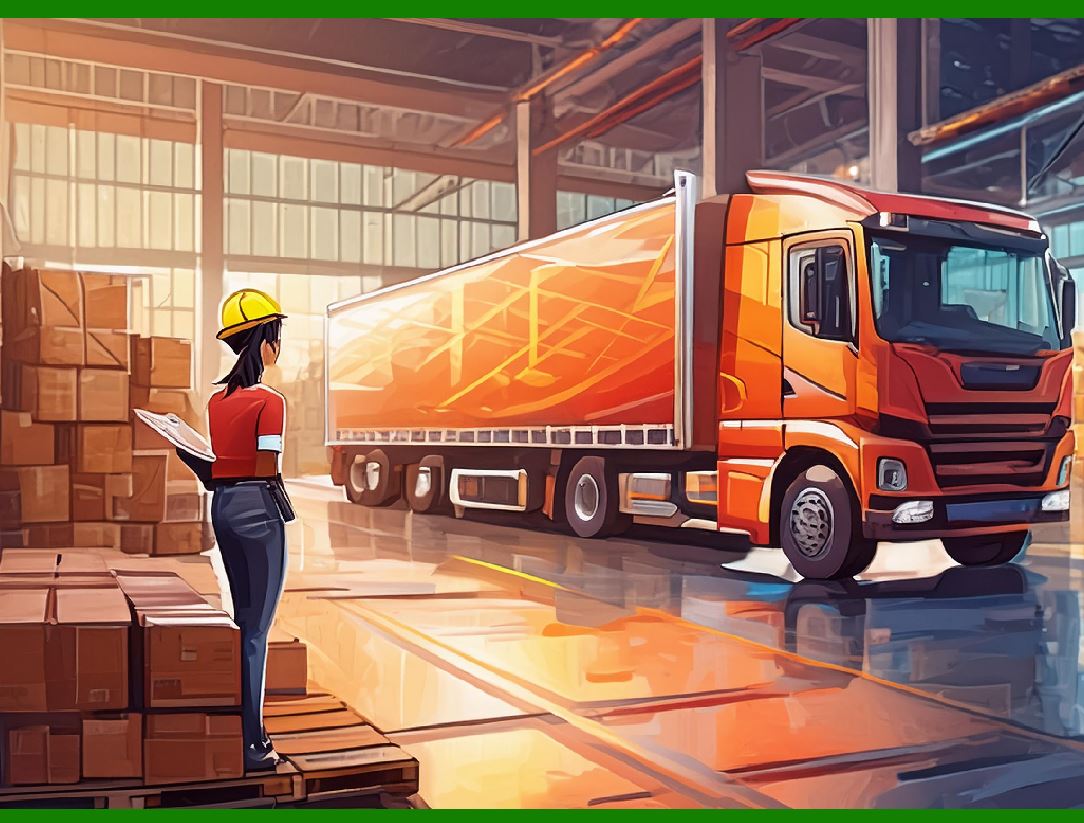
With the rapid adoption of new technologies like drones, autonomous vehicles, and blockchain, logistics companies must navigate a complex and evolving regulatory landscape. Regulations regarding the use of drones, for example, vary by country and may change as technologies develop and safety concerns evolve. Autonomous vehicles also face regulatory challenges, particularly with regard to safety standards, insurance, and liability issues. |
In addition to transportation-specific regulations, logistics companies must also consider data privacy laws, environmental regulations, and labor laws. The global nature of supply chains means that companies may need to comply with different regulations in each market they operate in, which can increase operational complexity and costs. |
Blockchain technology, while offering many benefits in terms of transparency and security, raises its own set of legal issues, such as the legal recognition of smart contracts and the potential for fraud or errors in blockchain systems. As new technologies continue to emerge, the legal frameworks that govern logistics operations will need to evolve rapidly to keep pace. |
|
5. Talent Shortage and Skill Gaps |
The logistics industry is facing a significant skills gap, particularly as it becomes more reliant on advanced technologies. The implementation and maintenance of complex systems like AI, robotics, and blockchain require a highly skilled workforce. However, there is a shortage of qualified professionals who are proficient in these fields. |
Furthermore, logistics companies may struggle to find employees who are capable of managing the integration of new technologies with traditional logistics operations. The rapid pace of technological change means that companies must invest heavily in training and upskilling their workforce to ensure they have the expertise necessary to operate and maintain these new systems. |
This talent shortage could also hinder the adoption of logistics technologies in certain regions or industries, particularly where the labor pool is not as technologically advanced. To address this issue, companies will need to develop strong partnerships with educational institutions, invest in internal training programs, and offer competitive salaries to attract and retain skilled workers. |

|
6. Supply Chain Disruptions and Vulnerabilities |
Despite advances in logistics technology, supply chains remain vulnerable to various external disruptions, such as natural disasters, geopolitical events, pandemics, and economic fluctuations. While modern technologies like predictive analytics and AI can help anticipate disruptions and optimize supply chain resilience, they cannot eliminate the risk of unforeseen events that could cause significant delays or shortages. |
The COVID-19 pandemic, for example, highlighted the fragility of global supply chains and the limitations of relying on just-in-time inventory models. While automation, IoT, and blockchain can increase transparency and improve decision-making, companies still need to develop more flexible and adaptive supply chains that can respond to disruptions in real-time. This requires a balance between efficiency and resilience, with logistics firms adopting more diversified supply chain strategies and having contingency plans in place. |
|
7. Environmental and Sustainability Concerns |
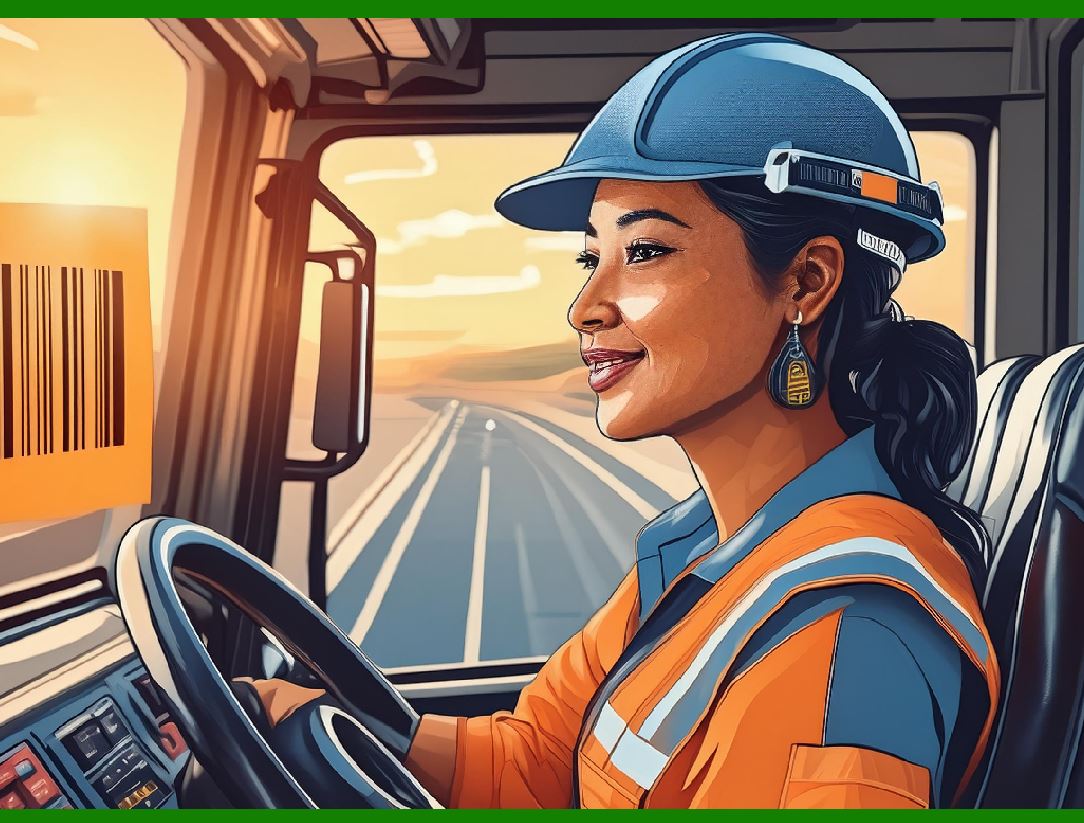
With increasing pressure on businesses to reduce their environmental impact, sustainability will remain a significant challenge for logistics companies. While technologies like electric vehicles (EVs) and route optimization software can help reduce emissions and energy consumption, the logistics industry as a whole is still heavily reliant on fossil fuels for transportation, particularly in the long-haul trucking sector. |
The demand for faster and cheaper deliveries, driven by e-commerce and consumer expectations, has also led to an increase in the carbon footprint of the logistics sector. Drones and autonomous vehicles may help reduce emissions to some extent, but significant investment in sustainable logistics infrastructure is still needed. Companies will have to balance technological innovation with sustainability goals, integrating green practices like renewable energy use, carbon offsetting, and waste reduction into their logistics operations. |
Moreover, the adoption of sustainable practices may require additional costs, and companies will need to find innovative ways to fund and implement these green logistics solutions. In some markets, government regulations and consumer preferences may push logistics firms to adopt more environmentally friendly technologies faster than in others, creating regional disparities. |
|
8. Ethical Concerns Around Automation and Job Displacement |
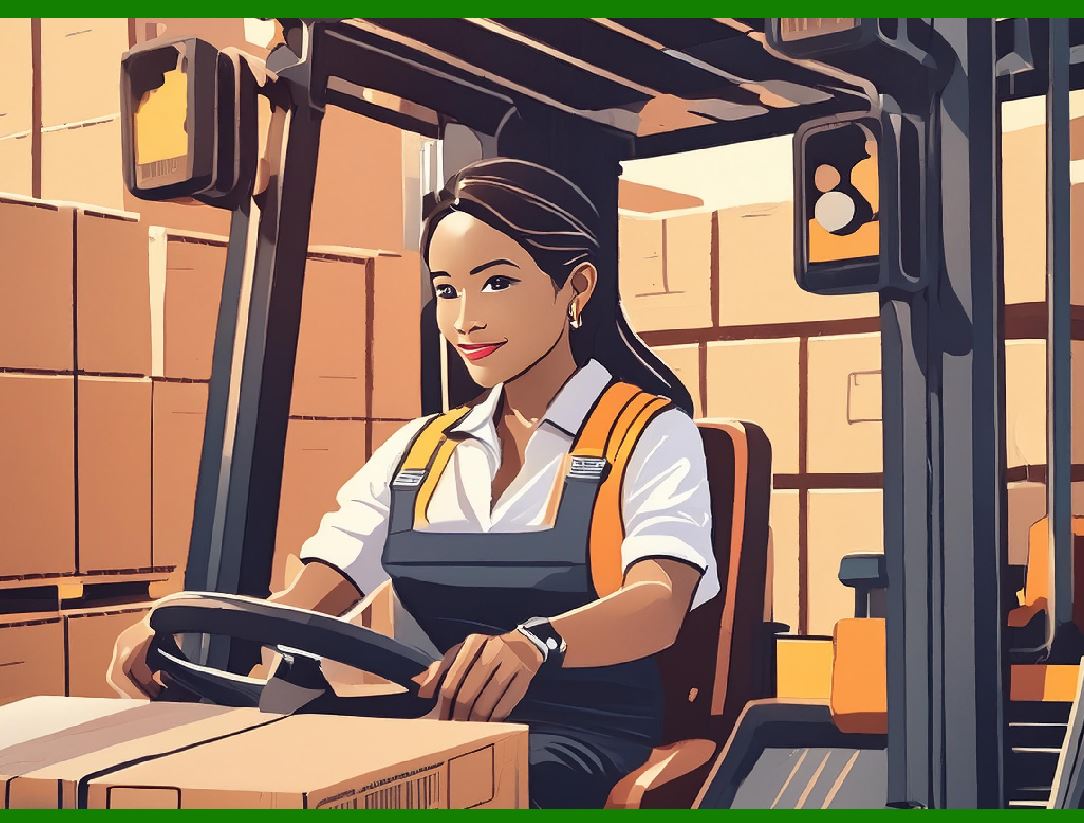
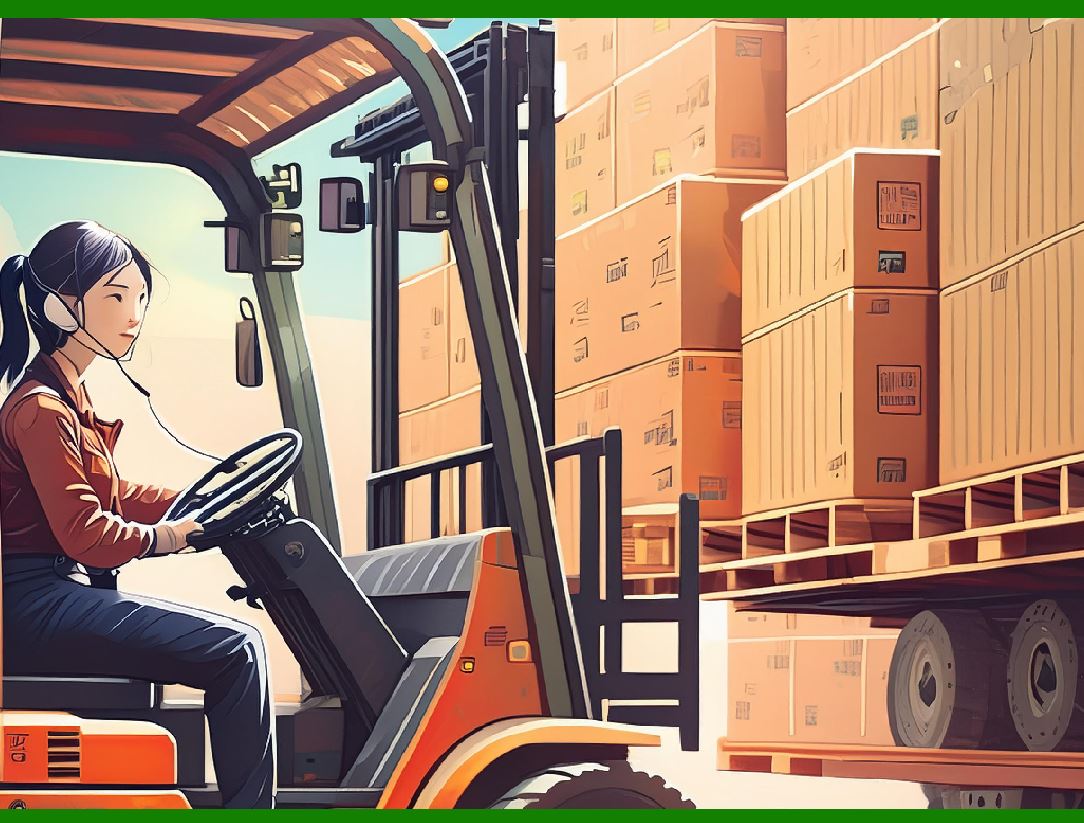
While automation technologies like robotics, AI, and autonomous vehicles are likely to make logistics operations more efficient, they also raise significant ethical concerns related to job displacement. The widespread use of robots and automation in warehouses and transportation could result in the loss of jobs for thousands of workers, particularly in low-skill areas like manual handling, packing, and driving. |
This could lead to social unrest and inequality, particularly in regions where logistics plays a significant role in the local economy. To mitigate the negative effects of automation, logistics companies and governments will need to invest in retraining programs and create new job opportunities in areas like technology development, data analysis, and system maintenance. |
There will also be broader ethical questions related to the use of AI in decision-making, particularly in areas like demand forecasting, route optimization, and customer service. Ensuring that these AI systems are transparent, unbiased, and accountable will be crucial to maintaining trust among customers and employees. |
|
9. Consumer Expectations and Last-Mile Delivery |
As e-commerce continues to grow, consumers increasingly expect faster and more convenient delivery options. This trend has put immense pressure on logistics companies to innovate and streamline last-mile delivery, the final leg of the supply chain from a warehouse or distribution center to the customer's door. |
Last-mile delivery faces numerous challenges, including traffic congestion, limited access to urban areas, and the high cost of small deliveries. Technologies like drones, autonomous vehicles, and crowdsourced delivery models show promise in addressing these issues, but they still face technical, regulatory, and scalability challenges. |
Meeting consumer expectations for faster, cheaper, and more reliable delivery while maintaining profitability will be one of the biggest hurdles for logistics companies in the future. Companies will need to leverage technologies like real-time data analytics, dynamic routing, and automation to streamline their last-mile delivery operations while balancing customer satisfaction with operational efficiency. |
|
10. The Pace of Technological Change and Adaptability |
Finally, one of the overarching challenges facing the logistics industry is the rapid pace of technological change. The industry must be able to adapt quickly to new innovations, which can sometimes create disruptions before businesses have fully adjusted to previous changes. This can be particularly challenging for smaller companies that lack the resources to keep up with cutting-edge technologies. |
To stay competitive, logistics companies must continuously evaluate and adapt to the latest technological advancements, while also ensuring that their current systems remain operational. Managing technological obsolescence and ensuring a smooth transition from legacy systems to new technologies will require careful planning and execution. Companies that are slow to adopt new technologies may find themselves at a significant disadvantage, particularly in industries like e-commerce and global supply chains, where agility and speed are critical. |
|
Conclusion |
While the future of logistics technology holds tremendous promise, there are a range of challenges that the industry will need to overcome to fully realize its potential. These challenges span cybersecurity, cost barriers, regulatory concerns, integration issues, workforce skills, and ethical questions surrounding automation. Successfully addressing these challenges will require a collaborative effort between businesses, governments, and technological innovators. By overcoming these obstacles, the logistics industry can unlock new levels of efficiency, sustainability, and customer satisfaction in the coming years. |
 cs@easiersoft.com