1. Introduction to UV-Resistant Barcode Labels and Inkjet Printing |
UV-resistant barcode labels are specialized labels designed to maintain their readability and functionality even under prolonged exposure to ultraviolet (UV) light. The main challenge in barcode label production is to ensure that the barcodes remain scannable over time, even when they are exposed to harsh environmental conditions such as sunlight or chemicals. Inkjet printing has emerged as a popular and versatile solution for producing high-quality barcode labels that not only meet these demands but also allow for high levels of customization, especially in low-volume or short-run applications. |
Inkjet printing, in particular, involves the use of specialized inks that are deposited onto the label material using tiny droplets. This process provides several advantages over other printing methods, such as flexographic printing or thermal transfer printing, particularly when it comes to producing detailed, full-color prints. Additionally, the advent of UV-resistant inks in the inkjet printing process has revolutionized the ability to create durable barcode labels that resist fading, smudging, and other forms of degradation caused by exposure to UV light. |
|
2. The Basics of Inkjet Printing |
Inkjet printing is a non-contact printing method that creates images, text, and barcodes on various substrates by spraying microscopic droplets of liquid ink. These droplets are precisely controlled and directed by the print head, which moves across the label material, forming the final image or design. The key to inkjet printing's high-quality output lies in the precise control over droplet size and placement, which allows for the creation of fine details and sharp images. |
The typical inkjet printer for barcode labels operates using either thermal or piezoelectric technology. Thermal inkjet printers use heat to generate a bubble in the ink reservoir, causing the ink to be ejected onto the label material. In contrast, piezoelectric inkjet printers use an electric charge to create pressure in the ink chamber, forcing the ink droplets out. Both methods can be adapted to produce high-resolution images suitable for barcode labels. |
|
3. Types of Ink Used in Inkjet Printing |
There are several types of inks used in inkjet printing, and the choice of ink depends on the specific application requirements, such as durability, colorfastness, and exposure to environmental factors like UV light. For UV-resistant barcode labels, the ink must be able to withstand prolonged exposure to sunlight without fading or degrading. |
The primary types of inks used in inkjet printing include: |
Dye-based Inks: These inks are typically water-soluble and produce vibrant, rich colors. However, they are not as durable as pigment-based inks and are more prone to fading when exposed to UV light. For this reason, dye-based inks are generally not used in applications where UV resistance is critical, unless they are combined with additional protective coatings. |
Pigment-based Inks: Unlike dye-based inks, pigment-based inks consist of solid colorants suspended in a liquid. Pigment inks are more durable and resistant to UV light, making them ideal for applications that require high resistance to fading and environmental exposure. They are commonly used for printing barcode labels that need to last for extended periods in outdoor or high-traffic environments. |
UV-resistant Inks: These inks are specially formulated to resist fading and degradation caused by UV light. UV-resistant ink is a type of pigment-based ink that has been enhanced with additional UV-blocking agents or additives. These inks are commonly used in applications such as outdoor signage, packaging, and barcode labels that will be exposed to direct sunlight or other UV sources. |
|
4. UV Resistance and Its Importance in Barcode Label Printing |
UV resistance is a critical factor for barcode labels that are intended for outdoor or high-visibility applications. UV light, which is emitted by the sun and other artificial sources, can cause significant damage to printed materials. This damage often manifests as fading, discoloration, and a reduction in the clarity of printed text or barcodes. In barcode labels, this fading can render the barcode unreadable by scanners, which can disrupt operations and lead to costly errors. |
The development of UV-resistant inks has allowed barcode labels to maintain their legibility and functionality even under harsh environmental conditions. These inks are specially designed to absorb or block UV light, preventing the ink from breaking down or fading. By using UV-resistant inks, manufacturers can ensure that barcode labels retain their scannability for extended periods, even in direct sunlight or other high-UV environments. |
|
5. The Role of Inkjet Printing in Producing UV-Resistant Barcode Labels |
Inkjet printing plays a significant role in the production of UV-resistant barcode labels due to its flexibility, precision, and ability to work with a wide range of substrates. The use of inkjet technology allows for the application of UV-resistant inks in an efficient and cost-effective manner, enabling manufacturers to create high-quality barcode labels with enhanced durability. |
In the production process, UV-resistant ink is applied to the label material in a series of microscopic droplets, ensuring that the ink adheres evenly across the surface. This results in a smooth and uniform print that is resistant to fading and other forms of degradation. Additionally, inkjet printing allows for high-resolution barcodes to be printed with fine details, ensuring that the labels are both readable and long-lasting. |

|
6. Advantages of Inkjet Printing for Barcode Labels |
There are several advantages to using inkjet printing for producing UV-resistant barcode labels: |
High-Quality Prints: Inkjet printing is capable of producing sharp, detailed prints with high-resolution barcodes. This is particularly important for barcode labels, as the readability of the barcode is crucial to its functionality. Inkjet technology can reproduce fine lines and small text, ensuring that even the smallest barcode symbols are clearly defined. |
Customization and Flexibility: Inkjet printing allows for high levels of customization, making it an ideal choice for businesses that need to produce unique or small batches of barcode labels. This is particularly important for industries such as logistics, retail, and manufacturing, where barcode labels may need to be tailored to specific products or packaging. |
Cost-Effectiveness for Low-Volume Runs: Inkjet printing is well-suited for low-volume printing applications, making it a cost-effective option for businesses that need to print a small number of barcode labels. This contrasts with other printing methods, such as flexographic or lithographic printing, which may require expensive setup costs for smaller batches. |
Fast Production Times: Inkjet printing offers fast production speeds, enabling businesses to quickly produce large quantities of barcode labels. This is especially beneficial in industries with fast-moving supply chains, where labels need to be produced and applied to products quickly. |
Environmental Benefits: Inkjet printing, particularly when using water-based or UV-resistant inks, is generally more environmentally friendly than other printing methods. Inkjet printers produce less waste, and the inks used in the process are often free from harmful solvents and chemicals. |
|
7. Applications of UV-Resistant Inkjet-Printed Barcode Labels |
UV-resistant inkjet-printed barcode labels are used in a wide range of industries where durability and readability are crucial. Some of the most common applications include: |
Outdoor Labeling: Barcode labels that are exposed to outdoor conditions, such as shipping labels on packages, outdoor signage, or asset tracking labels, require UV resistance to maintain their readability. Inkjet printing with UV-resistant inks ensures that these labels remain intact and legible despite prolonged exposure to sunlight. |
Product Packaging: Barcode labels on product packaging must be able to withstand handling, environmental exposure, and UV light without losing their readability. UV-resistant inkjet printing allows manufacturers to produce durable barcode labels that maintain their integrity throughout the product's life cycle. |
Logistics and Supply Chain Management: In logistics, where products are shipped across varying environments and climates, barcode labels must be able to withstand wear and tear, including UV exposure. UV-resistant inkjet printing ensures that barcodes remain scannable throughout the transportation process. |
Inventory Management: Barcode labels used in inventory management systems must remain intact and readable for extended periods, even when exposed to harsh lighting conditions in warehouses or retail environments. Inkjet printing with UV-resistant inks helps to extend the lifespan of these labels. |
Automotive and Industrial Applications: Barcode labels used in automotive or industrial settings often face exposure to extreme conditions, such as heat, chemicals, and UV light. UV-resistant inkjet-printed barcode labels are essential for ensuring that these labels continue to function effectively over time. |
|
8. Challenges in Inkjet Printing of UV-Resistant Barcode Labels |
While inkjet printing offers numerous advantages for producing UV-resistant barcode labels, there are some challenges that manufacturers must consider: |
Cost of UV-Resistant Inks: UV-resistant inks are typically more expensive than standard inks, which can increase the overall cost of printing barcode labels. However, for businesses that require long-lasting, high-quality labels, the added cost may be justified by the increased durability and reduced need for label replacement. |
Printhead Maintenance: Inkjet printers require regular maintenance to ensure consistent performance and high-quality prints. The printheads can become clogged with dried ink, particularly when using UV-resistant inks that may contain thicker pigments or additional additives. Regular maintenance and cleaning are essential to avoid print quality issues. |
Substrate Compatibility: Not all label materials are suitable for inkjet printing, particularly when UV-resistant inks are used. The surface of the label material must be compatible with the ink to ensure proper adhesion and durability. Some materials, such as certain plastics or coated papers, may require pre-treatment to improve ink adhesion and prevent smudging or fading. |
Environmental Conditions: While UV-resistant inks offer protection against fading from UV light, they may not be impervious to other environmental factors such as extreme temperatures, moisture, or abrasion. Manufacturers must consider the full range of environmental conditions that the labels will be exposed to in order to select the most appropriate ink and label material. |
|
9. Conclusion |
UV-resistant inkjet printing has become a key technology in the production of high-quality barcode labels that can withstand the challenges posed by UV light exposure. Through the use of specialized UV-resistant inks and precise inkjet printing techniques, manufacturers can create durable, high-resolution barcode labels suitable for a wide range of applications. From outdoor labeling to product packaging and supply chain management, these labels ensure that barcodes remain legible and scannable for extended periods, even in harsh environmental conditions. Although there are challenges in the process, the benefits of using UV-resistant inkjet printing for barcode labels far outweigh the potential drawbacks, making it a valuable tool for businesses across various industries. |
|
Related chemical and material technologies |
1. Chemical and Material Technologies in UV-Resistant Inkjet-Printed Barcode Labels |
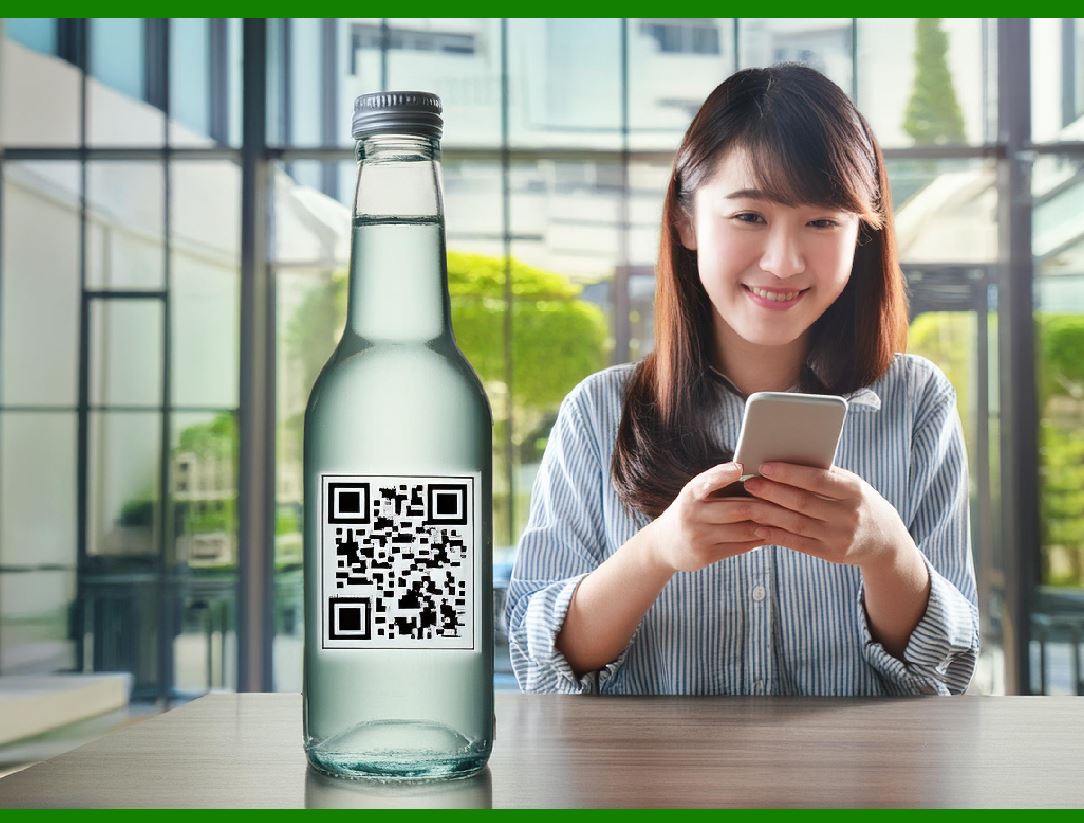
The production of UV-resistant inkjet-printed barcode labels requires the integration of advanced chemical and material technologies to ensure the durability, readability, and functionality of the final product. These technologies involve the formulation of inks, the selection of suitable substrates, and the application of protective coatings that enhance the label's resistance to environmental factors, especially UV light. Understanding the key chemical and material technologies behind UV-resistant barcode labels helps to explain how these labels maintain their quality over time, even in the face of prolonged exposure to sunlight and other harsh conditions. |
|
2. UV-Resistant Ink Technology |
The heart of UV-resistant inkjet-printed barcode labels lies in the formulation of the inks themselves. These inks must be able to withstand the harmful effects of UV radiation without degrading, fading, or losing print quality. Several technologies are involved in the creation of UV-resistant inks, including the use of pigments, UV-blocking agents, and chemical stabilizers. These technologies are discussed in more detail below. |
2.1 Pigment-Based Inks |
Pigment-based inks are a cornerstone of UV-resistant ink technologies. Unlike dye-based inks, which are made from water-soluble colorants, pigment-based inks consist of solid, insoluble colorants (pigments) suspended in a liquid medium. Pigments are more stable and less prone to fading when exposed to UV light compared to dyes. This makes pigment-based inks an ideal choice for producing durable, high-quality prints on barcode labels. |
Pigment-based inks contain smaller, more robust particles that are less susceptible to degradation over time. These particles are highly resistant to the effects of UV light, preventing the ink from breaking down and fading. The pigment particles are often coated with protective compounds that further enhance their stability and increase the ink's overall resistance to UV radiation. |
2.2 UV Stabilizers and Absorbers |
UV stabilizers and absorbers are chemical additives that help protect the ink from the damaging effects of UV light. These compounds work by absorbing harmful UV radiation and converting it into harmless heat, thereby preventing the ink from being broken down. Common types of UV stabilizers include benzotriazoles, HALS (Hindered Amine Light Stabilizers), and UV absorbers such as benzophenones. |
UV stabilizers can be incorporated into both the ink itself and the protective coatings applied to the printed labels. These stabilizers help to prolong the lifespan of the ink and ensure that the printed barcode remains legible even when exposed to direct sunlight for extended periods. UV stabilizers also help prevent issues such as color fading, yellowing, or degradation of the ink's adhesion to the label substrate. |
2.3 Photo-Resistant Polymers |
Another key technology in UV-resistant ink formulations is the use of photo-resistant polymers. These polymers are incorporated into the ink formulation to provide an additional layer of protection against UV radiation. Photo-resistant polymers can absorb UV light and prevent it from penetrating deeper into the ink layer, thus reducing the risk of fading and degradation. |
These polymers also help to improve the durability of the printed image by enhancing the overall adhesion of the ink to the substrate. As the ink dries, the polymer particles bond with the label material, creating a durable and long-lasting print that resists the effects of UV light and environmental exposure. |
|
3. Substrate Technologies |
The choice of substrate, or label material, is another critical aspect of producing UV-resistant inkjet-printed barcode labels. The substrate must be compatible with the ink and capable of withstanding environmental factors such as UV exposure, moisture, heat, and abrasion. A variety of substrates can be used for printing barcode labels, including paper, plastic films, and synthetic materials, each with its own set of properties and performance characteristics. |
3.1 Polyester (PET) Films |
Polyester films, often made from polyethylene terephthalate (PET), are one of the most commonly used substrates for UV-resistant barcode labels. PET films are known for their durability, chemical resistance, and high tensile strength. They provide a smooth and consistent surface for ink adhesion, which is essential for high-quality printing. |
Polyester films can also be coated with UV-resistant coatings or laminated to provide additional protection against UV radiation. This coating helps prevent the ink from fading and ensures that the barcode remains readable over time, even when exposed to direct sunlight or harsh outdoor conditions. |
3.2 Vinyl and Polypropylene |
Vinyl and polypropylene (PP) films are also popular materials for UV-resistant barcode labels. Both materials offer excellent resistance to moisture, chemicals, and UV exposure, making them ideal for applications where the labels will be exposed to outdoor elements. |
Vinyl is a flexible material that can conform to curved or irregular surfaces, making it suitable for labeling products with complex shapes. Polypropylene, on the other hand, is a more rigid material that provides additional resistance to abrasion and wear. Both materials can be treated with UV-blocking coatings or laminates to enhance their resistance to fading and extend the lifespan of the barcode labels. |
3.3 Synthetic Paper |
Synthetic paper is a durable and tear-resistant substrate often used for UV-resistant barcode labels. It combines the best features of traditional paper with the added durability of synthetic materials, making it resistant to moisture, UV radiation, and chemicals. Synthetic paper is also highly compatible with inkjet printing and can be coated with a protective layer to further enhance its UV resistance. |
3.4 Coatings and Laminates |
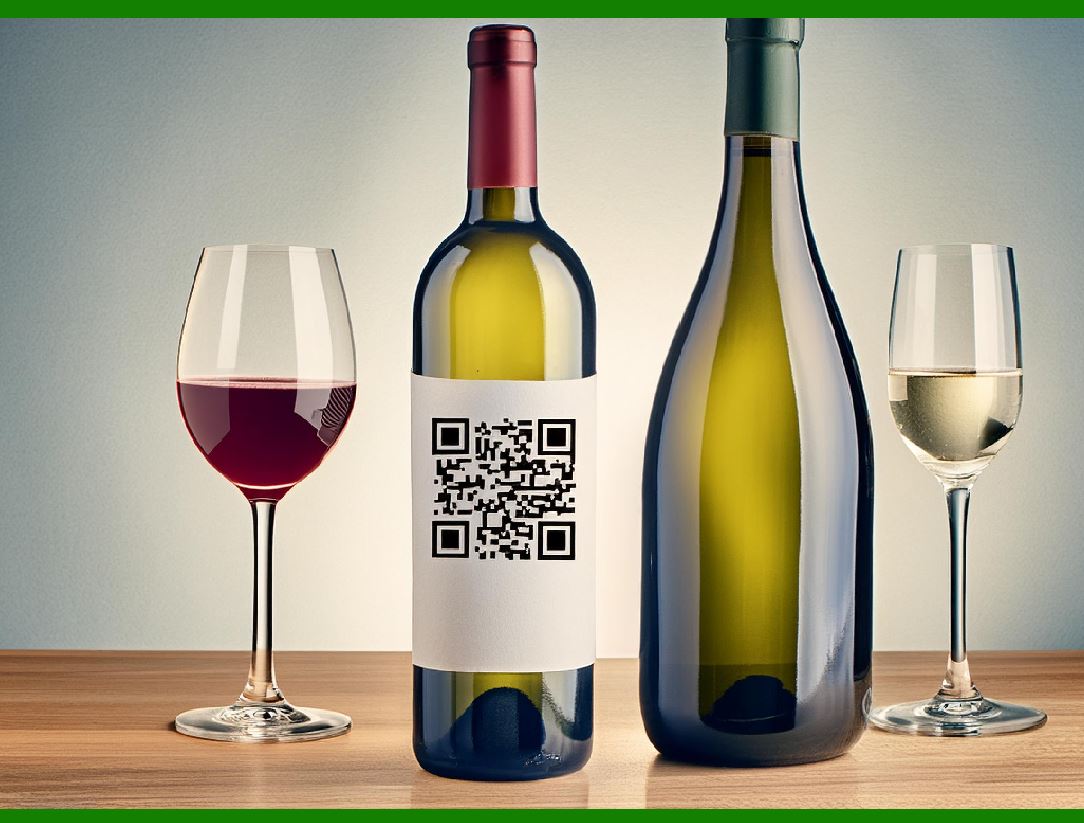
To enhance the performance of the substrate and ink, protective coatings and laminates are often applied to the surface of the barcode label. These coatings act as barriers against environmental factors such as UV light, moisture, and abrasion. |
UV Coatings: UV coatings are applied to the label's surface to create a protective layer that blocks harmful UV radiation. These coatings are typically clear, allowing the printed barcode and design to remain visible while providing enhanced protection against fading and degradation. UV coatings are particularly effective when used with UV-resistant inks, as they work synergistically to prolong the lifespan of the barcode label. |
Overlaminates: Overlaminates are protective films that are laminated to the surface of the label to provide additional durability and protection. These films are typically made from materials such as polyester, vinyl, or polypropylene and are applied to the printed label to shield it from UV light, abrasion, and chemicals. Overlaminates can also be used to enhance the label's appearance, providing a glossy or matte finish depending on the desired effect. |
|
4. Adhesive Technologies |
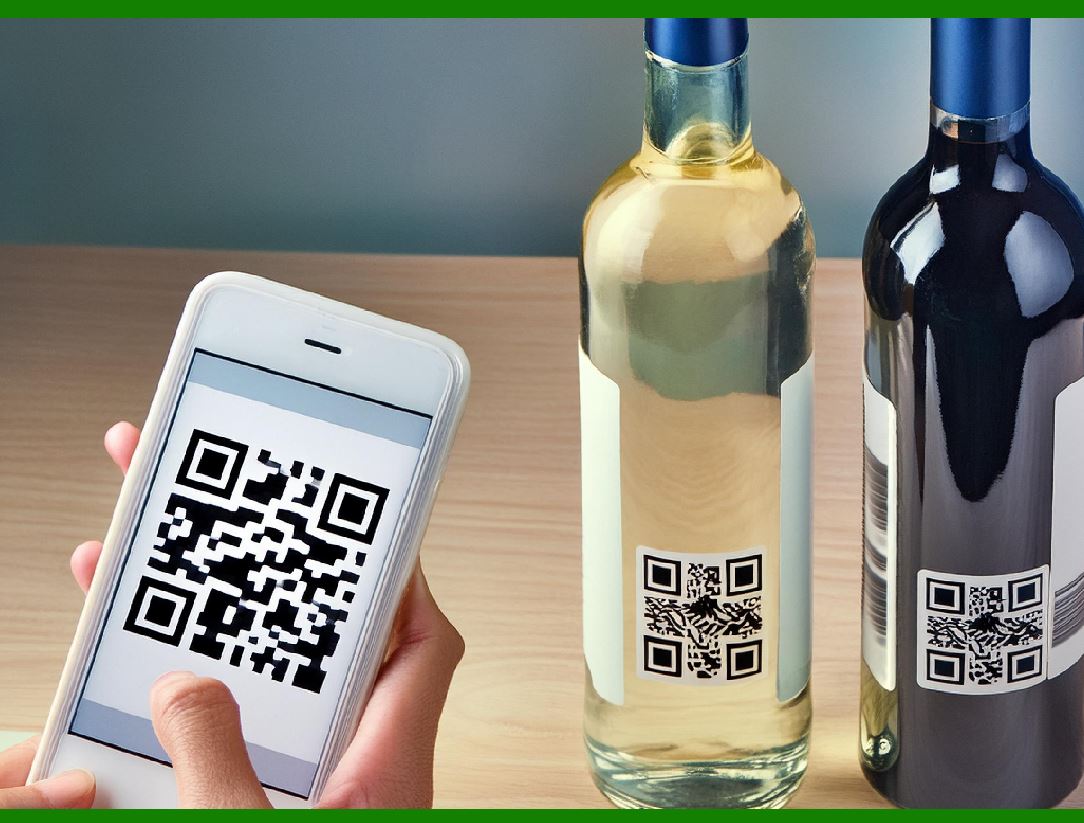
The adhesive used in UV-resistant barcode labels plays a significant role in ensuring the label's longevity and performance. The adhesive must be strong enough to bond securely to a wide range of surfaces, including corrugated cardboard, plastic, metal, and glass. Additionally, the adhesive should remain effective in the presence of UV light, temperature fluctuations, and exposure to moisture. |
4.1 Permanent Adhesives |
Permanent adhesives are commonly used for barcode labels that need to be affixed to products or packaging for the long term. These adhesives form a strong bond with the substrate, ensuring that the label stays in place throughout its lifespan. Permanent adhesives are often resistant to UV exposure, meaning they will not degrade or lose their effectiveness when exposed to sunlight. |
4.2 Removable Adhesives |
In some cases, removable adhesives are used for barcode labels that need to be easily peeled off without leaving residue behind. These adhesives are designed to provide a temporary bond, making them ideal for labeling applications where the labels may need to be changed or replaced frequently. Removable adhesives can be formulated to resist UV degradation, ensuring that they maintain their performance even when exposed to sunlight. |
|
5. Conclusion |
The combination of advanced chemical and material technologies in UV-resistant inkjet-printed barcode labels ensures that these labels can withstand the challenges posed by UV light, moisture, abrasion, and temperature fluctuations. By utilizing pigment-based inks with UV stabilizers, selecting durable substrates such as polyester films or synthetic paper, and applying protective coatings and laminates, manufacturers can produce barcode labels that maintain their readability and functionality over time. Additionally, the use of specialized adhesives further enhances the performance of these labels in various applications. As UV-resistant inkjet printing continues to evolve, new materials and technologies will likely emerge to further improve the durability and versatility of barcode labels, making them an even more reliable tool for businesses across a range of industries. |
|
What challenges will this printing technology face in the future? |
1. Introduction |
Inkjet printing technology, particularly in the context of UV-resistant barcode labels, has made significant strides in recent years. However, as with any technology, there are challenges that will need to be addressed in the future to ensure its continued growth and applicability. These challenges span several areas, including material development, sustainability, cost-effectiveness, environmental concerns, and scalability. Below is an in-depth exploration of the future challenges that inkjet printing technology will likely face in the production of UV-resistant barcode labels. |
|
2. Material and Ink Formulation Challenges |
2.1 Development of More Durable UV-Resistant Inks |
While current UV-resistant inks, especially pigment-based inks, provide adequate protection against UV light, the demand for even more durable inks will continue to grow. UV exposure is not the only environmental factor that degrades labels-moisture, extreme temperatures, and chemical exposure also play a significant role. Future ink formulations will need to incorporate not just enhanced UV protection but also broader resistance to these environmental elements. |
This will require the development of inks that maintain their color integrity, adhesion, and performance even in harsh conditions. Innovations in nanotechnology, such as the use of nanomaterials to reinforce the ink, could help improve the overall performance of inkjet-printed labels. However, creating these advanced formulations can be expensive and technically challenging, requiring new chemical developments and testing. |
2.2 Compatibility with Emerging Substrates |
As industries continue to innovate in packaging and labeling materials, there will be a growing need for inkjet inks that are compatible with an ever-expanding range of substrates. Currently, materials like polyester, vinyl, and synthetic paper are widely used, but as biodegradable and sustainable materials gain popularity, inkjet inks must be adapted to ensure proper adhesion and durability on these new substrates. |
For instance, the growing trend of eco-friendly and biodegradable packaging could pose a challenge to the ink formulation, as some bio-based materials may have different surface properties that are less compatible with conventional inks. Future ink formulations may need to be developed to offer strong adhesion and durability on these new, often more porous, materials without compromising the label's readability or longevity. |
|
3. Printhead and Equipment Limitations |
3.1 Maintenance and Longevity of Printheads |
Inkjet printing systems rely on printheads to deliver ink to the substrate with precision. The maintenance and longevity of printheads are ongoing challenges in inkjet printing. With the use of UV-resistant inks, particularly pigment-based inks that can be thicker and more viscous, printhead clogging can become a significant issue. The future of inkjet printing will require continuous advancements in printhead technology to minimize clogging, reduce maintenance downtime, and improve reliability over longer printing runs. |
Moreover, there is a need for greater resistance to ink wear and tear in printheads, especially when using inks that contain UV stabilizers or other additives. Innovations in materials used for printheads, such as the development of more durable ceramic or metal components, could help mitigate these issues. |
3.2 Speed vs. Quality Trade-Offs |
Another challenge for inkjet printing is maintaining high-quality output while increasing printing speeds. The demand for faster production times, particularly in industries that rely on high-volume labeling, means that printers must balance print speed with print resolution. High-quality, detailed prints, such as barcodes with small, intricate patterns, require precise droplet placement, which can slow down the printing process. |
In the future, manufacturers will need to overcome this trade-off by developing faster inkjet printing systems without compromising the quality of the print. This may involve innovations in printhead technology, ink delivery systems, and process optimization to increase efficiency without sacrificing the precision required for barcode printing. |
|
4. Environmental Impact and Sustainability |
4.1 Reducing Ink and Material Waste |
One of the significant challenges facing all printing technologies, including inkjet printing, is reducing the environmental impact of waste. Inkjet printers, especially those used for short-run or custom printing, can generate a substantial amount of waste, including ink cartridges, substrates, and packaging materials. The future of inkjet printing will need to focus on reducing waste while maintaining high-quality prints. |
The development of more efficient printing systems that minimize ink consumption, as well as advances in ink formulations that are less prone to smudging or overuse, will be crucial. Additionally, manufacturers may need to adopt more sustainable printing practices, such as recycling or reusing ink cartridges, and incorporating eco-friendly substrates and inks into the production process. |
4.2 Reducing Energy Consumption |
The energy consumption of inkjet printing systems, particularly large-scale commercial printers, is another challenge that will need to be addressed in the future. As the demand for faster and more efficient printing increases, printers may consume more power, leading to higher operational costs and a larger environmental footprint. |
To mitigate this, advancements in energy-efficient printing technologies, such as low-energy printheads, heatless curing processes, and smart printing techniques that adjust energy usage based on the print job, will be crucial. Incorporating energy-efficient components and systems will not only lower operational costs but also contribute to more sustainable and environmentally friendly printing practices. |
4.3 Biodegradable Inks and Substrates |
The use of biodegradable inks and substrates is an area where future developments will be important for the sustainability of inkjet printing. While UV-resistant inks are currently designed to be durable and long-lasting, they are often derived from synthetic materials, which may not be environmentally friendly. To meet the growing demand for sustainable solutions, future ink formulations will need to be developed with biodegradable or recyclable components. |
Similarly, substrates made from plant-based materials, such as biodegradable plastics or paper, will need to be compatible with inkjet printing systems. Research into biodegradable and eco-friendly substrates will be essential for reducing the overall environmental impact of inkjet-printed barcode labels, particularly in industries such as retail, logistics, and manufacturing, where labels are used in high volumes. |
|
5. Cost and Scalability Issues |
5.1 High Initial Investment |
Despite the advancements in inkjet printing technology, the cost of high-quality, UV-resistant inkjet printing systems remains a barrier for some businesses, particularly small- and medium-sized enterprises (SMEs). High-performance inkjet printers and UV-resistant inks can be expensive, and the cost of maintaining and replacing parts such as printheads or ink cartridges can add up over time. |
As inkjet printing technology continues to evolve, manufacturers will need to find ways to reduce the cost of both the hardware and consumables. This may include developing more cost-effective ink formulations, reducing the price of UV-resistant inks, and optimizing printer components to improve durability and reduce maintenance costs. |
5.2 Scalability for High-Volume Applications |
While inkjet printing excels in low- to medium-volume applications, scaling the technology for high-volume or mass production applications can present challenges. Inkjet printing systems are not as fast or efficient as other traditional printing methods like flexographic printing, which is widely used for high-volume label production. |
Future advancements will need to focus on improving the scalability of inkjet printing for high-volume applications while maintaining the quality of the prints. This could involve innovations in printer design, the use of faster ink curing techniques, and improvements in the efficiency of ink deposition and drying processes. |
|
6. Integration with Industry 4.0 and Automation |
6.1 Smart Printing and Data-Driven Manufacturing |
The future of inkjet printing in barcode label production will likely see increased integration with Industry 4.0 technologies. Automation and data-driven manufacturing will play a significant role in optimizing the printing process, improving efficiency, and reducing human error. By incorporating sensors, predictive maintenance algorithms, and real-time monitoring systems, inkjet printing systems could be made smarter and more responsive to the needs of manufacturers. |
This will enable businesses to reduce downtime, improve productivity, and ensure the consistent quality of barcode labels. Additionally, the integration of artificial intelligence (AI) and machine learning (ML) algorithms could help improve print quality, ink management, and operational workflows, leading to more streamlined production processes. |
|
7. Conclusion |
While inkjet printing technology for UV-resistant barcode labels has come a long way, there are several challenges that will need to be addressed in the future. These include the development of more durable and sustainable inks, overcoming printhead maintenance issues, improving scalability for high-volume applications, and reducing environmental impacts such as waste and energy consumption. Advances in material science, ink formulation, equipment design, and automation will play a key role in addressing these challenges. Overcoming these obstacles will help ensure that inkjet printing remains a viable and competitive solution for the production of high-quality, durable barcode labels in the years to come. |
 cs@easiersoft.com