1. Introduction to Screen Printing for UV-Resistant Barcode Labels |
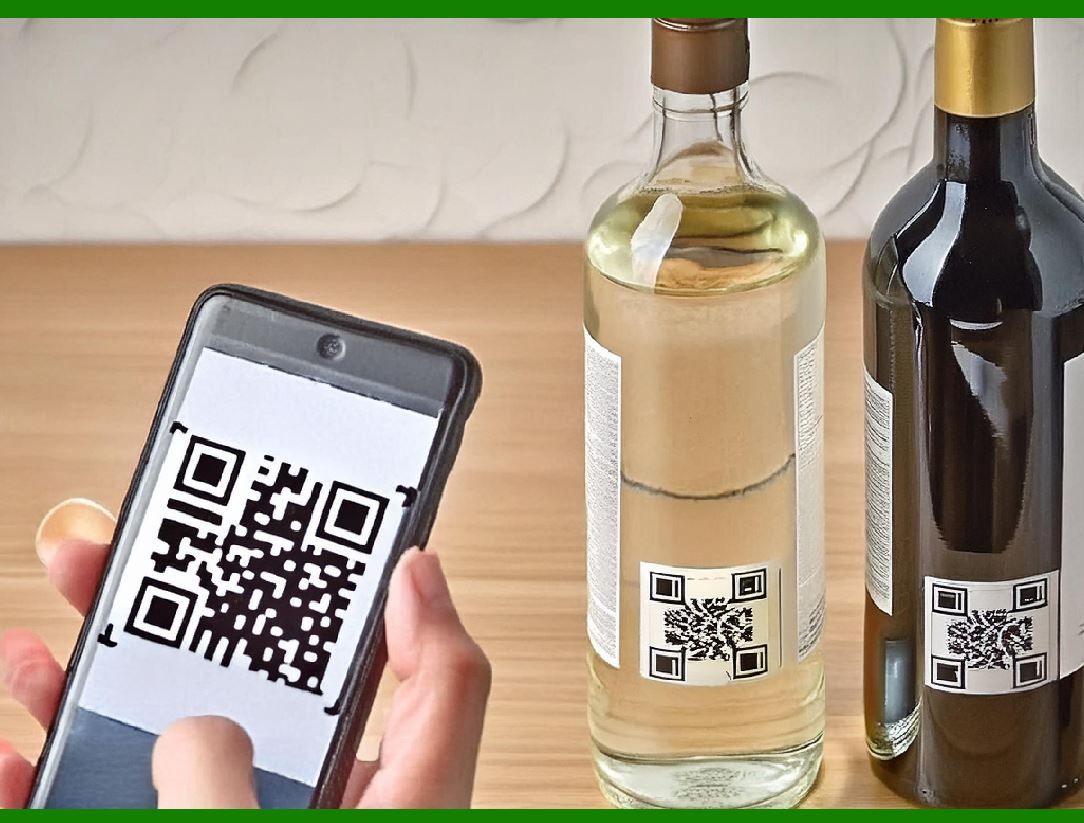
Screen printing is a widely used technique for applying ink or designs to various materials, including paper, fabric, plastics, and metals. It is particularly valuable when large volumes of prints need to be produced with high efficiency and consistent quality. When it comes to UV-resistant barcode labels, screen printing plays a critical role in ensuring that the labels withstand harsh environmental conditions while maintaining their legibility and durability. |
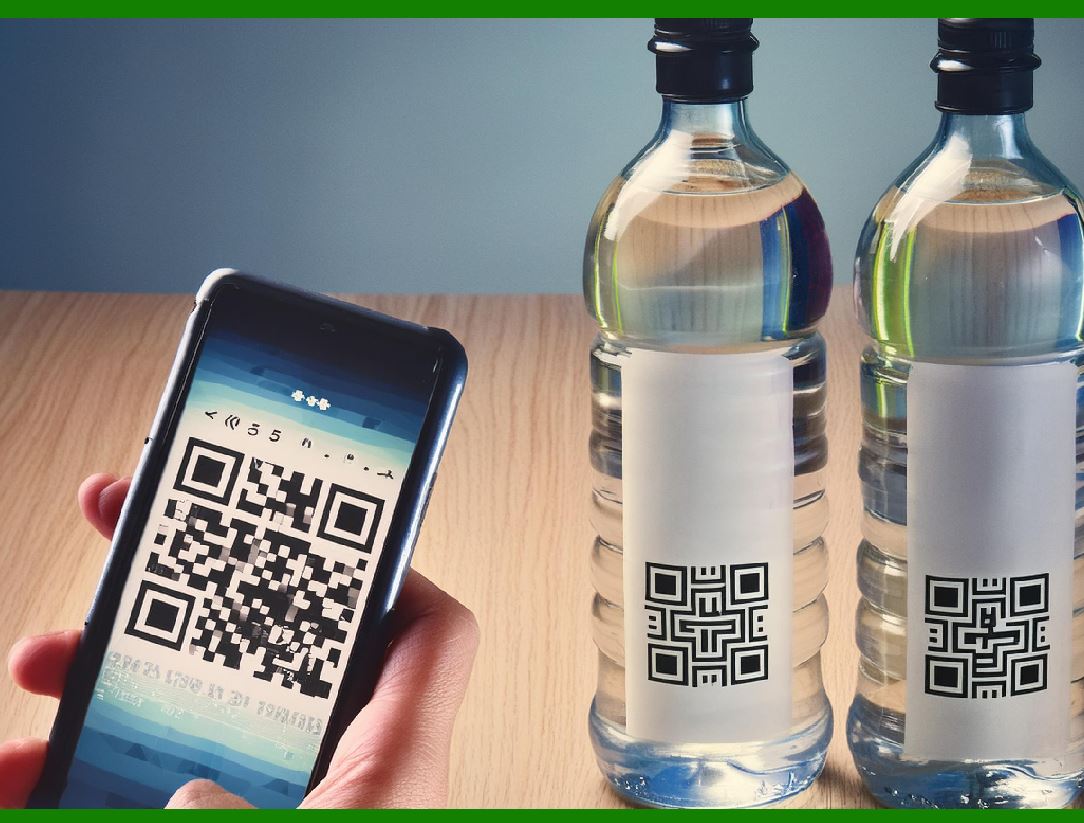
Barcode labels are essential for tracking, inventory, and management in numerous industries, including logistics, retail, pharmaceuticals, and manufacturing. Given their importance in such fields, the ability to produce long-lasting, readable, and UV-resistant labels is crucial. This is where screen printing proves to be an effective method, providing the necessary attributes for barcode labels that will be exposed to outdoor elements, intense light, or rough handling. |
In this detailed guide, we will explore the screen printing process for UV-resistant barcode labels, the materials used, the advantages of using UV-resistant ink, and how this printing method ensures that the barcodes remain scannable and legible even after prolonged exposure to sunlight, weather, and other environmental factors. |

|
2. The Basics of Screen Printing |
At its core, screen printing involves the use of a mesh screen to transfer ink onto a substrate (such as label material) to create an image or pattern. This method is highly versatile and allows for printing on a wide variety of surfaces, including uneven or non-flat ones. It is also capable of producing highly detailed designs and can be used with a range of ink types, including UV-resistant inks. |
The screen printing process typically includes the following steps: |
Preparation of the Screen: The screen itself is made of a mesh fabric, which can be made from materials such as polyester or stainless steel. The mesh is tightly stretched across a frame to form a flat surface. The screen is then coated with a light-sensitive emulsion, which hardens when exposed to light. |
Exposure and Image Creation: A film positive of the barcode label design is placed on the screen, and the screen is exposed to ultraviolet light. The light hardens the emulsion except where the barcode image is, leaving the design area unexposed. This creates a stencil of the barcode design on the screen. |
Ink Application: Once the stencil is created, ink is applied to the top of the screen, and a squeegee is used to push the ink through the mesh onto the substrate (the label material). The squeegee presses the ink through the open areas of the screen, transferring the design onto the material below. |
Drying or Curing: After the ink is applied, it must be dried or cured. In the case of UV-resistant inks, this step usually involves exposing the ink to ultraviolet light to cure it. This curing process ensures that the ink bonds properly to the label material and becomes resistant to fading, smudging, or degradation from UV light. |
Screen printing is favored for its ability to produce vibrant, opaque colors, which are especially useful when creating high-contrast barcodes that need to be clearly readable. |
|
3. The Role of UV-Resistant Inks |
UV-resistant ink is a critical component in the production of durable barcode labels. Standard inks may fade, crack, or degrade when exposed to ultraviolet (UV) rays over time, leading to the barcode becoming unreadable. UV-resistant inks, however, are specifically formulated to resist damage caused by UV exposure, providing long-lasting performance. |
UV-resistant inks are made using special chemical formulations that contain UV inhibitors and stabilizers, which prevent the ink from breaking down or fading when exposed to sunlight or other sources of UV radiation. These inks also tend to be more durable and resistant to other environmental factors such as moisture, temperature fluctuations, and abrasion, which are particularly important for labels that may be subjected to rough handling or exposure to the elements. |
The UV-resistant ink is applied using the same screen printing technique as regular ink, but its chemical properties ensure that it can withstand the damaging effects of UV rays without losing its vibrant color or clarity. This makes it an ideal choice for barcode labels that need to remain functional for extended periods, particularly in industries such as warehousing, shipping, and outdoor retail where labels are exposed to the sun. |
|
4. Choosing the Right Substrate for Barcode Labels |
The substrate, or material on which the barcode is printed, plays a significant role in the durability and functionality of the final barcode label. Common materials used for barcode labels include paper, vinyl, polyester, and polypropylene. When screen printing UV-resistant barcode labels, it's important to choose a substrate that not only works well with the screen printing process but also enhances the durability and UV-resistance of the final product. |
Paper: Paper labels are widely used for indoor applications where UV exposure is minimal. However, paper may not be the best choice for labels exposed to harsh environmental conditions, as it is prone to fading and damage from moisture. |
Vinyl: Vinyl is a popular choice for labels that will be exposed to outdoor conditions. It is durable, flexible, and resistant to moisture and UV rays. Vinyl barcode labels are ideal for products or packaging that will be outdoors or exposed to direct sunlight for extended periods. |
Polyester and Polypropylene: These synthetic materials are commonly used for durable barcode labels. Both are resistant to UV light, moisture, and temperature fluctuations, making them suitable for use in harsh environments. Polyester labels, in particular, are known for their strength and resistance to abrasion, which is essential for barcode labels that may be handled frequently. |
The selection of substrate also affects the adhesion and curing process of the UV-resistant ink. Some substrates may require pre-treatment to ensure proper ink adhesion, such as applying a primer or using heat to prepare the surface. |
|
5. Advantages of Screen Printing for UV-Resistant Barcode Labels |
Screen printing offers several key benefits for producing UV-resistant barcode labels: |
Durability: One of the main advantages of screen printing for UV-resistant barcode labels is the durability of the final product. The ink is applied in a thick layer, which creates a high-quality, long-lasting finish that resists fading, abrasion, and moisture. The UV-resistant ink ensures that the barcode remains legible and functional even after prolonged exposure to sunlight. |
Vibrant Colors and Clarity: Screen printing is capable of producing highly vibrant and opaque colors, which makes it ideal for creating barcodes with high contrast. The clear and sharp definition of the barcode is essential for easy scanning, and screen printing ensures that the barcode remains easy to read throughout its lifecycle. |
High Volume Production: Screen printing is well-suited for high-volume production runs. Once the screen is prepared, the process can be repeated quickly, making it an efficient choice for manufacturers that need to print large quantities of barcode labels. This is particularly important for businesses in logistics or retail that require a consistent supply of labels. |
Versatility: Screen printing can be used to print on a variety of substrates, as well as different sizes and shapes of labels. This makes it suitable for applications where barcodes need to be printed on irregular surfaces or materials. |
Cost-Effectiveness for Large Runs: Although the initial setup cost for screen printing can be higher than other methods, it becomes highly cost-effective for large orders. The ability to produce large quantities of high-quality, UV-resistant barcode labels at a low cost per unit makes screen printing a preferred choice for businesses with high demands. |
|
6. Applications of UV-Resistant Barcode Labels |
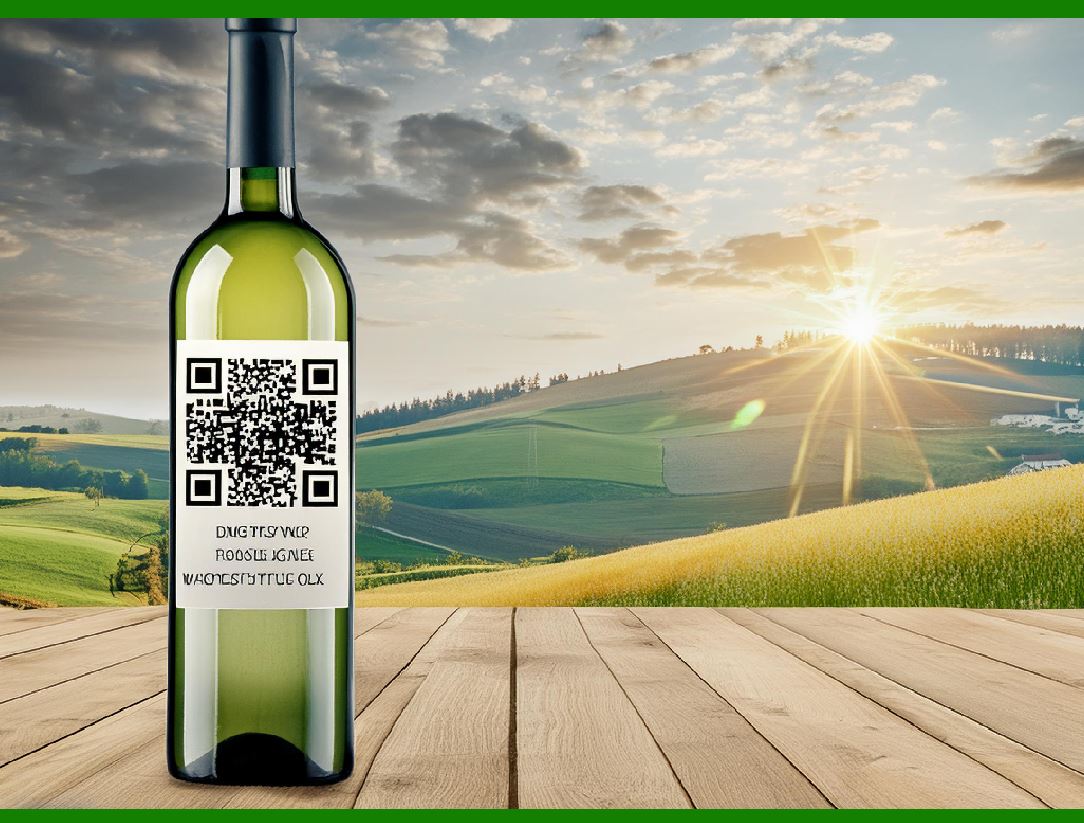
UV-resistant barcode labels produced by screen printing are used in a wide range of industries where labels are subjected to environmental stress. Some common applications include: |
Logistics and Shipping: Barcode labels used for tracking shipments often need to endure rough handling and exposure to outdoor elements. UV-resistant screen-printed labels ensure that these barcodes remain scannable and intact even during long journeys or when exposed to sunlight, rain, or extreme temperatures. |
Retail: Products in retail environments are frequently handled, stored, and transported, often involving outdoor exposure. UV-resistant barcode labels help ensure that product information remains clear and legible throughout the product's lifecycle. |
Manufacturing and Warehousing: In manufacturing environments, labels are used to track products, pallets, and inventory. These labels are often exposed to rough handling and various environmental conditions, making UV-resistant screen-printed barcode labels the perfect solution for maintaining their integrity. |
Outdoor Equipment and Goods: For products that are exposed to the outdoors, such as agricultural equipment, machinery, and outdoor gear, UV-resistant barcode labels are crucial. They remain visible and readable, even in direct sunlight and challenging conditions. |
|
7. Challenges and Considerations in Screen Printing for UV-Resistant Barcode Labels |
While screen printing offers numerous advantages, there are also some challenges and considerations that need to be taken into account when producing UV-resistant barcode labels: |
Setup Time and Costs: The initial setup for screen printing, including the creation of the screen and film positives, can be time-consuming and costly. For smaller orders, this may not be the most cost-effective option compared to other printing methods such as digital printing. However, for large runs, screen printing becomes more economical. |
Ink Curing: UV-resistant inks require proper curing to achieve optimal durability and performance. Inadequate curing can lead to smudging, fading, or poor adhesion, which can compromise the functionality of the barcode. |
Quality Control: The need for precision in applying UV-resistant ink is critical, as even minor defects in the print can affect barcode readability. High-quality control standards are essential to ensure the labels are consistently produced to meet the necessary specifications. |
Environmental Impact of UV Inks: While UV-resistant inks offer excellent durability, they often contain chemicals that can be harmful to the environment if not handled properly. It's important for manufacturers to use eco-friendly formulations and follow appropriate disposal methods for the inks and solvents. |
|
8. Conclusion |
Screen printing with UV-resistant inks is a highly effective method for producing durable, long-lasting barcode labels that can withstand the challenges posed by UV exposure and environmental stress. With its ability to print on a wide variety of materials, its cost-effectiveness for large runs, and its ability to deliver vibrant, clear designs, screen printing remains a preferred choice for manufacturers and businesses that require barcode labels with high durability and readability. |
By carefully selecting the right substrates, inks, and printing techniques, companies can ensure that their UV-resistant barcode labels continue to perform optimally in harsh conditions, helping to maintain accurate tracking and efficient inventory management. |
|
Related chemical and material technologies |
1. Introduction to Chemical and Material Technologies for UV-Resistant Barcode Labels |
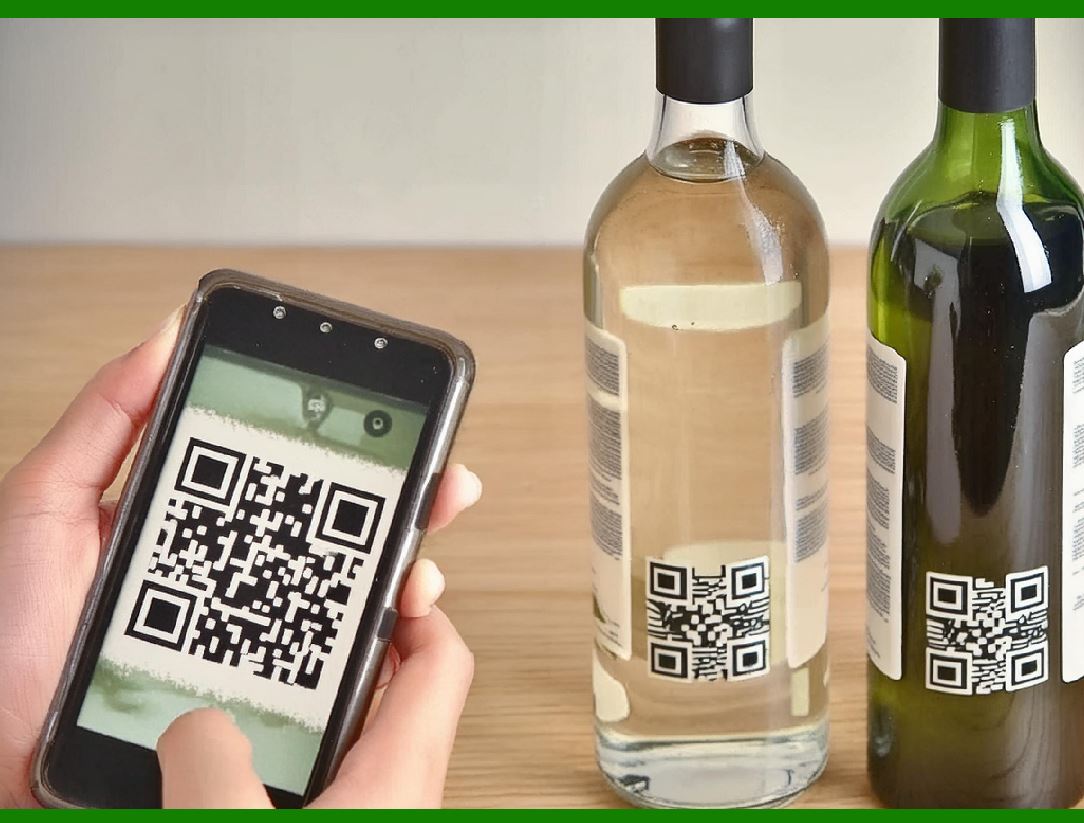
The production of UV-resistant barcode labels involves an intersection of chemical and material technologies, which are pivotal in ensuring the final labels withstand environmental stressors, including ultraviolet (UV) radiation, temperature fluctuations, moisture, and physical wear. These technologies encompass a wide range of processes, from the formulation of UV-resistant inks to the selection and treatment of substrates that enhance label durability. |
This section explores the key chemical and material technologies that contribute to the manufacturing of UV-resistant barcode labels, detailing their roles in improving label performance and longevity. |
|
2. UV-Resistant Ink Formulation Technologies |
The most critical component in ensuring UV-resistance in barcode labels is the ink itself. Standard inks tend to fade when exposed to UV radiation over time, leading to degradation in readability. To address this challenge, UV-resistant inks are specially formulated using advanced chemical technologies. These inks contain UV inhibitors, stabilizers, and specific polymeric binders that provide enhanced protection against fading, cracking, or discoloration caused by prolonged exposure to sunlight. |
2.1 UV-Absorbing Additives |
UV-absorbing additives, also known as UV stabilizers or blockers, are chemicals incorporated into the ink formulation to absorb harmful UV rays before they can degrade the ink. These additives prevent the ink from breaking down by blocking or dissipating UV radiation that would otherwise cause the ink's pigments to deteriorate. |
Benzotriazole-Based UV Stabilizers: These are common in UV-resistant inks and are effective in absorbing UV light across a broad spectrum. They help prevent the breakdown of both organic and inorganic pigments used in the ink formulation. |
Hindered Amine Light Stabilizers (HALS): These stabilizers scavenge free radicals generated by UV radiation, thus preventing degradation in the ink and substrate. HALS are often used in combination with other UV blockers to enhance long-term durability. |
2.2 UV-Curable Inks |
UV-curable inks use a photoinitiator system that cures (hardens) the ink when exposed to UV light, rather than through heat or air-drying. These inks are commonly used in screen printing processes because they provide rapid drying times, allowing for faster production cycles. |
Photoinitiators: These chemical compounds absorb UV light and initiate a polymerization reaction that hardens the ink. Common photoinitiators include camphorquinone and benzoin derivatives. They work by starting the crosslinking process, where the ink's polymer chains are linked together, making the ink more resistant to UV degradation. |
Acrylate-Based Resins: These resins are frequently used in UV-curable inks because of their excellent adhesion properties, high abrasion resistance, and strong UV stability. They provide the necessary flexibility and hardness to make the barcode label durable under different environmental conditions. |
2.3 Pigments and Dyes |
The choice of pigments and dyes used in UV-resistant inks plays a key role in the durability of the printed barcode. Pigments, unlike dyes, are generally more resistant to UV degradation, making them ideal for long-lasting prints. |
Inorganic Pigments: These pigments, such as titanium dioxide (for white inks) and chromium oxide (for green inks), offer excellent UV stability and are highly resistant to fading. |
Organic Pigments: While they are typically more vibrant, organic pigments can be prone to fading under UV light. However, advancements in the chemistry of organic pigments have led to improved UV resistance, especially when combined with UV-blocking additives. |
2.4 Solvents and Resins |
The solvents and resins used in the formulation of UV-resistant inks contribute to the overall performance of the ink, such as adhesion to the substrate and the ink's resistance to physical wear and tear. In UV-cured inks, resins such as epoxy acrylates and polyurethane acrylates are commonly used because they enhance adhesion, provide flexibility, and improve abrasion resistance. |
|
3. Substrate Materials and Surface Treatment Technologies |
The substrate (or label material) on which the barcode is printed plays a vital role in ensuring the longevity and performance of UV-resistant barcode labels. In addition to the choice of material, surface treatment technologies are employed to enhance ink adhesion and improve the overall durability of the label. |
3.1 Polyester (PET) |
Polyester is a commonly used material for UV-resistant barcode labels due to its inherent strength, chemical resistance, and ability to withstand UV exposure. Polyester substrates are known for their ability to resist moisture, temperature fluctuations, and UV degradation. |
Surface Coatings for Polyester: To further enhance the UV-resistance of polyester labels, coatings such as acrylic or polyurethane are often applied to the surface of the material. These coatings can increase the substrate's resistance to UV radiation, improving the durability of the printed barcode. |
3.2 Polypropylene (PP) |
Polypropylene is another widely used material for durable labels. It is resistant to chemicals, moisture, and UV light, making it ideal for applications where the barcode label will be exposed to harsh environments. |
UV-Resistant Polypropylene Films: Polypropylene films that are specifically engineered to be UV-resistant have been developed for applications that require long-lasting barcode labels. These films often include UV inhibitors or stabilizers in their polymer matrix, providing additional protection against UV degradation. |
3.3 Vinyl (PVC) |
Vinyl substrates are flexible, cost-effective, and resistant to environmental elements such as UV radiation, moisture, and temperature changes. They are often used for outdoor barcode labeling applications. Vinyl can be treated with various surface coatings to improve its resistance to UV light and other environmental stressors. |
UV Stabilization in Vinyl: Vinyl can be treated with UV stabilizers that absorb or block UV radiation, preventing degradation. These stabilizers can either be incorporated into the polymer during manufacturing or applied as a surface coating. |
3.4 Surface Pretreatments |
Before printing, substrates may undergo various pretreatment processes to improve ink adhesion and ensure a durable final product. |
Corona Treatment: This is a common process where a high-voltage discharge is applied to the surface of a non-polar substrate (such as polypropylene) to make it more receptive to inks and coatings. The treatment creates oxygen-containing functional groups on the surface, improving adhesion. |
Flame Treatment: Similar to corona treatment, flame treatment uses a controlled flame to modify the surface of the material, promoting better ink bonding. This treatment is particularly useful for materials like plastic films that are difficult to print on without surface modification. |
Plasma Treatment: Plasma treatment uses an ionized gas to activate the surface of the material, enhancing its surface energy. This process allows for better adhesion of UV-resistant inks, particularly on materials like polyester and vinyl. |
|
4. Environmental and Durability Enhancements |
In addition to UV-resistance, other environmental factors-such as temperature fluctuations, moisture, and abrasion-must be taken into account when designing UV-resistant barcode labels. Technologies and materials that offer resistance to these factors are also crucial in ensuring the label's longevity and functionality. |
4.1 Weather-Resistant Coatings |
To provide protection against elements such as rain, snow, and humidity, UV-resistant barcode labels are often treated with weather-resistant coatings. These coatings prevent moisture from penetrating the label material and degrade the ink over time. |
Polyurethane Coatings: These coatings are known for their abrasion resistance and ability to provide a protective layer against UV rays, moisture, and temperature extremes. Polyurethane coatings are widely used for outdoor applications. |
Acrylic Coatings: Acrylic coatings are commonly used on UV-resistant barcode labels due to their excellent UV stability, weather resistance, and ability to provide a clear, protective layer over the printed ink. |
4.2 Scratch and Abrasion Resistance |
Barcode labels often face physical wear and tear, especially in environments where they are handled frequently or exposed to rough surfaces. Scratch-resistant coatings or finishes are applied to prevent the ink from being damaged. |
Scratch-Resistant Polyurethane Coatings: These coatings add an extra layer of protection to the printed barcode, preventing physical damage and ensuring the ink remains intact. |
Overlaminates: A transparent layer of laminate is often applied over the barcode label to provide additional abrasion resistance and protection against chemicals, oils, and other contaminants. |
4.3 Chemical Resistance |
Barcode labels may be exposed to chemicals, solvents, or oils in certain environments. In such cases, UV-resistant inks and substrates must be chosen for their chemical resistance. Polyester and polypropylene, for instance, are both known for their chemical resistance, and UV-resistant inks can be specially formulated to resist damage from chemical exposure. |
|
5. Conclusion |
The development and application of chemical and material technologies in the production of UV-resistant barcode labels are essential to ensuring their functionality and longevity in harsh environments. By using advanced UV-resistant inks, selecting the right substrates, and employing surface treatment technologies, manufacturers can create barcode labels that remain durable, legible, and scannable even after prolonged exposure to UV light, moisture, and abrasion. |
These technologies work synergistically to improve the performance of barcode labels in a variety of industries, including logistics, manufacturing, retail, and outdoor applications. As these technologies continue to evolve, the durability and efficiency of UV-resistant barcode labels will further enhance the reliability of tracking and inventory systems, helping businesses maintain operational efficiency in challenging environments. |
 cs@easiersoft.com