Barcode Printer: Firmware and Software |
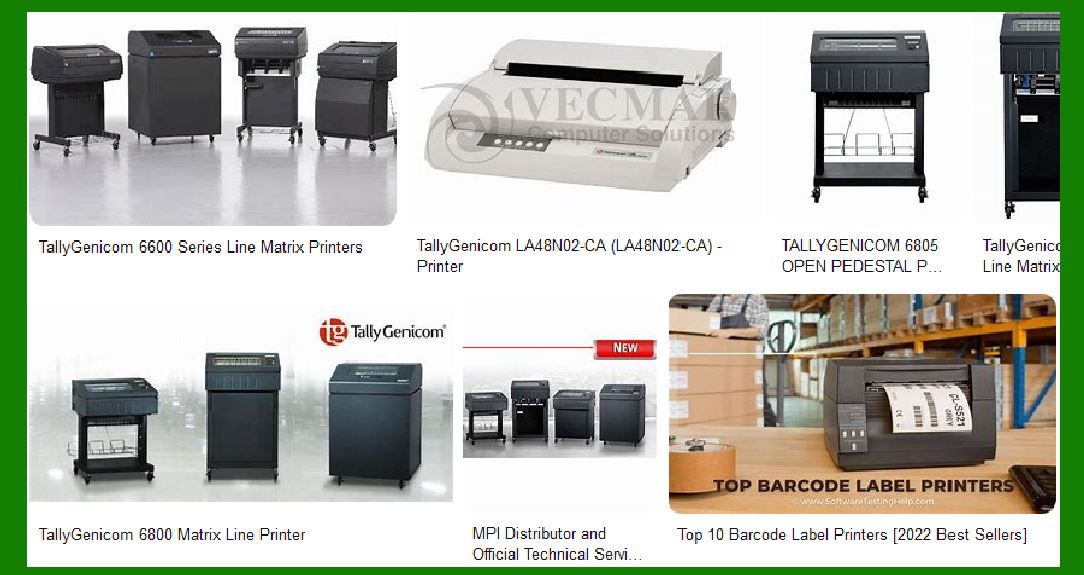
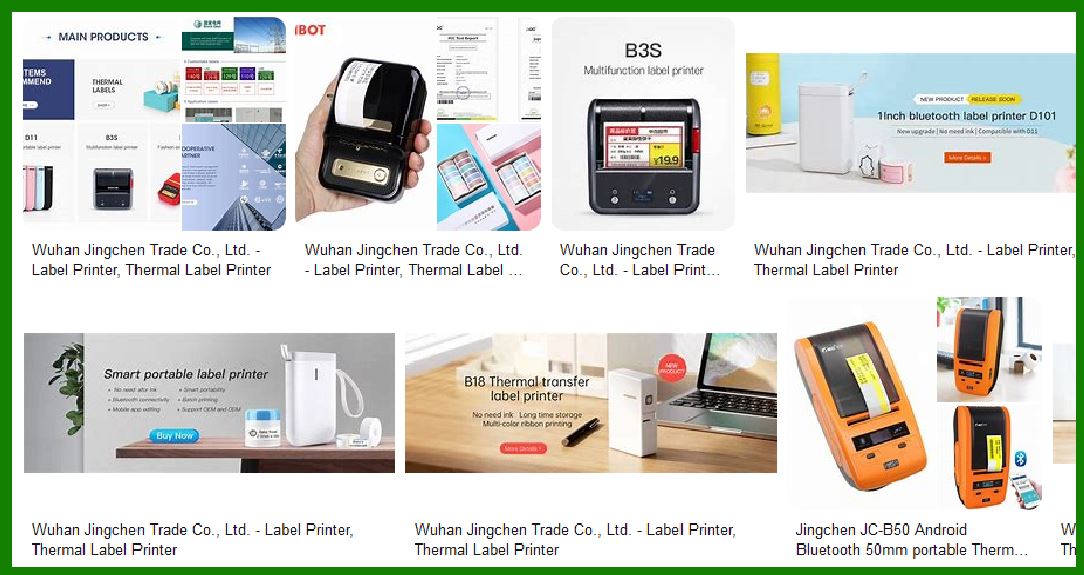
Barcode printers are essential devices in many industries, enabling the creation of barcode labels that are used for inventory management, shipping, and identification purposes. These printers use a combination of hardware, firmware, and software to operate effectively. In this detailed explanation, we will explore the roles of firmware and software in a barcode printer, covering their definitions, key functions, and how they work together to ensure optimal printer performance. |
|
1. Introduction to Barcode Printer Firmware and Software |
1.1 Barcode Printer Firmware |
Firmware is a specialized type of software that is permanently programmed into a device's memory. In the case of barcode printers, firmware is stored on the printer's internal control board and is responsible for managing the hardware components, interpreting the commands sent by the connected computer or terminal, and ensuring proper operation. Unlike standard software, firmware is not typically updated by the end user and is designed to be closely tied to the hardware of the printer. |
1.2 Barcode Printer Software |
On the other hand, the software for a barcode printer is typically external to the device and runs on the computer or system that sends commands to the printer. Software for barcode printers includes programs for design, label creation, and printer management. Software can often be updated more frequently than firmware and provides an interface for users to interact with the printer without needing to understand low-level hardware operations. |
Together, firmware and software ensure that a barcode printer functions efficiently by managing both the hardware and the user interface, converting high-level instructions into print commands that are understood by the printer. |
|
2. The Role of Firmware in Barcode Printers |
2.1 Function of Firmware |
The firmware is a critical component of a barcode printer because it directly interacts with the hardware to manage the printer's internal processes. It is responsible for converting the print commands received from the connected device into physical actions, such as feeding paper, printing characters, and managing the thermal or ink-based printhead. |
2.2 Key Functions of Firmware in Barcode Printers |
The main tasks handled by the firmware include: |
Command Interpretation: The printer firmware interprets the commands sent from the external software or device (such as a computer or point-of-sale system). These commands can be simple requests to print a barcode, or more complex instructions for printing custom layouts with text, images, and various barcodes. Firmware interprets the print commands into low-level operations that the printer hardware can execute. |
Print Job Management: Firmware processes multiple print jobs by managing queues, monitoring the status of the print job, and determining when a new print job should be initiated. It ensures that the printer handles print jobs in the correct sequence and provides feedback to the software or user if there is an issue with a specific job. |
Data Formatting and Compression: In barcode printers, data formats are often compressed to optimize printing speed. Firmware is responsible for decompressing and formatting the print data into the necessary format for the printer's printhead, ensuring that barcode elements and text are accurately represented on the label or paper. |
Device Coordination: Firmware coordinates the various internal components of the printer, including the printhead, motors, sensors, and the paper feed mechanism. It controls the timing and order of these operations to ensure a smooth and accurate print process. For example, it adjusts the speed of the motor or the printhead temperature according to the specific requirements of the print job. |
2.3 Communication Management |
Firmware is also responsible for managing the communication between the barcode printer and the connected device. This can involve various types of interfaces, including USB, Ethernet, Bluetooth, and wireless connections. The firmware handles the receiving and processing of data, ensuring that the communication is stable, reliable, and efficient. |
The communication process typically involves two primary functions: |
Data reception: The firmware receives the data packets from the external device, checks them for integrity, and stores them in the appropriate buffer memory. |
Data processing: After receiving the data, the firmware processes it by converting high-level commands into actions that the printer hardware can execute, such as moving the printhead or adjusting the paper feed. |
2.4 Error Handling and Diagnostics |
One of the most important tasks of firmware in barcode printers is to detect and manage errors that may occur during operation. The firmware continuously monitors the printer's components and sensors to ensure proper operation. When an error is detected, such as a paper jam, out-of-paper condition, or low ink/thermal ribbon, the firmware can notify the user or the connected device. |
Error handling can take several forms: |
Notification: The firmware may trigger an error message on the printer's display or send a warning message to the connected software to alert the user of an issue. |
Recovery: In some cases, the firmware will attempt to resolve the issue automatically, such as by attempting to reposition a misaligned printhead or clear a paper jam using the printer's motor. |
Log Generation: Firmware often generates logs that can be used for troubleshooting. These logs can be accessed by the connected device for deeper diagnostics. |
2.5 Print Quality Control |
Firmware also plays a role in controlling print quality. It manages parameters like printhead temperature, ink density (for inkjet printers), and the speed of the paper feed. By adjusting these settings in real-time, the firmware ensures that each printout meets the required quality standards, including clear, scannable barcodes. |
|
3. The Role of Software in Barcode Printers |
3.1 Software Overview |
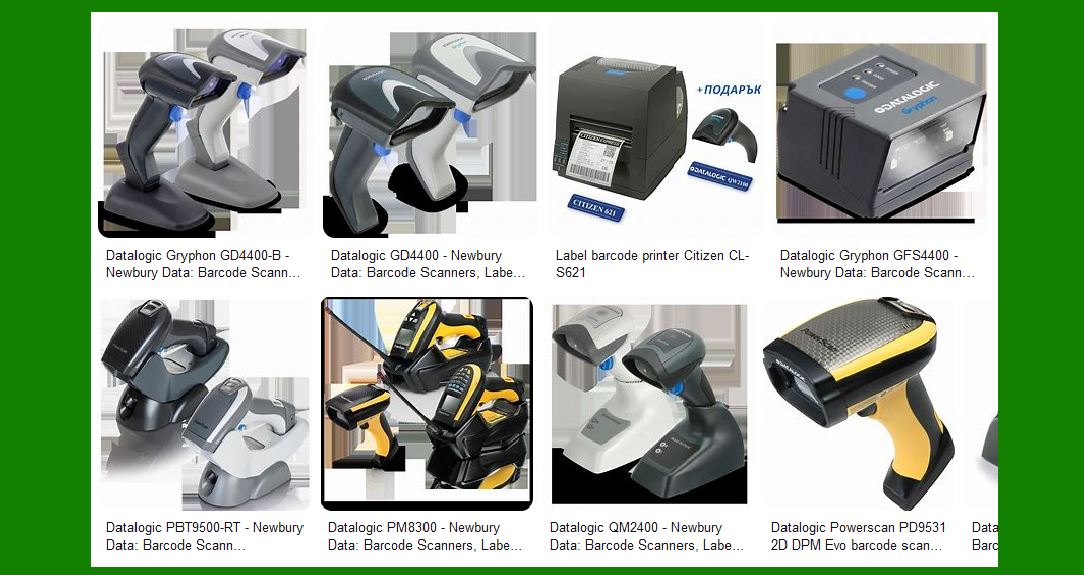
Barcode printer software is typically a user-facing application that allows the creation, formatting, and management of labels. This software is generally installed on a computer or a device that sends print jobs to the printer. It serves as the interface between the user and the printer's firmware, providing an easy-to-use environment for designing barcodes and labels. |
3.2 Key Functions of Barcode Printer Software |
The software for barcode printers performs a range of tasks that facilitate the creation and printing of barcodes. Some of the key functions include: |
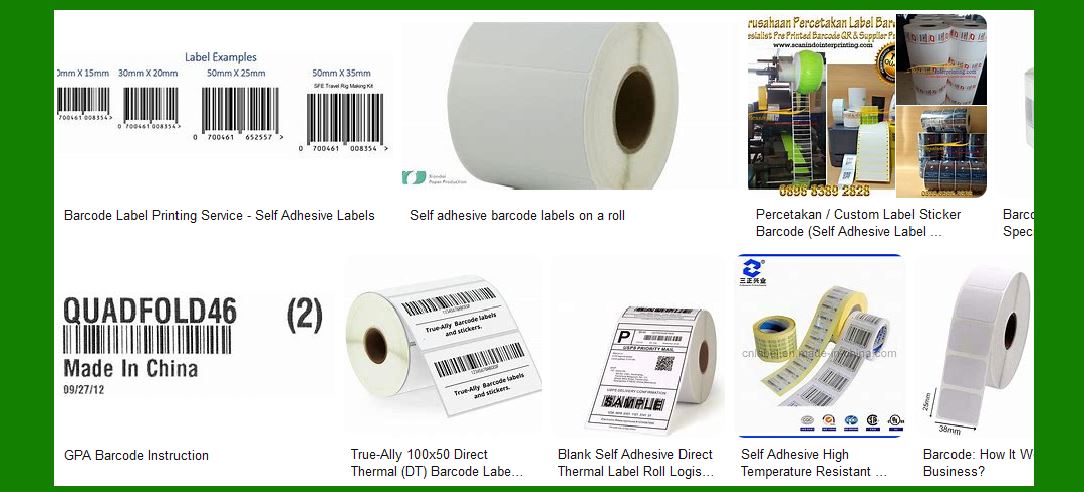
Label Design and Customization: Barcode printer software enables users to design custom labels, including barcodes, text, images, and logos. The software provides a variety of formatting options to adjust the size, alignment, and design of the label. It also allows users to input dynamic data, such as serial numbers or product identifiers, which can change from one print job to another. |
Barcode Generation: One of the primary features of barcode printer software is the generation of barcode symbols. The software can create various types of barcodes, including 1D barcodes (such as Code 128, UPC, and EAN) and 2D barcodes (such as QR codes, Data Matrix, and PDF417). The user simply selects the type of barcode, inputs the relevant data, and the software automatically generates the corresponding barcode image. |
Integration with External Systems: Barcode printer software is often designed to integrate with other business systems, such as inventory management, enterprise resource planning (ERP) software, or customer relationship management (CRM) tools. This integration allows users to automatically generate labels based on data from these systems, streamlining processes like product labeling, shipping, and tracking. |
Printer Configuration and Management: Software can also be used to configure and manage barcode printers. Users can set up printer parameters, such as print speed, print density, and label size. The software may also provide options for monitoring printer status, such as ink levels, paper supply, and error reporting. |
Firmware Updates: In some cases, software can facilitate firmware updates for the barcode printer. This allows the user to ensure that the printer has the latest features and bug fixes without needing to interact directly with the printer's internal components. |
3.3 User Interface |
The user interface (UI) of barcode printer software is a crucial element for ensuring that users can easily create and manage labels. The UI typically features drag-and-drop functionality, a variety of design templates, and customizable settings that make it easy to create labels without requiring technical expertise. Some software packages also offer advanced features, such as database connectivity or automated label printing based on predefined templates. |
3.4 Error Reporting and Diagnostics |
In addition to providing error handling features for the printer, software can also offer more in-depth error reporting. When the firmware detects an error, it can send detailed information to the software, allowing the user to diagnose the problem more effectively. For instance, the software may display an error code along with a description of the issue, providing suggestions for resolving the problem. |
|
4. Interaction Between Firmware and Software |
4.1 Communication Flow |
The firmware and software work together to ensure that the barcode printer operates smoothly. The software sends high-level commands to the firmware, which then translates those commands into actions. The communication flow typically follows these steps: |
1.The software generates a print job and sends the job data to the printer. |
2.The firmware receives the data and processes it, converting it into low-level commands for the printer's hardware. |
3.The printer executes the commands, such as feeding paper, heating the printhead, and applying ink or thermal transfer to the label. |
4.The firmware continuously monitors the printer's components and reports back to the software if any errors occur. |
4.2 Real-Time Feedback |
The interaction between firmware and software often includes real-time feedback. For example, if a paper jam occurs during printing, the firmware may detect it and send a signal to the software, which can alert the user via a pop-up message or a status update in the software's interface. This collaboration ensures that issues are quickly identified and addressed, minimizing downtime. |
4.3 Firmware-Software Updates |
While firmware and software are developed separately, updates to either component can affect the printer's performance. Software updates are often user-initiated and involve improvements in features, bug fixes, or enhancements. Firmware updates are typically provided by the manufacturer and may be necessary to resolve hardware-related issues or to enable new printer functions. The software may facilitate these updates by detecting available firmware updates and prompting the user to install them. |
|
5. Conclusion |
Firmware and software are both critical components in the functioning of a barcode printer. Firmware serves as the low-level, embedded software that manages the printer's hardware, interprets commands, handles errors, and ensures proper communication with external devices. Software, on the other hand, provides a user-friendly interface for label creation, printer management, and integration with other systems. By working in tandem, firmware and software ensure that barcode printers are reliable, efficient, and capable of handling complex printing tasks. Together, they make barcode printing a seamless and essential process in industries ranging from retail to logistics. |
|
Common Failures of Barcode Printer's Firmware and Software and How to Prevent Them |
Barcode printers are crucial in industries like logistics, retail, and manufacturing. However, like any technology, barcode printers can experience failures in their firmware or software. These failures can lead to delays, incorrect prints, or printer downtime, impacting productivity. Understanding the common issues and how to prevent them is essential for maintaining optimal performance. |
1. Firmware Failures |
1.1 Firmware Corruption |
Cause: Firmware corruption occurs when the embedded software (firmware) gets damaged or altered unexpectedly, usually due to power surges, improper firmware updates, or sudden system shutdowns. |
Symptoms: The printer may fail to initialize, display error messages, or refuse to print. Sometimes, the device may not be recognized by the connected system, and the printer may show erratic or unpredictable behavior. |
Prevention: |
Proper Firmware Updates: Always ensure that firmware updates are done properly by following the manufacturer's instructions. Avoid interrupting the update process and ensure that the printer has a stable power supply during the update. |
Surge Protection: Use surge protectors to prevent power fluctuations, which can damage the printer's internal electronics and firmware. |
Backup and Restore Features: Some printers come with backup and restore options. If your printer supports this feature, back up the firmware regularly, so it can be restored if corruption occurs. |
1.2 Incompatible Firmware Versions |
Cause: Installing an incorrect or incompatible version of the firmware for your specific barcode printer model can lead to operational failures. This can happen if a new version is installed without checking compatibility or if a new update introduces bugs. |
Symptoms: The printer may behave unpredictably, fail to print certain formats, or stop responding to commands altogether. |
Prevention: |
Use Manufacturer-Approved Firmware: Always download firmware updates from the official manufacturer's website and ensure they are the correct version for your specific printer model. |
Check Compatibility: Verify that the firmware is compatible with both the hardware and the printer's software before installation. Manufacturers often provide compatibility lists or release notes. |
Test Updates: If possible, test firmware updates on a secondary device or printer to ensure there are no issues before deploying them across all devices. |
1.3 Communication Failures Between Firmware and Software |
Cause: Miscommunication between the printer's firmware and the software controlling it can cause delays, incomplete prints, or errors in data transfer. |
Symptoms: The printer may fail to execute print jobs, display error messages related to communication, or print incorrect data. |
Prevention: |
Update Both Firmware and Software: Ensure that both the printer's firmware and the software on the connected device are up to date and compatible. Updates to either may introduce compatibility issues if not synchronized. |
Regularly Test Communication Channels: Check the communication interface (e.g., USB, Ethernet, Bluetooth) between the printer and the computer or terminal. Use diagnostic tools provided by the printer manufacturer to verify the connection is stable. |
Clear Caches and Buffers: Firmware may encounter issues if it receives corrupted data from the software. Periodically clearing the printer's buffer or cache can help ensure smooth communication. |
1.4 Error Handling Malfunctions |
Cause: Firmware's error handling system can fail due to programming bugs or improper configuration. This may prevent the printer from accurately detecting or reporting issues like paper jams, low ink, or sensor malfunctions. |
Symptoms: The printer may not alert the user about a problem or may give false error messages, leading to unnecessary downtime. |
Prevention: |
Calibrate the Printer Regularly: Perform routine calibration and maintenance to ensure the firmware accurately detects and handles common issues like paper jams, low ink, or printhead misalignment. |
Implement Diagnostic Checks: Use diagnostic tools built into the printer to check its functionality regularly. Firmware should ideally be able to self-diagnose minor issues and alert the user. |
Monitor Printer Logs: Enable logging features that record errors and system activities. This can help you identify issues before they escalate, allowing for timely intervention. |
|
2. Software Failures |
2.1 Software Incompatibility |
Cause: Software failures often occur when the barcode printer's software is not compatible with the operating system, the version of the software is outdated, or it conflicts with other installed software. |
Symptoms: The printer may not be recognized by the software, or print jobs may fail to initiate. In some cases, the software may crash or freeze when attempting to print. |
Prevention: |
Check System Requirements: Ensure that the printer's software is compatible with your operating system and hardware before installation. |
Keep Software Updated: Always update the barcode printer software to the latest version, as updates often include bug fixes, performance improvements, and compatibility adjustments. |
Use Manufacturer's Software: Stick to using the software provided by the manufacturer or a well-known, compatible third-party application to avoid conflicts with the printer's firmware. |
2.2 Incorrect Printer Settings |
Cause: Incorrect printer settings, such as label size, print density, or print speed, can lead to print errors or poor-quality prints. Misconfigured settings in the software can cause problems that seem related to hardware but are actually software-based. |
Symptoms: Labels may print too small or too large, barcodes may be unreadable, or print quality may degrade over time. |
Prevention: |
Verify Printer Configuration: Always verify and adjust printer settings in the software, ensuring they match the media and print quality requirements. Most software allows you to set specific parameters for the print job. |
Use Preset Templates: Use predefined templates or setup wizards provided by the software to ensure consistent and correct configuration. |
Regular Calibration: Perform periodic calibration to ensure that the printer is in sync with the software settings and the physical media. |
2.3 Corrupted Print Jobs |
Cause: Corrupted print jobs can occur when data sent to the printer is damaged, incomplete, or improperly formatted. This could be caused by a transmission error, a bug in the software, or a problem with the data source (such as a corrupted database). |
Symptoms: Print jobs may fail to print correctly, or the printer may produce incomplete or garbled labels. In some cases, the printer may print blank pages. |
Prevention: |
Check Data Integrity: Before sending print jobs, verify the integrity of the data being sent, especially if the information comes from a database or external system. Ensure there are no missing or corrupted fields. |
Reboot the Printer and Software: If print jobs are corrupted, rebooting both the software and the printer can clear any residual data or system errors. |
Use Print Preview: Always use the print preview feature in the software before printing large batches to ensure the data is formatted and displayed correctly. |
2.4 Unresponsive or Frozen Software |
Cause: Software may become unresponsive or freeze due to a bug in the software, memory overload, or conflicting background processes. |
Symptoms: The software may not respond to user inputs, crash when opening files, or freeze during label design or printing. |
Prevention: |
Close Unnecessary Programs: Ensure that your computer has enough available memory and CPU resources by closing unnecessary programs before printing. |
Regular Software Updates: Always keep the barcode printer software up to date. Developers regularly fix bugs and optimize the software's performance in newer versions. |
Clear Temporary Files: Some software can accumulate large amounts of temporary files over time. Clearing these files periodically can improve software performance and reduce the likelihood of crashes. |
2.5 Inaccurate Label Design |
Cause: Errors in label design software can result in inaccurate or poorly formatted labels. Common issues include incorrect barcode formatting, misalignment of text and images, or failure to update dynamic fields. |
Symptoms: Barcodes may appear distorted or unreadable, or the layout of the printed label may be off-center or miss the correct margins. |
Prevention: |
Test Designs: Always preview and test your label designs using the software's print preview or test print functions to check for errors before large-scale printing. |
Follow Label Standards: Ensure that the label design adheres to industry standards, such as barcode size and quiet zone requirements, to ensure scannability and accuracy. |
Use Template Libraries: Many software programs offer predefined templates that help ensure correct label formatting and prevent design errors. |

|
3. General Recommendations for Prevention |
Regular Maintenance: Both the firmware and software of barcode printers require regular updates and maintenance. Follow the manufacturer's guidelines for routine maintenance, including cleaning, calibration, and system checks. |
Backup Important Data: Periodically back up label designs, printer settings, and firmware data to ensure that critical information can be restored in case of failure. |
Monitor Printer Health: Use monitoring tools (if available) to keep track of printer health, performance metrics, and error logs. Early detection of issues can prevent larger failures. |
By addressing these common firmware and software issues proactively, businesses can minimize downtime, improve print quality, and ensure the smooth operation of their barcode printing systems. |

|
Practical Examples of Common Failures of Barcode Printer's Firmware and Software |
Barcode printers are complex devices that rely on both firmware (embedded software) and external software to function properly. Practical failures can arise from various issues, affecting both hardware and software communication. Below are several practical examples of common failures in barcode printer firmware and software, along with explanations of what causes these issues and how they manifest in real-world scenarios. |
1. Firmware Failures |
1.1 Printer Fails to Print After Firmware Update |
Example: After updating the firmware on a barcode printer, the printer stops responding to print commands. The printer is powered on, but no print job is executed, even though the software on the computer shows the print job as successfully sent. |
Cause: The firmware update may have been incompatible with the current printer configuration or could have been corrupted during the installation process. Firmware bugs or errors could also prevent the printer from recognizing print commands from the connected device. |
Symptoms: The printer's display might show 'Ready' or remain idle without any activity. Sometimes, the printer shows a 'Communication Error' message or a similar error that implies a failure to process the print job. |
Prevention: |
Test firmware updates in a controlled environment before implementing them on all printers. |
Always follow the manufacturer's instructions for updating firmware and ensure that the printer has a stable power supply during the update process. |
1.2 Firmware Lock-Up (Printer Stuck in Initialization Mode) |
Example: A barcode printer enters an initialization loop where it starts up, shows the manufacturer's logo or 'Initializing,' and then never progresses to the ready state. It can't process any print jobs, even though the software seems to be sending data correctly. |
Cause: This can happen when firmware gets corrupted due to a power surge, an interrupted firmware update, or an error that prevents the firmware from completing its boot sequence. |
Symptoms: The printer's screen displays an initialization message indefinitely, or the printer seems to be constantly rebooting. |
Prevention: |
Power surges can be prevented by using surge protectors. |
Backup firmware should be saved and easily accessible, and firmware recovery procedures should be followed if a lock-up occurs. |
1.3 Miscommunication Between Firmware and Software (Garbage Prints) |
Example: When a user sends a print job from their software (e.g., a barcode design application), the printer produces unreadable or corrupted output-typically a page filled with random characters, lines, or a garbled barcode. |
Cause: This issue typically arises due to a mismatch in the data format that the firmware can interpret and the data the software is sending. It could also be caused by corrupted print commands or a firmware bug that doesn't handle certain commands correctly. |
Symptoms: The printed labels will be full of nonsensical patterns or gibberish, which renders the labels completely unusable. |
Prevention: |
Ensure compatibility between the firmware and the software version. |
Always perform regular updates to both the printer's firmware and the software to ensure they can communicate effectively. |
1.4 Print Quality Issues Due to Incorrect Firmware Settings |
Example: After updating the firmware, the printed barcodes lose clarity, making them difficult or impossible to scan. The printer may also print labels with faded text, incomplete barcodes, or other inconsistencies. |
Cause: Firmware issues can sometimes alter default settings like print speed, resolution, or contrast. If these settings are not properly adjusted after a firmware update, the print quality can degrade. |
Symptoms: Barcodes are poorly printed, faint, or distorted. Labels may not meet readability standards or customer requirements. |
Prevention: |
Verify and adjust print settings after each firmware update to ensure proper print quality, especially print density and speed. |
Calibrate the printer regularly to ensure accurate print quality. |
|
2. Software Failures |
2.1 Printer Not Recognized by Software (Connectivity Issues) |
Example: A barcode printer is connected to a computer via USB or Ethernet, but the software (e.g., a label design program) does not recognize the printer, even though the computer shows it as connected and powered on. |
Cause: Software may fail to detect the printer due to outdated drivers, incorrect configurations, or incompatibilities between the printer and the computer's operating system. This could also happen if the wrong printer model is selected in the software settings. |
Symptoms: The software interface does not list the printer as an available device, or it displays an error saying the printer cannot be found or connected. |
Prevention: |
Install the correct drivers for the barcode printer, ensuring compatibility with the operating system. |
Regularly update the software to ensure it includes the latest drivers and compatibility fixes for new printer models. |
2.2 Print Jobs Stuck in Queue or Do Not Print |
Example: A barcode label is designed in the software, but when the user attempts to print it, the print job remains stuck in the queue and never actually prints. The printer may not even display any error, or it could show an 'Out of Memory' or 'Offline' message. |
Cause: This issue can happen when the software sends an improperly formatted or incomplete print job to the printer, or if the printer's memory is insufficient to handle the print job's size or complexity. |
Symptoms: The print job is stuck in the queue, and there is no progress. The printer might not execute the print job or return any useful error codes. |
Prevention: |
Clear the print queue and restart the printer and software to ensure that previous jobs don't block the new print requests. |
Reduce print job size by simplifying the label design (e.g., reducing the amount of text or graphic elements) to avoid overwhelming the printer's memory. |
2.3 Incorrect Label Formatting or Design Errors |
Example: A barcode label is generated in the software, but upon printing, the barcode appears distorted, and text is misaligned. This issue can occur when the software or printer settings are incorrect, such as choosing the wrong label size or format. |
Cause: Incorrect configuration of label dimensions or margin settings in the software can cause labels to print incorrectly. The wrong label template or incompatible font sizes for the barcode can also lead to printing errors. |
Symptoms: The barcode may not fit within the label area, resulting in labels with missing or incomplete barcodes or misaligned text. |
Prevention: |
Use correct label templates that match the actual label dimensions and ensure alignment of text and barcodes. |
Double-check print previews before sending print jobs to the printer to ensure everything is correctly positioned. |
2.4 Software Crashes or Freezes During Label Design |
Example: While designing labels in the software, the program suddenly crashes or freezes, and the user loses unsaved work. |
Cause: Software crashes often occur due to bugs in the software, insufficient system resources (such as low RAM), or conflicts with other applications running on the system. |
Symptoms: The software becomes unresponsive, and the user is forced to terminate it, sometimes losing data if automatic saving or backup features are not enabled. |
Prevention: |
Ensure sufficient system resources by closing unnecessary applications and regularly updating the software. |
Regularly save work and enable automatic backups if the software provides that feature to avoid data loss in case of a crash. |
2.5 Printer Produces Blank Labels |
Example: The software sends a print job, but the printer produces a blank label, or the label is printed with no barcode or text at all. |
Cause: A common cause is misconfiguration in the software, such as selecting the wrong media type, incorrect label size, or settings that prevent the print job from being sent correctly to the printer. Another potential cause is an issue with the printer's thermal printhead not heating up properly or being misaligned. |
Symptoms: The printer produces labels without any text or barcode, resulting in blank labels. |
Prevention: |
Check label settings carefully in the software, including label size, print resolution, and media type. |
Inspect the printhead and ensure it is clean and properly calibrated. |
|
3. General Recommendations for Handling and Preventing Failures |
Regular Testing and Calibration: Test the printer with sample print jobs regularly to ensure it produces accurate prints. Calibrate the printer when necessary to adjust settings like print density, speed, and alignment. |
Keep Software and Firmware Updated: Stay up-to-date with software and firmware versions to ensure compatibility and to benefit from bug fixes and performance improvements. |
Proper Shutdown and Restart: Always properly shut down the printer and software to avoid errors from abrupt shutdowns that can corrupt files or cause issues with hardware initialization. |
Ensure Adequate Printer Maintenance: Regularly clean and maintain the printer's components (e.g., printhead, sensors) to prevent hardware-related failures that might affect software performance. |
By understanding these common practical failures, users can take preventive measures to ensure smooth, efficient operation of their barcode printers and reduce downtime caused by firmware or software issues. |
 cs@easiersoft.com