Barcode Printer: Print Head |
1.Introduction to Print Heads in Barcode Printers |
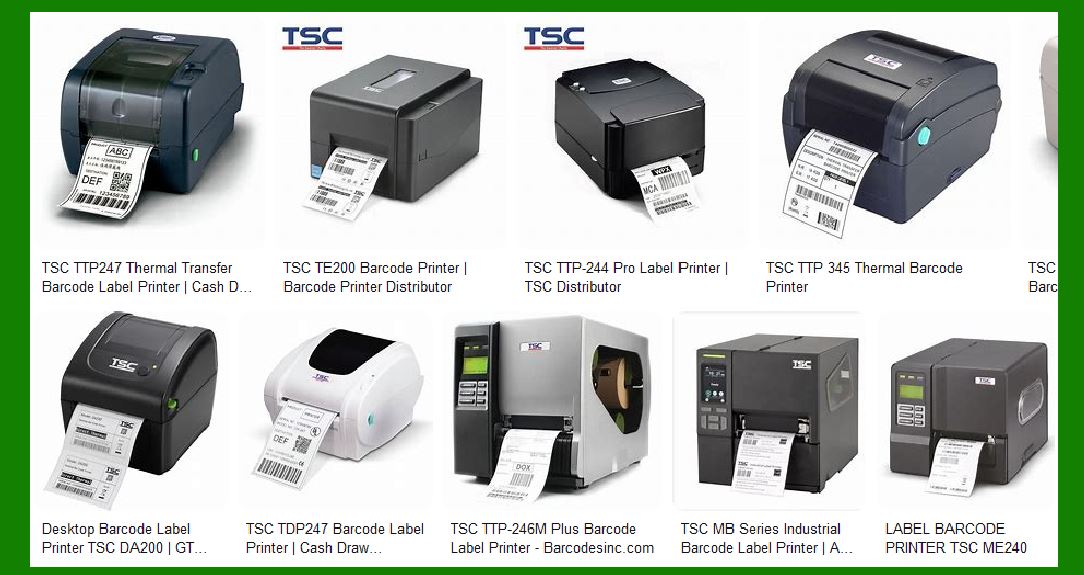
The print head is the most critical component of a barcode printer, as it directly impacts the quality, speed, and efficiency of the barcode printing process. It is responsible for transferring the desired barcode design onto the label or media. The print head operates by applying heat to the printing surface, which then either melts a ribbon onto the label (thermal transfer) or directly burns the image onto the label (direct thermal). |
|
2.Types of Print Heads |
Print heads in barcode printers come in two primary types: thermal transfer and direct thermal. Both types utilize heat but differ in their methods of creating the barcode image. |
a. Thermal Transfer Print Heads |
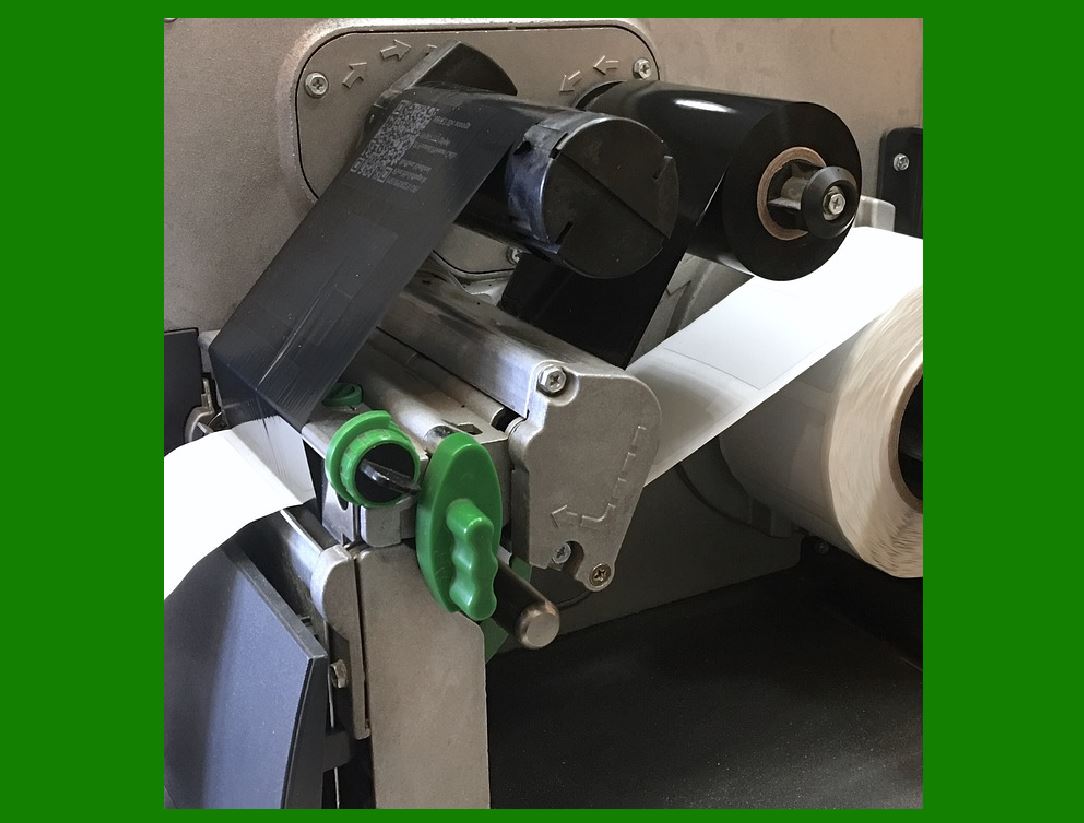
In thermal transfer printing, the print head heats a ribbon that contains ink or pigment. The heat causes the ink to melt and transfer from the ribbon onto the label material. This method is highly versatile, allowing for printing on a wide variety of label materials, including paper, polyester, and polypropylene. Thermal transfer print heads are known for producing durable and long-lasting prints that can withstand harsh environments, making them ideal for applications such as asset tracking, inventory management, and outdoor labeling. |
b. Direct Thermal Print Heads |
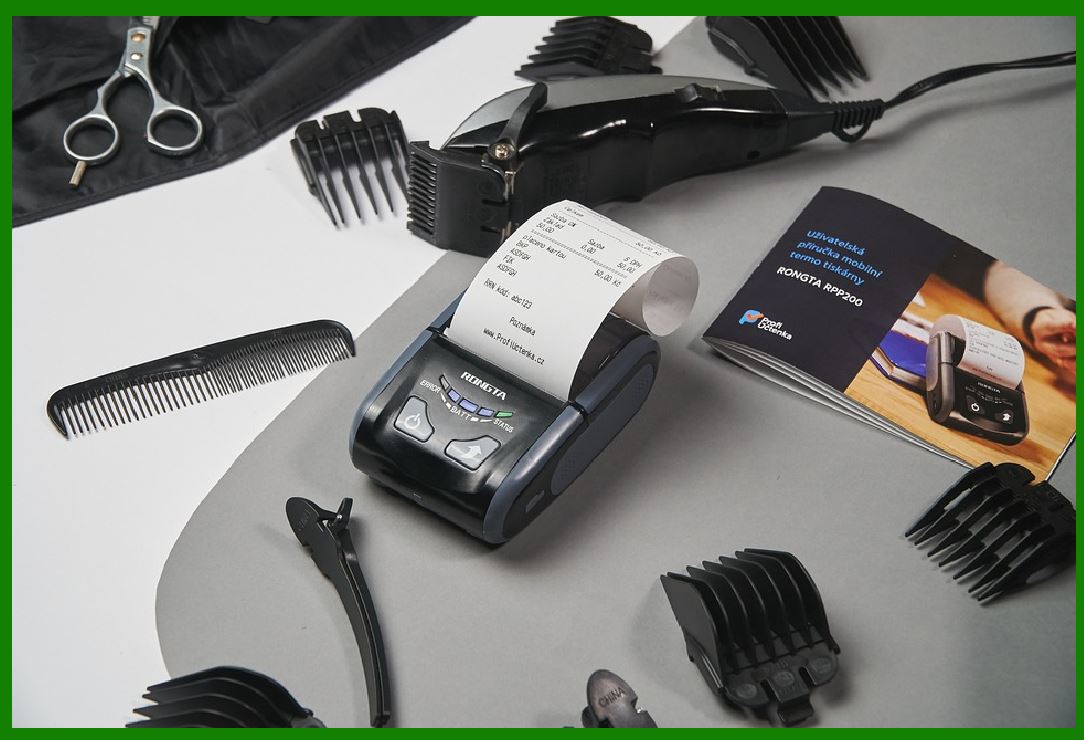
Direct thermal printing, on the other hand, does not use a ribbon. Instead, the print head applies heat directly to a specially coated thermal paper. The heat causes a chemical reaction in the paper, resulting in the desired image or barcode. Direct thermal print heads are simpler and more cost-effective, as they eliminate the need for a ribbon. However, the prints are generally less durable and more susceptible to fading over time, especially when exposed to heat, light, or chemicals. This makes direct thermal printing suitable for short-term applications like shipping labels, receipts, and event tickets. |
|
3.Components and Functionality of Print Heads |
Print heads consist of several key components that work together to produce high-quality barcode prints. These components include the heating elements, protective coatings, and alignment mechanisms. |
a. Heating Elements |
The heating elements are the core of the print head. These tiny resistors generate heat when an electric current passes through them. The arrangement and density of these heating elements determine the print head's resolution, typically measured in dots per inch (DPI). Common resolutions for barcode printers range from 200 to 600 DPI, with higher resolutions providing finer detail and clarity for small barcodes and graphics. |
b. Protective Coatings |
Print heads are subject to wear and tear due to constant contact with the ribbon or label material. To prolong their lifespan, print heads are coated with protective layers that reduce friction and prevent damage from debris and contaminants. Common materials used for these coatings include diamond-like carbon (DLC) and ceramic. These coatings not only protect the heating elements but also enhance the overall performance and durability of the print head. |
c. Alignment Mechanisms |
Proper alignment of the print head is crucial for ensuring consistent and accurate printing. Misalignment can lead to poor print quality, skewed barcodes, and increased wear on the print head. Many barcode printers feature adjustable print head alignment mechanisms that allow users to fine-tune the position and pressure of the print head. This ensures optimal contact with the ribbon or label material and uniform heat distribution across the printing surface. |
|
4.Print Head Maintenance and Care |
Regular maintenance of the print head is essential for maintaining print quality and extending the lifespan of the printer. Proper care includes cleaning, inspecting for damage, and replacing worn-out components. |
a. Cleaning the Print Head |
Over time, debris, dust, and adhesive residues can accumulate on the print head, affecting its performance. Regular cleaning is necessary to remove these contaminants and prevent print defects. The frequency of cleaning depends on the printing environment and usage, but it is generally recommended to clean the print head after every roll of labels or ribbon. Cleaning can be done using lint-free wipes, isopropyl alcohol, or specialized cleaning pens designed for print heads. It is important to follow the manufacturer's guidelines to avoid damaging the heating elements or protective coatings. |
b. Inspecting for Damage |
Periodic inspection of the print head is important to identify any signs of wear or damage. Look for scratches, nicks, or areas where the protective coating has worn off. Damaged print heads can result in poor print quality, inconsistent barcodes, and increased ribbon or label consumption. If any damage is detected, it may be necessary to replace the print head to maintain optimal printing performance. |
c. Replacing the Print Head |
Print heads have a finite lifespan, and eventually, they will need to be replaced. The longevity of a print head depends on various factors, including the type of print head, printing volume, and the materials used. Most manufacturers provide guidelines on the expected lifespan of their print heads, often measured in millions of inches printed. Replacing the print head is a straightforward process, and many printers are designed for easy print head replacement. It is important to use genuine replacement parts from the manufacturer to ensure compatibility and performance. |

|
5.Factors Affecting Print Head Longevity |
Several factors can influence the lifespan of a print head, including the type of media, printing environment, and printing volume. |
a. Type of Media |
The type of label material and ribbon used can have a significant impact on print head longevity. Abrasive or rough materials can cause excessive wear on the print head, reducing its lifespan. It is important to choose high-quality media that is compatible with the printer and suitable for the application. Some manufacturers offer specially formulated ribbons and labels designed to minimize print head wear and extend its life. |
b. Printing Environment |
The environment in which the printer operates can also affect print head longevity. Dusty or dirty environments can increase the likelihood of debris and contaminants accumulating on the print head. Temperature and humidity levels can also impact the performance and durability of the print head. It is important to keep the printer in a clean, controlled environment and to follow the manufacturer's recommendations for optimal operating conditions. |
c. Printing Volume |
The volume of printing can affect the rate of wear and tear on the print head. High-volume printing operations may experience more frequent print head replacements due to the increased demand on the heating elements and protective coatings. Implementing a regular maintenance schedule and using high-quality media can help mitigate the effects of high printing volumes on print head longevity. |
|
6.Advancements in Print Head Technology |
Ongoing advancements in print head technology continue to improve the performance, durability, and versatility of barcode printers. Some of these advancements include higher resolution print heads, advanced protective coatings, and innovative heating element designs. |
a. Higher Resolution Print Heads |
As the demand for higher quality barcodes and graphics increases, manufacturers are developing print heads with higher resolutions. Higher DPI print heads provide finer detail and greater clarity, making them suitable for printing complex barcodes, small text, and intricate graphics. These advancements enable barcode printers to meet the needs of diverse applications, from retail and healthcare to industrial and logistics. |
b. Advanced Protective Coatings |
New materials and technologies are being developed to enhance the protective coatings on print heads. These advanced coatings offer improved resistance to wear, friction, and contaminants, resulting in longer-lasting print heads and consistent print quality. Some of these coatings also have anti-static properties, reducing the buildup of dust and debris on the print head. |
c. Innovative Heating Element Designs |
Innovations in heating element design are leading to more efficient and effective print heads. Some new designs feature variable energy control, allowing for precise adjustments in heat output based on the type of media and printing requirements. This not only improves print quality but also reduces energy consumption and extends the life of the print head. |
|
7.Common Print Head Issues and Troubleshooting |
Despite regular maintenance and advancements in technology, print heads can still encounter issues that affect printing performance. Some common print head issues include streaking, fading, and missing dots. Understanding these issues and their causes can help users troubleshoot and resolve them effectively. |
a. Streaking |
Streaking refers to the presence of vertical lines or streaks in the printed barcode. This issue can be caused by debris or contaminants on the print head, damaged heating elements, or misalignment of the print head. Cleaning the print head and ensuring proper alignment can often resolve streaking issues. If the problem persists, it may indicate a damaged print head that needs replacement. |
b. Fading |
Fading occurs when the printed barcode appears lighter or less distinct than expected. This issue can result from insufficient heat being applied by the print head, worn-out heating elements, or low-quality media. Adjusting the print darkness settings, using high-quality labels and ribbons, and inspecting the print head for wear can help address fading issues. |
c. Missing Dots |
Missing dots refer to small gaps or missing sections in the printed barcode. This issue is often caused by dead or damaged heating elements on the print head. Regular inspection and cleaning can help prevent this issue, but if it occurs, replacing the print head is usually the best solution. |
|
8.Conclusion |
The print head is undoubtedly the most critical component of a barcode printer, playing a pivotal role in the quality and efficiency of barcode printing. Understanding the different types of print heads, their components, maintenance requirements, and common issues can help users maximize the performance and longevity of their barcode printers. With ongoing advancements in print head technology, barcode printers are becoming more versatile, durable, and capable of meeting the ever-evolving demands of various industries. Whether for short-term applications like shipping labels or long-term uses such as asset tracking, selecting the right print head |
|
What are its common failures? How to prevent them? |
Print heads, like any other critical component of machinery, are prone to certain failures. Below are some of the most common failures and how to prevent them: |
1.Streaking |
Failure Description: Streaks or vertical lines appear in the printed barcode, leading to poor readability and incomplete data transmission. |
Causes: |
Debris or contaminants on the print head |
Damaged or worn-out heating elements |
Misalignment of the print head |
Prevention Measures: |
Regular cleaning of the print head using lint-free wipes or cleaning pens. |
Periodic inspection for physical damage or wear. |
Ensuring proper alignment of the print head with the label material. |

|
2.Fading |
Failure Description: The printed barcode appears lighter or less distinct than expected, making it difficult to scan. |
Causes: |
Insufficient heat applied by the print head |
Worn-out heating elements |
Low-quality label material or ribbon |
Prevention Measures: |
Adjusting the print darkness settings. |
Using high-quality labels and ribbons. |
Regularly inspecting the print head for signs of wear or damage. |
|
3.Missing Dots |
Failure Description: Small gaps or missing sections appear in the printed barcode, which can lead to scanning errors. |
Causes: |
Dead or damaged heating elements on the print head |
Accumulated debris or contamination |
Prevention Measures: |
Regular cleaning to remove contaminants. |
Replacing the print head if missing dots are detected. |
|
4.Print Head Misalignment |
Failure Description: The barcode is printed skewed or off-center, leading to poor readability. |
Causes: |
Improper alignment of the print head with the label material |
Loose or damaged alignment mechanisms |
Prevention Measures: |
Regularly checking and adjusting the alignment of the print head. |
Ensuring that the alignment mechanisms are in good working condition. |
|
5.Print Head Overheating |
Failure Description: Excessive heat damages the print head, causing print quality issues and potentially permanent damage. |
Causes: |
Extended periods of high-volume printing without breaks |
Inadequate cooling or ventilation |
Prevention Measures: |
Allowing the printer to cool down during high-volume printing. |
Ensuring proper ventilation around the printer. |
|
6.Abrasive Wear |
Failure Description: The print head surface becomes scratched or worn, affecting print quality and lifespan. |
Causes: |
Printing on abrasive or rough label materials |
Using low-quality or incompatible ribbons |
Prevention Measures: |
Selecting high-quality, compatible label materials and ribbons. |
Inspecting labels and ribbons for abrasiveness before use. |
|
7.Adhesive Buildup |
Failure Description: Residues from labels or ribbons accumulate on the print head, leading to print defects and increased wear. |
Causes: |
Use of labels with excessive adhesive |
Accumulation of adhesive residues over time |
Prevention Measures: |
Regular cleaning to remove adhesive residues. |
Selecting labels with appropriate adhesive properties. |
By understanding these common failures and implementing preventive measures, users can maximize the performance and lifespan of their print heads, ensuring consistent, high-quality barcode printing. |
|
What new technologies will improve the function of the print head and reduce the failure rate in the future? |
The future of print head technology is promising, with several advancements aimed at improving functionality and reducing failure rates. Here are some of the most notable innovations: |
1.Micro-Electro-Mechanical Systems (MEMS) Technology |
MEMS technology involves the use of tiny mechanical and electrical components to create highly precise and efficient print heads. This technology allows for better control over ink droplet formation and placement, resulting in higher print quality and reduced wear on the print head. |
2.Piezoelectric Print Heads |
Piezoelectric print heads use piezoelectric materials that change shape when an electric current is applied. This change in shape forces ink droplets out of the nozzles with high precision. Piezoelectric print heads are known for their durability and ability to handle a wide range of ink types, making them less prone to clogging and failure. |
3.Advanced Protective Coatings |
New protective coatings are being developed to enhance the durability of print heads. These coatings reduce friction and protect the heating elements from wear and contaminants. Some advanced coatings also have anti-static properties, which help prevent dust and debris buildup on the print head. |
4.Variable Energy Control |
Innovations in heating element design include variable energy control, which allows for precise adjustments in heat output based on the type of media and printing requirements. This not only improves print quality but also reduces energy consumption and extends the life of the print head. |
5.Recirculating Ink Systems |
Recirculating ink systems continuously circulate ink within the print head, preventing ink from drying out and clogging the nozzles. This technology ensures consistent ink flow and reduces the likelihood of print head failure due to clogs. |
|
6.Greyscale Printing |
Greyscale printing technology allows for the creation of variable-sized ink droplets, which can produce smoother gradients and finer details. This technology reduces the stress on the print head by optimizing ink usage and minimizing the need for high-pressure ink ejection. |
7.Improved Cooling Mechanisms |
Enhanced cooling mechanisms are being integrated into print heads to prevent overheating during high-volume printing. These cooling systems help maintain optimal operating temperatures, reducing the risk of thermal damage to the print head. |
8.Self-Cleaning Print Heads |
Self-cleaning mechanisms are being developed to automatically remove debris and contaminants from the print head. These systems use ultrasonic vibrations or specialized cleaning cycles to keep the print head clean and functioning optimally. |
9.Smart Print Head Monitoring |
Advanced sensors and monitoring systems are being integrated into print heads to provide real-time feedback on their condition. These smart systems can detect issues such as misalignment, wear, and clogging, allowing for proactive maintenance and reducing the risk of unexpected failures. |
10.High-Resolution Print Heads |
As the demand for higher quality prints increases, manufacturers are developing print heads with higher resolutions. These print heads can produce finer details and sharper images, making them suitable for a wide range of applications, from industrial printing to high-end graphics. |
By incorporating these new technologies, the functionality of print heads will be significantly improved, and the failure rate will be reduced. These advancements will lead to more reliable and efficient barcode printers, ensuring consistent high-quality prints and minimizing downtime. |

|
How will these advancements impact the future of printing? |
The advancements in print head technology hold immense potential to transform the future of printing. Here's how they might impact the industry: |
1.Enhanced Print Quality |
Higher resolution print heads and innovations like greyscale printing will lead to more detailed and precise images and barcodes. This means better readability, more accurate data capture, and the ability to produce complex designs and small text with clarity. |
2.Increased Durability and Lifespan |
Advanced protective coatings, improved cooling mechanisms, and self-cleaning systems will significantly extend the lifespan of print heads. This will reduce the frequency of maintenance and replacements, leading to lower operating costs and increased printer reliability. |
3.Reduced Downtime |
Smart print head monitoring systems will enable proactive maintenance and early detection of potential issues. This will minimize unexpected printer failures and downtime, ensuring continuous and efficient printing operations. |
4.Greater Versatility |
Innovations such as piezoelectric print heads and variable energy control will allow printers to handle a wider range of media types and printing requirements. This versatility will make barcode printers suitable for diverse applications across various industries, from retail and healthcare to manufacturing and logistics. |
5.Cost Efficiency |
With more durable print heads and reduced maintenance needs, the overall cost of ownership for barcode printers will decrease. Additionally, the ability to use high-quality, compatible media will lead to better resource utilization and cost savings. |
|
6.Eco-Friendly Printing |
Technologies like recirculating ink systems and energy-efficient heating elements will contribute to more sustainable printing practices. These advancements will reduce ink waste, energy consumption, and the environmental impact of printing operations. |
7.Customization and Personalization |
Higher resolution and precise control over ink droplet formation will enable more customized and personalized printing solutions. Businesses will be able to create tailored labels, packaging, and promotional materials that meet specific branding and marketing needs. |
8.Improved User Experience |
The integration of advanced sensors, smart monitoring, and self-cleaning mechanisms will simplify printer maintenance and operation. Users will benefit from more intuitive and hassle-free printing experiences, with less time spent on troubleshooting and upkeep. |
9.Competitive Advantage |
Businesses that adopt these advanced printing technologies will gain a competitive edge by enhancing their operational efficiency, reducing costs, and delivering high-quality printed materials. This will be particularly advantageous in industries where precision and reliability are critical, such as pharmaceuticals, electronics, and logistics. |
|
Overall, these advancements in print head technology will drive the printing industry towards greater efficiency, reliability, and sustainability. As a result, businesses will be better equipped to meet the evolving demands of their customers and markets, positioning themselves for future success. |
 cs@easiersoft.com