Barcode Reader: Barcode Symbologies and Compatibility |
Barcode readers are vital tools used across industries to scan and decode information encoded in various types of barcodes. These devices have evolved over the years, and the introduction of different barcode symbologies has allowed industries to tailor the barcode system to their unique needs. However, the vast array of barcode formats and their associated challenges in compatibility present an ongoing challenge for barcode readers, especially when multiple symbologies need to be supported by a single device. This article will discuss the most common barcode symbologies, the challenges associated with multi-symbology scanning, and the differences between 1D and 2D barcodes, as well as their impact on reader compatibility. |
|
1. Barcode Symbologies and Their Importance |
Barcode symbologies refer to the various encoding schemes used to represent data in a visual format that can be easily scanned by a barcode reader. Different industries utilize specific symbologies to meet their needs for space efficiency, data volume, and scanning speed. Some of the most commonly used barcode symbologies include: |
1.1 Universal Product Code (UPC): |
The UPC is one of the most widely used barcode formats, especially in retail. It is a 1D barcode, typically featuring 12 digits that encode information about a product. The UPC barcode is used mainly for inventory management and point-of-sale transactions. It is easily recognizable due to its parallel bars and relatively simple structure. |
1.2 European Article Number (EAN): |
The EAN barcode is similar to the UPC but with a few differences that make it more suitable for international use. The most common EAN code is EAN-13, which encodes 13 digits. It is widely used in Europe and other parts of the world, especially in retail settings. |
1.3 Code 128: |
Code 128 is a high-density 1D barcode that can encode all 128 ASCII characters, including special symbols and numbers. It is frequently used in logistics, shipping, and manufacturing for tracking products, goods, and packages. It is known for its compact size and versatility in encoding a wide range of characters. |
1.4 QR Code: |
QR codes are 2D barcodes that can store a significant amount of data compared to 1D barcodes. They are composed of squares arranged in a matrix, which allows for greater storage capacity. QR codes are used in a wide range of applications, from marketing and advertising to product tracking and ticketing. They can store links, contact information, product details, and more. |
1.5 Data Matrix: |
Data Matrix is another 2D barcode that is compact and can encode large amounts of data in a small space. It is often used in applications where size is a concern, such as in the pharmaceutical and aerospace industries. Data Matrix codes can store data in both horizontal and vertical directions, offering higher data density than traditional 1D barcodes. |
1.6 PDF417: |
PDF417 is a 2D barcode used in applications requiring high data capacity. It is typically used in the transportation and logistics sectors for storing information such as shipping details, license numbers, and more. PDF417 is capable of encoding both text and binary data. |
1.7 Aztec Code: |
Aztec codes are 2D barcodes designed to be read from small physical spaces, such as mobile ticketing. They are similar to QR codes in terms of data storage but use a different matrix system. Aztec codes are frequently used in public transportation and other mobile-based applications. |
Each barcode format is designed to serve specific requirements in terms of data encoding, space efficiency, and error correction. However, barcode readers must be capable of scanning multiple types of barcodes if they are to serve a wide range of applications across different industries. |
|
2. Multi-Symbology Scanning: Challenges and Considerations |
As industries adopt more diverse barcode formats to meet their unique needs, the ability of barcode readers to handle multiple symbologies has become a critical factor in their functionality. While modern barcode readers are designed to be compatible with a wide range of symbologies, there are still challenges, particularly when dealing with specialized or custom barcode formats. |
2.1 Compatibility with Multiple Symbologies: |
Modern barcode readers are equipped with the technology to scan various symbologies. However, the challenge lies in the compatibility of readers with new, custom, or proprietary formats. Some industries, such as logistics or healthcare, may develop their own barcode symbologies to address specific operational needs. For instance, custom symbologies may be used to encode additional data or offer more efficient tracking. Readers must be able to recognize and decode these formats, even if they are not standard across the industry. |
2.2 Reading Specialized or Custom Barcodes: |
Certain industries, such as pharmaceuticals or aerospace, may use specialized barcode formats that are not widely recognized outside their sector. For example, the pharmaceutical industry often requires codes with higher levels of error correction, allowing for more secure tracking of medications. Similarly, custom barcodes may be used to encode sensitive information like serial numbers or proprietary product data. Barcode readers need to be compatible with these custom symbologies to ensure seamless scanning across different sectors. |
2.3 Reader Flexibility and Software Updates: |
Many barcode readers rely on software to decode information, and this software can be updated to support new symbologies as they emerge. However, frequent updates may be required, and compatibility issues may arise if the reader's software is not kept up-to-date. Some barcode readers can switch between symbologies automatically, but others may require manual configuration, which can be time-consuming, especially in high-volume environments. |
2.4 Scanning Performance and Speed: |
One of the primary considerations for multi-symbology scanning is the performance of the barcode reader. Scanning different symbologies may require varying levels of processing power, and some barcodes may take longer to decode than others. Readers designed for high-volume environments, such as warehouses or retail stores, need to offer fast and efficient scanning capabilities, regardless of the symbology being used. Slow or inaccurate scanning can lead to bottlenecks in operations, especially in environments where speed is critical. |
2.5 User Experience and Interface: |
Multi-symbology scanners must also consider the user experience. While modern readers are capable of reading a variety of symbologies, the process should be seamless for the user. Automatic switching between barcode types or intuitive interfaces that guide the user through the scanning process can help improve the overall user experience. Barcode readers that require manual intervention to switch between symbologies may not be ideal for fast-paced, high-volume environments. |
|
3. 1D vs. 2D Barcodes: A Key Differentiator in Reader Compatibility |
The distinction between 1D and 2D barcodes plays a significant role in the compatibility and performance of barcode readers. These two types of barcodes differ not only in their structure but also in the amount of data they can store and the technology required to read them. |
3.1 1D Barcodes: |
1D barcodes, such as UPC, EAN, and Code 128, are linear barcodes consisting of parallel bars that encode data in a single dimension. These barcodes can only store a limited amount of information-typically, up to 20-25 characters. The data is encoded using a series of bars and spaces of varying widths, which represent different characters. 1D barcodes are read using laser-based barcode scanners that emit a laser beam to scan the barcode, detecting the reflected light to interpret the data. |
3.2 2D Barcodes: |
In contrast, 2D barcodes, such as QR codes and Data Matrix codes, use both horizontal and vertical dimensions to encode information. This allows 2D barcodes to store much more data compared to their 1D counterparts-often thousands of characters, including alphanumeric characters and special symbols. 2D barcodes are composed of a matrix of dots, which allows them to store data in both directions. These barcodes require imaging scanners, which use cameras or sensors to capture an image of the barcode and decode the information. |
3.3 Challenges in Switching Between 1D and 2D Barcodes: |
One of the significant challenges in barcode reader compatibility is the ability to seamlessly switch between 1D and 2D barcodes. Laser-based scanners are typically designed to read only 1D barcodes, while imaging scanners are needed to decode 2D codes. In environments where both types of barcodes are present, barcode readers must be capable of quickly and accurately switching between the two formats. |
3.4 Hybrid Scanners: |
To address this challenge, many barcode readers on the market today are hybrid devices, capable of reading both 1D and 2D barcodes. These readers often use imaging technology, allowing them to scan both linear barcodes and 2D matrix codes. While hybrid scanners offer greater flexibility, they may face challenges in high-volume environments. For example, some readers may struggle to quickly switch between barcode types, especially if the barcodes are close together or if there is minimal space for the scanner to adjust focus. |
3.5 Scanning Technology and Data Density: |
The technology used to scan barcodes also plays a role in how well a reader can handle 1D and 2D barcodes. Imaging scanners typically have higher resolution sensors, enabling them to read more densely packed barcodes. This makes them ideal for 2D barcodes, which often have more complex structures and higher data density. However, this increased resolution can also make the scanning process slower in some cases. On the other hand, laser scanners excel in reading simple 1D barcodes at high speeds but are unable to decode 2D barcodes. |
3.6 Error Correction and Reliability: |
Another important consideration when scanning 1D and 2D barcodes is the level of error correction supported by each symbology. 2D barcodes, such as QR codes and Data Matrix codes, have built-in error correction algorithms that allow them to be read even if they are partially damaged or obscured. This makes them highly reliable in harsh or challenging scanning environments. On the other hand, 1D barcodes have less robust error correction, meaning that any damage to the barcode can result in a failed scan. For barcode readers to handle both types of barcodes effectively, they must be equipped with robust error detection and correction capabilities. |
|
4. Conclusion: The Future of Barcode Reader Compatibility |
In conclusion, the landscape of barcode scanning technology is evolving rapidly, and readers must be able to handle a wide variety of symbologies to ensure compatibility across industries. As new barcode formats emerge and industries continue to adopt more specialized symbologies, the need for flexible, high-performance barcode readers will only increase. |
The ability of barcode readers to seamlessly switch between 1D and 2D barcodes is crucial in environments where both types are used. Hybrid scanners that can read both formats are already on the market, but challenges remain in terms of scanning speed, error correction, and software compatibility. As technology continues to advance, it is likely that we will see more sophisticated barcode readers capable of handling an even broader array of barcode symbologies, making scanning operations faster, more accurate, and more efficient. |
The increasing use of 2D barcodes, particularly in mobile applications, will likely drive further advancements in scanner technology. For industries dealing with complex or customized barcodes, ensuring that their barcode readers are adaptable and capable of handling a variety of formats will be key to maintaining efficient operations. In this ever-evolving field, barcode reader compatibility will remain a critical factor for ensuring success across diverse industries. |
|
What challenges will it face? |
Barcode readers face several challenges related to their ability to handle multiple symbologies and their compatibility with diverse barcode types, especially as industries continue to adopt new and specialized formats. Below are the key challenges that barcode readers face when dealing with barcode symbologies and ensuring compatibility: |
1. Complexity of Handling Multiple Symbologies |
Barcode readers are designed to read a wide variety of barcode formats, ranging from traditional 1D barcodes to advanced 2D codes. Each symbology uses a different encoding scheme, and the reader must be capable of accurately decoding data from all of them. The challenge lies in the complexity of supporting multiple symbologies without compromising speed, accuracy, or ease of use. Specifically: |
Increased Processing Power: Different barcode formats require different decoding algorithms, and as a result, barcode readers need substantial processing power to decode a variety of formats. For example, 2D barcodes like QR codes and Data Matrix codes store more data and have a more complex structure than simple 1D barcodes. The decoding process for these formats is more computationally intensive, which could slow down the scanning process in high-volume environments. |
Hardware Limitations: Not all barcode scanners have the same hardware capabilities. Some older or cheaper models may struggle to read newer or more complex symbologies. Even with software updates, the hardware limitations can affect a reader's ability to decode certain types of barcodes, particularly those with high data density or error correction. |
|
2. Specialized or Custom Symbologies |
Many industries create their own custom barcode formats or adopt specialized symbologies to meet particular operational needs. For instance, the healthcare, logistics, and aerospace industries often use proprietary barcodes for tracking and security purposes. These barcode symbologies may not be widely adopted and can present compatibility challenges. |
Custom Encoding: Custom barcodes might not conform to standard formats, and their encoding methods could differ from established symbologies. This can make it difficult for a barcode reader to recognize and decode these custom codes without specific software or firmware modifications. |
Limited Support: Not all barcode readers support proprietary or niche symbologies. Companies that use custom barcode formats may be forced to use specialized, often more expensive, barcode readers. This can limit flexibility and increase operational costs. |
|
3. Difficulty Switching Between 1D and 2D Barcodes |
One of the most significant challenges that barcode readers face is switching between 1D and 2D barcodes. 1D barcodes (such as UPC or EAN) are read using laser scanners, while 2D barcodes (such as QR codes or Data Matrix) are typically read by imaging scanners that use cameras to capture images of the code. The challenges in this area include: |
Scanning Technology Compatibility: Laser scanners, which are ideal for reading 1D barcodes, are unable to read 2D barcodes because 2D codes require a camera-based system that captures images and decodes the data in both horizontal and vertical directions. This creates a challenge in environments where both 1D and 2D barcodes are used simultaneously, as the scanner must be capable of reading both types quickly and accurately. |
Transition Between Barcodes: In a busy environment where both 1D and 2D barcodes are scanned, readers must be able to quickly and efficiently switch between scanning the two formats. Many barcode readers are hybrid scanners capable of reading both, but this transition can still cause delays if the scanner is not optimized for fast switching. |
Focus and Resolution: 2D barcodes often have higher data density, requiring a higher resolution and focus for accurate scanning. Hybrid scanners that attempt to read both 1D and 2D barcodes need to adjust their focus automatically, which can slow down the scanning process, especially in high-volume environments. |
|
4. Poor Quality or Damaged Barcodes |
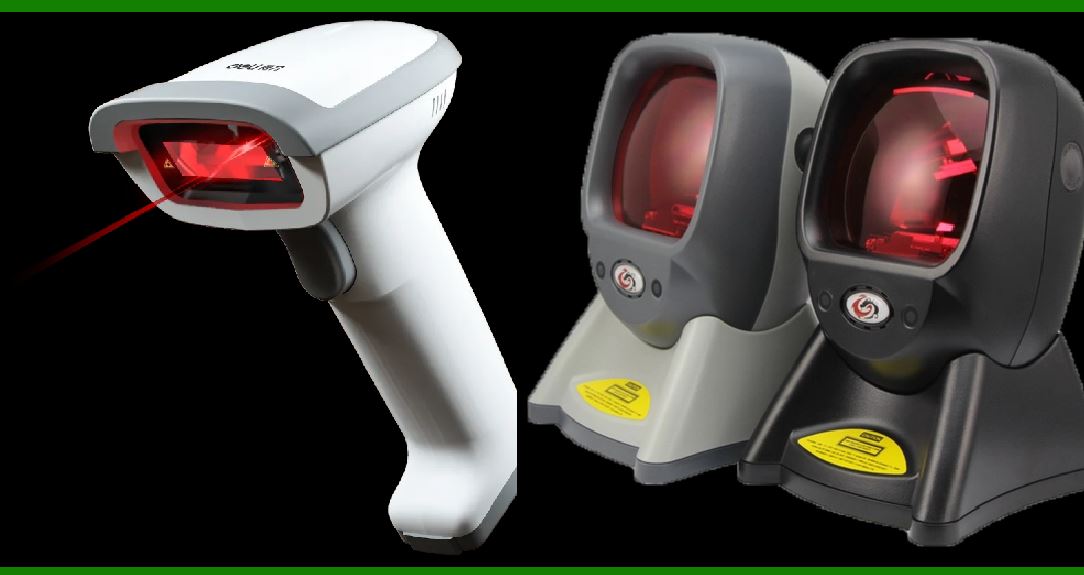
Barcode readers may struggle to decode barcodes that are poorly printed, damaged, or distorted in any way. This is particularly challenging in industries such as logistics or manufacturing, where barcodes can be subject to wear and tear, exposure to harsh environments, or poor printing practices. |
Error Correction Limitations: While 2D barcodes like QR codes and Data Matrix codes have robust error correction algorithms (such as Reed-Solomon error correction), many 1D barcodes (such as UPC and EAN) lack such features. This makes it harder for readers to decode damaged 1D barcodes. In environments where barcodes are exposed to physical damage (e.g., shipping or warehouse settings), readers may need advanced error-correction capabilities to ensure successful scanning. |
Reflectivity and Environmental Factors: Some barcode readers may struggle to read barcodes in certain environmental conditions. For example, glare from glass surfaces, uneven lighting, or reflective packaging can cause problems for both 1D and 2D scanners. In such cases, the reader may fail to capture the image of the barcode properly, leading to missed scans and inefficiencies. |
|
5. Speed and Efficiency in High-Volume Environments |
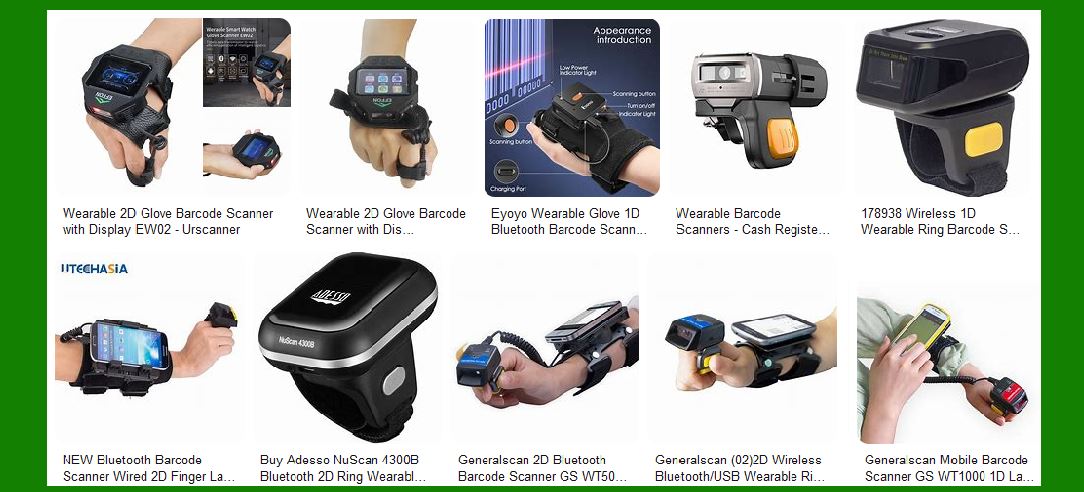
In industries that require fast scanning, such as retail, logistics, and manufacturing, speed is of the essence. However, some barcode readers may struggle to maintain high-speed scanning when faced with the need to quickly switch between different symbologies or handle damaged or low-quality barcodes. |
Latency in Decoding: Some barcode readers may experience delays when decoding 2D barcodes, particularly in high-density codes that require more processing power. This can result in longer scan times, which may not be acceptable in fast-paced environments. |
Queueing and Bottlenecks: If a barcode reader takes too long to decode a barcode, it can cause a backlog in operations, leading to inefficient workflows and longer wait times for customers or employees. In high-volume retail or warehouse environments, delays caused by slow barcode scanning can result in productivity losses. |
|
6. Limited Software and Firmware Support |
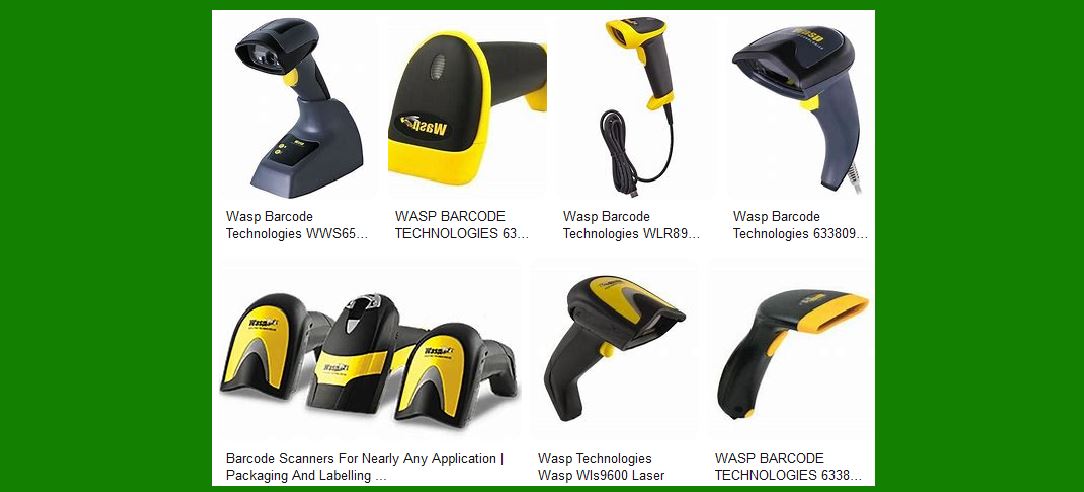
For barcode readers to effectively handle multiple symbologies, they require software and firmware updates that are compatible with the latest barcode standards. However, keeping up with software and firmware updates can present challenges. |
Cost of Updates: Updating barcode reader firmware to support newer symbologies can be costly, especially for businesses that have deployed a large number of devices. Moreover, some older barcode readers may not be compatible with the latest software updates, requiring companies to invest in new scanners or devices to remain compatible with emerging barcode formats. |
Training and Knowledge Gaps: Barcode readers that require frequent updates may also lead to knowledge gaps within organizations. Employees must be trained to handle the latest software or firmware changes, and this can create inefficiencies if training programs are not well-implemented. |
|
7. User Experience and Interface Challenges |
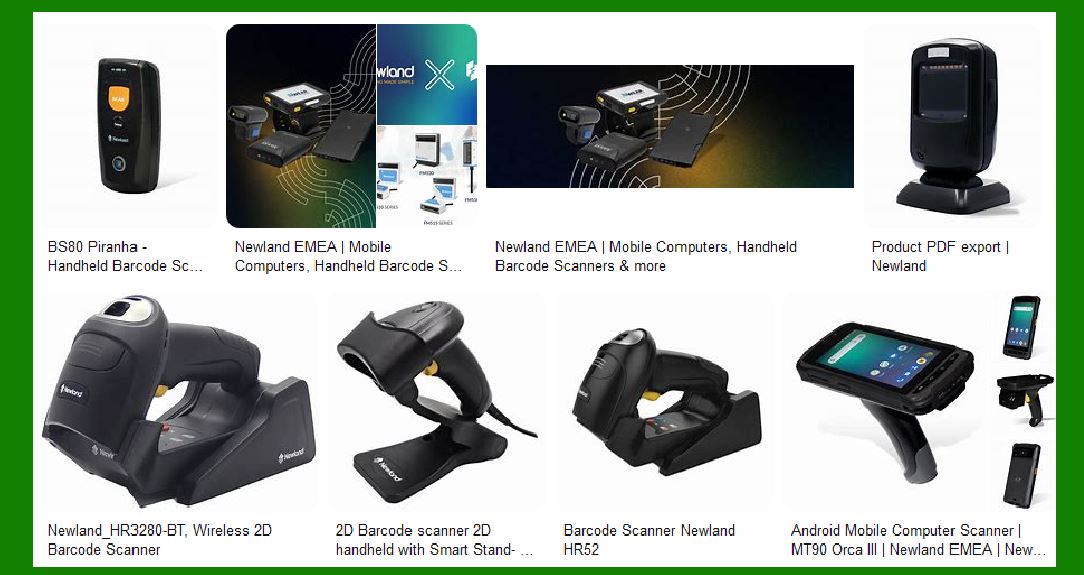
For workers in fast-paced environments, the ease of use of a barcode scanner is essential. Barcode readers that require manual intervention to switch between barcode formats or symbologies may cause frustration and slow down productivity. |
Manual Configuration: Some older barcode readers require manual configuration to switch between symbologies, which is time-consuming and increases the likelihood of errors. For businesses that rely on high volumes of scanning, such delays and mistakes can result in inefficiencies and bottlenecks. |
Accuracy vs. Speed: Achieving a balance between scanning speed and accuracy is another challenge. Barcode readers that focus too much on speed may risk misreading barcodes or fail to capture the correct symbology. Conversely, readers that prioritize accuracy may take longer to decode the information, leading to slower workflows. |
|
8. Data Privacy and Security |
As industries increasingly use barcodes to encode sensitive information-such as customer details, payment information, or inventory data-barcode readers must address concerns related to data security and privacy. |
Security Vulnerabilities: Barcode readers that handle encrypted or sensitive data need to have built-in security measures to protect against data breaches. Unencrypted barcodes, such as those used for simple tracking, may expose data to unauthorized parties if the reader's security protocols are insufficient. |
Authentication and Validation: For industries dealing with highly sensitive information, such as pharmaceuticals, the barcode reader must be capable of validating the authenticity of the barcode before decoding it. This may involve additional layers of authentication to ensure that the scanned data matches the authorized source. |
|
Conclusion |
Barcode readers face a broad range of challenges when dealing with multiple barcode symbologies and ensuring compatibility across diverse formats. From the complexity of supporting multiple symbologies to issues with damaged barcodes, speed, and compatibility, each challenge can impact the performance and efficiency of barcode scanning systems. Overcoming these obstacles requires constant innovation in hardware, software, and user interface design, as well as ongoing improvements to error correction, security protocols, and scanning speed. As industries continue to evolve and new barcode symbologies emerge, barcode readers must remain adaptable and versatile to meet the needs of a dynamic marketplace. |
|
Case Studies on Barcode Reader Challenges and Solutions |
Below are several case studies from various industries that highlight the challenges faced by barcode readers in terms of symbology compatibility, data quality, and efficiency. These examples demonstrate how businesses have tackled these challenges and found solutions to improve their barcode scanning systems. |
1. Retail Industry: UPC/EAN vs. QR Code Integration |
Challenge: |
A large retail chain used traditional UPC and EAN barcodes for product tracking and point-of-sale (POS) scanning. However, with the rise of mobile marketing, they sought to integrate QR codes into their business model for promotions, loyalty programs, and in-store navigation. This integration posed significant challenges for their existing barcode scanners, which were primarily designed to read 1D barcodes like UPC/EAN. |
Solution: |
The retail chain decided to implement hybrid barcode scanners capable of reading both 1D (UPC/EAN) and 2D (QR code) barcodes. The hybrid scanners used imaging technology, allowing them to read both types of codes without requiring manual configuration or switching between devices. They integrated these scanners at checkout counters, kiosks, and self-checkout stations to enable customers to use their smartphones for QR code scanning and redeem digital coupons. |
Outcome: |
The implementation of hybrid scanners allowed the company to seamlessly integrate QR codes into its promotional strategies. The scanners were able to handle the increased demand for 2D codes, especially during sales and holiday promotions. The customer experience improved, as shoppers could use QR codes for promotions and even mobile payments. The POS system was upgraded to support both 1D and 2D barcodes, providing more flexibility and efficiency at the checkout. |

|
2. Healthcare Industry: Custom Symbology and Medication Tracking |
Challenge: |
A major pharmaceutical company was looking to improve the tracking and security of its medications. They needed a barcode system that could encode sensitive information about batch numbers, expiration dates, and packaging details. However, the standard UPC and EAN barcodes could not hold the required amount of data or provide the necessary error correction for healthcare standards. |
Solution: |
The company adopted a custom barcode symbology called the 'Pharmaceutical Barcode' (PharmaCode) for medication packaging. This 2D barcode was capable of holding more data and providing advanced error correction, which was critical in ensuring that damaged or degraded barcodes could still be read in environments with less-than-ideal conditions (e.g., wet, dirty, or damaged labels). |
To ensure compatibility with this custom symbology, the company invested in barcode readers specifically designed to read PharmaCodes. These readers used imaging technology, allowing them to read both 2D barcodes and more traditional 1D barcodes. The scanners were integrated into inventory management systems to track medication shipments from manufacturers to pharmacies and hospitals. |
Outcome: |
The custom barcode system allowed the pharmaceutical company to ensure that medications could be traced throughout the supply chain with high levels of security and accuracy. The use of error-correcting 2D barcodes helped prevent the issue of unreadable barcodes due to wear and tear, while the ability to store more data allowed for better tracking of pharmaceutical products. Compliance with industry regulations was also maintained as the company could demonstrate traceability of medications using the new barcode format. |
|
3. Logistics Industry: Multi-Symbology and High-Volume Scanning |
Challenge: |
A large logistics and shipping company managed a global supply chain with a mix of 1D and 2D barcodes. The company used standard 1D barcodes (Code 128 and UPC) on shipping labels for tracking packages, but as the company expanded, they began using 2D barcodes like QR codes and Data Matrix codes to capture more data per package, including detailed destination information, shipping times, and inventory status. |
With the increase in the volume of shipments, their existing barcode scanners, which were primarily designed for 1D barcodes, struggled to read the 2D barcodes efficiently. The scanning speed slowed down during peak periods, causing delays and affecting operational efficiency. |
Solution: |
The logistics company upgraded its fleet of barcode readers to multi-symbology scanners that could automatically detect and decode both 1D and 2D barcodes. These hybrid scanners were equipped with imaging technology, allowing them to scan QR codes, Data Matrix codes, and traditional 1D codes without manual switching. The system was also integrated with warehouse management software to track the exact location of each package in real-time, making use of the additional data encoded in the 2D barcodes. |
Additionally, the scanners were optimized for high-speed scanning to ensure they could process a large volume of packages quickly. The company also invested in training programs for warehouse staff to familiarize them with the new system and ensure seamless adoption. |
Outcome: |
The implementation of multi-symbology barcode scanners significantly increased the speed and efficiency of package processing in the warehouse. The ability to read both 1D and 2D barcodes seamlessly allowed for faster scanning and fewer delays during peak periods. Real-time tracking of packages improved the company's ability to manage its supply chain and deliver products more efficiently. As a result, the company saw improvements in throughput and reduced errors in package deliveries. |
|
4. Automotive Industry: Integration of QR Codes for Parts Tracking |
Challenge: |
An automotive manufacturer relied on 1D barcodes for parts tracking throughout its assembly line. However, as the complexity of vehicle designs increased, the amount of data required to track each part grew significantly. The manufacturer needed a way to store detailed specifications, part numbers, and production dates on each component, but 1D barcodes couldn't accommodate the required data. |
Solution: |
The manufacturer decided to implement QR codes alongside the existing 1D barcodes. QR codes could store much more information in a small space, making them ideal for components with complex tracking requirements. However, integrating QR codes into the existing barcode scanning system posed a challenge, as the company had relied on laser scanners that were not capable of reading 2D barcodes. |
The solution was to implement hybrid barcode scanners with imaging capabilities, allowing the system to scan both 1D barcodes and QR codes. These scanners were installed on the assembly line and connected to the manufacturer's production database to track parts in real-time. The QR codes were used for the more complex parts, while the 1D barcodes continued to be used for simpler tracking needs. |
Outcome: |
The hybrid scanning system allowed the manufacturer to effectively track both simple and complex parts. QR codes provided a more efficient means of encoding detailed part information, which was crucial for maintaining quality control and ensuring that each component met the required specifications. The integration of the scanners into the assembly line also helped reduce downtime, as parts could be quickly and accurately scanned, allowing for smooth production flow. As a result, production efficiency improved, and quality control became more streamlined. |
|
5. Event Management Industry: QR Code Ticketing System |
Challenge: |
An event management company was facing challenges with its paper-based ticketing system. Attendees had to present physical tickets at the event, which caused delays during entry due to the manual checking process. Additionally, counterfeit tickets were a growing problem, leading to security concerns. The company needed a more efficient and secure system for ticket validation that could handle a high volume of attendees in real-time. |
Solution: |
The company adopted a QR code-based ticketing system, where attendees received a unique QR code on their smartphones or printed tickets. QR codes were chosen because they could store more information and were harder to counterfeit compared to traditional barcodes. To read the QR codes, the company implemented mobile barcode scanners capable of scanning 2D codes quickly and accurately, even in crowded environments. |
The event staff were equipped with mobile devices with integrated cameras that could scan QR codes at the entrance. The QR code scanning system was integrated with the event's ticketing software, which allowed for real-time validation of tickets and prevented duplicates or counterfeit entries. |
Outcome: |
The switch to QR code-based ticketing drastically improved the speed and efficiency of attendee entry, reducing wait times at the gate. The system was able to handle high volumes of attendees quickly, improving the overall event experience. Additionally, the use of QR codes significantly reduced the risk of counterfeit tickets, as each QR code was unique and could be authenticated in real-time. The event management company also reported a higher level of attendee satisfaction due to the smooth and quick entry process. |
|
Conclusion: |
These case studies illustrate the various challenges that businesses face when dealing with barcode symbology compatibility, and how modern barcode scanning solutions can address these issues. Whether it's adopting multi-symbology scanners for 1D and 2D barcode integration, using custom barcodes in specialized industries, or improving operational efficiency with faster, more secure scanning, companies across different sectors are leveraging the flexibility and power of advanced barcode scanning technology to meet their specific needs and overcome challenges in real-time environments. |
 cs@easiersoft.com